
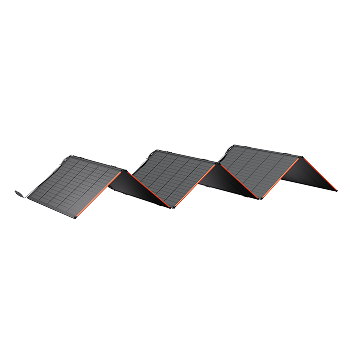
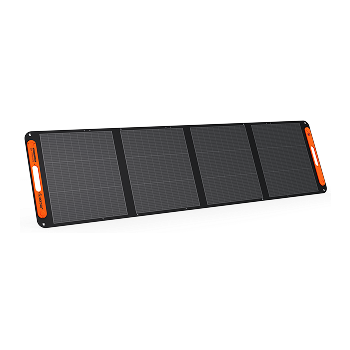
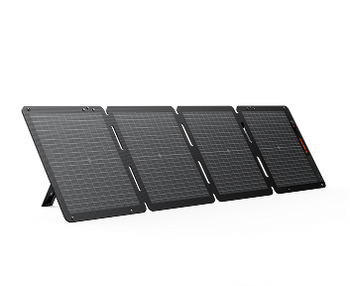










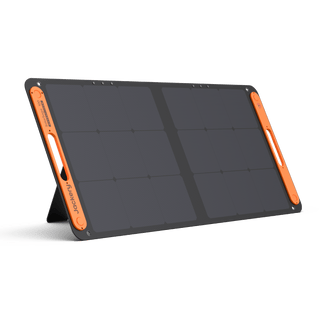
![[Add-on] Jackery SolarSaga 500 X - Jackery](http://www.jackery.com/cdn/shop/files/add-on-jackery-solarsaga-500-x-1493607.webp?v=1786503068&width=324)
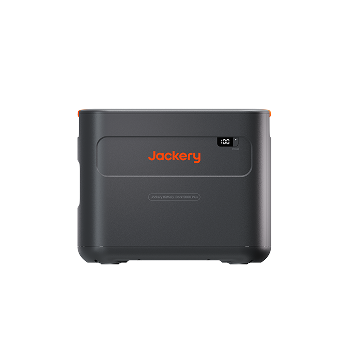
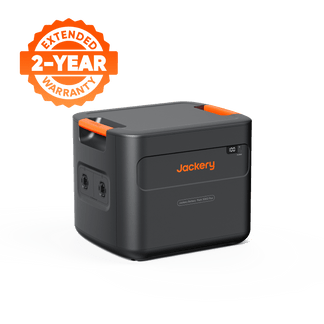
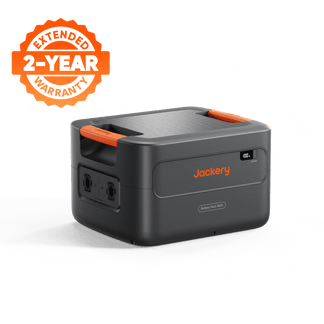
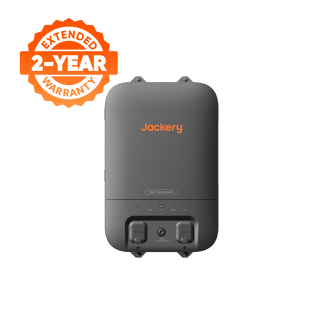
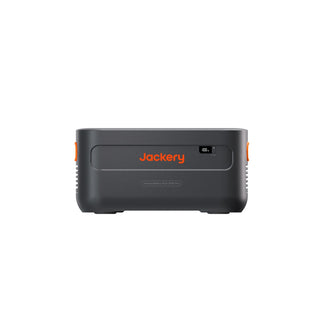
![[Add-on] Jackery Battery Pack 5000 Plus - Jackery](http://www.jackery.com/cdn/shop/files/add-on-jackery-battery-pack-5000-plus-6713401.webp?v=1786503068&width=324)









Oven wattage varies widely based on size, heating technology, and cooking temperature. Standard electric ovens often use between 2000 and 5000 watts, with a higher power draw during preheating and a lower one during cooking as the thermostat maintains temperature. Ovens rely on heating elements, and they are among the higher-energy appliances found in most kitchens.
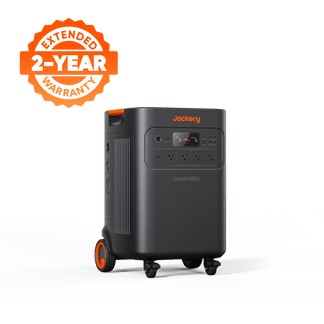
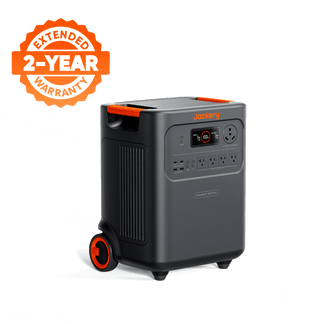
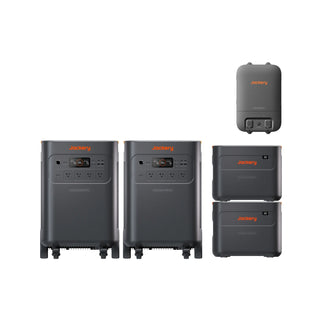
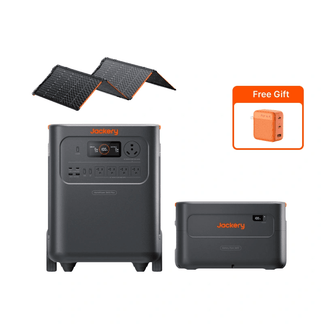
Understanding how many watts does an oven use is important for estimating cooking costs or planning backup power during outages. Since ovens require significant electricity, selecting the right backup solution matters. Larger-capacity battery backup solutions, like Jackery Solar Generators, can support off-grid cooking and essential meal preparation during outages.
Takeaways
- Most electric ovens use 2000–5000 watts, with higher consumption during preheating.
- The energy costs of an oven depend on cooking time, temperature settings, and how often the heating elements cycle on.
- Ovens are high-wattage appliances, so power planning is essential for backup or off-grid use.
- High-capacity Jackery Solar Generators can support oven use when properly matched to appliance requirements and the total load.
How Many Watts Does an Oven Use?
An oven typically uses 2000 to 5000 watts, depending on its size, type, and temperature setting. The power consumption of an oven is highest during preheating, when heating elements work continuously to reach the target temperature, and then decreases as the oven cycles on and off to maintain heat during cooking. Here's a table revealing how many watts does an oven use:
|
Oven Type |
Wattage Range |
Estimated Working Hours (Hours) |
Estimated Energy Needed daily (Watt-hours) |
|
Conventional Oven |
2,000 - 5,000 |
1 - 2 |
2,000 - 10,000 |
|
Convection Oven |
2,000 - 4,000 |
1 - 2 |
2,000 - 8,000 |
|
Toaster Oven |
1,000 - 1,800 |
0.5 - 1 |
500 - 1,800 |
|
Microwave Oven |
600 - 1,200 |
0.5 - 1 |
300 - 1,200 |
|
Electric Roaster |
1,400 - 1,750 |
1 - 2 |
1,400 - 3,500 |
How Many Watts Oven Consume Based on Stage?
Electric ovens typically use between 2000 and 5000 watts, with an average of 3000 watts. During the initial preheating stage, an oven typically uses between 2,000 and 5,000 watts to reach the desired temperature. Once in the baking stage, the power consumption remains in the range of 2,000 to 5,000 watts, providing the necessary heat for consistent cooking.
The oven may draw 3,000 to 5,000 watts when broiling at high heat. Convection baking and roasting stages utilize 2,000 to 4,000 watts and 3,000 to 4,500 watts, respectively. Engaging the self-cleaning cycle can result in higher consumption, ranging from 4,000 to 6,000 watts.
Finally, the warm/keep warm stage uses 1,000 to 2,000 watts to maintain the temperature of prepared dishes. It's important to note that these power consumption values are approximate and can vary based on factors such as oven size, model, and efficiency.
|
Oven Stage |
Power Consumption (Watts) |
|
Preheating (Initial) |
2,000 - 5,000 |
|
Baking (Constant) |
2,000 - 5,000 |
|
Broiling (High Heat) |
3,000 - 5,000 |
|
Convection Baking |
2,000 - 4,000 |
|
Convection Roasting |
3,000 - 4,500 |
|
Self-Cleaning Cycle |
4,000 - 6,000 |
|
Warm/Keep Warm |
1,000 - 2,000 |
Please note that the power consumption values provided are general estimates and can vary based on the oven model, size, efficiency, and other factors.
How Much Does It Cost to Run an Oven?
Running an oven typically costs between $0.30 and $1.00 per hour, depending on its wattage and your local electricity rate. The total cost to run an oven depends on how much power it uses and how long it runs. For example, a 3,000-watt oven operating for one hour consumes 3 kWh (3,000 W ÷ 1,000 × 1 hour). At an electricity rate of $0.15 per kWh, that equals about $0.45 per hour. Higher temperatures, long cooking times, and frequent preheating can increase overall energy costs.
What Size Power Station Do I Need for the Oven When Off-Grid?
Most ovens require a large-capacity power station with high output (3000 - 5000W), because they are high-wattage appliances that can draw 2000 - 5000 watts during operation. The right size of power station depends on your oven’s running wattage, startup demand, and how long you plan to cook. Once you understand what size generator to run electric stove, you can cook meals outdoors and even when the grid is down.
For example, a 3000-watt oven used for one hour needs about 3000Wh, not including power losses or other appliances running at the same time. As ovens cycle on and off while maintaining temperature, actual consumption may be slightly lower than constant full draw. To estimate realistic runtime and understand how long will a Jackery run a stove, you can use the Running Time Calculator on the Jackery Buying Guide page, which helps match oven wattage with the appropriate Jackery model and battery capacity.
Like Franki Kalogianis, many homeowners in hurricane-prone areas don’t realize how stressful outages are until the essentials stop working at once. After experiencing days without power during a Florida storm, she wanted a backup solution that kept daily life functioning. With her Jackery Solar Generator, critical appliances stayed running, including the refrigerator, air conditioning, TV, and even the microwave, allowing meals and normal routines to continue during outages. You can explore more real-life experiences like Franki in Jackery Stories.
Jackery Solar Generators for Oven When Off-Grid
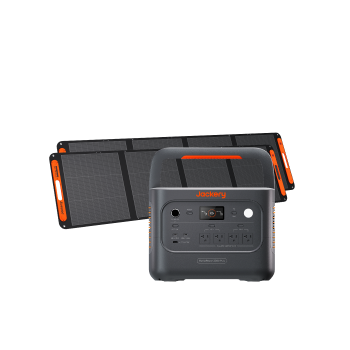
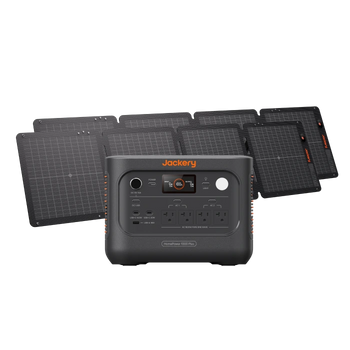
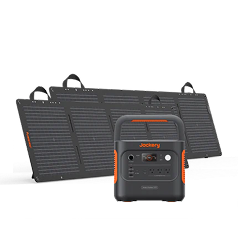
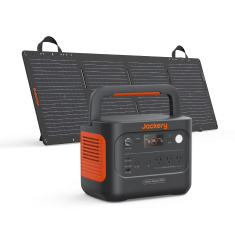
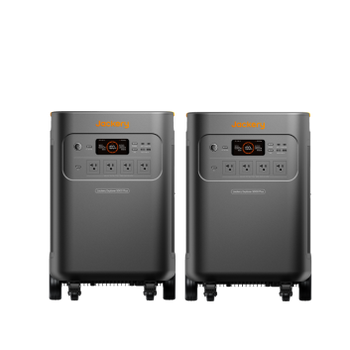
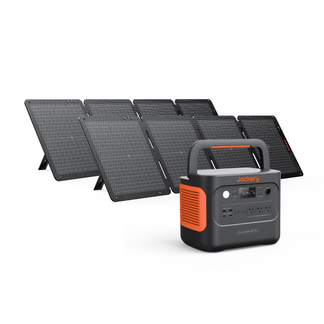
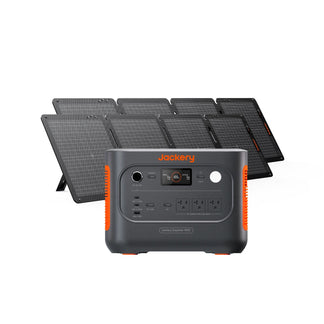
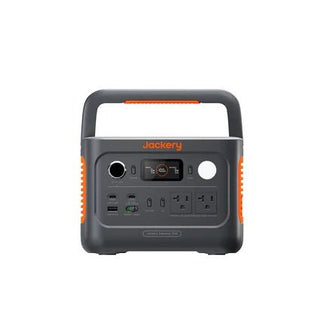
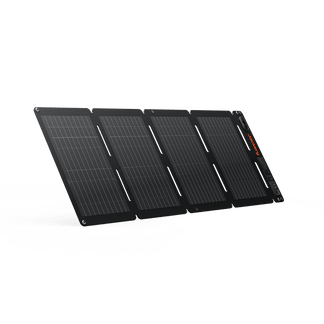
High-capacity Jackery Solar Generators can support off-grid cooking situations when properly sized. Larger solar battery backup solutions are better suited for powering ovens because they provide the output needed to handle high heat loads and offer sufficient battery capacity for short to moderate cooking sessions. These solar generators work best when cooking is planned carefully, other high-demand appliances are minimized, and energy use is managed to prioritize essential meal preparation during outages or off-grid stays.
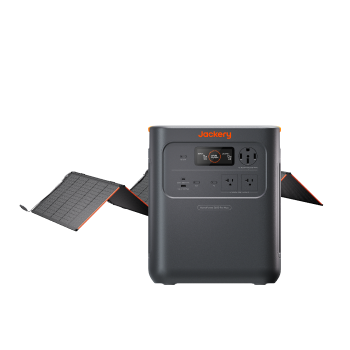
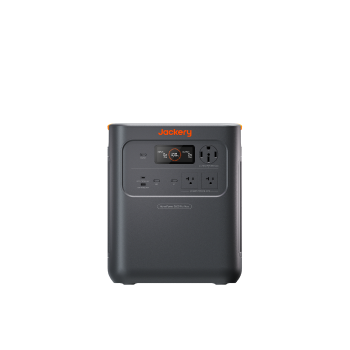
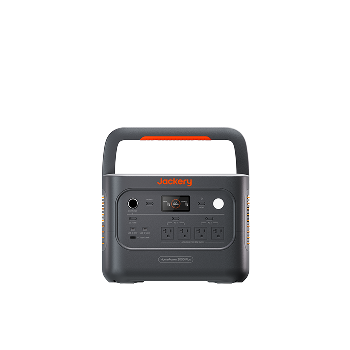
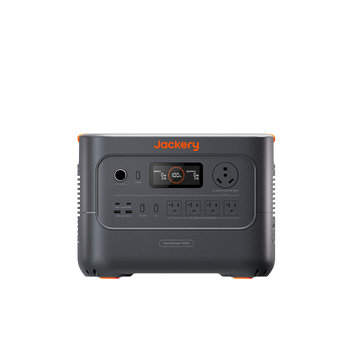
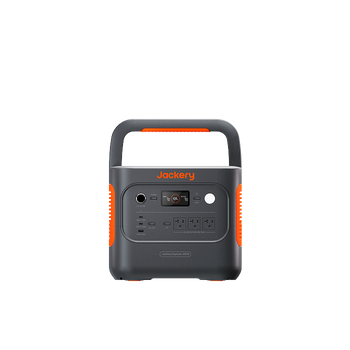
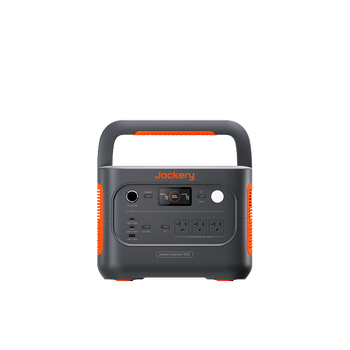
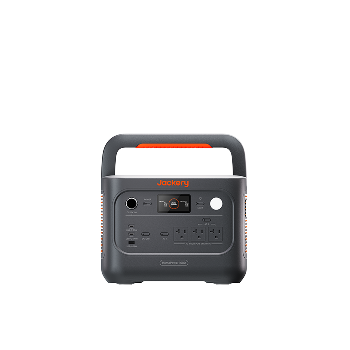
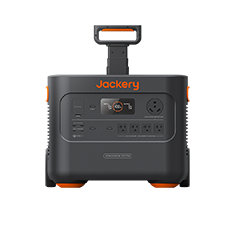
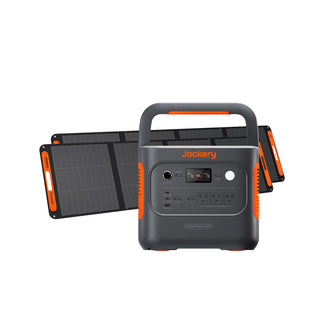
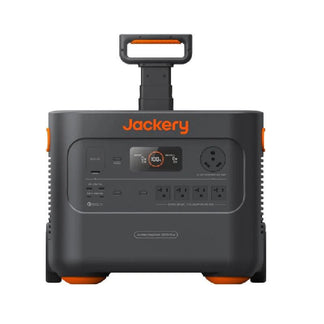
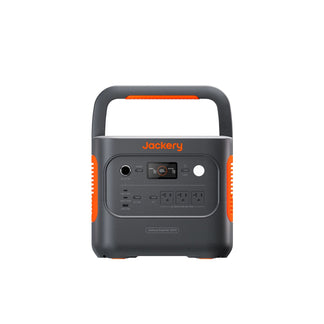
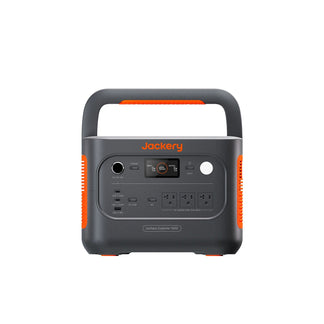
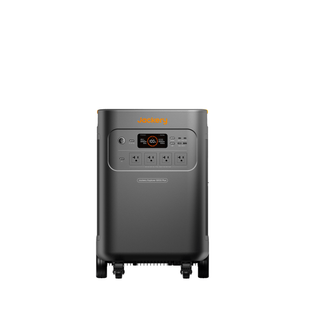
Jackery Solar Generator HomePower 3000
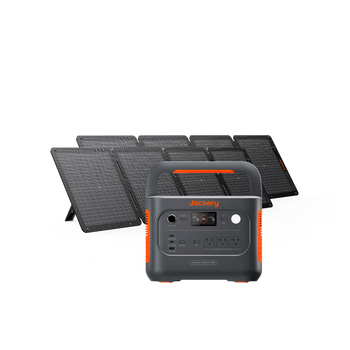
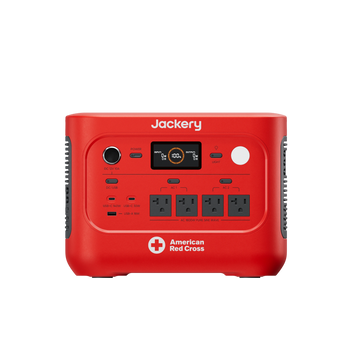
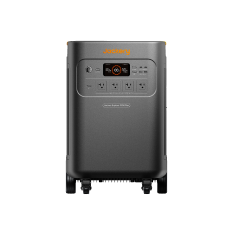
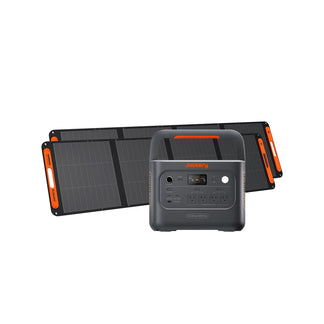
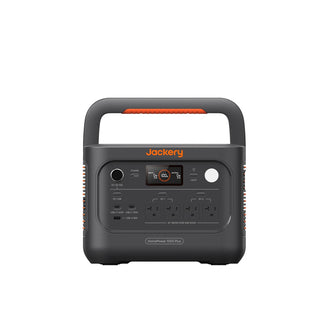
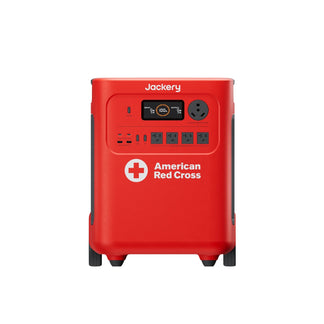
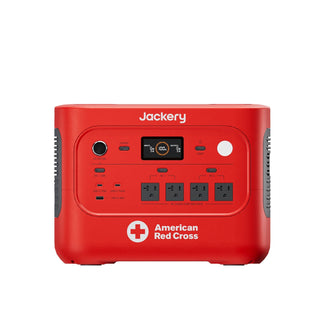
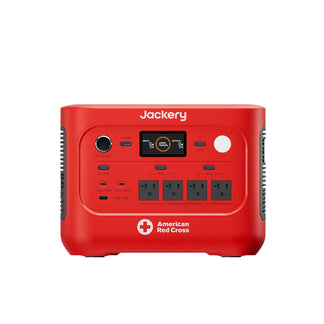
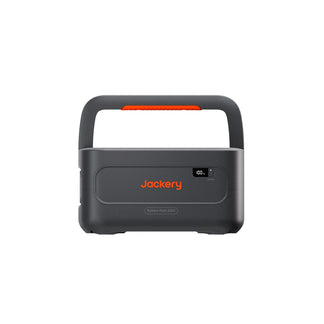
Jackery Solar Generator HomePower 3000 is an essential home backup solution that fits situations where high-power cooking is occasional and planned rather than constant. It works well during short outages when preparing a single meal is the priority, and other large household loads are minimized. It is useful for households that want the option to cook normally for limited periods without relying on fuel-based generators. It has dual-sided handles that allow you to transport the power station anywhere.
Appliances Running Time
- Conventional Oven (3000W) = 0.9H
- Convection Oven (2000W) = 1.3H
- Toaster Oven (1500W) = 1.7H
- Microwave Oven (800W) = 3.2H
- Electric Roaster (1500W) = 1.7H
Who Should Buy This
If you need occasional high-power cooking capability during outages while keeping core household essentials running, the Jackery Solar Generator HomePower 3000 is a practical middle-ground solution.

Customer Review
Simple to use. Meets our travel trailer needs very well. It will also serve well on outings where we want quiet electrical service!
— Anonymous.
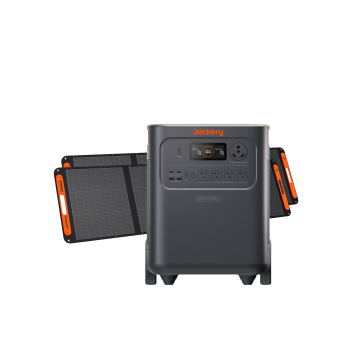
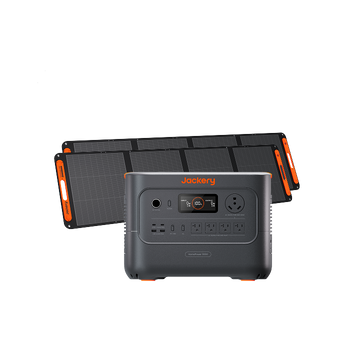
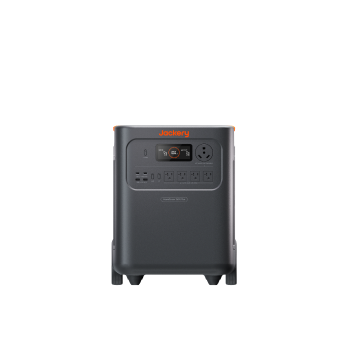
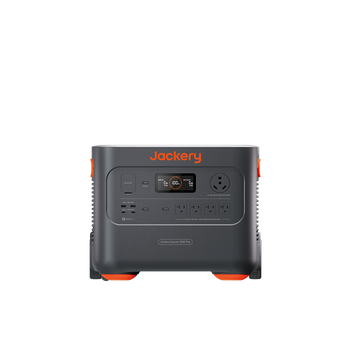
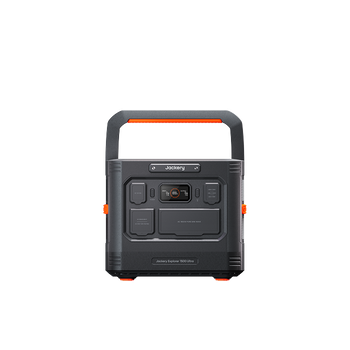
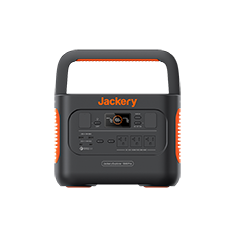
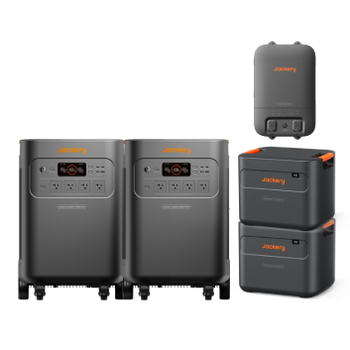
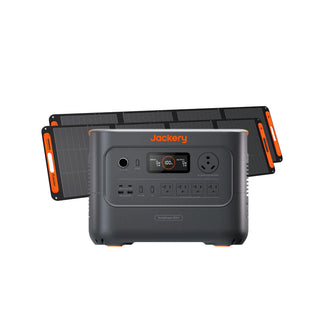
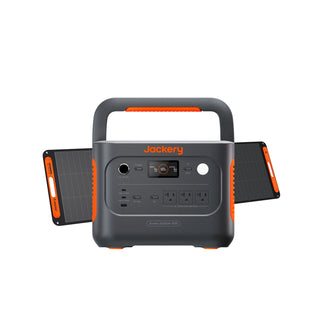
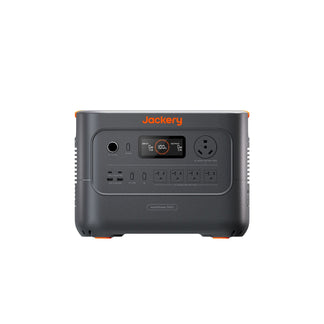
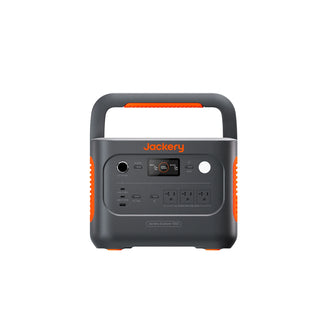
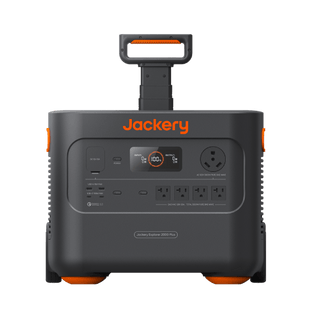
Jackery Solar Generator HomePower 3600 Plus
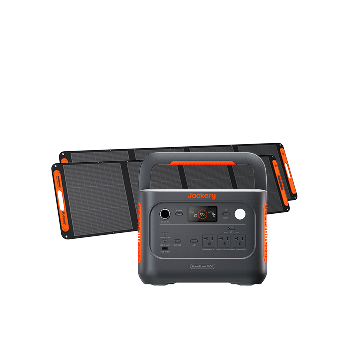
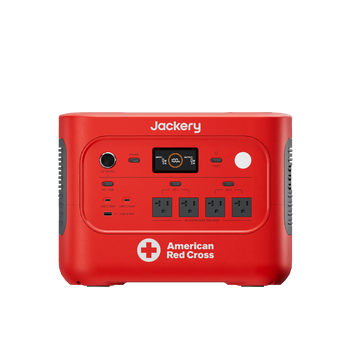
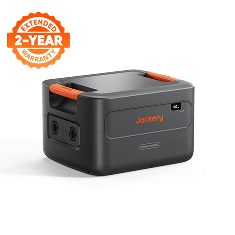
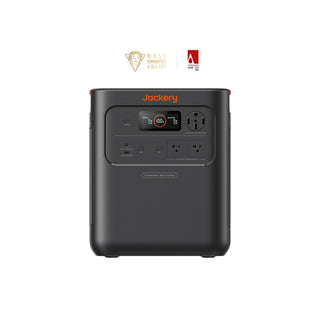
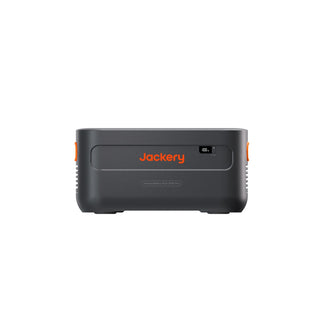
The Jackery Solar Generator HomePower 3600 Plus is better suited for scenarios where cooking may happen more than once during an outage or alongside additional home circuits. The higher capacity allows greater flexibility for meal preparation without immediately draining the system, especially when energy use is staggered throughout the day. When expanded with extra batteries, it supports longer outage scenarios where cooking remains part of normal daily routines rather than a one-time task.
Appliances Running Time
- Conventional Oven (3000W) = 1.0H
- Convection Oven (2000W) = 1.5H
- Toaster Oven (1500W) = 2.0H
- Microwave Oven (800W) = 3.7H
- Electric Roaster (1500W) = 2.0H
Who Should Buy This
If you want more flexibility for multiple cooking sessions while still powering other essential devices, the Jackery Solar Generator HomePower 3600 Plus offers a stronger balance.

Customer Review
We had a scheduled power outage shortly after our purchase, and we were able to keep all essential appliances running.
— Michael R.
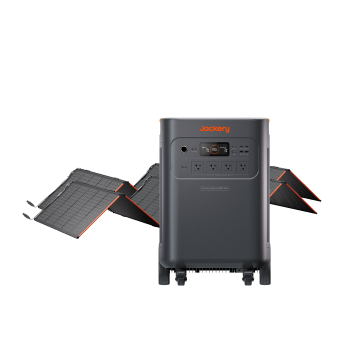
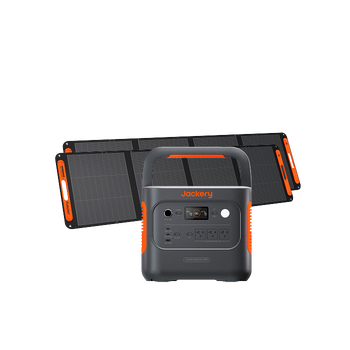
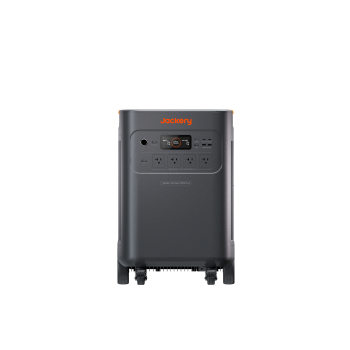
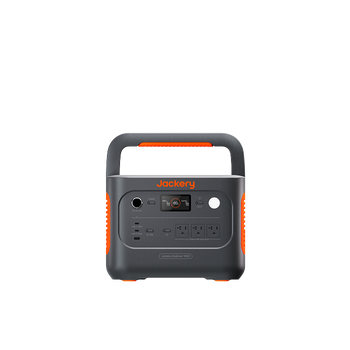
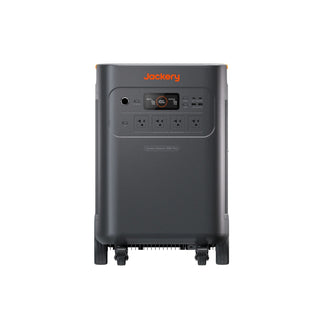
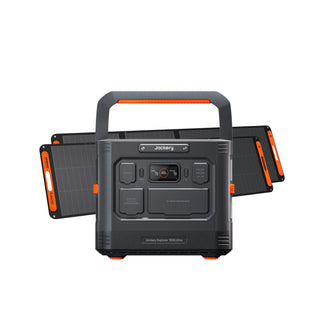
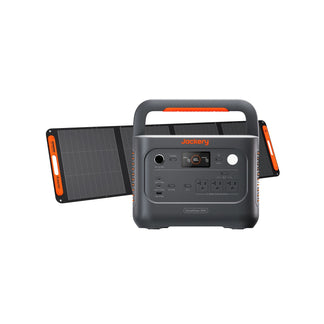
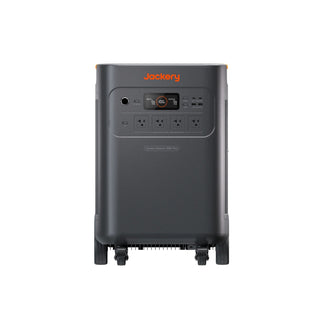
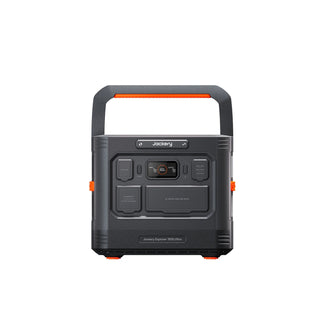
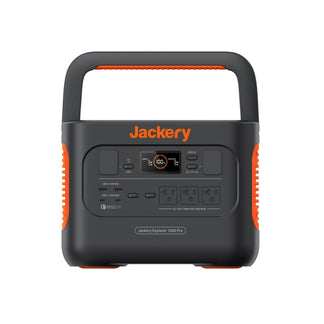
Jackery Solar Generator 5000 Plus
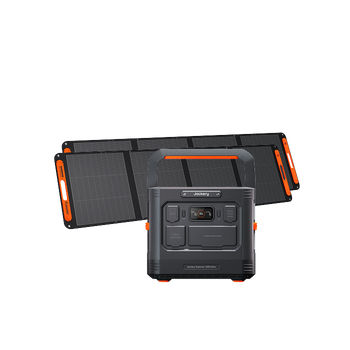
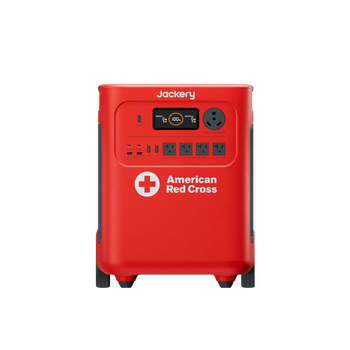
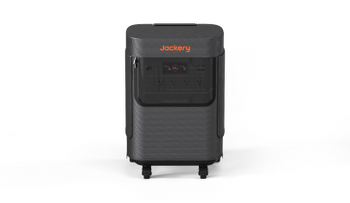
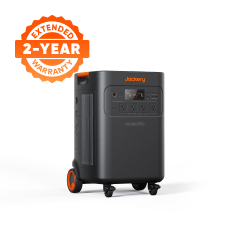
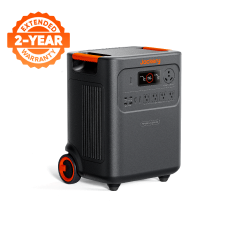
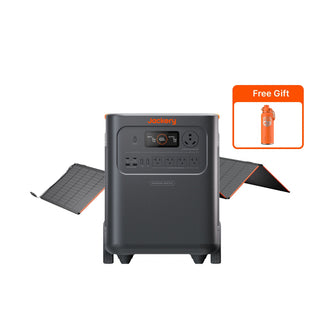
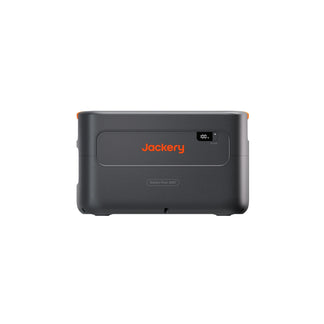
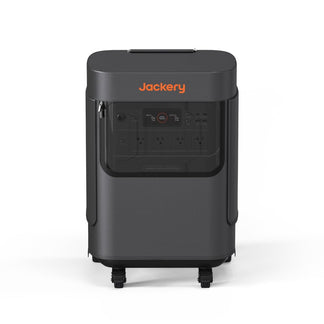
Jackery Solar Generator 5000 Plus is designed for situations where high-demand cooking needs to fit into a broader home backup strategy. With higher output, it supports planned cooking while simultaneously maintaining critical household systems. This makes it useful during extended outages where maintaining normal routines is important, and power must cover both food preparation and essential daily activities. It also supports dual-voltage capability, ensuring most essential appliances remain powered.
Appliances Running Time
- Conventional Oven (3000W) = 1.4H
- Convection Oven (2000W) = 2.1H
- Toaster Oven (1500W) = 2.8H
- Microwave Oven (800W) = 5.0H
- Electric Roaster (1500W) = 2.8H
Who Should Buy This
If you want the highest flexibility for powering high-demand cooking during long outages while supporting multiple household loads, the Jackery Solar Generator 5000 Plus is the strongest fit.

Customer Review
I really like the system because it is relatively small and transportable, while still strong enough to support my house's critical power requirements.
— Robert K.
FAQs About Oven Wattage
What is the average oven energy consumption?
The average energy consumption of an oven can vary depending on factors such as the type of oven, its size, and usage patterns. Generally, electric ovens consume around 2000 to 5000 watts during operation. This means that the energy consumption can range from 2 to 3 kilowatt-hours for each hour the oven uses.
How much power does an oven use?
The electricity usage of an oven depends on its wattage and the duration of the operation. As mentioned, an electric oven typically uses between 2000 and 5000 watts. If you use the oven for an hour, it will consume 2 to 3 kilowatt-hours.
How much power does an oven use per hour?
An oven's power usage in one hour is typically in the range of 2000 to 5000 watts. This wattage indicates the rate at which the oven consumes electricity while it's in operation. For instance, if your oven has a wattage of 2500 watts, it would use 2.5 kilowatt-hours it operates.
Conclusion
Ovens are one of the most power-demanding kitchen appliances, making wattage awareness important for both energy budgeting and backup planning. While running costs vary by cooking habits and local electricity rates, understanding how many watts does an oven use helps set realistic expectations for off-grid or emergency use. With appropriately sized Jackery Solar Generators, you can keep ovens and other essential appliances powered during outages or outdoor adventures.


![How Many Watts Does a Microwave Use [With Data Table]](http://www.jackery.com/cdn/shop/files/how-many-watts-does-a-microwave-use-with-data-table-5637363_cceb4c13-8d6a-4511-bb0d-7747db7a7578.jpg?v=1786014759&width=90)

