

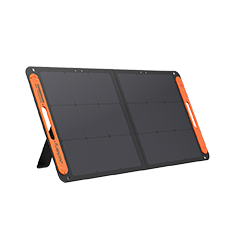



![[Add-on] Jackery SolarSaga 500 X - Jackery](http://www.jackery.com/cdn/shop/files/add-on-jackery-solarsaga-500-x-1493607.webp?v=1786503068&width=324)
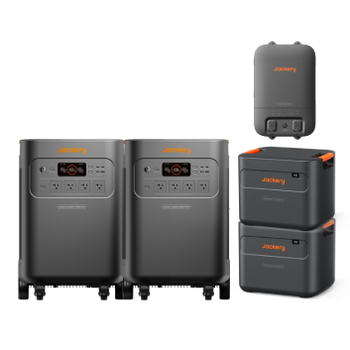
![[Add-on] Jackery Battery Pack 5000 Plus - Jackery](http://www.jackery.com/cdn/shop/files/add-on-jackery-battery-pack-5000-plus-6713401.webp?v=1786503068&width=324)





The electrical components in the pellet stove, including the auger motor, combustion fan, igniter, and control board, are genuinely cheap to run. For instance, a 400W pellet stove running 12 hours a day costs about $0.88 daily and $26.41 a month at the current US average electricity rate of 18.34 cents per kWh. But that is not what actually heats your house. The wood pellets themselves are the real expense, typically running $400 to $900 for an average household over a full heating season.
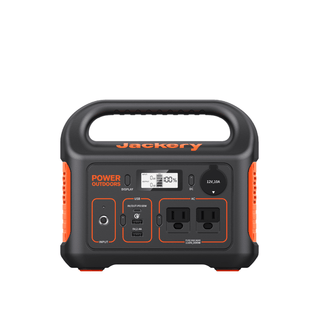
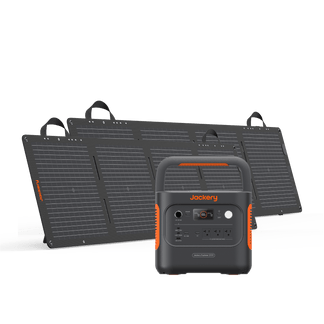
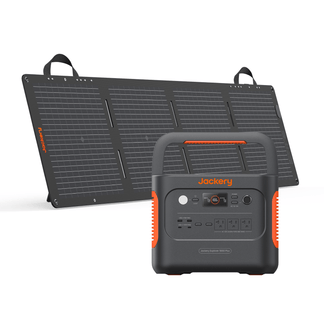
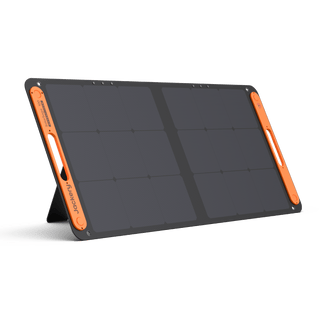
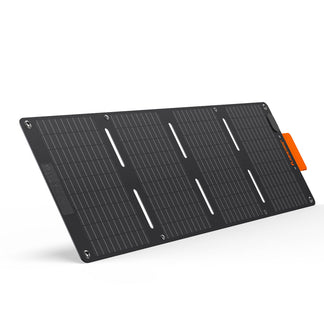
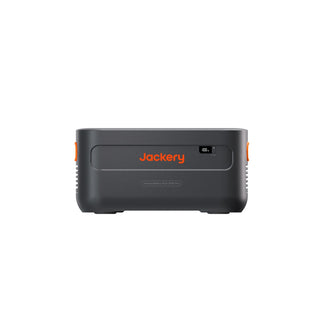
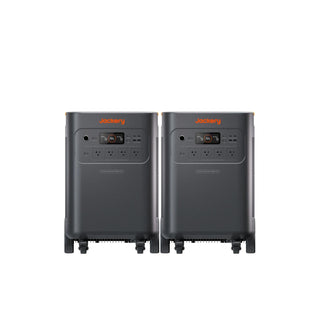
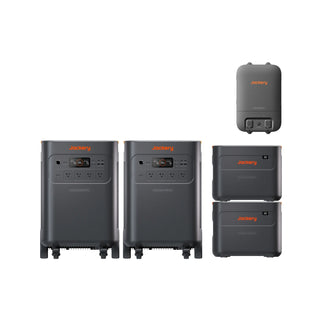
The good news is that the electrical side (the part that actually stops working the moment the power goes out) is exactly what a solar battery backup solves. Jackery Solar Generators combining the portable power station and solar panels can keep a pellet stove's auger, fan, and igniter running through an outage, which matters more than it might sound. A pellet stove with a full hopper is useless the instant the grid drops, since without electricity to run the auger and igniter, the pellets simply sit there unburned.
Key Takeaways
- A pellet stove's electrical components (auger motor, fan, igniter, control board) draw 400W to 500W briefly at startup and 100W to 400W during continuous operation.
- At the US average rate of 18.34¢/kWh, a 400W pellet stove running 12 hours a day costs about $0.88 daily, $26.41 monthly, and roughly $158 across a 6-month heating season in electricity alone.
- Electricity is a small fraction of the real cost. Wood pellet fuel typically runs $200 to $300 per ton, and most households burn 2 to 3 tons per season, contributing to $400 to $900 in fuel alone, on top of the electricity.
- Jackery Solar Generators can keep a pellet stove's electrical components running during a power outage, which is the difference between a stove that heats and one that just sits full of unburned pellets.
How Many Watts Does a Pellet Stove Use?
A pellet stove needs electricity for four things: the auger motor that feeds pellets from the hopper into the burn pot, the combustion or convection fan that circulates air and heat, the hot-surface igniter that lights the pellets, and the control board that manages the whole cycle. None of these need much power individually, but the igniter draws a noticeable spike for a short stretch at startup.
|
Component/Phase |
Typical Wattage |
Duration |
|
Startup (Igniter Active) |
400W – 500W |
10 – 15 minutes |
|
Continuous Operation (Low) |
100W – 150W |
Ongoing |
|
Continuous Operation (Medium) |
150W – 250W |
Ongoing |
|
Continuous Operation (High) |
250W – 400W |
Ongoing |
Once the pellets are lit, the igniter shuts off and the stove settles into whatever continuous wattage its thermostat and blower settings call for, which is why the "startup" number and the "running" number look so different. You can see a broader appliance comparison in our guide on how many watts does a stove use.
How Much Does It Cost to Run a Pellet Stove's Electrical Components?
You can estimate the electricity cost of running the pellet stove by multiplying the stove's wattage by the hours it runs per day. Then divide it by 1,000 for kilowatt-hours and multiply the final number by your electricity rate.
Startup Cost: A 450W igniter running for 15 minutes (0.25 hours) uses 0.1125 kWh. At the national average rate of 18.34 cents per kWh, that is about $0.02 per ignition cycle.
Continuous Operation: A 400W stove running 12 hours a day uses 4.8 kWh daily. At the national average rate, that is $0.88 a day, $26.41 a month, and about $158.46 across a 6-month heating season.
How Much Does It Cost to Run a Pellet Stove's Electrical Components by State
The electricity rates in different states of the US can vary for the same pellet stove's electrical draw. If you are using a 400W stove running 12 hours a day over a 6-month season, here is the estimated running cost:
|
State |
Rate (¢/kWh) |
Daily Cost |
Monthly Cost |
6-Month Seasonal Cost |
|
New Jersey |
24.95 |
$1.20 |
$35.93 |
$215.57 |
|
New York |
29.49 |
$1.42 |
$42.47 |
$254.79 |
|
Illinois |
19.89 |
$0.95 |
$28.64 |
$171.85 |
|
Ohio |
19.19 |
$0.92 |
$27.63 |
$165.80 |
|
North Dakota |
14.12 |
$0.68 |
$20.33 |
$122.00 |
|
South Dakota |
15.36 |
$0.74 |
$22.12 |
$132.71 |
|
Florida |
15.10 |
$0.72 |
$21.74 |
$130.46 |
|
Georgia |
16.36 |
$0.79 |
$23.56 |
$141.35 |
|
North Carolina |
14.74 |
$0.71 |
$21.23 |
$127.35 |
|
South Carolina |
15.55 |
$0.75 |
$22.39 |
$134.35 |
|
Texas |
15.94 |
$0.77 |
$22.95 |
$137.72 |
|
Colorado |
17.13 |
$0.82 |
$24.67 |
$148.00 |
|
Idaho |
14.37 |
$0.69 |
$20.69 |
$124.16 |
|
Alaska |
28.21 |
$1.35 |
$40.62 |
$243.73 |
|
Hawaii |
52.72 |
$2.53 |
$75.92 |
$455.50 |
|
US Average |
18.34 |
$0.88 |
$26.41 |
$158.46 |
Source: Electric Power Monthly, U.S. Energy Information Administration (EIA)
Note: These figures cover electricity only and assume a 400W pellet stove running 12 hours a day for a 6-month heating season. Rates change periodically, so check the EIA link above for the latest figures in your state.
What About Pellet Fuel Costs? (This Is the Real Expense)
Electricity keeps a pellet stove's motor and igniter running, but the pellets themselves are what actually produces heat, and they are where the real budget conversation belongs. Wood pellets typically cost $200 to $300 per ton, or roughly $5 to $7 for a standard 40-pound bag, though prices shift by region and tend to spike during peak winter demand if you buy late in the season.
How many tons you will burn depends on your home's size, insulation, climate, and whether the stove is your primary heat source or just supplemental warmth for one room:
|
Usage Level |
Typical Consumption |
Estimated Seasonal Fuel Cost |
|
Light/Supplemental Use |
1 – 2 tons |
$200 – $600 |
|
Average Household |
2 – 3 tons |
$400 – $900 |
|
Primary Heat Source (Larger Home) |
3 – 4+ tons |
$600 – $1,200+ |
Add the electricity cost from the section above, and a typical household running a pellet stove as a meaningful part of its winter heating is looking at roughly $430 to $1,000 total for a season, with pellets making up the overwhelming majority of that figure. Buying pellets in bulk (by the ton rather than individual bags) and purchasing before peak winter demand hits, usually in spring or summer, are the two most reliable ways to bring that fuel cost down.
How Many Months a Year Should You Run a Pellet Stove?
Pellet stoves are usually run for 6 months, but actual heating season length varies significantly by climate, similar to how a space heater's usage varies by region. Homes in colder northern climates may run a pellet stove for 6 to 7 months a year, while homes in milder regions using it more as supplemental heat for a single room might only need 3 to 4 months.
If you want a more precise estimate for your own home, take the monthly electricity figure from the state table above and multiply it by the number of months you would realistically use the stove, then add your expected pellet consumption for that same stretch.
Official Tips to Reduce the Cost of Running a Pellet Stove
Even though pellet stoves do not consume a lot of electricity, the cost can quickly add up over time. Thankfully, there are simple yet effective ways to trim energy expenses even further. Here are some of the tips from Energy Star and the US Department of Energy that you can follow:
- Upgrade to an Energy-Efficient Model: If you have an old model, consider switching to an EPA-certified wood stove that is 50% more efficient than older models.
- Insulate & Air Sealing: Properly insulate the home, especially around doors and windows, to minimize heat loss. Make sure to seal gaps and cracks so the warm air does not escape the room and keep energy costs lower.
- Optimize Thermostat Settings: If you have a conventional heating system, consider setting up a programmable thermostat to automatically adjust the room temperature based on your schedule.
- Properly Maintain the Stove: Regular maintenance and cleaning of the stove and chimneys help the appliance perform efficiently and reduce overall energy costs.
- Invest in a Solar Generator: A solar-powered generator ensures appliances remain powered with the help of clean and free solar energy. Jackery Solar Generators can supply steady electricity to pellet stoves and other home heating appliances, lowering electricity bills.
How to Save on Your Electricity Bill With Jackery Solar Generators
Most people don't think of a pellet stove as something that needs electricity. It burns pellets, so it feels like it should keep working no matter what. In reality, the auger that feeds pellets into the burn pot, the ignition system, and the blower fans all run on standard household current, typically drawing 100W to 400W depending on the model and setting.
That is a small load compared to a dryer or space heater, but it is an easy one to overlook until the grid goes down mid-winter and a stove full of pellets sits there doing nothing. This is where a Jackery Solar Generator changes the equation.
Rather than needing a whole-home backup system just to keep a 300W stove running, a mid-size solar generator can carry that load for days on a single charge, refilled by sunlight rather than gasoline. For anyone who chose a pellet stove specifically to avoid depending on the grid for heat, pairing it with a pellet stove battery backup helps offset the electricity cost.
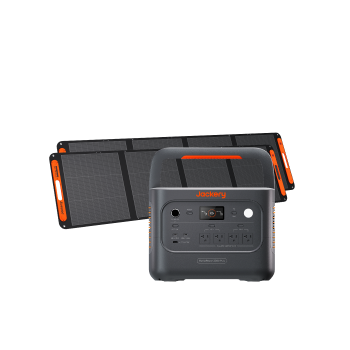
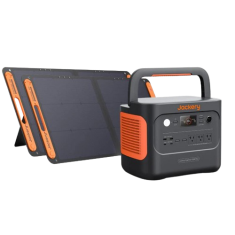
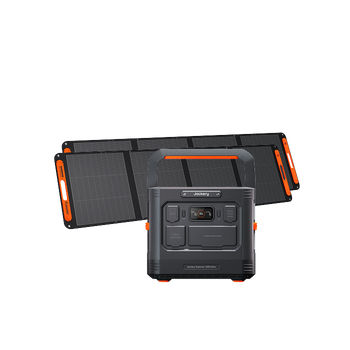
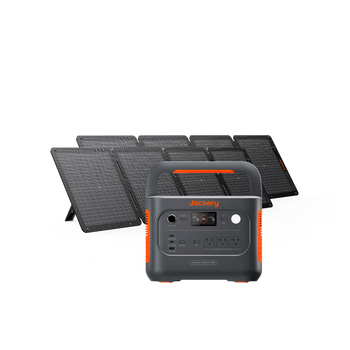
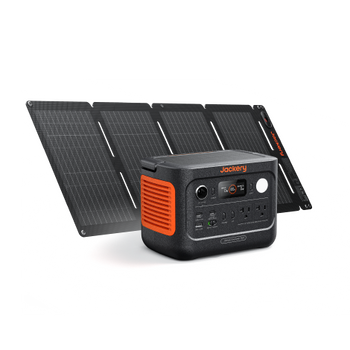
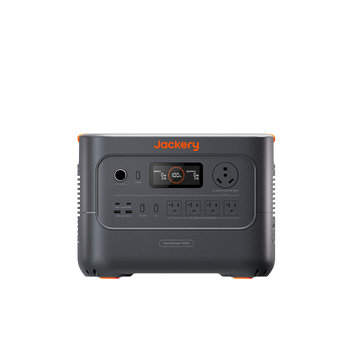
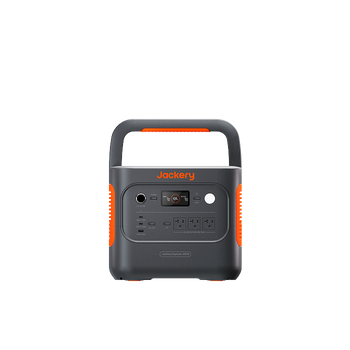
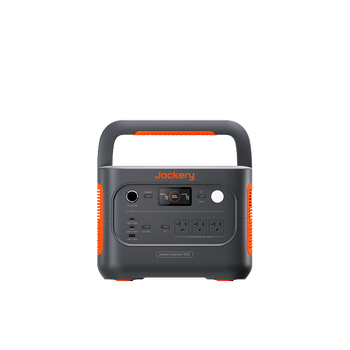
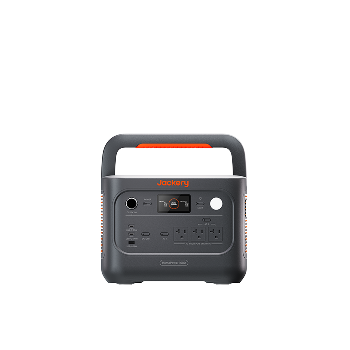
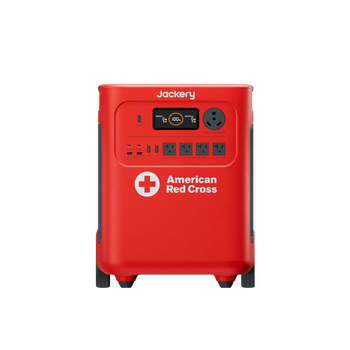
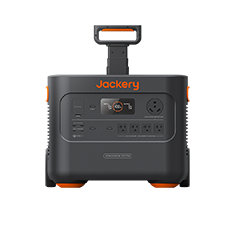
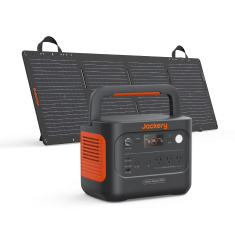
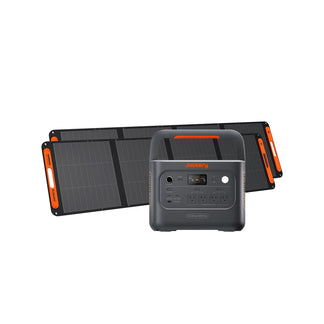
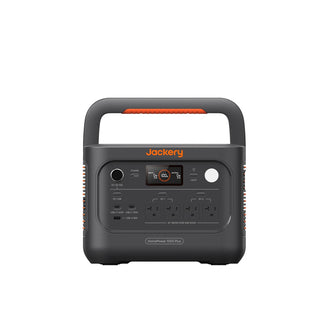
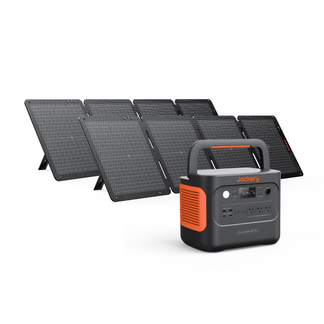
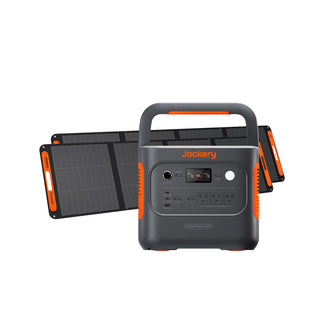
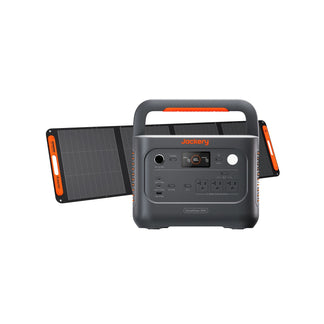
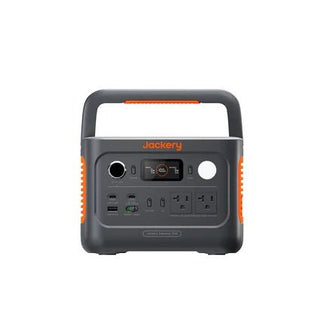
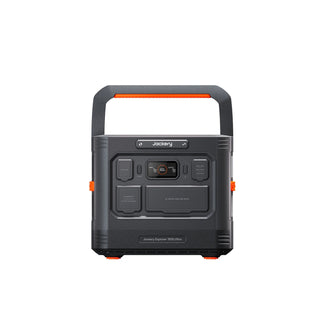
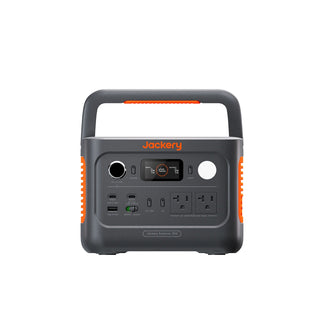
Jackery Solar Generator 1000 v2
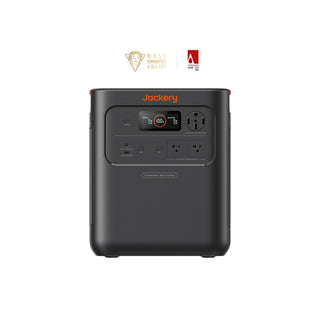
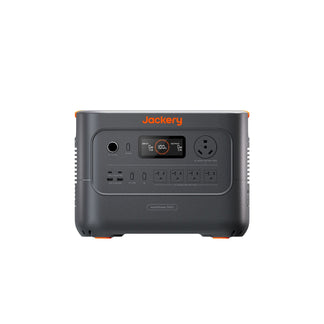
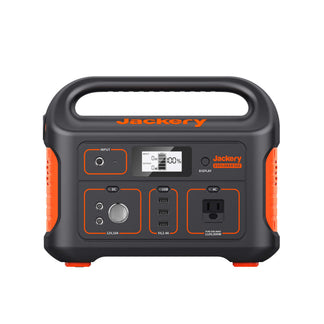
The Jackery Solar Generator 1000 v2 comfortably covers a pellet stove's startup surge and continuous draw with room to spare. For a stove running at 250W on a medium setting for 6 hours a day, that is about $0.28 daily and $8.25 monthly in grid electricity at the national average rate. The Jackery Solar Generator 1000 v2 can help you offset this cost and also run other essential household appliances, such as refrigerators, ACs, TVs, etc.
Estimated Runtime by Pellet Stove Setting
- Low (100W) = 7.6H
- Medium (250W) = 3.3H
- High (400W) = 2.1H
Who Should Buy This
The Jackery Solar Generator 1000 v2 is a solid fit for keeping a single pellet stove running through shorter outages, especially for households that mainly want assurance the stove won't go cold during a storm rather than day-long backup for the whole home.

Customer Review
We didn’t have any expectations, but the Jackery 1000 has already paid for itself. We had a tornado pass through about 4 miles away and our power was out for about 7 hours. It kept our sump pump going for an hour and once the rains stopped we powered up the refrigerator for an hour twice which saved all of our food!
— Lindsay B.
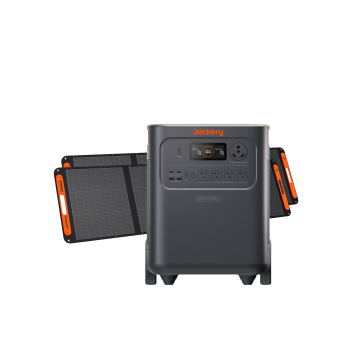
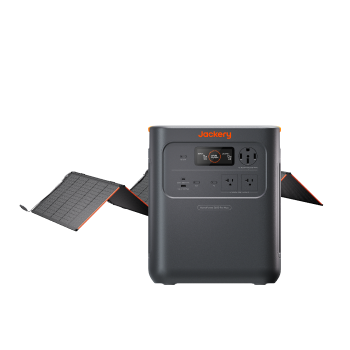
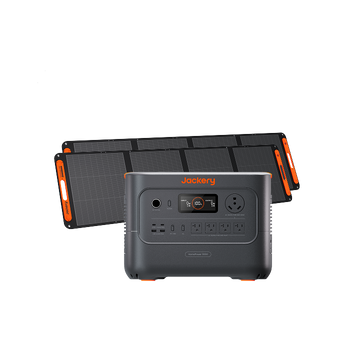
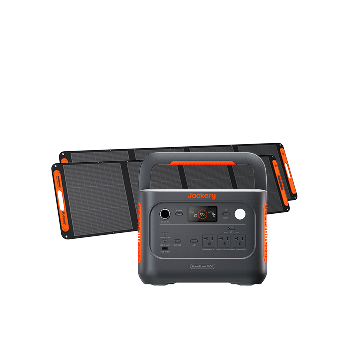
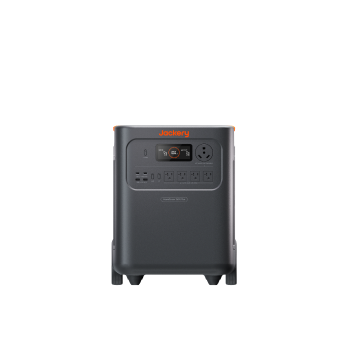
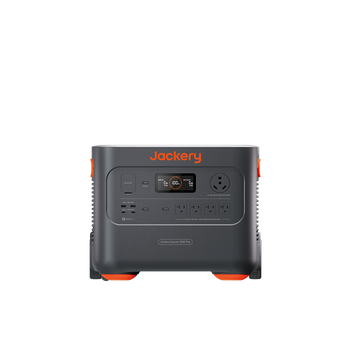
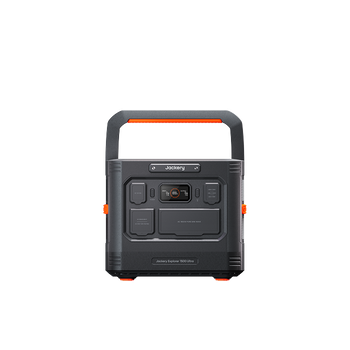
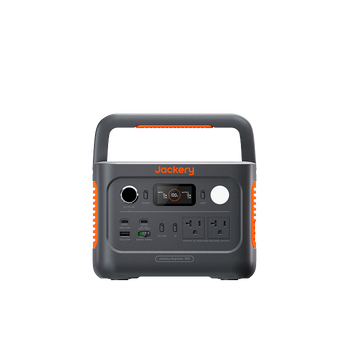
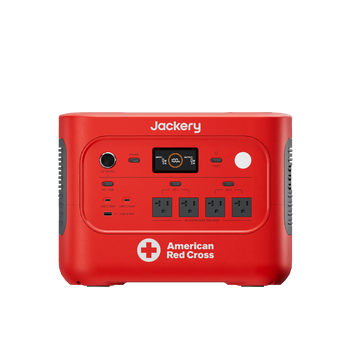
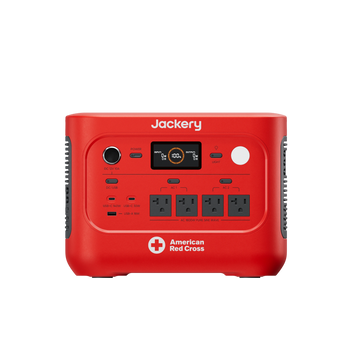
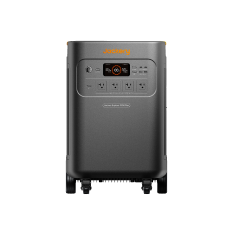
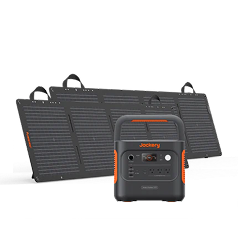
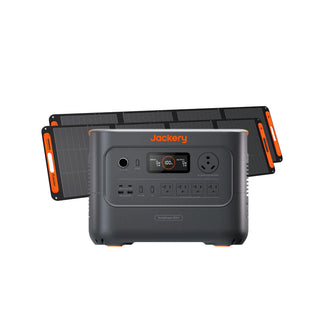
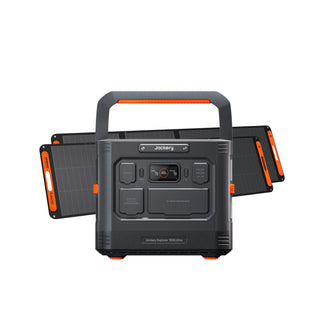
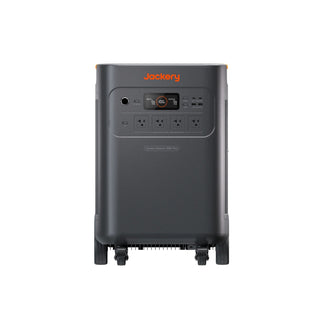
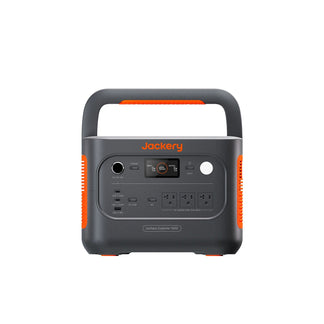
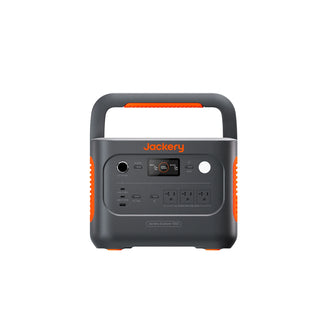
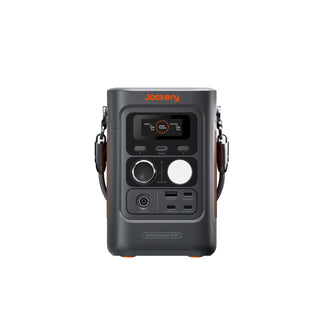
Jackery Solar Generator HomePower 2000 Plus v2
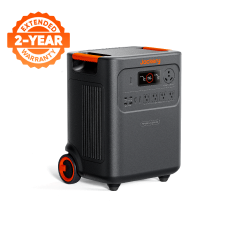
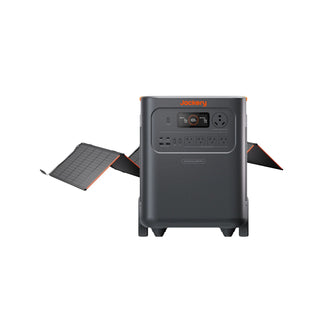
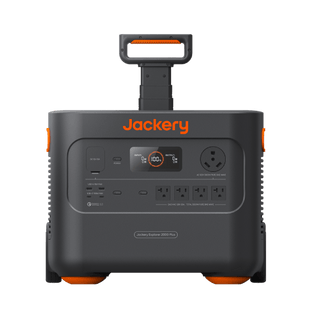
The Jackery Solar Generator HomePower 2000 Plus v2 gives you enough runtime to keep a pellet stove going through a full day or more on lower settings, with enough power left over for a few lights or a phone charger on the same charge. When you run the stove at 400W on high for 12 hours a day it would cost about $1.65 daily and $49.52 monthly at the national average rate. If you want to reduce the reliance on the grid by a wide margin, this essential home backup solution can be expanded up to 12kWh with add-on battery packs.
Estimated Runtime by Pellet Stove Setting
- Low (100W) = 14.0H
- Medium (250W) = 6.0H
- High (400W) = 4.0H
Who Should Buy This
The Jackery Solar Generator HomePower 2000 Plus v2 is better suited to longer winter storm outages, or households that want the pellet stove covered alongside a few other essentials like lighting or a phone charger.

Customer Review
It was delivered so quickly! I have assembled the solar panels, which are really big, and have been familiarizing myself with them. Took it out to the goat barn to run fan and lights and was impressed with how long it ran without much drop in stored power, 98%.
— Kathy W.
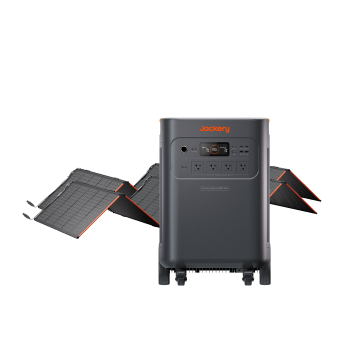
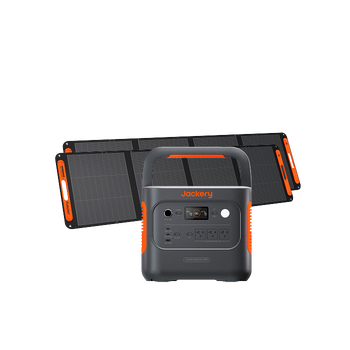
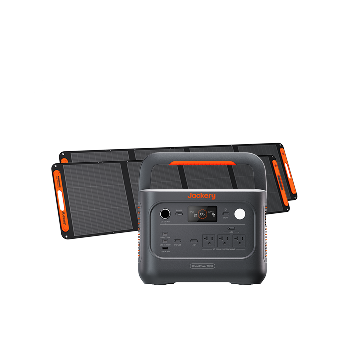
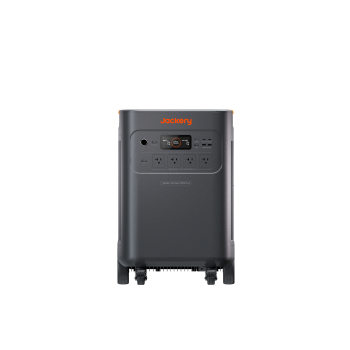
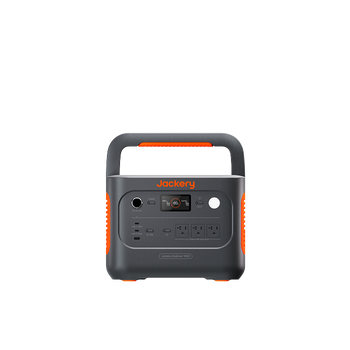
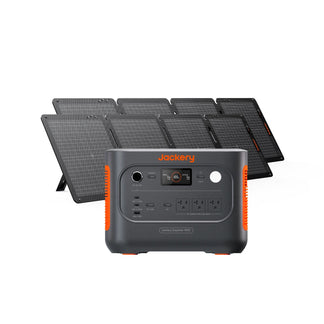
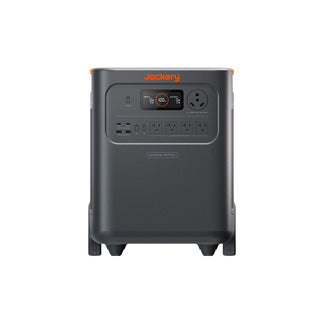
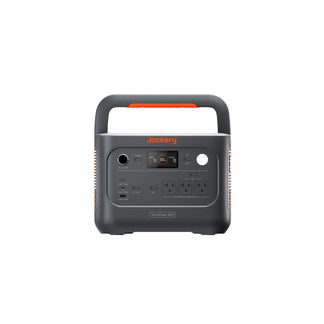
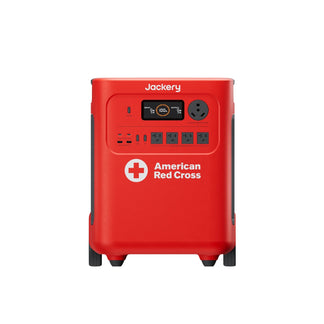
Jackery Solar Generator HomePower 3000
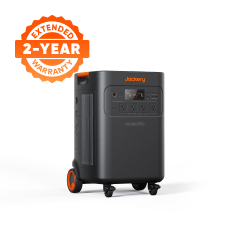
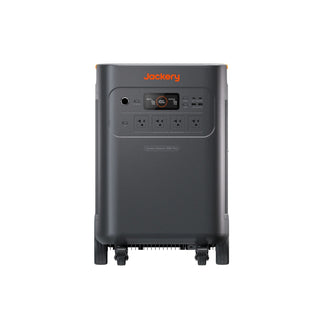
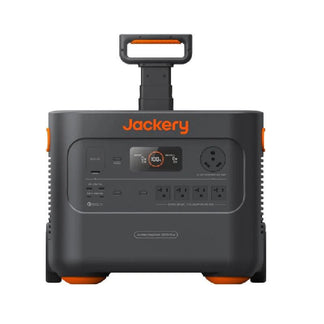
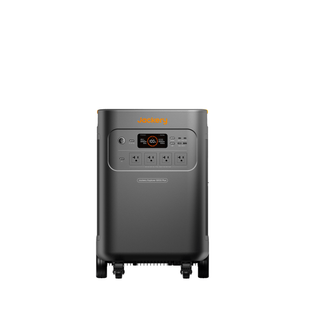
If you need sustained, multi-day winter backup, the Jackery Solar Generator HomePower 3000 is an ideal home battery backup solution that offers 3,072Wh of capacity with 3,600W of continuous output. It is enough to keep a pellet stove running continuously for well over a day even on higher settings, or to cover the stove alongside a refrigerator and a few lights during an extended outage. At 250W on medium for 12 hours a day, the pellet stove costs about $0.55 daily and $16.51 monthly in grid electricity at the national average rate.
Estimated Runtime by Pellet Stove Setting
- Low (100W) = 21.4H
- Medium (250W) = 9.6H
- High (400W) = 6.2H
Who Should Buy This
The Jackery Solar Generator HomePower 3000 is the right choice for homes relying on a pellet stove as a primary heat source through winter storms, or anyone who wants a single system flexible enough to run the stove alongside other essentials for several days at a time.

Customer Review
Powerful and easy to use-stand alone or connected to home circuits. All features as represented. Great back up for home, RV, and other needs.
— Sumner S.
How Much Does It Cost to Run a Pellet Stove FAQs
Can you run a pellet stove without electricity?
No, you cannot run a pellet stove without electricity. Standard pellet stoves rely on an electric auger to feed pellets and an electric igniter to light them, so they stop working the moment the power goes out. Some gravity-fed pellet heaters can be manually lit and don't need continuous electricity, but they are a different category of appliance than a standard pellet stove.
How long will a pellet stove run on a battery?
It depends on the stove's wattage and the battery's capacity. A 400W pellet stove running on high, for example, would run for roughly 6.5 hours on a Jackery Solar Generator HomePower 3000, or about 2.3 hours on a Jackery Solar Generator 1000 v2.
Is the pellet fuel or the electricity the bigger cost?
Pellet fuel costs much more compared to the electricity cost. A typical household spends $400 to $900 a season on pellets alone, compared to roughly $30 to $160 in electricity for the stove's motor, fan, and igniter over the same stretch.
Can you run a pellet stove 24/7?
Yes. Most pellet stoves are designed to run continuously and many can operate for 24 to 48 hours between refills, provided the hopper is kept stocked and the unit is properly maintained.
Conclusion
The honest answer to "how much does it cost to run a pellet stove" has two parts: a small, predictable electricity cost for the auger, fan, and igniter, and a much larger, seasonal fuel cost for the pellets themselves. Budgeting for electricity and pellets gives a realistic picture of what a winter of pellet heat actually costs. And since the electrical components are the one part that stops working the instant the grid does, a Jackery Solar Generator charged from solar panels is what keeps a full hopper of pellets from going to waste during exactly the kind of storm that makes a pellet stove worth having in the first place.


