

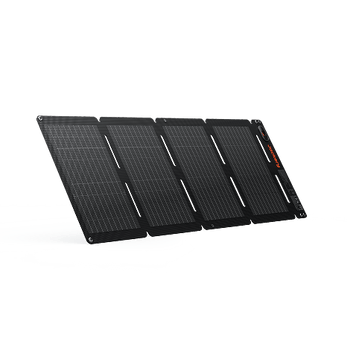




















![[Add-on] Jackery SolarSaga 500 X - Jackery](http://www.jackery.com/cdn/shop/files/add-on-jackery-solarsaga-500-x-1493607.webp?v=1786503068&width=324)
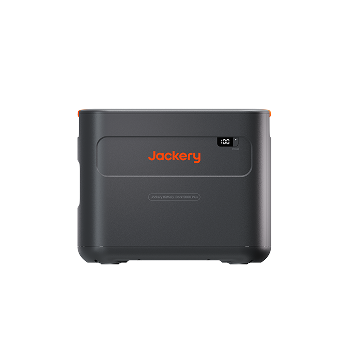
![[Add-on] Jackery Battery Pack 5000 Plus - Jackery](http://www.jackery.com/cdn/shop/files/add-on-jackery-battery-pack-5000-plus-6713401.webp?v=1786503068&width=324)






















A gas fireplace looks almost free to run, since it barely draws any visible electricity. However, the real expense is the natural gas or propane being burned to produce the heat, and that part is easy to get wrong if you are doing the math by hand. A 25,000 BTU natural gas fireplace running 4 hours a day costs about $2.32 daily and $69.60 a month in fuel at the current US average residential natural gas price, plus a few cents more for the blower and ignition system, which is the only part actually pulling from your electric panel.
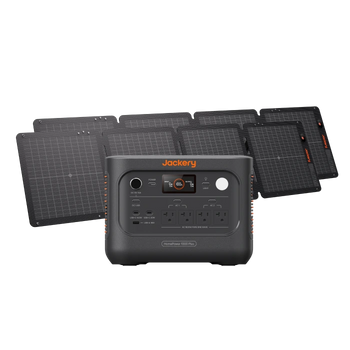
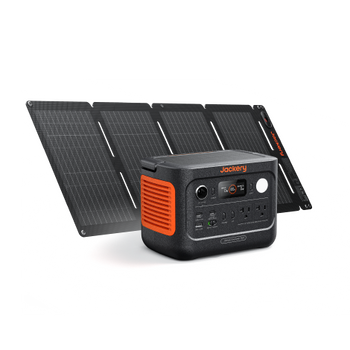
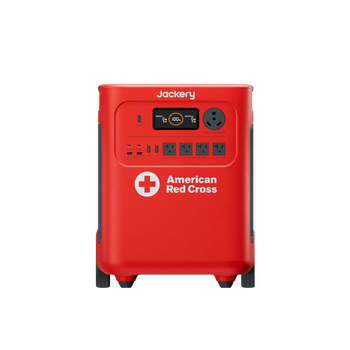
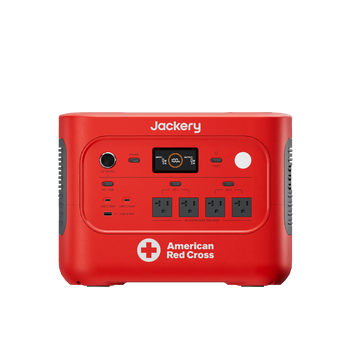
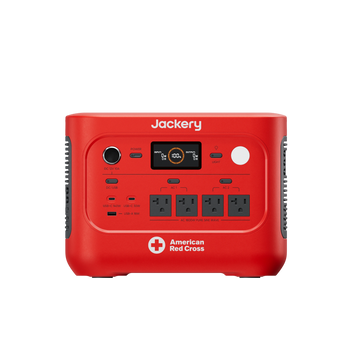
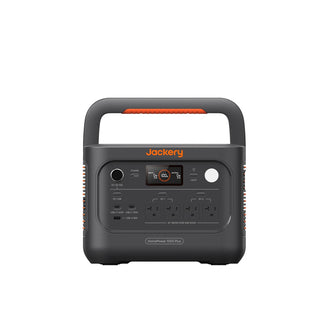
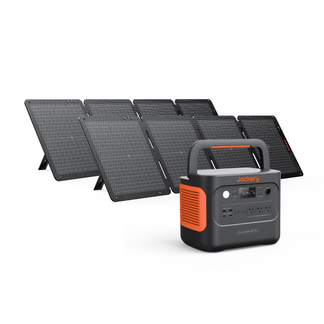
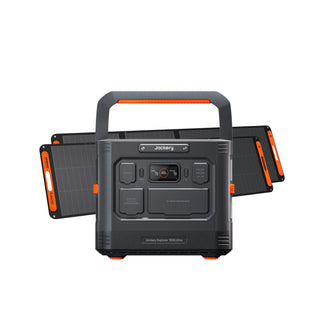
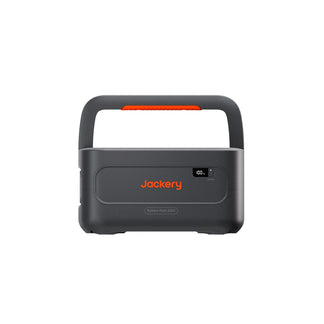
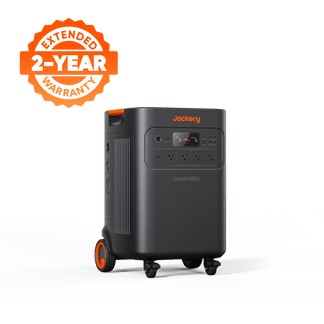
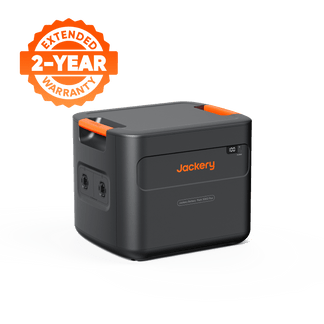
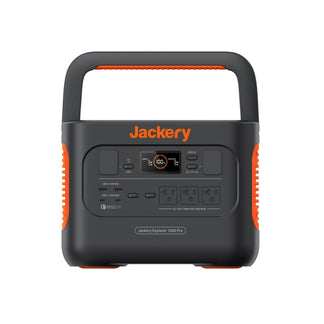
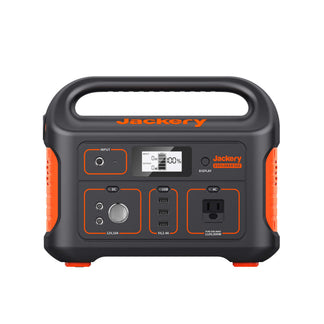
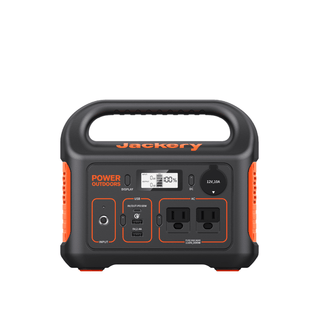
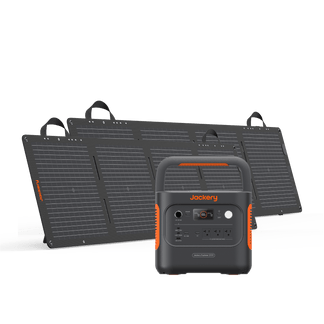
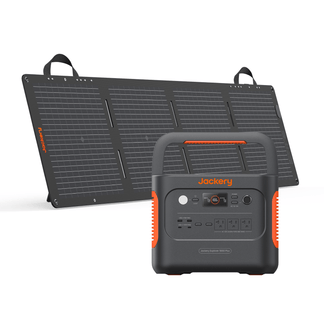
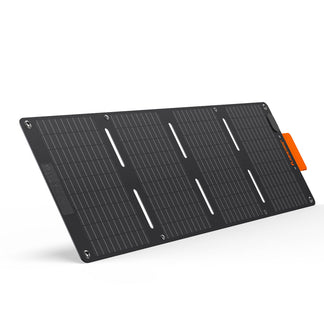
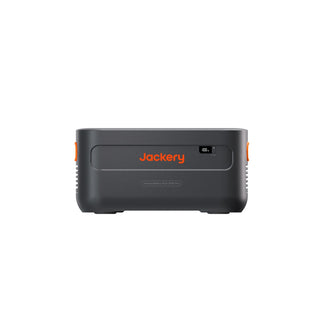
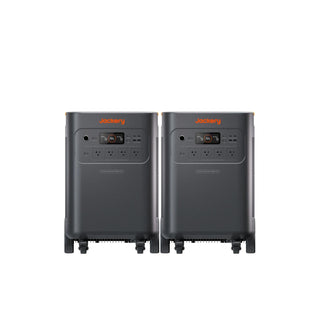
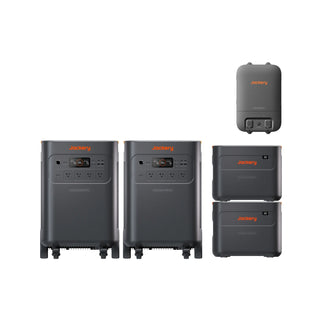
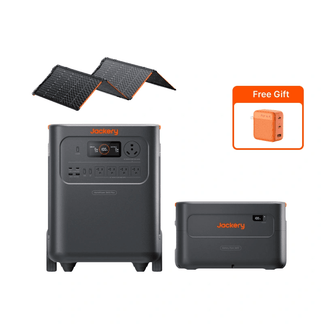
That small electrical slice, including the blower motor and ignition system, is exactly the kind of load a battery backup can handle, and it is also the part that determines whether your fireplace works at all during a power outage (yes, even gas fireplaces usually need electricity to ignite and circulate heat). Jackery Solar Generators are ideal home battery backup solutions with enough battery capacity to keep that electrical side running for hours to days, and for households with a fully electric fireplace instead, they can power the whole unit directly.
Key Takeaways
- Gas fireplaces use very little electricity (50W to 300W for ignition and blower systems). The actual cost comes from the natural gas or propane fuel itself, typically $1 to $5 per day depending on BTU output and fuel type.
- At the current US average residential natural gas price of about $2.32 per therm (per EIA data), a 25,000 BTU natural gas fireplace running 4 hours a day costs about $2.32 in fuel daily, or roughly $348 across a 5-month heating season. It is up substantially from earlier in 2026, when residential gas ran closer to $1.35 per therm.
- Propane-fueled fireplaces still generally cost more per unit of heat than natural gas ones, though the gap has narrowed with 2026's natural gas price increases. Propane runs about $29 per million BTU compared to natural gas's current roughly $23 per million BTU.
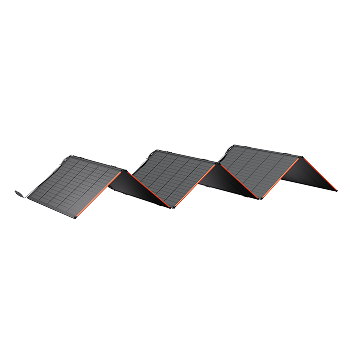
- Jackery Solar Generators can power a gas fireplace's blower and ignition system, or run a fully electric fireplace directly, either to save on electricity or to keep the heat on during an outage.
How Many Watts a Gas Fireplace Uses?
It is worth separating two very different appliances that both get called "fireplaces": gas fireplaces, which burn natural gas or propane for heat and use electricity only for the ignition and blower, and electric fireplaces, which use electricity as the sole heat source and draw far more power as a result.
|
Fireplace Component/Type |
Typical Electrical Draw |
|
Standing Pilot Ignition (No Blower) |
Negligible (a few watts for a remote receiver, if equipped) |
|
Electronic Ignition Only |
50W – 100W |
|
Electronic Ignition + Blower |
150W – 300W |
|
Fully Electric Fireplace |
1,000W – 1,500W |
A gas fireplace's ignition system draws a brief surge to light the flame, then the blower (if the unit has one) continues pulling power to circulate warm air into the room. Neither comes close to the wattage of a fully electric fireplace, which has to generate all its own heat from electricity rather than burning fuel.
How Much Does Fuel Cost to Run a Gas Fireplace? (Natural Gas vs. Propane)
Natural gas is priced by the therm (100,000 BTU, by definition), while propane is priced by the gallon (about 91,452 BTU per gallon). Converting both to a cost-per-million-BTU basis is the only way to compare them fairly.
According to the US Energy Information Administration's most recent residential pricing data, the national average natural gas rate has increased steadily through 2026, from about $13.96 per thousand cubic feet (Mcf) in January to $24.09 per Mcf by June.
Converting Mcf to therms (1 Mcf ≈ 10.37 therms), that shows an increase from roughly $1.35 to $2.32 per therm over just six months, a nearly 72% increase. We will use the latest available figure, $2.32 per therm, as the current working rate, which works out to about $23.20 per million BTU.
Propane runs closer to $2.67 per gallon, or roughly $29 per million BTU. It is still somewhat more expensive per unit of heat than natural gas, though the gap has narrowed considerably given this year's natural gas price increases.
The formula: Divide the fireplace's BTU output by 100,000 to get therms used per hour (for natural gas) or by 91,452 to get gallons used per hour (for propane), then multiply by the fuel's price.
Here is what that looks like across common fireplace sizes, running 4 hours a day:
|
Fireplace Size (BTU/hr) |
Natural Gas Daily Cost |
Natural Gas Monthly Cost |
Propane Daily Cost |
Propane Monthly Cost |
|
20,000 BTU |
$1.86 |
$55.68 |
$2.34 |
$70.06 |
|
25,000 BTU |
$2.32 |
$69.60 |
$2.92 |
$87.59 |
|
30,000 BTU |
$2.78 |
$83.52 |
$3.50 |
$105.09 |
|
40,000 BTU |
$3.71 |
$111.36 |
$4.67 |
$140.12 |
Source: U.S. Price of Natural Gas Delivered to Residential Consumers, EIA
Across a typical 5-month heating season (150 days) at 4 hours of daily use, a 25,000 BTU natural gas fireplace costs about $348 in fuel at the current rate, while the same size propane fireplace costs closer to $438. It is a smaller gap than it would have been earlier in 2026, before natural gas prices climbed. It is worth checking the EIA link above periodically if you are budgeting for a full season, since this rate has moved substantially within a single year.
Vented vs. Ventless Gas Fireplaces: Does Efficiency Change the Cost?
Fireplace design affects how much of that fuel cost actually turns into usable heat in the room, which changes the real-world cost even at the same BTU rating. Ventless (also called vent-free) gas fireplaces burn fuel with no chimney or flue, so nearly all the heat (often cited around 99% efficiency) stays in the room rather than escaping outside. Vented fireplaces, by contrast, send some combustion byproducts and heat up a flue, typically landing somewhere around 70% to 80% efficiency depending on the design.
In practical terms, a ventless unit can heat a room with less fuel burned per degree of warmth than a vented unit of the same BTU rating, which can meaningfully lower your real seasonal cost. The tradeoff is that ventless fireplaces release combustion byproducts and moisture directly into the room, which is why they typically come with usage-time limits, oxygen depletion sensors, and installation restrictions in some states and room types.
Vented fireplaces don't carry that restriction, making them a common default for larger rooms or a primary heat source, even at the efficiency cost. If you are weighing the two for a new installation, the honest tradeoff is efficiency and lower fuel cost on one side against fewer restrictions and simpler year-round use on the other. Neither is a universally "better" choice, and the right pick depends more on the room and how the fireplace will actually be used than on the cost difference alone.
How Much Does It Cost to Run an Electric Fireplace by State?
For households running a fully electric fireplace rather than a gas one, the cost is straightforward electricity math, and it varies considerably by state. Using a 1,500W electric fireplace running 4 hours a day across a 5-month season (150 days):
|
State |
Rate (¢/kWh) |
Daily Cost |
Monthly Cost |
5-Month Seasonal Cost |
|
New Jersey |
24.95 |
$1.50 |
$44.91 |
$224.55 |
|
New York |
29.49 |
$1.77 |
$53.08 |
$265.41 |
|
Illinois |
19.89 |
$1.19 |
$35.80 |
$179.01 |
|
Ohio |
19.19 |
$1.15 |
$34.54 |
$172.71 |
|
North Dakota |
14.12 |
$0.85 |
$25.42 |
$127.08 |
|
South Dakota |
15.36 |
$0.92 |
$27.65 |
$138.24 |
|
Florida |
15.10 |
$0.91 |
$27.18 |
$135.90 |
|
Georgia |
16.36 |
$0.98 |
$29.45 |
$147.24 |
|
North Carolina |
14.74 |
$0.88 |
$26.53 |
$132.66 |
|
South Carolina |
15.55 |
$0.93 |
$27.99 |
$139.95 |
|
Texas |
15.94 |
$0.96 |
$28.69 |
$143.46 |
|
Colorado |
17.13 |
$1.03 |
$30.83 |
$154.17 |
|
Idaho |
14.37 |
$0.86 |
$25.87 |
$129.33 |
|
Alaska |
28.21 |
$1.69 |
$50.78 |
$253.89 |
|
Hawaii |
52.72 |
$3.16 |
$94.90 |
$474.48 |
|
US Average |
18.34 |
$1.10 |
$33.01 |
$165.06 |
Source: Electric Power Monthly, U.S. Energy Information Administration (EIA)
Note: These figures assume a 1,500W electric fireplace running 4 hours a day for a 5-month season. Rates and gas prices change periodically, so use these as planning estimates rather than exact figures.
Gas vs. Electric Fireplace: Which is Actually Cheaper?
The honest answer depends on what you are comparing, since these two appliances have almost opposite cost structures.
- A gas fireplace's electricity draw is nearly nothing (50W to 300W just for ignition and a blower), but the fuel behind it costs real money. It often costs around $2.32 to $4.67 a day for a mid-size unit at current natural gas and propane pricing, depending on BTU output and fuel type.
- An electric fireplace does not have a separate fuel bill, but the full 1,000W to 1,500W comes straight off your electric meter, typically costing around $1.10 to $1.65 a day for a standard unit at the national average rate.
When you compare them side by side at a comparable heat output, natural gas is still typically the cheaper fuel per unit of heat compared to propane, though 2026's natural gas price increases have narrowed that advantage considerably. And against electricity specifically, the comparison is now closer than it would have been earlier in the year.
Propane remains the priciest of the three options per unit of heat in most cases, and in regions with unusually high electricity rates or unusually cheap propane, an electric fireplace can occasionally come out ahead of either gas option. Installation cost is the other half of this decision worth factoring in: gas fireplaces typically cost more upfront to install (running a gas line, venting if applicable) than plugging in an electric unit, which can offset several years of the electric fireplace's higher running cost before the gas fireplace's fuel savings catch up.
Official Tips to Reduce Gas Fireplace Costs
If you are looking to reduce the expenses of operating the gas fireplace, here are a few tips to check out from Energy.gov, EnergySavers, and EPA:
- Keep the Fireplace Damper Closed When Not in Use: Leaving the damper open when the fireplace is off allows warm indoor air to escape, wasting energy. Always keep it tightly closed to prevent heat loss.
- Install Tempered Glass Doors & a Heat-Air Exchange System: Glass doors help radiate more heat into the room, while a heat-air exchange system improves warm air circulation. This boosts overall efficiency.
- Seal Air Leaks Around the Fireplace: Use fire-resistant caulk or sealant to close gaps around the fireplace. This minimizes drafts and heat loss during winter.
- Lower the Thermostat When Using the Fireplace: Reduce the central heating thermostat to around 50°F–55°F while using your fireplace. This saves energy without sacrificing warmth.
- Choose an EPA-Certified Fireplace: Replace your old wood heater or fireplace with a more energy-efficient EPA-certified appliance to save fuel money and protect your health.
-
Invest in the Solar Generator to Power Appliances: Jackery Solar Generators combine portable power stations and solar panels capable of powering most household appliances, including gas or electric fireplaces, heaters, lights, etc., and reducing reliance on the grid.
How to Save on Your Electricity Bill With Jackery Solar Generators
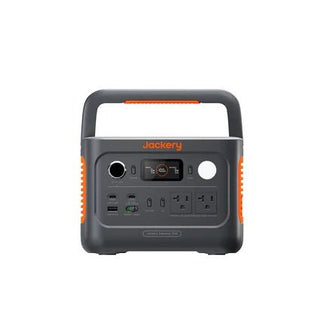
Since a gas fireplace's electrical draw is so small, even a mid-size Jackery Solar Generator can keep the blower and ignition running for a long stretch, or, for an electric fireplace, cover the full heating load directly. Here is how three of them compare.
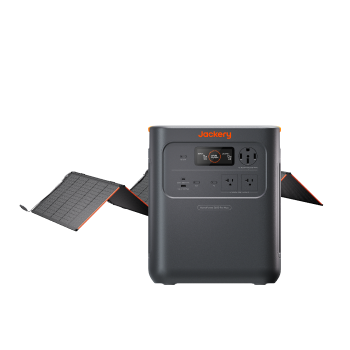
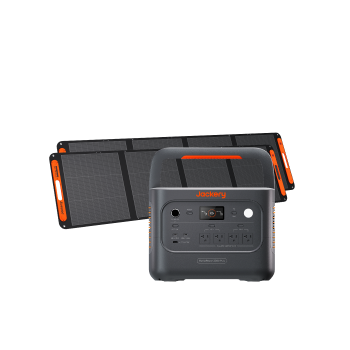
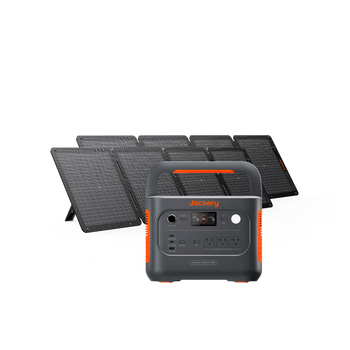
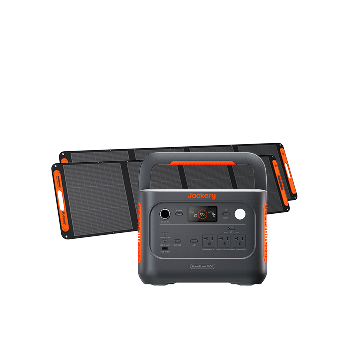
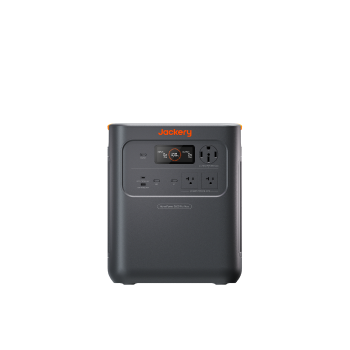
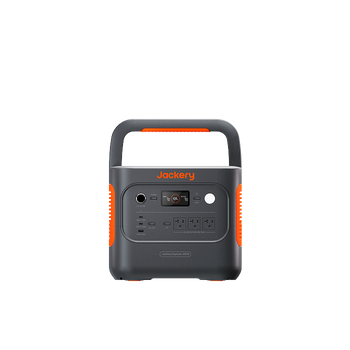
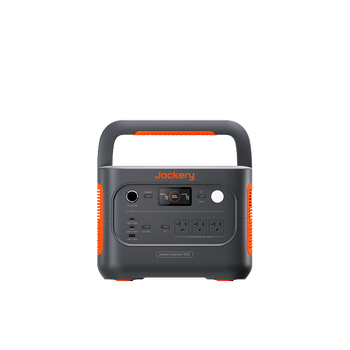
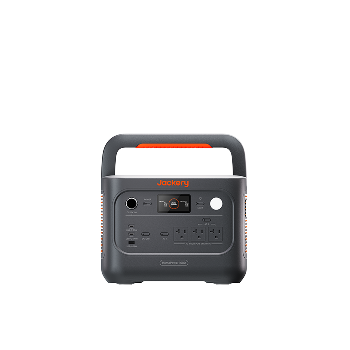
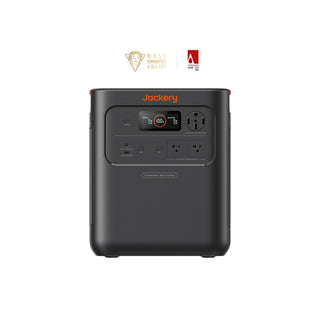
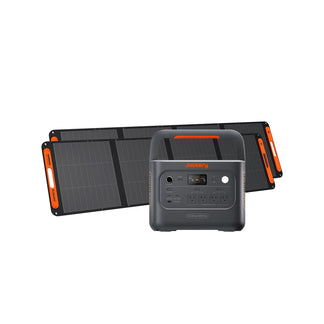
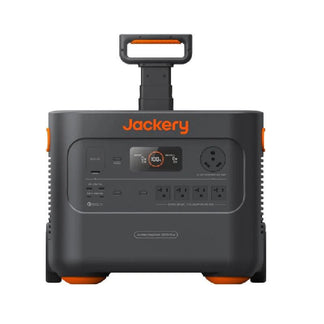
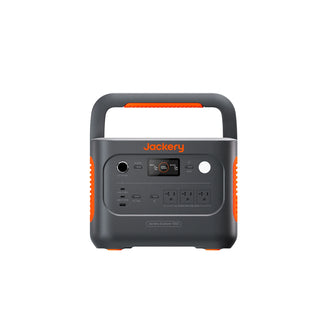
Jackery Solar Generator 1000 v2
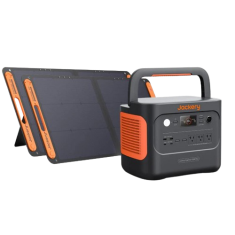
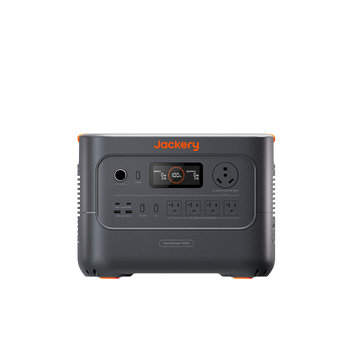
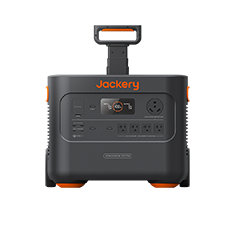
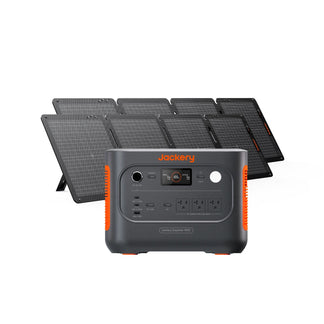
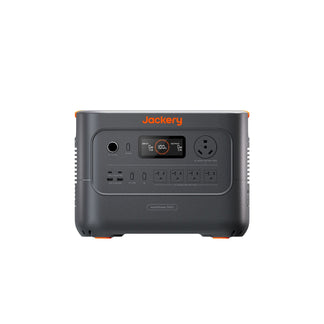
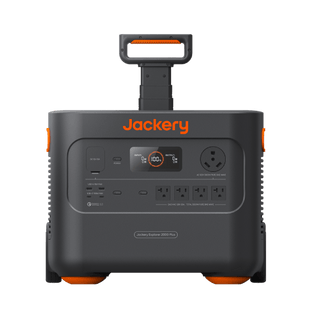
The Jackery Solar Generator 1000 v2 offers 1,070Wh of capacity with 1,500W of output, which comfortably covers a gas fireplace's ignition and blower system for many hours, or an electric fireplace for a shorter, direct-use stretch. For a gas fireplace's electronic ignition and blower drawing 150W over 4 hours a day, that is about $0.11 daily and $3.30 monthly in grid electricity at the national average rate. With the Jackery Solar Generator 1000 v2, you can lower your reliance on grid electricity and reduce your monthly bills.
Appliances Running Time
- Compact Electric Fireplace (1000W) = 54 min
- Gas Fireplace With Blowers (200W) = 4.1H
- Gas Fireplace With Ignition (100W) = 7.6H
- Pellet Stove (800W) = 1.1H
- Vented Gas Fireplace (300W) = 2.8H
Who Should Buy This
The Jackery Solar Generator 1000 v2 is an ideal home battery backup solution for keeping a gas fireplace's electrical components running through shorter outages, or for occasional use of an electric fireplace in a single room.

Customer Review
We didn’t have any expectations but the jackery 1000 has already paid for itself. We had a tornado pass through about 4 miles away and our power was out for about 7 hours. It kept our sump pump going for an hour and once the rains stopped we powered up the refrigerator for an hour twice which saved all of our food!
— Lindsay B.
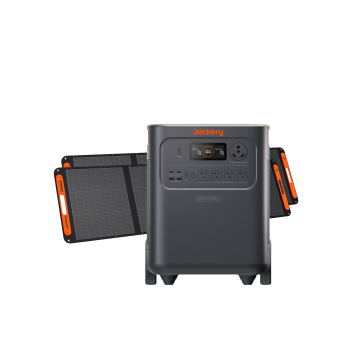
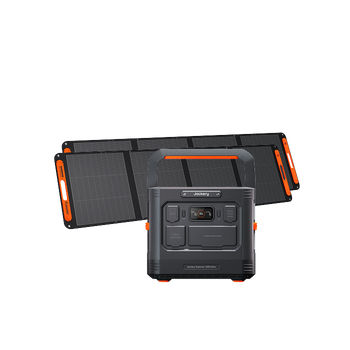
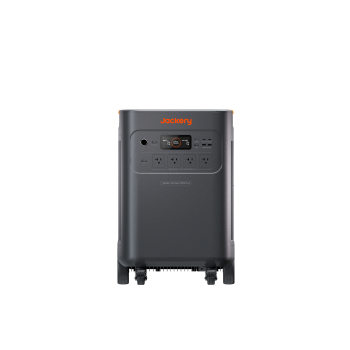
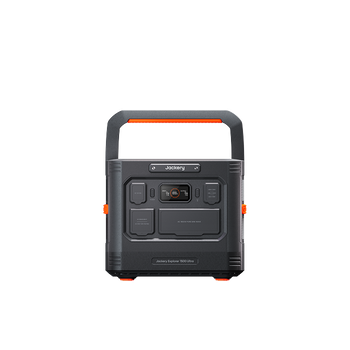
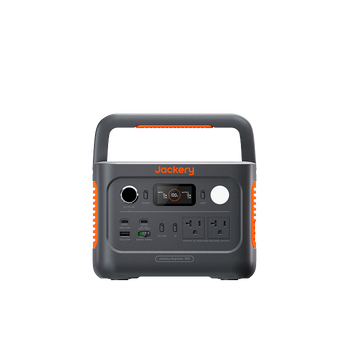
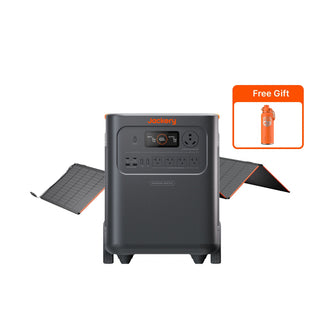
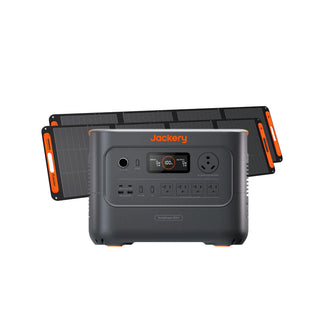
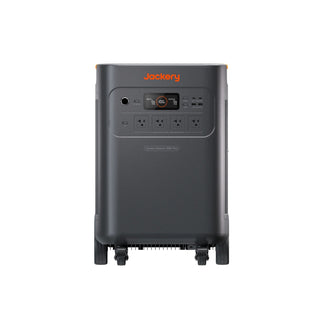
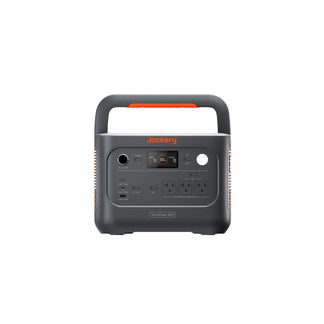
Jackery Solar Generator HomePower 2000 Plus v2
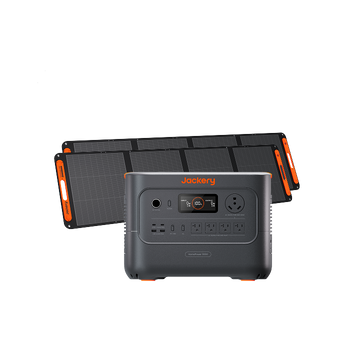
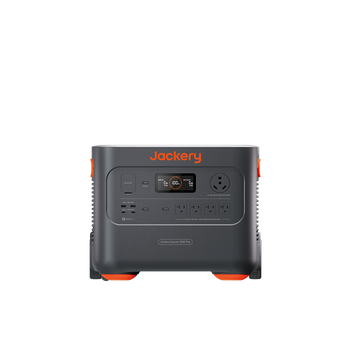
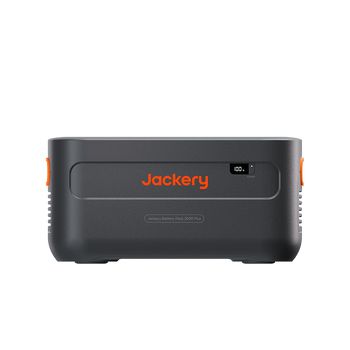
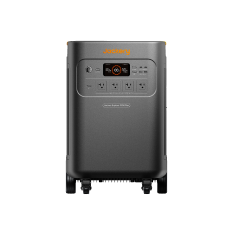
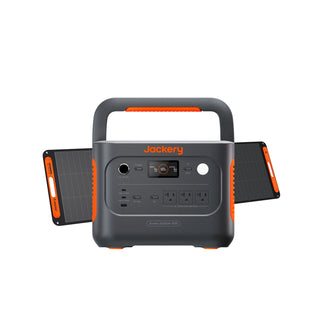
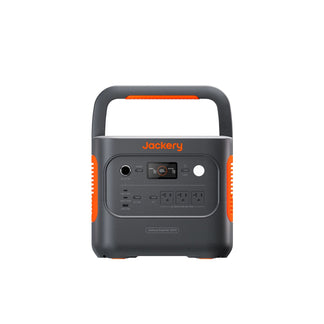
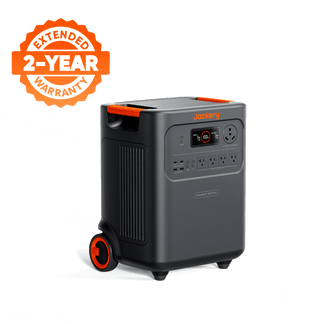
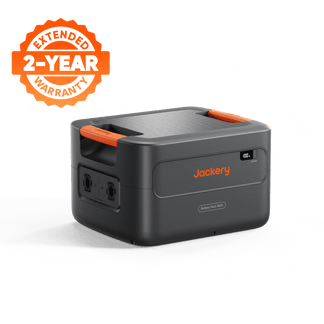
The Jackery Solar Generator HomePower 2000 Plus v2 is an essential home backup solution that gives enough runtime for a gas fireplace's electrical system to last through a long outage, or to run an electric fireplace directly for over an hour at a time with room to spare for other essentials on the same charge. Its Jackery Priority Routing feature ensures that when the battery drops below the threshold level, the solar generator automatically cuts the connected non-essential appliances and keeps powering essential appliances. This home battery backup solution can also be expanded up to 12kWh with the help of add-on battery packs to run large electric fireplaces.
Appliances Running Time
- Compact Electric Fireplace (1000W) = 2.0H
- Gas Fireplace With Blowers (200W) = 8.0H
- Gas Fireplace With Ignition (100W) = 14.0H
- Pellet Stove (800W) = 2.0H
- Vented Gas Fireplace (300W) = 5.0H
Who Should Buy This
The Jackery Solar Generator HomePower 2000 Plus v2 is better suited to longer winter outages, or households that want to run an electric fireplace directly alongside a few lights or a phone charger without needing a larger whole-home system.

Customer Review
It was delivered so quickly! I have assembled the solar panels, which are really big, and have been familiarizing myself with them. Took it out to the goat barn to run fan and lights and was impressed with how long it ran without much drop in stored power, 98%.
— Kathy W.
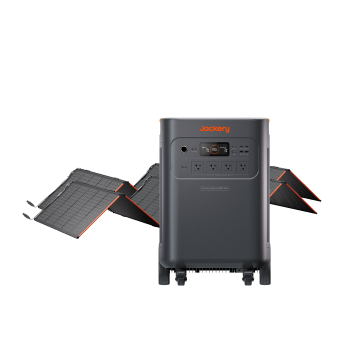
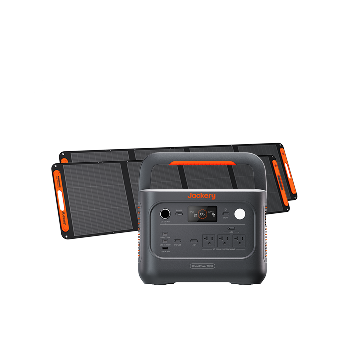
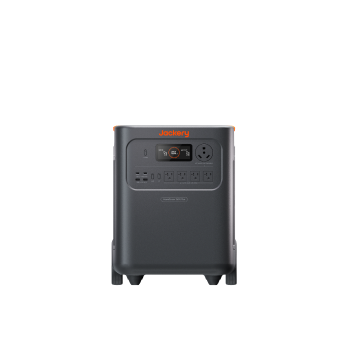
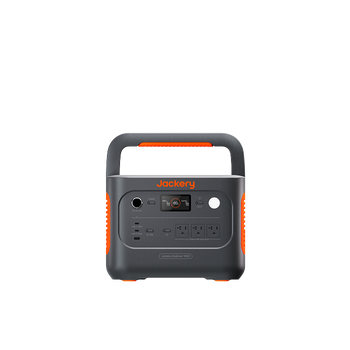
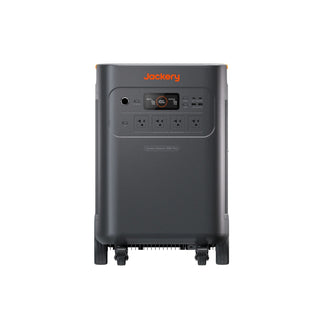
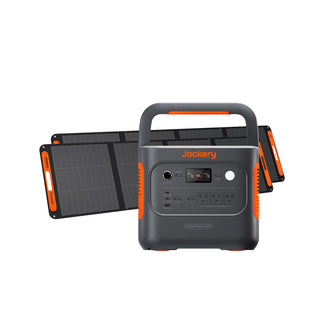
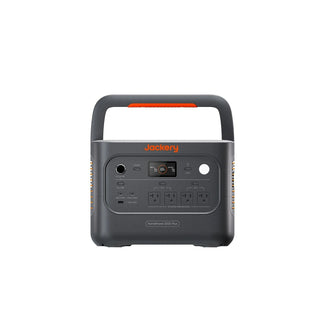
Jackery Solar Generator HomePower 3000
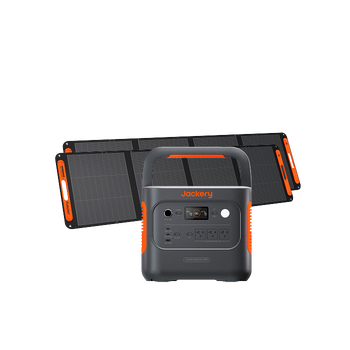
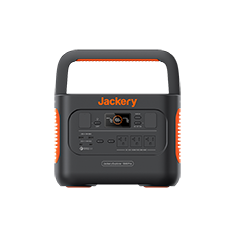
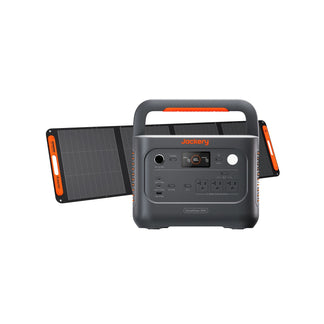
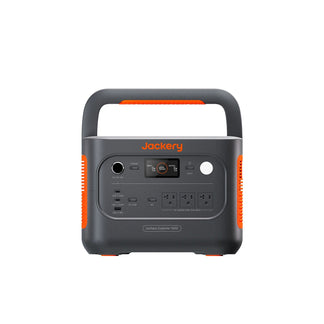
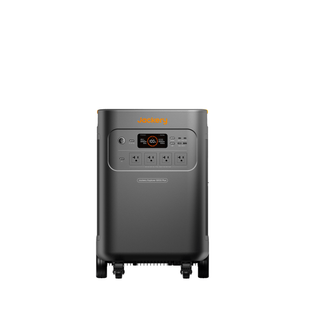
For sustained, multi-day winter backup, the Jackery Solar Generator HomePower 3000 offers 3,072Wh of capacity with 3,600W of continuous output, enough to run an electric fireplace for well over an hour and a half straight, or keep a gas fireplace's blower and ignition running continuously for over a day, alongside other essentials like a refrigerator or a few lights. It also features dual-sided handles so you can easily transport the home battery backup anywhere you go.
Appliances Running Time
- Compact Electric Fireplace (1000W) = 2.6H
- Gas Fireplace With Blowers (200W) = 11.8H
- Gas Fireplace With Ignition (100W) = 21.4eH
- Pellet Stove (800W) = 3.2H
- Vented Gas Fireplace (300W) = 8.1H
Who Should Buy This
The Jackery Solar Generator HomePower 3000 is the right choice for homes relying on a fireplace as a meaningful heat source during winter storms, or anyone who wants a single system flexible enough to run the fireplace alongside other essentials for several days at a time.

Customer Review
Powerful and easy to use-stand alone or connected to home circuits. All features as represented. Great back up for home, RV, and other needs.
— Sumner S.
How Much Does It Cost to Run a Gas Fireplace FAQs
How much does a pilot light cost to run per year?
A standing pilot light left burning continuously, even when the fireplace itself is not in use, typically uses around 500 to 600 BTU per hour. If you leave the standing pilot light on year-round, that adds up to roughly $120 a year in natural gas at current pricing. It is worth turning off during the off-season if your unit allows it.
Is natural gas or propane cheaper for a fireplace?
Natural gas is still generally the cheaper fuel per unit of heat, running roughly $23 per million BTU at current pricing compared to propane's approximately $29 per million BTU. However, that gap has narrowed in 2026 as natural gas prices have risen, and it is worth rechecking current rates rather than assuming a fixed spread.
Is it safe to run a ventless gas fireplace all day?
Most manufacturers and safety guidelines recommend against running a ventless (vent-free) fireplace continuously for extended periods, since it releases combustion byproducts and moisture directly into the room. Vented fireplaces are generally better suited to longer continuous use.
Which is cheaper to run, a gas or electric fireplace?
It depends on your local gas and electricity rates, but natural gas is usually the more affordable option per unit of heat in most parts of the country. Propane narrows that gap considerably, and in areas with especially high electricity rates or low propane prices, the comparison can flip.
How much propane does a fireplace use per month?
A 25,000 BTU propane fireplace running 4 hours a day uses roughly 33 gallons of propane a month, costing about $87.59 at current national average propane pricing.
Conclusion
A gas fireplace's true cost involves fuel and electricity, and getting that math right means converting therms and gallons to a common BTU basis rather than mixing them up. Once you know your fireplace's BTU output, fuel type, and local pricing, the actual daily cost is a straightforward calculation. The electrical side still matters during an outage, since most gas fireplaces need power to ignite and circulate heat at all. Jackery Solar Generator can keep that blower and ignition system running, or power a fully electric fireplace outright, so a winter storm does not mean a cold living room on top of everything else.


