












![[Add-on] Jackery Battery Pack 5000 Plus - Jackery](http://www.jackery.com/cdn/shop/files/add-on-jackery-battery-pack-5000-plus-6713401.webp?v=1786503068&width=324)













A furnace is one of the most power-intensive systems in a home, and its electricity use depends heavily on the type of heating system installed. If you are trying to understand how many watts does a furnace use, it is important to separate electric furnaces from gas or oil systems, since their power demands are very different.
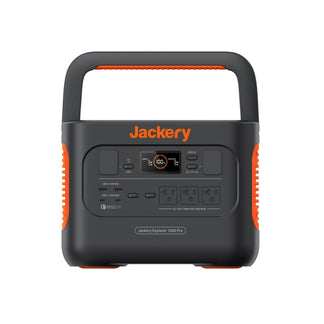
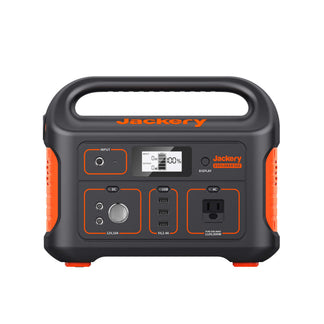
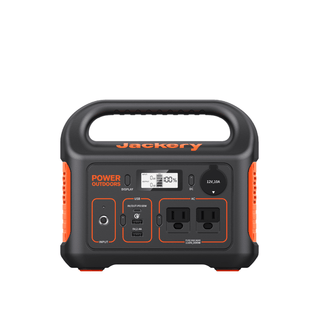
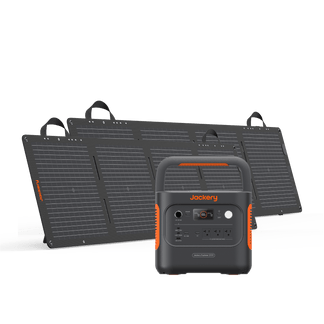
Furnaces have high energy requirements (10,000 watts or more) and are not typically designed to run on portable power stations for extended periods. In limited situations, however, components of a heating system, such as blower motors or controls, may be supported by backup solutions like a Jackery Solar Generator, depending on the furnace type.
Takeaways
- Unlike space heaters or heat pumps, electric furnaces rely entirely on resistance heating, which drives power use into the thousands of watts.
- Electric furnaces use far more electricity than gas or oil furnaces, which mainly consume power for fans and control systems.
- Furnaces often run for long cycles in cold conditions, making both wattage and runtime critical factors in total energy use.
- Most portable power stations or solar generators are not designed to run full electric furnaces, though smaller components may be supported in short-term scenarios.
How Many Watts Does An Electric Furnace Use?
An electric furnace typically uses between 10,000 and 50,000 watts, depending on its size, heating stage, and output capacity. Smaller residential electric furnaces may operate closer to the lower end of this range, while larger systems designed for whole-home heating can draw significantly more power when heating elements are fully engaged.
Since electric furnaces rely entirely on electricity to generate heat, their power demand is far higher than that of most household appliances and increases quickly during sustained cold weather. The blower is the part of the furnace that blows warm air throughout the space in your home. So, if the room size increases or the blower is old, power consumption increases proportionally.
How Many Watts Does a Furnace Use on Average?
On average, an electric furnace uses around 15,000 to 20,000 watts while heating, depending on the size of the system and how many heating elements are running at once. Smaller electric furnaces may use less, while larger whole-home systems can draw significantly more power during cold weather. Because furnaces often run for extended periods, this high wattage has a major impact on electricity use.
|
Furnace Wattage |
Real Power Use |
Timespan of use |
Electricity Used |
|
20,000 W |
13,000 W |
1 hour |
13 kWh |
|
20,000 W |
13,000 W |
1 day |
26 kWh |
|
20,000 W |
13,000 W |
1 week |
182 kWh |
|
20,000 W |
13,000 W |
1 month |
789 kWh |
|
20,000 W |
13,000 W |
1 year |
3,163 kWh |
How Many Watts Do Different Electric Furnaces Use in a Year?
Different electric furnaces can use anywhere from about 10,000 to 25,000 kilowatt-hours (kWh) per year, depending on their heating capacity and how often they run.
For example, a smaller electric furnace drawing around 10,000 watts (10 kW) that runs 3 hours a day for 180 days would use:
10 kW × 3 hours × 180 days = 5,400 kWh per year.
A larger electric furnace using 20,000 watts (20 kW) and running 5 hours a day for the same 180 days would consume:
20 kW × 5 hours × 180 days = 18,000 kWh per year.
In colder climates or larger homes, longer daily runtime can push annual electricity use even higher. This is why electric furnace energy consumption varies so widely from one household to another.
|
Electric Furnace Wattage |
Actual Energy Usage |
Yearly KWh |
|
10,000 W |
6,500 W |
1,582 kWh |
|
15,000 W |
9,750 W |
2,373 kWh |
|
20,000 W |
13,000 W |
3,163 kWh |
|
25,000 W |
16,250 W |
3,954 kWh |
|
30,000 W |
19,500 W |
4,745 kWh |
How Many Watts Does A Gas Furnace Use?
A gas furnace typically uses 300 to 1000 watts while running, mainly to power the blower motor, control board, and ignition system.
There are two major furnaces used, i.e., gas-powered and electric-powered. How many watts a furnace uses depends on this factor as well. A gas furnace uses far less electric power than an electric one. If the furnace runs on gas, why does it need electricity? A gas furnace heats up using the gas but still needs electric power to run the blower. So, a gas furnace will not run without a power outage.
Let us review the gas furnace power consumption as an average.
- For smaller houses and apartments, gas furnaces typically use about 300-500 watts.
- Average-sized houses use medium-sized furnaces that consume around 500-700 watts.
- Commercial setups and large houses must have large gas furnaces that need 800-1,000 watts.
How Much Does It Cost to Power A Furnace?
An electric furnace can cost anywhere from $150 to $450 per month to run, while a gas furnace usually costs much less in electricity, often under $20 per month, since gas provides the heat.
Electric Furnace Electricity Cost
Let us assume an electric furnace has a power draw of 15,000 watts and runs for 4 hours per day. If the electricity rate is $0.18 per kWh, the daily electricity use will be:
15 kW × 4 hours = 60 kWh per day
The cost to run the electric furnace will be:
60 kWh × $0.18 = $10.80 per day
Monthly Cost (30 days) = $10.80 × 30 ≈ $324 per month
If the furnace runs longer or is larger, costs increase quickly.
Gas Furnace Electricity Cost
A gas furnace typically uses 300–1000 watts for the blower and controls. Let us assume a gas furnace has a power draw of 600 watts and runs for 4 hours per day. If the electricity rate is $0.18 per kWh, the monthly electricity use will be:
0.6 kW × 4 hours/day × 30 days = 72 kWh per month
The monthly cost to run the gas furnace will be:
72 kWh × $0.18 ≈ $13 per month in electricity
Note: Fuel cost for gas is separate and usually higher than the electric portion.
|
State |
Average Electricity Rate |
Average Cost Per Month |
Cost Per Year |
|
California |
22.00 ¢ / kWh |
$58.00 |
$696 |
|
New York |
20.59 ¢ / kWh |
$54.25 |
$651 |
|
Texas |
12.56 ¢ / kWh |
$33.08 |
$397 |
|
Massachusetts |
22.59 ¢ / kWh |
$59.58 |
$715 |
|
Florida |
12.21 ¢ / kWh |
$32.17 |
$386 |
|
Virginia |
12.58 ¢ / kWh |
$33.17 |
$398 |
|
New Jersey |
16.20 ¢ / kWh |
$42.67 |
$512 |
|
Maryland |
14.48 ¢ / kWh |
$38.17 |
$458 |
|
Washington |
10.38 ¢ / kWh |
$27.33 |
$328 |
|
US Average |
14.19 ¢ / kWh |
$37.42 |
$449 |
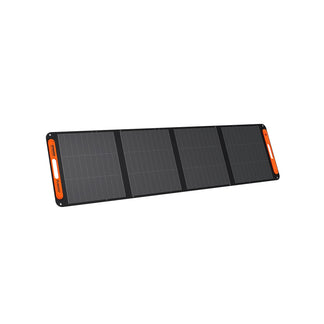
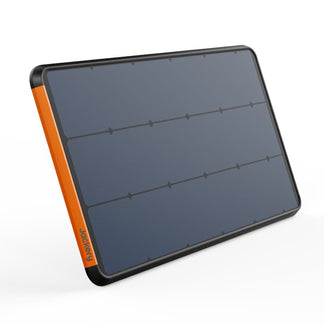
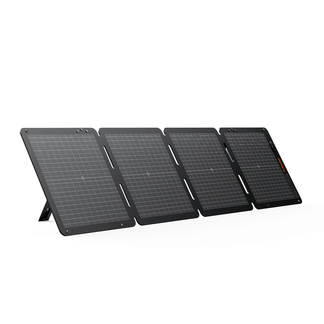
We can see the financial overhead of running a furnace. As this is a necessity, it is high time to find alternatives. Solar energy is the cleanest alternative energy option available. A solar generator is a great option, considering it is portable, can power most electric appliances, and is very safe and reliable. Since these generators use solar energy, there is zero fuel cost, making them a cost-effective option in the long run.
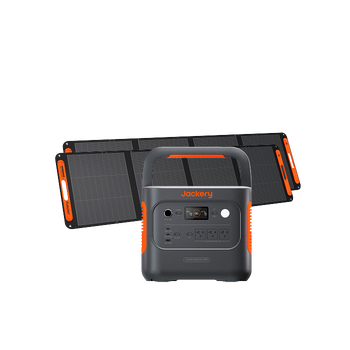
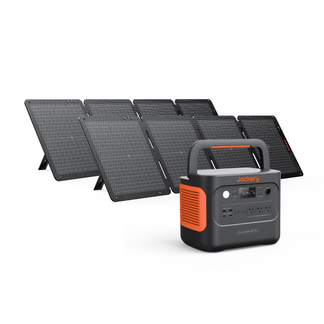
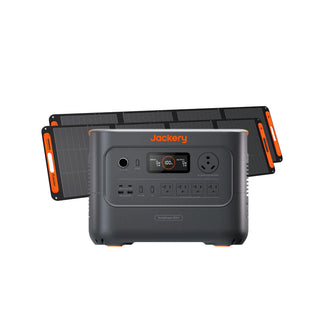
Jackery Solar Generators for Furnaces
Furnaces place very different demands on power systems depending on how they generate heat. Full-electric furnaces draw extremely high wattage, making them impractical to run entirely on portable or battery power. In contrast, gas furnaces rely solely on electricity for essential components such as the blower motor, ignition system, and control board, significantly reducing their electrical demand.
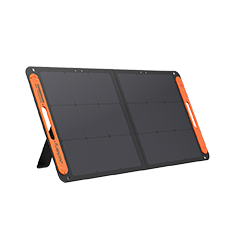
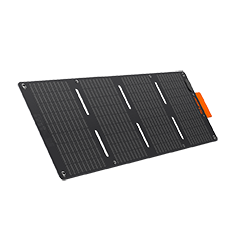
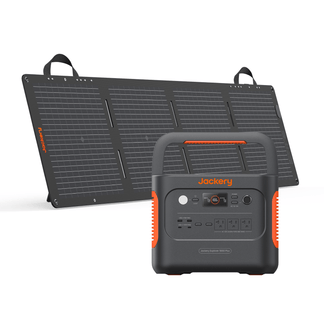
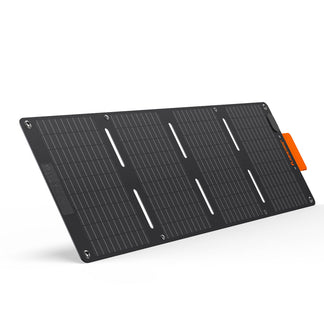
Because of this difference, Jackery Solar Generators are best suited for supporting gas furnaces or specific furnace components during power outages, rather than powering an entire electric heating system. In short-term or emergency situations, a Jackery Solar Generator can help keep airflow and basic heating functions running on compatible systems, provided the electrical load stays within the generator’s output limits.
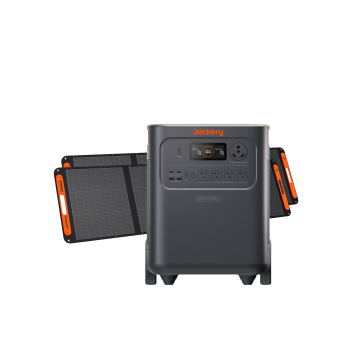
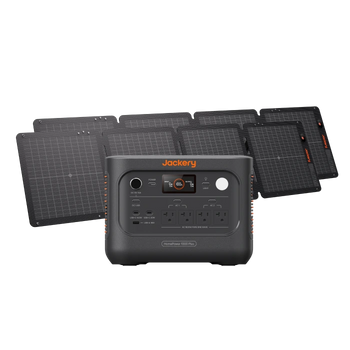
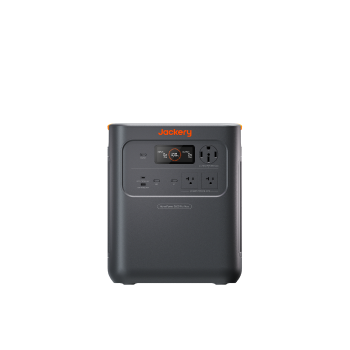
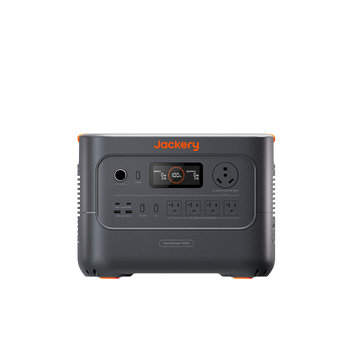
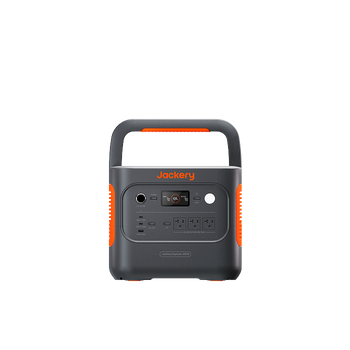
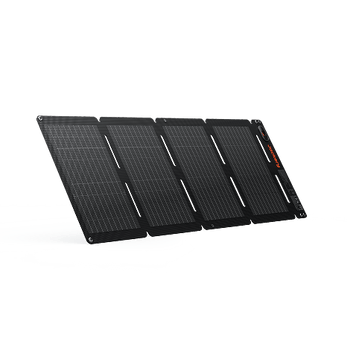
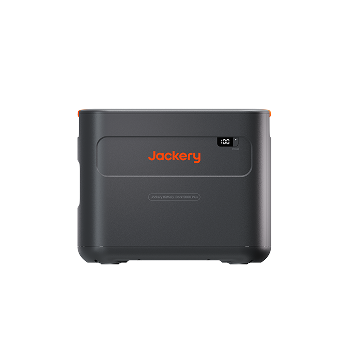
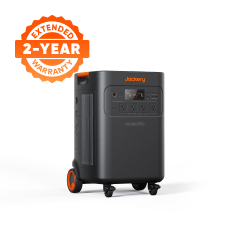
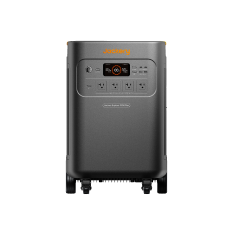
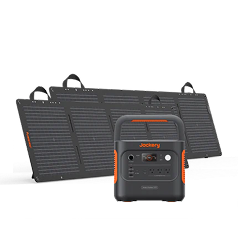
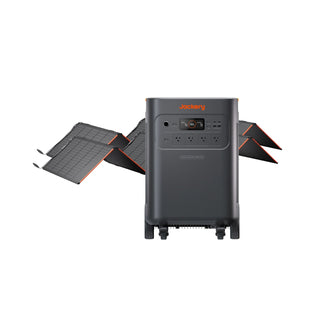
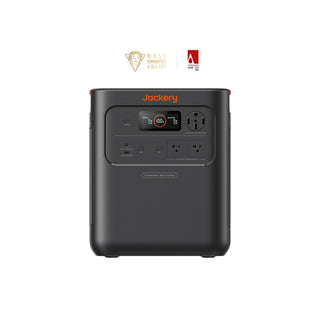
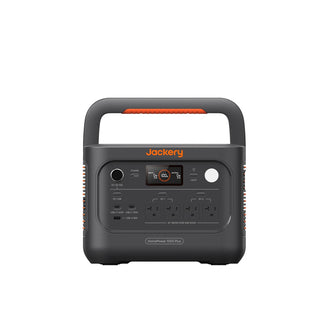
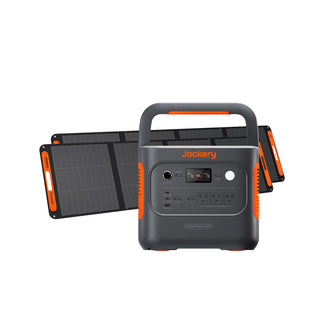
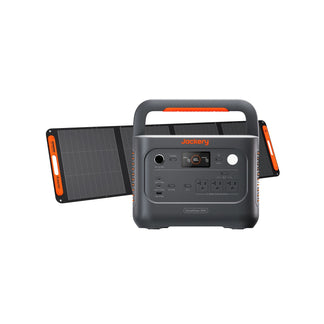
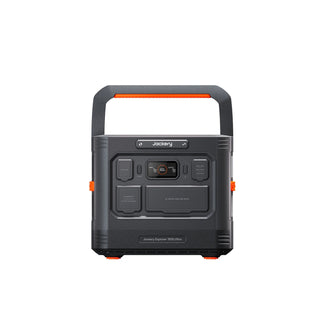
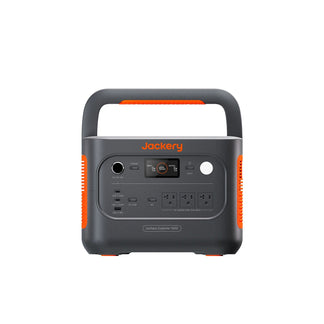
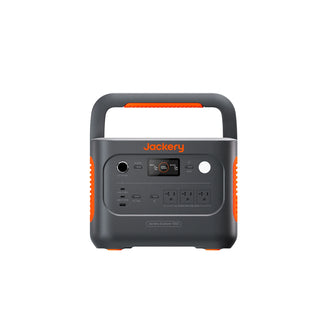
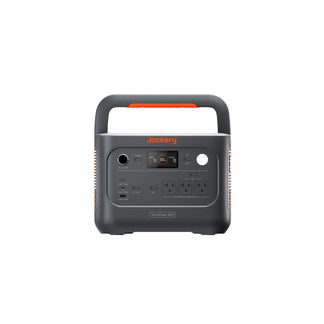
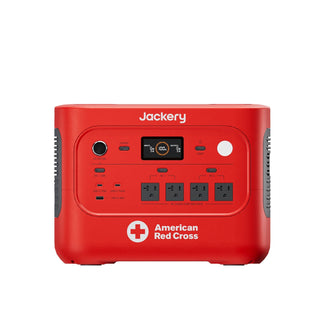
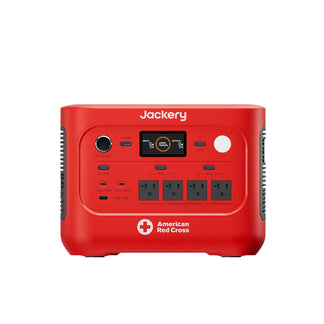
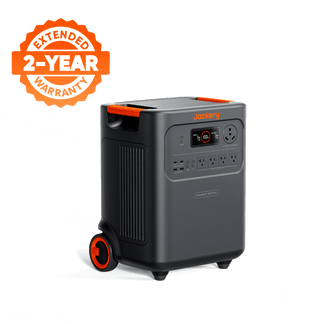
Jackery Solar Generator HomePower 3600 Plus
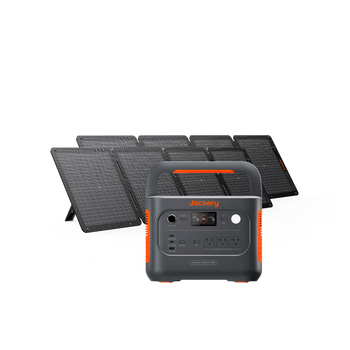
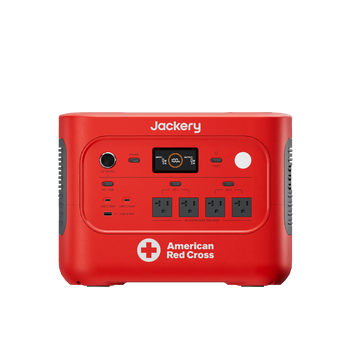
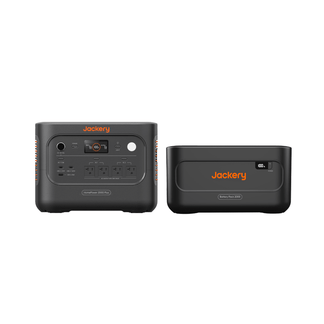
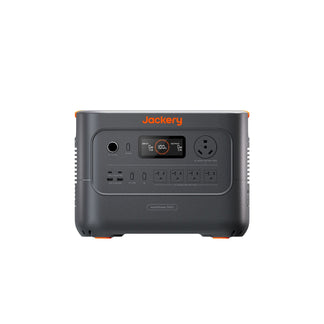
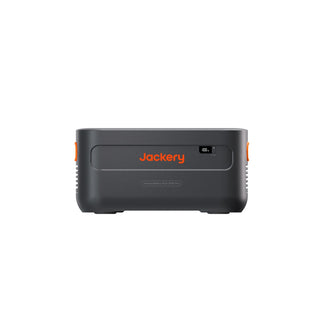
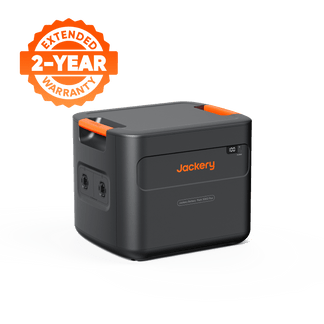
Electric furnaces typically draw high power in short bursts, especially during startup, and then settle into a steady consumption pattern that can still be demanding. The Jackery Solar Generator HomePower 3600 Plus with expanded capacity by adding extra batteries, can support sections of a heating system for limited periods during outages or off-grid situations. It can also run other essential home appliances, such as space heaters, water heaters, refrigerators, lights, etc., for long hours.
Appliances Running Time
- Gas furnace (800W) = 3.7H
- Oil furnace (1500W) = 2.0H
- Electric Baseboard Heating (2500W) = 1.2H
- Refrigerator (300W) = 9.5H
- Water Heater (1000W) = 3.0H
Who Should Buy This
If your priority is short-term furnace support during outages combined with expanded capacity for appliances, lights, and devices, the Jackery Solar Generator HomePower 3600 Plus makes sense when paired with compatible expansion batteries.

Customer Review
We had a scheduled power outage shortly after our purchase, and we were able to keep all essential appliances running.
— Michael R.
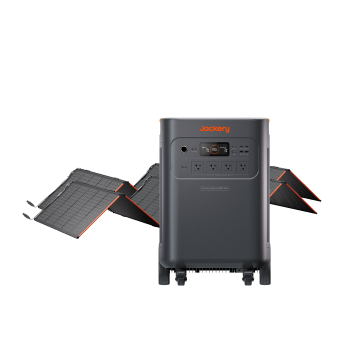
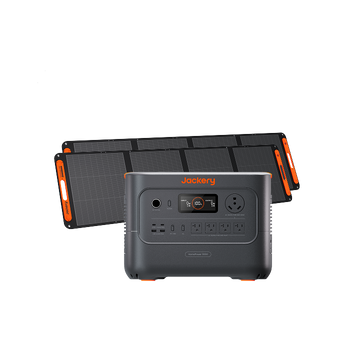
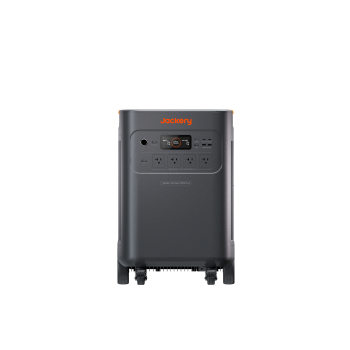
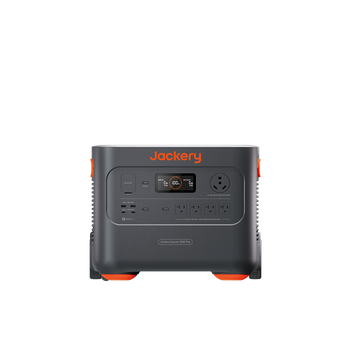
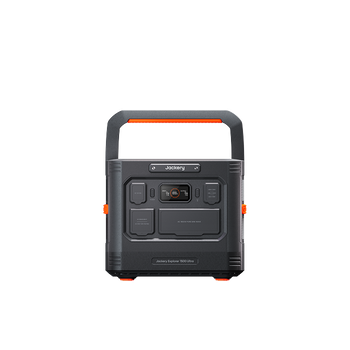
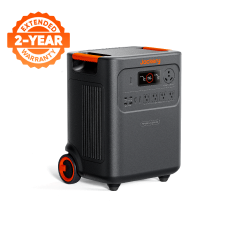
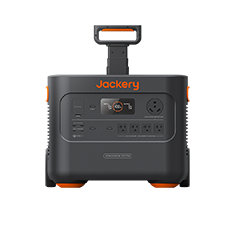
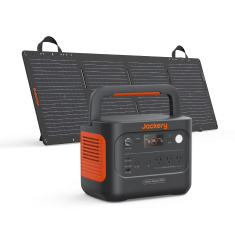
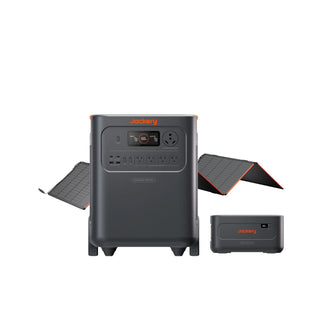
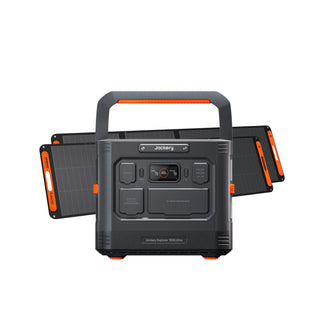
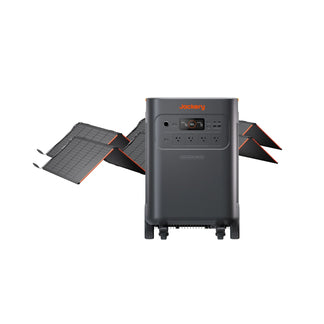
Jackery Solar Generator 5000 Plus
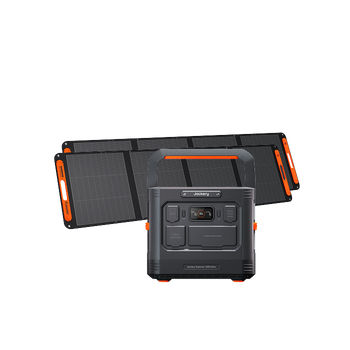
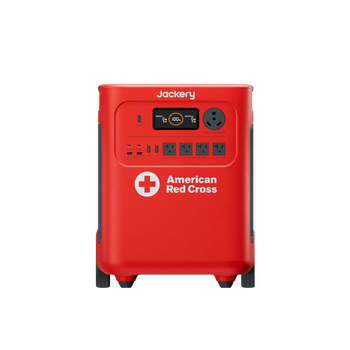
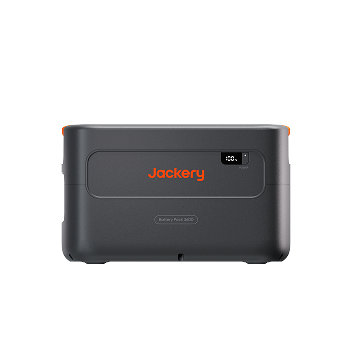
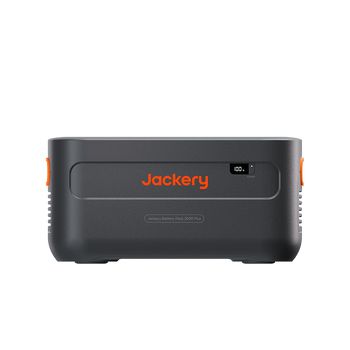
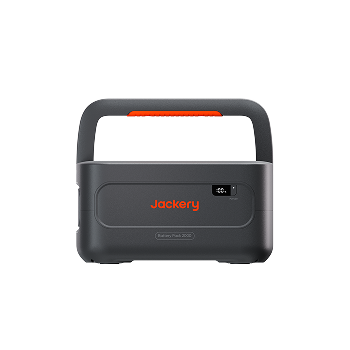
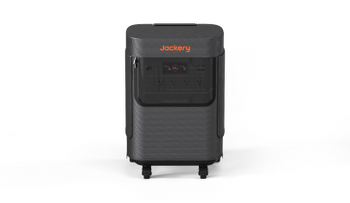
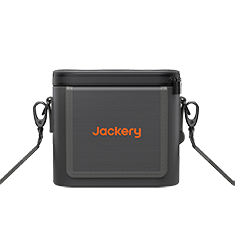
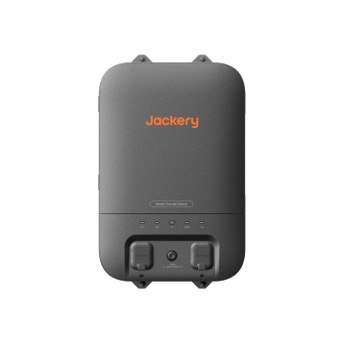
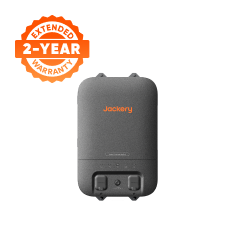
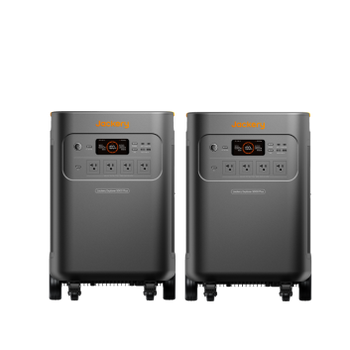
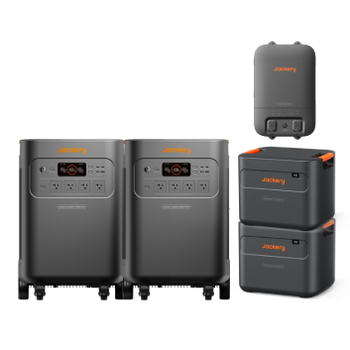
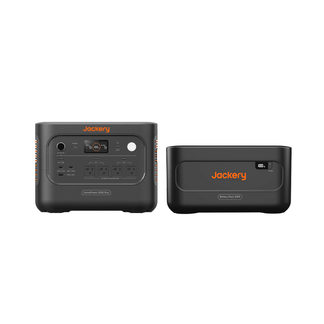
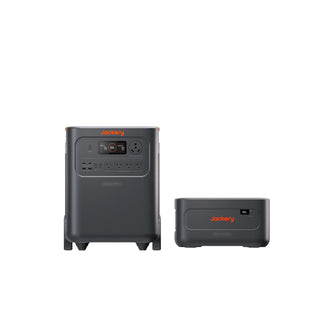
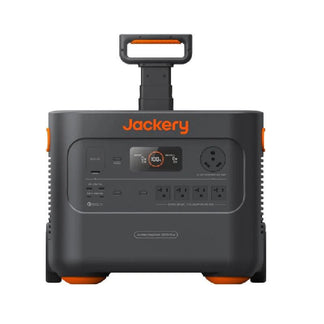
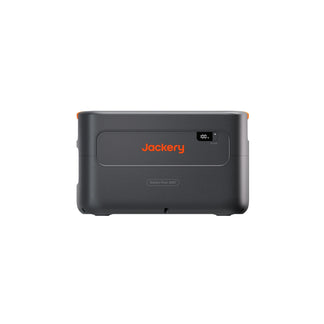
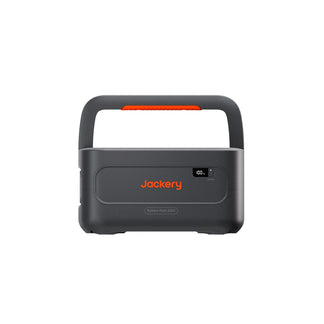
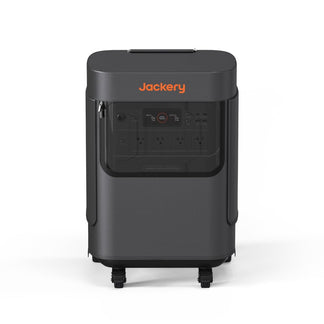
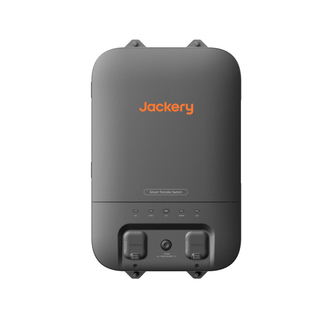
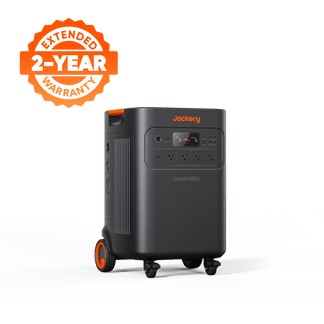
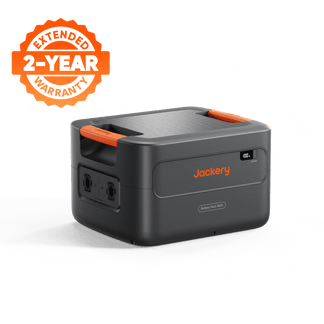
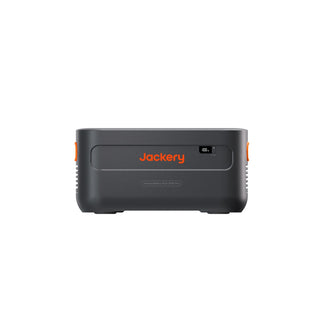
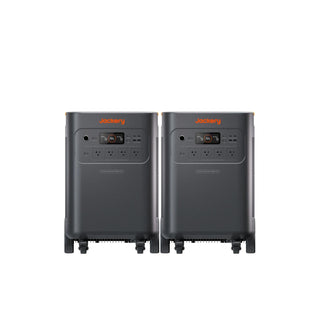
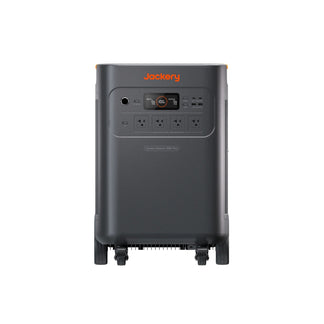
The Jackery Solar Generator 5000 Plus, especially when linked with expansion batteries, provides more headroom for supporting furnace circuits for short durations while also handling other household essentials. It gives a cleaner, quieter way to keep heating systems running for temporary needs alongside other loads. It can supply power to essential household loads, including gas furnaces, refrigerators, lights, water heaters, etc., for hours. If you need to power heavy-duty appliances such as electric furnaces, the Jackery Solar Generator 5000 Plus can be expanded up to 60kWh with battery packs.
Appliances Running Time
- Gas furnace (800W) = 5.0H
- Oil furnace (1500W) = 2.8H
- Electric Baseboard Heating (2500W) = 1.7H
- Refrigerator (300W) = 12.2H
- Water Heater (1000W) = 4.1H
Who Should Buy This
If you need a higher base output and plan to expand capacity to help sustain furnace power with other essential circuits during brief outages, the Jackery Solar Generator 5000 Plus is an ideal choice.

Customer Review
Bought the Explorer 5000 Plus a few weeks ago, along with the additional battery. Both are working great. Solar charging was straightforward with surprisingly good results in less than ideal conditions. The Explorer, although quite heavy, moves easily given the wheels and handle. Very happy with the purchase!
— Anonymous.
What Are the Factors Affecting the Furnace Wattage?
Furnace wattage is affected by system size, furnace type, efficiency, runtime, and how hard the system has to work to maintain indoor temperature. Below are the key factors that influence how many watts does a furnace use.
- Furnace Size & Capacity: Larger furnaces designed to heat bigger homes draw more power because they use higher-capacity heating elements or stronger blower motors. Oversized furnaces also tend to cycle inefficiently, increasing electricity use.
- Type: Electric furnaces use electricity to generate heat, resulting in very high wattage. Gas furnaces use electricity only for airflow and controls, which keeps electrical demand much lower.
- Efficiency: High-efficiency furnaces convert more energy into usable heat, reducing how long the system needs to run. Less efficient furnaces stay on longer, increasing overall electricity consumption.
- Age & Maintenance: Older furnaces often use outdated components that draw more power. Poor maintenance, such as dirty filters or worn motors, forces the system to work harder and consume more electricity.
- Insulation: Poor insulation allows heat to escape quickly, causing the furnace to run more often. Well-insulated homes retain heat better, reducing runtime and total power use.
- Thermostat Settings: Higher thermostat settings require the furnace to run longer and more frequently. Frequent temperature adjustments can also increase cycling and electricity use.
- Climate & Home Size: Colder climates and larger homes require longer heating cycles, which increases the total energy use of furnaces. Mild climates naturally reduce furnace runtime and electricity demand.
- Components: Blower motors, control boards, igniters, and variable-speed fans all draw electricity. Furnaces with more advanced or multiple components tend to consume more power overall.
Furnace Wattage FAQs
What size of solar generator do I need to run my furnace?
For a gas furnace, a solar generator with 1,500–2,000 watts of continuous output is usually sufficient to power the blower and controls. A full electric furnace typically requires far more power and is not practical to run entirely on portable solar generators. If you want to understand what size generator to run a furnace is required, you can use the running time calculator on the Jackery Buying Guide page. This will help you understand how long different Jackery Solar Generators can run a furnace. Visit the buying guide page and scroll to find the calculator. Choose a Jackery model from the dropdown, then enter the appliance’s wattage to get an estimated runtime.
What's the best time to run an electric furnace?
The electric power companies usually charge you a time-of-use (TOU) rate plan. It means running your furnace during off-peak hours will be cheaper, i.e., usually overnight.
How much power does a furnace motor use?
A gas furnace blower motor typically uses 400 to 800 watts while running. High-efficiency or variable-speed motors may use less power, especially during low-speed operation.
Final Thoughts
Electric furnaces are among the most electricity-intensive systems found in residential homes, often drawing tens of thousands of watts during operation. Their high, continuous power demand makes them expensive to run and difficult to support without grid electricity. During power outages, operating an electric furnace at full capacity is generally impractical with portable power stations alone. In certain cases, however, limited system components may be supported temporarily with backup solutions like a Jackery Solar Generator, depending on the setup and load requirements.


