

























If you have ever tried to estimate a dishwasher's cost by multiplying its rated wattage by how long a cycle runs, you have probably found a number that is higher than what actually shows up on your bill. That is because the dishwasher's heating element only draws its full rated wattage in short bursts, mainly while heating water. A modern Energy Star-certified dishwasher typically uses about 1.1 kWh per cycle, which costs roughly $0.20 per load at the current US average electricity rate of 18.34 cents per kWh.
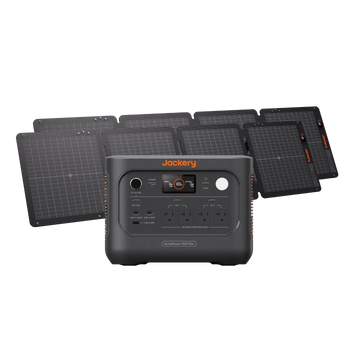
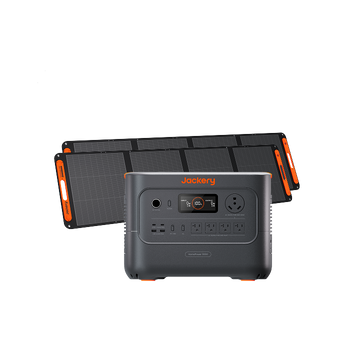
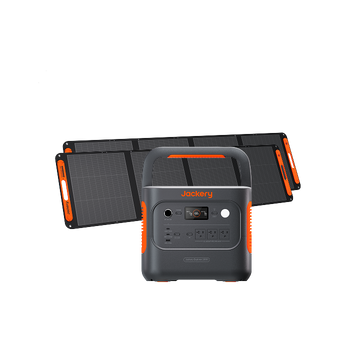
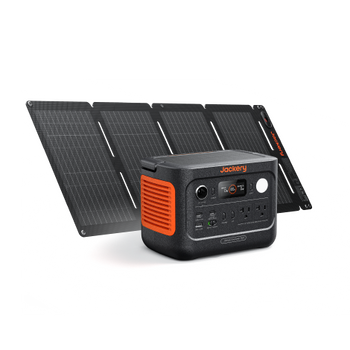
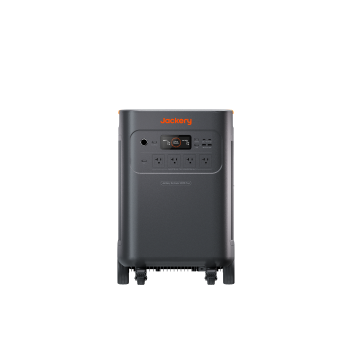
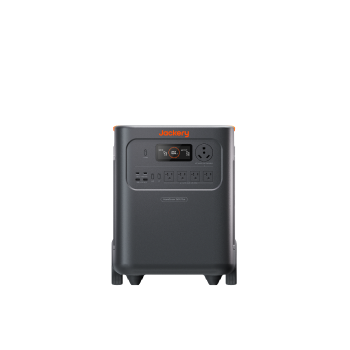
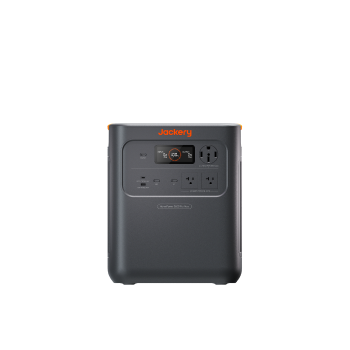
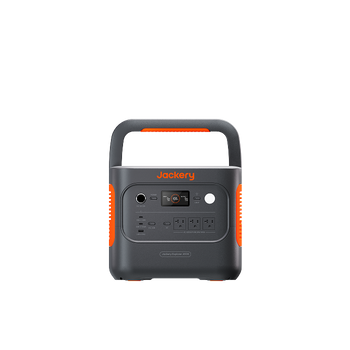
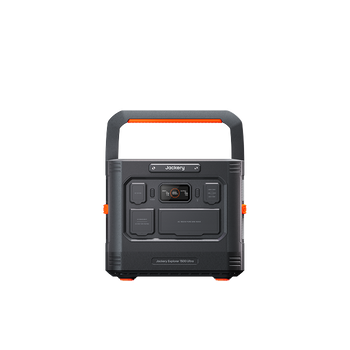
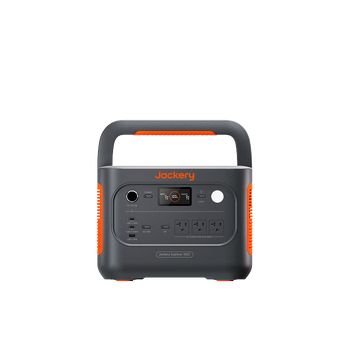
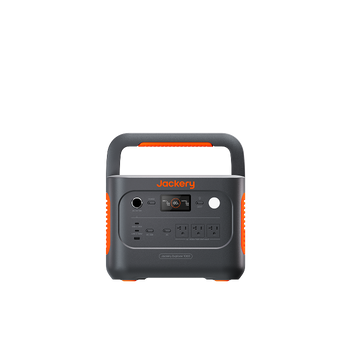
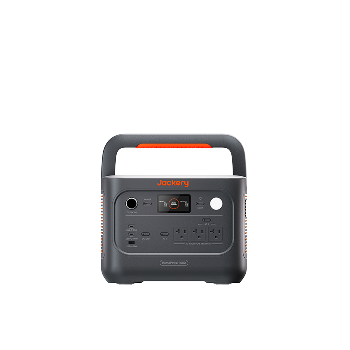
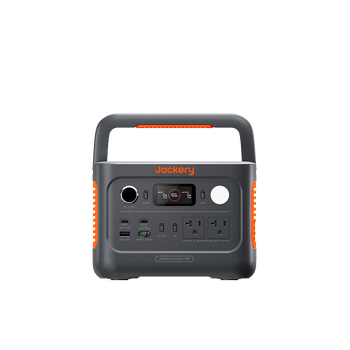
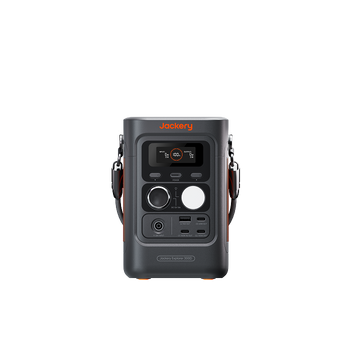
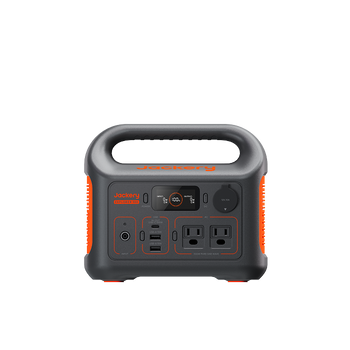
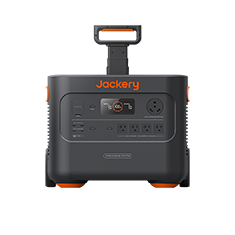
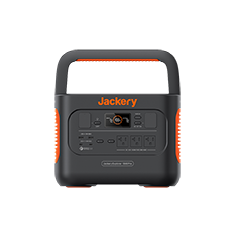
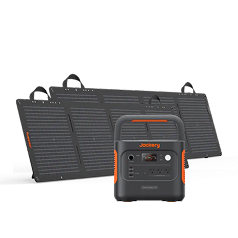
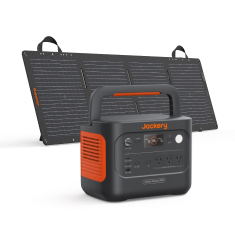
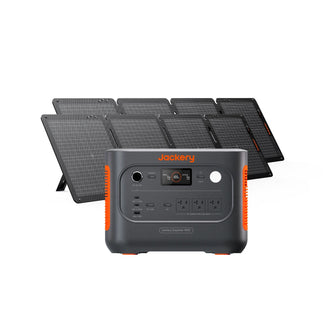
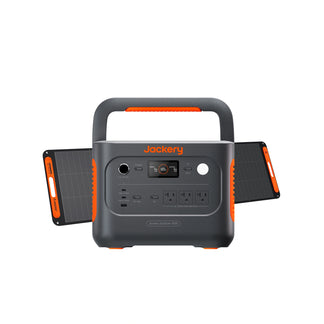
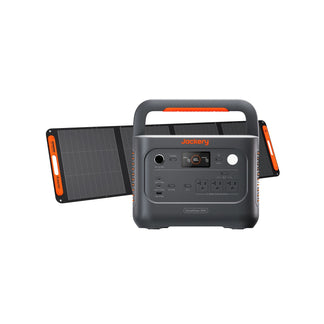
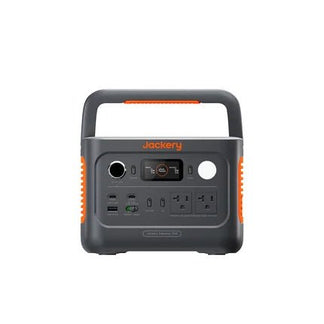
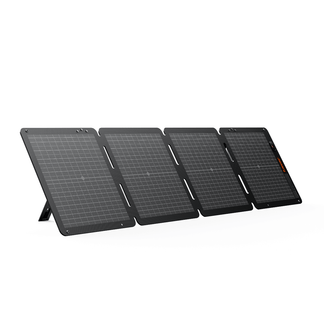
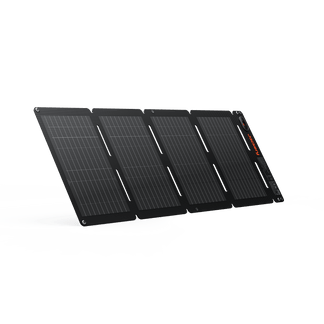
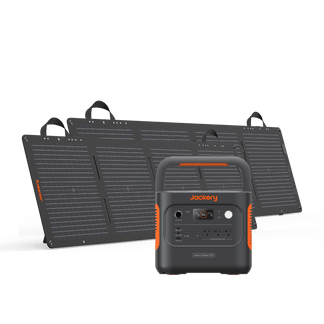
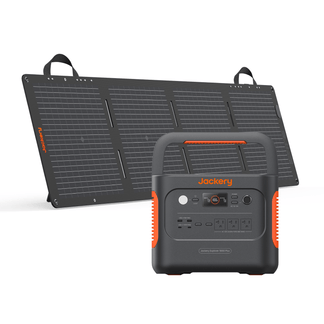
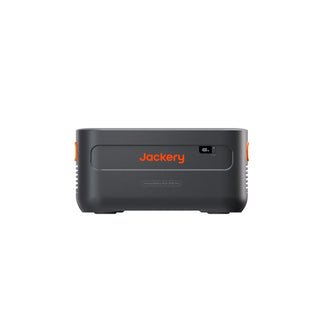
You pay about $4.03 a month and $48.42 a year running the dishwasher 20 times a month. That modest cost is one of the reasons a dishwasher is an easy appliance to run off backup power, whether you are trying to trim the electricity bill or keep the kitchen functional during an outage. Jackery Solar Generators are available in different sizes and can comfortably handle a dishwasher's startup surge and full cycle, letting you run one off stored solar energy instead of the grid, or keep a load going even when the power is out.
Key Takeaways
- Dishwashers are typically rated at 1,200W to 2,400W, but that is peak draw. It is not what they use for an entire cycle. The actual energy use per load runs closer to 1.0 to 2.0 kWh for standard models and as low as 0.7 to 1.2 kWh for Energy Star-certified units.
- At the US average rate of 18.34¢/kWh, a standard Energy Star dishwasher costs about $0.20 per cycle, $4.03 a month, and roughly $48 a year running 20 loads a month.
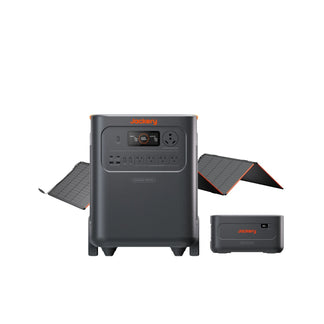
- Standard US residential dishwashers run on 120V, so choosing a solar battery backup is easier.
- Jackery Solar Generators can handle a dishwasher's startup surge and full cycle, either to offset the electricity cost or to keep a load running during a power outage.
- The dishwasher cycle you select changes the cost too. For example, Eco typically uses 20% to 40% less energy than Normal, while Heavy and Sanitize cycles run hotter and use more.
How Many Watts Does a Dishwasher Use?
Dishwashers are generally rated between 1,200W and 2,400W, with 1,800W a common midpoint for standard residential units. That rated wattage matters for sizing a circuit or a backup power station, but it is not what the dishwasher pulls for the whole cycle.
The power rises and falls sharply as the water pump, heating element, and drying system switch on and off. The heating element, which draws the most power, is really only active for a portion of the cycle.
What pushes a model toward the higher end of that range is usually a built-in water heating booster (useful in homes with a lower-temperature water heater) or a heated drying assist fan, both of which add draw on top of the base wash-and-pump cycle.
|
Dishwasher Type |
Typical Rated Wattage |
|
Compact/Countertop |
1,000W – 1,200W |
|
Standard |
1,500W – 1,800W |
|
Large/High-Heat Cycle |
1,800W – 2,400W |
Since it undergoes on-and-off cycling, treating a dishwasher as a constant load at its full rated wattage for the entire cycle overstates its real energy use, sometimes by 2 to 3 times. You can see the rated wattage breakdown by model in our guide on how many watts does a dishwasher use. If you want to calculate how many amps does a dishwasher use, you can multiply the wattage consumption by the volts at which the appliance operates.
How Much Does It Cost to Run a Dishwasher?
The right way to estimate a dishwasher's cost is by its actual energy use per cycle (in kWh) rather than its rated wattage multiplied by the full cycle length. Multiply the kWh used per cycle by your electricity rate to get the cost per load.
|
Dishwasher Type |
Typical Energy Use per Cycle |
Approx. Annual Use |
|
Older (Pre-2013, No Efficiency Standard) |
2.5 – 3.5 kWh |
Up to 800 kWh |
|
Standard (Post-2013, Non-Certified) |
1.0 – 2.0 kWh |
400 – 500 kWh |
|
Energy Star Certified (Standard Size) |
1.0 – 1.2 kWh |
Up to 270 kWh |
|
Energy Star Certified (Compact) |
0.7 – 0.9 kWh |
Up to 203 kWh |
For example, a standard Energy Star dishwasher using 1.1 kWh per cycle costs about $0.20 per load at the national average rate of 18.34 cents per kWh. When you run the dishwasher 20 times a month, that would cost $4.03 a month and $48.42 a year.
An older, pre-2013 dishwasher using 3.0 kWh per cycle costs roughly $0.55 per load, or $11.00 a month and $132.05 a year at the same usage rate. It is more than double the Energy Star figure for the same number of loads.
How Much Does It Cost to Run a Dishwasher by State
The cost to run a dishwasher depends on the electricity rate in the different US states. The same dishwasher can cost close to four times as much to run in one state versus another. Here is how much a standard Energy Star dishwasher (1.1 kWh per cycle) costs when used for 20 loads a month:
|
State |
Rate (¢/kWh) |
Cost per Cycle |
Monthly Cost (20 Loads) |
Yearly Cost (240 Loads) |
|
New Jersey |
24.95 |
$0.27 |
$5.49 |
$65.87 |
|
New York |
29.49 |
$0.32 |
$6.49 |
$77.85 |
|
Illinois |
19.89 |
$0.22 |
$4.38 |
$52.51 |
|
Ohio |
19.19 |
$0.21 |
$4.22 |
$50.66 |
|
North Dakota |
14.12 |
$0.16 |
$3.11 |
$37.28 |
|
South Dakota |
15.36 |
$0.17 |
$3.38 |
$40.55 |
|
Florida |
15.10 |
$0.17 |
$3.32 |
$39.86 |
|
Georgia |
16.36 |
$0.18 |
$3.60 |
$43.19 |
|
North Carolina |
14.74 |
$0.16 |
$3.24 |
$38.91 |
|
South Carolina |
15.55 |
$0.17 |
$3.42 |
$41.05 |
|
Texas |
15.94 |
$0.18 |
$3.51 |
$42.08 |
|
Colorado |
17.13 |
$0.19 |
$3.77 |
$45.22 |
|
Idaho |
14.37 |
$0.16 |
$3.16 |
$37.94 |
|
Alaska |
28.21 |
$0.31 |
$6.21 |
$74.47 |
|
Hawaii |
52.72 |
$0.58 |
$11.60 |
$139.18 |
|
US Average |
18.34 |
$0.20 |
$4.03 |
$48.42 |
Source: Electric Power Monthly, U.S. Energy Information Administration (EIA)
Note: These figures assume a standard Energy Star-certified dishwasher using 1.1 kWh per cycle, run 20 times a month. Rates and dishwasher efficiency vary, so use this as a planning estimate rather than an exact figure for your own model.
Does the Cycle You Choose Change the Cost of Running a Dishwasher?
Yes, the dishwasher cycle changes its running cost meaningfully. Most dishwashers offer several cycle options, and they are not just about wash time. They change the water temperature and how long the heating element stays active, both of which directly affect energy use.
|
Cycle Type |
Typical Water Temp |
Relative Energy Use vs. Normal |
|
Eco/Energy Saver |
~110°F (43.3°C) – 120°F (48.8°C) |
20% – 40% less |
|
Normal |
~120°F (48.8°C) – 140°F (60°C) |
Baseline |
|
Heavy/Pots & Pans |
~140°F (60°C) – 155°F (68.3°C) |
20% – 50% more |
|
Sanitize |
~150°F (65.5°C) – 165°F (73.8°C) |
10% – 30% more than Normal |
The Eco cycle achieves its savings largely by running longer at a lower temperature rather than blasting hotter water for a shorter time, which is a genuinely more efficient way to clean most everyday loads.
The Sanitize cycle exists for a specific purpose of reaching an NSF-certified temperature to kill more bacteria, and is worth the extra energy for baby bottles or after an illness in the house, but it's not necessary for a typical daily load.
If cost is the priority and the dishes are not heavily soiled, defaulting to Eco over Normal or Heavy is one of the simplest ways to lower the per-cycle cost without changing anything else about how you use the dishwasher.
Official Tips to Reduce Dishwasher Cost
According to Energy Star, a standard-sized Energy Star-certified dishwasher costs around $50 per year and saves about 5,800 gallons of water over its lifetime. When calculating how much it costs to run a dishwasher water-wise, it’s important to note that modern Energy Star models use significantly less water per load. While the cost of running a dishwasher will vary, here are some easy tips to cut costs:
- Get an Energy Star Dishwasher: Energy Star dishwashers are highly energy-efficient and help you save a lot of money in the long run.
- Load Dishwasher Before Running: According to the Energy Star, dishwashers use the same amount of energy and water regardless of how full they are. So, you should run full loads to avoid wasting water and money.
- Run Dishwasher During Off-Peak Hours: Many utility companies offer Time of Use rates and charge less during off-peak hours. Running energy-intensive appliances during off-peak hours helps you cut down on costs.
- Maintain Your Dishwasher: You must clean the filters and check for clogs regularly to ensure dishwashers operate efficiently and do not cost a lot.
- Use Air Dry Setting: Rather than heat drying the dishes, air drying and opening the door after the wash cycle helps you let dishes dry naturally and save money.
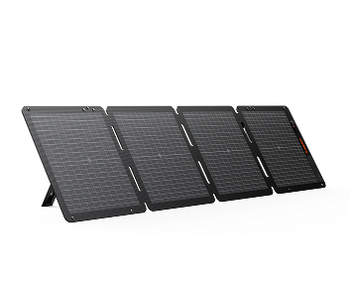
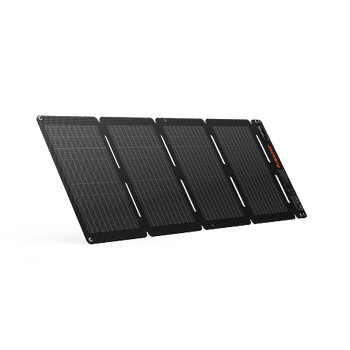
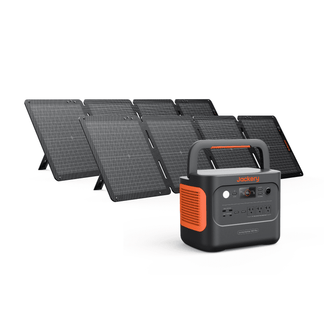
- Invest in a Solar Generator: Jackery Solar Generators are essential home backup solutions that can power various household appliances like dishwashers, refrigerators, lights, etc. Their portable design ensures easy movement from one place to another around the home.
How to Save Electricity Bill With Jackery Solar Generators
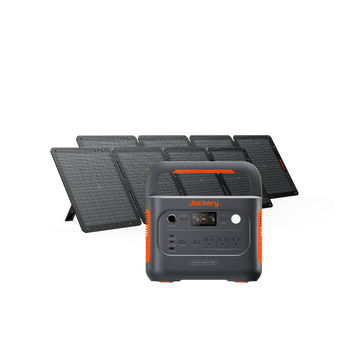
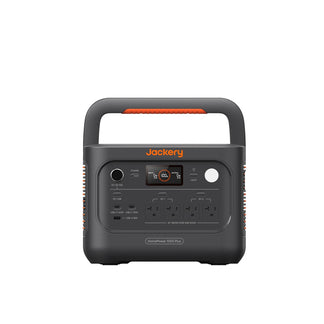
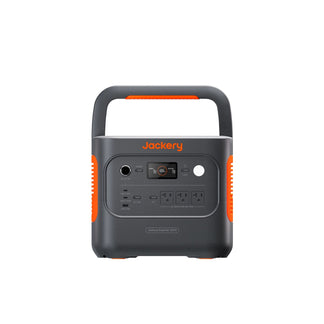
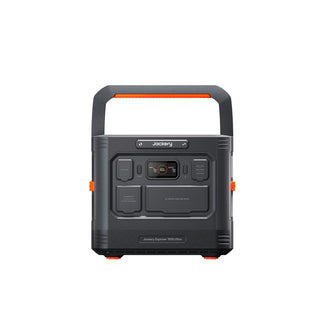
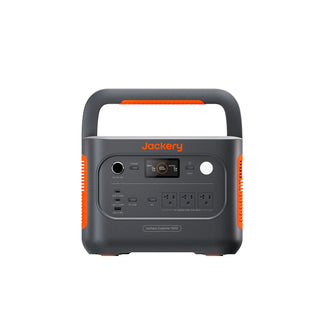
Since dishwashers run on standard 120V power, most Jackery Solar Generators can power the appliance. However, the real question is whether the solar generator has enough continuous output and capacity to comfortably absorb the startup surge and finish a full cycle. Here is how the two home battery backup solutions from Jackery compare:
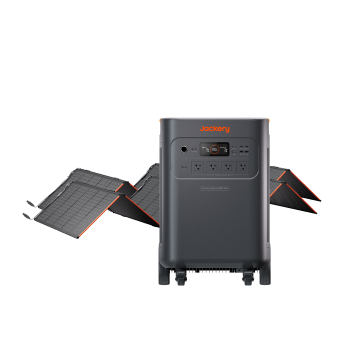
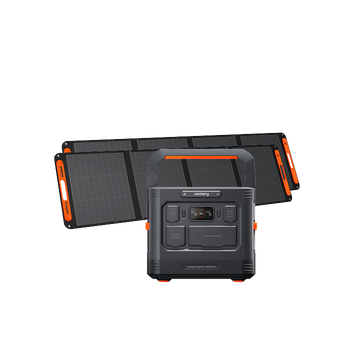
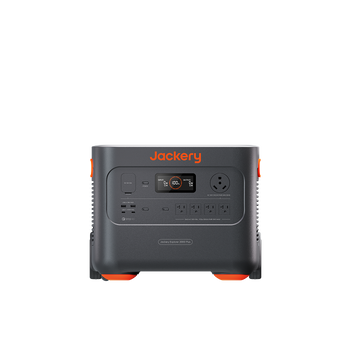
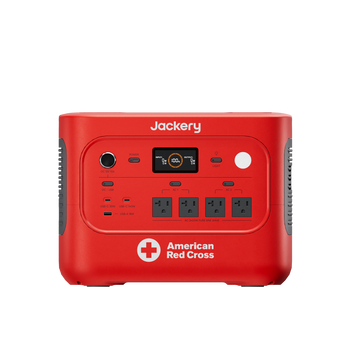
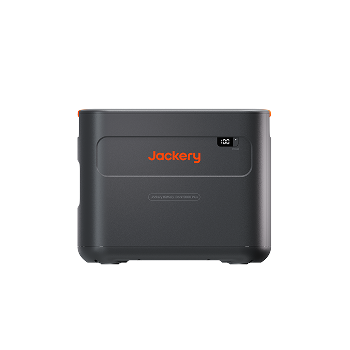
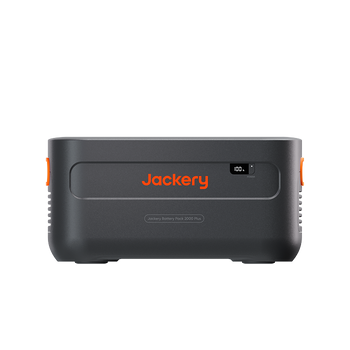
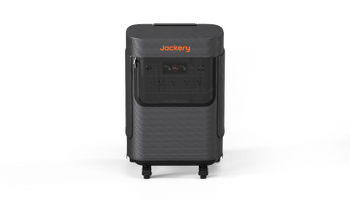
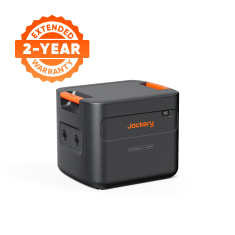
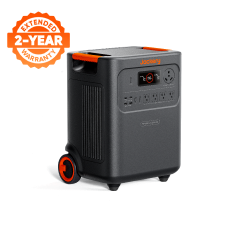
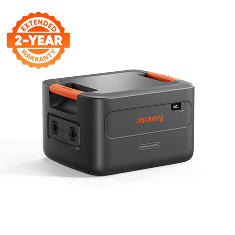
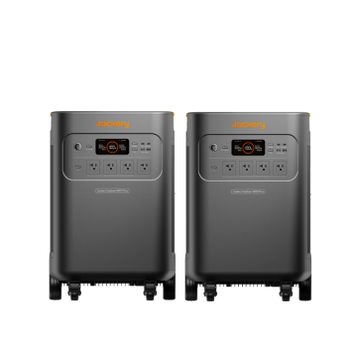
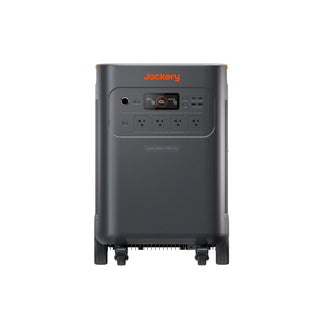
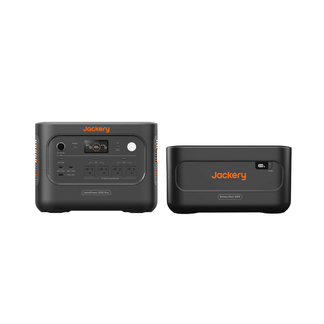
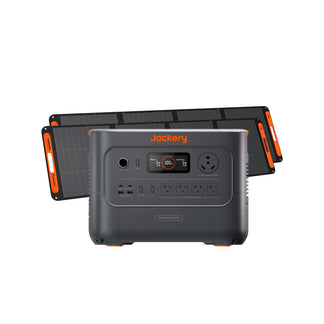
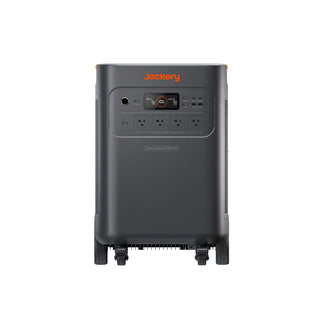
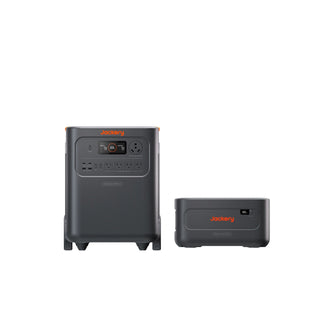
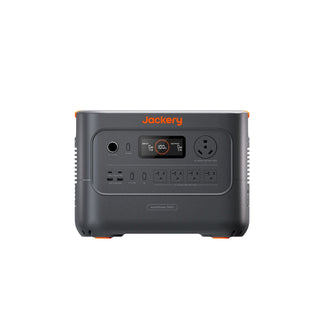
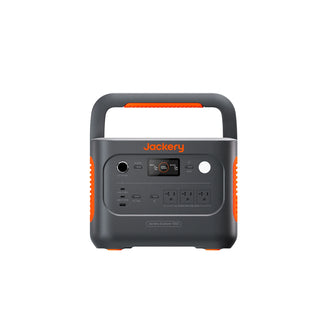
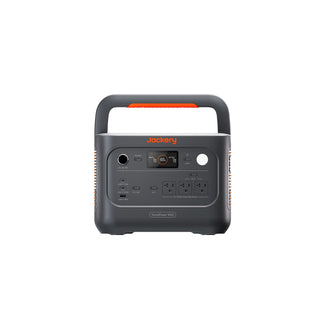
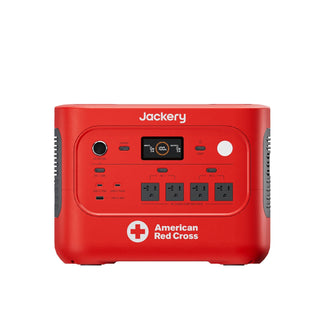
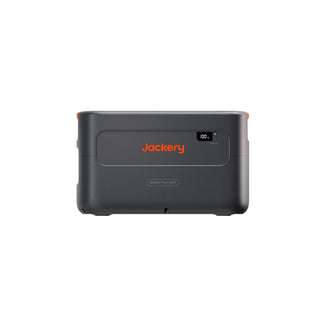
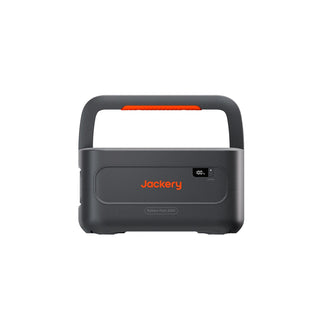
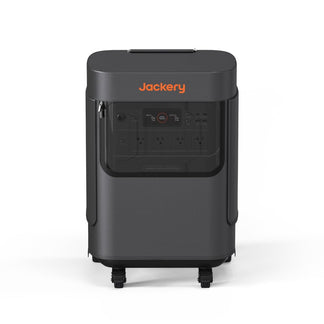
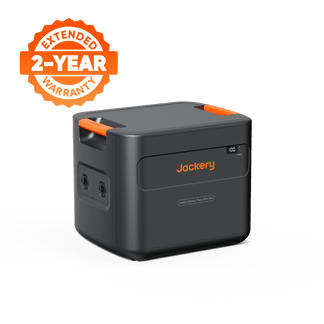
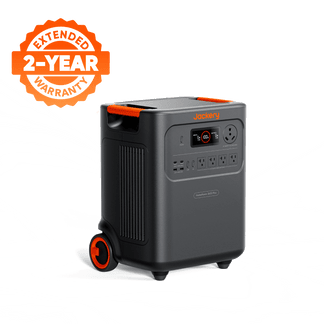
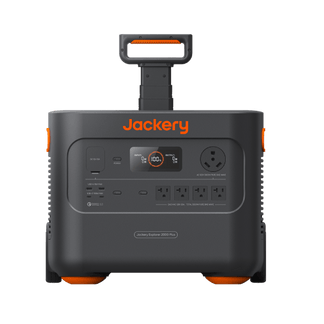
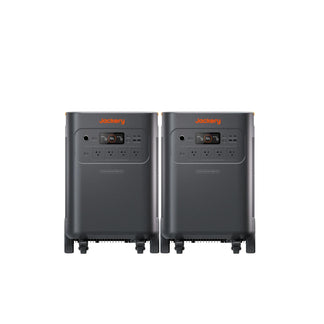
Jackery Solar Generator HomePower 3600 Plus
The Jackery Solar Generator HomePower 3600 Plus can comfortably run compact and standard dishwashers with room to spare for the startup surge. Running a standard 1,800W dishwasher for a 1-hour cycle at its full rated wattage would cost about $0.33 in grid electricity at the national average rate. This essential home backup solution can help you eliminate the cost of running the appliance on grid electricity, ensuring lower monthly electricity bills. During power outages, you can also run other kitchen appliances, such as refrigerators, cooktops, etc.
Appliance Running Time
- Large Dishwasher (2500W) = 1.2H
- Standard Dishwasher (1800W) = 1.7H
- Countertop Dishwasher (1200W) = 2.5H
- Compact Dishwasher (1000W) = 3.0H
Who Should Buy This
The Jackery Solar Generator HomePower 3600 Plus is an ideal fit for running a compact or standard dishwasher off solar power day-to-day, or for keeping one usable during a power outage without needing a full whole-home backup system.

Customer Review
Finally I was able to put into service my 3600 Plus. It was charged and ready for the unexpected 2 hour outage one recent morning. I hooked up my TV, WiFi, 2 lamps, fan, and most important was the morning K cup coffee! I was very happy! It used very little power from the unit. I’m very happy and looking forward to expanding my 3600 Plus.
— Billy V.
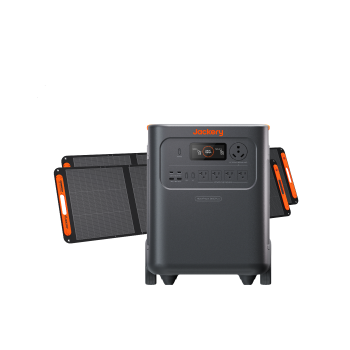
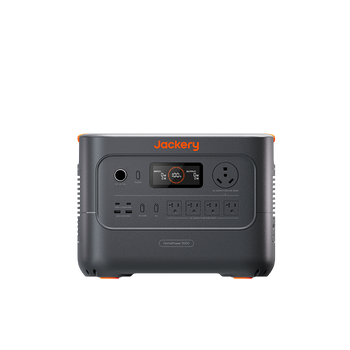
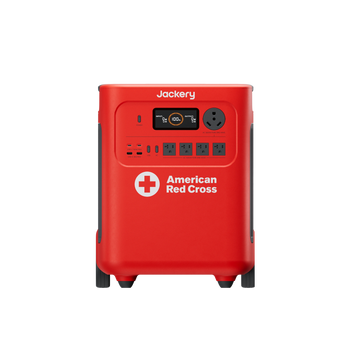
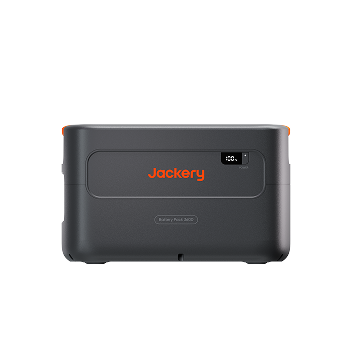
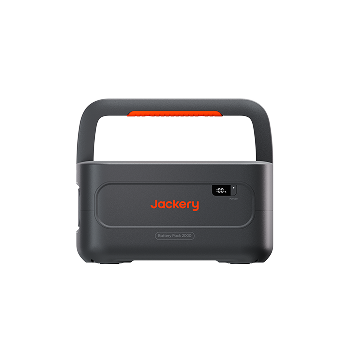
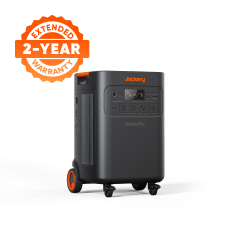
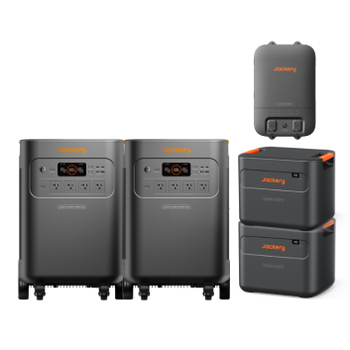
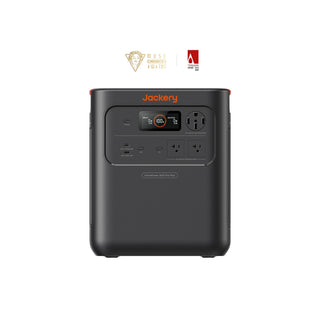
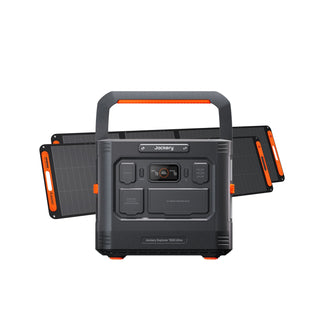
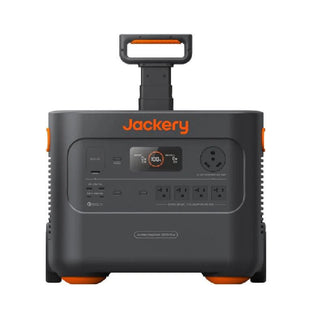
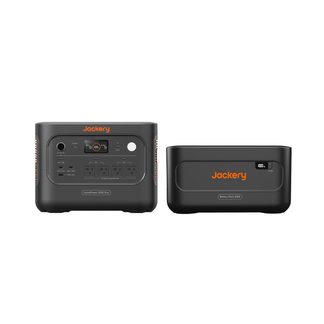
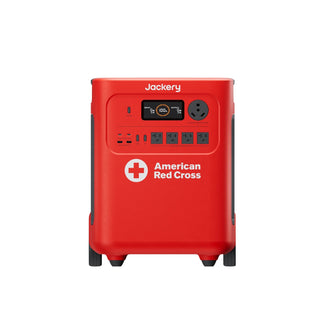
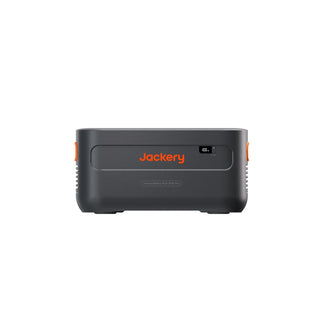
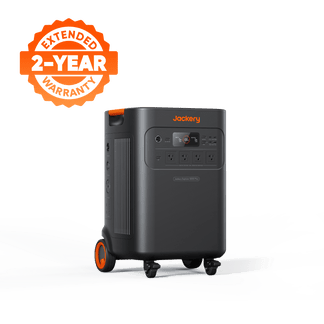
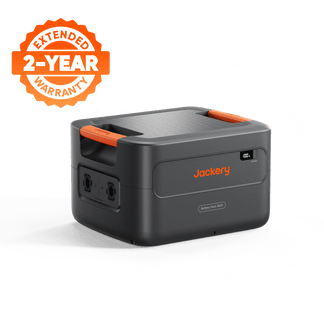
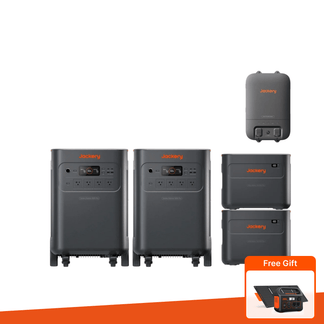
Jackery Solar Generator 5000 Plus
For larger dishwashers, or households that want the dishwasher covered alongside other essentials, the Jackery Solar Generator 5000 Plus is an essential home backup solution that offers 5,040Wh of capacity with up to 7,200W of output on native 120V/240V. It has enough power to run even a large 2,400W high-heat dishwasher. Running that same large dishwasher for a 1-hour cycle at its full rated wattage would cost about $0.44 in grid electricity at the national average rate. With the help of the Jackery Solar Generator 5000 Plus, you can eliminate this cost with plenty of capacity left over for a refrigerator or other essentials running at the same time.
Appliance Running Time
- Large Dishwasher (2500W) = 1.7H
- Standard Dishwasher (1800W) = 2.3H
- Countertop Dishwasher (1200W) = 3.4H
- Compact Dishwasher (1000W) = 4.1H
Who Should Buy This
The Jackery Solar Generator 5000 Plus is the ideal choice for larger households, anyone running a large or high-heat-cycle dishwasher, or households that want the dishwasher covered as part of a broader home backup setup rather than a standalone solution, since there is enough spare capacity to run several kitchen appliances at once.

Customer Review
This is awesome. I am able to power my entire house for up to 15 hours. Great for power outages.
— Ivan.
How Much Does It Cost to Run a Dishwasher FAQs
How much does it cost to run a dishwasher per load?
A standard Energy Star-certified dishwasher costs about $0.20 per load at the national average electricity rate of 18.34 cents per kWh. Older, pre-2013 models can cost roughly $0.55 per load, more than double, due to their higher per-cycle energy use.
Is it cheaper to hand wash dishes than to use a dishwasher?
Usually not, if the dishwasher is a reasonably modern, efficient model. Hand washing typically uses far more hot water, and heating that water often costs more in energy than running an Energy Star dishwasher's shorter and more targeted cycle. According to Energy Star, washing dishes in an Energy Star dishwasher rather than hand washing can cut utility bills by $220 per year.
Does a dishwasher need a 120V or 240V outlet?
The vast majority of residential dishwashers in the US run on a standard 120V circuit. 240V dishwashers exist, but they are limited to a small number of high-end or commercial models and are not typical household units.
How much more does an old dishwasher cost to run than a new one?
A pre-2013 dishwasher without efficiency standards can use up to 800 kWh a year, compared to as little as 199 to 270 kWh a year for a modern Energy Star-certified model. It uses roughly two to three times as much energy for the same number of cycles.
Is running the dishwasher every day expensive?
Running a dishwasher every day is not particularly expensive, if it is a reasonably efficient model. Running an Energy Star dishwasher daily (about 30 cycles a month instead of 20) at the national average rate works out to roughly $6.05 a month, which is still one of the cheaper daily habits in most households compared to appliances like a dryer or space heater.
Conclusion
A dishwasher's real running cost is lower than a quick wattage-times-hours calculation suggests, since the heating element draws full rated power only in short bursts rather than for an entire cycle. Looking at actual per-cycle energy use, rather than peak wattage, gives a far more accurate picture.
The dishwasher cycle you choose day to day matters more than people expect: leaning on Eco over Normal or Heavy for everyday loads is one way to trim the cost without changing anything else about your routine.
Whether you are trying to shave that cost down further or keep the kitchen running during a power outage, a Jackery Solar Generator with enough continuous output can power a dishwasher through its startup surge and full cycle without issue.


