


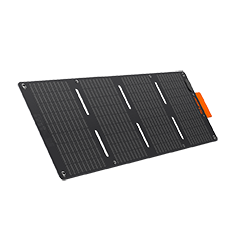



![[Add-on] Jackery SolarSaga 500 X - Jackery](http://www.jackery.com/cdn/shop/files/add-on-jackery-solarsaga-500-x-1493607.webp?v=1786503068&width=324)
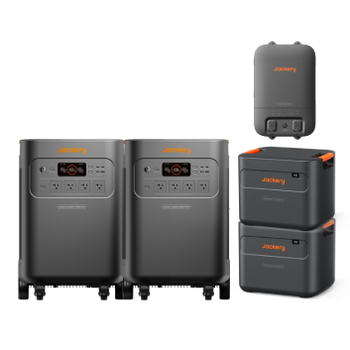
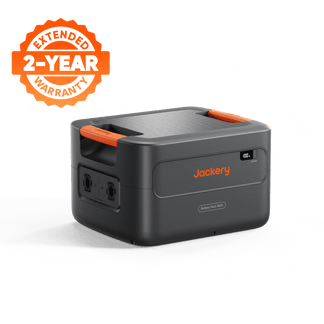
![[Add-on] Jackery Battery Pack 5000 Plus - Jackery](http://www.jackery.com/cdn/shop/files/add-on-jackery-battery-pack-5000-plus-6713401.webp?v=1786503068&width=324)






A pool pump costs $30 to $200 a month to run, or $360 to $6,000 a year, depending almost entirely on one decision: single-speed or variable-speed. A typical 1.5 HP single-speed pump running 8 hours a day costs about $2.93 daily and $88.03 monthly at the US average electricity rate of 18.34 cents/kWh. A variable-speed pump doing the same filtration job, running longer hours at a much lower wattage, often costs a third of that.
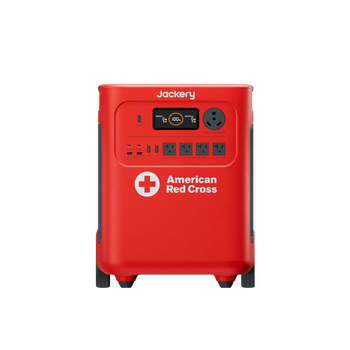
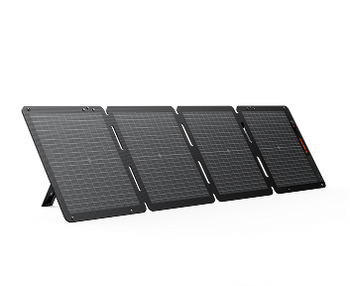
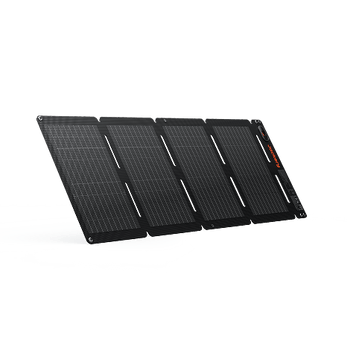
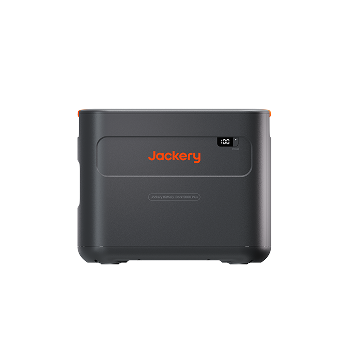
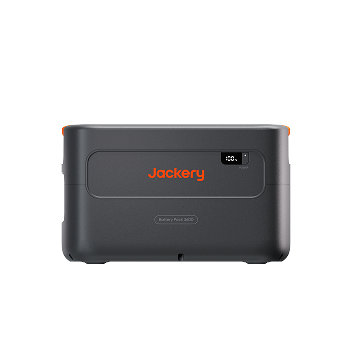
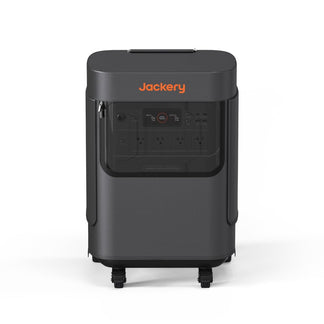
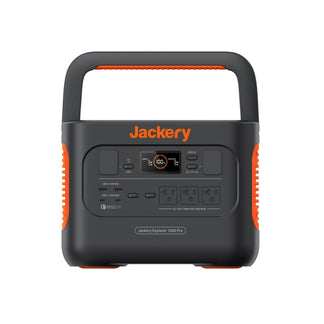
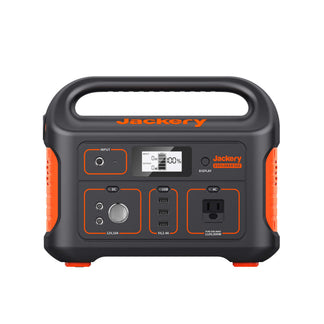
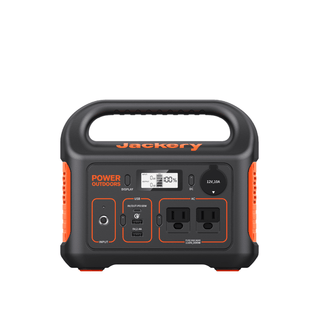
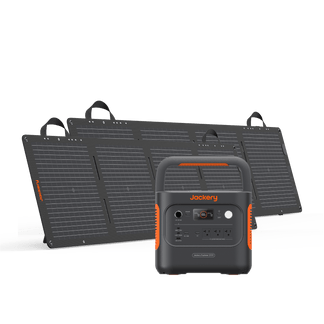
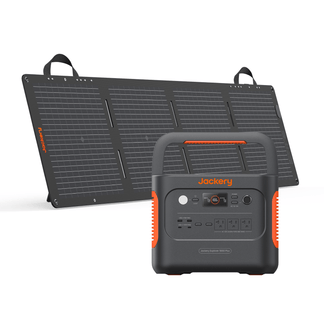
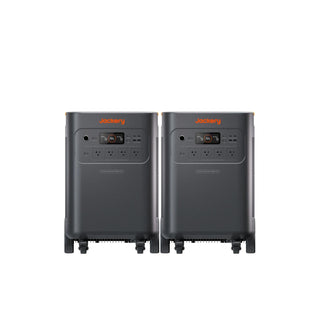
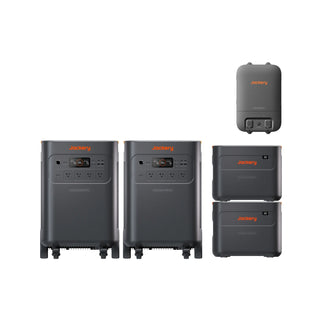
Whichever pump you are running, keeping it running without leaning on grid power at peak rates is where a Jackery Solar Generator fits in. Pool pumps are one of the few household appliances that genuinely benefit from solar offset, since they run on a predictable daily schedule that lines up well with daylight hours. They also keep the pump (and the pool's filtration cycle) running through an outage, which matters more than people expect once algae gets a foothold in still water.
Key Takeaways
- Pool pumps use 500W to 2,500W depending on horsepower and pump type, and typically run 8 hours a day.
- A single-speed 1.5 HP pump costs about $88.03 a month at the US average rate of 18.34 cents/kWh, whereas a variable-speed pump doing the same job often costs a third of that.
- Switching from single-speed to variable-speed typically saves $400 to $700 a year, with most owners recouping the higher purchase price in 1 to 3 years.
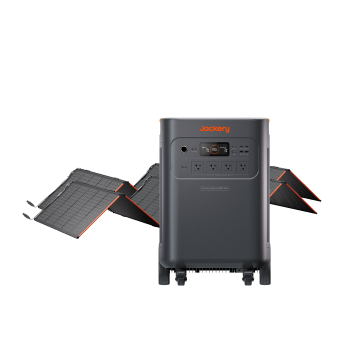
- Jackery Solar Generators, available in different sizes, can match different pump types and pool sizes, from a variable-speed pump on a small pool to a full single-speed 1.5 HP unit on a larger one.
How Many Watts Does a Pool Pump Use?
A pool pump uses 500W to 2,500W, depending on its horsepower and whether it is single-speed, dual-speed, or variable-speed. A standard 1.5 HP single-speed unit draws close to 2,000W regardless of what the pool actually needs at that moment, while a smaller 0.75 HP pump runs 750W to 1,000W.
Variable-speed pumps can use 300W to 1,200W depending on the setting, which is the entire reason they cost less to run even though they often log more total hours per day. Once you know your pump's wattage, you can work out what size generator to run the pool pump is needed.

How Much Does It Cost to Run a Pool Pump
A 1.5 HP pump (2,000W) run 8 hours a day costs $2.93 daily, $88.03 monthly, and $1,056.38 yearly at the US average rate of 18.34 cents/kWh.
The math: 2,000W × 8 hours = 16kWh a day, multiplied by your local electricity rate.
That same pump in Hawaii, where rates run closer to 52.72 cents/kWh, jumps to $8.44 daily and $3,036.67 a year.
Daily, Monthly, and Yearly Cost to Run a Pool Pump by State
Electricity rates vary enough by state that the same 2,000W pool pump running 8 hours a day can cost more than 4x as much in one state as another:
|
Wattage |
Usage (Hrs/Day) |
State |
Rate in cents per kWh |
Daily Cost |
Monthly Cost |
Yearly Cost |
|
2000W |
8H |
New Jersey |
24.95 |
$3.99 |
$119.76 |
$1,437.12 |
|
2000W |
8H |
New York |
29.49 |
$4.72 |
$141.55 |
$1,698.62 |
|
2000W |
8H |
Illinois |
19.89 |
$3.18 |
$95.47 |
$1,145.66 |
|
2000W |
8H |
Ohio |
19.19 |
$3.07 |
$92.11 |
$1,105.34 |
|
2000W |
8H |
North Dakota |
14.12 |
$2.26 |
$67.78 |
$813.31 |
|
2000W |
8H |
South Dakota |
15.36 |
$2.46 |
$73.73 |
$884.74 |
|
2000W |
8H |
Florida |
15.10 |
$2.42 |
$72.48 |
$869.76 |
|
2000W |
8H |
Georgia |
16.36 |
$2.62 |
$78.53 |
$942.34 |
|
2000W |
8H |
North Carolina |
14.74 |
$2.36 |
$70.75 |
$849.02 |
|
2000W |
8H |
South Carolina |
15.55 |
$2.49 |
$74.64 |
$895.68 |
|
2000W |
8H |
Texas |
15.94 |
$2.55 |
$76.51 |
$918.14 |
|
2000W |
8H |
Colorado |
17.13 |
$2.74 |
$82.22 |
$986.69 |
|
2000W |
8H |
Idaho |
14.37 |
$2.30 |
$68.98 |
$827.71 |
|
2000W |
8H |
Alaska |
28.21 |
$4.51 |
$135.41 |
$1,624.90 |
|
2000W |
8H |
Hawaii |
52.72 |
$8.44 |
$253.06 |
$3,036.67 |
|
2000W |
8H |
US Average |
18.34 |
$2.93 |
$88.03 |
$1,056.38 |
Source: Electric Power Monthly – US Energy Information Administration (EIA)
Is a Variable-Speed Pool Pump Really Cheaper to Run?
Yes, switching from a single-speed to a variable-speed pump typically saves $400 to $700 a year in electricity, and most owners recoup the higher purchase price within 1 to 3 years. The reason comes down to pump affinity law: cutting a pump's speed in half does not cut its energy use in half. It cuts it by roughly seven-eighths, because power consumption scales with the cube of speed. That is why a variable-speed pump can run at a lower setting for more hours a day and still land at a fraction of a single-speed pump's total energy use.
Here's how much it costs to run a pool pump by type:
|
Pump Type |
Typical Wattage & Runtime |
Daily Cost |
Monthly Cost |
Yearly Cost |
|
Single-speed (1.5 HP) |
2,000W, 8 hrs/day |
$2.93 |
$88.03 |
$1,056.38 |
|
Dual-speed, low setting |
500W, 12 hrs/day |
$1.10 |
$33.01 |
$396.14 |
|
Variable-speed, low setting |
300W, 24 hrs/day |
$1.32 |
$39.61 |
$475.38 |
Even running nearly around the clock, a variable-speed pump comes in at roughly $581 a year less than the single-speed pump doing the same job in a third of the runtime. A variable-speed pump typically costs $800 to $1,500 upfront versus $300 to $600 for single-speed, but at that kind of yearly saving, the gap usually closes within 1 to 3 years, after which the savings are pure upside for the rest of the pump's 10 to 15 year lifespan.
Official Tips to Reduce Pool Pump Costs
If you have calculated how much it costs to run a pool pump and are wondering how to cut your electric bill by 75%, here are a few tips to follow from Energy Star and the US Department of Energy:
Upgrade to Energy Star-certified Pool Pump
According to Energy Star reports, running a pool pump can cost you as much as $310 in energy every year. Certified in-ground or above-ground pools use 11 - 18% less power than standard pool pumps, saving you around $20 - $50 in energy cost bills.
Appropriately Size the Pool Pump
Generally, a 0.75 HP or smaller pump is sufficient for residential pools. They cost less and can decrease the pool circulation system's hydraulic resistance. When you decrease the resistance, you can reduce the electricity cost by up to 40%.
Upgrade to Variable-Speed Pool Pump
Variable-speed and multi-speed pool pumps are one of the best ways to cut energy costs. They are quieter, last longer, and require less maintenance, which helps you save money in the long run.
Use Pool Timers or Smart Controllers
Pool timers allow you to lower the filtration times and cut down the electricity bills. For example, running the pool pump for 6 hours instead of 24 hours will reduce energy usage by 75%. You can install a pool timer that activates the pump for short periods each day and keeps the pool clean.
Switch to a Solar Generator for Pool Power
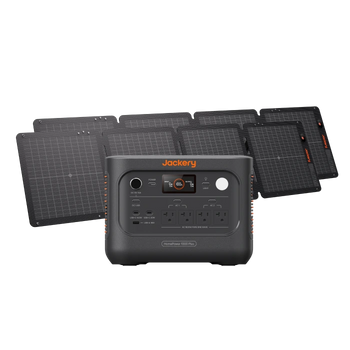
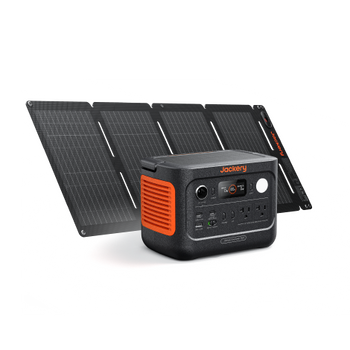
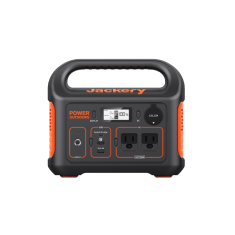
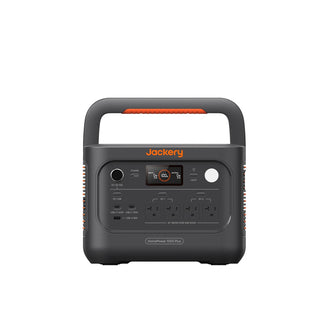
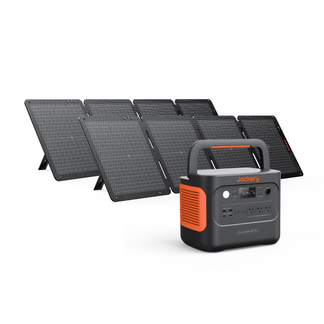
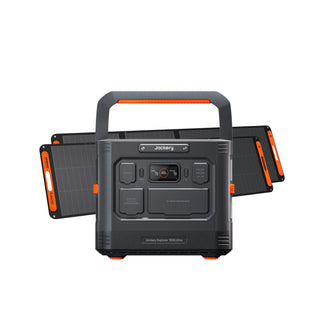
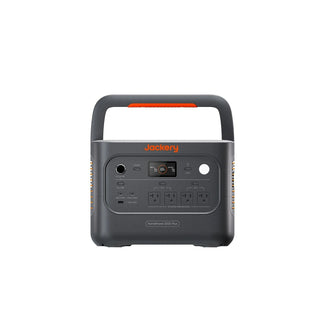
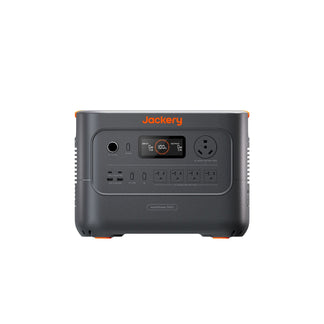
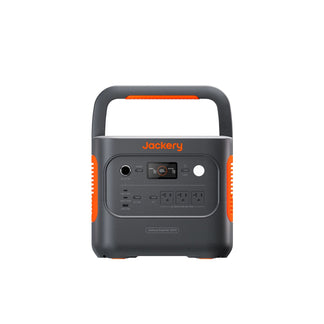
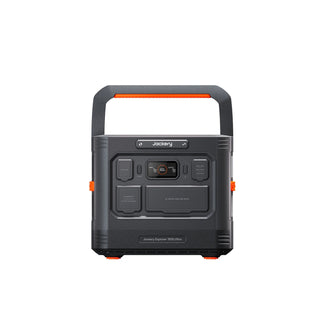
A solar generator or portable power station can reduce — or even eliminate — electricity costs for pool pumps entirely. The Jackery Solar Generators are essential home backup solutions with large battery capacities to keep appliances like pool pumps powered. They are also portable in design to ensure easy movement anywhere you go.
Which Jackery Solar Generator Should You Use for a Pool Pump?
The right solar generator depends more on your pump type than your pool size, since a variable-speed pump running 300W all day has very different power needs than a single-speed pump pulling 2,000W for a few hours. Jackery Solar Generators provide a clean, quiet, and reliable power source ideal for offsetting the energy consumption of high-wattage appliances like your pool pump.
The solar generators help you run your pump without relying on grid electricity, especially during peak rate hours, and lower your electricity bills. Whether you're powering a variable-speed pump or a standard 1.5 HP model, Jackery Solar Generators help lower your carbon footprint and monthly utility bills. Here are three home battery backup solutions ideal for powering your pool pump:
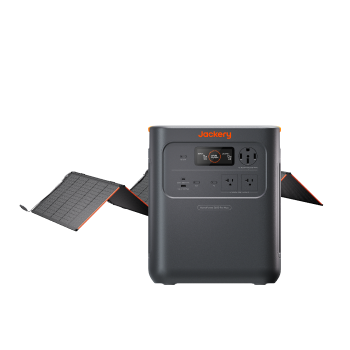
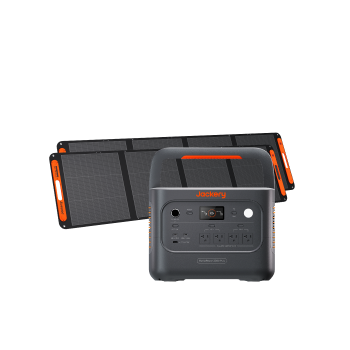
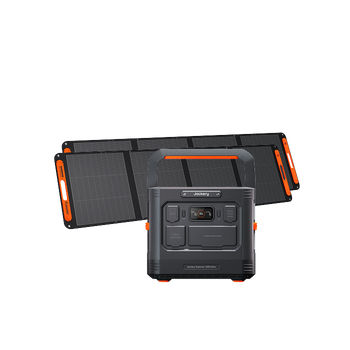
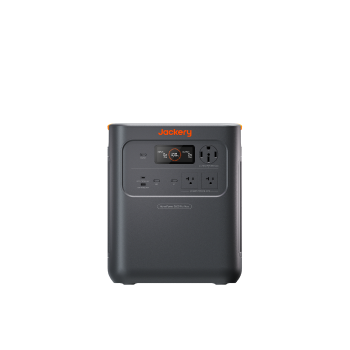
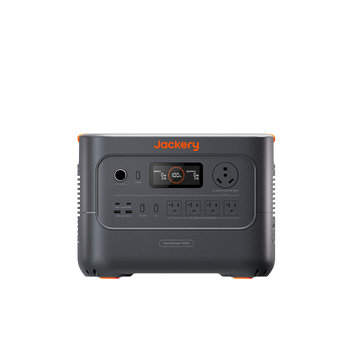
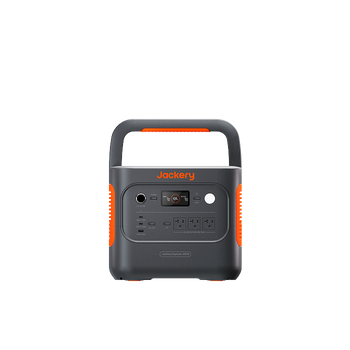
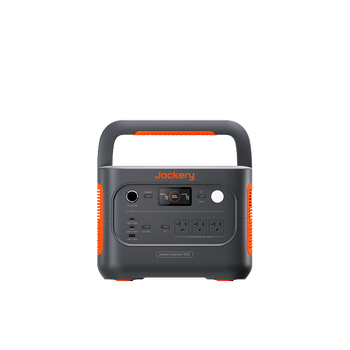
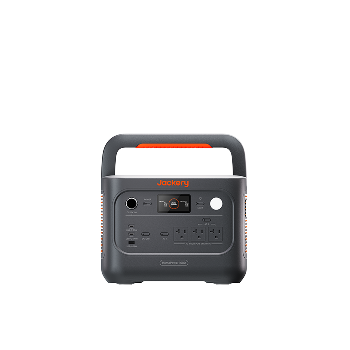
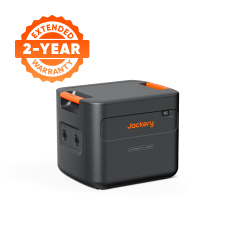
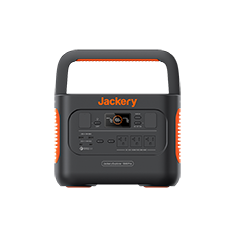
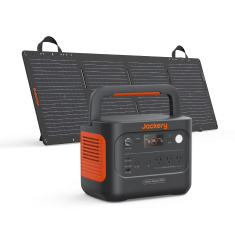
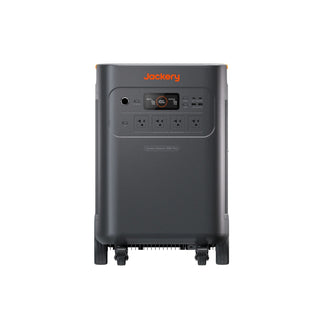
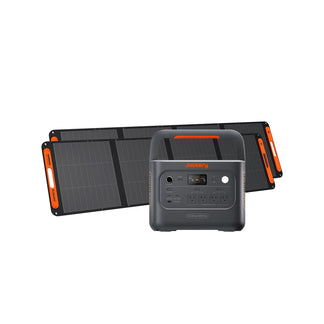
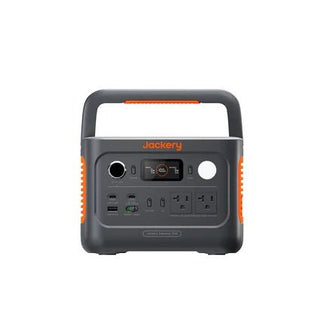
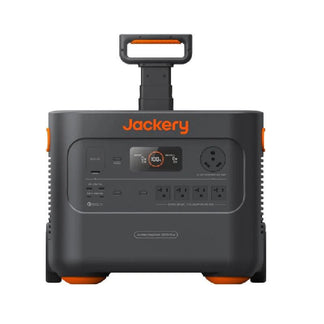
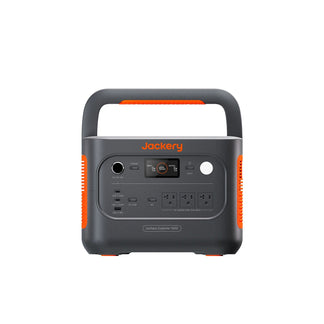
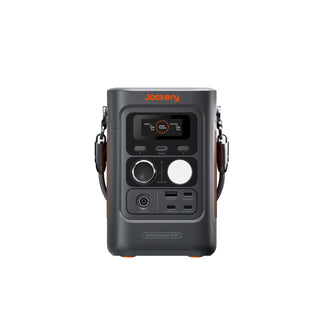
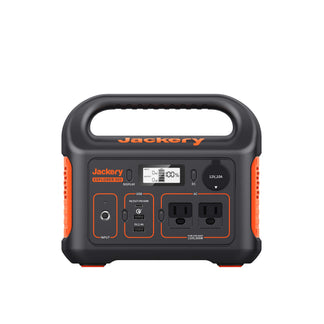
Jackery Solar Generator 1000 v2: Recommended for Variable-Speed and Small Pumps
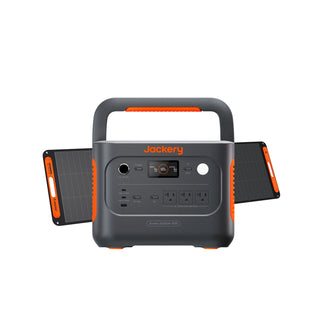
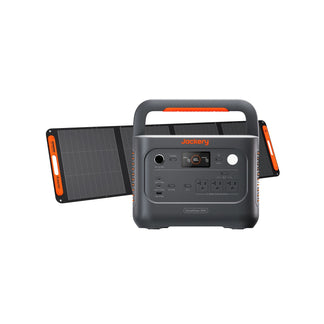
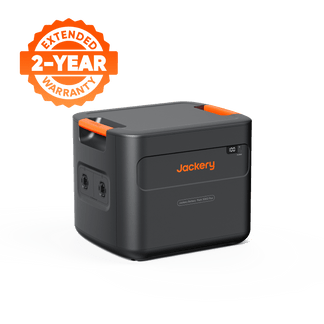
If your pump spends most of the day at a low, steady wattage, the Jackery Solar Generator 1000 v2 is sized for exactly that pattern. Its 1,070Wh battery pairs with 1,500W of continuous output (3,000W surge) and reaches a full charge in about an hour using emergency fast-charge mode, so it is back to full capacity quickly between uses. Its ChargeShield 2.0 system layers 62 protection mechanisms around the battery, worth having given how consistently a pool pump cycles on and off through the day.
Appliance Running Time
- Variable-Speed Pump (300W) = 2.8H
- Low-Speed Dual-Speed Pump (500W) = 1.7H
- Small Single-Speed Pump (750W) = 1.1H
- High-Speed Dual-Speed Pump (1200W) = 42 min
Who Should Buy This
The Jackery Solar Generator 1000 v2 is ideal for owners of variable-speed or smaller pumps, above-ground pools, or anyone who wants a compact unit as one part of a larger backup plan rather than the sole source of pump power.

Customer Review
Works great. I needed a battery pack to power a 12v fridge and the starlink mini and the Jackery works great powering both
— Timothy C.
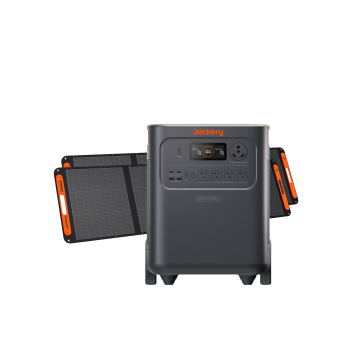
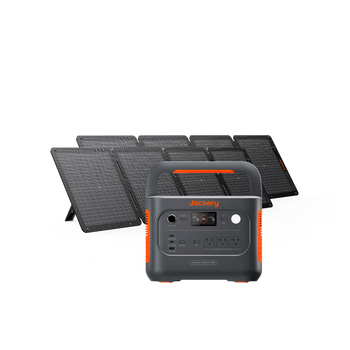
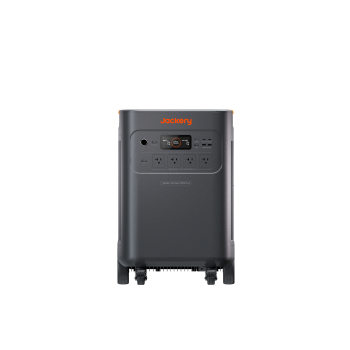
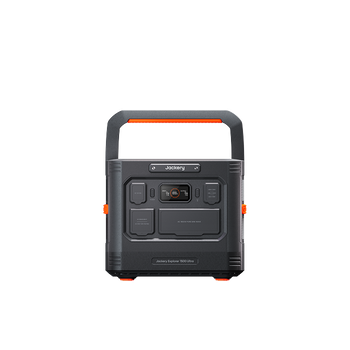
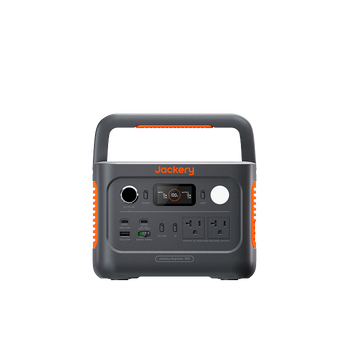
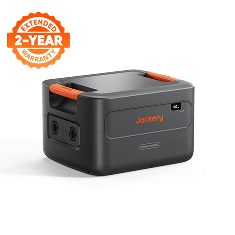
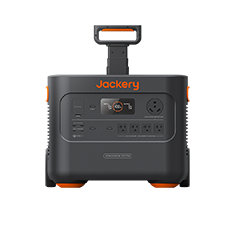
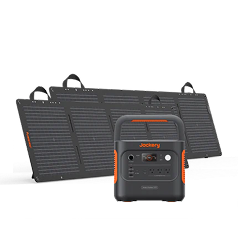
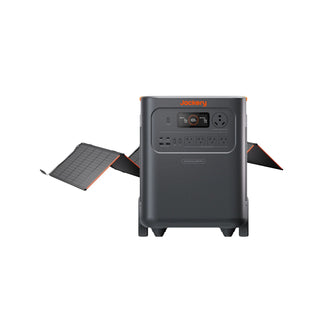
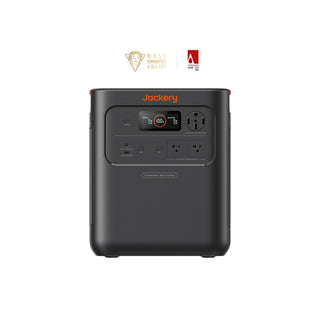
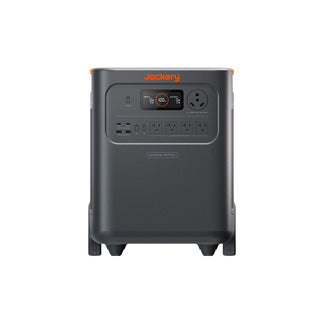
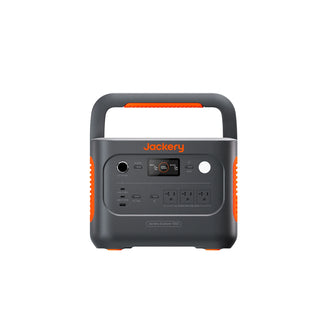
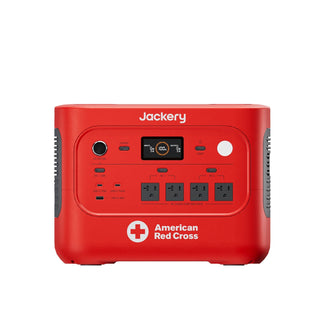
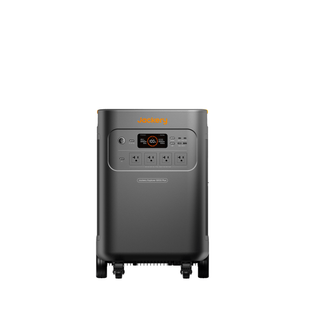
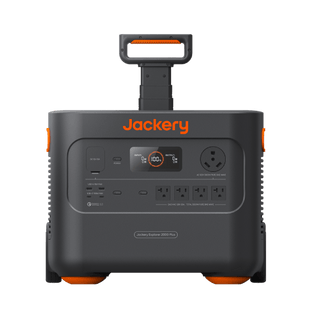
Jackery Solar Generator HomePower 2000 Plus v2: Recommended for Dual-Speed Pumps and General Backup
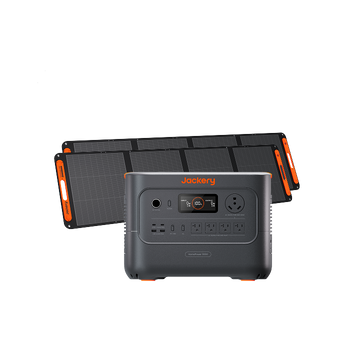
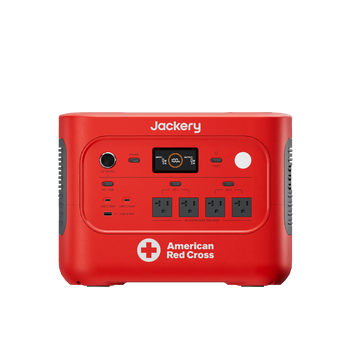
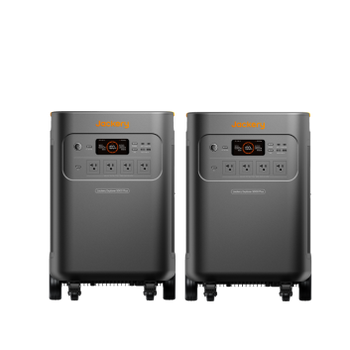
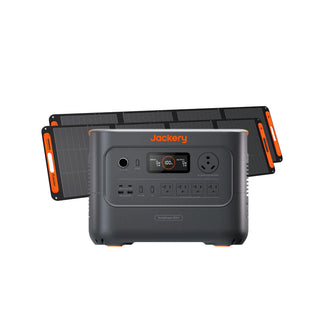
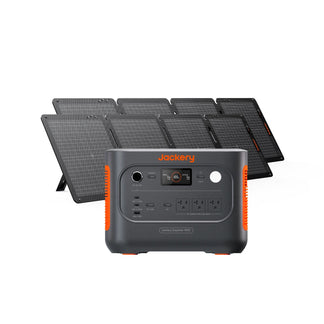
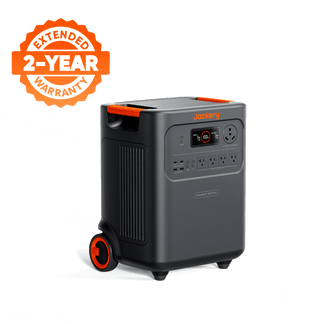
The Jackery Solar Generator HomePower 2000 Plus v2 is built to run a pool pump without giving up capacity for everything else that matters during an outage. It is also the lightest expandable 2kWh LFP power station Jackery has built, 34% lighter than the previous generation, and scales up to 12kWh with add-on battery packs if your needs grow. Its Jackery Priority Routing feature ensures your essential appliances remain powered when the battery drops below the threshold.
Appliance Running Time
- Variable-Speed Pump (300W) = 5.0H
- Low-Speed Dual-Speed Pump (500W) = 3.0H
- Small Single-Speed Pump (750W) = 2.0H
- High-Speed Dual-Speed Pump (1200W) = 1.0H
Who Should Buy This
The Jackery Solar Generator HomePower 2000 Plus v2 is ideal for owners of dual-speed pumps, or anyone who wants pool pump backup alongside other essential loads, such as a fridge or a sump pump.

Customer Review
It was delivered so quickly! I have assembled the solar panels, which are really big, and have been familiarizing myself with them. Took it out to the goat barn to run fan and lights and was impressed with how long it ran without much drop in stored power, 98%.
— Kathy W.
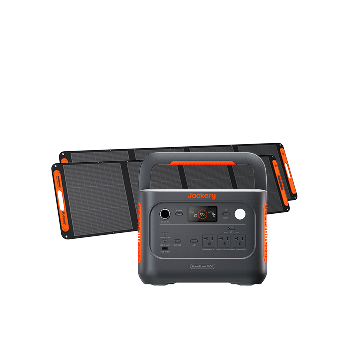
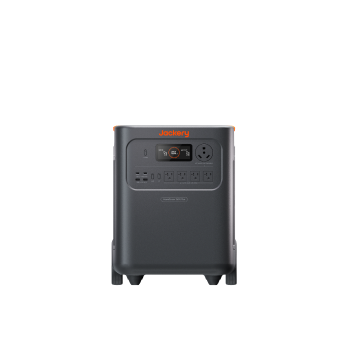
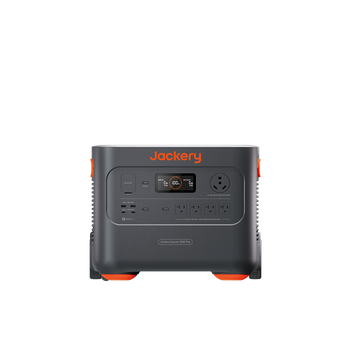
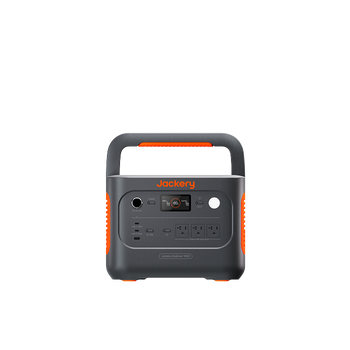
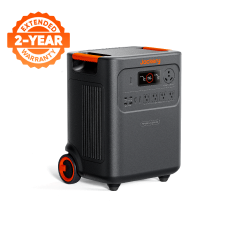
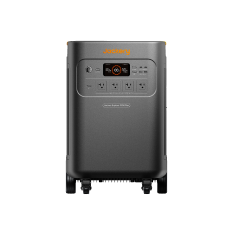
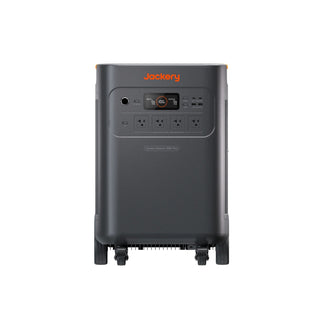
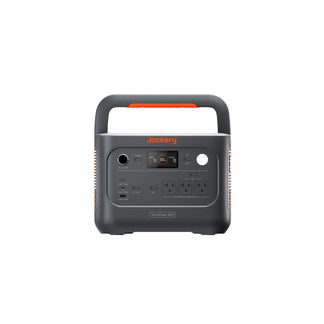
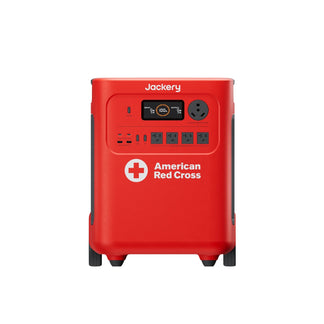
Jackery Solar Generator HomePower 3000: Recommended for Single-Speed and High-HP Pumps
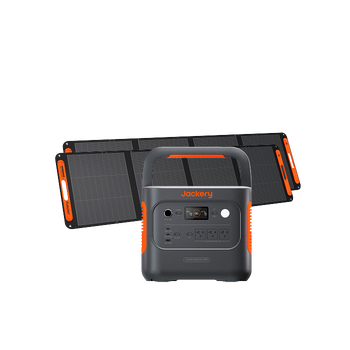
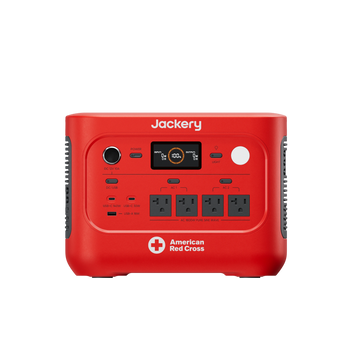
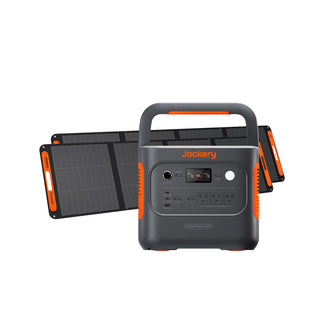
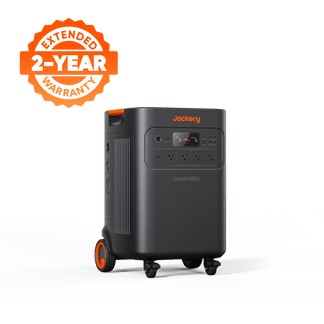
For a full-power 1.5 HP single-speed pump, or a larger in-ground pool that needs several hours of filtration a day, the Jackery Solar Generator HomePower 3000 is a reliable home battery backup. Its CTB (cell-to-body) construction makes it 47% smaller than competing units at the same capacity, and ZeroDrain technology holds onto about 95% of its charge over a year of sitting unused. It is relevant for a pool pump that might only run seasonally in colder climates.
Appliance Running Time
- Variable-Speed Pump (300W) = 8.1H
- Low-Speed Dual-Speed Pump (500W) = 5.0H
- Small Single-Speed Pump (750W) = 3.4H
- High-Speed Dual-Speed Pump (1200W) = 2.1H
Who Should Buy This
The Jackery Solar Generator HomePower 3000 is ideal for owners of larger pools running single-speed or high-HP pumps for extended daily cycles, or anyone who wants pool backup that can also double as power for maintenance tools around the yard.

Customer Review
Powerful and easy to use-stand alone or connected to home circuits. All features as represented. Great back up for home, rv and other needs.
– Sumner S.
FAQs
Does a pool pump use a lot of power?
Yes. A standard pool pump uses 500W to 2,000W and typically runs 8 hours daily. A 2,000W pump running that schedule uses about 480kWh a month, which is more than most other single appliances in a household.
How much can I save by switching to a variable-speed pool pump?
Most pool owners save $400 to $700 a year in electricity switching from single-speed to variable-speed, with the higher upfront cost typically paid back within 1 to 3 years through those savings.
How much electricity does an above-ground pool pump use?
An above-ground pool pump typically uses 1,500W to 2,500W running 8 hours a day, which works out to 12 to 20kWh daily, or 360 to 600kWh a month.
Does running a pool pump at night save money?
Running a pool pump at night can save money, but only if your utility offers time-of-use pricing. Off-peak nighttime rates are often 20–50% cheaper than daytime peak rates. Without time-of-use billing, the pump costs the same regardless of what hour it runs.
Should I run my pool pump 24 hours a day?
No, you should not run your single-speed pump for 24 hours a day. Typically, 8 hours a day is enough for proper circulation and filtration, especially in summer. Variable-speed pumps are the exception, since they are designed to run longer at a much lower wattage as part of how they achieve their savings.
Should I turn my pool pump off at night?
Generally, it is not necessary to turn your pool pump off at night if you are already running an 8-hour daily cycle, and variable-speed pumps in particular are designed for longer, low-wattage runtimes rather than being switched off and restarted.
Conclusion
The honest answer to what a pool pump costs comes down to one decision more than any other: single-speed or variable-speed. A single-speed 1.5 HP pump running a typical 8-hour cycle costs around $1,056 a year at the US average rate, while a variable-speed pump doing the same filtration job often costs a third of that. Whichever pump is in the ground, a Jackery Solar Generator sized to match its wattage keeps it running on stored solar power instead of grid electricity and keeps the filtration cycle going during an outage.


