
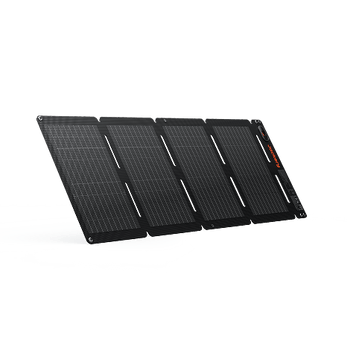












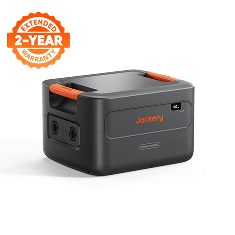
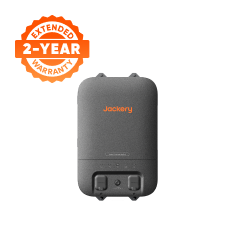
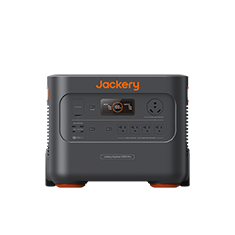
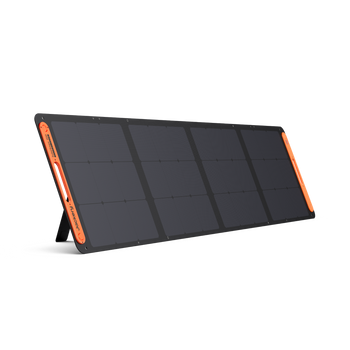
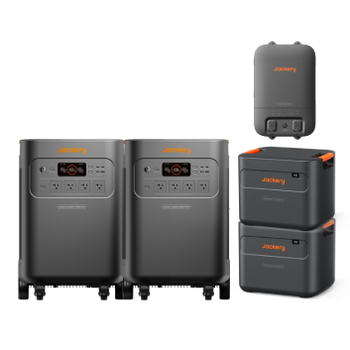


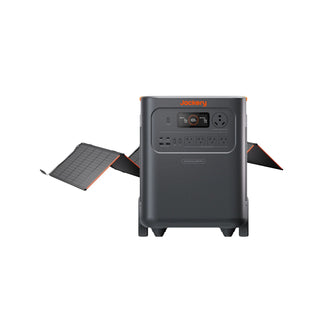
![[Add-on] Jackery SolarSaga 500 X - Jackery](http://www.jackery.com/cdn/shop/files/add-on-jackery-solarsaga-500-x-1493607.webp?v=1786503068&width=324)
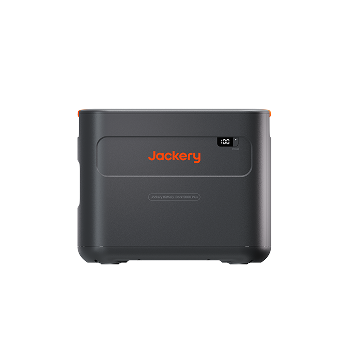
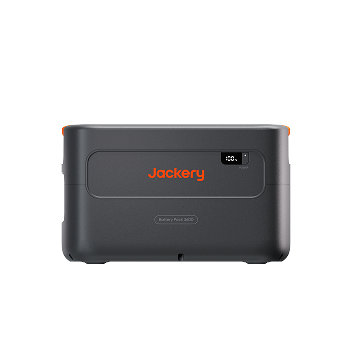
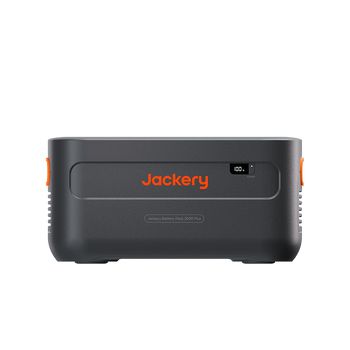
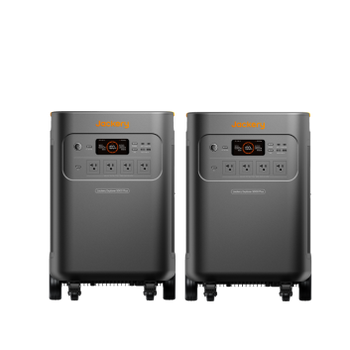
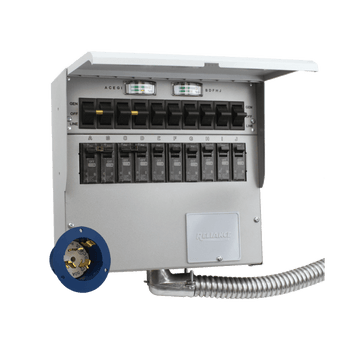
![[Add-on] Jackery Battery Pack 5000 Plus - Jackery](http://www.jackery.com/cdn/shop/files/add-on-jackery-battery-pack-5000-plus-6713401.webp?v=1786503068&width=324)
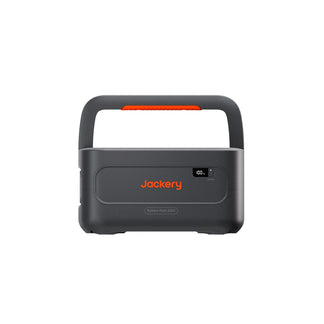
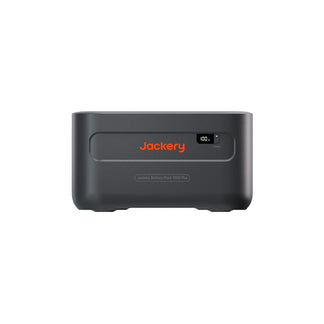












![[Add - on] SolarSaga 200W - Jackery](http://www.jackery.com/cdn/shop/files/add-on-solarsaga-200w-4834329.png?v=1754016915&width=324)
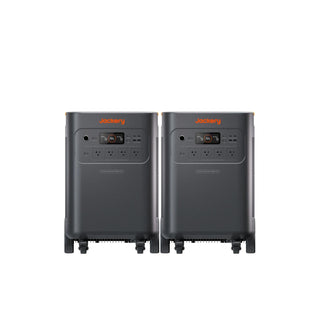
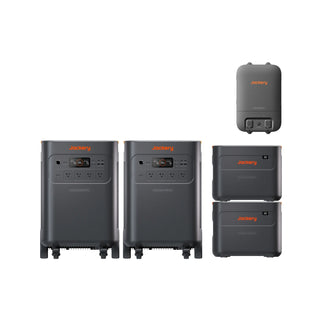
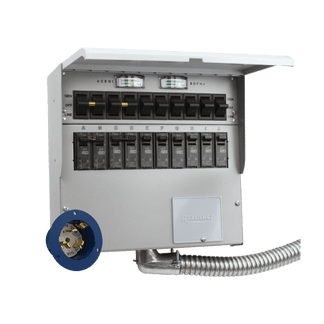
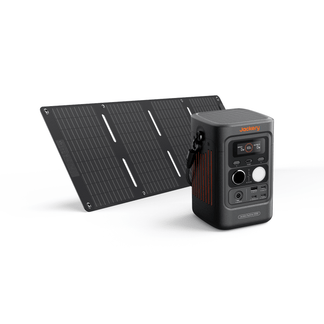


A 2000-watt generator with roughly 4,000-6,000 surge watts can run a refrigerator, microwave, window AC unit, or several power tools, but is still compact enough to carry to a campsite or tuck into a closet between outages. It's one of the most common capacity choices for anyone weighing home battery backup, RV power, or job-site tools against size and cost.
2000W is also a capacity where the difference between "enough" and "not quite enough" often comes down to details buyers overlook: startup surge, combined wattage across several devices, or which appliances actually need backup versus which can wait until the grid comes back. Working through those details before buying is what separates a generator that solves the problem from one that trips an overload the first time something heavier switches on.
Key Takeaways
- A 2000-watt generator handles combined running wattage up to about 2,000W, with surge capacity, often double or triple that, to absorb a motor-driven appliance's startup spike.
- A 2000-watt generator comfortably covers most kitchen appliances, a refrigerator, a window AC unit, and several handheld power tools at home, while camping, in an RV, or on a job site.
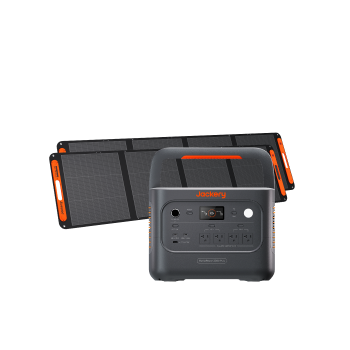
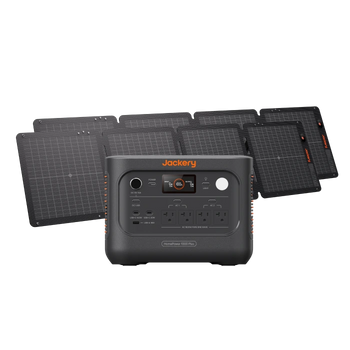
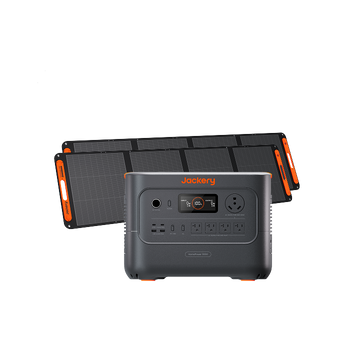
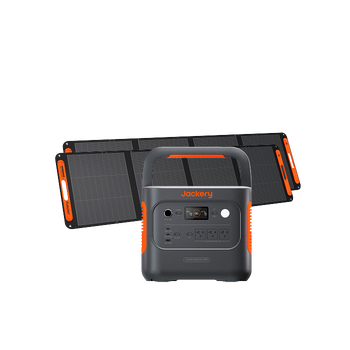
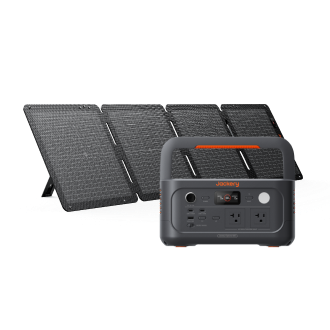
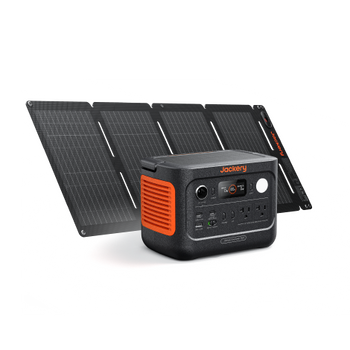
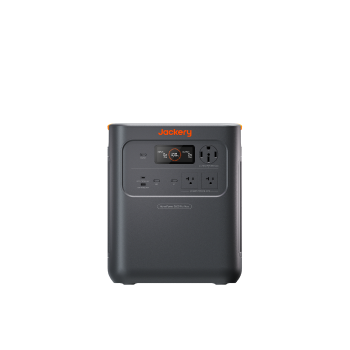
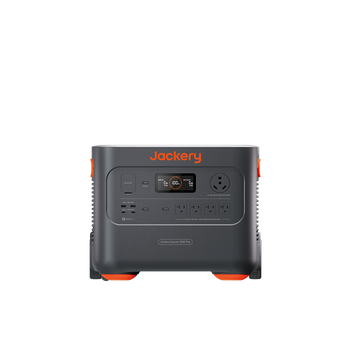
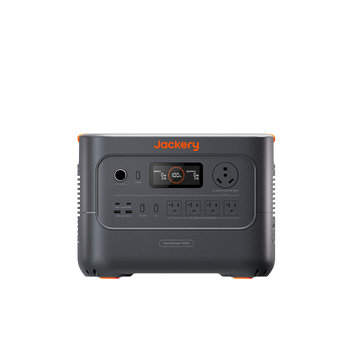
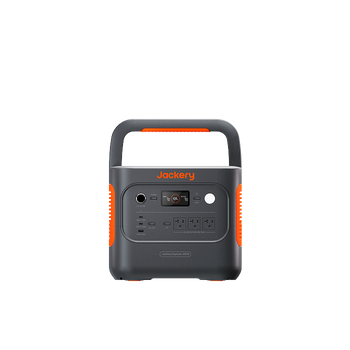
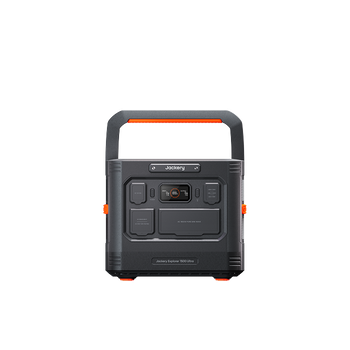
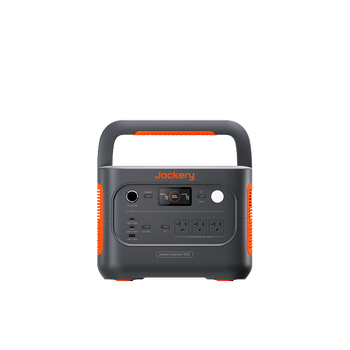
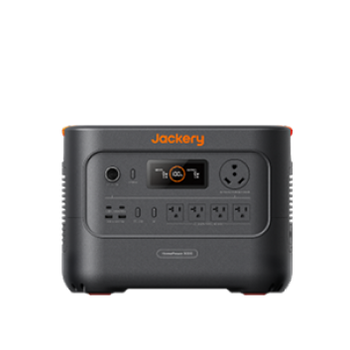
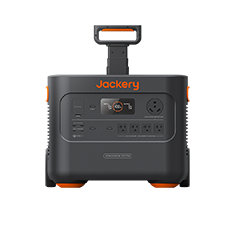
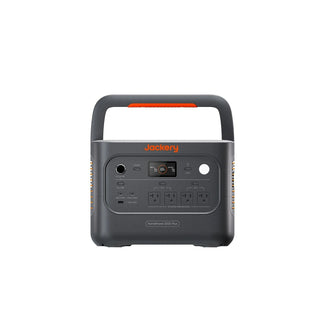
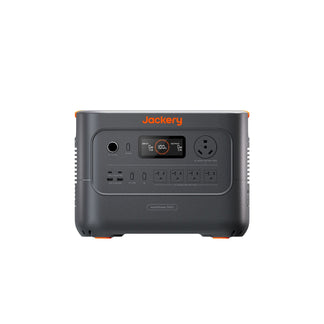
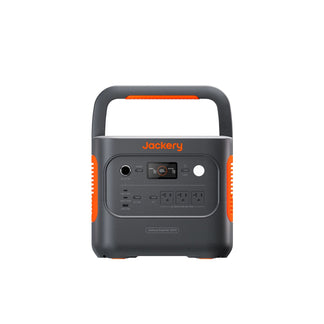
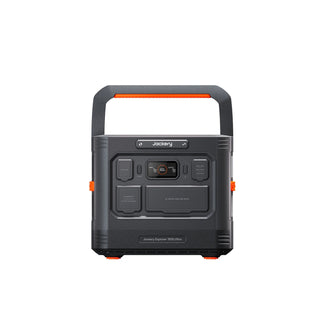
- Jackery's current 2000W-class lineup includes three models: the Jackery Solar Generator 2000 v2, the expandable Jackery Solar Generator 2000 Plus, and the newer Jackery Solar Generator HomePower 2000 Plus v2, each suited to slightly different priorities.
- Startup surge and not just running wattage determine whether a generator can actually start an appliance. It is a detail that trips up more buyers than undersizing on running watts alone.
What is a 2000-Watt Generator?
Generators rated near 2000 watts can power the majority of everyday home appliances, including hot plates, light bulbs, deep freezers, water pumps, and small power tools, among them. Three main types are available, each suited to different circumstances.
Gas generators run on gasoline, propane, or diesel and tend to be the least expensive option upfront. They are straightforward to use, but they emit exhaust fumes and need to be run outdoors, ruling out indoor use entirely.
Inverter generators adjust engine speed to match electrical demand, producing cleaner power that's safer for sensitive electronics like laptops and phones. The tradeoff is a narrower output ceiling and typically a higher price than a comparable conventional generator.
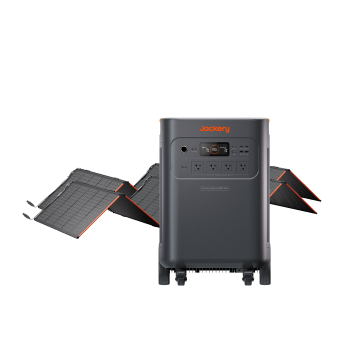
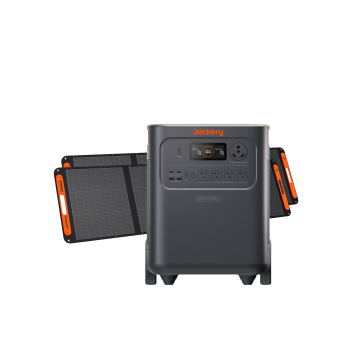
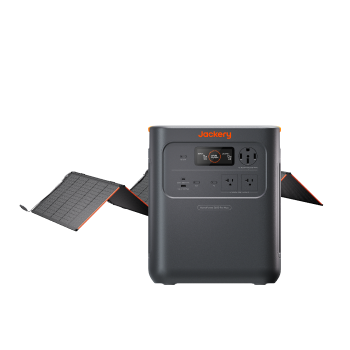
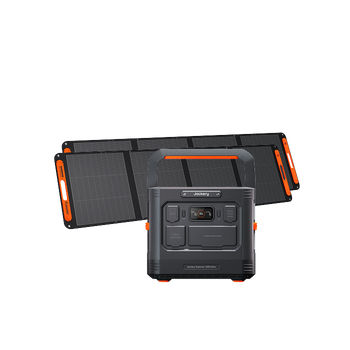
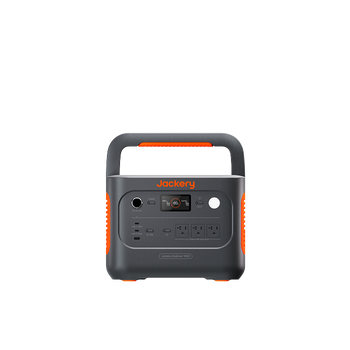
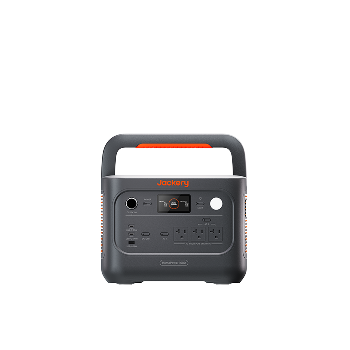
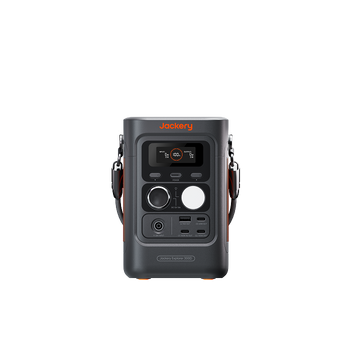
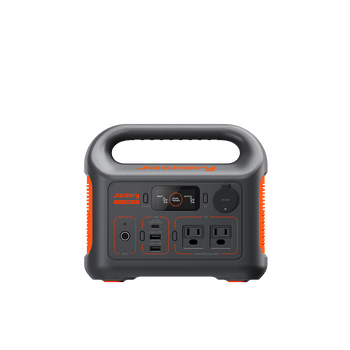
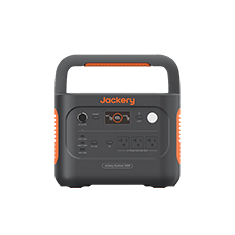
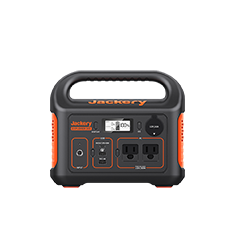
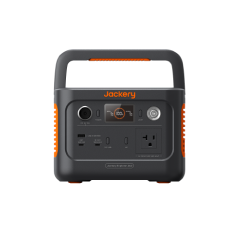
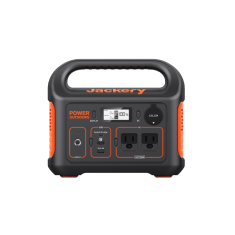
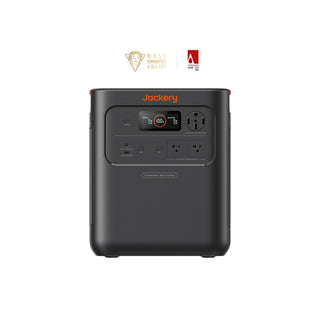
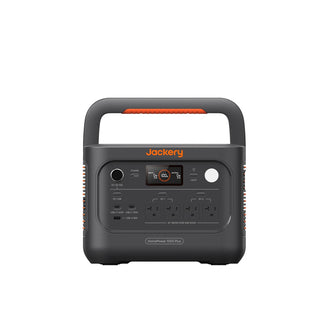
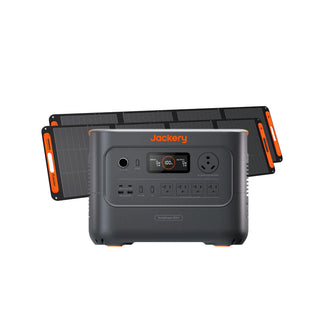
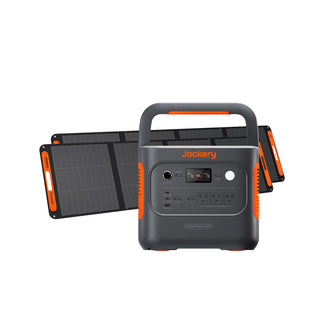
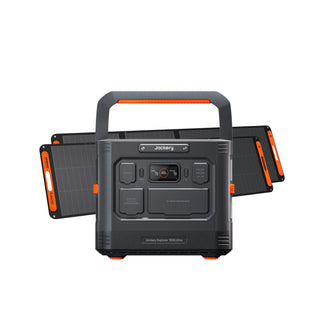
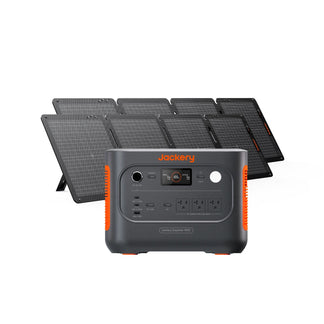
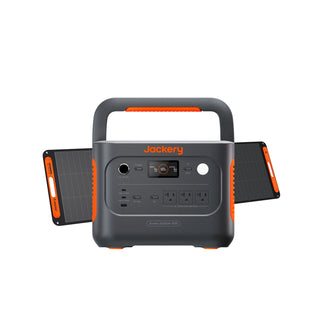
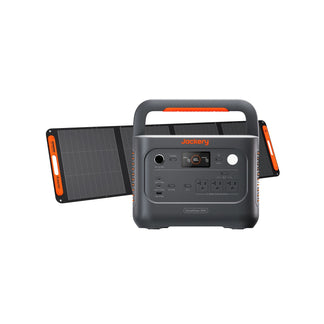
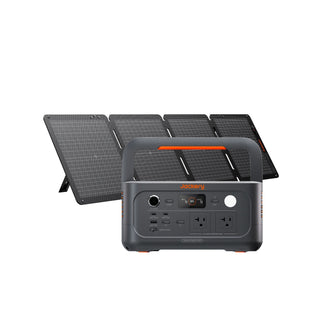
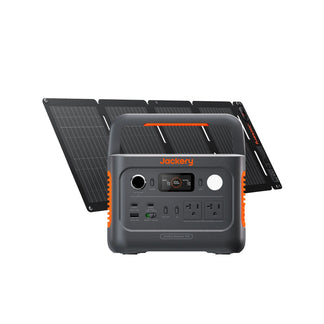
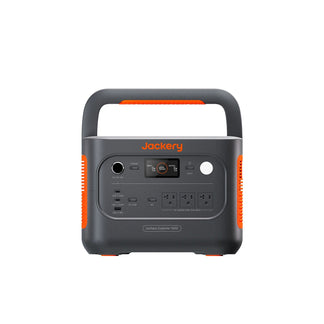
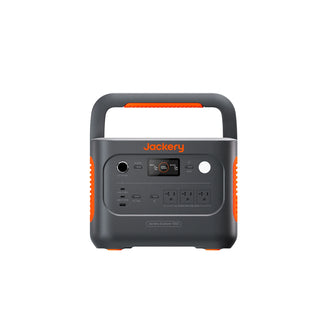
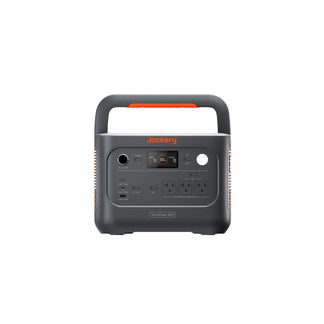
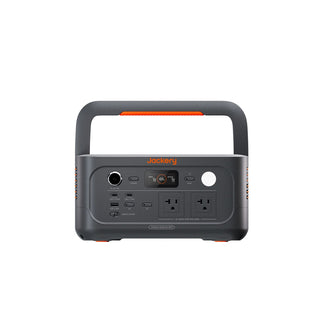
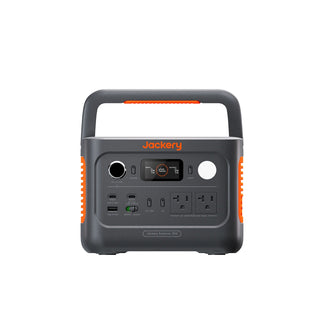
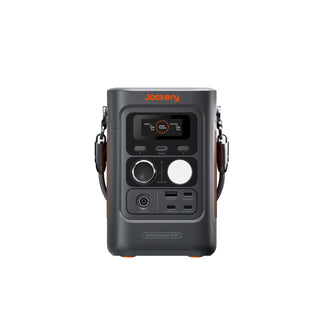
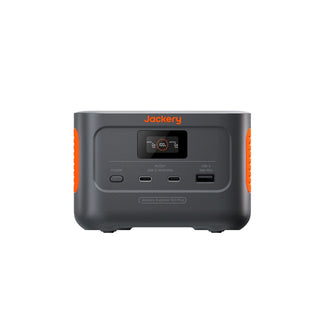
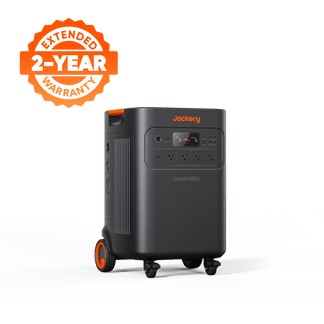
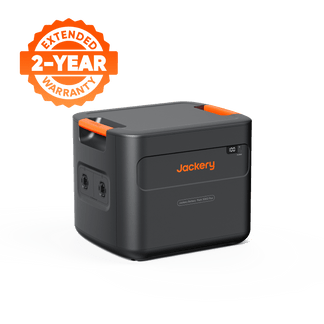
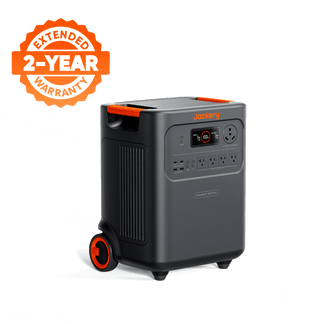
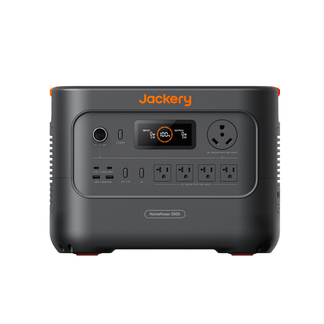
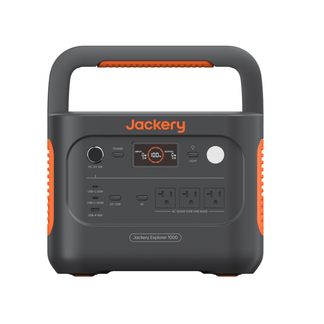
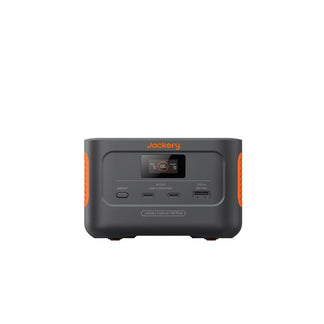
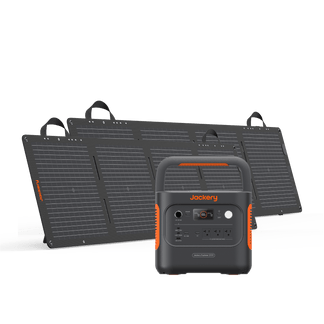
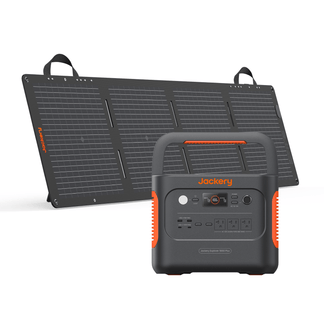
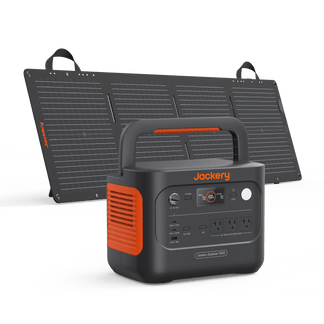
Solar generators recharge from sunlight rather than fuel, producing zero emissions and running quietly enough for indoor use. Jackery's current 2000W-class lineup includes the Jackery Solar Generator 2000 v2, Jackery Solar Generator 2000 Plus, and Jackery Solar Generator HomePower 2000 Plus v2.
|
Type |
Pros |
Cons |
|
Gas Generator |
Low upfront cost, widely available fuel |
Emits fumes, unsafe indoors, needs regular maintenance |
|
Inverter Generator |
Clean, stable power for electronics |
Lower max output, higher cost than conventional models |
|
Solar Generator |
Silent, fume-free, low long-term cost |
Higher upfront cost than gas alternatives |
What are the Starting & Running Watts?
Every appliance draws power in two distinct phases (running watts vs. starting watts), and understanding both is the key to sizing a generator correctly.
Running (rated) watts are what an appliance needs continuously once it's already operating. For example, a microwave draws a power of 1,000W in an hour.
Starting (surge) watts are the brief extra power a motor-driven appliance needs the instant it switches on. It is often two to three times its running wattage.
Take the Jackery Solar Generator 2000 v2 as an example: its 2,042Wh LiFePO4 battery delivers a 2,200W continuous AC output, with a 4,400W surge rating to cover that startup spike. In practice, that means it can run appliances drawing up to 2,200W continuously, while still being able to start something that briefly demands up to 4,400W.
What Can a 2000-Watt Generator Run?
A 2000-watt generator can comfortably run a deep freezer, a microwave, and a few lights at the same time, or handle a single heavier appliance on its own. Exactly what fits depends on the setting, such as home, camping, RV, or job site, so the breakdown below covers each separately.
Home Appliances
At home, a 2000-watt generator provides a steady supply for most kitchen and household devices during an outage or off-grid stretch. A home battery backup, like the Jackery Solar Generator 2000 Plus or the Jackery Solar Generator HomePower 2000 Plus v2, built to power the vast majority of household appliances, is a common pick for exactly this scenario. These essential home backup solutions can power common household appliances that need less than 2000W.
|
Appliances |
Wattage |
|
Microwave |
1000-1500W |
|
Coffee Maker |
600-1200W |
|
Toaster |
800-1500W |
|
Fridge |
500-750W |
|
Chest Freezer |
600W |
Camping Trips
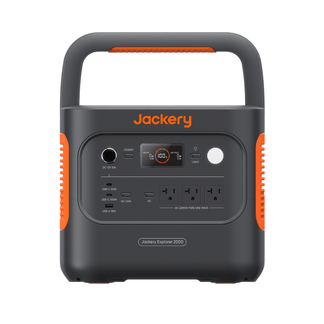
A 2000-watt generator is on the heavier side for backpacking but it works well for car camping, where weight matters less than having enough power for several devices running away from any outlet. The Jackery Solar Generator 2000 v2 is a solar generator for camping that can be packed in a car and can power most camping appliances. It is the world's lightest and smallest 2kWh LFP solar generator and features a foldable handle that can be transported anywhere with minimal effort.
|
Appliances |
Wattage |
|
1000-1800W |
|
|
Heater |
750-1500W |
|
Washing Machine |
500-1000W |
|
Laptop |
20-75W |
|
iPad/Tablet |
10-20W |
RV Living
RVs often carry larger appliances than a tent campsite would, with rooftop AC units and full-size fridges among them, which makes the extra headroom of a 2000-watt generator worthwhile. Keeping an eye on combined wattage still matters if several devices run at once. The Jackery Solar Generator 2000 Plus is an RV generator that can run most appliances while also being expandable with add-on battery packs.
|
Appliances |
Wattage |
|
Small RV AC |
900-1700W |
|
Pump |
800-1300W |
|
10W |
|
|
Portable Heater |
700-1300W |
|
Electric Stove |
800W |
Job Sites
A 2000-watt generator is modest for a full job site crew, but it comfortably covers individual off-grid power tools like a hand drill, grinder, or portable heater used one at a time. However, it does not have enough power to run multiple heavy-duty power tools at once.
|
Appliances |
Wattage |
|
Angle Grinder |
900W |
|
Drill |
500-1000W |
|
Disc Sander |
1200W |
|
Band Saw |
700-1200W |
|
Table Saw |
1800W |
How to Determine Your Power Wattage?
When sizing the generator, the first step is to calculate the power wattage usage. Here are the steps you'll need to follow:
- Note down the electronic appliances you plan to power with the generator.
- Write the starting and running watts next to the devices and create a table (as mentioned below).
- Now add all the running watts of the devices you want to operate.
- Find the item with the highest starting watts and add this number to the total running watts.
That's it! The final number indicates the amount of starting watts your generator should provide for efficient working.
The below table includes some common appliances, such as refrigerators, toasters, freezers, etc., that you'll need during a blackout or emergency.
|
Selected Appliances |
Rated (Running) Watts |
Additional Starting Watts |
|
Toaster |
850W |
0 |
|
Window AC |
1200W |
3600W |
|
Lamps |
150W |
0 |
|
Laptop |
20W |
0 |
|
Total |
2220W |
|
|
|
5820W |
Note: If you cannot find the running watts on the appliance, use the following formula:
Watts (W) = Volts (V) × Amps (A)
Or, Amps (A) = Watts (W) ÷ Volts (V)
What Are The Types Of 2000-Watt Generators?
Different types of 2000-watt generators are available: gas, inverter generator, and solar. Each type has advantages and disadvantages, making it challenging to pick the right one.
Gas Generator: Gas-fueled generators can run on various fuels, including propane, diesel, or natural gas. They are relatively easy to use and low-priced, making them a typical pick for people with a tight budget. However, they emit harmful gases and are less ideal for indoor use.
Inverter Generator: They work by adjusting the engine speed to meet the fluctuating electrical demands. These inverter generators produce clean energy required to charge small appliances like cell phones, tablets, and laptops. However, the lower power outlet might not be able to keep large devices running.
Solar Generator: Whole home solar generators are relatively expensive compared to other solutions, but the fuel is free and renewable. In addition, they do not emit fumes or harmful gases that can impact your health. You can quickly set up the battery backup solution and start charging appliances.
|
Types |
Pros |
Cons |
|
Gas Generator |
- Least expensive generators - Gas is readily available
|
- Emit harmful gases and fumes - Highly flammable - Not suitable for indoors |
|
Inverter Generator |
- Portable and easy to maintain - Ideal for charging small appliances |
- Lower power outlet - More expensive than other portable generators |
|
Solar Generator |
- Portable and easy to set up - Ideal for home and outdoor adventures - Robust and lightweight charging solution - Uses free solar energy to work - Cost-effective in the long run |
- Higher upfront cost |
Jackery 2000W-Class Solar Generators
Jackery currently offers three solar generators pairing portable solar panels with power stations in the 2000W capacity range, each aimed at a slightly different use case, from straightforward home backup to expandable room coverage.
Jackery Solar Generator 2000 v2
The Jackery Solar Generator 2000 v2 packs a large enough battery to power the vast majority of household appliances, wrapped in a compact, foldable-handle design that doesn't take up much space even in an apartment. Its output is strong enough to safely run higher-capacity appliances, from a refrigerator to heavier power tools, without the bulk of a larger expandable system. The UPS switchover happens in under 20ms, so your WiFi router, computer, and NAS stay online during unexpected and sudden power outages.
Appliance Running Time
- Microwave (1000W) = 1.6H
- Coffee Maker (800W) = 2.0H
- Toaster (1000W) = 1.6H
- Refrigerator (300W) = 5.3H
- Chest Freezer (600W) = 2.7H
Who Should Buy This
If you need a compact 2000-watt generator that can keep essential household appliances powered and can also double as an outdoor battery backup, you can consider investing in the Jackery Solar Generator 2000 v2.

Customer Review
Never thought it would work so well. Just had it up at my camp for a week. It's off the grid. Only used my generator once to charge up the Jackery. From 1 percent to 100 percent in one and a half hours. Love it. Good job Jackery!
— Martin
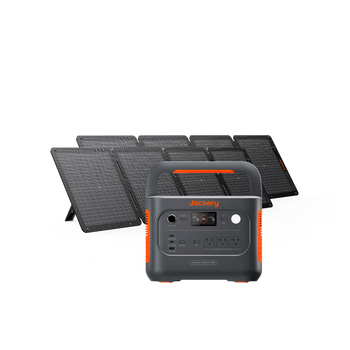
Jackery Solar Generator 2000 Plus
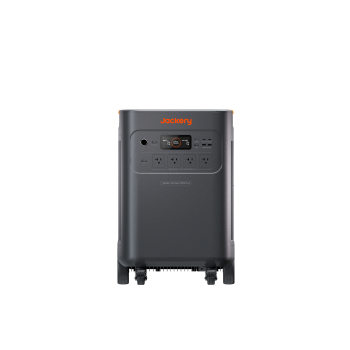
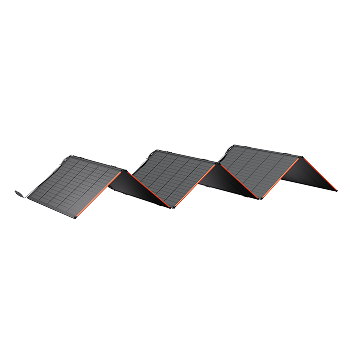
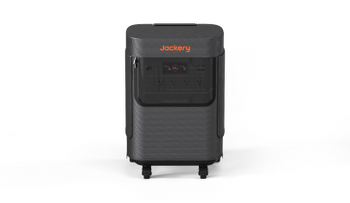
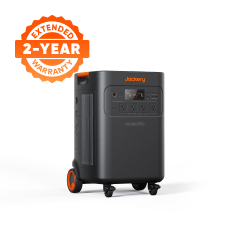
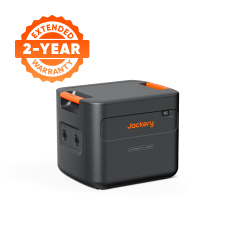
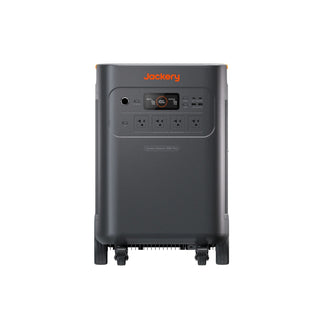
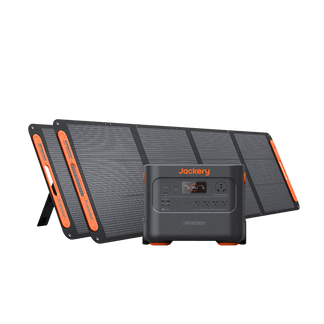
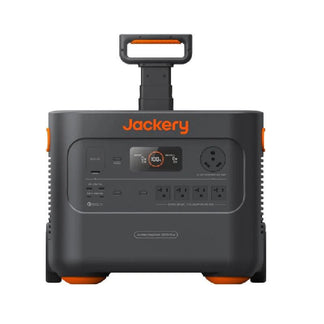
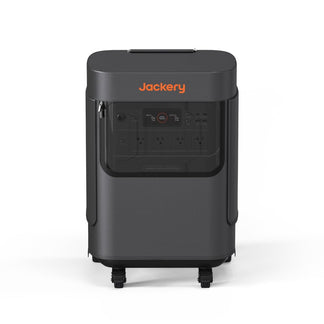
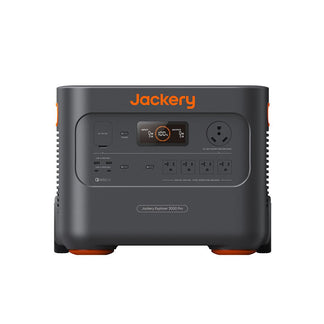
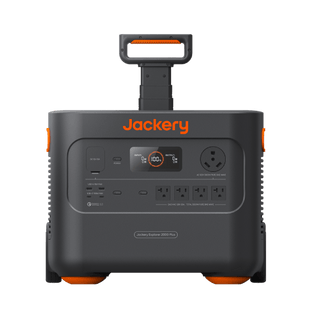
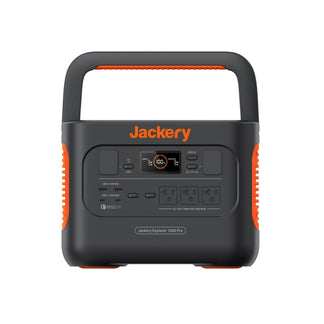
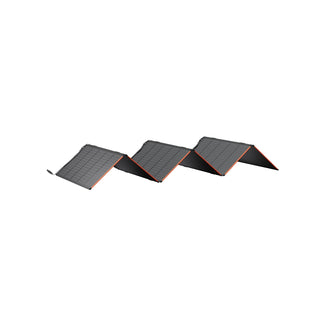
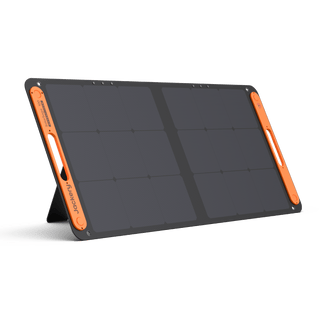
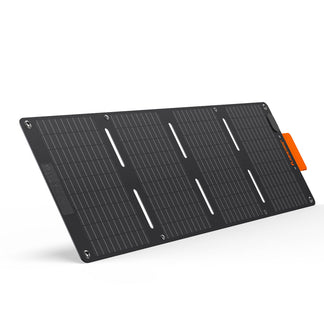
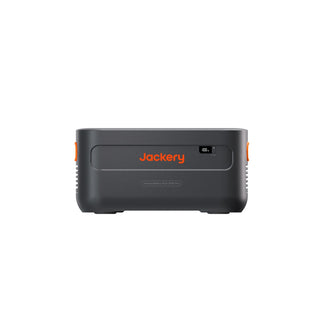
The Jackery Solar Generator 2000 Plus pairs the Jackery Explorer 2000 Plus Portable Power Station with SolarSaga 200W Solar Panels to cover nearly every household appliance, with the added benefit of expandability. Its LiFePO4 battery can grow from 2kWh up to 24kWh using add-on battery packs, or by connecting two units in parallel for even more combined output. It features a pull rod, double wheels, and a foldable handle for easier transportation wherever you need power.
Appliance Running Time
- Microwave (1000W) = 1.6H
- Coffee Maker (800W) = 2.0H
- Toaster (1000W) = 1.6H
- Refrigerator (300W) = 5.3H
- Chest Freezer (600W) = 2.7H
Who Should Buy This
If you need a 2000-watt generator that can grow with your power needs and can keep essentials powered at home or outdoors, you can consider investing in the Jackery Solar Generator 2000 Plus.

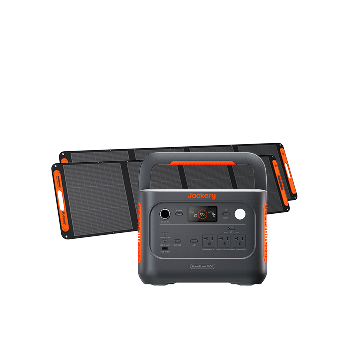
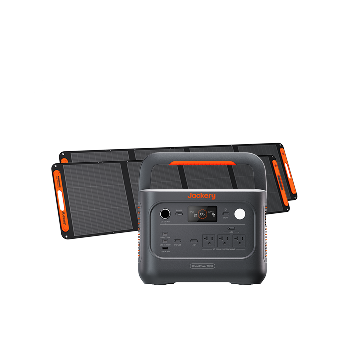
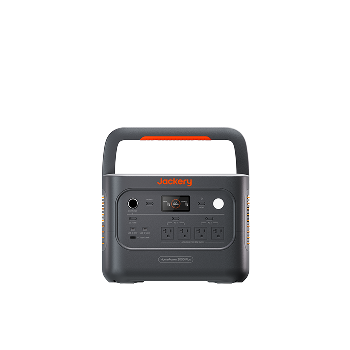
Jackery Solar Generator HomePower 2000 Plus v2
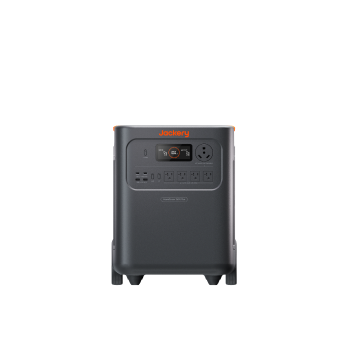
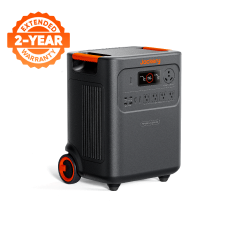
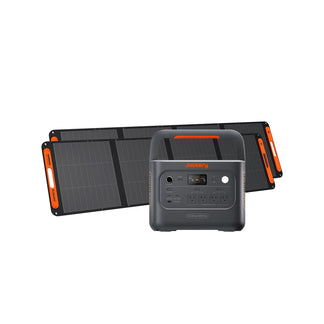
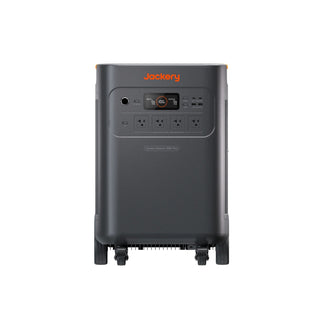
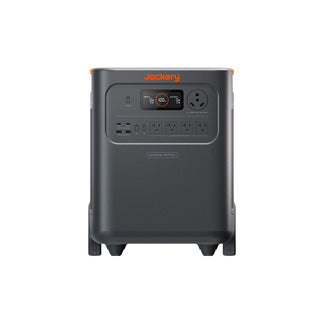
The Jackery HomePower 2000 Plus v2 is the newest addition to this capacity class, built specifically around home backup rather than general portability. It can expand up to 12kWh for households that need more than a single unit's base capacity provides. What sets it apart is Jackery Priority Routing, a feature that lets you decide in advance which circuits or devices, such as a refrigerator, medical equipment, a router, stay powered first as the battery runs low, rather than everything shutting off at once. At just 30dB, it's quiet enough to sit in a bedroom or home office without becoming a nuisance.
Appliance Running Time
- Microwave (1000W) = 2.0H
- Coffee Maker (800W) = 2.0H
- Toaster (1000W) = 2.0H
- Refrigerator (300W) = 5.0H
- Chest Freezer (600W) = 3.0H
Who Should Buy This
The Jackery Solar Generator HomePower 2000 Plus v2 is ideal for households that want to decide in advance which devices stay powered first as an outage stretches on, rather than losing everything at once.

Customer Review
Great product. Highly recommend.
— Gary H.
All three share a similar battery size, so the deciding factor usually comes down to how the unit will be used rather than raw capacity. The Jackery Solar Generator 2000 v2 suits anyone who wants a straightforward, non-expandable unit for typical home and camping use. The Jackery Solar Generator 2000 Plus offers the deepest expansion headroom of the three, growing well past what a single unit provides for larger off-grid setups. The Jackery Solar Generator HomePower 2000 Plus v2 is the pick for households prioritizing smart load management and the high continuous output.
How Many Amps Does a 2000-Watt Generator Produce?
The simple way to calculate the amps of a 2000-watt generator is by using the following formula:
Amps (A) = Watts (W) ÷ Volts (V)
At 120V, a 2000-watt generator produces:
Amps = 2,000W ÷ 120V = 16.7A
At 240V, that number drops to:
Amps = 2,000W ÷ 240V = 8.3A
A quick reference for other common wattages:
|
Watts |
Amps at 120V |
Amps at 240V |
|
500W |
4.2A |
2.1A |
|
1,000W |
8.3A |
4.2A |
|
2,000W |
16.7A |
8.3A |
|
3,000W |
25.0A |
12.5A |
|
4,000W |
33.3A |
16.7A |
|
5,000W |
41.7A |
20.8A |
For example, if you want to calculate the amp-hour value of the Jackery Solar Generator 2000 v2, you can use the below formula:
Amp-hours = Watts-hour / Volts = 2042Wh / 44.8V DC = 45.6Ah
How Long Will a 2000-Watt Generator Run?
The runtime of a 2000-watt generator depends on both the battery's exact capacity and the combined wattage of whatever's plugged in. You can calculate the runtime of the Jackery Solar Generator using the Running Time Calculator on the Jackery Buying Guide page. Visit the page and choose the Jackery product from the dropdown. Enter the total appliance wattage to get an estimated runtime. For example, the Jackery Solar Generator HomePower 2000 Plus v2 can run appliances drawing 1000W for 2.0 hours.

Frequently Asked Questions
How to optimize 2000W generator output power?
To optimize a 2000W generator's output power and efficiency, you should manage your electrical load, perform regular engine maintenance, and adjust operational settings.
- Plan Energy Needs: Note down the total amount of power you require and the time you'll use the generator. This will help you choose the right generator size and capacity.
- Turn Off Unused Appliances: Running electrical devices when they are not in use can lead to power wastage. Make sure you turn off any appliances when they are not needed.
- Regular Maintenance: While solar generators do not require expert maintenance, a simple cleaning with a cloth can help you improve their efficiency.
What can I power with a 2000W generator?
A 2000W generator handles most household and worksite essentials simultaneously, including a refrigerator (200W), LED lights (60W), a WiFi router (12W), a laptop (65W), phone chargers (40W), a portable fan (50W), and a small window AC unit (1,000W). It can also run power tools like drills (600W) and circular saws (1,400W) on a worksite, though not all simultaneously. Always confirm that the total combined wattage stays below the generator's continuous output rating.
How much will a 2000-watt generator run?
Runtime depends entirely on the connected load and battery capacity. A 2,042Wh solar generator running a 200W combined load (refrigerator, lights, and router) lasts approximately 7.7 hours. At a lighter 100W load, runtime extends to roughly 14.2 hours. At a heavier 1,500W load (running power tools or an AC unit), the runtime drops to approximately 1.1 hours.
Can a 2000-watt generator run a TV?
Yes, a 2000-watt generator can run a TV easily. A 55-inch LED television draws 60 to 100 watts, which is a fraction of a 2000W generator's output. A 2,042Wh solar generator can run a 75W TV continuously for approximately 18 hours on a single charge. Running the TV alongside a router (12W), phone chargers (40W), and LED lights (30W) at a combined 157W still delivers approximately 9.6 hours of runtime, making a 2000W generator more than sufficient for any home entertainment setup during an outage.
Can a 2000W generator run a fridge?
Yes. A standard household refrigerator draws 150 to 200 watts during normal operation, with compressor startup surges of 600 to 1,000 watts. A 2000W generator's continuous output handles the running draw comfortably, and most 2000W solar generators carry a 4,000W or higher surge output to manage the startup spike. A 2,042Wh unit running a 150W refrigerator delivers approximately 10 hours of fridge runtime on a full charge, which is enough to cover most U.S. power outages.
Conclusion
A 2000-watt generator covers a genuinely wide range of needs, such as refrigerators, window AC units, kitchen appliances, and power tools, whether the goal is home backup, camping, RV life, or job-site work. Within Jackery's current lineup, the Jackery Solar Generator 2000 v2 offers straightforward, non-expandable coverage for typical use, the Jackery Solar Generator 2000 Plus provides the deepest expansion path for larger off-grid setups, and the Jackery Solar Generator HomePower 2000 Plus v2 adds smart load prioritization and the highest continuous output of the three for a home backup. Whichever fits, the math stays consistent: running wattage determines what a generator can power continuously, and surge wattage determines whether it can start it in the first place.


