

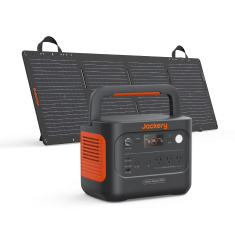
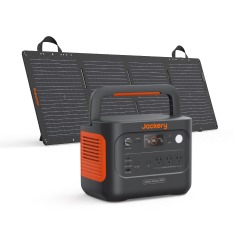
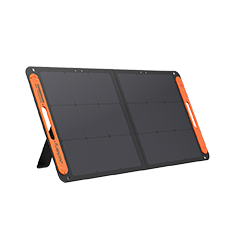


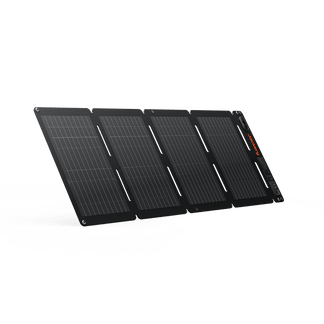
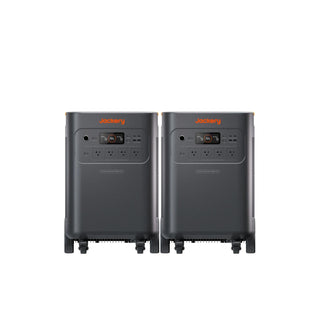
![[Add-on] Jackery SolarSaga 500 X - Jackery](http://www.jackery.com/cdn/shop/files/add-on-jackery-solarsaga-500-x-1493607.webp?v=1786503068&width=324)
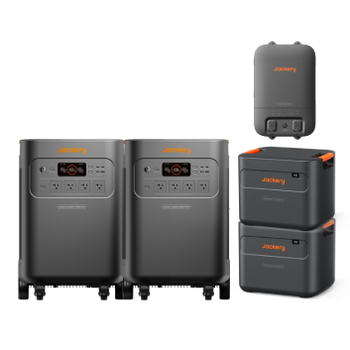
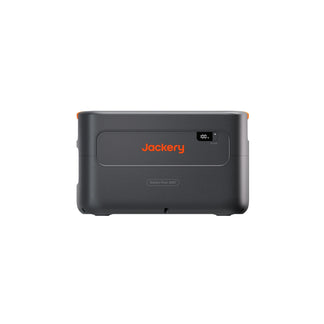
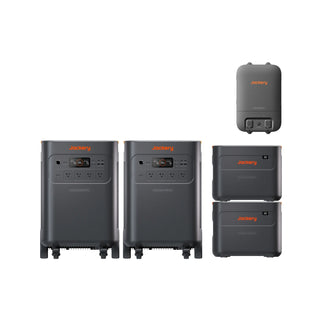
![[Add-on] Jackery Battery Pack 5000 Plus - Jackery](http://www.jackery.com/cdn/shop/files/add-on-jackery-battery-pack-5000-plus-6713401.webp?v=1786503068&width=324)



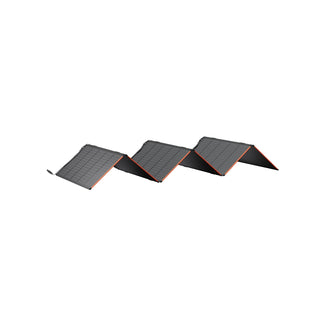
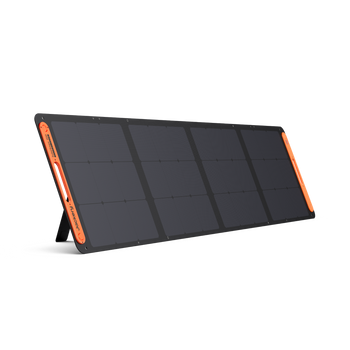
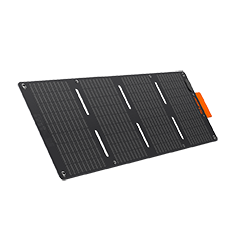
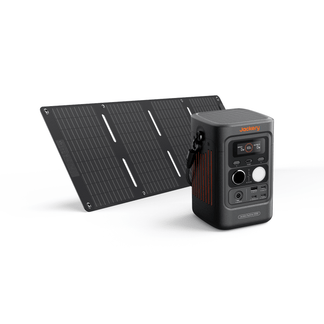
![[Add - on] SolarSaga 200W - Jackery](http://www.jackery.com/cdn/shop/files/add-on-solarsaga-200w-4834329.png?v=1754016915&width=324)


Quick Answer: A standard incandescent bulb uses 40–100 watts, while an LED producing the same brightness uses only 6–17 watts. For example, a 60-watt incandescent can be replaced by an 8–10 watt LED, saving about 85% energy. Brightness is measured in lumens, not watts, so always match lumens when switching.
Key Takeaways
- LED bulbs use 75–90% less energy than incandescent bulbs for the same light output, cutting electricity costs significantly.
- Switching ten bulbs used 3 hours daily can save a typical U.S. household roughly $60–$225 per year, depending on local rates.
- Fixture wattage limits are about heat, not brightness — a 9W LED is safe in a 60W-rated fixture because it generates far less heat.
- Ignore the "W" for brightness; look for "lm" — lumens are the true measure of light output for any bulb type.
Introduction: Why Wattage Confusion Matters for Your Home
Users commonly confuse watts (power consumed) with lumens (light output), leading to fixture safety worries and incorrect bulb purchases. This confusion is understandable—for over a century, we bought bulbs based on wattage because incandescent technology made wattage a rough proxy for brightness.
A frequent beginner question is whether a "60W equivalent" LED (drawing ~9W) violates a fixture's "60W max" rating. It does not.
Fixture safety ratings are strictly about heat, not brightness. An LED that draws 9W generates minimal heat and is safe in any fixture rated for 60W incandescent. The watt-hour draw tells you exactly what's happening electrically.
Manufacturer labels sometimes say "10W max for LED" on a 60W-rated fixture. This is a simplification to prevent installing extremely bright LEDs — not a heat safety concern. A 9W LED in a 60W-rated socket generates roughly one-sixth the heat of the incandescent the fixture was designed to handle.
Understanding actual versus equivalent wattage is the key to safe bulb swaps and accurate energy cost calculations. When you know that a "60W replacement" LED actually uses 8–10 watts, you can calculate real electricity costs instead of guessing based on outdated numbers.
LED vs. Incandescent: Wattage Comparison for Common Bulbs
An LED producing 800 lumens (equivalent to a 60W incandescent) draws 8–10 watts, while a 1,600-lumen LED matching a 100W incandescent draws 14–17 watts — an 83–86% reduction in power consumption for identical light output.
Brightness (Lumens) |
Incandescent Wattage |
LED Wattage |
Energy Saved |
|---|---|---|---|
450 lm |
40W |
6–7W |
~83% |
800 lm |
60W |
8–10W |
~85% |
1,100 lm |
75W |
10–13W |
~84% |
1,600 lm |
100W |
14–17W |
~84% |
2,600 lm |
150W |
23–28W |
~83% |
These figures represent typical ENERGY STAR-rated bulbs available at major retailers in 2026. [1] Actual wattage varies slightly by manufacturer and model, but the 80–90% savings range holds across all brightness levels.
CFL bulbs sit in the middle ground — a 60W-equivalent CFL uses about 13–15 watts. While more efficient than incandescent, CFLs still consume 60–70% more power than LEDs for the same light output. They also contain mercury and require special disposal, two problems LEDs eliminate entirely.
For perspective, running a single 60W incandescent bulb 3 hours daily consumes about 66 kWh per year. The LED equivalent consumes roughly 10 kWh. At the national average electricity rate of $0.17/kWh in early 2026, that's an $11.22 annual cost versus $1.70 — a difference of $9.52 per bulb, every year. [2]
Why Lumens Matter More Than Watts for Brightness
Watts measure energy consumed, not light output. Lumens measure actual brightness. This distinction is the single most common point of confusion when shopping for bulbs, and getting it wrong leads to rooms that are either dim caves or interrogation chambers.
Incandescent bulbs produce approximately 15 lumens per watt. LEDs deliver 75–110 lumens per watt — 5–7 times more efficient. This efficiency gap means a 9-watt LED easily matches the light output of a 60-watt incandescent because it converts far more electricity into visible light and far less into waste heat.
A useful shortcut: divide incandescent wattage by 7 to estimate the LED wattage you need.
60W ÷ 7 ≈ 8.6W
Landing squarely in the 8–10W range of actual LED replacements, it's not perfect for every bulb, but it gets you close enough to start shopping.
Always check the "Lighting Facts" label on LED packages. This federally mandated label shows lumens, estimated yearly energy cost, lifespan, and light appearance — everything you need in one standardized format. Ignore the large "60W equivalent" marketing text and look directly at the lumen number printed in smaller type. That number, not the wattage claim, tells you how bright the bulb actually is.
Matching lumens ensures the same brightness regardless of bulb type. If your old 60W incandescent produced 800 lumens, buy an LED rated at 800 lumens. The cost to run that light will drop by roughly 85%, but the room brightness won't change.
How Much Can You Save by Switching to LED Bulbs?
Switching entirely to LEDs cuts lighting consumption by roughly three-quarters, delivering tangible monthly savings. The Department of Energy estimates that lighting accounts for about 15% of residential electricity use.
- Replacing one 60-watt incandescent with a 9-watt LED saves about $9–$10 per year at 3 hours daily use and $0.17/kWh.
- A household switching ten frequently-used bulbs saves $90–$100 annually in electricity costs alone.
- Over the 15–20 year lifespan of those LEDs, total savings per bulb reach $140–$200 in avoided electricity charges.
LED bulbs cost $3–$5 upfront versus about $1 for an incandescent. The payback period: roughly 3–5 months per bulb at average usage. After that, every kilowatt-hour saved is pure savings. No other home energy upgrade pays for itself this quickly.
Lifespan savings amplify the financial case. Over 20 years, you'll replace an incandescent bulb roughly 20 times (at 1,000-hour lifespans, 3 hours daily).
That's $20 in replacement bulbs plus the hassle of changing them. One LED handles the entire period. The difference between starting and running watts matters less for LED lighting since the bulbs have negligible surge draw, but the concept applies when calculating whole-home energy use.
Savings vary by local electricity rates, daily usage hours, and the number of bulbs replaced. Households in high-rate states like California ($0.30+/kWh) or New York ($0.24+/kWh) save proportionally more. Those with abundant natural light or low occupancy save less. Run your own numbers using your actual rate and usage patterns.
How Long Do LED Bulbs Last Compared to Traditional Bulbs?
Incandescent bulbs last 750–1,000 hours — about one year at 3 hours of daily use. LEDs last 15,000–25,000 hours, translating to 13–22 years under the same usage pattern. The difference isn't incremental; it's an order-of-magnitude shift in product longevity.
LEDs achieve this lifespan through solid-state construction. Specifically:
- No filament to burn out: The LED uses a semiconductor chip, not a fragile wire.
- No glass envelope to shatter: The diode is encased in durable epoxy, not glass.
- No delicate internal structure to degrade from vibration: Solid-state design withstands physical shock.
The light-emitting diode itself is a semiconductor chip encased in durable epoxy — fundamentally different physics than heating a tungsten wire to incandescence.
Fewer replacements reduce waste and the environmental impact of manufacturing and disposal. Over a 20-year period, one LED replaces approximately 20 incandescent bulbs. That's 19 fewer bulbs manufactured, packaged, shipped, and landfilled. When scaled across millions of households, the material savings become substantial.
LEDs contain no mercury, unlike CFLs. A broken CFL requires careful cleanup and special disposal. A broken LED requires a broom and dustpan. This simplifies disposal and eliminates contamination risks, especially in homes with children or pets.
Quality LEDs maintain 80–90% brightness even after 25,000 hours, with gradual lumen depreciation rather than abrupt failure. They don't burn out; they slowly fade over decades. When an LED does dim noticeably below usefulness, it's typically been in service for well over a decade.
What to Consider When Choosing LED Bulbs (Color, Dimmability, Fixtures)
Color temperature, dimmer compatibility, and fixture suitability all affect satisfaction with the final result.
Color temperature, measured in Kelvin (K), determines whether light feels warm and cozy or crisp and energizing.
Color Temperature (K) |
Appearance |
Best Uses |
|---|---|---|
2700K |
Soft, yellowish glow of traditional incandescent bulbs |
Living rooms, bedrooms, dining areas (relaxation) |
3000K |
Cleaner, brighter white |
Kitchens, bathrooms, workspaces |
5000K |
Midday daylight |
Task lighting, garages, areas where color accuracy matters |
Not all LEDs work with dimmer switches. Look for "dimmable" on the package and check compatibility with your dimmer model.
Older dimmers designed for incandescent loads may cause LED flicker, buzzing, or limited dimming range. Upgrading to an LED-rated dimmer typically resolves these issues. The amperage draw of electronics varies by device type, and dimmers need to handle LED loads differently than resistive incandescent loads.
Enclosed fixtures require special attention. LEDs generate far less heat than incandescents, but the driver electronics can still overheat in sealed, unventilated enclosures. Choose bulbs specifically rated for enclosed fixtures when installing in ceiling domes, outdoor lanterns, or recessed housings.
CRI (Color Rendering Index) measures how accurately a light source reveals colors compared to natural light. For living spaces, a CRI 80+ is adequate. For bathrooms, closets, and areas where you apply makeup or select clothing, look for CRI 90+. The difference is immediately visible in skin tones and fabric colors.
Smart LEDs add scheduling, remote control, and home automation integration. The upfront cost runs higher, but automated shutoff prevents lights from staying on in empty rooms, adding an efficiency layer beyond the bulb's inherent energy savings.
Limitations / What to Know Before
Not every LED works in every situation, and a few caveats prevent frustration.
- Older dimmer switches cause problems with most LED bulbs. Flickering, buzzing, and a narrow dimming range are common symptoms. The fix — replacing the dimmer with an LED-compatible model — costs $15–$30 per switch. Budget for this if your home has pre-2010 dimmers.
- Enclosed fixtures without ventilation can overheat some LED bulbs, shortening their lifespan from 20 years to 3–5. Always check the "enclosed fixture rated" designation on the packaging. If the bulb doesn't carry that rating, use it only in open fixtures with airflow.
- Initial cost runs $3–$5 per LED versus $1 per incandescent. The long-term savings and lifespan easily offset this difference, but the upfront outlay for outfitting an entire house can exceed $100. Replace bulbs gradually, starting with the most-used fixtures, to spread out the cost.
- Not all LEDs are rated for outdoor use. Exterior fixtures in exposed locations need bulbs rated for damp or wet locations. Using an indoor-only LED outside will destroy it within months from moisture ingress.
- Actual wattage, not equivalent wattage, determines your electricity bill and fixture safety. A "100W equivalent" LED draws about 15 watts — safe for a 60W-rated fixture and reflected accurately on your utility statement. The equivalent number is marketing shorthand; always read the fine print for real power consumption.
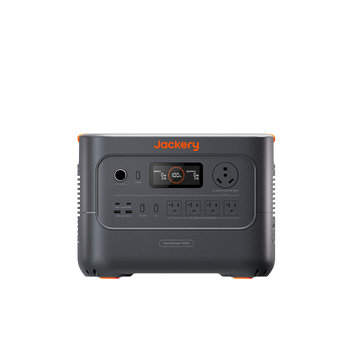
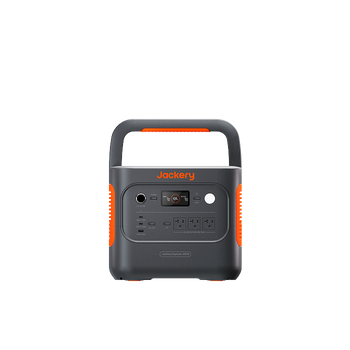
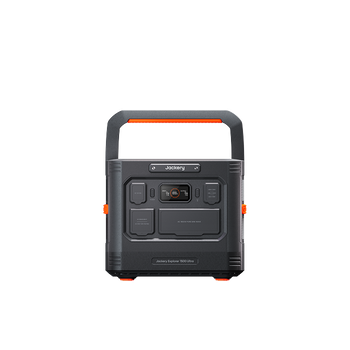
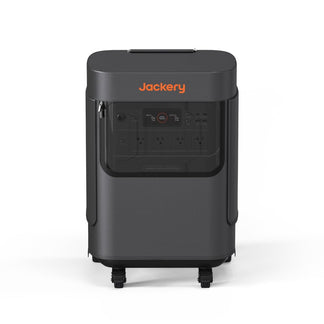
Product Recommendation: Essential Home Backup for Lighting
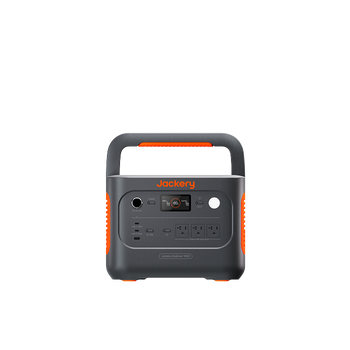
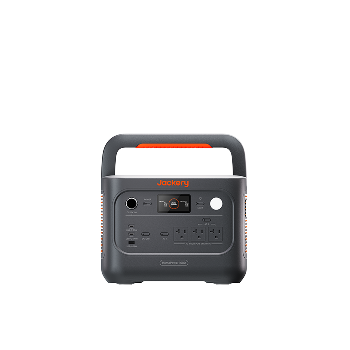
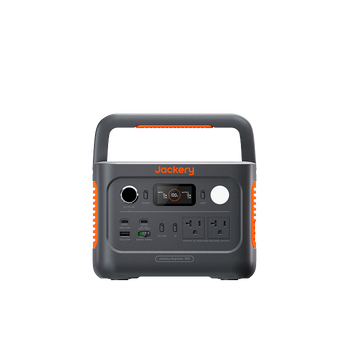
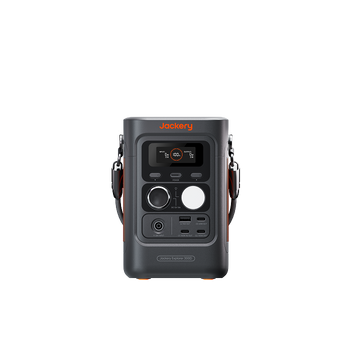
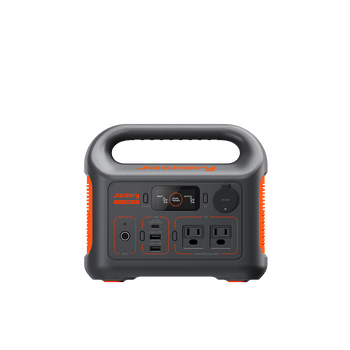
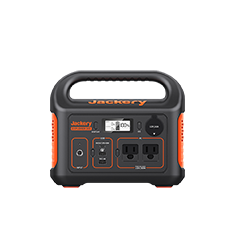
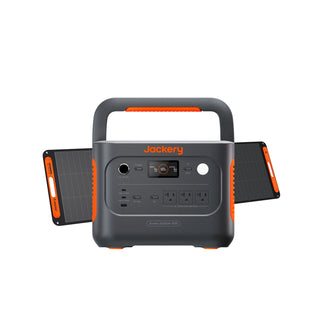
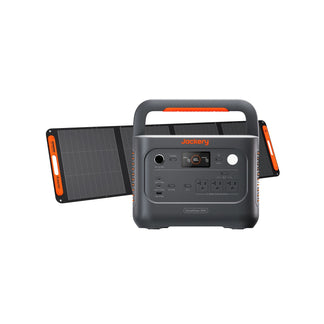
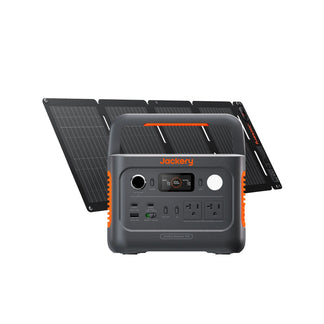
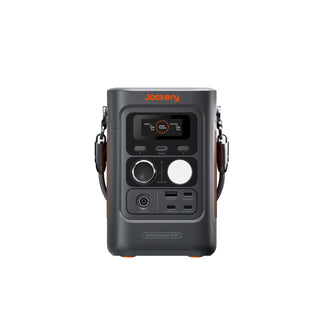
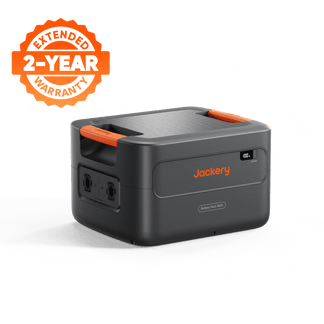
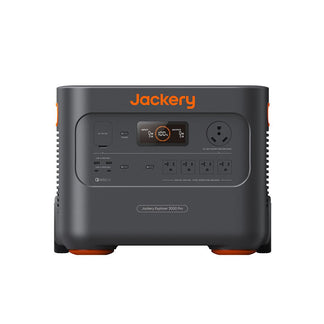
When the grid goes down, lighting becomes a top priority. A portable power station keeps LED bulbs running for days without noise, fumes, or fuel storage. Jackery Explorer series units deliver reliable backup power sized for lighting and essential electronics.
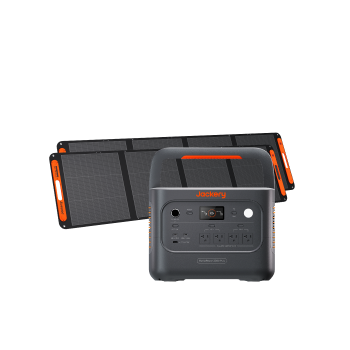
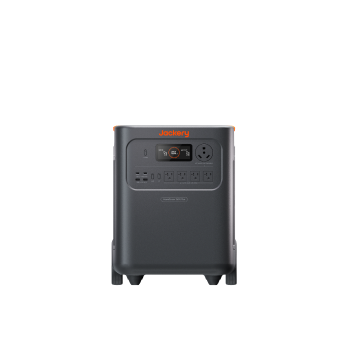
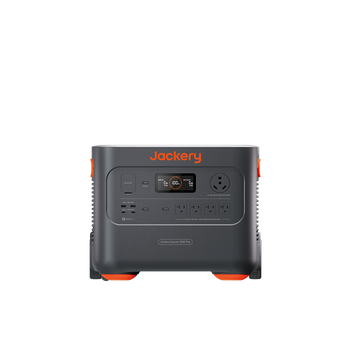
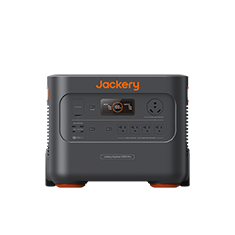
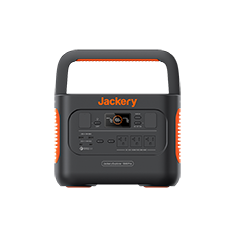
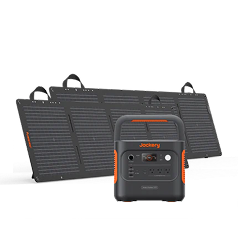
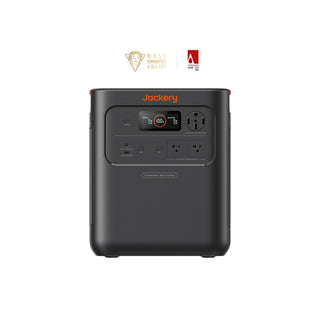
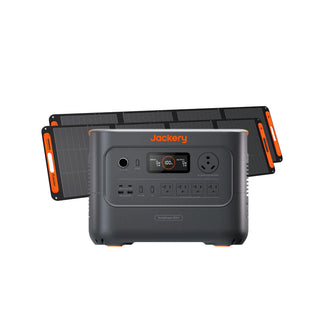
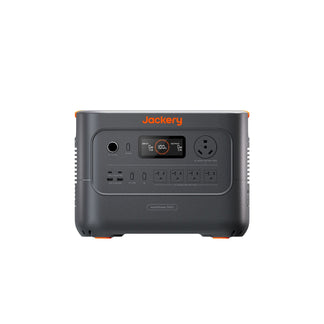
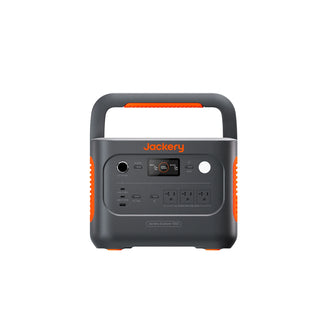
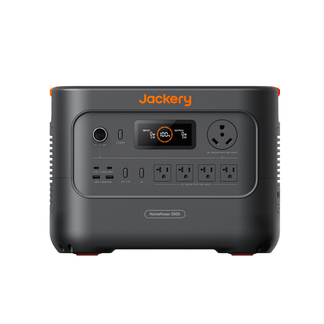
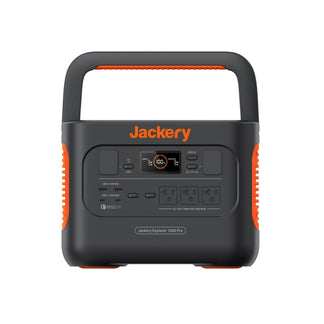
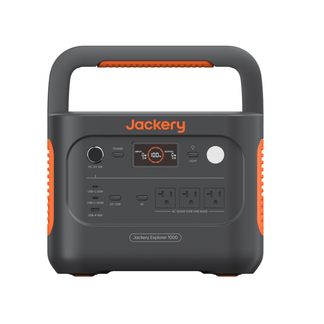
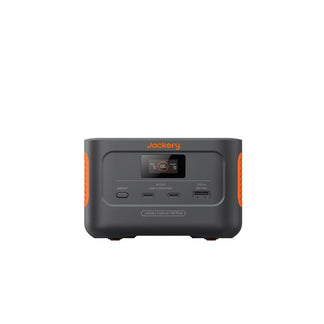
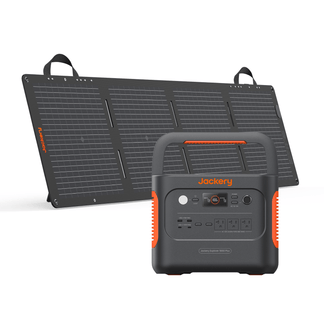
Jackery Explorer 1000 v2
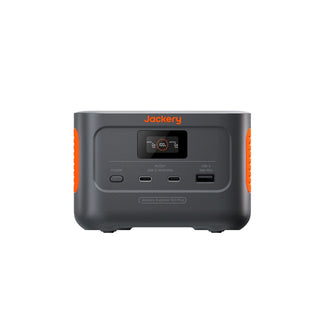
The Explorer 1000 v2 provides substantial capacity for extended outages. One 9W LED bulb runs for over 100 hours on a full charge — enough to light a room for four nights of continuous operation or weeks of evening-only use. The unit simultaneously powers multiple lights, a Wi-Fi router, and phone chargers.
Feature |
Specification |
Benefit for Lighting Backup |
|---|---|---|
Battery Capacity |
1,070 Wh |
100+ hours per 9W bulb |
AC Outlets |
3 × 120V |
Power multiple lamps at once |
Weight |
23.8 lbs |
Portable between rooms |
Recharge Time |
1.6 hours (AC) |
Quick recovery between outages |
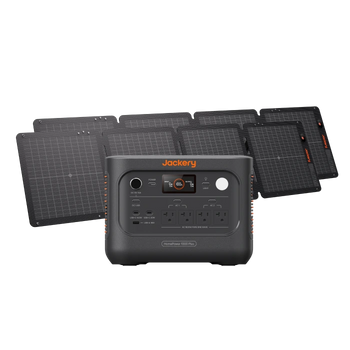
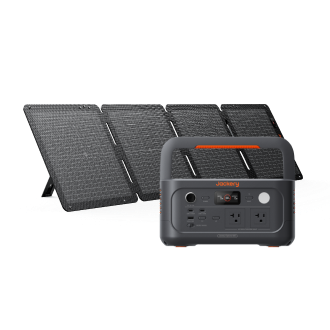
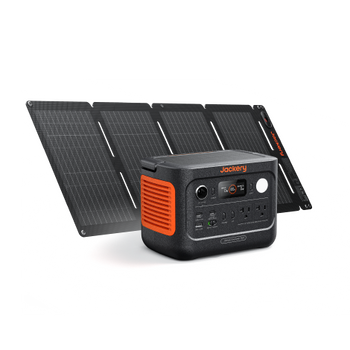
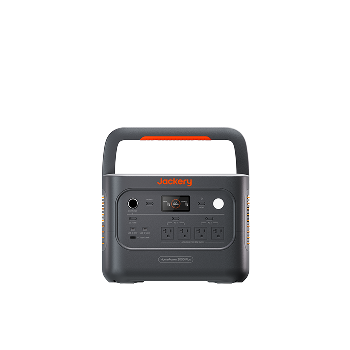
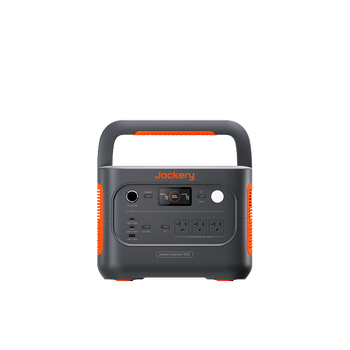
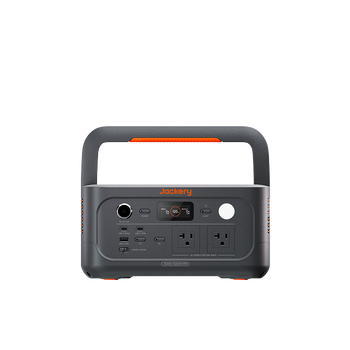
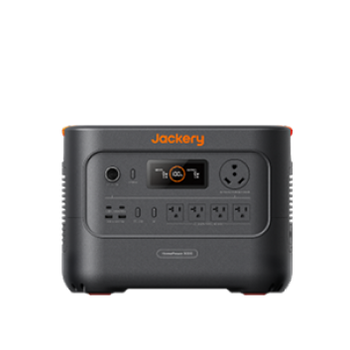
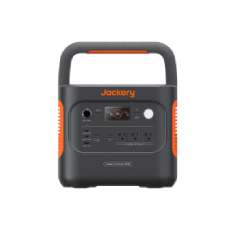
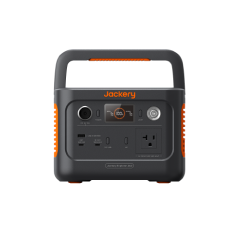
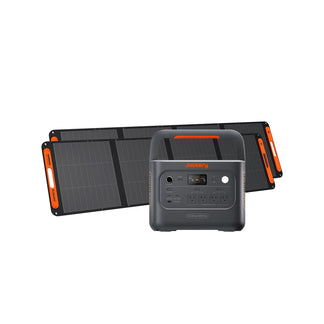
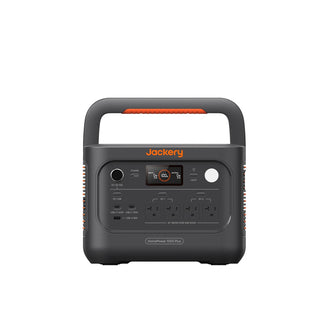
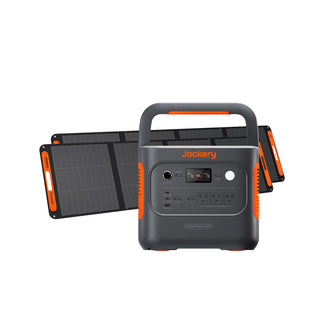
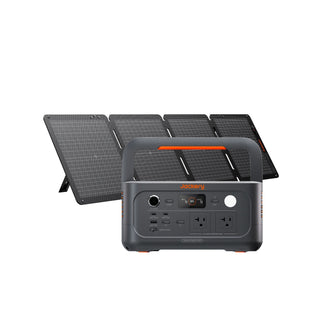
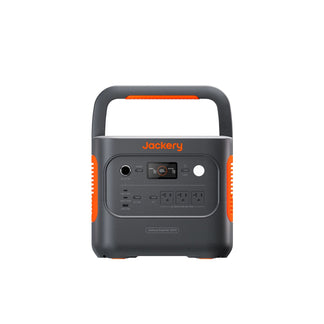
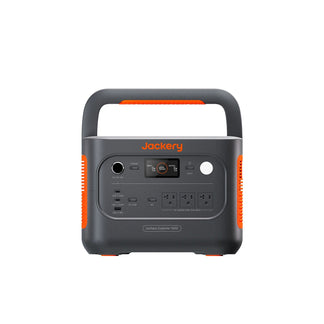
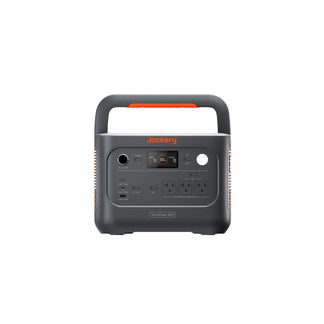
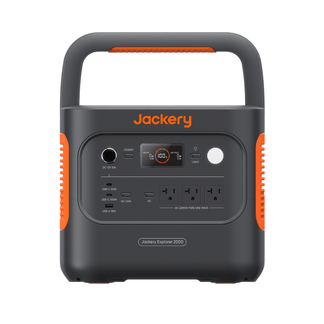
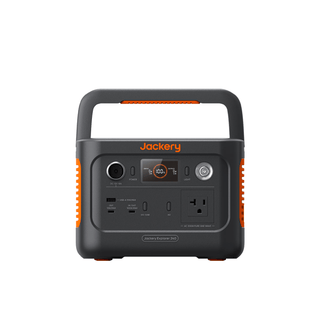
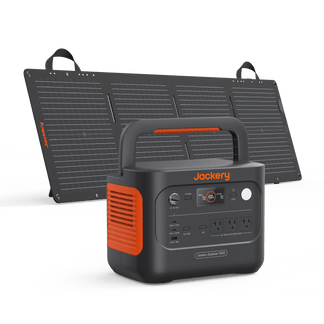
Jackery Explorer 600 v2
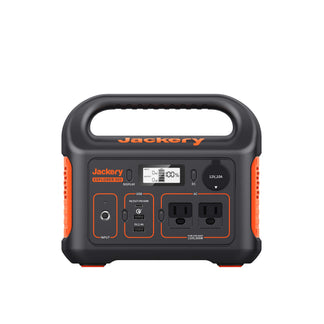
The Explorer 600 v2 offers a lightweight, lower-cost option sufficient for lighting-focused backup. Its battery powers five to six LED bulbs through the night plus a small fan or laptop during daytime hours.
Feature |
Specification |
Benefit for Lighting Backup |
|---|---|---|
Battery Capacity |
640 Wh |
60+ hours per 9W bulb |
AC Outlets |
2 × 120V |
Run two lamps simultaneously |
Weight |
14.11 lbs |
Easy one-hand carry |
Solar Ready |
Yes (up to 200W input) |
Indefinite off-grid runtime |
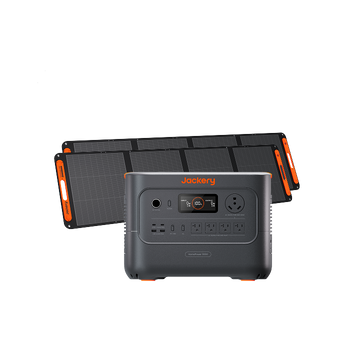
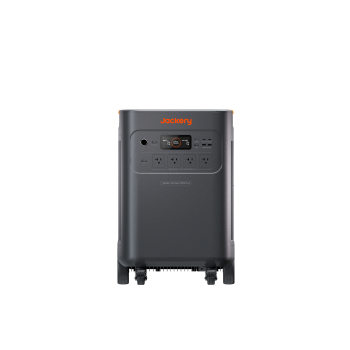
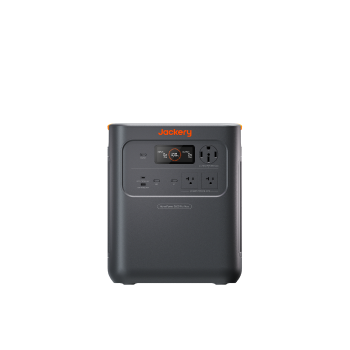
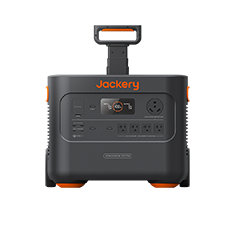
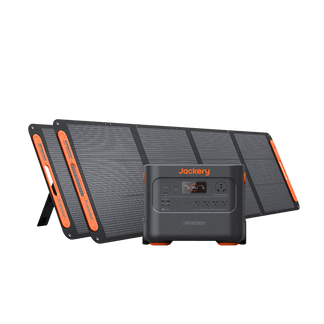
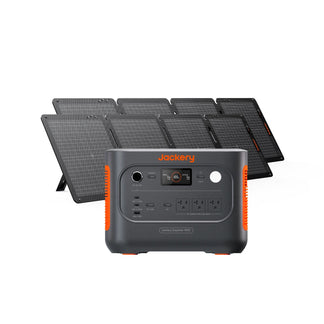
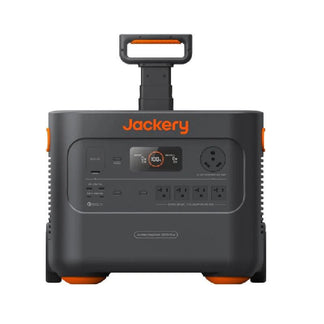
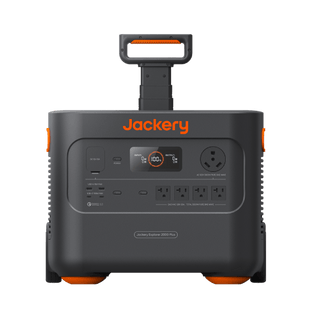
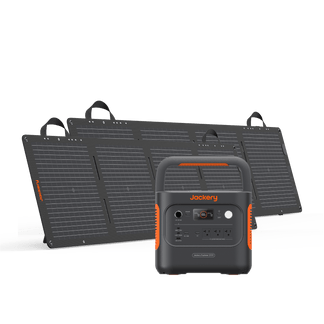
Jackery Explorer 2000 v2
The Explorer 2000 v2 handles whole-scenario backup — lights, refrigerator, medical devices, and home office equipment simultaneously. Its high surge capability manages appliance startups while LED bulbs draw negligible power from the large battery reserve.
Feature |
Specification |
Benefit for Lighting Backup |
|---|---|---|
Battery Capacity |
2,042 Wh |
200+ hours per 9W bulb |
AC Outlets |
4 × 120V |
Power multiple rooms |
Surge Output |
4,400W |
Handles appliance startups |
Recharge Time |
1.7 hours (AC) |
Fastest recharge in class |
All three units operate silently and produce zero exhaust — safe for indoor use during outages.
Frequently Asked Questions (FAQ)
What color temperature is best for reading?
A color temperature of 3000K to 4000K (bright white to neutral white) reduces eye strain and improves focus during reading tasks. Avoid 2700K for dedicated reading areas, as the warm amber tone can cause drowsiness during extended sessions.
How do I safely dispose of LED bulbs?
LED bulbs can be placed in household trash in most areas, as they contain no mercury or hazardous materials. Check with local recycling programs — many accept LEDs for electronic waste recycling to recover circuit boards and aluminum heat sinks.
Can I use LED bulbs with a three-way lamp?
Only use LED bulbs specifically labeled as "three-way" or "3-way compatible" to function properly with three-way lamp sockets. Standard LED bulbs will only operate at a single brightness level regardless of the switch position.
Do LED bulbs work with motion sensor lights?
Most LED bulbs work with motion sensors, but the sensor must be rated for LED loads. Incandescent-only sensors may not detect the low current draw of LEDs and can cause flickering or failure to activate. Look for motion sensors explicitly labeled LED-compatible.
Why do some LED bulbs have a higher CRI rating?
A higher CRI (90+) means the light source renders colors more accurately compared to natural daylight. Manufacturers use different phosphor formulations to achieve higher CRI, which increases production cost but delivers visibly better color quality — important for bathrooms, closets, and art spaces.
Sources & References
[1] ENERGY STAR Light Bulbs Specification Version 2.1, U.S. Environmental Protection Agency, https://www.energystar.gov/sites/default/files/ENERGY%20STAR%20Lamps%20V2.1%20Final%20Specification.pdf, accessed June 2026.
[2] Electric Power Monthly, U.S. Energy Information Administration, https://www.eia.gov/electricity/monthly/, accessed June 2026.
