







![[Add-on] Jackery SolarSaga 500 X - Jackery](http://www.jackery.com/cdn/shop/files/add-on-jackery-solarsaga-500-x-1493607.webp?v=1786503068&width=324)
![[Add-on] Jackery Battery Pack 5000 Plus - Jackery](http://www.jackery.com/cdn/shop/files/add-on-jackery-battery-pack-5000-plus-6713401.webp?v=1786503068&width=324)








![[Add - on] SolarSaga 200W - Jackery](http://www.jackery.com/cdn/shop/files/add-on-solarsaga-200w-4834329.png?v=1754016915&width=324)


Manufacturer labels frequently understate real-world mini fridge wattage because they don't account for variables like ambient heat and how often you open the door. This guide will show you how to calculate a mini fridge’s real energy use and discover how to power it reliably, anywhere you go.
Running vs. Startup Watts of Your Mini Fridge
To understand your mini fridge's power draw, you need to know two critical numbers: its running watts and its startup watts. These figures determine the kind of power source you'll need, especially for off-grid or backup situations. A power source that can't handle both will fail when you need it most.
What Are Running Watts?
Running watts, or rated watts, is the amount of power the appliance consumes while its compressor is actively cooling. Most modern compressor-based mini fridges draw between 70 and 100 watts while the compressor is running.
It is important to remember that the compressor cycles on and off to maintain the set temperature. This means the fridge does not draw this power constantly, but only for a fraction of the day, often referred to as its duty cycle.
What Are Startup (Surge) Watts?
Startup watts, also known as surge watts, is the brief, high-power spike a mini fridge needs to kickstart its compressor motor from a standstill. This initial surge is significantly higher than the running wattage.
This surge is often between 300 and 600 watts, or roughly 3 to 6 times the appliance's running wattage. Your power source must be able to handle this momentary spike. If its surge capacity is too low, the power station or home circuit breaker will trip, preventing the fridge from starting.
How to Find the Real Numbers
You can find a power rating on the nameplate sticker on the back of your fridge, but relying solely on this can be misleading. Calculating Volts x Amps gives you the maximum potential power draw, not the typical mini fridge power usage.
The best practice is to measure the actual consumption yourself. Use a simple plug-in energy meter (like a Kill-A-Watt meter) and leave it connected to your mini fridge for a full 24 hours. This will give you a precise measurement of its total daily energy use in kilowatt-hours (kWh), accounting for its unique duty cycle in your specific environment.
Calculating Your Mini Fridge's Daily Energy Use and Cost
Once you understand the basics of wattage, you can perform a simple calculation to estimate your Mini Fridge Energy Consumption and its impact on your electricity bill. This step-by-step method empowers you to see the real financial cost of keeping your snacks and drinks cool.
How Do You Calculate Daily Energy Use?
To calculate your mini fridge's daily energy consumption, you need its running wattage and an estimate of how many hours per day its compressor is active. A typical duty cycle is around 33%, meaning it runs for about 8 hours in a 24-hour period.
Use this simple formula:
-
Daily Energy (kWh) = (Running Watts × Hours Used Per Day) / 1000
For example, let's take a common 90-watt mini fridge running for 8 hours a day. The calculation would be: (90 Watts × 8 Hours) / 1000 = 0.72 kWh per day.
How Do You Calculate Monthly Cost?
To understand how much it costs to run a mini fridge, you can extend this daily figure to a monthly estimate. You will need your local electricity rate, which can be found on your utility bill, measured in dollars per kilowatt-hour ($/kWh).
The formula is:
-
Monthly Cost = Daily Energy (kWh) × 30 days × Your Local Electricity Rate ($/kWh)
Using our example, if your electricity rate is $0.1762 per kWh (the U.S. average as of August 2025), the monthly cost would be: 0.72 kWh × 30 days × $0.17/kWh = $3.67 per month. This cost can vary based on the fridge's efficiency, which is often regulated by national standards.
You can also read more about how much it costs to run a refrigerator.
How to Reduce Your Mini Fridge's Energy Consumption
You can significantly lower your mini fridge's power draw and improve its efficiency with a few simple adjustments and maintenance tasks. These actionable tips will help you save money on electricity bills and extend the runtime of a portable power source.
How Does Placement Affect Efficiency?
Where you place your mini fridge has a direct impact on its performance.
- Keep the fridge in a cool, well-ventilated area, away from direct sunlight or heat-producing appliances like ovens or radiators.
- Leave at least 3 inches of clearance around the back and sides of the unit to allow for proper airflow. This helps the condenser coils dissipate heat more effectively and reduces how hard the compressor has to work.
What Habits Can Reduce Power Usage?
Your daily habits can also influence mini fridge power usage.
- Minimize how often you open the door and decide what you need before opening it to prevent cold air from escaping.
- Avoid placing hot or warm foods directly inside. Let them cool to room temperature first to reduce the workload on the compressor.
- Set the thermostat to a food-safe temperature (around 37-40°F), not the absolute coldest setting, which consumes unnecessary energy.
What Maintenance is Required?
Regular maintenance is key to keeping your mini fridge running efficiently.
- Periodically clean the dust and debris from the condenser coils, which are typically located on the back of the unit.
- If your model is not frost-free, defrost it whenever ice buildup reaches about 1/4 inch thick, as ice acts as an insulator and makes the fridge work harder.
- Check that the door seals are tight. If they are cracked, brittle, or worn, replace them to prevent cold air leaks.
Power Your Mini Fridge with a Portable Power Station
Powering a mini fridge during a blackout or at an off-grid refrigerator site presents a unique challenge. Your power source must not only provide enough energy for the average draw but also handle the high startup surge required by the compressor.
How to Choose the Right Size Power Station
When selecting a power station, two key specifications determine its capability: Capacity and Output.
- Capacity (Watt-hours or Wh): This measures the total amount of energy the power station can store. A higher Wh rating means it can run your devices for a longer time. Your required capacity depends on the power consumption of your devices and how long you need to run them.
- Output (Watts or W): This indicates how much power the station can deliver at any given moment. You must consider two types of output:
- Continuous Output: The consistent power supplied to run your devices. This number must be higher than the device's standard running watts.
- Surge (or Peak) Output: A short burst of high power needed to start appliances with motors, such as a refrigerator. The station's surge output must be higher than the device's startup watts.
Example Power Station Specifications
|
Specification |
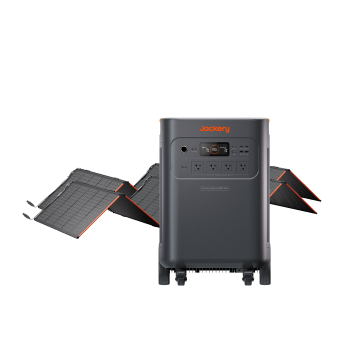
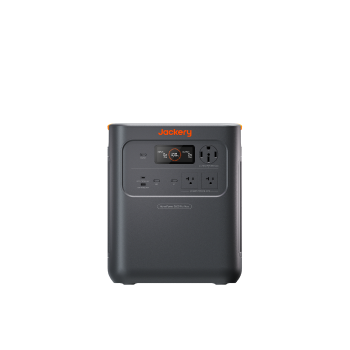
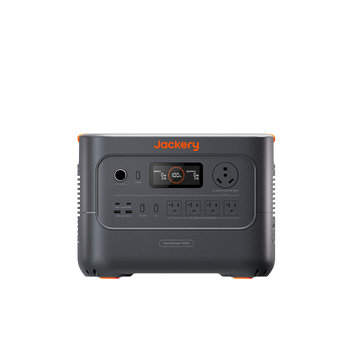
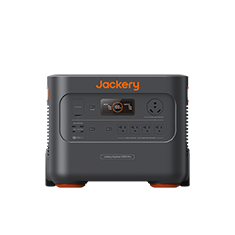
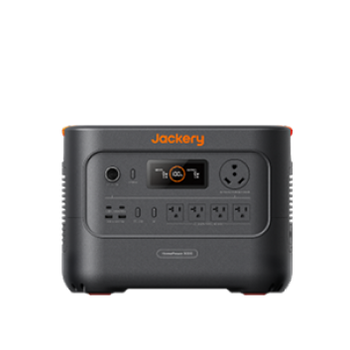
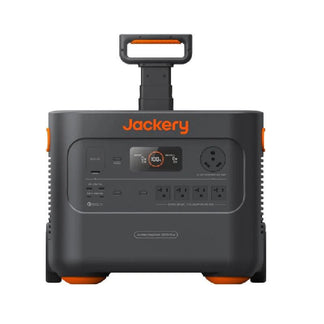
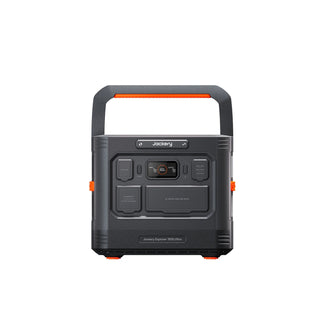
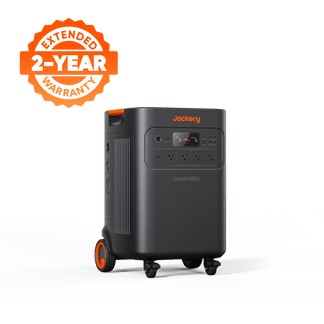
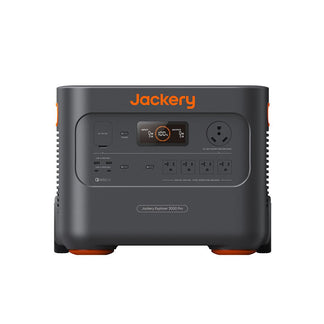
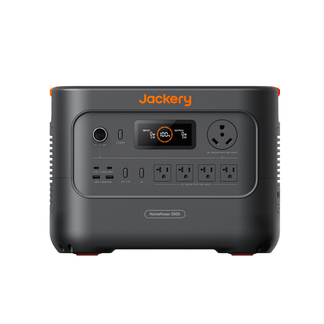
Jackery HomePower 3000 |
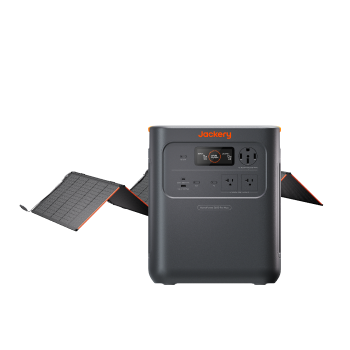
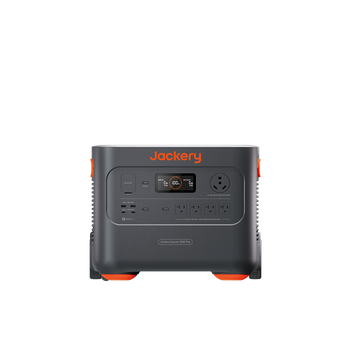
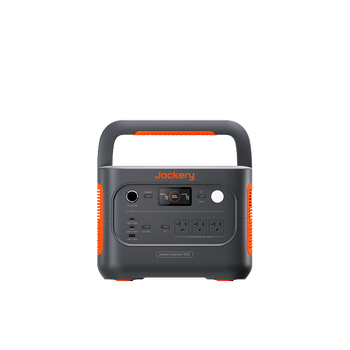
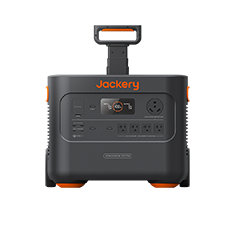
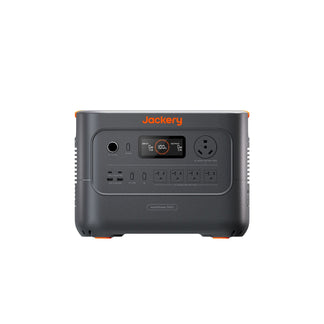
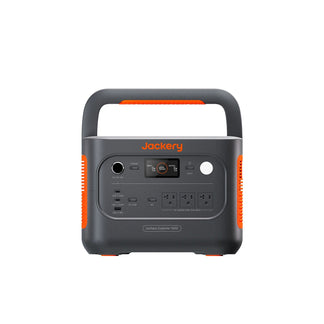
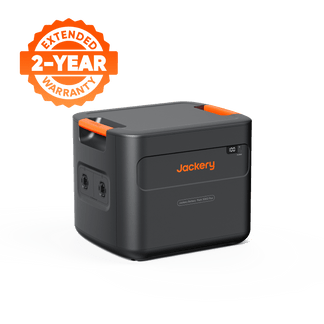
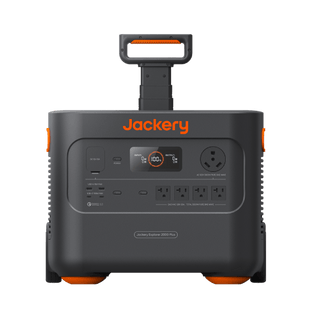
Jackery Explorer 2000 v2 |
|---|---|---|
|
Capacity |
3072 Wh |
2042 Wh |
|
Output |
3600 W (7200 W Surge) |
2200 W |
|
Battery Type / Lifespan |
10-year battery with 5-year warranty |
LiFePO4 battery with 10+ year lifespan |
|
Key Features |
Fast recharge (as quick as 1.7 hours) |
Smart App Control |
Application Example: Powering a Mini Fridge
-
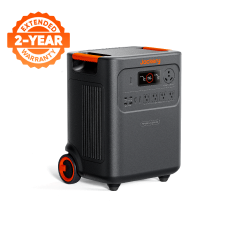
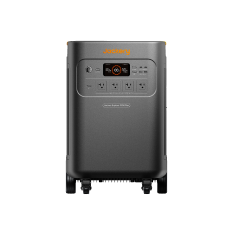
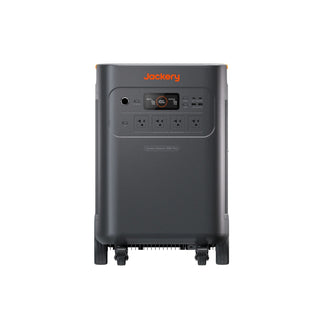
The 7200W surge output of the Jackery HomePower 3000 model is designed to handle the high initial power draw required to start a refrigerator's compressor.
-
The 3072Wh capacity is what determines the runtime. For example, this capacity can power a typical mini fridge for approximately two days on a single charge.

Power Your Mini Fridge with Confidence
Understanding your mini fridge's real power draw is the first step toward reliable energy management. A typical unit requires 70-100 watts while running but needs a critical 300-600 watt surge to start its compressor. Knowing the difference between running watts and starting watts is essential.
Accurate measurement with an energy meter and proper power station sizing are crucial for successful off-grid use or home backup. This ensures your chosen solution can handle the demands without fail.
Frequently Asked Questions
How does the ambient temperature of the room affect a mini fridge's energy consumption?
Higher ambient temperatures force the compressor to work harder and cycle more frequently to maintain its internal temperature. This directly increases overall energy usage and cost.
Are there specific mini fridge models or types (e.g., thermoelectric vs. compressor) that are inherently more energy-efficient for off-grid use?
While thermoelectric coolers have lower running watts and no startup surge, compressor-based models are generally more efficient for cooling larger volumes over time. For most users, a modern, efficient compressor fridge is the better choice.
How important is the energy efficiency rating (e.g., Energy Star) for a mini fridge when considering its long-term operational cost?
An Energy Star rating is very important, as it indicates the fridge meets strict federal efficiency guidelines. This can lead to significantly lower long-term electricity costs, often offsetting a slightly higher initial purchase price.
Can I safely run a mini fridge and other small appliances simultaneously from a single portable power station, and what should I consider?
Yes, but you must sum the continuous running watts of all devices and identify the single highest startup surge among them. Ensure the power station's continuous output and surge capacity can handle this combined load without being overloaded.


