

































![[Add-on] Jackery Battery Pack 5000 Plus - Jackery](http://www.jackery.com/cdn/shop/files/add-on-jackery-battery-pack-5000-plus-6713401.webp?v=1786503068&width=324)


























A standard phone charger uses between 5 and 20 watts during active charging, while fast chargers draw 25 to 65 watts, and ultra-fast chargers reach 65 to 100 watts or more. Phone charging is one of the lowest-draw activities in any household or off-grid setup, but understanding how many watts a phone charger uses helps you accurately size a solar generator, estimate your electricity bill contribution from phone charging, and figure out how many complete charges a solar generator can deliver before needing a recharge.
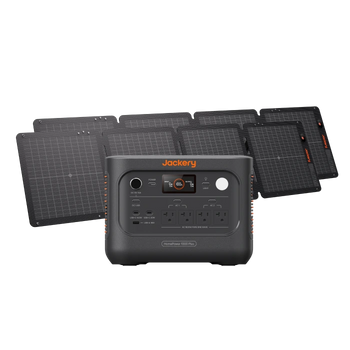
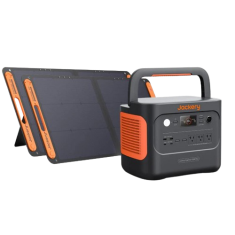
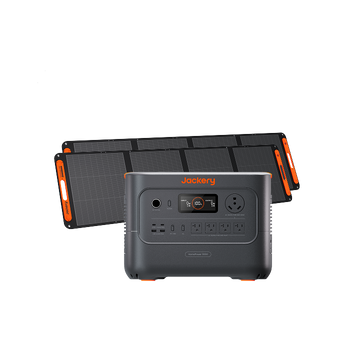
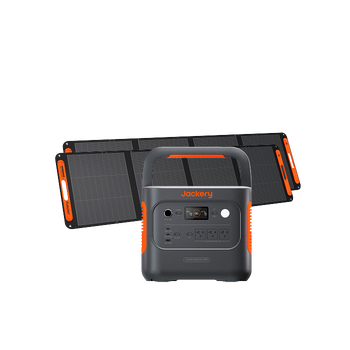
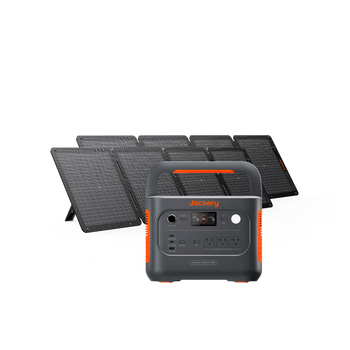
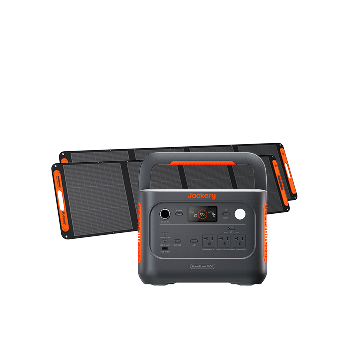
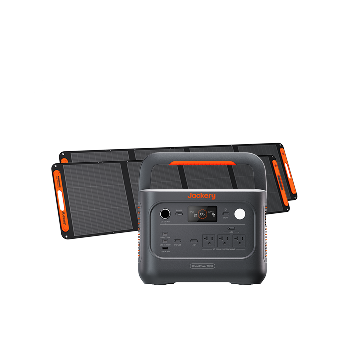
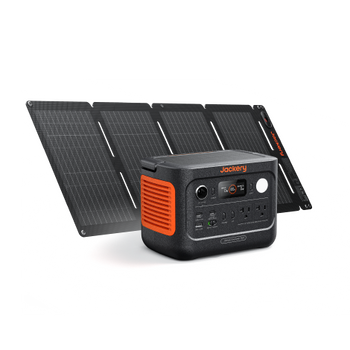
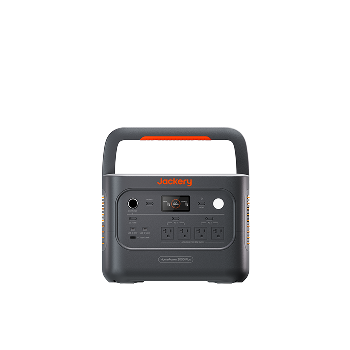
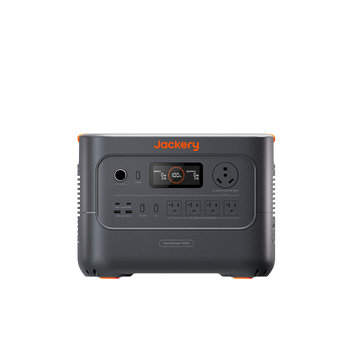
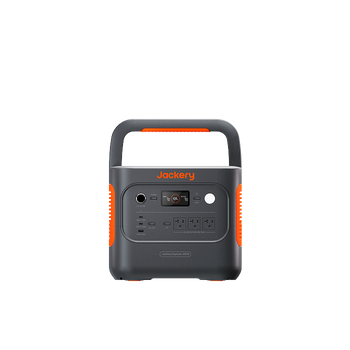
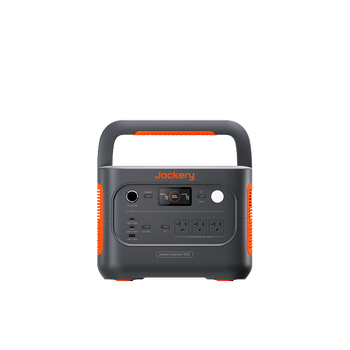
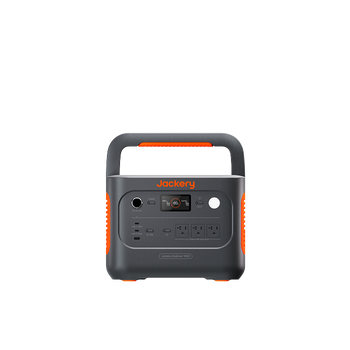
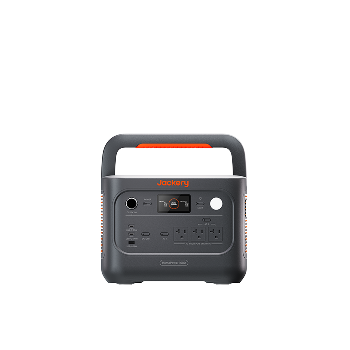
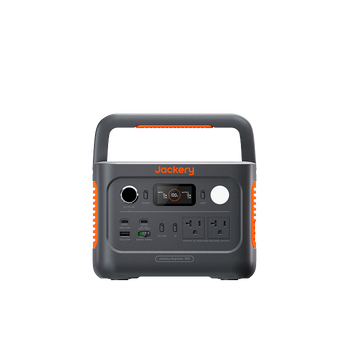
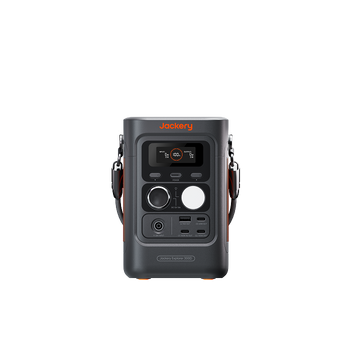
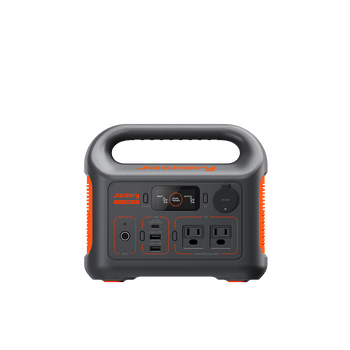
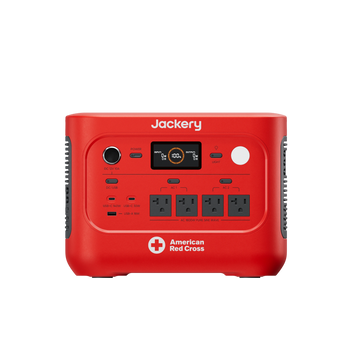
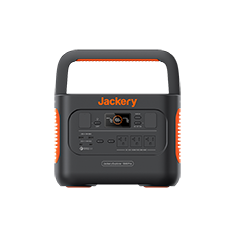
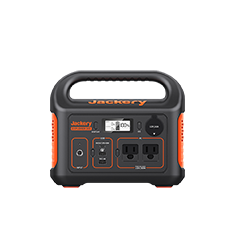
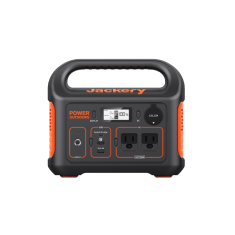
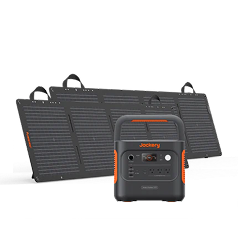
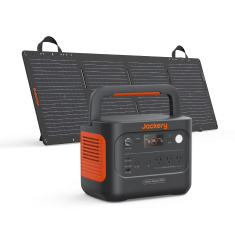
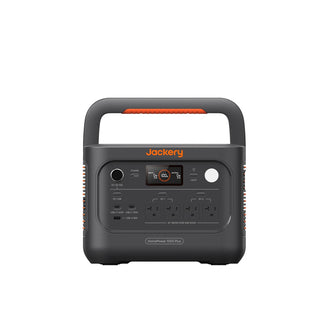
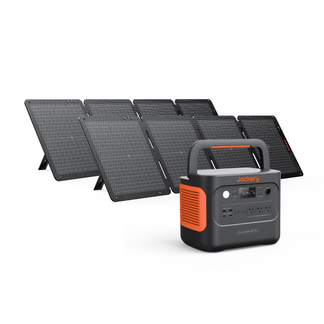
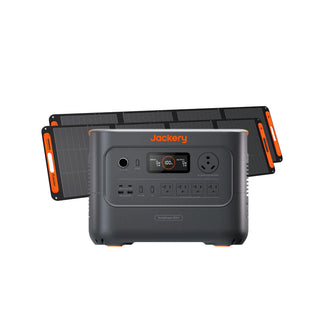
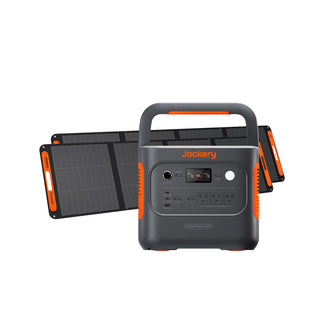
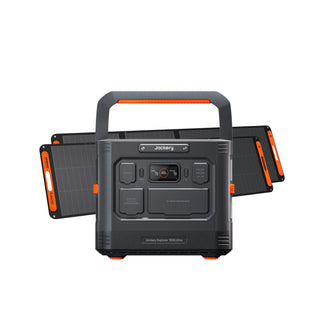
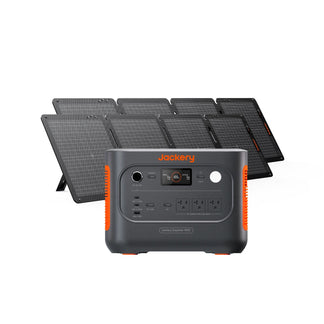
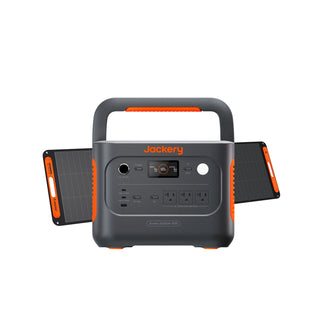
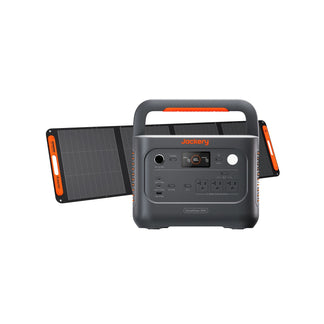
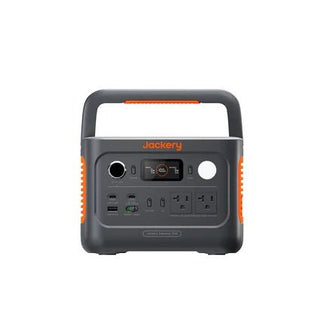
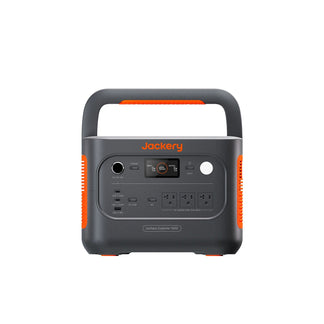
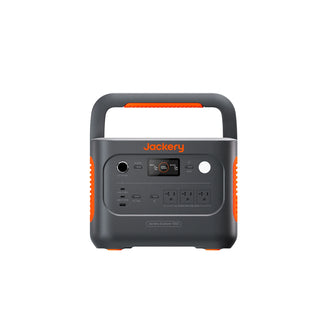
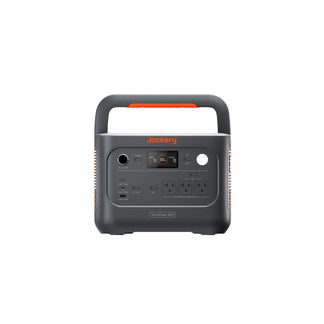
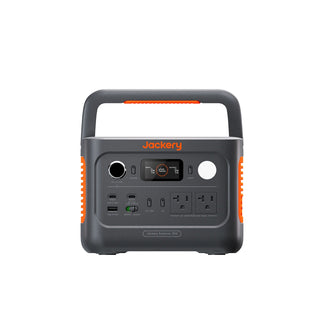
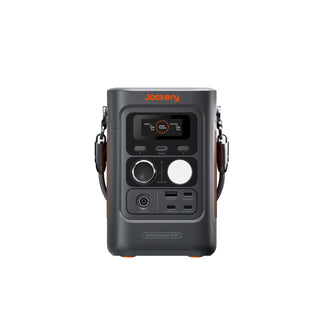
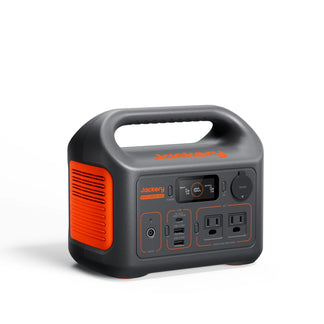
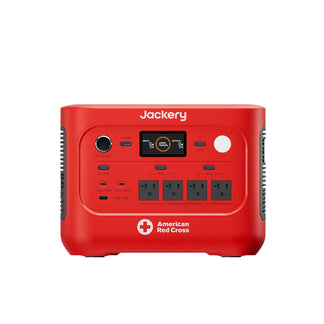
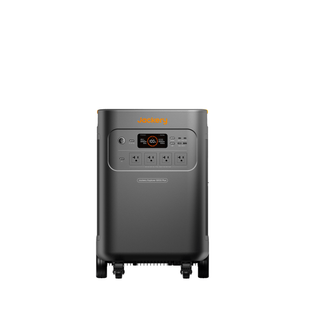
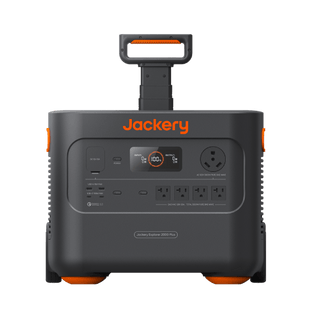
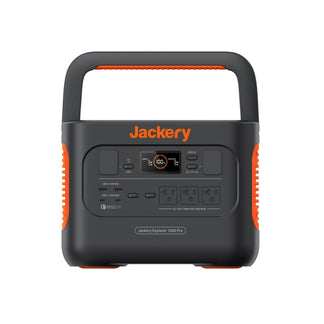
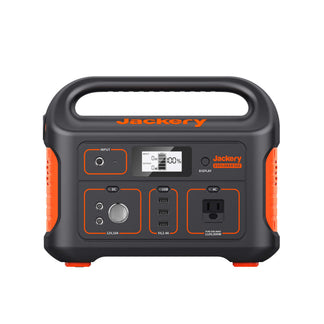
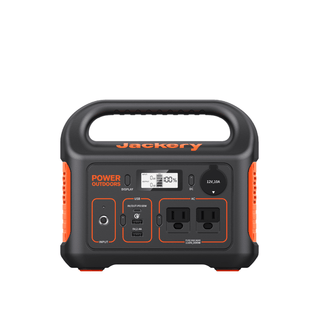
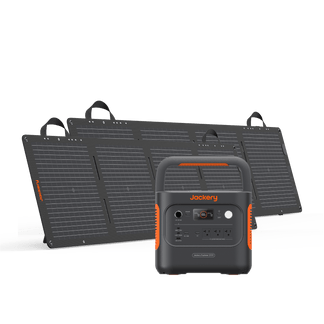
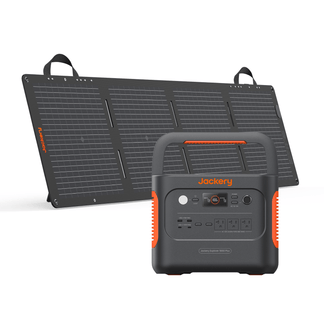
The compact Jackery Solar Generators are ideal solar battery backup solutions that can power most devices, such as phones, laptops, computers, lights, TVs, and more. For example, the Jackery Solar Generator 240 v2, Jackery Solar Generator 300 v2, and Jackery Solar Generator 600 v2 are purpose-matched to phone charging and light portable device use. These outdoor battery backups cover everything from a solo hiker's overnight trip to a multi-day family camping setup where several phones, tablets, and cameras need regular power.
Key Takeaways
- A standard 5W phone charger draws 5 watt-hours in one hour of charging. Modern fast chargers draw 25W to 65W, and ultra-fast options reach 100W or more.
- The average phone battery holds 10 to 18Wh. A full charge from a 5W charger takes 2 to 4 hours, whereas a 65W fast charger fills the same battery in 20 to 40 minutes.
- Phone charging contributes $2 to $5 per year to a typical US electricity bill, which is negligible at the household level but worth understanding for off-grid capacity planning.
- If you want to estimate how many phone charges a solar generator can deliver with Jackery Solar Generator, you can use the Running Time Calculator available on the Jackery Buying Guide page.
- Any solar generator with a USB-A or USB-C output can charge a phone. The choice between different solar generators depends on what else you need to run at the same time.
How Many Watts Does a Phone Charger Use?
Phone charger wattage spans a wide range, from 5W basic chargers to 100W ultra-fast adapters, and the right wattage depends on the phone model, charging protocol supported, and the cable used:
|
Charger Type |
Wattage |
Typical Use |
Full Charge Time (3,000mAh battery) |
|
Basic USB-A (5V/1A) |
5W |
Older smartphones, basic charging |
~3–4 hours |
|
Standard USB-A (5V/2A) |
10W |
Most standard chargers |
~2–3 hours |
|
Qualcomm Quick Charge 3.0 |
18W |
Android fast charging |
~1–1.5 hours |
|
Apple 20W USB-C |
20W |
iPhone 12 and later |
~1.5–2 hours |
|
USB-C PD 30W |
30W |
iPad, newer Android flagship |
~45–75 minutes |
|
USB-C PD 45W |
45W |
Samsung Galaxy S series |
~35–55 minutes |
|
USB-C PD 65W |
65W |
OnePlus, OPPO, Motorola fast charging |
~25–40 minutes |
|
USB-C PD 100W+ |
100W+ |
Ultra-fast proprietary systems |
~15–25 minutes |
Phone Charger Wattage by Brand
|
Phone Brand / Model |
Included Charger Wattage |
Maximum Supported Charging Wattage |
Fast Charging Protocol |
|
iPhone 15 / 15 Pro |
20W (sold separately) |
27W USB-C PD |
USB-C Power Delivery |
|
iPhone 14 |
20W (sold separately) |
20W USB-C PD |
USB-C Power Delivery |
|
iPhone 13 / SE |
5W or 20W (varies) |
20W USB-C PD |
USB-C Power Delivery |
|
Samsung Galaxy S24 Ultra |
45W |
45W |
Super Fast Charging 2.0 |
|
Samsung Galaxy S23 |
25W |
25W |
Super Fast Charging |
|
Samsung Galaxy A54 |
25W |
25W |
Super Fast Charging |
|
Google Pixel 9 Pro |
30W |
30W |
USB-C PD |
|
OnePlus 12 |
80W |
80W |
SUPERVOOC |
|
Motorola Edge+ (2024) |
68W |
68W |
TurboPower |
|
Xiaomi 14 Ultra |
90W |
90W |
Xiaomi HyperCharge |
Monthly Power Consumption by Charger Wattage
|
Charger Wattage |
Power Per Hour |
Daily Use (2 hours) |
Monthly Consumption |
Annual Consumption |
|
5W |
5Wh |
10Wh |
300Wh (0.3 kWh) |
3.65 kWh |
|
10W |
10Wh |
20Wh |
600Wh (0.6 kWh) |
7.3 kWh |
|
18W |
18Wh |
36Wh |
1,080Wh (1.08 kWh) |
13.1 kWh |
|
20W |
20Wh |
40Wh |
1,200Wh (1.2 kWh) |
14.6 kWh |
|
30W |
30Wh |
60Wh |
1,800Wh (1.8 kWh) |
21.9 kWh |
|
45W |
45Wh |
90Wh |
2,700Wh (2.7 kWh) |
32.9 kWh |
|
65W |
65Wh |
130Wh |
3,900Wh (3.9 kWh) |
47.5 kWh |
Note: Consumption figures assume the charger draws full rated wattage for 2 hours per day. In practice, fast chargers throttle wattage as the battery fills, so actual consumption is typically 20–30% lower than these figures for fast charging sessions.
How Much Does Phone Charging Cost Per Year?
Phone charging is among the least expensive daily electricity habits, but the exact annual cost varies by charger wattage and state electricity rate. Here is the annual cost of charging a phone with a 20W charger for 2 hours daily across major US states:
|
State |
Average Electricity Rate |
Monthly Cost (20W, 2H/day) |
Annual Cost |
|
California |
35.25¢/kWh |
$0.42 |
$5.08 |
|
New York |
29.45¢/kWh |
$0.35 |
$4.24 |
|
Texas |
16.99¢/kWh |
$0.20 |
$2.45 |
|
Massachusetts |
29.45¢/kWh |
$0.35 |
$4.24 |
|
Florida |
15.38¢/kWh |
$0.18 |
$2.21 |
|
Virginia |
17.38¢/kWh |
$0.21 |
$2.50 |
|
New Jersey |
23.53¢/kWh |
$0.28 |
$3.38 |
|
Maryland |
22.07¢/kWh |
$0.26 |
$3.18 |
|
Washington |
14.36¢/kWh |
$0.17 |
$2.07 |
|
US Average |
18.83¢/kWh |
$0.23 |
$2.71 |
Source: U.S. Energy Information Administration (EIA). Actual rates vary by utility provider and plan.
For most households, phone charging contributes $2 to $5 per year to the electricity bill. However, a household with 4 smartphones all using 65W fast chargers simultaneously draws 260W, which changes the calculation for solar generator sizing when all phones need power at once.
How Many Phone Charges Can a Solar Generator Deliver?
To calculate the number of full phone charges a solar generator can deliver, use this formula:
Number of Full Charges = (Solar Generator Capacity Wh × 0.85) ÷ Phone Battery Size (Wh)
Typical smartphone battery sizes:
- iPhone 15: ~13Wh
- iPhone 15 Pro Max: ~17Wh
- Samsung Galaxy S24: ~16Wh
- Samsung Galaxy S24 Ultra: ~22Wh
- Google Pixel 9 Pro: ~18Wh
Example: A 256Wh solar generator charging an iPhone 15 (13Wh battery): 256 × 0.85 ÷ 13 = approximately 16 full charges from a single cycle.
The runtime formula for continuous charger operation (useful when charging multiple devices simultaneously):
Runtime (hours) = Capacity (Wh) × 0.85 ÷ Combined Charger Wattage
If you want to calculate how long will a Jackery run phone or how many phone chargers a Jackery Solar Generator delivers, all you need to do is use the Running Time Calculator available on the Jackery Buying Guide page. Choose the Jackery product from the dropdown, and then enter the phone charger wattage. Click Enter and you will get the number of times the solar generator can provide full charges.
For Michelle Brown, a mother of two navigating the daily rhythm of commutes, doctor's appointments, and campus runs across New Jersey, a dying phone battery was never just an inconvenience. It was the loss of the one thread connecting her family across a busy day. That fear came to a head on a Manhattan train platform, watching her battery drop to single digits with an hour-long wait ahead and no way to tell her family when she'd be home. Michelle solved it by keeping a compact Jackery Portable Power Station on hand at all times, a habit that's carried through twelve years and multiple generations of Jackery devices, from the original Bolt and PowerBar to the units her kids now carry in their own bags. Explore more such Jackery Stories to see how these battery backups have become a reliable power source for people.
Jackery Solar Generators for Phone Chargers
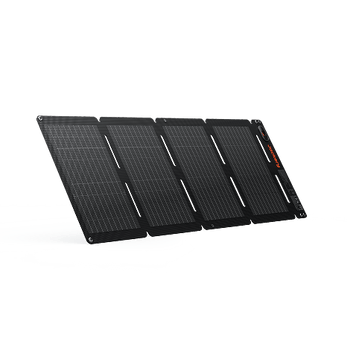
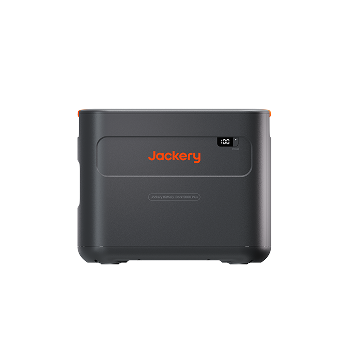
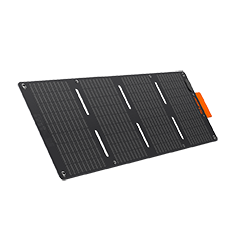
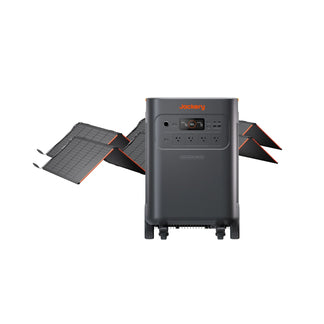
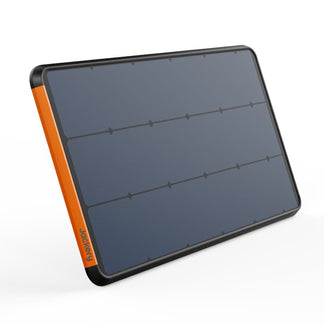
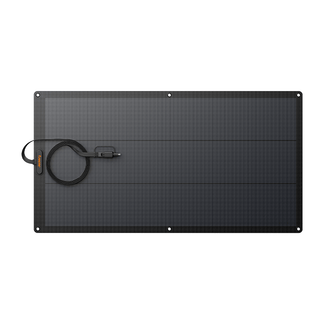
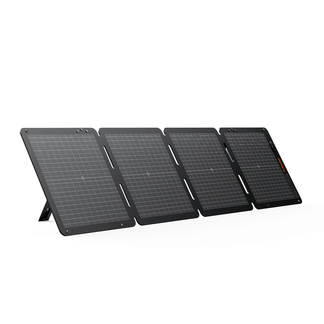
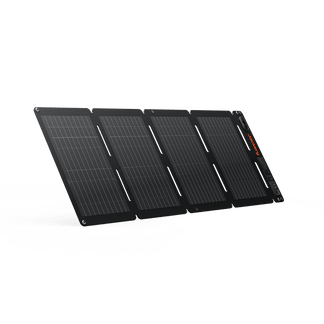
Jackery Solar Generators combine an LFP portable power station with Jackery SolarSaga Solar Panels, delivering clean, portable, zero-emission power for phone chargers and other electronic devices anywhere at a campsite, in a vehicle, during a power outage, or in any location without a wall outlet. Jackery Solar Generators include USB-A and USB-C output ports for direct phone charging, alongside AC outlets for charging via wall adapters. Since phone chargers have no startup surge, the only factors that matter when choosing a solar-powered phone charger are: total capacity (for how many charges), output port wattage (to match fast charger speeds), and whether you need to power other devices simultaneously.
Jackery Solar Generator 240 v2: Recommended Ultralight Option for Solo Phone Charging
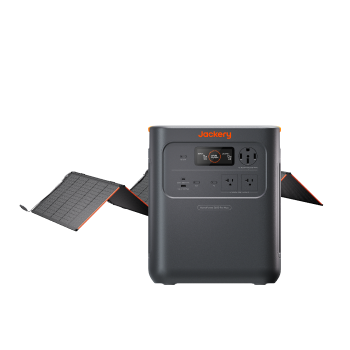
The Jackery Solar Generator 240 v2 is a compact and portable phone charger for travel, work, and everyday use. It is small enough to slide into a daypack and light enough to carry without effort. Its 256Wh LFP battery delivers approximately 9 full iPhone 15 charges or 8 Samsung Galaxy S24 Ultra charges per cycle, with dual USB-C ports supporting up to 100W output for the fastest supported charging speeds. The built-in AC outlet extends its use beyond phone charging to cameras, portable speakers, and small laptops. For a solo hiker, cyclist, or weekend camper whose primary power need is keeping one or two phones and a camera battery recharged, the Jackery Solar Generator 240 v2 covers multiple days without needing a recharge from the included solar panel.
Phone Full Charges Number
- iPhone 15 (~13Wh) = 9 full charge cycles
- iPhone 15 Pro Max (~17Wh) = 7.5 full charge cycles
- Samsung Galaxy S24 (~16Wh) = 8 full charge cycles
- Samsung Galaxy S24 Ultra (~22Wh) = 6 full charge cycles
- Google Pixel 9 Pro (~18Wh) = 7.5 full charge cycles
Who Should Buy This
The Jackery Solar Generator 240 v2 is ideal for solo travelers, day hikers, and minimalist campers who primarily need to charge one or two phones and a small device, and want the most compact solar generator that still includes an AC outlet and USB-C fast charging support.

Customer Review
Used for a weekend camping trip. powered air mattresses, charged 2 phones, and powered a projector to watch a movie all at an unpowered site. lasted the entire weekend with no recharge.
— Tyler C.
Jackery Solar Generator 300 v2: Recommended Entry-Level Option for Basic Phone Charging
The Jackery Solar Generator 300 v2 is designed for buyers whose primary need is keeping phones, tablets, and small electronics charged without the weight or cost of a larger unit. It can easily handle phone chargers, USB-A accessories, and low-draw electronics comfortably. Its compact, carry-anywhere form factor makes it the natural first solar generator for someone testing portable power for the first time, or for a traveler whose device kit is genuinely light. For camping trips where the device load is minimal, this compact solar generator can handle it without carrying unnecessary weight or spending on unused capacity.
Phone Full Charges Number
- iPhone 15 (~13Wh) = 10 full charge cycles
- iPhone 15 Pro Max (~17Wh) = 8.5 full charge cycles
- Samsung Galaxy S24 (~16Wh) = 9 full charge cycles
- Samsung Galaxy S24 Ultra (~22Wh) = 7 full charge cycles
- Google Pixel 9 Pro (~18Wh) = 8 full charge cycles
Who Should Buy This
The Jackery Solar Generator 300 v2 is ideal for first-time solar generator buyers, minimalist travelers, and campers who primarily need to charge one or two phones and USB-powered devices, and want the lowest-cost, lightest entry point into solar portable power.

Customer Review
Exactly what I needed to use in my home office where I do not have enough outlets. Plenty of reliable and steady power for my laptop. Lightweight and the solar panel is a great bonus.
— Linda D.M.
Jackery Solar Generator 600 v2: Recommended for Groups and Multi-Device Charging
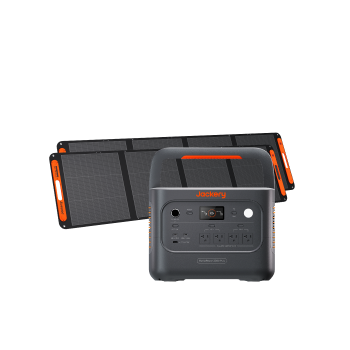
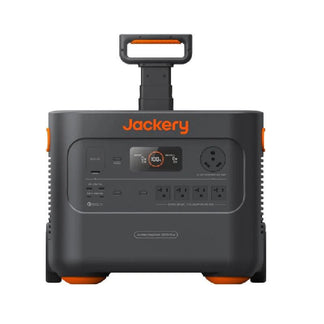
When the charging need grows beyond one or two phones and you want to charge four smartphones, a tablet, two pairs of wireless earbuds, and a camera battery simultaneously, the Jackery Solar Generator 600 v2 handles all of it at once without rationing what can charge and when. It can simultaneously power multiple USB-A and USB-C devices alongside an AC-connected laptop or camera charger, with enough remaining capacity that all four phones could be fully charged and still leave well over 50% of the battery for the night's LED lights and morning coffee maker. It supports 1-hour Emergency Rapid Charge mode, meaning the unit can be substantially replenished from a wall outlet in the time between arriving at a campsite and needing devices charged.
Phone Full Charges Number
- iPhone 15 (~13Wh) = 22.5 full charge cycles
- iPhone 15 Pro Max (~17Wh) = 19 full charge cycles
- Samsung Galaxy S24 (~16Wh) = 20 full charge cycles
- Samsung Galaxy S24 Ultra (~22Wh) = 16 full charge cycles
- Google Pixel 9 Pro (~18Wh) = 18.5 full charge cycles
Who Should Buy This
The Jackery Solar Generator 600 v2 is best suited for families, couples, and group campers who need to charge multiple phones, tablets, and accessories simultaneously, remote workers who need a phone charger alongside a laptop, and apartment renters who want a unit that covers phone charging, LED lighting, and router backup during a short outage.

Customer Review
Definitely a 5 star this is our 4th Jackery product. We have the 3000, 2000 plus and the extra battery for the 2000 and now the 600 v2. We got this to power our lights, a radio and charge our phones in our cabin. I would suggest the jackery solar generators big or small. They arrive fast and work without fail.
— Karon O.
FAQ About Phone Charger Wattage
How many watts does a phone charger use per hour?
A standard 5W charger draws 5 watt-hours in one hour of use. A 20W USB-C fast charger draws 20 watt-hours in one hour. However, fast chargers throttle power as the battery approaches full, so actual hourly consumption during a complete charging session is lower than the rated wattage suggests.
Does a phone charger use electricity when plugged in but not charging?
Yes, a phone charger uses electricity when plugged in but not charging but minimally. A phone charger plugged in with no device connected draws 0.1 to 0.5 watts of standby power, which is often called phantom load or vampire power. Over a full year with the charger always plugged in but unused, this adds approximately 0.9 to 4.4kWh of consumption.
How many times can a solar generator charge a phone?
This depends on both the solar generator's capacity and the phone's battery size. A 256Wh solar generator charges an iPhone 15 (13Wh battery) approximately 16 times. A 640Wh unit charges the same phone approximately 41 times per cycle. For a general estimation, you can use the formula: (Capacity × 0.85) ÷ Phone Battery Wh = Number of Charges.
Is a fast charger worth it for off-grid use?
Yes, a fast charger is worth it for off-grid use, but with a caveat. Fast chargers deliver more energy to the phone per minute, reducing the time the solar generator must supply power per charging session. A 20W charger fills an iPhone in 1.5 hours, whereas a 5W charger takes 3 hours, from the same stored battery capacity. The total energy consumed per full charge is similar, but faster charging sessions leave the solar generator available for other uses sooner. The caveat: ensure your solar generator's USB-C port supports the charger's wattage, or use an AC outlet with the wall adapter.
Conclusion
Phone chargers draw far less electricity than most household appliances, and their wattage ranges between 5W for a basic charger and 100W for the fastest ultra-fast adapters. However, understanding the exact wattage of your specific charger enables accurate solar generator sizing, electricity cost calculations, and off-grid capacity planning.
The Jackery Solar Generator 240 v2 covers solo travelers with its ultralight design and 16-plus iPhone charges per cycle. The Jackery Solar Generator 300 v2 is the most accessible entry point for basic phone and small device charging at the lowest weight and cost. And the Jackery Solar Generator 600 v2 handles groups, multi-device charging setups, and the transition from camping companion to home backup device with instant UPS protection and fast recharging built in.


![How to Make Your Phone Charge Faster [Ultimate Guide]](http://www.jackery.com/cdn/shop/files/how-to-make-your-phone-charge-faster-ultimate-guide-4941427.png?v=1786014949&width=90)


