















![[Add-on] Jackery Battery Pack 5000 Plus - Jackery](http://www.jackery.com/cdn/shop/files/add-on-jackery-battery-pack-5000-plus-6713401.webp?v=1786503068&width=324)













A phone charger typically draws between 1 and 5 amps, though the exact figure depends on the charger's wattage and which voltage it is operating at. Older or basic chargers generally draw 1-2 amps, standard modern chargers draw around 2-3 amps, and fast chargers using USB-C Power Delivery or Quick Charge can reach 3-5 amps during peak charging speed. Phone chargers have no startup surge, meaning they draw current smoothly from the moment they are plugged in.
Whether it is an outage, a camping trip, or you are just wondering how to charge your phone without a charger, a reliable solar power supply can keep your phone recharged. Jackery's compact solar generators are built around exactly this kind of small, steady electronics load. Phone chargers draw so little power relative to almost anything else in a home, meaning even Jackery's smallest solar generators can deliver a genuinely large number of full charges from a single battery, which makes matching a solar battery backup to a charging routine simple.
Key Takeaways
- Phone chargers draw 1-5 amps depending on wattage, with standard chargers around 1-2A and fast chargers reaching 3-5A during peak charging.
- The same phone charger can draw different amps, depending on the device it is connected to, since USB-C Power Delivery negotiates voltage and current specifically for each device.
- A cheap or damaged charging cable can affect the amps actually reaching your phone, even when the charger itself is rated for fast charging.
- Since phone chargers have no startup surge, even a compact power station comfortably covers the load. The real number that matters when choosing the portable power station is total battery capacity, since that determines how many full charges you get.

How Many Amps Does a Phone Charger Draw by Type?
Charger wattage and voltage together determine the actual amp draw. Since many modern chargers can operate at more than one voltage depending on the device, the same charger sometimes shows different amp figures in different situations.
|
Charger Type |
Wattage |
Typical Voltage |
Amp Draw |
|
Basic/Legacy Charger |
5W |
5V |
1A |
|
Standard Charger |
10-12W |
5V |
2-2.4A |
|
USB-C PD Charger (18W) |
18W |
9V |
2A |
|
USB-C PD Charger (30W) |
30W |
9V or 15V |
3.3A or 2A |
|
USB-C PD Charger (45W) |
45W |
9V or 15V |
5A or 3A |
|
USB-C PD Charger (65W) |
65W |
15V or 20V |
4.3A or 3.25A |
|
USB-C PD Charger (100W) |
100W |
20V |
5A |
How Many Amps Does a Wireless Charger Use Compared to a Wired Charger?
Wireless (Qi-standard) charging generally delivers lower amps than a wired connection at the same wattage rating, because some energy is lost in the process of transferring power magnetically between the charging pad and the phone rather than through a direct wired connection.
A 15W wireless charger, for instance, typically delivers noticeably less usable power to the battery than a 15W wired charger, due to that conversion inefficiency. It is commonly somewhere in the range of 10-20% less, depending on pad alignment and phone case thickness.
This is why wireless charging, while convenient, is usually the slower option even when the wattage numbers on the box look comparable to a wired charger.
How Many Amps Does a Phone Charger Draw on a Startup?
A phone charger is a small switched-mode power supply with no motor or compressor to overcome, so it draws current steadily from the moment it is plugged in, without any spike to account for. Startup amps and running amps are effectively the same number for any phone charger, regardless of wattage or brand.
Since the running amps and starting amps are the same in a phone charger, the running and starting watts are also the same. For more information about the exact power consumption of the phone charger, you can check our guide: How Many Watts is a Phone Charger.
How USB-C Power Delivery Actually Decides the Amps?
A modern USB-C charger does not draw a fixed number of amps. It changes with respect to whatever is plugged in, checking what voltage and current the connected device can safely accept, then settling on a combination that multiplies out to the charger's rated wattage. That's why a 45W charger might deliver 9V at 5A to one device and 15V at 3A to another. While both are equal to 45W, the amp figure changes based on what is on the other end of the cable.
This negotiation is also why plugging a phone into a laptop charger, or vice versa, does not automatically mean disaster or fast charging. The devices simply agree on whatever combination both sides support, which is often a slower and more conservative option than either device's maximum capability. Understanding this explains why the "amps" printed on a charger is the maximum value, and the actual current flowing depends on the conversation happening between the charger and the device every time you plug in.
Does Cable Quality Affect How Many Amps Does a Phone Charger Use?
Yes, the cable quality affects the amp consumption of a phone charger, and this is one of the most common reasons a fast charger does not actually deliver fast charging. USB cables have their own current ratings. A cheap or thin cable, especially older USB-A style cables not built for higher current, can cap out well below what the charger itself is capable of delivering.
A 65W charger paired with a cable only rated for 15W effectively becomes a 15W charger for practical purposes, regardless of what the brick itself says on the label. Certified cables with USB-IF certification markings are built with the wire gauge and internal chip needed to communicate current capability correctly and carry higher amperage safely.
If a phone seems to be charging slower than expected despite using a fast charger, the cable is one of the first things worth checking before assuming the charger or the phone's battery is at fault.
How to Calculate Your Phone Charger's Amps
If you want to calculate your phone charger's amperage (amps), you need to look at the small text printed directly on the charger block, convert wattage to amps using Ohm’s law, or use a power meter.
Method 1: Check the Label or User Manual
Locate the text block on your charger and find the word OUTPUT. Look for a number followed by a capital A or mA (e.g., 5.0V ⎓ 2.0A) to find your charger's amperage.
Method 2: Convert Wattage to Amps
If the charger lists Watts and Volts but not Amps, you can calculate it using Ohm's Law:
Amps = Watts ÷ Volts
For example, a 65W charger operating at 15V delivers:
65W ÷ 15V = 4.33 amps
Method 3: Use a Power Meter
USB Power Meters, such as a physical USB-C or USB-A inline meter, plug directly between your charger and your phone. It measures and displays the exact voltage (V) and current in amps (A) being drawn by your phone in real-time.
Method 4: Convert mA to A
Some older or smaller phone chargers list current in milliamperes (mA), and you can use the milliamps to amps (mA to A) conversion formula to calculate the amp value.
Formula: Amps = mA / 1000
Example: If your charger says 1000 mA:
1000 mA ÷ 1000 = 1 A
The phone charger’s output is 1 Amp.
How to Save on Phone Charging Electricity Costs
Charging a phone uses very little electricity, typically only about 3 to 10 kWh annually, which costs less than a few dollars a year. You can maximize this minimal efficiency by unplugging chargers when idle to eliminate "vampire draw," using smart plugs, and optimizing your device's power-saving modes.
Unplug the Charger: Do not keep the charger plugged in when it is not connected to a device. Many phone chargers draw a small amount of standby power even with nothing plugged in, and while it is a small figure individually, it adds up across every outlet in a house left charging nothing.
Use a Smart Power Strip with Auto-Shutoff: These smart power strips cut power to idle chargers automatically, which is a convenient way to eliminate standby draw without remembering to unplug each one manually.
Match the Charger to the Device Rather than Always Choosing the Highest-Wattage Option Available: An older phone that only supports 18W charging won't charge any faster on a 100W charger, so there is no efficiency benefit to using a far more powerful brick than the device needs.
Charge From Stored Solar Power When Possible: Since phone charging draws so little relative to a solar generator's capacity, it is one of the easiest loads to shift entirely off the grid, especially useful while traveling or during an outage.
Choose Wired Over Wireless When Speed or Efficiency Matters: Since wireless charging loses some energy in the transfer process, a wired connection generally charges faster and uses somewhat less total electricity to deliver the same amount of battery capacity.
Avoid Leaving a Phone on a Wireless Charging Pad Overnight: Beyond the modest efficiency loss, extended trickle charging overnight provides no real benefit once the battery reaches 100%, since the charger simply maintains that level rather than adding anything further.
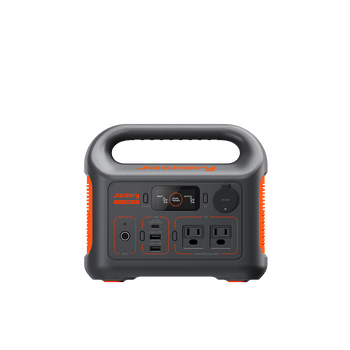
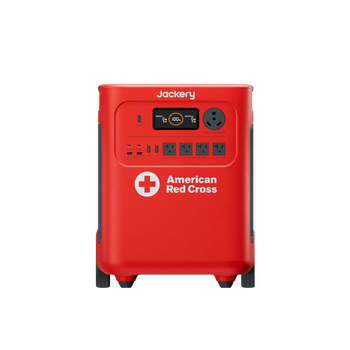
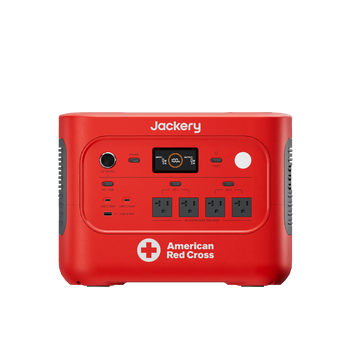
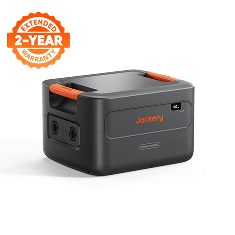
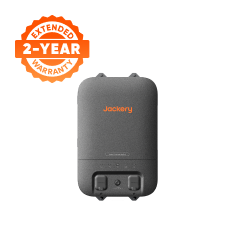
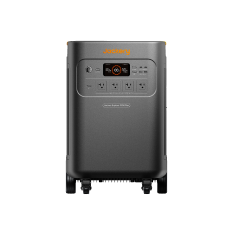
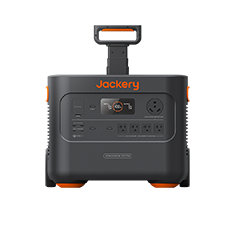
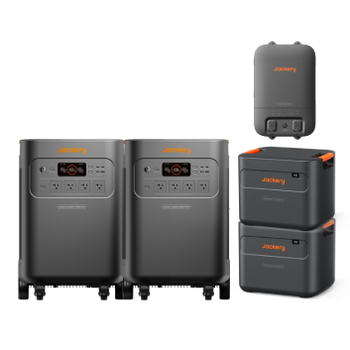
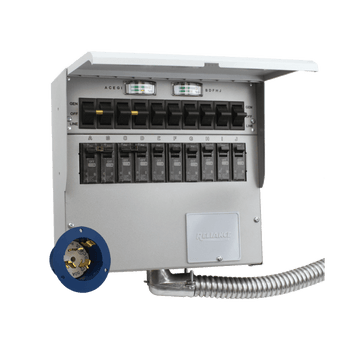
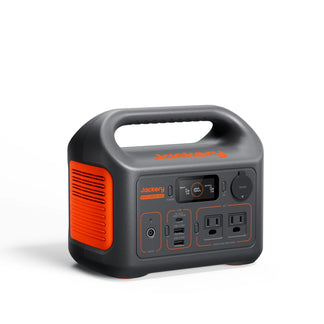
Richard Hart spent decades in air traffic control and emergency services before retiring to Tampa in 2013, and that career left him with one instinct: always have a backup plan. What began as a single Jackery Explorer 1000 for camping trips has grown into a full home system, dual Jackery Explorer 5000 Plus units, a Jackery Explorer 2000, and a Jackery Explorer 600 Plus, wired through a sub-panel that keeps his household running through any outage. During Hurricane Milton, a three-day blackout barely affected his routine. Even when he and his wife evacuated to a hotel, his phone stayed charged and connected the whole time, letting him track the storm and stay in touch with neighbors back home. You can check more Jackery Stories on how Jackery owners stay connected and prepared.
Recommended Jackery Solar Generators for Phone Charging
Keeping your phone charged is non-negotiable, whether you are off-grid, mid-outage, or hours from the nearest outlet. Jackery Solar Generator makes phone charging effortless in situations where a wall socket simply isn't an option, during a multi-day power outage, on a remote hiking or camping trip, while road-tripping in an RV, or in emergency preparedness kits for hurricanes, wildfires, and winter storms.
Unlike a basic power bank, a solar generator can charge multiple phones simultaneously alongside other essentials like laptops, walkie-talkies, or a WiFi router, making it practical for families or groups who need to stay connected together. Since phone charging draws relatively low wattage, even a compact solar generator can keep devices recharged for days on a single charge.
Here are some of the portable phone chargers for travel, work, and everyday use:
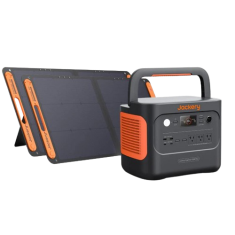
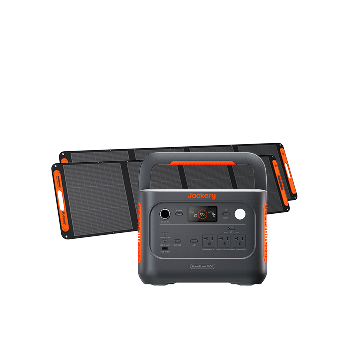
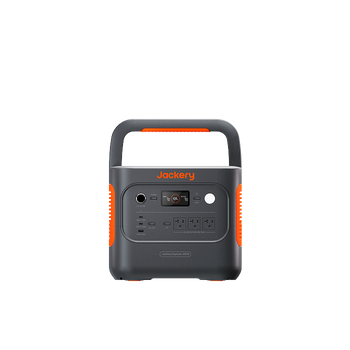
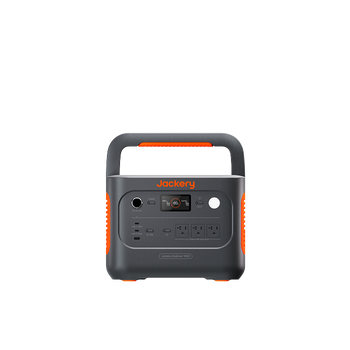
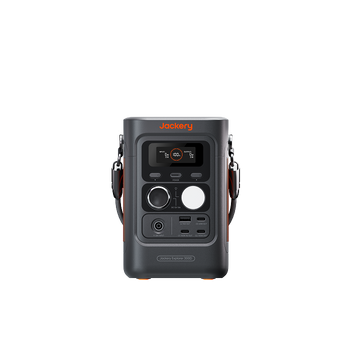
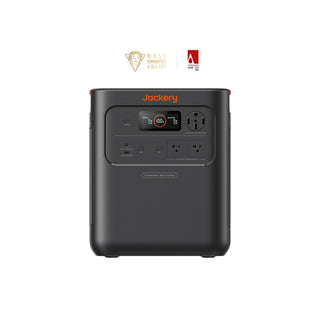
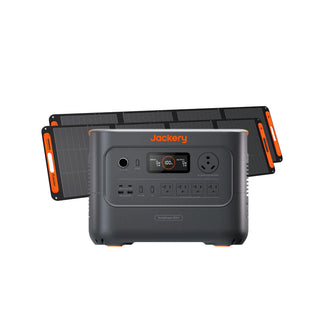
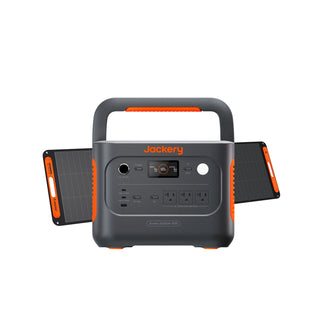
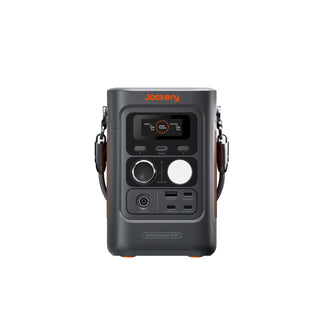
Jackery Solar Generator 240 v2
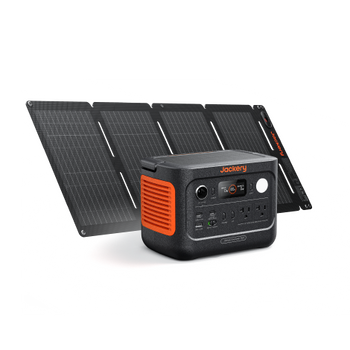
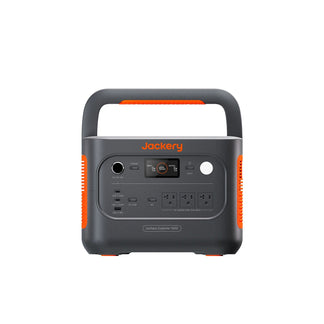
If your charging needs are mostly a single phone plus maybe a set of earbuds or a smartwatch, the Jackery Solar Generator 240 v2 is genuinely built for exactly this scale. It is compact enough to fit in a daypack without a second thought, and its high-wattage USB-C port can fast-charge a modern phone directly without any separate charger required. For a solo hiker, a commuter who wants backup for their phone during a long travel day, or anyone who just wants a small, dependable charging brick for basic devices, this is the ideal compact solar generator.
Appliances Running Time
- Phone (10W) = 10.5H
- Smartwatch (5W) = 14H
- Drone (60W) = 3.0H
- Speaker (10W) = 10.5H
- Camera (10W) = 10.5H
- Laptop (100W) = 1.9H
Who Should Buy This
The Jackery Solar Generator 240 v2 is ideal for individuals who mainly need to keep one phone (plus a couple of small accessories) charged through a day trip, commute, or short outage, without carrying anything bulkier than necessary.

Customer Review
Used for a weekend camping trip. powered air mattresses, charged 2 phones, and powered a projector to watch a movie, all at an unpowered site. Lasted the entire weekend with no recharge.
— Tyler C.
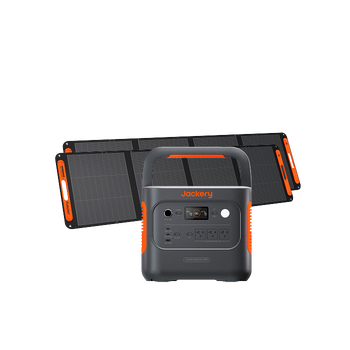
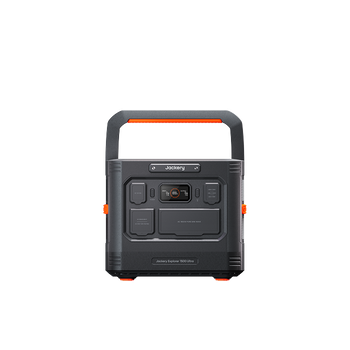
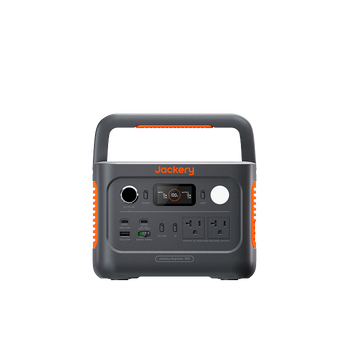
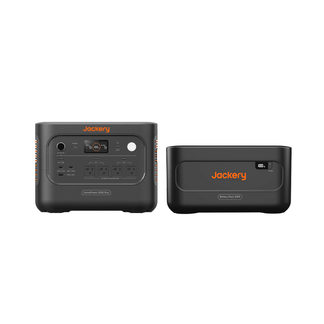
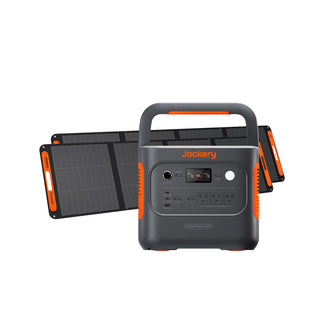
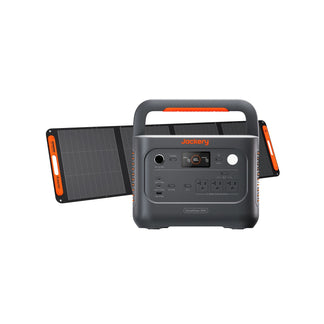
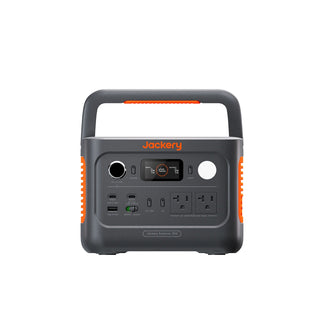
Jackery Solar Generator 300 v2
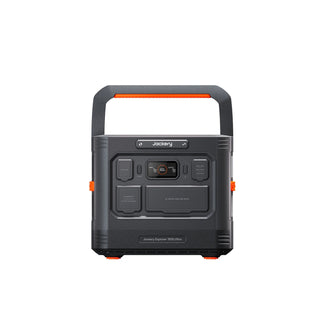
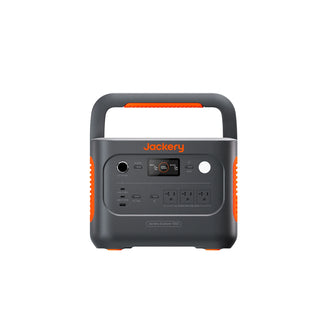
If you are a couple or a small family managing several phones, plus maybe a tablet or a set of walkie-talkies during a camping trip, the Jackery Solar Generator 300 v2 gives enough power to keep multiple devices recharged without constantly juggling what is plugged in. Its energy-saving mode is a genuinely practical advantage for phone charging specifically. It keeps power flowing to low-draw devices overnight without shutting off prematurely, which is exactly the scenario a phone charger left plugged in while everyone sleeps needs.
Appliances Running Time
- Phone (10W) = 11.8H
- Smartwatch (5W) = 15.7H
- Drone (60W) = 3.4H
- Speaker (10W) = 11.8H
- Camera (10W) = 11.8H
- Laptop (100W) = 2.1H
Who Should Buy This
The Jackery Solar Generator 300 v2 is an ideal solar-powered phone charger for couples, small families, or groups managing multiple phones and small devices at once, especially during weekend trips or short outages.

Customer Review
Exactly what I needed to use in my home office, where I do not have enough outlets. Plenty of reliable and steady power for my laptop. Lightweight and the solar panel is a great bonus.
— Linda D.M.
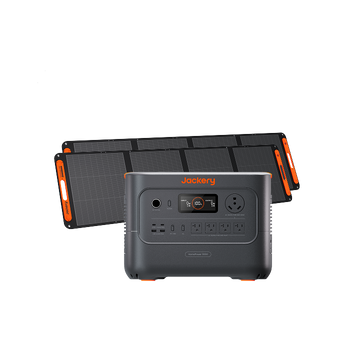
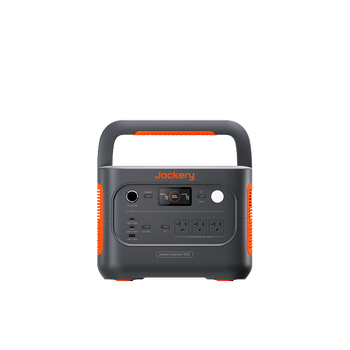
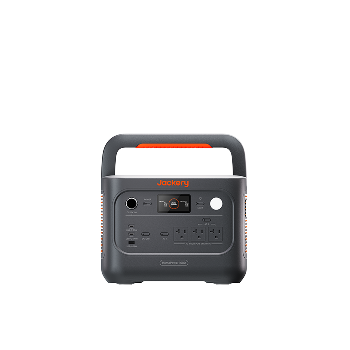
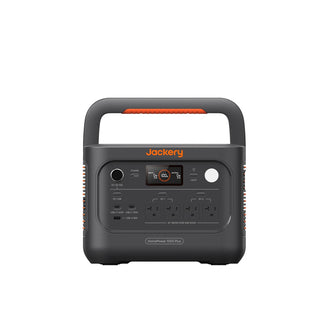
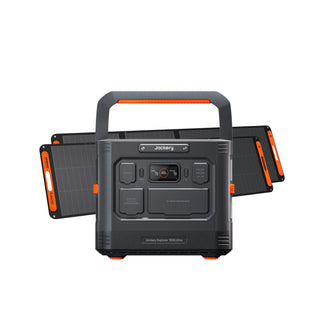
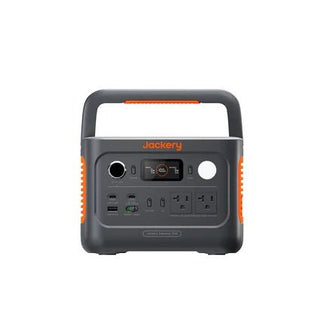
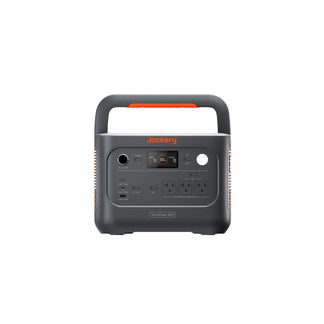
Jackery Solar Generator 600 v2
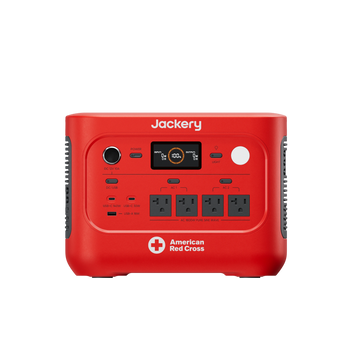
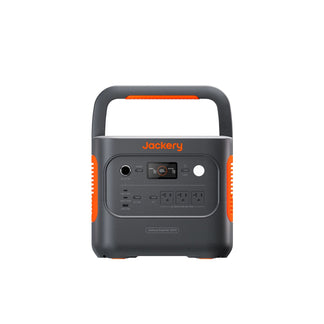
For a household that wants phone charging covered as part of a broader emergency kit and runs several phones, a router to keep the internet up, maybe a walkie-talkie set, and a headlamp all charging over the course of a multi-day outage, the Jackery Solar Generator 600 v2 provides enough real capacity to the essential appliances. It is still light enough to grab and go, so it is easy to transport anywhere you go and keep essentials powered.
Appliances Running Time
- Phone (10W) = 26.2H
- Smartwatch (5W) = 35.0H
- Drone (60W) = 7.5H
- Speaker (10W) = 26.2H
- Camera (10W) = 26.2H
- Laptop (100W) = 4.8H
Who Should Buy This
The Jackery Solar Generator 600 v2 is ideal for households building an actual emergency preparedness kit where phone charging is one piece of a larger plan, or anyone who wants a single compact unit capable of keeping an entire family's devices charged through a multi-day outage.

Customer Review
Definitely a 5 star this is our 4th jackery product. We have the 3000, 2000 plus and the extra battery for the 2000 and now the 600 v2. We got this to power our lights, a radio and charge our phones in our cabin. I would suggest the jackery solar generators big or small. They arrive fast and work without fail.
— Karon O.
FAQs About Phone Charger Amps
How is power shared across ports in multi-port phone chargers?
Multi-port USB chargers have a total wattage, and that capacity gets divided among whatever is plugged in at once. A 65W charger with two ports might deliver the full 65W to a single device using one port, but split closer to 45W and 20W (or some other combination, depending on the charger's internal logic) when both ports are in use simultaneously. This is why phones sometimes charge noticeably slower when a tablet or laptop is plugged into the same charging hub.
Is 2.4 amps enough to charge a phone?
Yes, 2.4 amps is the standard current most modern phones and small tablets are designed to accept, and it is noticeably faster than the 1A rating of older, basic chargers.
What's the difference between a 1-amp and a 2.1-amp charger?
A 2.1-amp charger delivers more than double the current of a 1-amp charger, which translates directly into faster charging. In other words, a 2.1A charger typically fills a phone significantly quicker than a 1A charger of the same voltage.
How many amps does a USB-C fast charger use?
USB-C chargers generally range from 1 to 5 amps, depending on wattage and the voltage negotiated with the connected device, with higher-wattage chargers (45W and above) capable of reaching the top of that range.
Does using a higher-amp charger than my phone needs damage the battery?
No, a higher-amp charger than your phone needs does not damage the battery as long as the charger and phone communicate properly (which modern USB-C and fast-charging protocols are designed to do). The phone itself limits how much current it draws, regardless of how much the charger is capable of supplying.
Why does my phone charge slower when plugged into a power strip with other devices?
If the devices share a multi-port charger rather than separate individual chargers, the total wattage gets divided among active ports, which can meaningfully slow down charging speed for each connected device.
Do I need a manufacturer-specific charger to fast-charge my phone?
Usually, you do not need a manufacturer-specific charger to fast-charge your phone. A standard USB-C PD charger will fast-charge most modern phones close to their maximum speed. A proprietary charger from the same brand as the phone may shave a few extra minutes off, but it's rarely a dramatic difference for everyday use. If you want to fast charge your phone without damaging the battery, read our guide on how to make your phone charge faster.
Conclusion
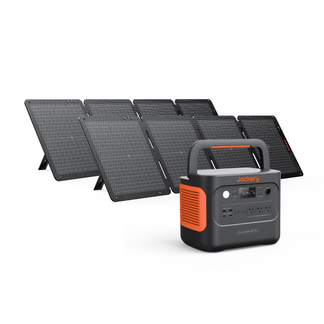
Phone charger amps draw shifts based on wattage, the voltage negotiated with the connected device, and even the cable quality between the charger and the device. Understanding that negotiation explains most of the "why is my fast charger not actually fast" confusion people run into. If you want to keep your phone charged no matter what the grid or the nearest outlet is doing, you can consider investing in the Jackery Solar Generators. The various sizes of solar generators available match different scales of need, from a single phone on the go to a full household's worth of devices during a multi-day outage.


![How to Make Your Phone Charge Faster [Ultimate Guide]](http://www.jackery.com/cdn/shop/files/how-to-make-your-phone-charge-faster-ultimate-guide-4941427.png?v=1786014949&width=90)

