



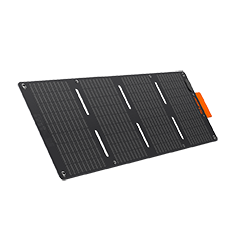



![[Add-on] Jackery SolarSaga 500 X - Jackery](http://www.jackery.com/cdn/shop/files/add-on-jackery-solarsaga-500-x-1493607.webp?v=1786503068&width=324)
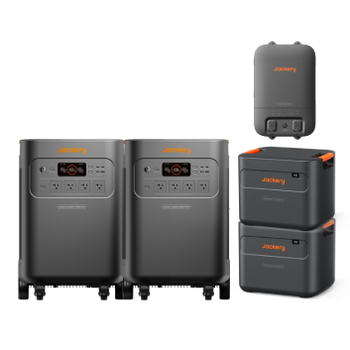
![[Add-on] Jackery Battery Pack 5000 Plus - Jackery](http://www.jackery.com/cdn/shop/files/add-on-jackery-battery-pack-5000-plus-6713401.webp?v=1786503068&width=324)





![[Add - on] SolarSaga 200W - Jackery](http://www.jackery.com/cdn/shop/files/add-on-solarsaga-200w-4834329.png?v=1754016915&width=324)


Winter electricity bills often double overnight, and supplemental heating is the usual suspect. For renters dealing with drafty windows or RV owners trying to conserve propane, a radiator heater offers a solution, but the fear of bill shock remains.
You don't need to freeze to save money. A standard radiator heater costs roughly $0.22 per hour to run on high, but smart usage can cut that cost significantly. Understanding the math behind these devices turns a scary bill into a manageable expense. This guide breaks down the exact costs, efficiency tactics, and safety requirements to keep your home warm without draining your wallet.
Radiator Heater Wattage and Power Consumption
Most portable radiator heaters draw 1,500 Watts on their highest setting. To control costs, understanding this specific power draw is key. These devices typically feature two or three heat settings:
- High Setting: Draws 1,500 Watts.
- Low Setting: Typically draws 750 Watts.
Unit Conversion and Load
1,500 Watts equals 1.5 kilowatts (kW). Electricity is billed in kilowatt-hours (kWh), making this a high-load device. A radiator heater draws significantly more power than a large refrigerator or a 65-inch television. This 1.5 kW load is comparable to running a hair dryer continuously.
The Cycling Factor
Oil-filled radiators operate on a 50% to 75% duty cycle, unlike ceramic fan heaters. They do not draw maximum power continuously. Once the oil inside the unit reaches the desired temperature, the heating element shuts off while the hot oil continues to radiate warmth. This thermal cycling means a 1,500 W radiator heater might only draw power for 30 to 45 minutes of every hour it is turned on, drastically reducing actual consumption compared to fan-forced units that stop heating the second the power cuts.
How to Calculate Operating Costs
Calculating your bill requires a simple formula using the heater's wattage, hours of use, and local electricity rate.
The Formula: (Wattage ÷ 1,000) × Hours of Use × Electricity Rate (kWh) = Total Cost
Finding Your Local Rate
Electricity rates vary wildly by region, so avoid relying on national averages. Check your latest utility bill or consult the U.S. Energy Information Administration (EIA) for current data. For the calculations in this guide, we use a baseline of $0.15 per kWh.
Calculation Example
Running a 1,500 W radiator heater for 8 hours a day results in the following cost:
- Convert to kW: 1,500 ÷ 1,000 = 1.5 kW.
- Calculate Daily kWh: 1.5 kW × 8 hours = 12 kWh (assuming continuous running).
- Calculate Cost: 12 kWh × $0.15 = $1.80 per day.
Real-World Adjustment
The calculation above assumes the heater runs non-stop, but oil-filled radiators cycle on and off. If the thermostat activates the heating element for only 4 hours out of that 8-hour period (a 50% duty cycle), your cost drops to $0.90 per day.
Tools for Precision
Using a smart plug or dedicated energy meter provides the most accurate cost measurement. These devices track the exact kWh consumed over 24 hours, accounting for every time the radiator heater thermostat clicks off.
Regional Cost Variations Across the United States
Your geographic location dictates your heating strategy, as rates differ significantly. A homeowner in California pays significantly more per hour of heat than someone in Louisiana.
Rate Disparity
Electricity rates in New England or California can exceed $0.30/kWh, doubling the operating cost compared to the Midwest or South. If you live in a high-cost region, reliance on electric resistance heating should be limited to strictly occupied zones to avoid excessive bills.
Time-of-Use (TOU) Plans
Running a radiator heater during off-peak hours can cost 30% less than peak hours. Many utilities offer Time-of-Use plans where electricity is cheaper usually late at night to early morning. Check your utility provider's schedule to optimize usage, as running a heater in a bedroom overnight is often cheaper than running it during peak evening hours (4 PM – 9 PM).
Estimated Monthly Costs by Climate Zone
The following table estimates costs for running a 1,500 W heater for 8 hours daily (assuming 75% active running time due to cold weather).
|
Region |
Avg. Rate (kWh) |
Daily Cost |
Monthly Cost (30 Days) |
|---|---|---|---|
|
South / Midwest |
$0.12 |
$1.08 |
$32.40 |
|
National Average |
$0.16 |
$1.44 |
$43.20 |
|
Northeast / CA |
$0.28 |
$2.52 |
$75.60 |
Efficiency of Oil-Filled Radiators vs. Fan Heaters
Choosing the right type of electric heater impacts both comfort and cost. Not all units behave the same way regarding energy consumption.
Oil-Filled Radiators
Oil-filled units are best for heat retention and long-term heating. The diathermic oil inside acts as a thermal reservoir. Even after the thermostat clicks the power off, the radiator heater remains hot for 20–30 minutes, maintaining room temperature without using electricity.
- Best Use: Bedrooms, home offices, and long-term heating.
- Advantage: Silent operation and steady ambient warmth.
Fan-Forced Heaters
Fan heaters provide instant heat but stop warming the room the moment they power down. Because the air cools rapidly, the thermostat triggers the unit to turn back on more frequently than an oil-filled unit.
- Best Use: Quick warmth in a bathroom or drafty garage.
- Disadvantage: Rapid cool-down leads to higher energy consumption for long-term use.
Infrared Heaters
Infrared units heat objects and people directly rather than the air. They are highly efficient for personal warmth in a large, cold room (like a warehouse or uninsulated basement) but are ineffective at raising the ambient temperature of a bedroom.
Strategic Zone Heating to Lower Energy Bills
Zone heating involves heating only the room you are occupying while lowering the central thermostat for the rest of the house.
Zone Heating Mathematics
Running a single radiator heater in your bedroom draws only 1,500 Watts, whereas a central electric furnace often requires 10,000 to 15,000 Watts. If you lower your central heat by 10 degrees at night and use a portable unit in the master bedroom, the savings on the central system far outweigh the cost of the smaller device. You can learn more about how to save money on heating bill with zoning to refine this strategy effectively.
RV and Small Spaces
Oil-filled radiators are often preferred over propane furnaces for RV owners needing overnight heating. They are silent and provide consistent heat without the scorched air feeling of forced induction systems.
-
Sizing Rule: You generally need 10 Watts of heating power per square foot of space. A 1,500 W heater effectively warms a 150-square-foot room.
Factors Influencing Your Final Bill
The environment determines how hard a heater works, which is just as important as the heater's wattage.
Insulation Quality
Drafty windows and unsealed doors prevent the radiator heater from reaching its target temperature. If cold air constantly leaks in, the unit will run continuously at 1,500 Watts, bypassing the cost-saving cycling phase entirely.
Thermostat Discipline
Lowering the setting by just one degree makes a noticeable difference in monthly costs. Setting your heater to 75°F instead of 68°F can increase energy usage by over 20%.
Outdoor Temperature
The Delta T (difference between indoor and outdoor temperature) dictates energy consumption. When outdoor temperatures drop to extreme lows, the radiator heater must work harder to maintain the gap, reducing the time it spends in off mode.
Smart Features
Modern units with programmable timers and eco-modes prevent waste. An eco-mode often limits the heater to low wattage (750 W) and cycles more aggressively to save power.
Safety and Electrical Requirements
A 1,500 W radiator heater draws approximately 12.5 Amps, creating a significant load on household circuits. Most standard household circuits are rated for 15 Amps.
Circuit Load
Dedicate the circuit to the heater while it is in use. Avoid sharing the outlet. Plugging a heater into the same circuit as a vacuum cleaner, laser printer, or window AC unit will likely trip the breaker.
Plug Safety
Always plug a radiator heater directly into the wall outlet.
- Never use extension cords.
- Never use power strips. Most extension cords are not rated for the sustained high heat and current draw of a space heater, creating a significant fire hazard.
Emergency Backup Power
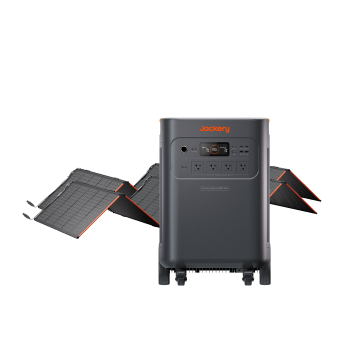
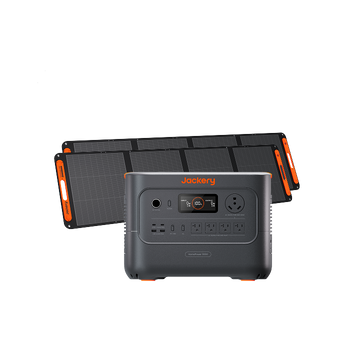
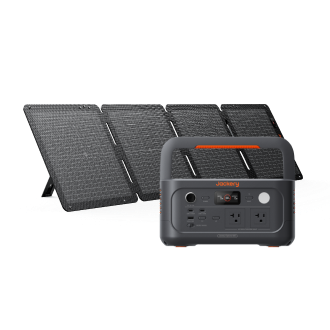
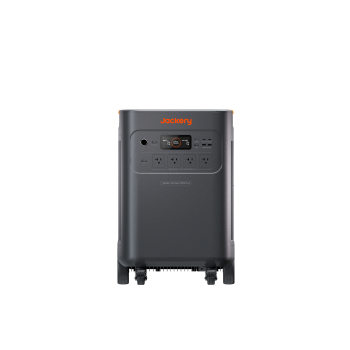
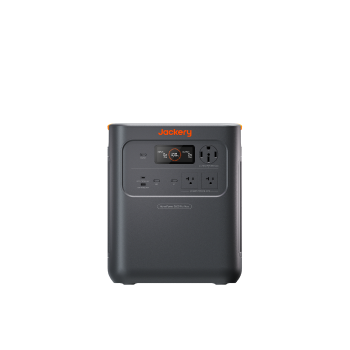
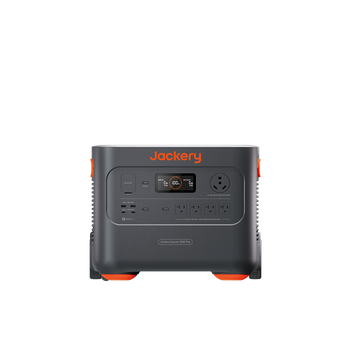
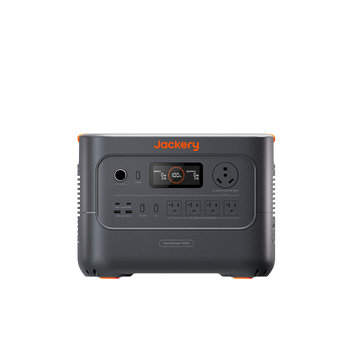
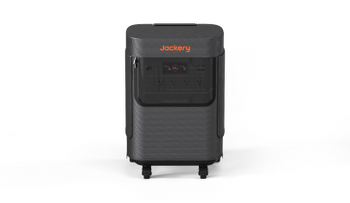
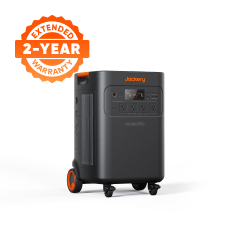
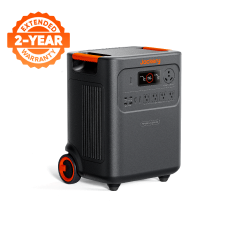
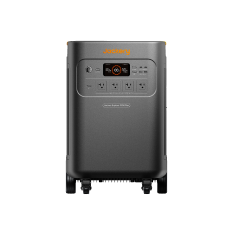
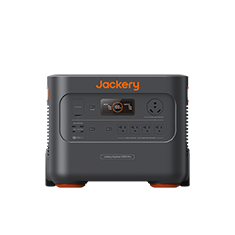
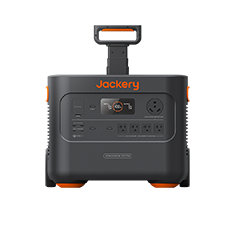
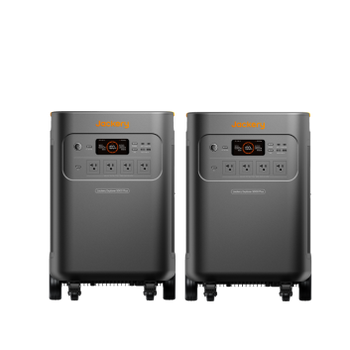
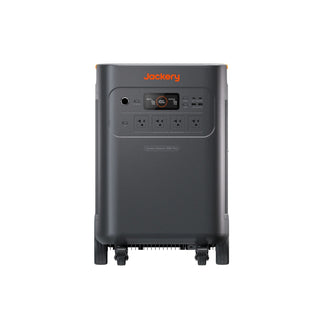
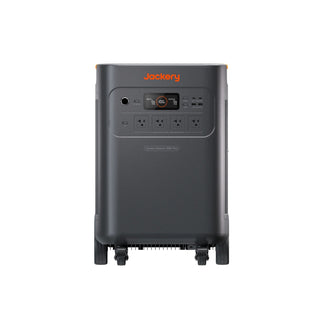
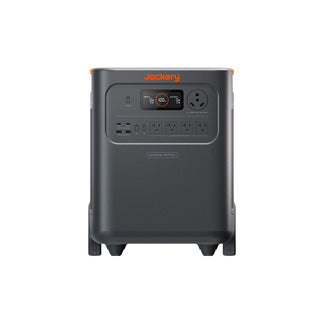
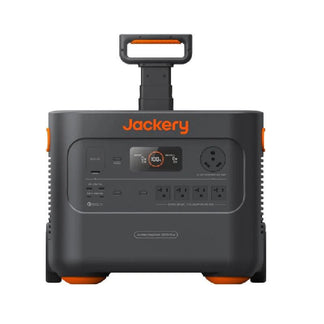
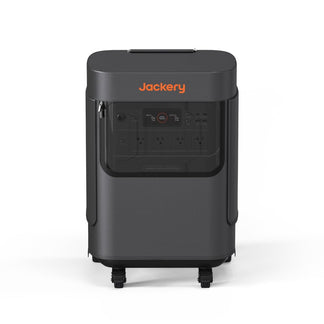
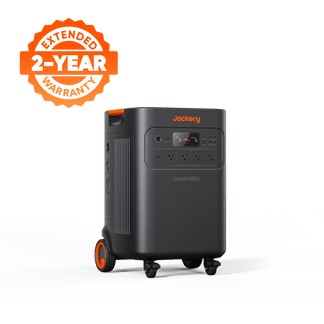
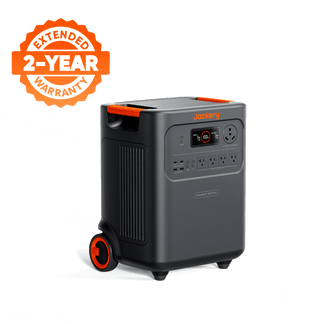
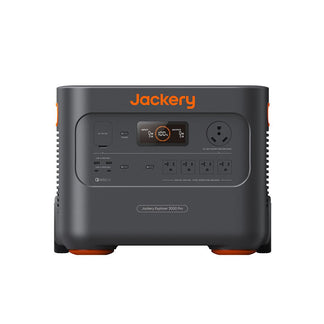
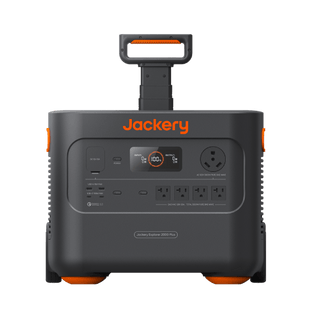
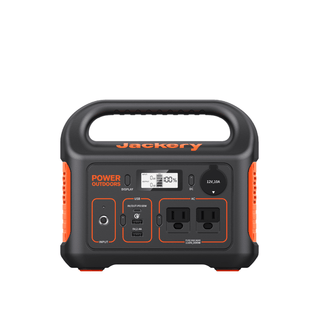
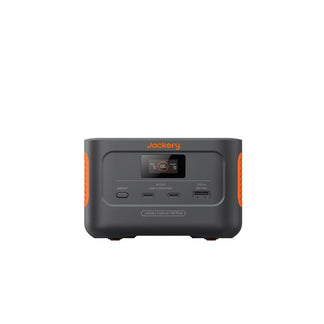
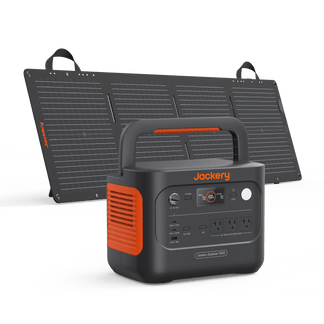
Standard power banks cannot handle the 1,500 W draw of a heater during a power outage. To run a radiator heater during an outage, you need a high-output system like the Jackery Explorer 5000 Plus, which offers a massive 5040Wh capacity and 7200W output. This unit easily handles the continuous AC output required to run a 1,500 W heater safely for sustained periods. Always check that the continuous output rating of any generator exceeds the heater's maximum draw.

Practical Buying & Use Advice
Prioritize safety and control over the lowest sticker price when selecting a radiator heater.
Safety First
Look for the UL or ETL certification mark on the box to ensure the unit has passed rigorous safety testing. Essential safety features include:
- Tip-over switch: Shuts the unit off if it is knocked over.
- Overheat protection: Cuts power if internal components get too hot.
Essential Features
Choose a model with a digital thermostat rather than a simple dial. A digital setting allows you to select a precise temperature (e.g., 68°F), whereas a dial is a guessing game that often leads to overheating and wasted energy. Programmable timers are also vital; set the heater to turn off automatically 30 minutes before you leave for work.
Test Run
Measure actual usage before committing to using a heater all winter. Buy a simple watt meter, plug the heater into it, and run it for 24 hours in your target room. This gives you a precise daily cost prediction based on your specific insulation and comfort preferences.
Efficiency Combo
Pair your heater with passive efficiency tools like draft stoppers and thermal curtains. These inexpensive additions keep the heat inside, allowing the radiator to cycle off more frequently. For more tips on reducing consumption, read about how to cut your electric bill significantly to see how passive methods compound savings.
Frequently Asked Questions
How much does running a 1,500 W heater cost per hour?
Running a 1,500 W heater on high costs approximately $0.22 per hour at an average electricity rate of $0.15/kWh. If the thermostat cycles the unit off for half the time, the cost drops to roughly $0.11 per hour.
Is a radiator heater cheaper than central heat?
Yes, but only if used for zone heating. Heating a single room with a radiator heater while turning down the central thermostat is cheaper than heating the entire house. If you keep the central heat high and run space heaters, your bill will increase.
Can I run a space heater on a solar generator?
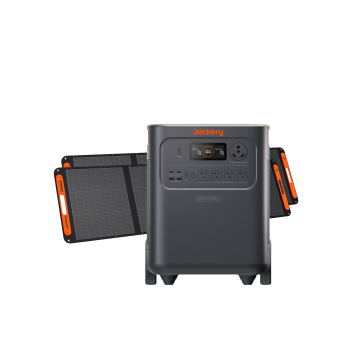
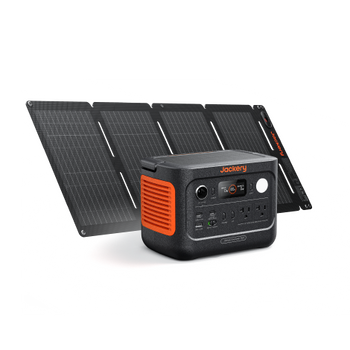
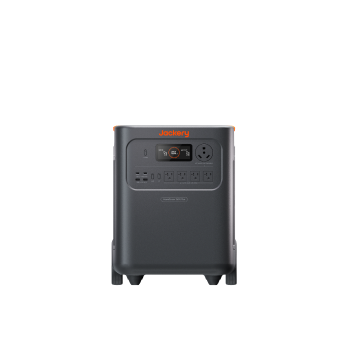
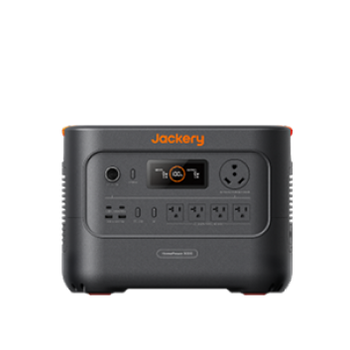
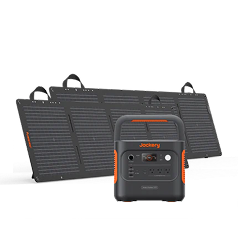
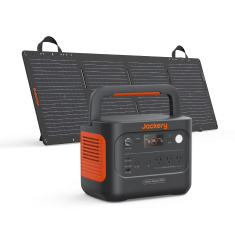
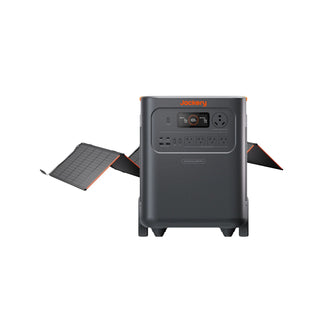
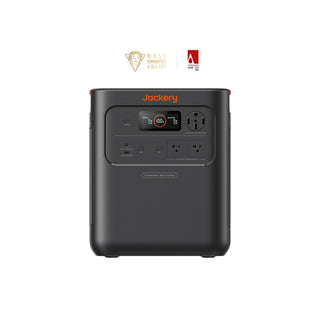
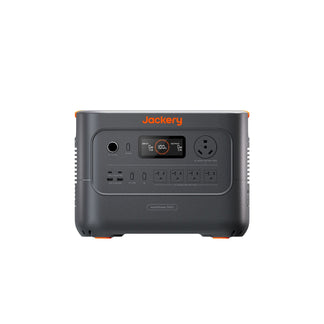
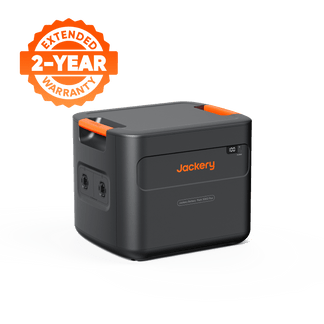
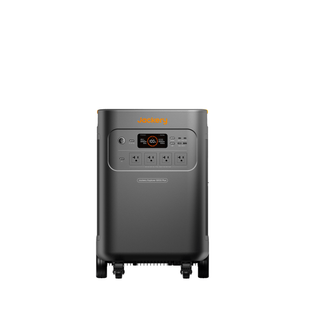
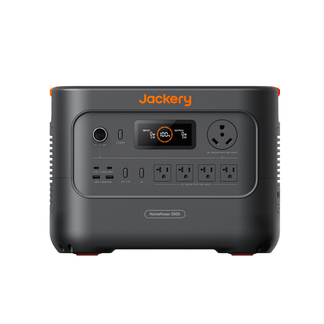
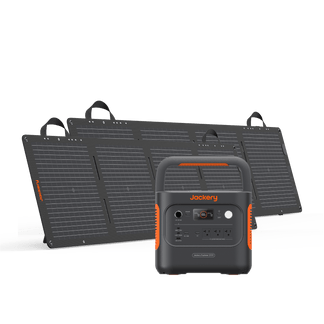
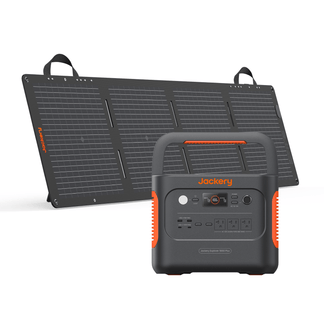
Yes, but it requires a high-output unit like the Jackery Solar Generator HomePower 3600 Plus. Small batteries will drain in minutes, but the Jackery Solar Generator HomePower 3600 Plus features a 3600W output and 3584Wh capacity to handle the 1,500 W surge and run the heater for a useful duration.
Conclusion
Radiator heaters are cost-effective tools for staying warm, provided you respect the math behind them. They are not magic; they are high-load appliances that require strategic use. By utilizing zone heating, sealing drafts, and monitoring your usage with smart plugs, you can maintain a comfortable home without fear of the next utility bill.
Combine smart usage habits with proper safety checks. Verify your electrical circuits, avoid extension cords, and consider reliable backup solutions for emergencies. With the right approach, you can keep the cold out and your savings intact.


