















Running a heat pump costs $700 to $1,800 per year for a typical 2,000 sq. ft. home, which averages out to $60 to $150 per month over a 12-month period. The exact heat pump cost to run depends on the system's actual electrical consumption, how many hours it operates, and your local electricity rate. Unlike a resistance heater, a heat pump does not convert every watt of electricity directly into heat. Instead, it transfers heat, so its heat output is not equal to its electrical input the way a space heater is.
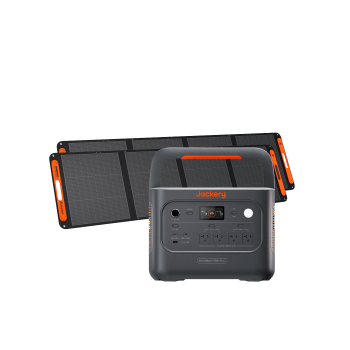
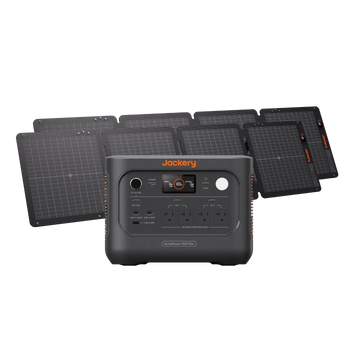
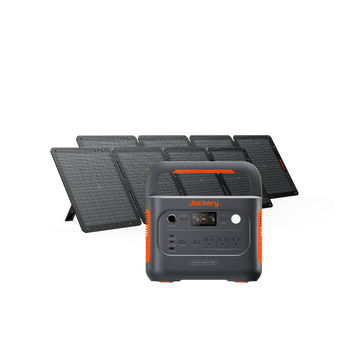
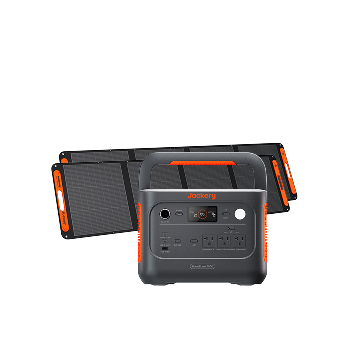
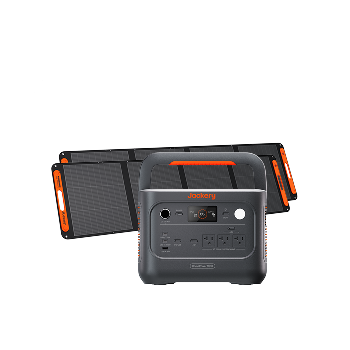
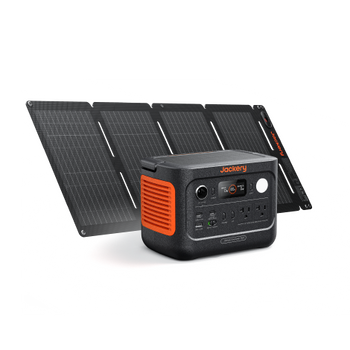
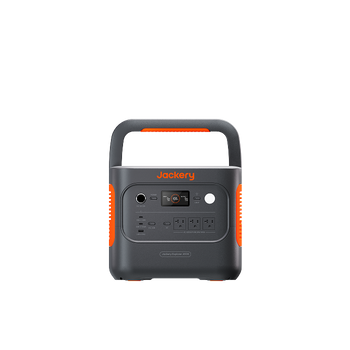
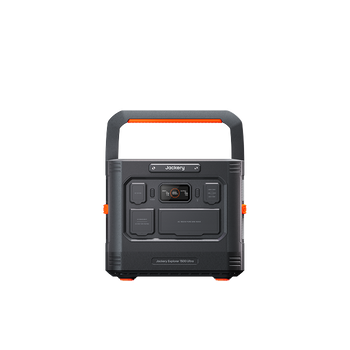
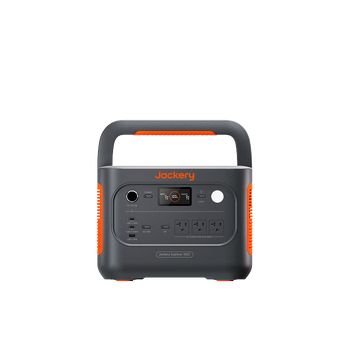
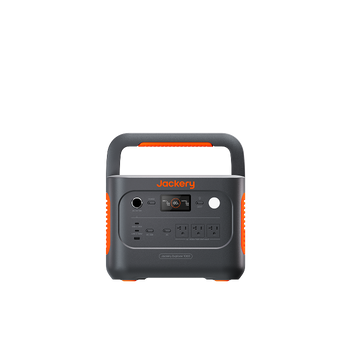
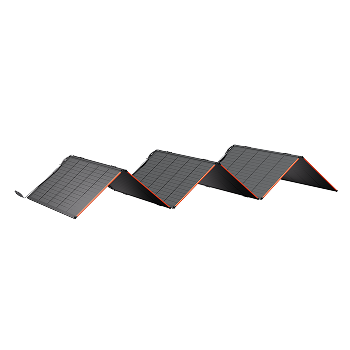
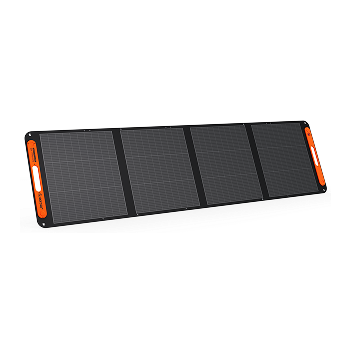
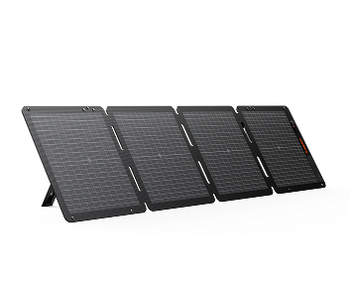
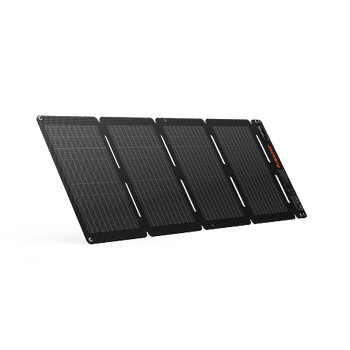
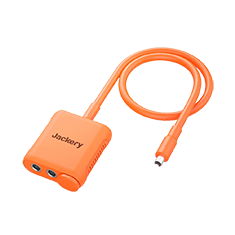
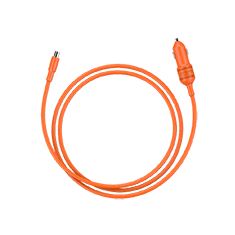
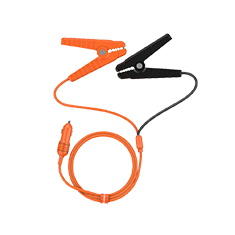
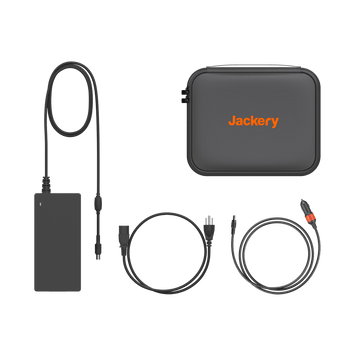
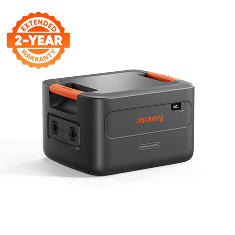
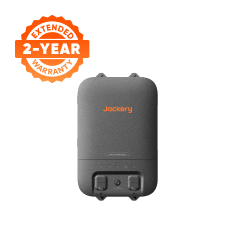
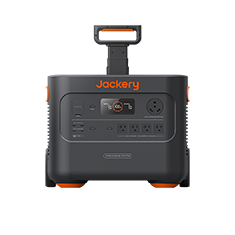
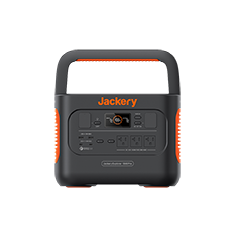
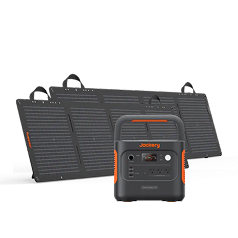
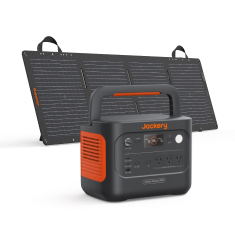
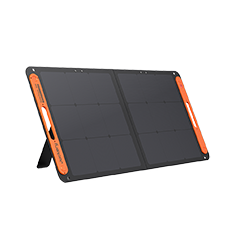
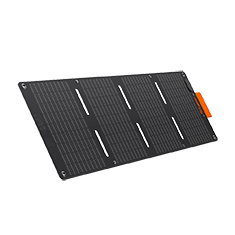
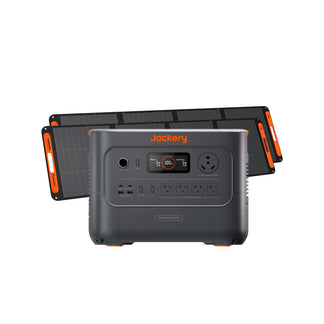
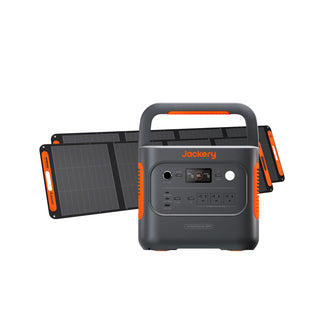
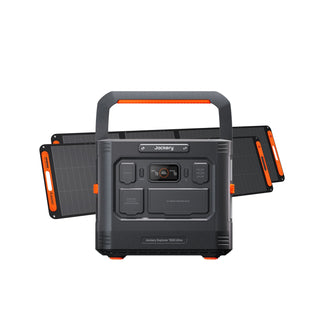
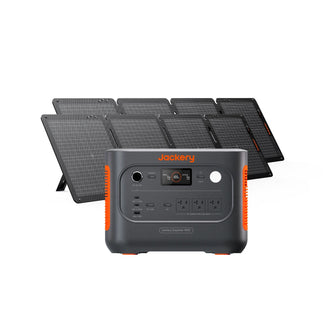
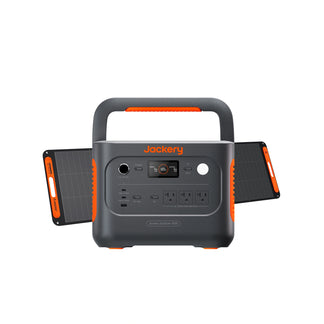
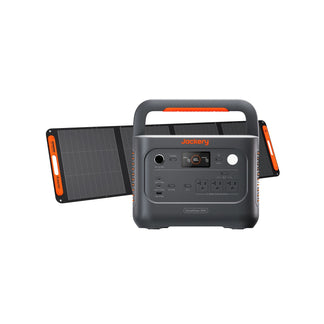
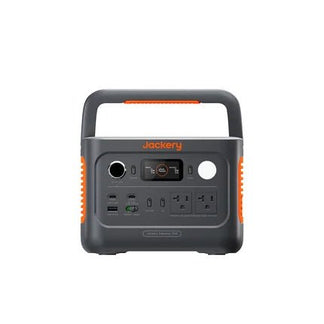
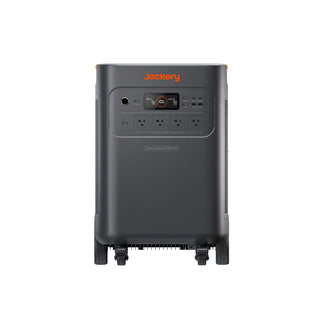
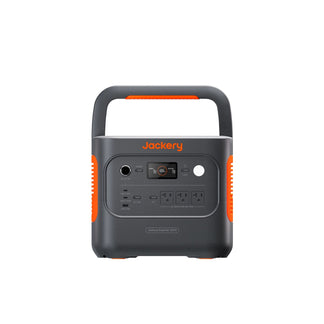
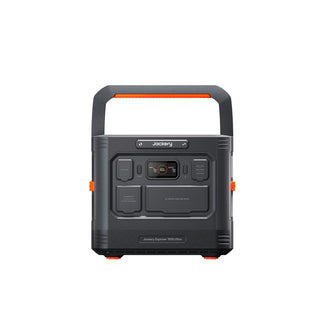
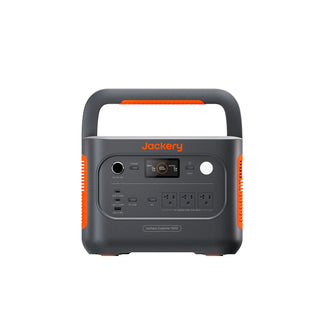
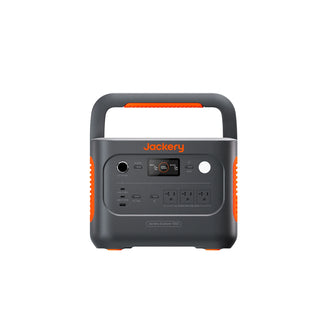
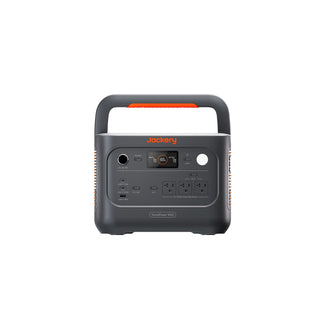
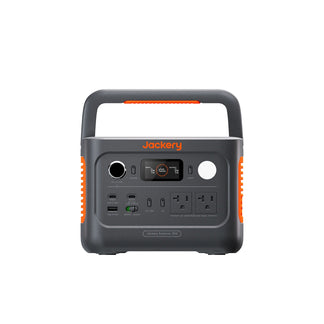
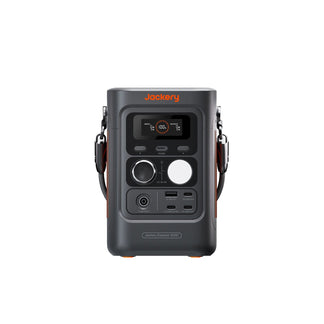
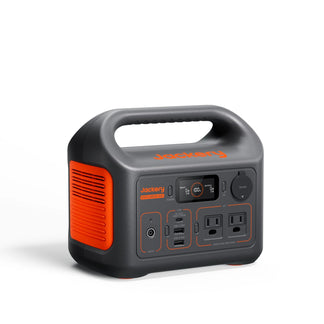
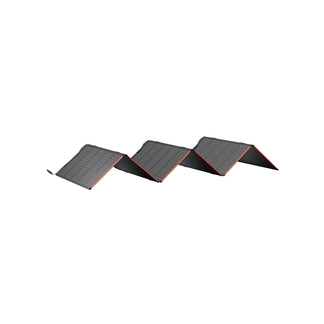
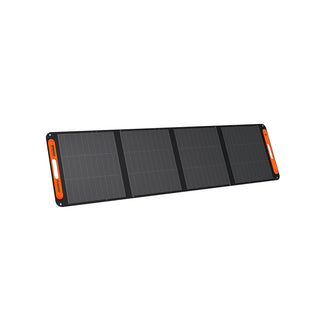
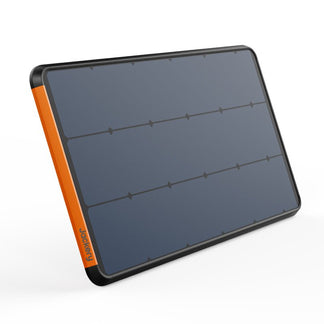
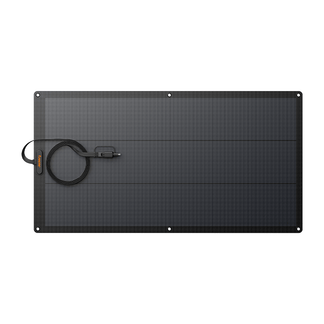
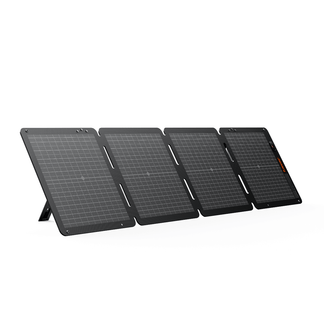
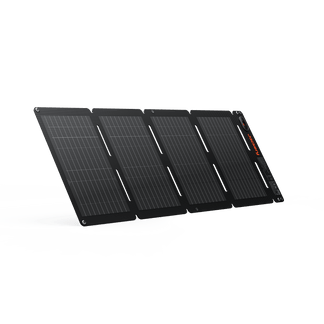
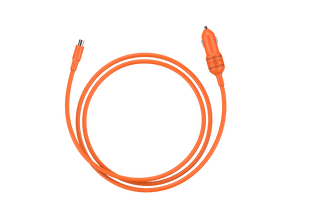
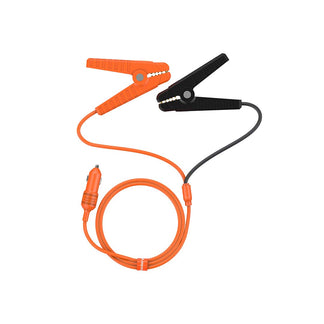
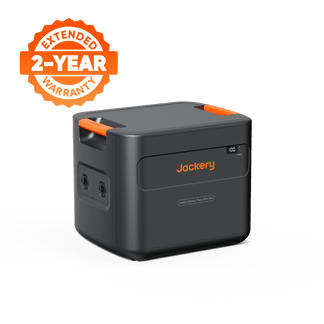
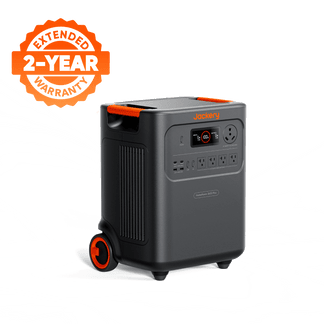
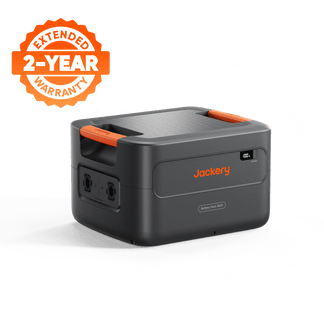
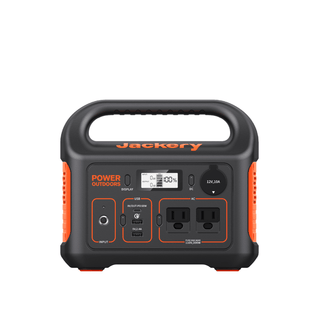
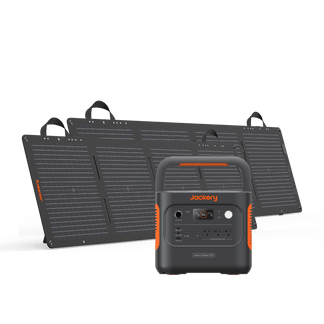
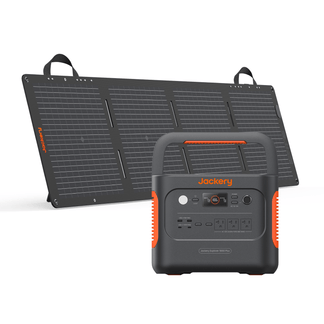
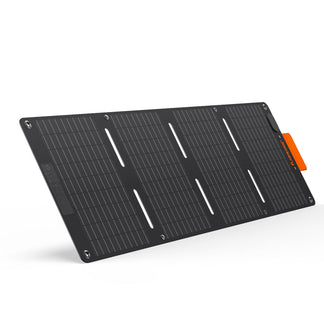
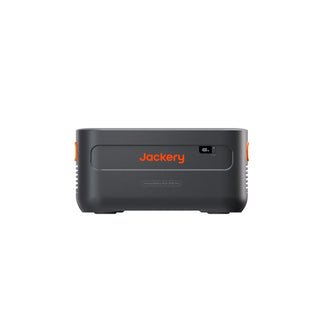
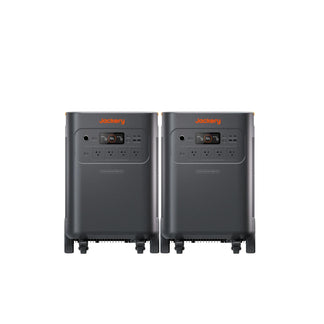
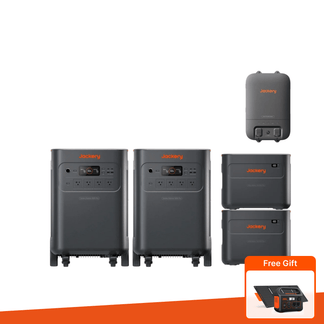
The basic formula to calculate the heat pump running cost is straightforward: running cost = electricity consumed (kWh) × electricity rate ($/kWh). The harder part is figuring out the kWh number honestly, since that requires more than assuming a universal wattage for every heat pump. Jackery Solar Generators can power heat pumps using the free sunlight and lower the dependence on the electricity grid. The larger solar generators feature dual-voltage compatibility, ensuring you can run appliances working at 120V or even 240V.
Key Takeaways
- The exact cost to run a heat pump depends on system size, efficiency, climate, operating hours, and your electricity rate.
- A heat pump moves heat rather than creating it, so its electrical input is typically much lower than the heat it delivers.
- Colder outdoor temperatures generally reduce efficiency and can trigger auxiliary resistance heat, which uses significantly more electricity.
- Estimating your own cost requires your system's actual electrical input rather than its BTU rating or a generic wattage assumption.
- Heating and cooling costs for the same heat pump can differ substantially depending on climate, humidity, and seasonal efficiency.
- Some larger Jackery Solar Generators can provide 240V backup for compatible loads, but heat pump compatibility depends on the specific system.
How Much Does It Cost to Run a Heat Pump?
There is no single running cost that applies to every heat pump. Cost depends on the system's size and efficiency, whether it's heating or cooling, your local electricity rate, how it behaves in cold weather, and whether auxiliary resistance heat is engaged.
Suppose you have a heat pump with a 2.5 kW average electrical input, running 8 hours, at the EIA's roughly $0.18/kWh 2026 average US residential rate:
2.5 kW × 8 hours = 20 kWh
20 kWh × $0.18/kWh = $3.60 for that period
How Much Does a Heat Pump Cost to Run Per Hour?
Running a heat pump costs between $0.18 and $0.90 per hour for most standard residential systems, based on an average US electricity rate of about 18 cents per kWh.
|
Example Electrical Input |
Hourly Cost (at $0.18/kWh) |
|
1 kW |
$0.18 |
|
2 kW |
$0.36 |
|
3 kW |
$0.54 |
|
4 kW |
$0.72 |
|
5 kW |
$0.90 |
You should find your own system's actual electrical input (from its nameplate, manufacturer documentation, or a measured reading) and match it to the closest row.
How Much Does a Heat Pump Cost to Run Per Day?
On average, a residential heat pump costs between $1.80 and $10.80 per day to run. However, this daily average shifts significantly depending on the season and how long it runs. For example, during mild spring or autumn days, it can cost under $0.75, while during extreme winter freezes, it can jump to $5.00 to $17.00+ per day as the system runs constantly or relies on backup electric heat strips.
|
Thermostat "On" Duration |
Example at 2.5kW Average Input |
Cost (at $0.18/kWh) |
|
4 hours |
10 kWh |
$1.80 |
|
8 hours |
20 kWh |
$3.60 |
|
12 hours |
30 kWh |
$5.40 |
|
24 hours |
60 kWh |
$10.80 |
A thermostat set to "on" for 24 hours does not mean the compressor runs continuously for that entire period. The heat pump cycles based on heating or cooling load and your setpoint, so its true average electrical draw across a full day is often lower than its maximum rated input. These figures assume a flat 2.5kW average, for example.
How Much Does a Heat Pump Cost to Run Per Month?
On average, a heat pump costs $30 to $150 per month to run when averaged across the entire year for a standard 2,000 sq ft home. However, because heating and cooling demands fluctuate wildly by season, your actual monthly bills will vary dramatically. During peak winter or summer months, costs usually range from $75 to $200 per month, while "shoulder seasons" (spring and autumn) can drop to under $30 per month.
|
Usage Level |
Example Monthly Energy (at 2.5kW avg, varying hours) |
Estimated Monthly Cost (at $0.18/kWh) |
|
Mild climate / moderate use |
~200 kWh |
~$36 |
|
Moderate climate / regular use |
~450 kWh |
~$81 |
|
Cold climate / heavy use, some auxiliary heat |
~800 kWh |
~$144 |
The actual monthly cost varies significantly by state, climate zone, home size, insulation quality, system efficiency, thermostat settings, your local electricity rate, and how often auxiliary heat engages.
How Much Does a Heat Pump Cost to Run Per Year?
The annual estimates are genuinely harder to produce responsibly than hourly ones, because they need to account for a full season's worth of weather variation, the difference between heating and cooling demand, seasonal efficiency ratings (HSPF2 for heating, SEER2 for cooling), your regional climate, and how much backup resistance heating gets used during cold snaps.
A "nameplate wattage × 8,760 hours" calculation is not a responsible way to estimate how much does a heat pump cost to run per year. It assumes continuous full-power operation for an entire year, which no residential heat pump actually does.
Let’s take an example: a typical 2.5 - 3 ton heat pump in a moderate US climate might land somewhere around $700–$900 per year in electricity cost specifically for heating and cooling, at an illustrative national-average rate. However, this varies enormously by climate and home characteristics. If you want a more accurate number for your own situation, your best resources are your system's seasonal performance data, actual utility billing history from a comparable period, or a home energy assessment.
How Do You Calculate the Cost to Run a Heat Pump?
Here is the formula to calculate how much does it cost to run a heat pump:
Energy used (kWh) = Power draw (kW) × Operating hours
Running cost = Energy used (kWh) × Electricity rate ($/kWh)
Watts (W) measure the rate of power draw at a given moment
Kilowatts (kW) are just 1,000 watts
Watt-hours (Wh) and kilowatt-hours (kWh) measure energy consumed over time
Your electricity rate (in $/kWh) is what converts that energy into a dollar figure.
The formula only works if the "power draw" number is your system's actual electrical input rather than its BTU rating or a number pulled from an unrelated appliance.
How Much Electricity Does a Heat Pump Use?
There are multiple variables that affect how many watts a heat pump uses, including the system's capacity, the current heating or cooling load, compressor operation, indoor fan/blower draw, outdoor temperature, the system's efficiency rating, thermostat settings, defrost cycles, auxiliary or emergency heat activation, home insulation, duct losses, and simply how many hours it runs.
A heat pump's BTU rating (its heating or cooling capacity) is not the same as its electrical wattage (what it actually draws from your outlet). A "36,000 BTU" system does not draw 36,000 watts. In fact, its electrical input is typically a fraction of that, because it is moving heat rather than generating all of it from electricity. Here is how many watts does a heat pump use depending on the system type:
|
System Type |
Typical Running Power |
Notes |
|
1-ton ductless mini-split (inverter) |
0.6–1.2 kW |
Modulates rather than fixed output |
|
2–3-ton central air-source |
1.5–3.5 kW |
Most common US residential size |
|
3–4-ton cold-climate air-source |
1.8–4.5 kW |
Higher input in extreme cold |
|
Auxiliary heat (electric strips) |
+5–20 kW additional |
Brief spikes, substantially higher draw |
|
3–4-ton geothermal |
1.2–2.5 kW |
Generally more stable across seasons |
How Does Your Electricity Rate Affect Heat Pump Running Costs?
The exact same heat pump, run the exact same way, can cost noticeably different amounts depending purely on where you live and which utility serves you, because electricity prices vary meaningfully by state and by rate plan.
The EIA's average US residential electricity rate has been running in roughly the $0.17–$0.19/kWh range through 2026, but actual rates span a wide range across the country, from around 13 cents/kWh in some states to well over 40 cents/kWh in others. Substitute your own utility's actual rate into the formulas above for a more accurate estimate than any national average can provide.
How Does Heat Pump Efficiency Affect Running Cost?
Efficiency is usually described with a few technical terms: COP (Coefficient of Performance), SEER2 (cooling efficiency), and HSPF2 (heating efficiency). However, the practical relationship is simple: more efficient equipment delivers the same amount of heating or cooling using less electricity, under comparable operating conditions.
COP specifically describes how many units of heat a system delivers per unit of electricity it consumes. A COP of 3 means it is delivering roughly three times as much heat energy as the electrical energy it consumed to do it. It is worth being clear that a single COP value does not apply universally: COP typically drops as outdoor temperature drops.
A standard air-source heat pump might have a COP around 3–4 at a mild 47°F (8.3°C) outdoor temperature, but that can fall to roughly 1.5–2.5 at a much colder 17°F (-8.3°C), since the system has to work harder to extract heat from colder outdoor air. Cold-climate-rated models are specifically engineered to hold up better at those lower temperatures than standard models.
As per the US Department of Energy and EIA, heat pumps are generally more efficient than electric resistance heating precisely because they move existing heat rather than directly converting electricity into heat, which is the core reason they tend to cost less to run for the same amount of delivered warmth, even though the exact savings vary by system and conditions.
Can a Portable Power Station Run a Heat Pump?
Powering a residential heat pump from a portable power station is a substantially bigger challenge than plugging in a small appliance. It involves matching voltage requirements, continuous power capacity, startup surge handling, and in many cases, connecting through 240V-class circuits with proper transfer equipment rather than a simple outlet plug.
Many residential whole-home heat pumps use 208V, 230V, or 240V electrical service, but requirements genuinely vary by model, and some smaller or ductless systems have different requirements entirely. You should always check your specific equipment's nameplate, installation manual, and electrical specifications rather than assuming a universal voltage requirement applies to your system.
What Do You Need to Run a 240V Heat Pump From Backup Power?
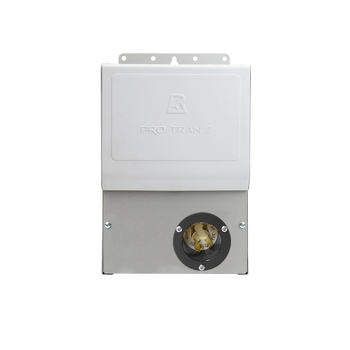
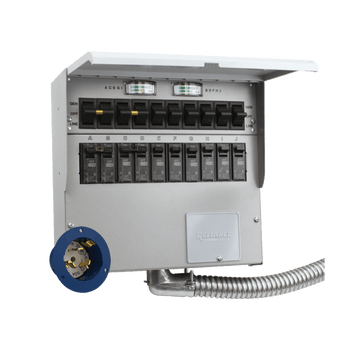
Running a hardwired 240V heat pump from backup power, as opposed to plugging in a small portable appliance, typically requires several things working together: a dedicated circuit sized correctly for the load, a proper connection to your electrical panel, a transfer switch (manual or automatic) where applicable, correct voltage and amperage matched to the specific equipment, enough continuous output capacity from the backup source, compliance with local electrical code, and installation by a qualified electrician.
You should not attempt to backfeed a home electrical panel, and do not use improvised or homemade wiring. Follow the heat pump manufacturer's instructions, your backup power equipment's installation instructions, and applicable local electrical code, and involve a licensed electrician for any hardwired 240V backup setup. There's a meaningful difference between plugging a small appliance into a portable power station's outlet and integrating backup power into your home's hardwired HVAC circuits.
Recommended Jackery Solar Generators for Heat Pumps
A residential heat pump is a fundamentally different backup-power challenge than a small plug-in appliance. Most whole-home heat pumps require 208/230/240V, meaningful continuous wattage, and in many cases a transfer switch tied into the home's electrical panel, so simply having a large battery is not the same as being able to run one.
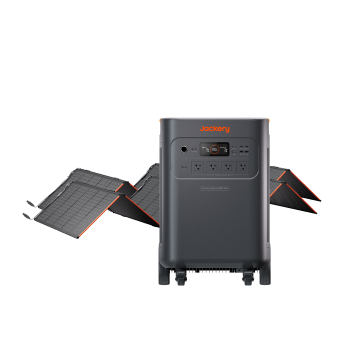
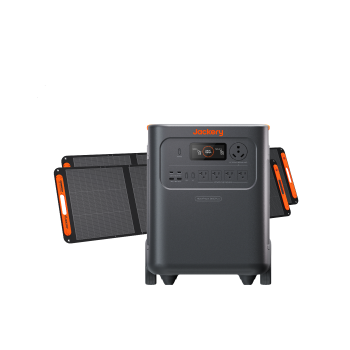
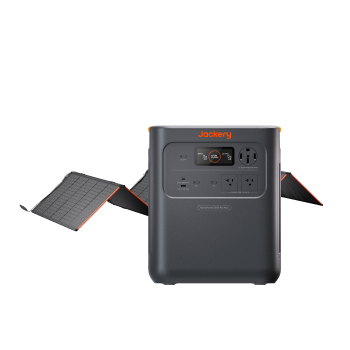
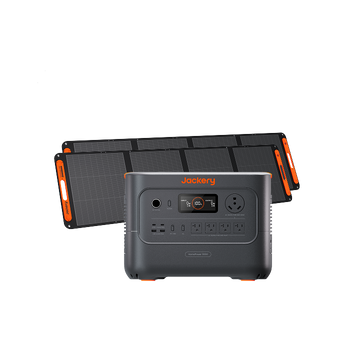
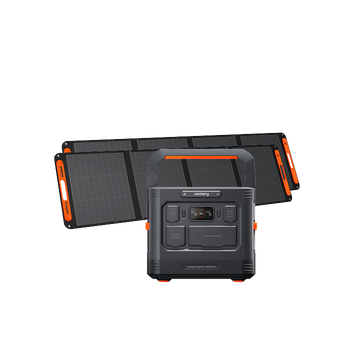
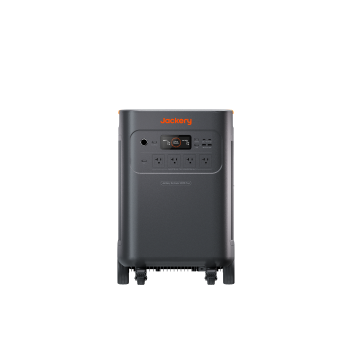
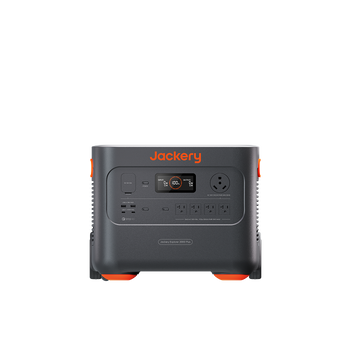
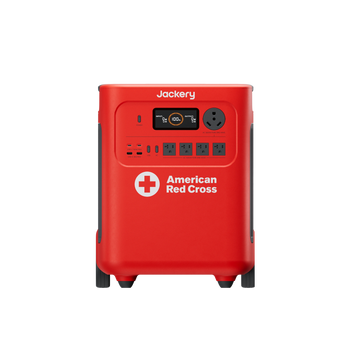
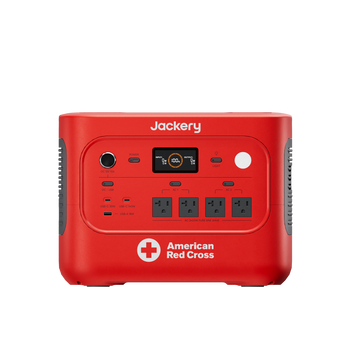
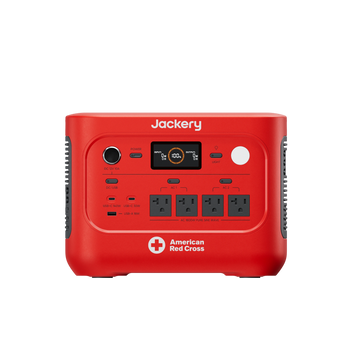
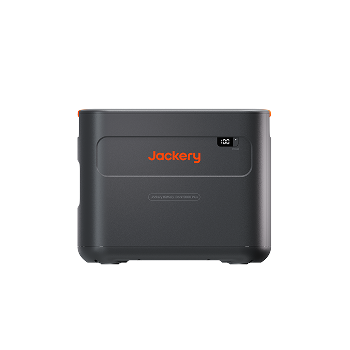
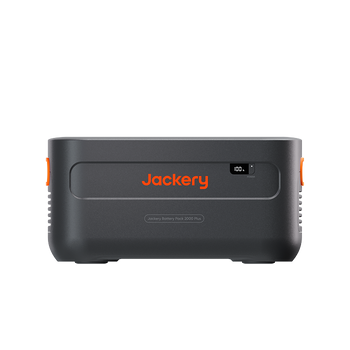
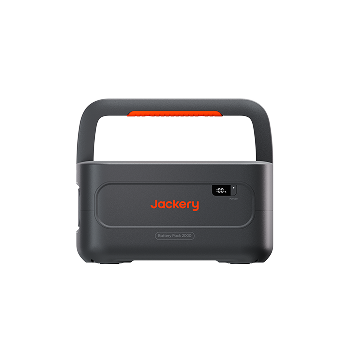
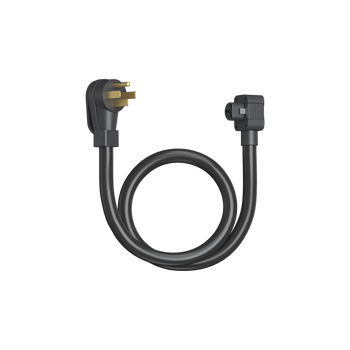
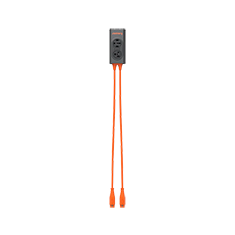
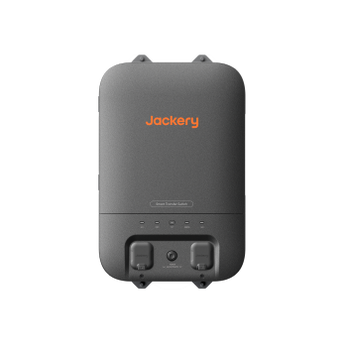
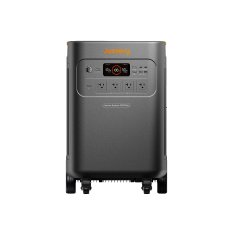
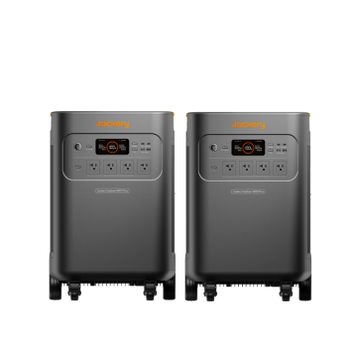
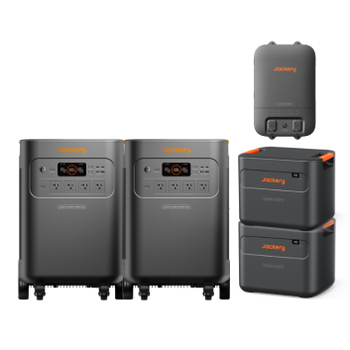
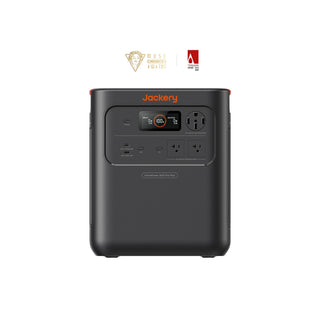
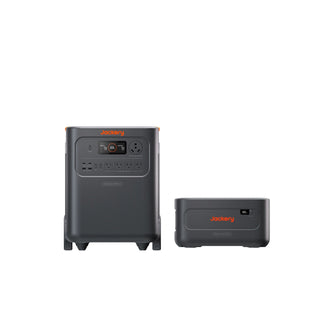
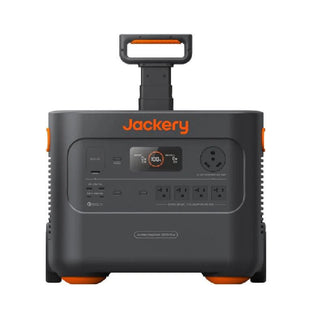
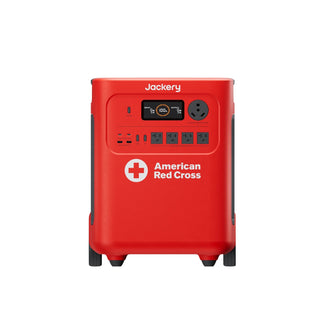
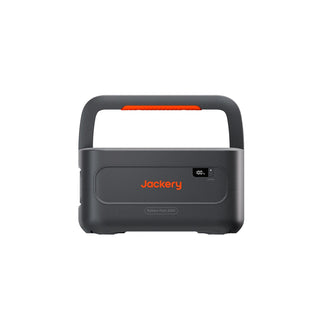
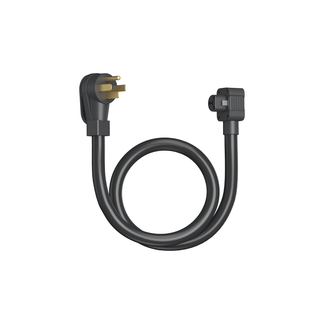
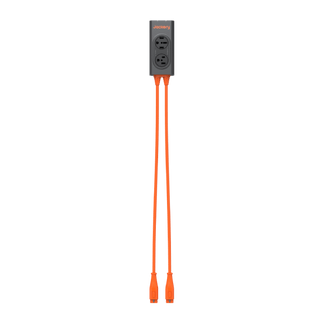
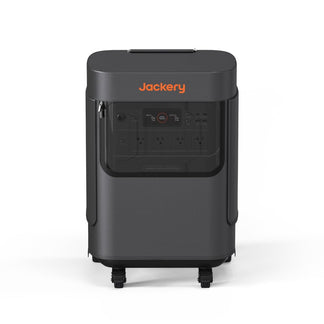
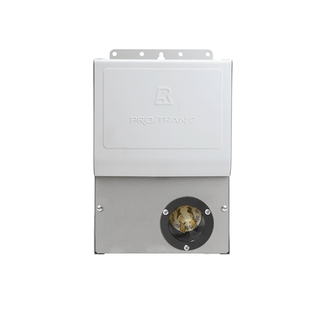
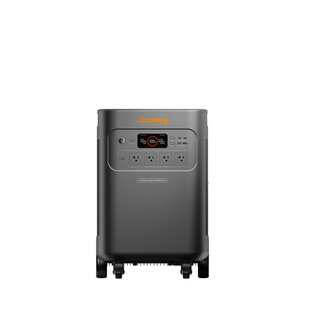
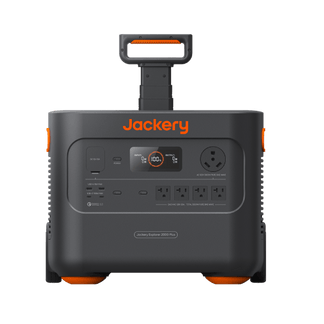
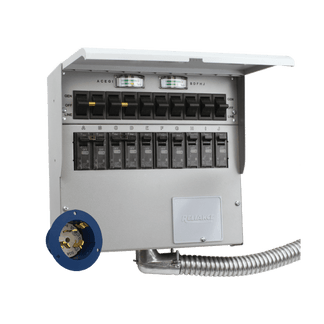
The two Jackery Solar Generators mentioned below both offer native 240V output and can connect to the home’s electrical panel via the Jackery Transfer Switch. Depending on the exact power requirements of the heat pump and how long you want to run the appliance, you can choose what size generator to run a heat pump is needed.
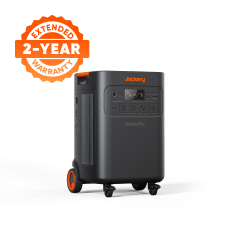
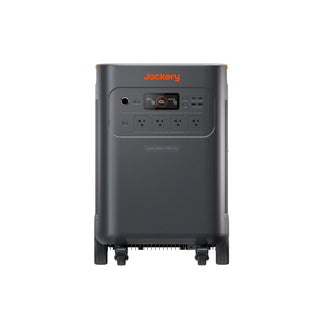
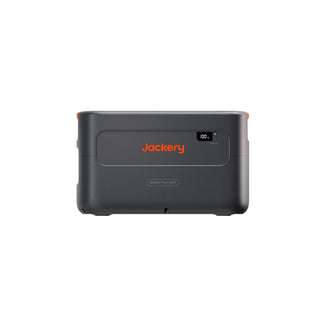
Jackery Solar Generator HomePower 3600 Pro Max
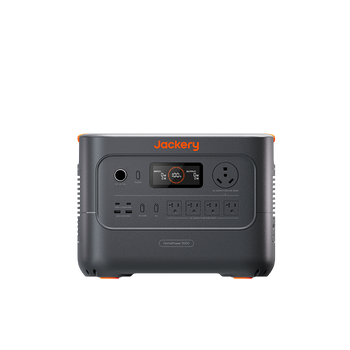
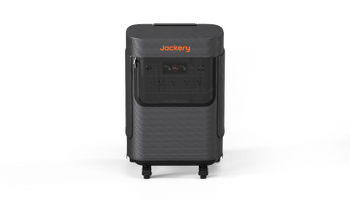
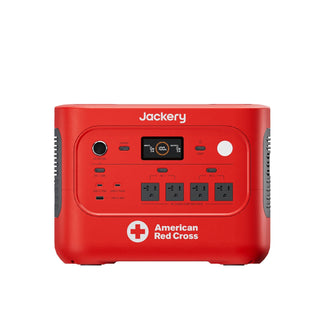
The Jackery Solar Generator HomePower 3600 Pro Max delivers 4,000W of continuous output at 240V (8,000W surge) from a single unit, or 2,000W at 120V, through native NEMA 14-50R and 5-20R outlets, with a sub-10-millisecond UPS switchover that can integrate with a manual or automatic transfer switch for home battery backup. That 240V-native design, combined with expandability up to 21.5kWh in a single unit (43kWh in parallel), makes it ideal for running 240V appliances like smaller heat pump systems, well pumps, or electric ranges.
Appliances Running Time
- Small/Mini Split (1000W) = 3.0H
- 2-Ton Heat Pump (2000W) = 1.5H
- 3-Ton Heat Pump (3000W) = 1.0H
- 4-Ton Heat Pump (4000W) = 48 min
Who Should Buy This
The Jackery Solar Generator HomePower 3600 Pro Max is ideal for households wanting native 240V backup capability sized for smaller heat pump systems or other moderate 240V loads, ideally paired with a transfer switch and confirmed against their specific system's electrical nameplate.

Customer Review
Been using this now for a couple weeks. Loving it. It seems to be working great for my usage.
— Nancy J.
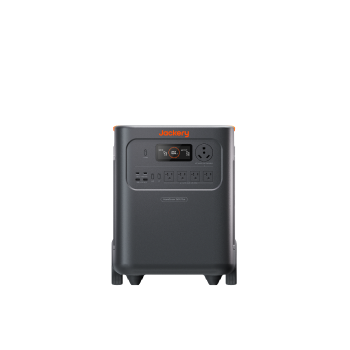
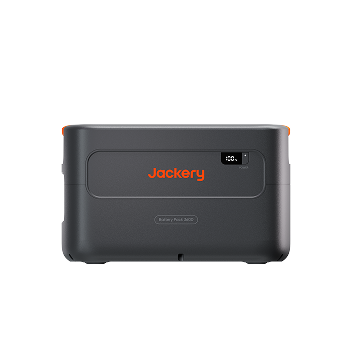
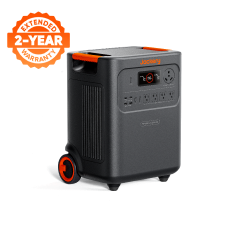
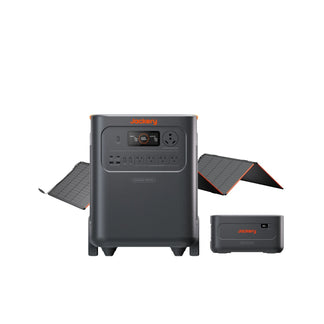
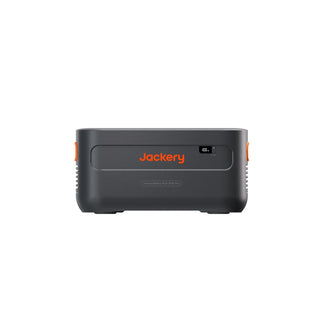
Jackery Solar Generator 5000 Plus
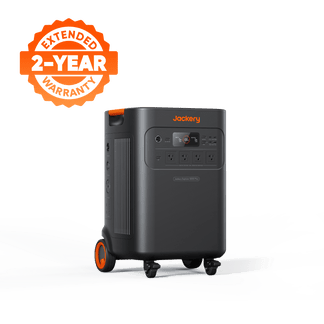
The Jackery Solar Generator 5000 Plus offers more continuous capacity than the Jackery Solar Generator HomePower 3600 Pro Max meaningfully, making it ideal for larger 240V home loads. It supports dual-voltage and can run major appliances and 240V home circuits. Its higher continuous output and expandability up to 60kWh give more power for a heat pump's startup surge alongside other essential loads. However, as with any essential home backup system, actual compatibility with a specific heat pump still depends on that unit's electrical requirements.
Appliances Running Time
- Small/Mini Split (1000W) = 4.1H
- 2-Ton Heat Pump (2000W) = 2.1H
- 3-Ton Heat Pump (3000W) = 1.4H
- 4-Ton Heat Pump (4000W) = 1.1H
- 5-Ton Heat Pump (5000W) = 48 min
Who Should Buy This
The Jackery Solar Generator 5000 Plus is ideal for households with larger 240V loads, higher continuous-output needs, or a heat pump whose electrical requirements exceed what the Jackery Solar Generator HomePower 3600 Pro Max can comfortably support.

Customer Review
Love my jackery solar generator and smart transfer switch. I have already put it to use to offset reliance on the grid and stand ready for any outages.
— Gmeghoo.
How Can You Reduce the Cost of Running a Heat Pump?
You can reduce the cost of running a heat pump by optimizing your thermostat settings, maintaining steady operation, and upgrading your home's insulation.
- Maintain or replace air filters regularly, since a clogged filter forces the system to work harder.
- Keep the outdoor unit clear of debris, leaves, and snow buildup.
- Use thermostat settings appropriate for your comfort needs rather than extreme settings in either direction.
- Avoid unnecessarily large thermostat setbacks, which can trigger auxiliary heat during fast temperature recovery, as covered above.
- Improve home insulation and air sealing where practical, reducing how hard the system has to work overall.
- Have ductwork inspected and maintained, since leaky or poorly sealed ducts waste conditioned air.
- Use appropriate fan settings as recommended by your system's manufacturer.
- Consider time-of-use electricity rates if your utility offers them, and shift discretionary use where your schedule allows.
- Follow your manufacturer's maintenance guidance and schedule professional servicing as recommended.
- Investigate what's happening if your electricity use suddenly spikes, since unexpected auxiliary heat activation is a common but often overlooked cause.
FAQs
Is it expensive to run a heat pump?
No, a heat pump is generally less expensive to run than electric resistance heating for the same amount of delivered warmth, since it transfers heat rather than generating all of it from electricity. Whether it feels "expensive" in your specific case depends on your system's size and efficiency, your climate, how often auxiliary heat kicks in, and your local electricity rate.
Why is my electric bill so high with a heat pump?
The most common culprit of high electricity bills with a heat pump is auxiliary or emergency resistance heat activating more than expected, such as during a cold snap, a large thermostat setback, or a defrost cycle, since that backup heat draws substantially more electricity than the heat pump alone. Other possibilities include a dirty filter or blocked outdoor unit forcing the heat pump to work harder, poor insulation or duct leaks increasing overall heating and cooling demand, or simply colder-than-usual weather reducing the heat pump's normal efficiency.
How much electricity does a heat pump use for cooling?
Cooling-mode electrical draw generally falls in a similar range to heating mode for the same system. It is roughly 1.5 - 3.5 kW for a typical 2–3-ton central system, but actual consumption depends on outdoor temperature, humidity, your target indoor temperature, and the system's SEER2 rating. Higher humidity in particular can increase cooling-season electricity use, since the system has to remove moisture from the air in addition to lowering the temperature, so the same heat pump can show different cooling costs in a humid climate versus a dry one even at similar outdoor temperatures.
How much does it cost to run a heat pump vs. a gas furnace?
It depends on your local electricity price versus your local gas price, each system's efficiency, and your climate, since comparing a heat pump and a gas furnace fairly requires looking at useful heat delivered per dollar of fuel or electricity. In areas with relatively low electricity rates and high gas prices, a heat pump can often cost more, while in areas with cheap natural gas and high electricity rates, a furnace may cost less to run for the same heating.
Does a heat pump's electricity use change noticeably between spring/fall and the peak of summer or winter?
Yes, the heat pump’s electrical consumption generally rises as outdoor temperatures move further from your indoor setpoint in either direction, since the system has to work harder to bridge a larger temperature gap. Mild shoulder-season weather (spring and fall) typically means lower electricity use than the extremes of a heat wave or a deep cold snap, independent of any change in the equipment itself.
Does a bigger house always mean a bigger heat pump electricity bill?
No, a bigger house does not always mean a bigger heat pump electricity bill. A larger, well-insulated, well-sealed home can sometimes cost less to heat and cool than a smaller home with poor insulation or air leaks, since insulation quality and duct integrity affect how much conditioned air is actually retained. Square footage is one factor among several factors that affect heat pump electricity bills.
Conclusion
There is no single answer to how much a heat pump costs to run, because the honest answer depends on the system's real electrical consumption, its efficiency under current conditions, and your local electricity rate. A Jackery Solar Generator with native 240V output, like the Jackery Solar Generator HomePower 3600 Pro Max or the Jackery Solar Generator 5000 Plus, can be a meaningful part of a heat-pump-equipped home's outage plan, but only when the system's actual electrical needs are checked against the power station's rated output and paired with the correct transfer equipment.


