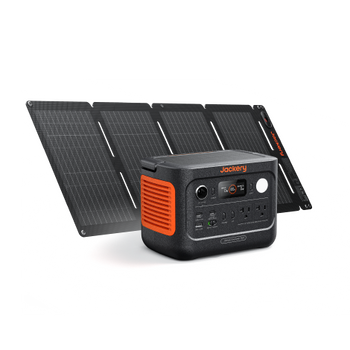


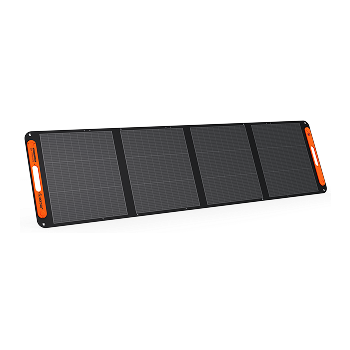


















![[Add-on] Jackery SolarSaga 500 X - Jackery](http://www.jackery.com/cdn/shop/files/add-on-jackery-solarsaga-500-x-1493607.webp?v=1786503068&width=324)
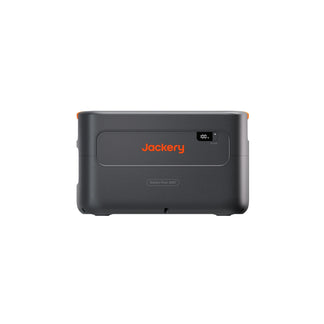
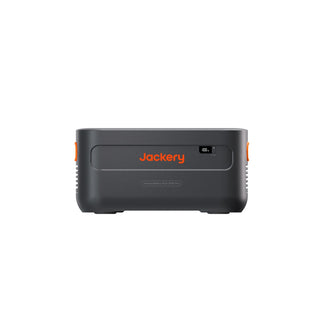
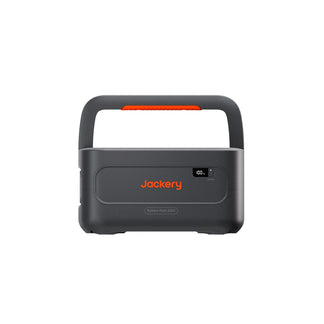
![[Add-on] Jackery Battery Pack 5000 Plus - Jackery](http://www.jackery.com/cdn/shop/files/add-on-jackery-battery-pack-5000-plus-6713401.webp?v=1786503068&width=324)



















Previously, homeowners could claim the HVAC Energy Efficient Tax Credit under the Inflation Reduction Act of 2022, worth 30% of the project cost, up to $3,200. However, this credit (Section 25C) expired for property placed in service after December 31, 2025, under the One Big Beautiful Bill Act, and is no longer available for new HVAC upgrades.
Beyond the now-expired tax credit, energy-efficient HVAC upgrades can still slash your monthly electric bills long-term. To save more, you can switch to alternative ways to power appliances, such as solar generators. Jackery Solar Generators have highly efficient and reliable batteries to power most of your HVAC appliances during peak hours, providing a reliable way to harness solar energy without any complex installations.
This guide explains how the credit worked while it was active, and how a solar generator can still help offset HVAC-related electricity costs.
Key Takeaways
- Running an HVAC system might cost you between $1,500 and $2,000 annually on electric bills. The maintenance and repair charges are extra.
- The HVAC Energy Efficiency Tax Credit applied to Energy Star-rated systems that met the SEER2, EER2, and HSPF2 ratings before it expired for installations after December 31, 2025.
- An HVAC upgrade could previously save you 30% of the project cost, up to $3,200 on taxes. This federal credit expired for installations completed after December 31, 2025.
How Much is Your Current HVAC System Really Costing You?
Running an HVAC system might cost between $1,500 and $2,500 annually on electric bills. The cost, however, varies with house size, power consumption, electricity cost, system efficiency rating, etc.
An HVAC system also requires regular maintenance and occasional repairs. On average, annual maintenance of an HVAC system costs between $75 and $200 per visit, depending on the contractor. If any substantial or complex repairs are involved, you might have to pay as much as $2,000 to $3,000.
Overall, your current HVAC system might cost you around $2,000 to $5,000 annually and more, depending on your location and the type of repair involved.
Should You Upgrade to a New HVAC System?
Yes, if the current HVAC system burdens you with high bills, maintenance, and repairs, it’s worth upgrading. A new HVAC system, on average, costs between $5,000 and $20,000 or more, depending on your house size and installation cost. However, an upgrade can still make sense given the long-term energy savings, even though the HVAC Energy Efficiency Tax Credit under the Inflation Reduction Act has expired.
The IRS Energy Efficient Home Improvement Credit previously allowed homeowners to save up to $3,200 annually on taxes for Energy-Efficient Upgrades, but this credit ended for property placed in service after December 31, 2025. Many state- or utility-wide programs, such as the TECH Clean California Program in California or Mass Save in Massachusetts, remain active and can still help offset costs. These systems also remain energy-efficient, so they will help you save on your annual electric bills regardless of federal incentive changes.
Which HVAC Systems Qualified for the Energy Tax Credit Through 2025?
Through December 31, 2025, the HVAC Energy Efficiency Tax Credit under the Inflation Reduction Act applied to Energy Star-certified HVAC systems, including SEER2 and EER2 requirements for air conditioners and HSPF2 requirements for heat pumps. This credit has since expired and no longer applies to systems installed in 2026 or later.
What Are the SEER2, EER2, and HSPF2 Ratings You Need to Qualify?
As per Energy Star, the HVAC appliances must meet the following SEER2, EER2, and HSPF2 ratings to qualify for Energy Tax Credits:
|
Product Type |
Specification |
|
Heat Pump (Split Systems) |
≥ 7.8 HSPF2/ ≥ 15.2 SEER2/ ≥ 11.7 EER2 |
|
Heat Pump (Single Package Equipment)- Gas/Electric |
≥ 7.2 HSPF2 ≥ 15.2 SEER2/ ≥ 10.6 EER2 |
|
Central Air Conditioners (Split Systems) |
≥ 15.2 SEER2/ ≥ 12.0 EER2 |
|
Central Air Conditioners (Single Package Equipment)- Gas/Electric |
≥ 15.2 SEER2/ ≥ 11.5 EER2 |
The heat pumps must maintain efficiency in a cold climate, so their HSPF (Heating Seasonal Performance Factor) ratings are slightly higher.
|
Product Type |
Specification |
|
HP Split Systems (Non-Ducted) |
≥ 8.5 HSPF2/ ≥ 15.2 SEER2 |
|
HP Split Systems (Ducted) |
≥ 8.1 HSPF2/ ≥ 15.2 SEER2 |
|
HP Single Package Equipment |
≥ 8.1 HSPF2/ ≥ 15.2 SEER2 |
If your HVAC system met the aforementioned criteria and was placed in service by December 31, 2025, you could claim the rebates by filling IRS Form 5695. This credit is no longer available for systems installed after that date.
Do Ductless Mini-Splits, Smart Thermostats, or Partial Upgrades Qualify?
No, as per Energy Star, only Energy Star-rated appliances that fulfill the set criteria are eligible for Energy Tax Rebates. However, many utilities provide rebates for partial home improvement upgrades. For example, customers of CenterPoint Energy in Minnesota can get a $50 rebate for a Smart WiFi-enabled thermostat with pressure-sensing or geo-fencing capabilities.
How Much Can You Claim for Each HVAC System Under IRS Guidelines?
As per the Energy Efficient Home Improvement Credit, homeowners could previously save up to $3,200 annually on taxes for systems placed in service through December 31, 2025 (this credit has since expired). The maximum Energy Tax Credits that could be claimed for each HVAC system under IRS guidelines were as follows:
|
Scenario |
Estimated System Cost |
Eligible Credit |
Net Tax Savings |
|
Central AC Installation |
$4,000 - $8,000 |
30% of costs- up to $600 |
$600 |
|
Energy-Efficient Furnace |
$3,000 - $7,000 |
30% of costs- up to $1,200 |
$900 - $1,200 |
|
Heat Pump Only (High-Efficiency) |
$2,000 - $12,000 |
30% of costs- up to $2,000 |
$600 - $2,000 |
|
Central AC + Furnace Combo |
$6,000 - $15,000 |
30% of costs- up to $1,200 |
$1,200 |
|
Full HVAC Upgrade (Heat Pump + AC) |
$6,000 - $20,000 |
30% of costs- up to $3,200 |
$2,000 - $3,200 |
|
Full System (Furnace + AC + Heat Pump) |
$8,000 - $25,000 |
30% of costs- up to $3,200 |
$2,400 - $3,200 |

Note: These figures reflect the credit as it applied through December 31, 2025. The credit is no longer available for HVAC systems installed in 2026 or later.
You can use a Jackery Solar Generator to run HVAC systems during peak energy demand hours, reducing strain on the grid and lowering your electric bill during those hours.
Jackery Solar Generators: Backup Power for Your HVAC System
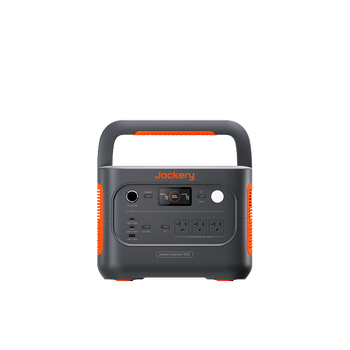
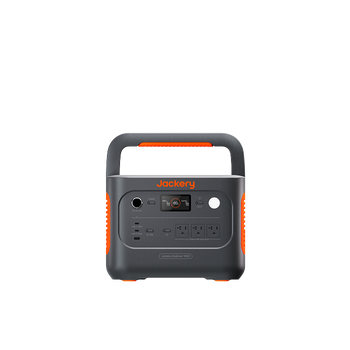
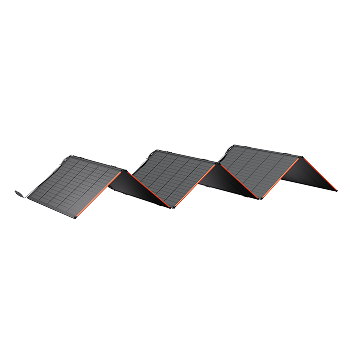
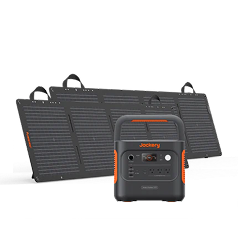
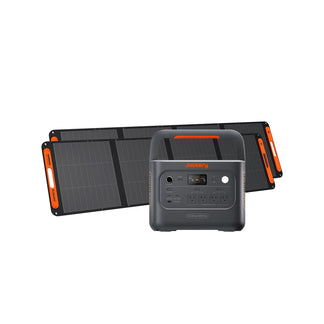
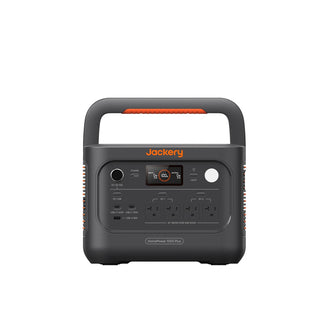
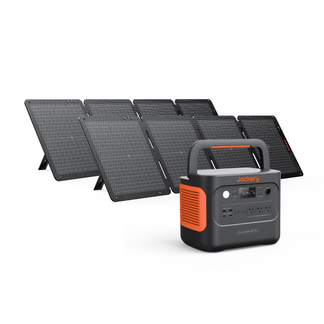
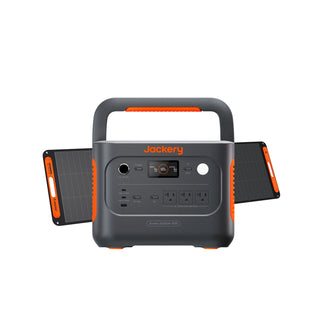
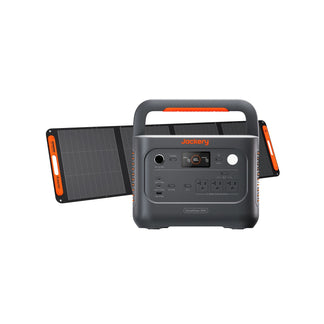
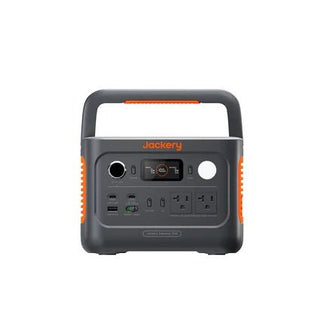
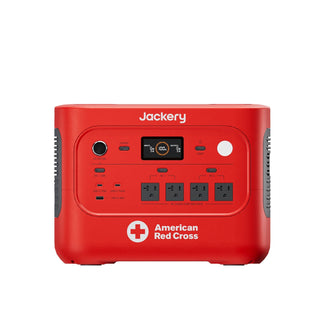
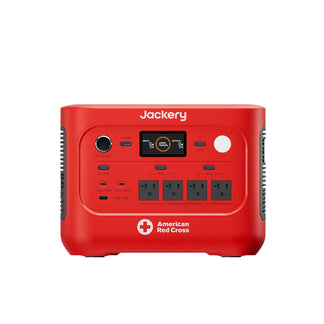
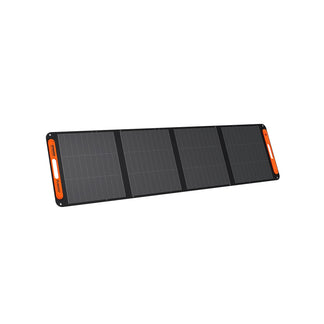
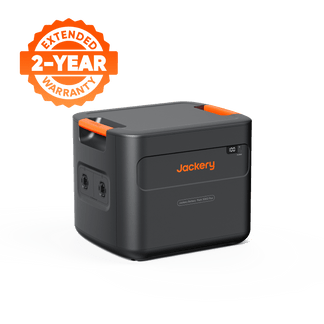
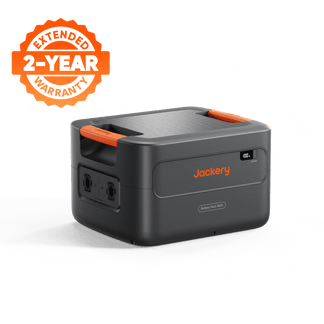
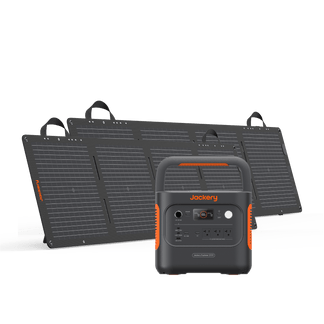
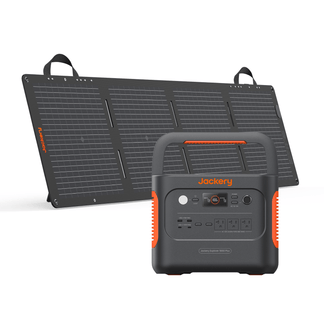
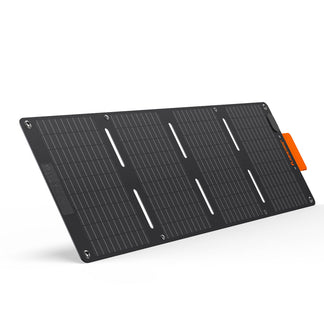
Jackery is a globally recognized solar brand that manufactures solar generators, portable power stations, and solar panels. Jackery Solar Generators combine Jackery SolarSaga Solar Panels and Jackery Portable Power Station to convert sunlight into usable AC electricity. This essential home backup solution can supply usable electricity to power your HVAC appliances for hours.
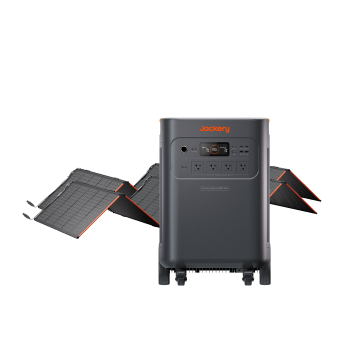
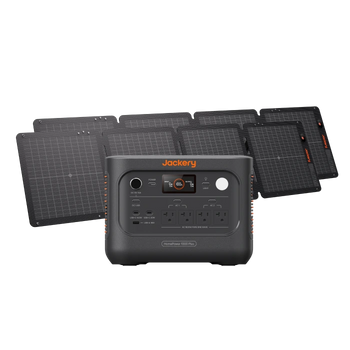
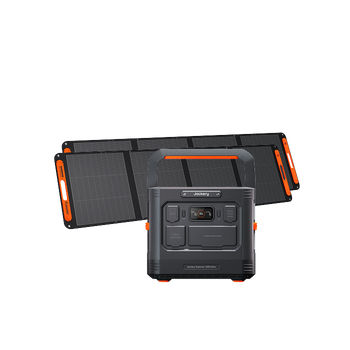
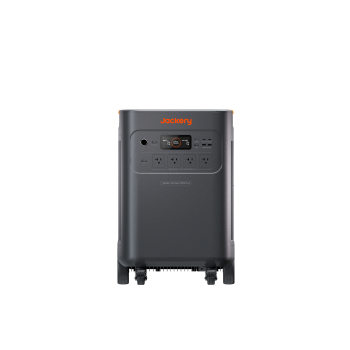
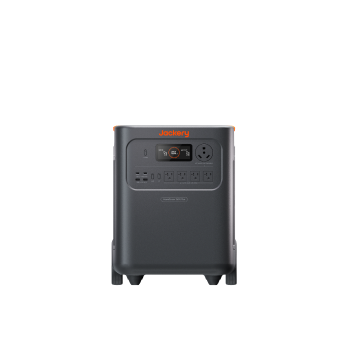
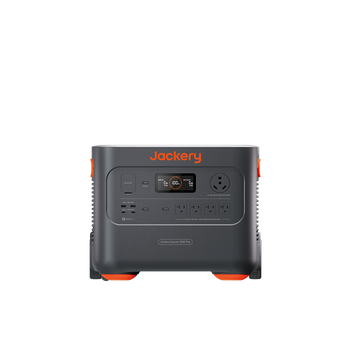
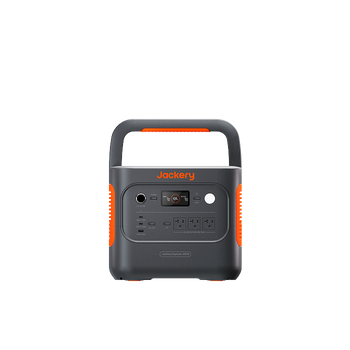
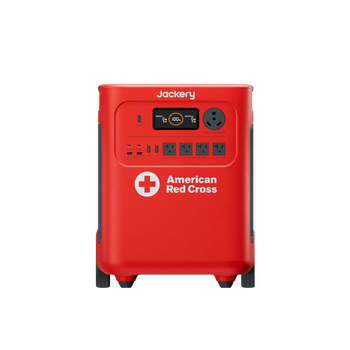
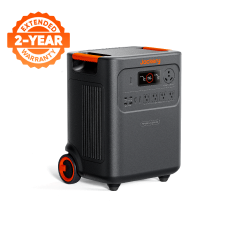
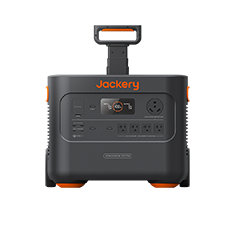
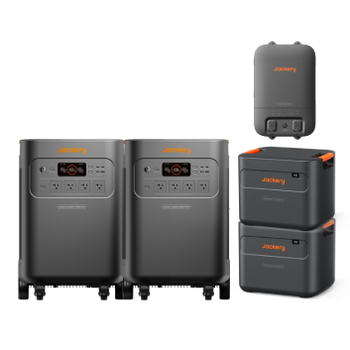
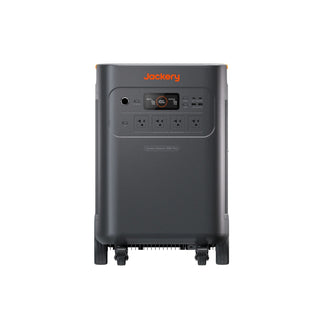
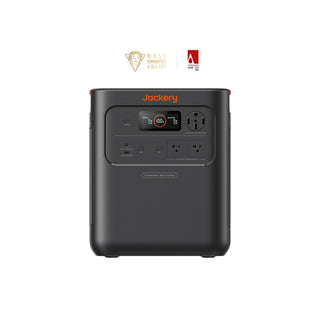
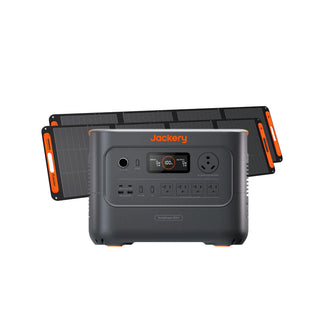
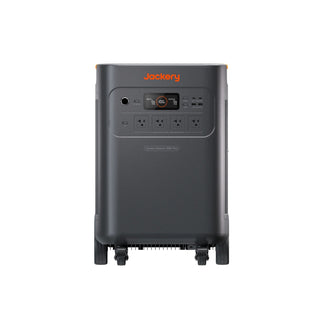
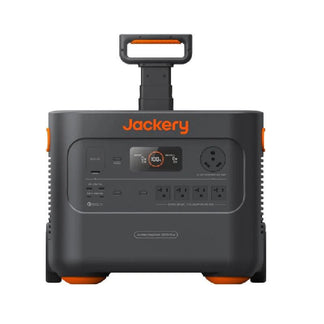
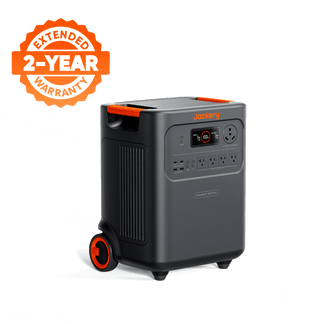
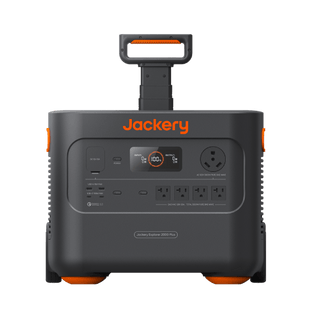
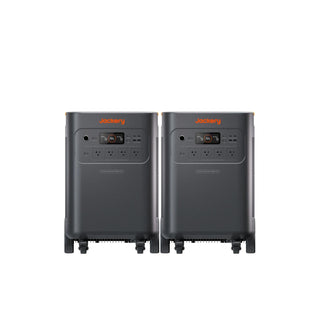
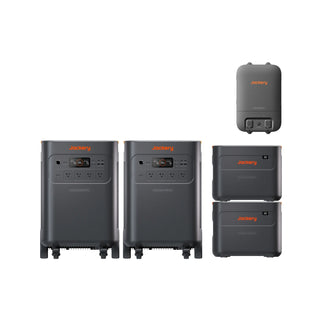
Jackery Solar Generator 5000 Plus
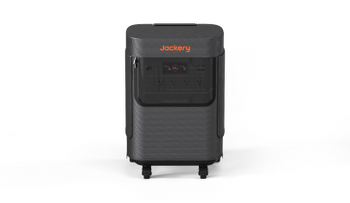
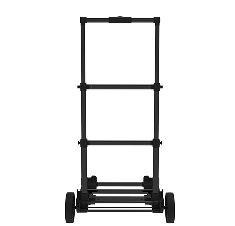
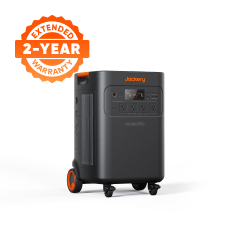
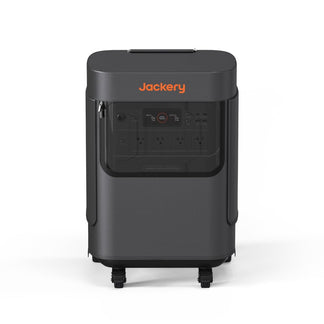
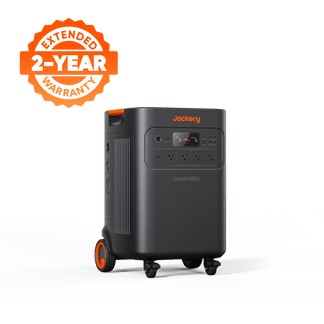
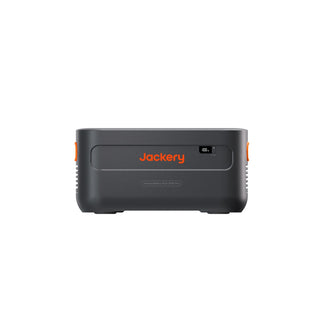
The Jackery Solar Generator 5000 Plus is an essential home backup power system with a large battery capacity to power HVAC appliances. It can be handy to offset your electric bills or as an emergency power backup for rolling blackouts. Its portable design with pull rods and double wheels lets you carry it anywhere during a power outage.
Appliance Working Time:
- Water Heater (2000W): 2.1H
- Air Conditioner (2500W): 1.7H
- Space Heater (1500W): 2.8H
- Heat Gun (2000W): 2.1H
- Hair Dryer (900W): 4.5H

Customer Review:
“Awesome back-up unit. The wheels are pretty good. Three hours of home theater use (roughly 130 watts/hour) consumes about 10-15% of the inverter's charge.” - Telkwa.
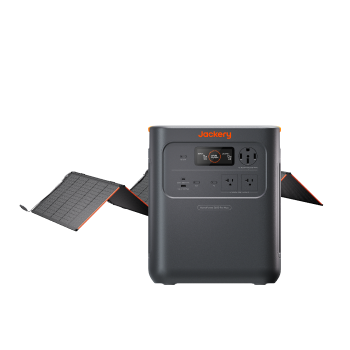
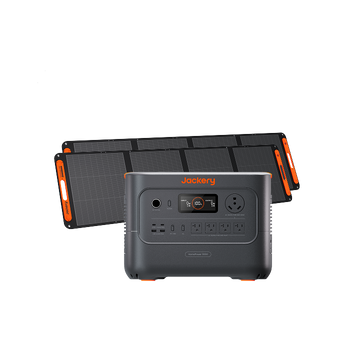
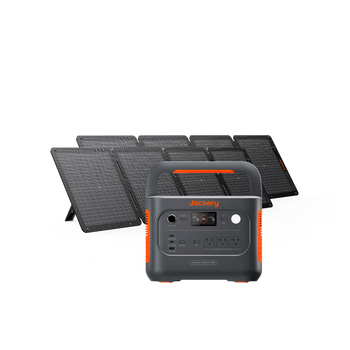
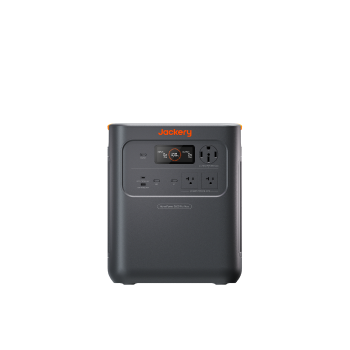
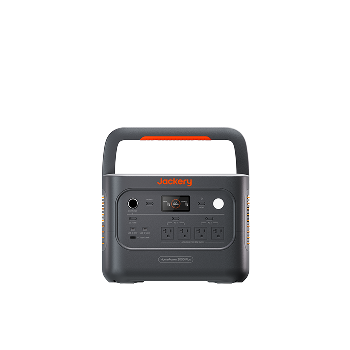
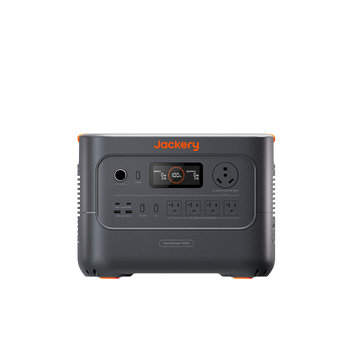
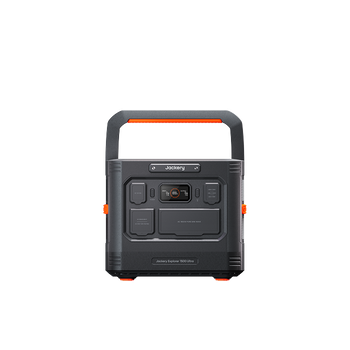
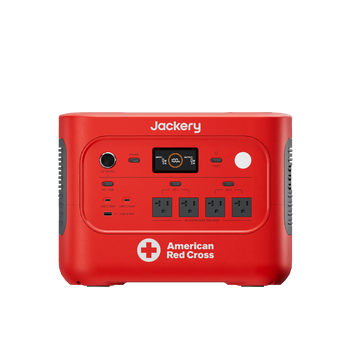
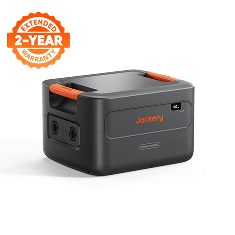
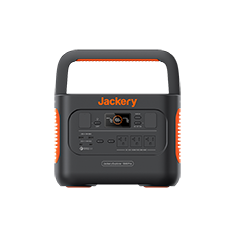
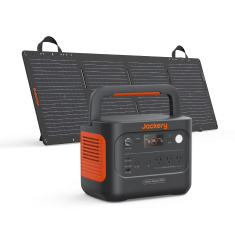
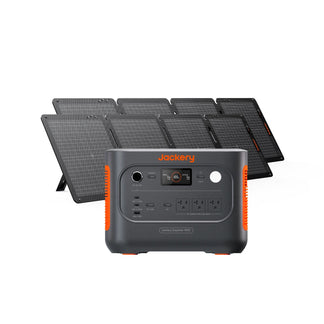
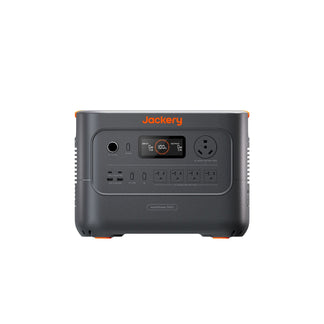
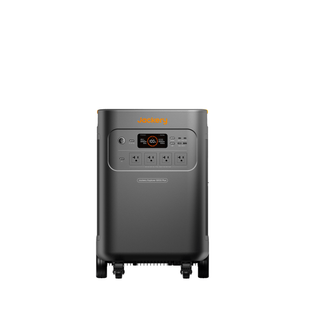
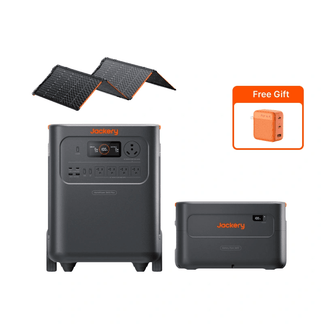
Jackery Solar Generator 2000 Plus Kit (4kWh)
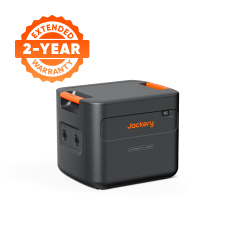
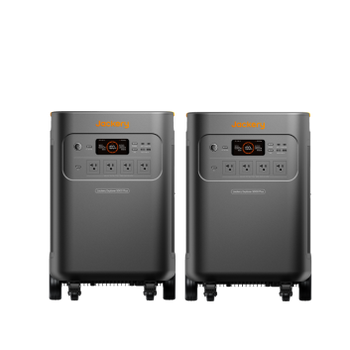
The Jackery Solar Generator 2000 Plus Kit (4kWh) can also be an essential home backup power system to run your HVAC system during extended power outages. It can also power other household appliances like refrigerators, TVs, etc. The backup solution does not make much noise, so you can rest comfortably until the grid power is restored.
Appliance Working Time:
- Space Heater (1500W): 2.3H
- Induction Cooktop (1200W): 2.8H
- AC (1800W): 1.9H
- Refrigerator (900W): 3.8H
- Bench Grinder (1000W): 3.4H

Customer Review:
“Perfect for my purpose, which is to supply an oxygen generator.” - Janet.
Checklist Before You Upgrade or File a Tax Claim
Before you upgrade to an energy-efficient HVAC system or file a tax claim, as per the IRS, here’s a checklist to follow for maximum savings:
- Property or the connection you’re installing the residential energy property in an existing home in the United States.
- Appliances must qualify for the credit or meet the Consortium for Energy Efficiency's (CEE) highest efficiency tier.
-
Possess the following documents
- Purchase Receipts
- Energy Star Certification
- Proof of Heat Pump Installation
- Download and fill out IRS Form 5695.
Note: This checklist applies to HVAC tax credit claims made for systems placed in service on or before December 31, 2025. The credit is no longer available for new installations.
FAQs
What documents do you need to claim the HVAC tax credit?
As per the IRS, while documents might not be needed to file your tax credit, you might need some if your tax return is audited. So, you must retain purchase receipts, installation records, and any Energy Star certifications.
Can you stack the HVAC tax credit with rebates and state incentives?
Previously, you could stack the HVAC tax credit with state and utility rebates, as long as the total didn't exceed the project cost. Since the federal HVAC tax credit has expired, focus on researching state and utility rebates via the Database of State Incentives for Renewables & Efficiency (DSIRE) to maximize your remaining savings.
How to claim the tax credit for your HVAC?
This federal tax credit was available for HVAC systems placed in service through December 31, 2025, provided they met specific efficiency requirements such as SEER2, EER2, and HSPF2 ratings, filed via IRS Form 5695. It's no longer available for systems installed in 2026 or later.
What is the maximum solar tax credit?
The Residential Clean Energy Tax Credit previously offered a maximum of 30% for new solar appliances installed on an existing property in the US, for property installed between 2022 and 2025. Rather than phasing down gradually through 2034 as originally planned, this credit was terminated entirely for expenditures made after December 31, 2025, under the One Big Beautiful Bill Act.
Can I roll over my unused solar tax credit in 2025?
If you completed a qualifying solar installation on or before December 31, 2025, you can still carry forward any unused portion of your solar tax credit to future tax years. This carryforward rule was not affected by the One Big Beautiful Bill Act. However, the credit itself is no longer available for new solar installations completed in 2026 or later, since it was terminated as of that date rather than phasing down through 2034 as originally planned.
Final Thoughts
Energy-efficient HVAC systems previously qualified for savings of up to 30% or $3,200 through the HVAC Energy Efficient Tax Credit, but this federal credit expired for installations completed after December 31, 2025. Regardless, upgrading remains worthwhile for its long-term energy savings. You can also add a battery backup solution like Jackery Solar Generators to reduce your reliance on utility grids and lower your electric bills, while staying comfortable even during extended power outages.


![[2026] What Appliances Qualify for Energy Tax Credit Under IRS Form 5695 [Step-by-Step Guide]](http://www.jackery.com/cdn/shop/files/2026-what-appliances-qualify-for-energy-tax-credit-under-irs-form-5695-step-by-step-guide-6975371.jpg?v=1786015224&width=90)
![HVAC Upgrade Rebates: Save up to $3,200 Annually [2025 Guide]](http://www.jackery.com/cdn/shop/files/hvac-upgrade-rebates-save-up-to-3200-annually-2025-guide-8340213.png?v=1786014987&width=90)


