









![[Add-on] Jackery SolarSaga 500 X - Jackery](http://www.jackery.com/cdn/shop/files/add-on-jackery-solarsaga-500-x-1493607.webp?v=1786503068&width=324)
![[Add-on] Jackery Battery Pack 5000 Plus - Jackery](http://www.jackery.com/cdn/shop/files/add-on-jackery-battery-pack-5000-plus-6713401.webp?v=1786503068&width=324)










![[2026] What Appliances Qualify for Energy Tax Credit Under IRS Form 5695 [Step-by-Step Guide] - Jackery](http://www.jackery.com/cdn/shop/articles/2026-what-appliances-qualify-for-energy-tax-credit-under-irs-form-5695-step-by-step-guide-6975371.jpg?v=1783682029&width=800)
IMPORTANT NOTE: Energy-efficient home upgrades can cut electric bills and help the environment. The federal tax credits historically claimed on IRS Form 5695, including the Energy Efficient Home Improvement Credit (Section 25C) and the Residential Clean Energy Credit (Section 25D) have expired for property placed in service or expenditures made after December 31, 2025, under the One Big Beautiful Bill Act. This guide is retained for reference on how these credits worked while active.
Key Takeaways
- IRS Form 5695 allows users to determine and claim their appliance tax credits.
- Under the Inflation Reduction Act, homeowners could previously earn a tax rebate of up to $3,200, depending on the type of appliances used. However, this credit expired for improvements placed in service after December 31, 2025.
- To determine if your appliances qualify for a tax credit in 2025, check the Energy Star label or access the Energy Star Product Finder.
- Most tax rebates apply to heating and cooling appliances, such as air-source heat pumps, heat pump water heaters, and air conditioners.
Why Does IRS Form 5695 Matter for Appliance Tax Credits?
IRS Form 5695 allows residents to calculate and claim their residential energy credits. It can also help them understand which energy-efficient appliances maximize their energy tax benefits. The credits obtainable with IRS Form 5695 are:
- Residential Clean Energy Credit, previously known as Residential Energy Efficient Property Credit.
- Energy Efficient Home Improvement Credit.
Tax Credit Rules Under the Inflation Reduction Act [Historical Overview]
The Inflation Reduction Act is a federal spending bill directed towards reducing inflation, lowering carbon emissions, and combating climate change. Imposed in 2022, the bill saw several changes over the years, and the following are the latest tax credit rules for energy-efficient appliances:
High-Efficiency Electric Home Rebate Program: Under the Inflation Reduction Act section 50122, this program assists low-to-medium-income families in saving money on installing energy-efficient appliances. The maximum obtainable rebate for a single home is $14,000.
Home Efficiency Rebates (HOMES) Program: According to Energy.gov, section 50121 of the IRA incentivizes homeowners to make energy-efficient home upgrades. The higher the savings, the bigger the incentives.
Energy-Efficient Home Improvement Tax Credit: Section 25C of the Inflation Reduction Act previously provided homeowners a tax credit of up to $3,200 for energy-efficient upgrades, covering heating and cooling appliances primarily. This credit expired for property placed in service after December 31, 2025, under the One Big Beautiful Bill Act.
Residential Clean Energy Credit: This tax credit previously equaled 30% of the costs of qualified energy-efficient upgrades installed between 2022 and 2025. Rather than phasing out gradually through 2034 as originally planned, the credit was fully terminated for expenditures made after December 31, 2025, under the One Big Beautiful Bill Act.
Clean Electricity Investment Credit: This replaces the Energy Investment Tax Credit and applies to taxpayers with a qualified facility and energy storage technology placed into service after December 31, 2024. The base amount is 6% of the investment, which can increase to 10 percentage points upon meeting certain requirements.
What Appliances Qualify for the Energy Tax Credit in 2025?
Primarily, Energy Star-rated appliances are eligible for the tax credit in 2025. However, check IRS guidelines to determine precisely what appliances qualify for the Energy Tax Credit if considering a home upgrade. This could help you save a lot in taxes.
Note: The information below describes the 25C credit as it applied through December 31, 2025. It's no longer available for appliances placed in service in 2026 or later.
How to Check If Your Appliance Qualifies for Energy Tax Credit
The primary ways to check what appliances qualify for the Energy Tax Credit are as follows:
- Check for the Energy Star label on your electrical appliance. These products have superior energy efficiency and are eligible for tax credits. You can also use Energy Star Product Finder to find Energy Star-certified products, details, and retailers near you.
- The Department of Energy details the appliances that qualify for tax credits, including air conditioners, heaters, heat pumps, and hot water boilers.
What ENERGY STAR Appliances Qualify for the Energy Tax Credit?
Many Energy Star appliances qualify for the Energy Tax Credit, but the maximum credit applies to heating and cooling appliances. Examples include air-source heat pumps, heat pump water heaters, and air conditioners. Here’s a more detailed breakdown:
Heat Pump Technology
- Air Source Heat Pumps
- Heat Pump Water Heaters
- Biomass Stoves of Boilers
- Geothermal Heat Pumps
Energy Efficient Home Improvements
- Water Heaters
- Furnaces
- Central Air Conditioners
- Boilers
Other
- Electric Vehicle Chargers
- Commercial Dishwashers
- Commercial Cooktops
- Pool Pumps
Now, the question is, what kitchen appliances qualify for the Energy Tax Credit? Refrigerators and dishwashers are eligible, especially if they are Energy Star certified and meet the energy-efficient home improvement credit.
Do Solar-Powered Appliances Qualify for the Federal Tax Credit?
Previously, investing in renewable energy-run appliances at your property could make you eligible for a tax credit under the Solar Energy Systems Tax Credit, worth up to 30% of the property's cost. However, this credit, along with the broader Residential Clean Energy Credit, expired for expenditures made after December 31, 2025. Solar water heaters, solar panels, etc., previously qualified for this rebate, but it's no longer available for purchases made in 2026 or later.
Solar water heaters and solar panels are eligible for the rebate. Meanwhile, some Jackery Solar Generator models are eligible for up to a 30% tax rebate.

Appliances That Do Not Qualify for Energy Tax Credit
Some Energy Star appliances, like dishwashers and water heaters, don’t qualify for the Energy Tax Credit. It’s thereby crucial to check the specific criteria set by the IRS. Certain kitchen appliances, like microwave ovens and stoves, also don’t qualify for a tax rebate. This is because their energy consumption is already low, and the difference between new models is less significant.
Step-by-Step: How to Apply for Appliance Tax Credit Using IRS Form 5695
IRS Form 5695 is the paperwork a homeowner must fill out to take financial advantage of going energy-efficient. Follow the instructions in order and obtain credits:
Step 1: Enter Personal Information
Download IRS Form 5695 from the official IRS website or obtain it from a tax professional. Then, fill the top section with your name and Social Security Number. Then, keep the manufacturer's receipts close to input the gross investments in the preceding sections.
Step 2: Residential Clean Energy Credit (Part I)
In this section (Line 1-5) of IRS Form 5695, fill in the cost of your home upgrades. This includes appliances that qualify for tax credits and fuel cells like solar panels and small wind turbines. Add the total home upgrade costs and put them in Line 6.
Step 3: Energy Efficient Home Improvement Credit (Part II)
Here, input the energy-efficient improvements made in your primary home during 2024. This includes any insulation material, air sealing material, or anything designed to reduce heat loss or gain of a home, exterior windows, and doors.
Then, move on to adding the costs of energy-efficient installations made at home. This includes heat pumps, air conditioners, and water or biomass boilers. For more details on verifying appliances' energy efficiency requirements, see Line 22a, Line 25a, and Line 29a through 29e.
Jackery Solar Generators: Reliable Backup Power
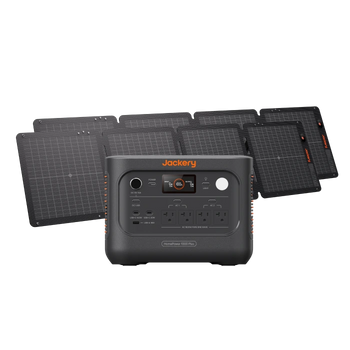
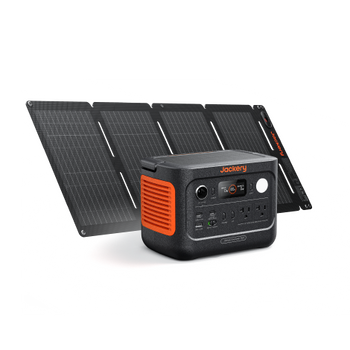
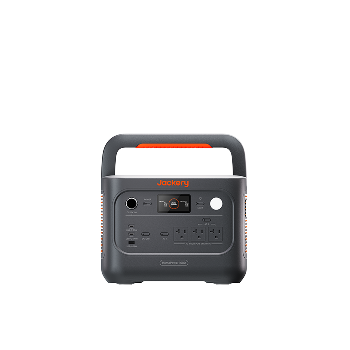
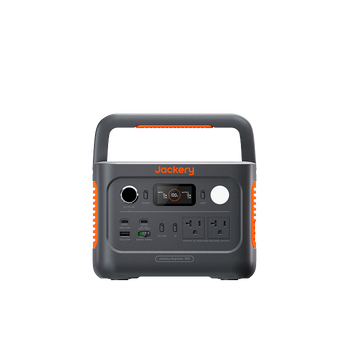
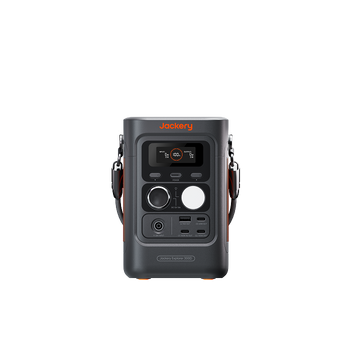
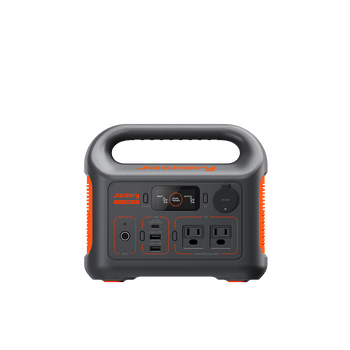
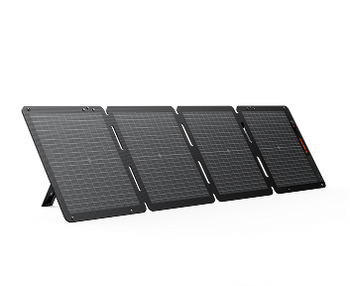
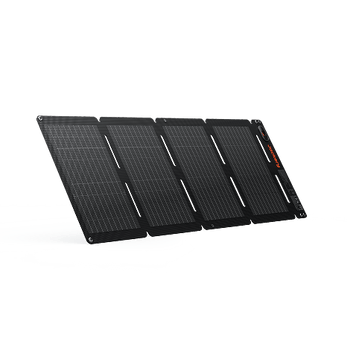
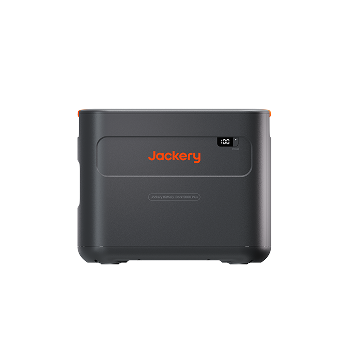
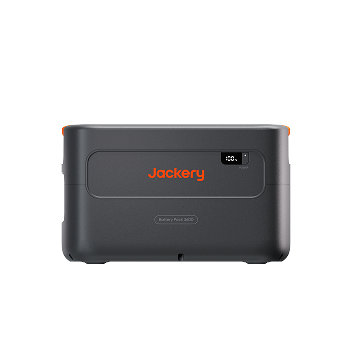
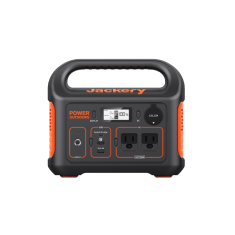
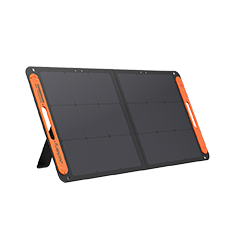
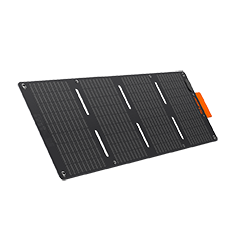
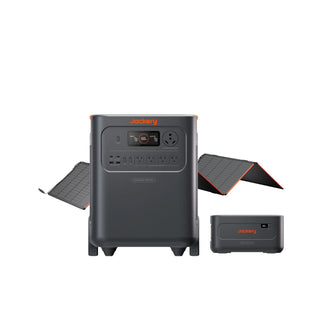
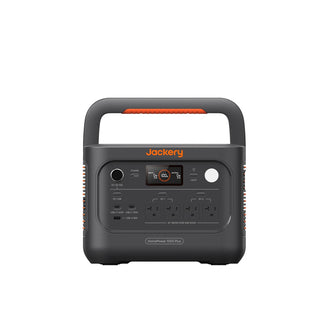
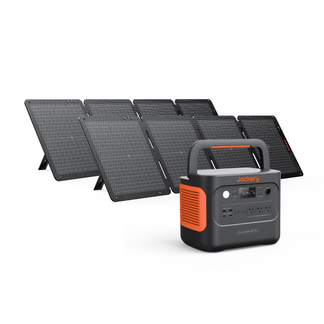
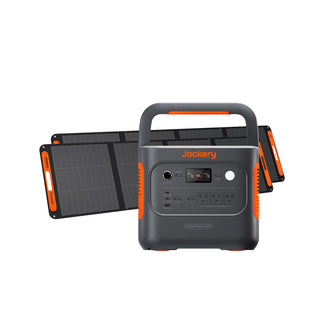
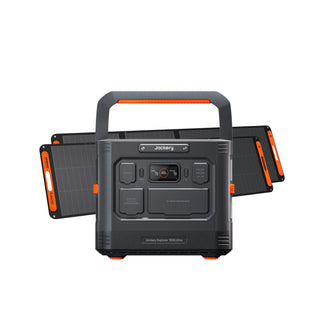
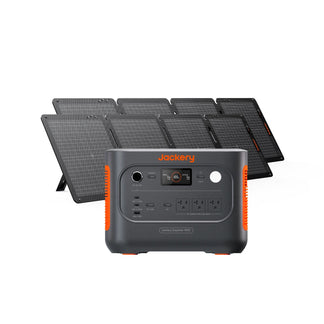
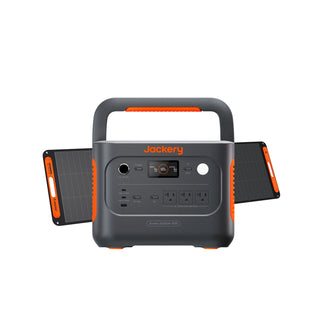
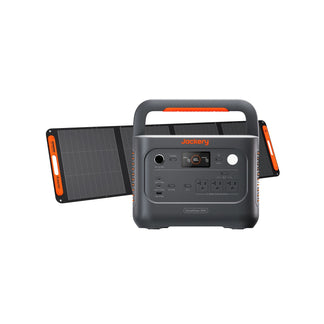
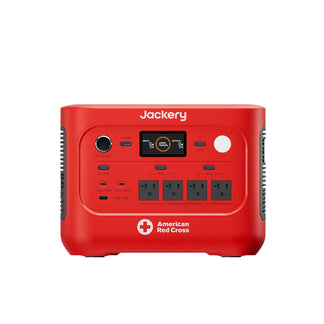
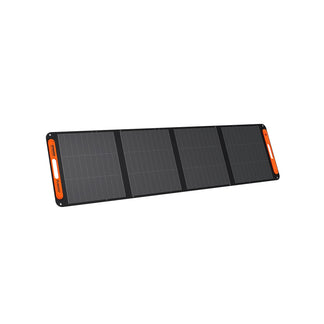
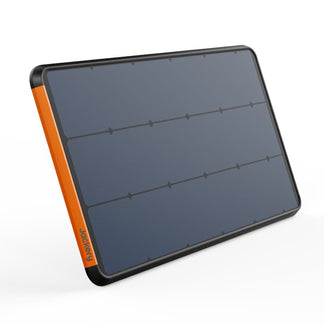
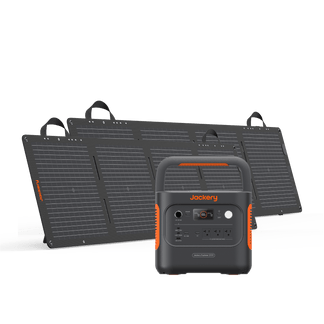
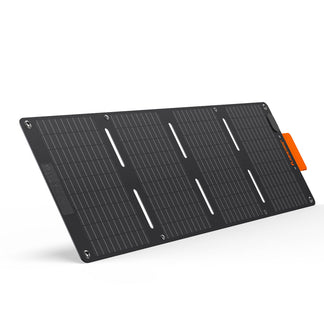
Jackery is a reputable manufacturer of solar-powered generators, portable power stations, and solar panels. The Jackery Solar Generators combine Jackery Portable Power Stations and Jackery SolarSaga Solar Panels to collect, convert, and supply usable electricity. This essential home backup solution can power most home appliances for hours.
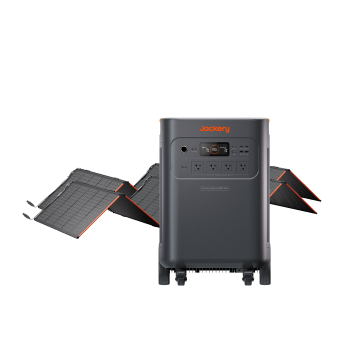
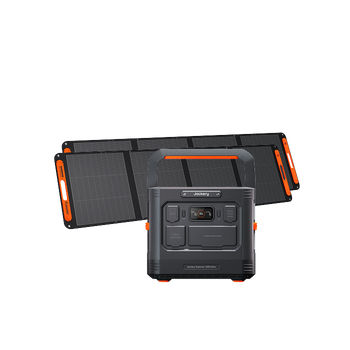
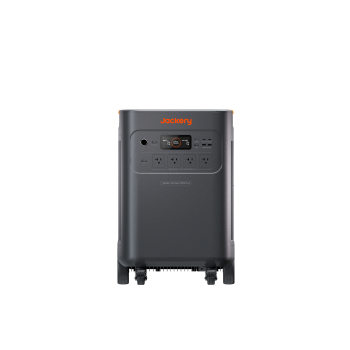
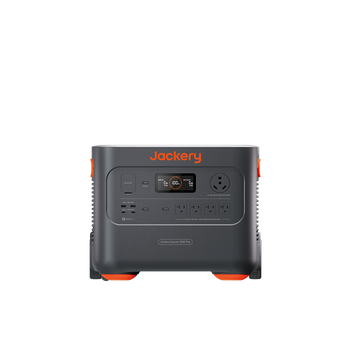
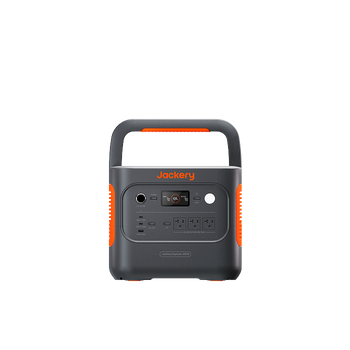
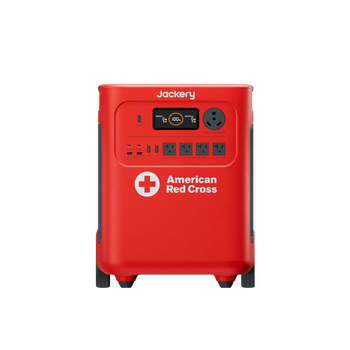
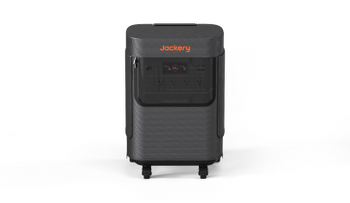
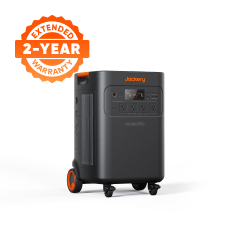
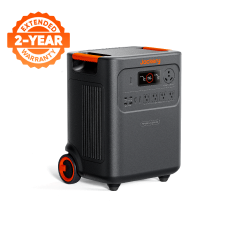
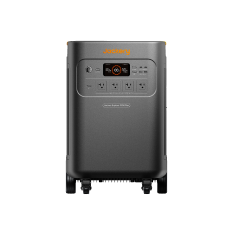
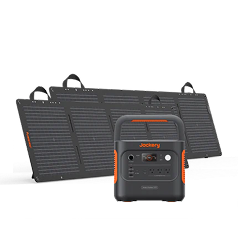
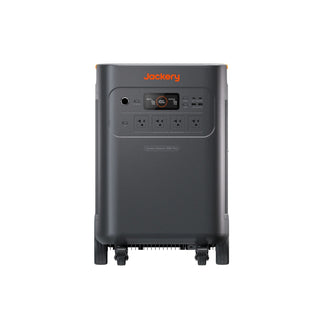
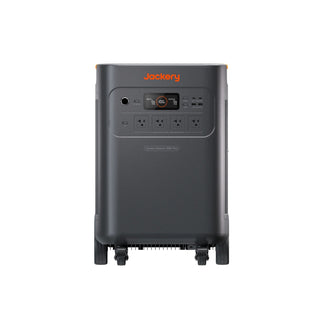
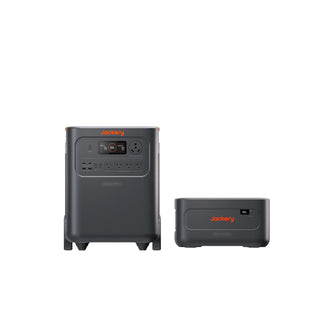
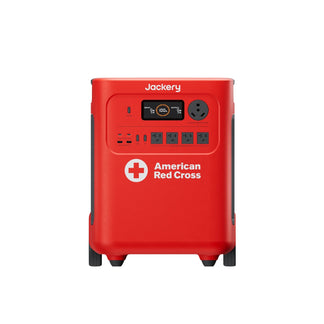
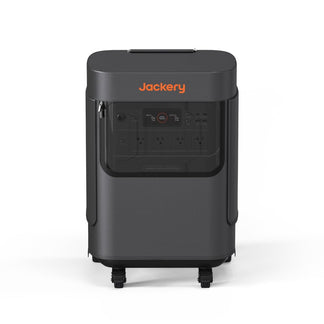
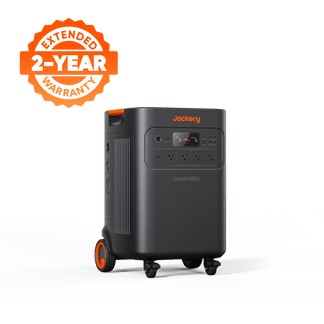
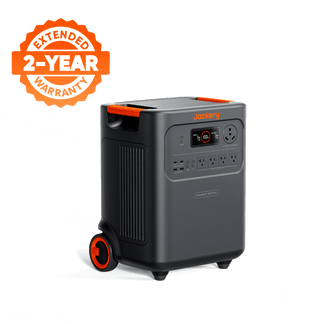
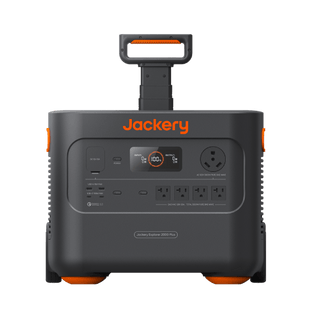
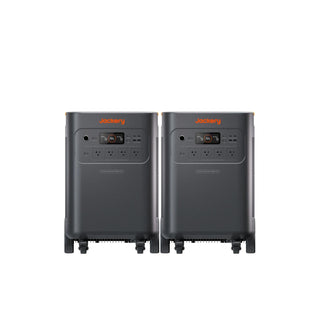
Jackery Solar Generator 5000 Plus
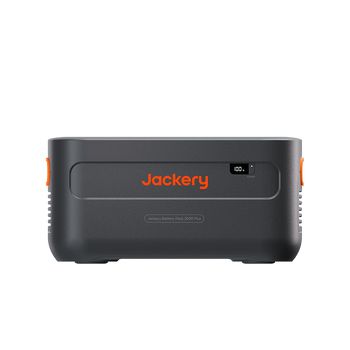
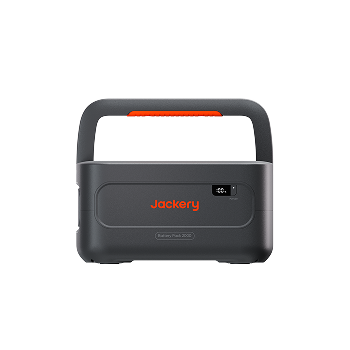
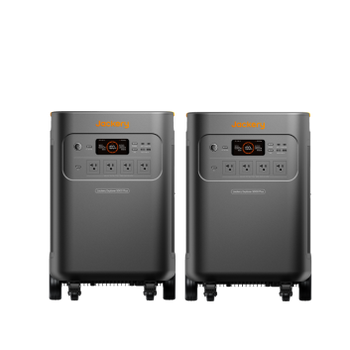
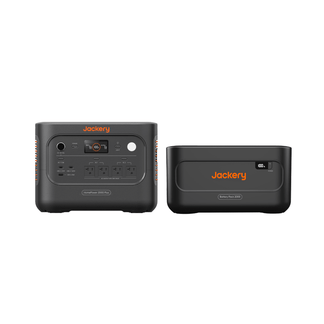
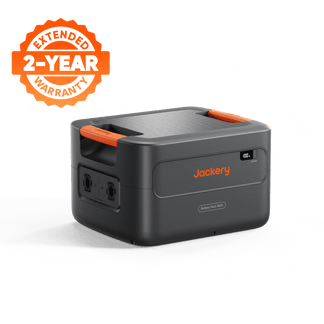
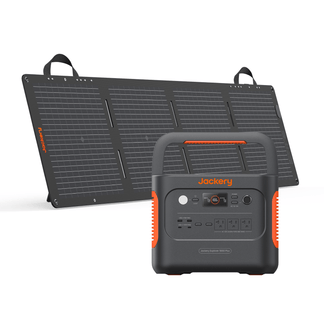
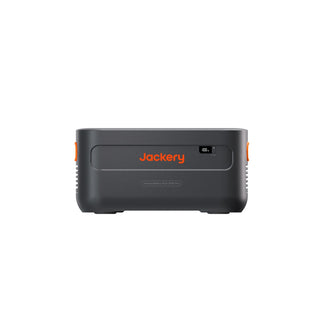
The Jackery Solar Generator 5000 Plus is a reliable and essential home backup solution that can power most indoor and outdoor appliances for hours. It features a pull rod and double wheels for easy transportation during a rolling blackout or extended power outage. It's designed to keep essential circuits running during extended outages, with a 5040Wh capacity that's expandable up to 60kWh for multi-day backup.
Appliance Working Time:
- Water Heater (2000W) = 2.1H
- Drill Machine (1000W) = 4.1H
- Gas Furnace (3000W) = 1.4H
- Refrigerator (1500W) = 1.8H
- Central Air Conditioner (2500W) = 1.7H

Customer Review:
“I received the Explorer 5000 Plus solar generator to run my home if power goes out. It works great and will run my whole home if power goes out.”- Dennis Carlson.
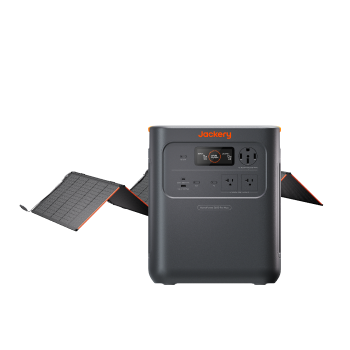
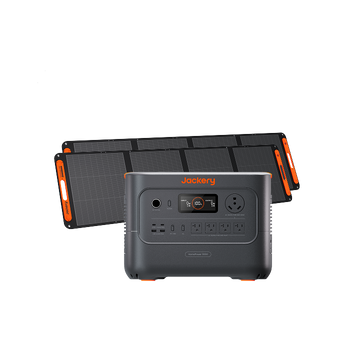
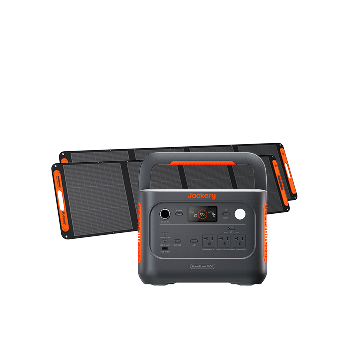
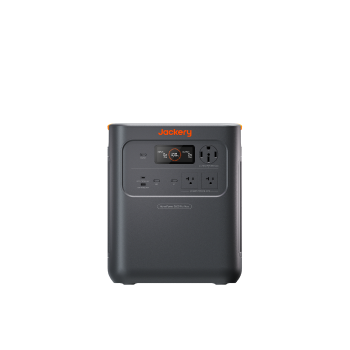
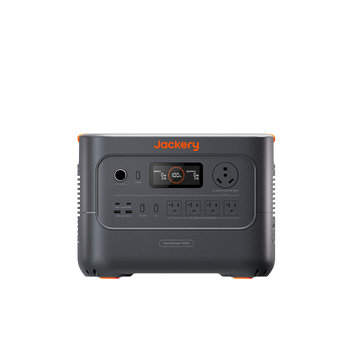
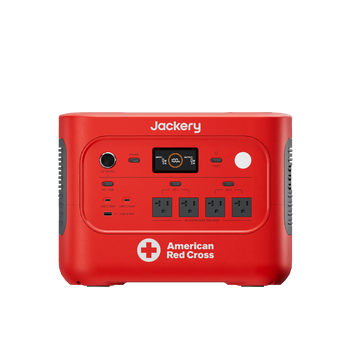
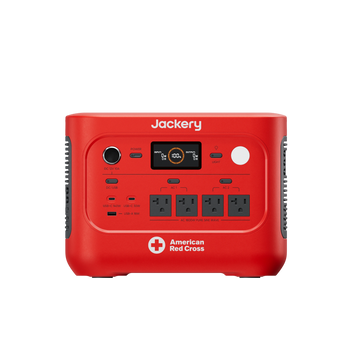
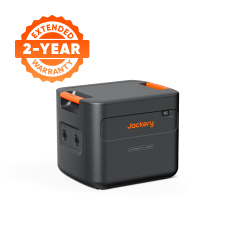
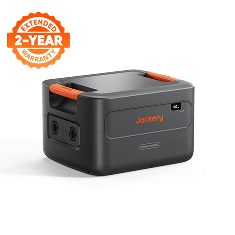
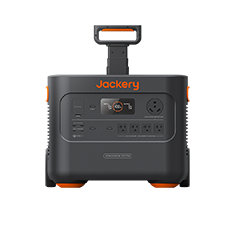
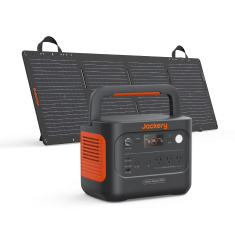
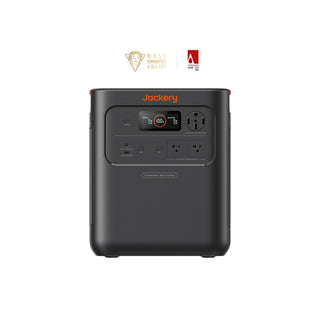
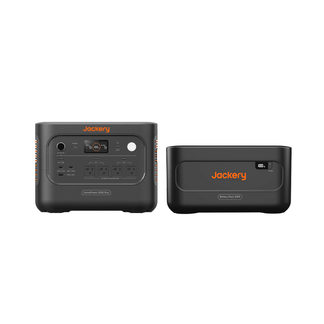
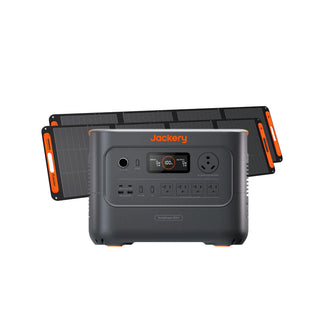
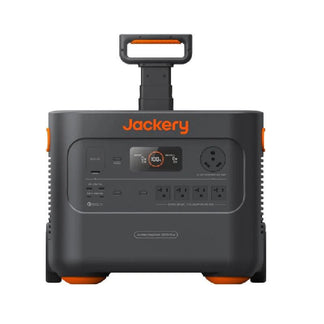
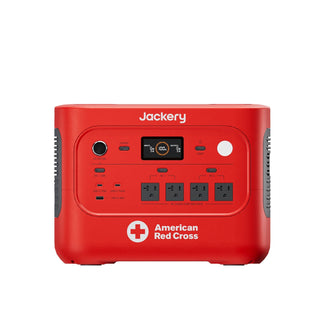
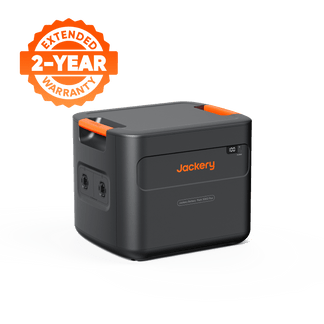
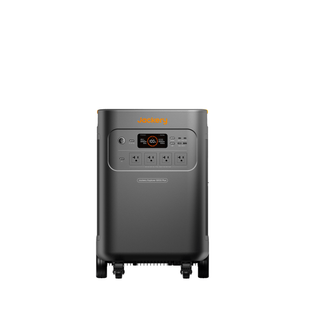
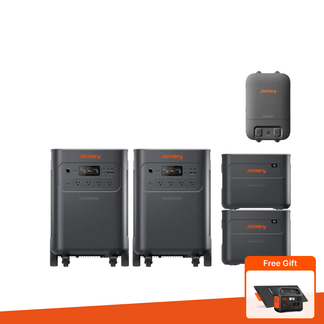
Jackery Solar Generator 2000 Plus Kit (4kWh)
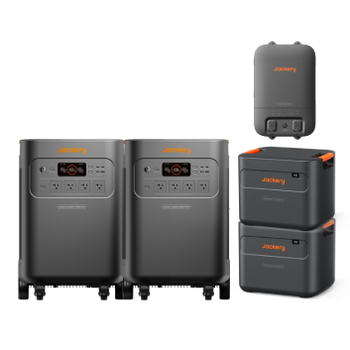
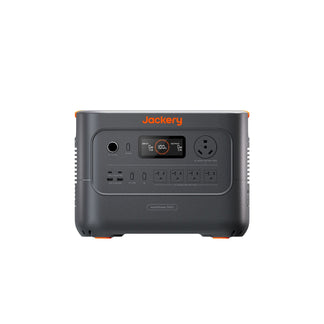
The Jackery Solar Generator 2000 Plus Kit (4kWh) is a sizeable battery backup solution for large apartments and households. It can charge small appliances like mobile phones and laptops and heavy-duty appliances like air conditioners and heaters. Its expandable design lets you scale capacity from 2 kWh up to 24 kWh as your power needs grow. Whether you want to reduce your electric bills or prepare for a long-term power outage, this can be an essential home backup solution.
Appliance Working Time:
- Water Heater (2000W) = 1.7H
- Gas Furnace (3000W) = 1.1H
- Central Air Conditioner (2500W) = 1.4H
- Refrigerator (1200W) = 2.8H
- Electric Heater (1800W) = 1.9H

Customer Review:
“Perfect for my purpose, which is to supply an oxygen generator.”- Janet.
FAQs
Are renters eligible to claim the Energy Tax Credit on appliances?
No, energy tax credits only apply to improvements made by homeowners to their primary homes in the United States. Renters are not entitled to the credit.
Is there a tax credit for energy-efficient appliances for the Federal?
There was a federal tax credit for energy-efficient appliances, called the Energy Efficient Home Improvement Credit (Section 25C). However, it expired for property placed in service after December 31, 2025, and is no longer available for new purchases.
Do I need to own my house to qualify for the Energy Star tax credits?
Yes, Energy Star Tax credits are eligible for an existing home in the United States. The appliances and systems must be new and not used.
What is the maximum income to qualify for tax credits?
The High-Efficiency Electric Home Rebate Program (HEAR) is only focused on assisting households with low-to-moderate income. They must have an income less than 150% of the area's median.
What is the US Clean Energy Tax Credit?
The US Clean Energy Tax Credit previously equaled 30% of the costs of new and qualified energy-efficient improvements made between 2022 and 2025. It expired for expenditures made after December 31, 2025, under the One Big Beautiful Bill Act.
Final Thoughts
IRS Form 5695 could previously help determine what appliances qualified for Energy Tax Credits and the maximum amount available. However, both the Energy Efficient Home Improvement Credit (25C) and the Residential Clean Energy Credit (25D) expired for property placed in service or expenditures made after December 31, 2025, and are no longer available for new purchases or upgrades. Even without a federal rebate, Jackery Solar Generators remain a dependable, installation-free option for backup power and everyday energy savings.


