













Washing machine running costs are generally modest compared with high-power household appliances, but the actual cost depends on how much energy your machine uses per cycle, how many loads you run, water temperature settings, washer's efficiency, and household's electricity rate. You can calculate how much does it cost to run a washing machine using kWh used per load multiplied by the electricity rate in your area.
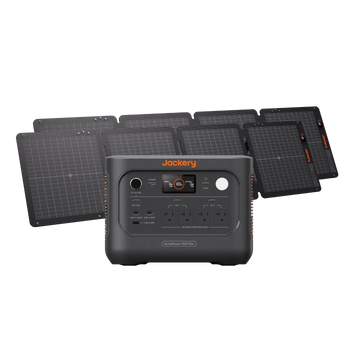
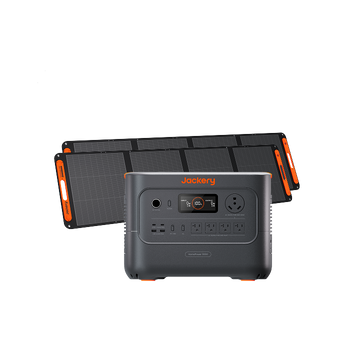
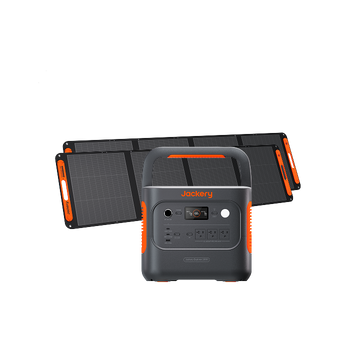
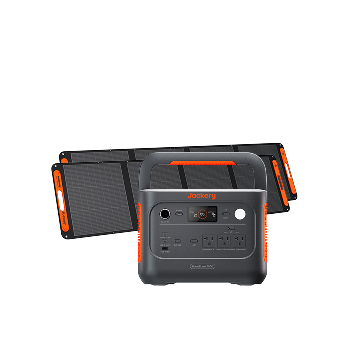
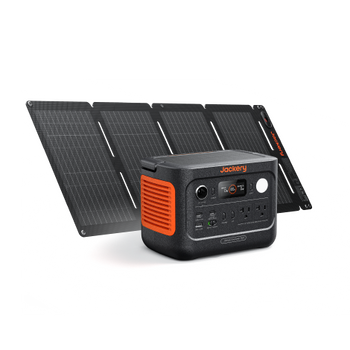
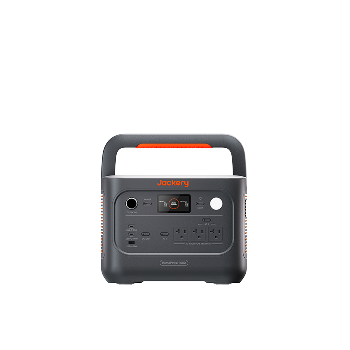
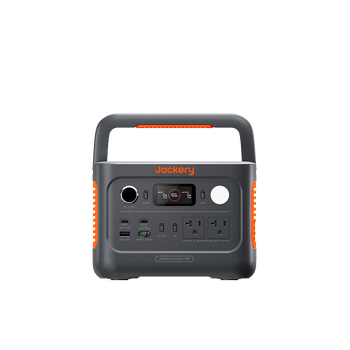
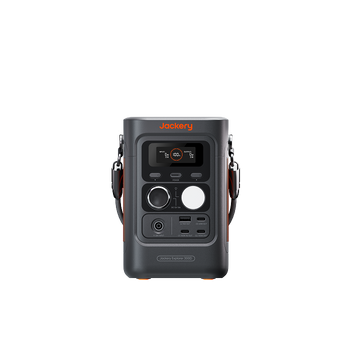
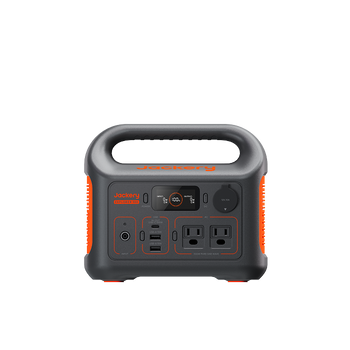
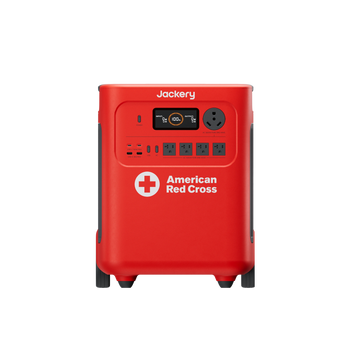
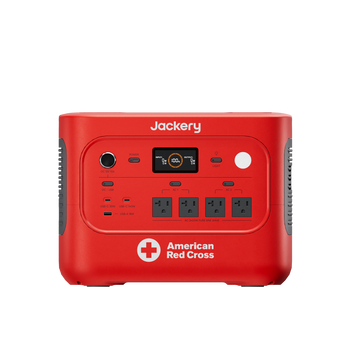
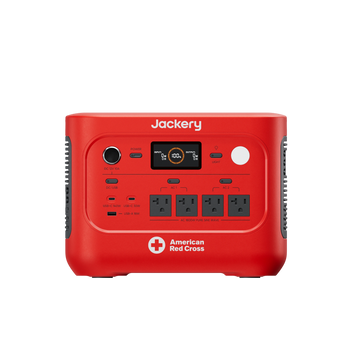
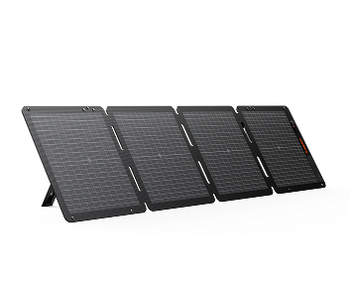
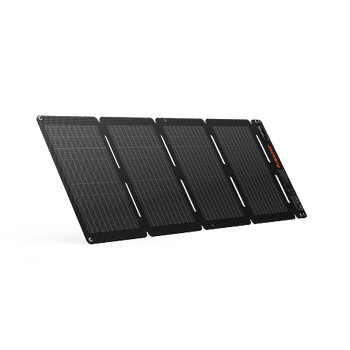
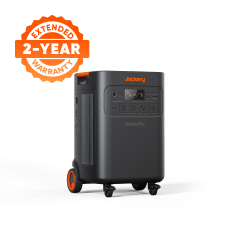
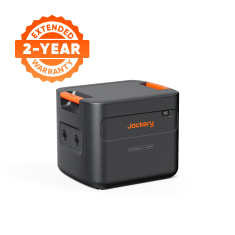
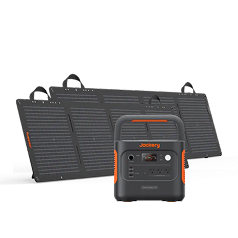
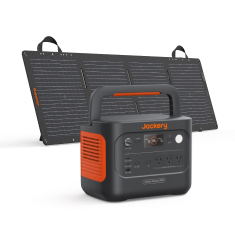
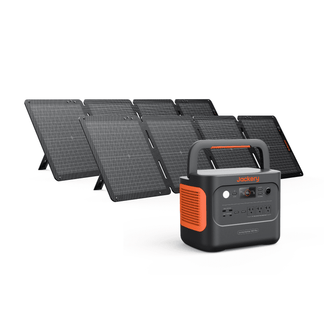
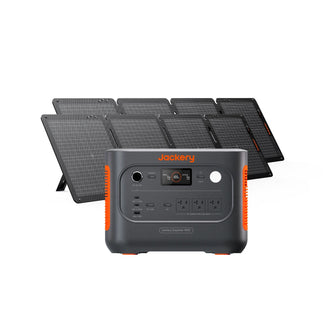
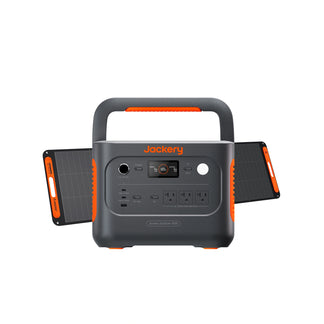
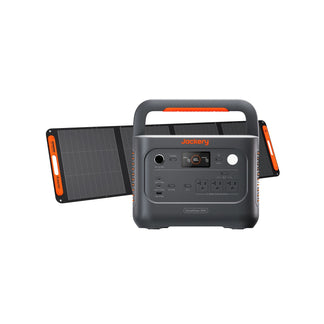
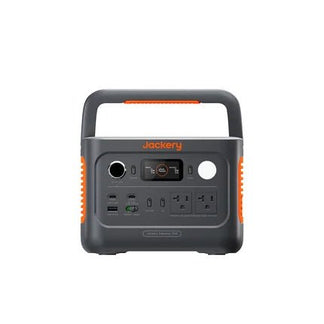
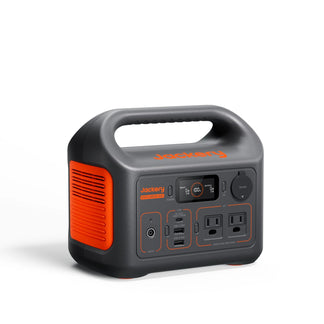
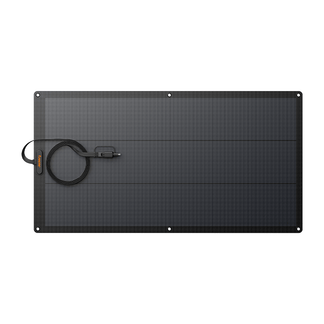
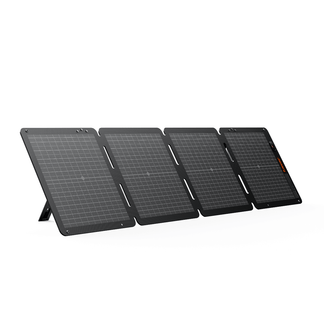
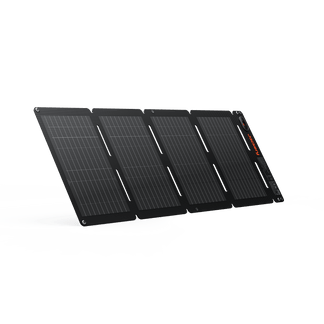
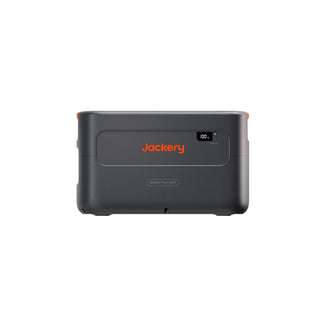
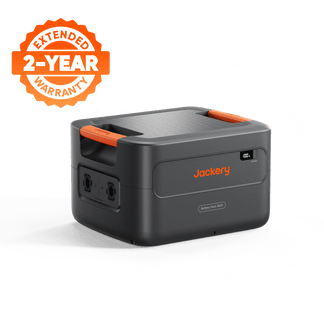
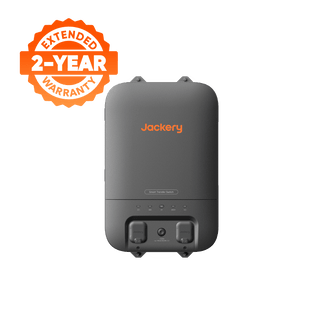
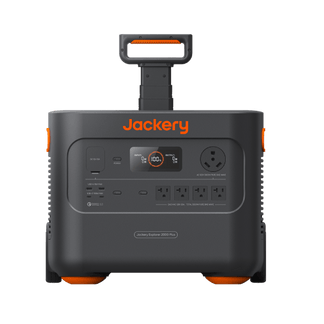
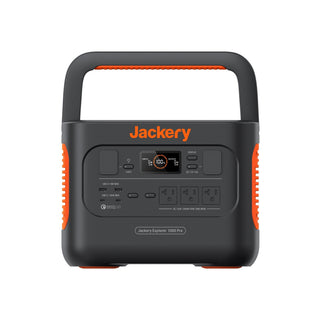
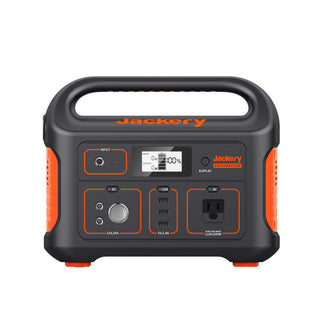
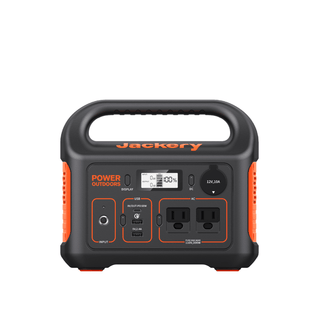
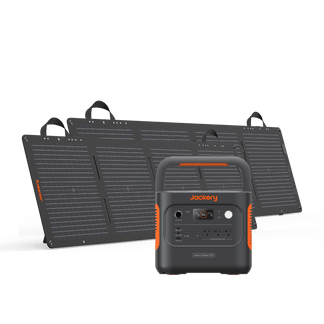
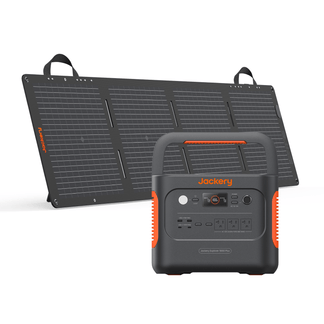
A typical load often costs somewhere between $0.30 and $1.15, depending mainly on whether you are washing in cold or hot water and how efficient your machine is. If you want to lower the cost further, you can use the solar generators to power the appliances, such as washing machines. These solar generators are powerful enough to keep appliances powered during peak electricity hours and power outages.
This guide walks through how much does it cost to run a washing machine per load, per month, per year, across different US electricity rates, along with what actually drives that cost and how to bring it down.
Key Takeaways
- A washing machine typically costs between $0.30 and $1.15 per load, depending mostly on water temperature and efficiency.
- Most of a washing machine's energy use goes toward heating water instead of running the motor, pump, or spin cycle itself.
- ENERGY STAR-certified washers typically use about 0.3–0.6 kWh per load, roughly 25% less than conventional, non-certified models.
- Washing five loads a week at a typical US electricity rate usually adds only a few dollars a month to your electricity bill.
- Cold-water washing generally costs meaningfully less than hot-water washing, since heating water is the largest single energy factor.
- A portable power station can run a washing machine if its continuous and surge output exceed the appliance's actual startup and running requirements.
How Much Does It Cost to Run a Washing Machine?
The cost to run a single load in a washing machine typically ranges from $0.15 to $0.75 per load for utility costs (electricity and water). On an annual basis, this amounts to roughly $11 to $203 per year, depending heavily on how many loads you run and your settings. However, the exact cost to run a washing machine depends on efficiency, water temperature, how often you do laundry, and your local electricity rate.
|
Usage |
Energy Assumption |
Electricity Rate |
Estimated Cost |
|
One load (cold, efficient washer) |
0.3 kWh |
$0.18/kWh |
$0.05 |
|
One load (warm/hot, less efficient) |
1.0 kWh |
$0.18/kWh |
$0.18 |
|
4 loads/week |
~1.7 kWh/week avg |
$0.18/kWh |
~$1.30/month |
|
5 loads/week |
~2.1 kWh/week avg |
$0.18/kWh |
~$1.65/month |
|
7 loads/week |
~2.9 kWh/week avg |
$0.18/kWh |
~$2.30/month |
These are example calculations built on stated assumptions. Your own washer's actual per-cycle energy use and your local electricity rate will change these numbers.
How Much Does It Cost to Run a Washing Machine Per Load?
It costs between $0.30 and $1.15 per load to run a washing machine at home. The exact price depends significantly on your local utility rates, the efficiency of your machine, and, most importantly, whether you wash with hot or cold water.
|
Expense Category |
Cold Water Cycle |
Hot Water Cycle |
|
Electricity |
$0.05 - $0.15 |
$0.25 - $0.45 |
|
Water & sewage |
$0.05 - $0.15 |
$0.05 - $0.15 |
|
Detergent & supplies |
$0.20 - $0.55 |
$0.20 - $0.55 |
|
Total cost |
$0.30 - $0.85 |
$0.50 - $1.15 |
How Much Does It Cost to Run a Washing Machine Per Month?
On average, it costs between $1.17 and $3.87 per month depending on the number of loads you are running. When you break this down per cycle, a single load of laundry costs roughly $0.05 to $0.45 in utility fees, depending on your local energy rates and machine type.
|
Loads/Week |
Loads/Month |
Estimated Energy (at 0.5 kWh/load) |
Estimated Monthly Cost (at $0.18/kWh) |
|
3 |
~13 |
6.5 kWh |
$1.17 |
|
5 |
~22 |
11.0 kWh |
$1.98 |
|
7 |
~30 |
15.0 kWh |
$2.70 |
|
10 |
~43 |
21.5 kWh |
$3.87 |
Households with children, larger families, pets, or frequent clothing changes may run significantly more loads per week than a smaller household, thereby impacting the final running cost of a washing machine.
How Much Does It Cost to Run a Washing Machine Per Year?
On average, running a washing machine per year costs between $14 and $46. Scaling the monthly figures out across a full year, at 0.5 kWh per load and $0.18/kWh:
- Light use (3 loads/week): ~$1.17/month × 12 ≈ $14 per year
- Average use (5 loads/week): ~$1.98/month × 12 ≈ $24 per year
- Heavy use (10 loads/week): ~$3.87/month × 12 ≈ $46 per year
The actual cost, however, depends on your local electricity rate, your washer's real per-cycle energy use, and how many loads you actually run in a given year.
How Much Does a Washing Machine Cost to Run in Different US States?
Electricity prices vary substantially by state, according to EIA data (residential rate, June 2026). Using a 0.5 kWh per-load assumption, here's the estimated cost per load and monthly cost (based on 5 loads/week, ~22 loads/month) for every state:
|
State |
Electricity Rate (¢/kWh, June 2026) |
Cost per Load (0.5 kWh) |
Monthly Cost (5 loads/week) |
|
Connecticut |
24.32 |
$0.12 |
$2.68 |
|
Maine |
29.59 |
$0.15 |
$3.25 |
|
Massachusetts |
29.61 |
$0.15 |
$3.26 |
|
New Hampshire |
27.01 |
$0.14 |
$2.97 |
|
Rhode Island |
29.23 |
$0.15 |
$3.22 |
|
Vermont |
24.44 |
$0.12 |
$2.69 |
|
New Jersey |
24.95 |
$0.12 |
$2.74 |
|
New York |
29.49 |
$0.15 |
$3.24 |
|
Pennsylvania |
21.73 |
$0.11 |
$2.39 |
|
Illinois |
19.89 |
$0.10 |
$2.19 |
|
Indiana |
17.51 |
$0.09 |
$1.93 |
|
Michigan |
22.99 |
$0.11 |
$2.53 |
|
Ohio |
19.19 |
$0.10 |
$2.11 |
|
Wisconsin |
19.56 |
$0.10 |
$2.15 |
|
Iowa |
15.93 |
$0.08 |
$1.75 |
|
Kansas |
15.71 |
$0.08 |
$1.73 |
|
Minnesota |
17.52 |
$0.09 |
$1.93 |
|
Missouri |
16.22 |
$0.08 |
$1.78 |
|
Nebraska |
13.25 |
$0.07 |
$1.46 |
|
North Dakota |
14.12 |
$0.07 |
$1.55 |
|
South Dakota |
15.36 |
$0.08 |
$1.69 |
|
South Atlantic |
16.04 |
$0.08 |
$1.76 |
|
Delaware |
19.29 |
$0.10 |
$2.12 |
|
District of Columbia |
24.39 |
$0.12 |
$2.68 |
|
Florida |
15.10 |
$0.08 |
$1.66 |
|
Georgia |
16.36 |
$0.08 |
$1.80 |
|
Maryland |
21.84 |
$0.11 |
$2.40 |
|
North Carolina |
14.74 |
$0.07 |
$1.62 |
|
South Carolina |
15.55 |
$0.08 |
$1.71 |
|
Virginia |
17.22 |
$0.09 |
$1.89 |
|
West Virginia |
15.45 |
$0.08 |
$1.70 |
|
Alabama |
16.40 |
$0.08 |
$1.80 |
|
Kentucky |
14.26 |
$0.07 |
$1.57 |
|
Mississippi |
14.88 |
$0.07 |
$1.64 |
|
Tennessee |
14.07 |
$0.07 |
$1.55 |
|
Arkansas |
14.12 |
$0.07 |
$1.55 |
|
Louisiana |
13.49 |
$0.07 |
$1.48 |
|
Oklahoma |
14.33 |
$0.07 |
$1.58 |
|
Texas |
15.94 |
$0.08 |
$1.75 |
|
Arizona |
15.18 |
$0.08 |
$1.67 |
|
Colorado |
17.13 |
$0.09 |
$1.88 |
|
Idaho |
14.37 |
$0.07 |
$1.58 |
|
Montana |
15.14 |
$0.08 |
$1.67 |
|
Nevada |
13.11 |
$0.07 |
$1.44 |
|
New Mexico |
15.06 |
$0.08 |
$1.66 |
|
Utah |
13.37 |
$0.07 |
$1.47 |
|
Wyoming |
15.24 |
$0.08 |
$1.68 |
|
California |
34.74 |
$0.17 |
$3.82 |
|
Oregon |
16.32 |
$0.08 |
$1.80 |
|
Washington |
14.91 |
$0.07 |
$1.64 |
|
Alaska |
28.21 |
$0.14 |
$3.10 |
|
Hawaii |
52.72 |
$0.26 |
$5.80 |
|
US Total |
18.34 |
$0.09 |
$2.02 |
Rates reflect EIA average residential electricity prices for June 2026. Cost per load assumes a 0.5 kWh cycle. Monthly cost assumes 5 loads/week (~22 loads/month). Actual cost depends on your specific washer's energy use per cycle, water temperature, and your exact utility rate, which can differ from the state average shown here.
How Do You Calculate the Cost to Run a Washing Machine?
The core formula:
Cost per load = kWh used per load × electricity price per kWh
Worked example: 0.5 kWh per cycle × $0.18/kWh = $0.09 per load
To extend that to a monthly or annual estimate:
Monthly cost = kWh per cycle × loads per week × 52 ÷ 12 × electricity rate
A washing machine's rated wattage (say, 500W) doesn't mean it consumes 0.5 kWh for every hour of the cycle, because power draw varies substantially through the different stages of a wash. For example, filling with water, agitating or tumbling, rinsing, and spinning all draw different amounts of power, and only some of those stages involve much electrical load at all. The energy-per-cycle figure (in kWh) is what actually matters for cost.
How Much Electricity Does a Washing Machine Use Per Load?
This is best expressed in kWh per cycle rather than watts, since a wash cycle is not a constant, steady load. It moves through several distinct stages, and the motor, pump, and (where applicable) water-heating element each contribute differently at different points.
According to ENERGY STAR and US Department of Energy data, ENERGY STAR-certified washing machines typically use roughly 0.3 to 0.6 kWh per load, using about 25% less energy than conventional, non-certified models.
Conventional or older, non-certified units can use up to roughly 1 kWh per load, and cycles involving substantial water heating can range even higher up to around 2.5 kWh for a full hot-water cycle in less efficient machines. Your specific machine's actual consumption depends on its age, certification status, and the cycle and temperature you select.
What Factors Affect the Cost of Running a Washing Machine?
Water temperature has the biggest impact on running costs, as heating water accounts for 80% to 90% of a washing machine's total energy consumption. Here are some other factors affecting the cost to run a washing machine:
How Does the Washing Machine's Energy Efficiency Affect Cost?
ENERGY STAR certification generally indicates lower per-load energy use, as noted above, roughly 25% less than conventional models. That said, certification alone does not determine your total household laundry cost. How many loads you run, what temperature you wash at, and your electricity rate all still factor in on top of the appliance's baseline efficiency.
Does the Washing Machine Type Affect Electricity Use?
Front-load washers are commonly more water- and energy-efficient than top-load machines, largely because they don't need to fully submerge clothes in water the way many top-loaders do. That said, it is not accurate to declare front-load machines universally cheaper to run in every case. Efficiency varies by specific model and certification, and a highly efficient top-load machine can outperform an older or less efficient front-load unit.
Does the Wash Cycle Affect Electricity Use?
Yes, normal, quick, heavy-duty, extended, and high-temperature cycles all draw different amounts of energy, largely tied to two things: how long the cycle runs and how much water heating it involves. A quick, cold cycle will generally use less energy than an extended, high-temperature heavy-duty cycle.
Does Water Temperature Affect Electricity Costs?
This is one of the most important factors affecting the cost to run a washing machine. Heating water can materially change laundry energy use, since it is the largest single energy factor in many wash cycles. Going from cold to hot water can be the difference between a 0.3 kWh cycle and one well over 1 kWh.
How Can You Reduce the Cost of Running a Washing Machine?
You can reduce the cost of running a washing machine by washing full loads in cold water and using eco-friendly settings.
- Wash full loads when appropriate, rather than running the machine for small partial loads.
- Use cold water when the fabric and soil level allow for it.
- Select an efficient cycle suited to the load, rather than defaulting to an extended or heavy-duty setting out of habit.
- Avoid unnecessary extra rinse cycles unless the load genuinely needs them.
- Use appropriate high-spin settings where suitable, since this can reduce drying time and cost downstream.
- Keep the washing machine maintained per the manufacturer's guidance.
- Consider an efficient, ENERGY STAR-certified appliance when it is time to replace an older machine.
- Check whether your utility offers time-of-use electricity rates.
- Shift laundry to lower-cost periods of the day where a time-of-use plan applies, and your schedule allows.
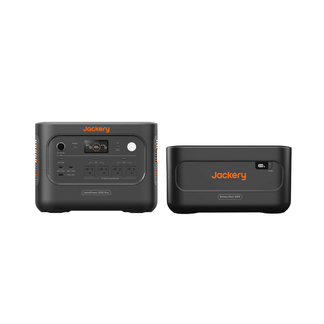
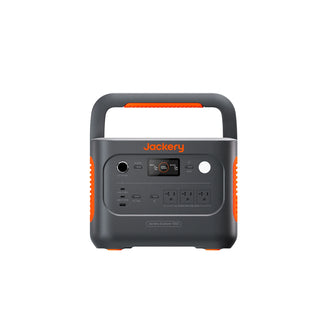
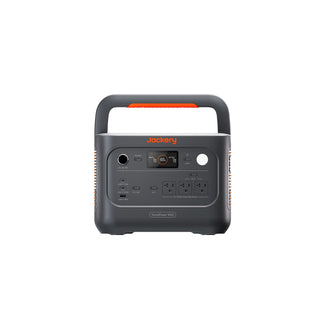
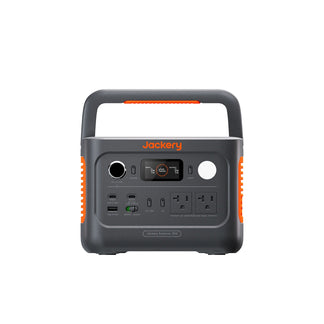
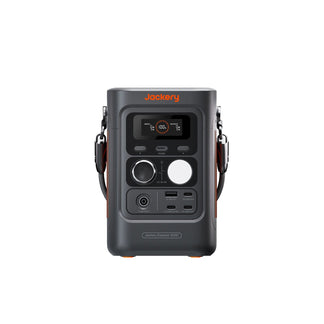
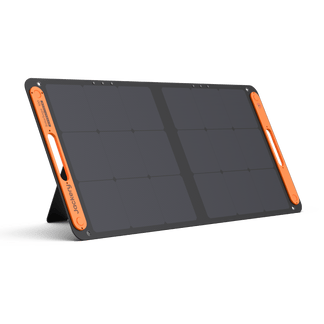
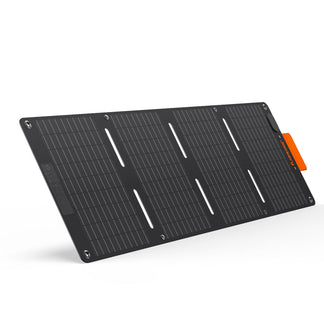
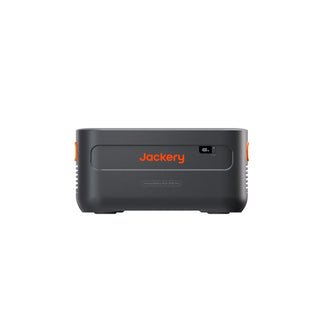
- Use solar generators like those from Jackery to run off-grid washing machines.
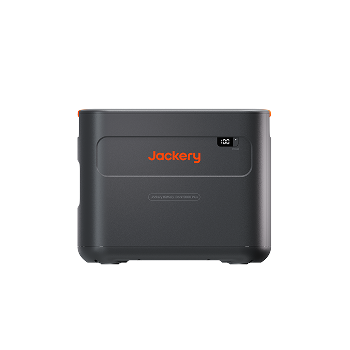
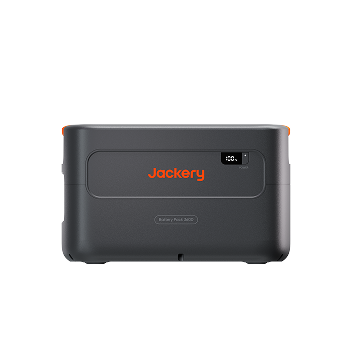
Recommended Jackery Solar Generators to Run a Washing Machine
Whether a Jackery Solar Generator can run your solar-powered washing machine depends on the appliance's rated power, startup requirements, cycle settings, and the power station's available output. A washing machine's power draw spikes briefly when the motor and water-fill solenoid start, then settles into a lower, variable draw through the wash, rinse, and spin stages.
So the real question is not just "can Jackery power the washing machine/dryer," but whether the solar generator's continuous and surge output comfortably clear your specific machine's startup and running requirements, which are printed on its rating label or listed in its manual. Here are ideal solar generators for washing machines that offer enough capacity and output to meet the needs of the appliance:
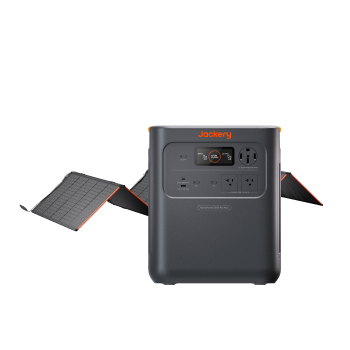
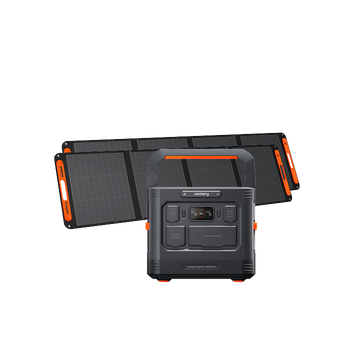
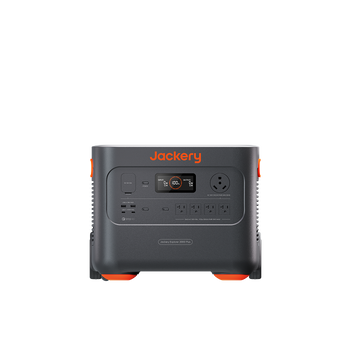
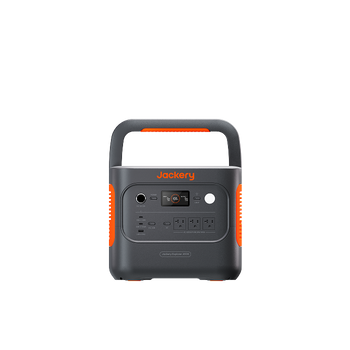
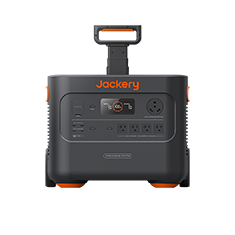
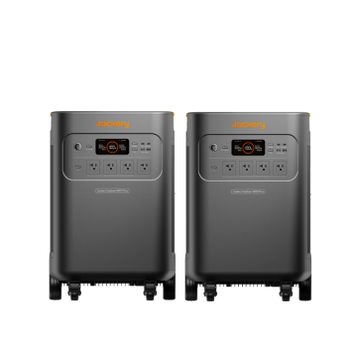
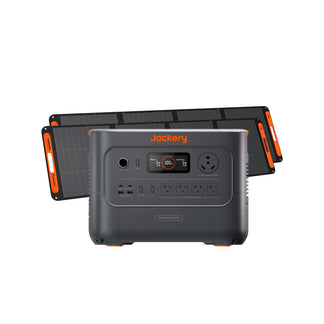
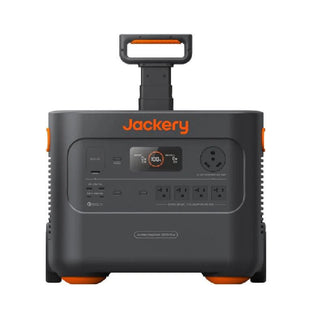
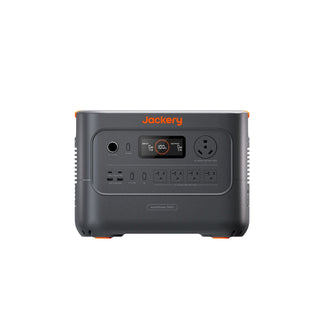
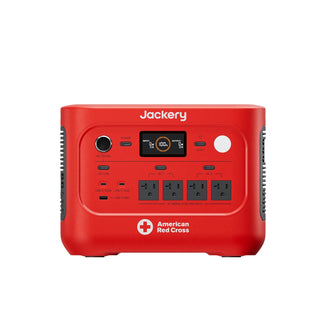
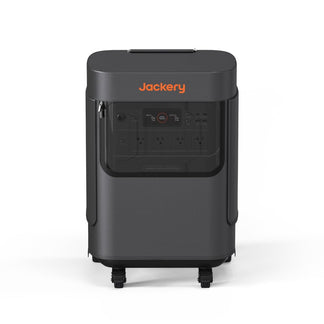
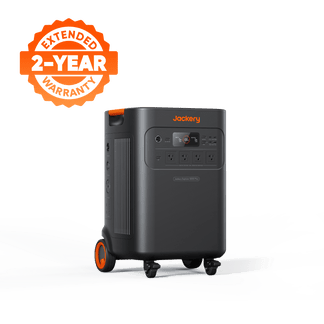
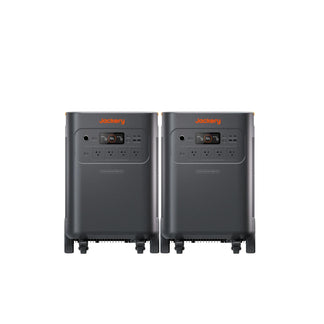
Jackery Solar Generator HomePower 3000
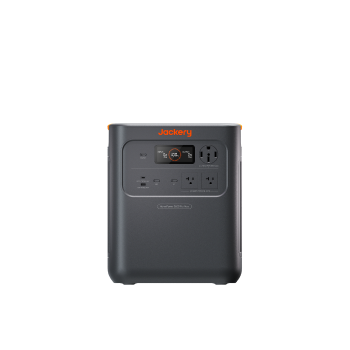
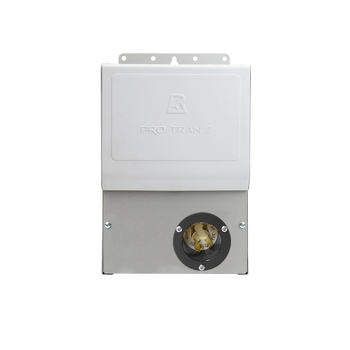
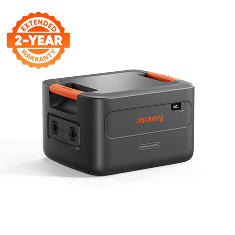
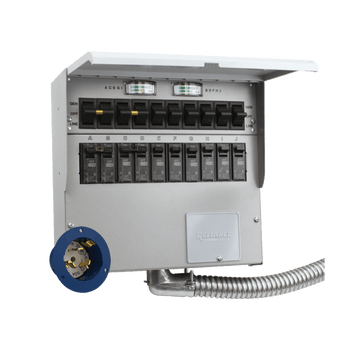
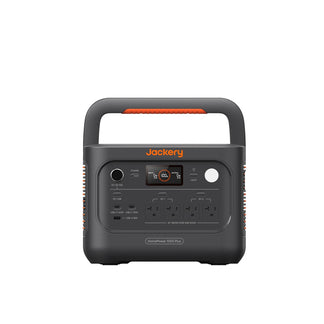
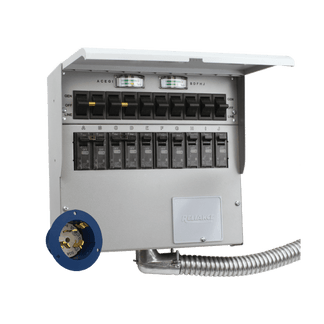
The Jackery Solar Generator HomePower 3000 offers enough power for most standard residential washing machines' running and startup draw, while its capacity supports multiple wash cycles before needing a recharge. The dual-sided handles and compact design ensure you can easily move the solar generator anywhere around the home or even to outdoor locations. You can also pair this essential home backup solution with a manual transfer switch to power up to six (6) essential home circuits when the grid goes down.
Appliances Running Time
- Top-Load Washing Machine (500W) = 5.0H
- Front-Load Washing Machine (300W) = 8.1H
- Compact or Portable Washing Machine (400W) = 6.2H
Who Should Buy This
The Jackery Solar Generator HomePower 3000 is ideal for households wanting enough capacity for several wash cycles on a single charge, without requiring native 240V output for other larger appliances.

Customer Review
I really like the portability, ease of deploying and storing the fold-out solar panels, DC and AC power, and a 30 amp AC plug for RV boondocking. An all around great solution for my first solar experience!
— Nick I.N.G.
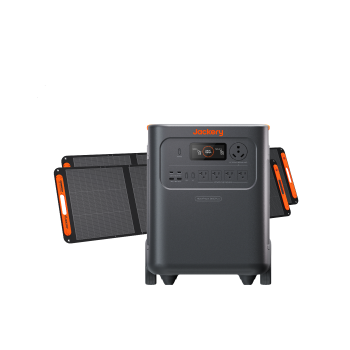
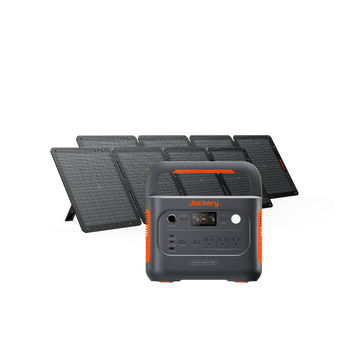
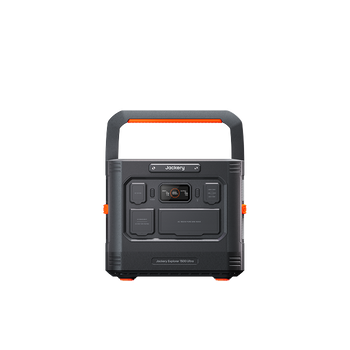
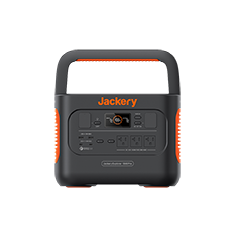
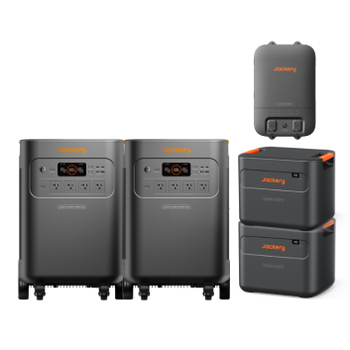
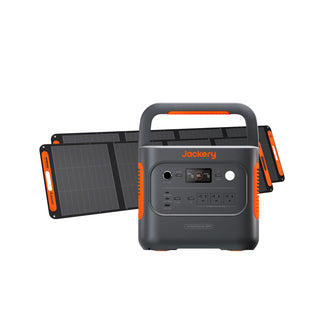
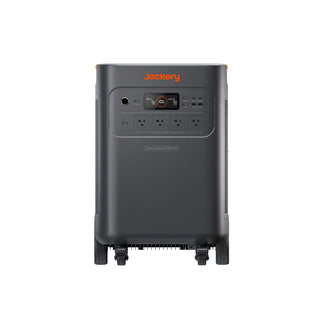
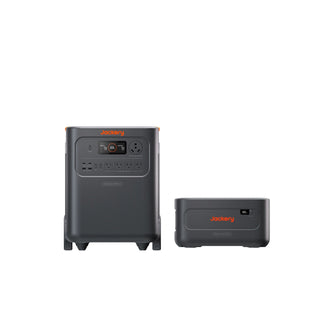
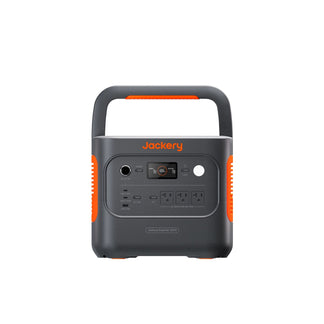
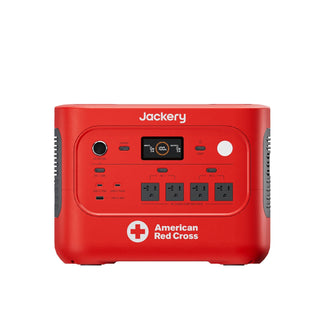
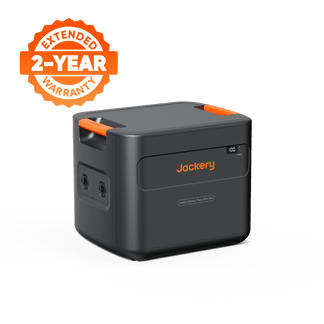
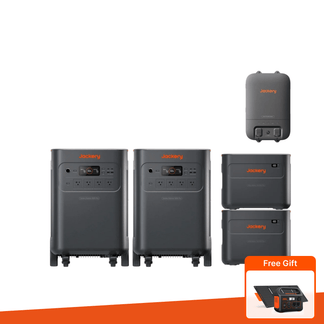
Jackery Solar Generator HomePower 3600 Pro Max
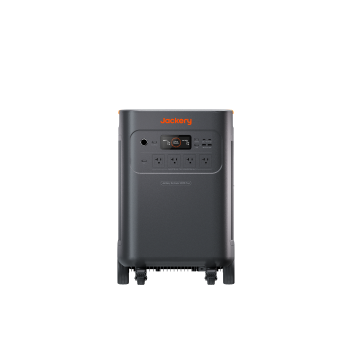
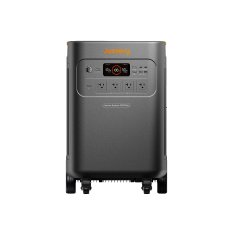
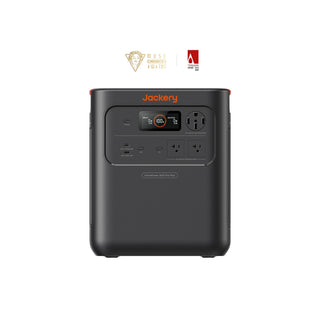
The Jackery Solar Generator HomePower 3600 Pro Max adds meaningful surge headroom for a washing machine's motor-startup spike, plus the option to integrate with a transfer switch for broader household backup if the washer shares a circuit with other appliances. If you need more power to run multiple appliances at the same time and for long hours, this home battery backup solution can be expanded up to 21kWh per unit or 43kWh in parallel.
Appliances Running Time
- Top-Load Washing Machine (500W) = 5.8H
- Front-Load Washing Machine (300W) = 9.5H
- Compact or Portable Washing Machine (400W) = 7.2H
Who Should Buy This
The Jackery Solar Generator HomePower 3600 Pro Max is ideal for households wanting extra output headroom and the option of native 240V/transfer-switch integration, useful if the washing machine's circuit shares power with other appliances during an outage.

Customer Review
Been using this now for a couple weeks. Loving it. It seems to be working great for my usage.
— Nancy J.
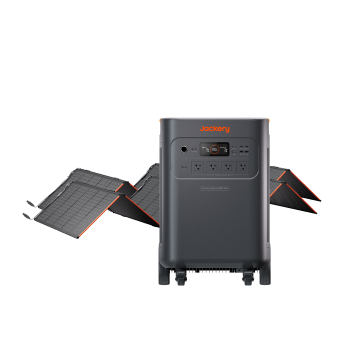
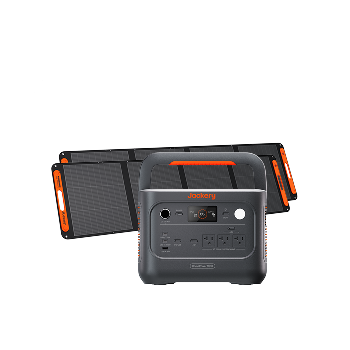
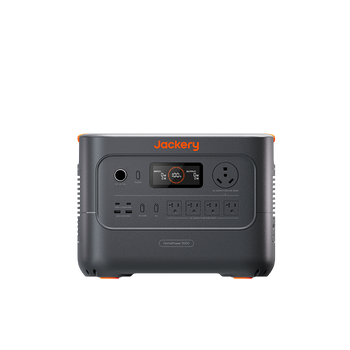
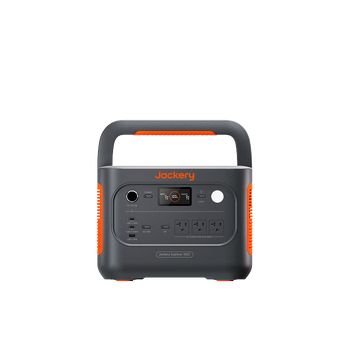
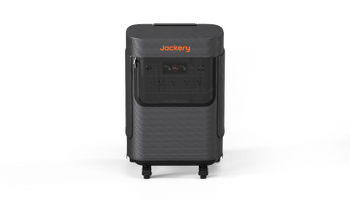
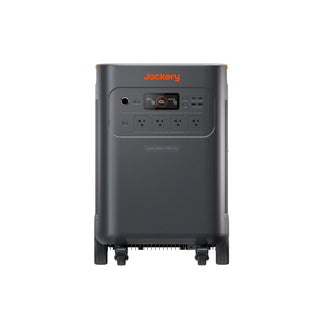
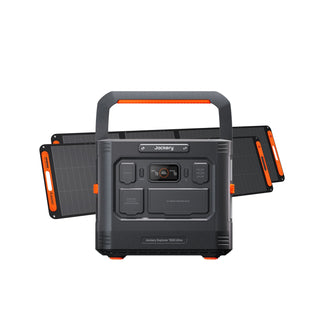
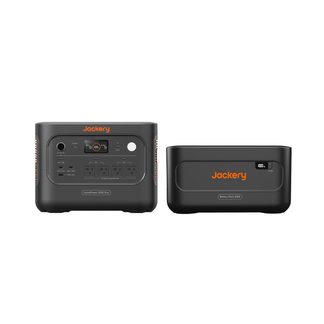
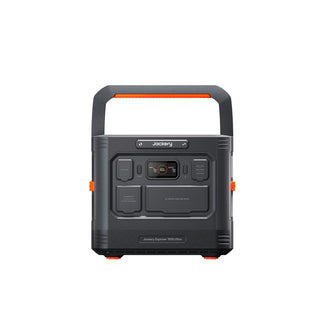
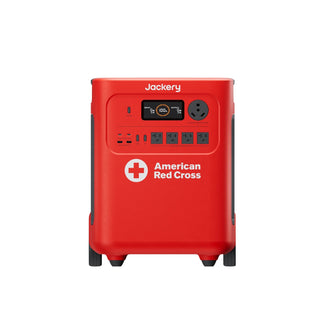
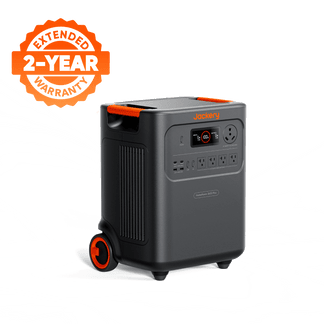
Jackery Solar Generator 5000 Plus
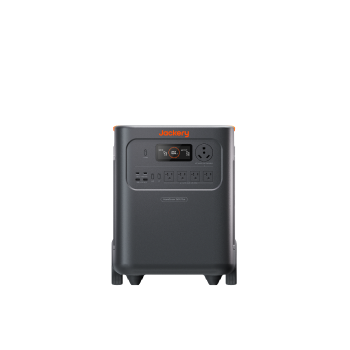
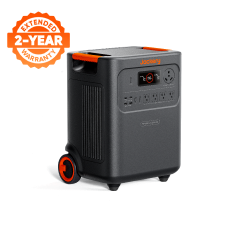
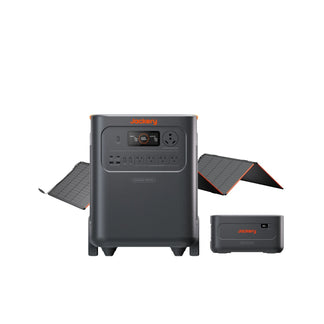
The Jackery Solar Generator 5000 Plus is an essential home backup solution with dual-voltage compatibility. It is ideal for a washing machine's startup surge and for running it alongside other significant household loads simultaneously. It is suitable for a larger household doing multiple loads of laundry during an extended outage. Its higher capacity also means more total wash cycles available before a recharge is needed, and its solar-charging capability can extend that further during a daytime outage.
Appliances Running Time
- Top-Load Washing Machine (500W) = 7.8H
- Front-Load Washing Machine (300W) = 12.2H
- Compact or Portable Washing Machine (400W) = 9.5H
Who Should Buy This
The Jackery Solar Generator 5000 Plus is ideal for larger households doing more frequent laundry loads, or anyone wanting the washing machine covered as one part of a broader home backup plan during longer outages.

Customer Review
It does everything it’s advertised. The best part is that I can hook it up to my solar panels and I can run it with the STS and it’ll run most of my house. I purchased two of them so that way I can get the maximum output from the STS for the whole house. I really like the fact that it has wheels and can be moved when going on camping trips so I can use it as a dry camp location without having to hook up to electricity from outside sources.
— Jeffrey H.
FAQs
How much does it cost to run a washer for 1 hour?
Most wash cycles run somewhere around 45 minutes to an hour, so a roughly one-hour cycle costs about $0.05 for a cold, efficient cycle up to around $0.18–$0.36 for a longer or hot-water cycle, at a $0.18/kWh electricity rate. Since a washing machine's power draw varies through fill, wash, rinse, and spin rather than staying constant for the full hour, this is really a per-cycle estimate rather than a true steady hourly rate.
How much does a load of laundry cost in electricity and water?
Electricity for a single load typically runs $0.05–$0.18 depending on temperature and efficiency. Water adds a separate cost on top of that, since a typical washer uses roughly 15–30 gallons per load. At an illustrative combined water-and-sewer rate of around $5 per 1,000 gallons, that is roughly $0.08–$0.15 in water cost, bringing a full load's combined electricity-and-water cost to somewhere around $0.15–$0.35. This is just an estimate, as both water rates and per-load water use vary by location and machine.
How much does it cost to run a dryer for 1 hour?
An electric dryer averaging around 3,000W run for a full hour uses about 3 kWh, costing roughly $0.54 at $0.18/kWh. It is noticeably more than an hour of washing, since a dryer's heating element draws considerably more continuous power than a washer's motor and pump. For the full dryer-specific breakdown and calculation, see our dedicated guide on how much does it cost to run a dryer.
How much electricity does a 30-minute washing machine use?
A quick or express cycle typically uses less energy than a standard full-length cycle, both because it runs for less time and because quick cycles often use less water heating. You can expect a washing machine to use anywhere around 0.15–0.4 kWh for a 30-minute cycle, compared with 0.3–1 kWh for a standard cycle. Your specific machine's actual consumption depends on its efficiency and whether the quick cycle uses cold or heated water.
How much does it cost to run a washing machine for 2 hours?
A cycle stretching to around 2 hours, from an extended or heavy-duty setting, extra rinses, or a bulky load triggering rebalancing, would use roughly double a standard cycle's energy, or about 0.6–2 kWh depending on temperature and efficiency. At $0.18/kWh, it can cost roughly $0.11 to $0.36 for that load.
Conclusion
A washing machine is one of the most modest household electricity costs, typically running from a few cents to well under a dollar per load depending mainly on water temperature and efficiency. Understanding the calculation is what lets a household estimate how much does it cost to run a washing machine. One of the best ways to lower the running costs of a washing machine and other appliances is by switching to solar generators. Jackery Solar Generators, for example, can run most appliances at home, lowering the electricity used from the grid and reducing the monthly electricity bills.


