





































A typical fish tank uses about 15 to 150 kWh of electricity per month, costing roughly $3 to $48 a month, depending on the size of the tank and your equipment.
An aquarium is a system of multiple components: a heater, a filter, lighting, and often pumps or other equipment, and actual consumption depends on each component's wattage and how long it actually runs. Filters typically run continuously, creating a steady baseline load, whereas lights operate on a set daily schedule. Heaters cycle on and off depending on room and water temperature, rather than drawing power constantly. Reef tanks with chillers or high-powered lighting can use substantially more than a basic freshwater setup.
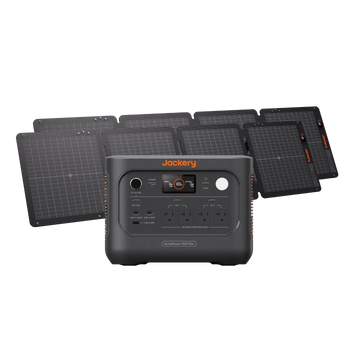
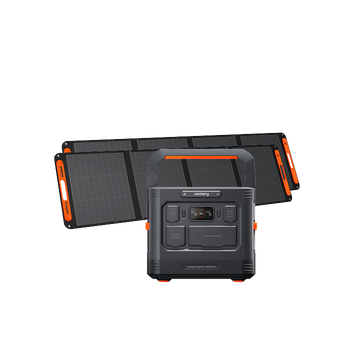
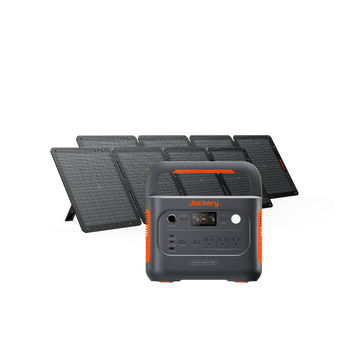
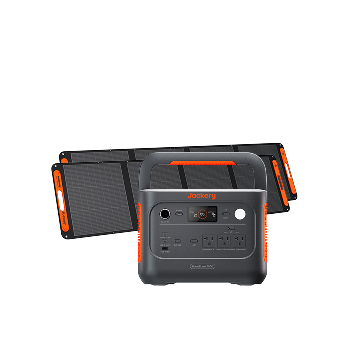
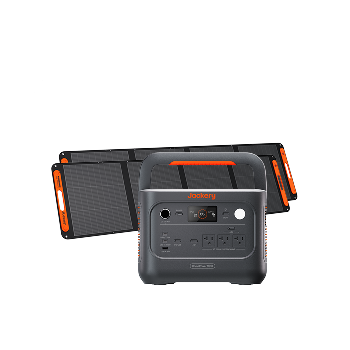
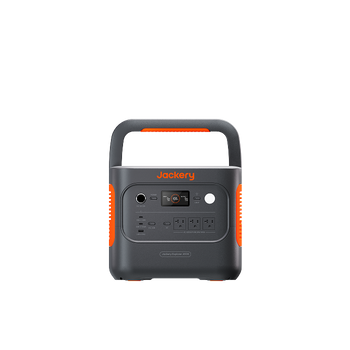
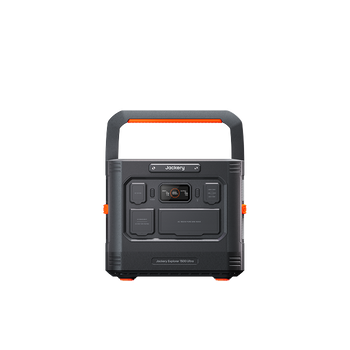
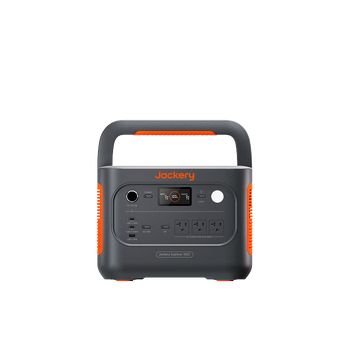
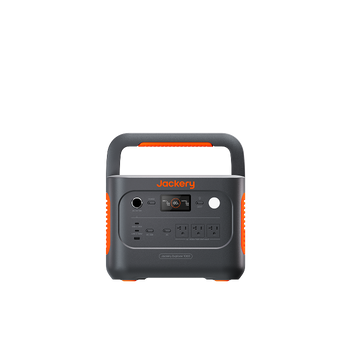
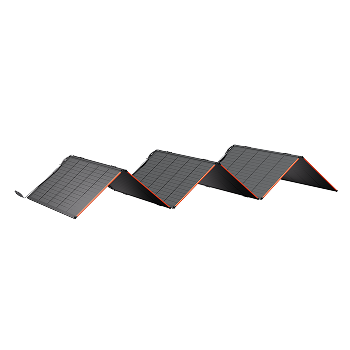
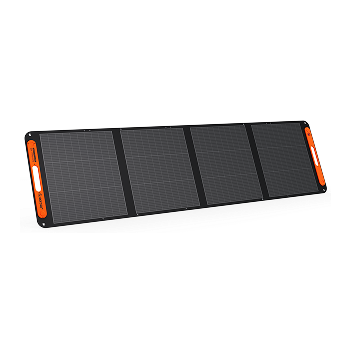
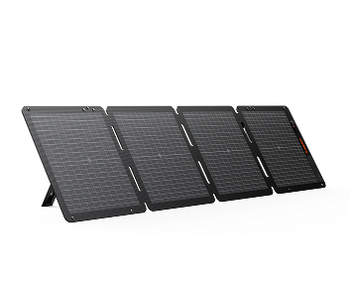
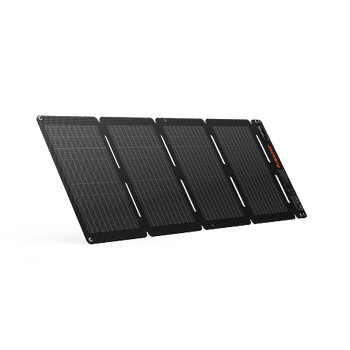
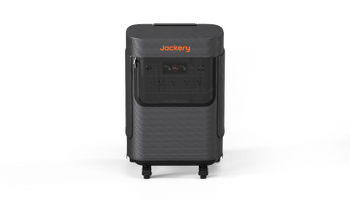
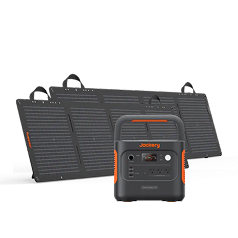
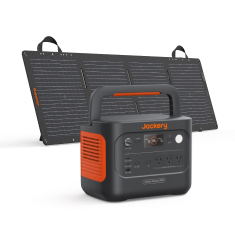
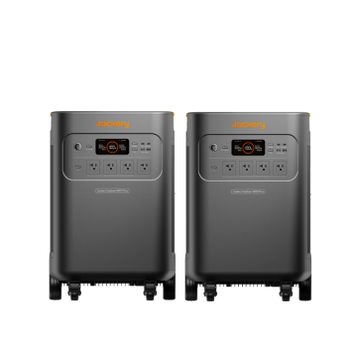
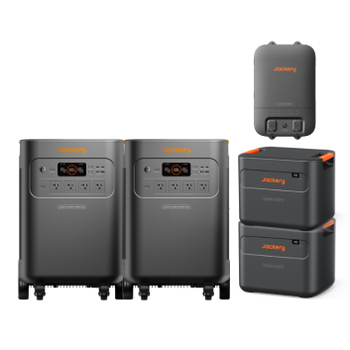
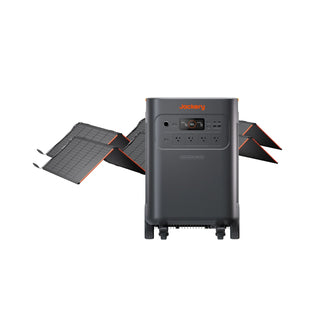
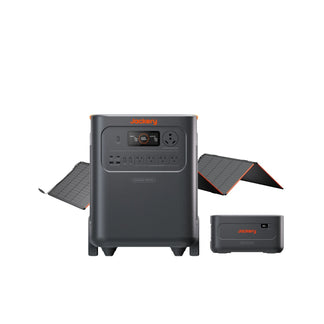
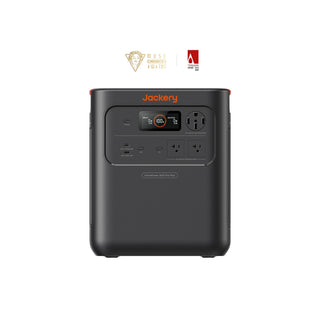
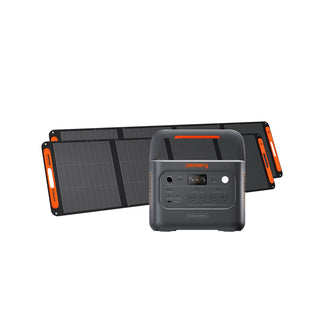
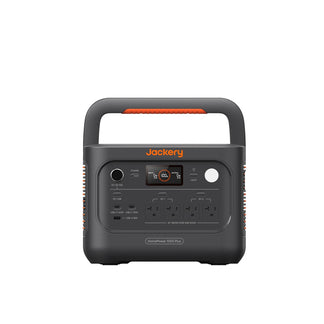
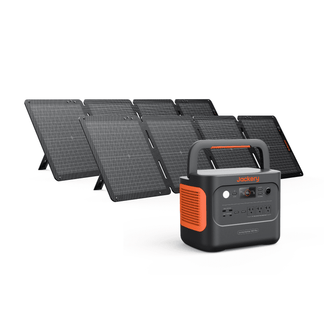
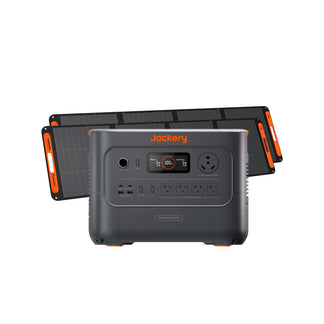
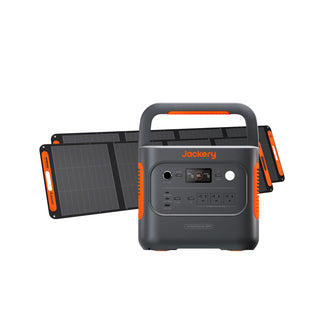
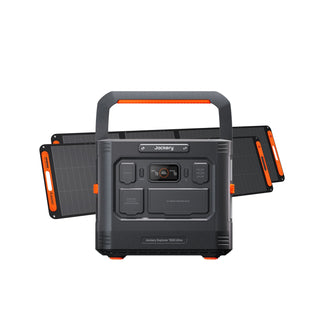
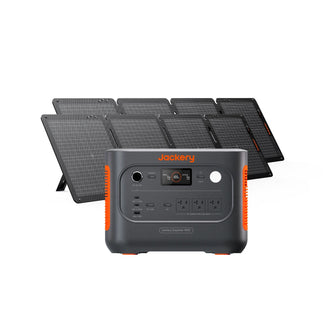
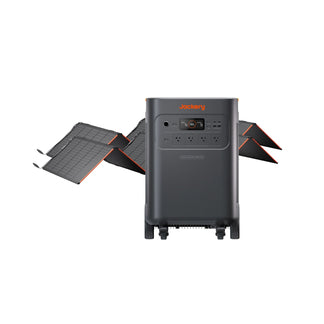
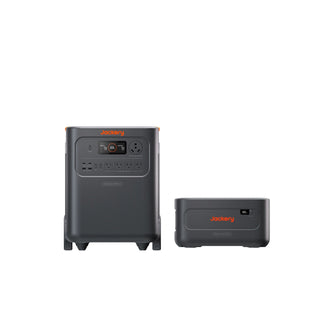
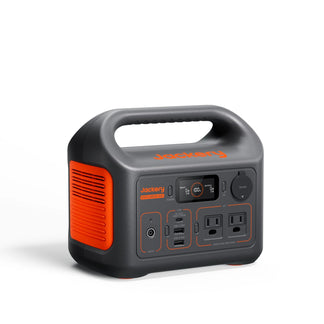
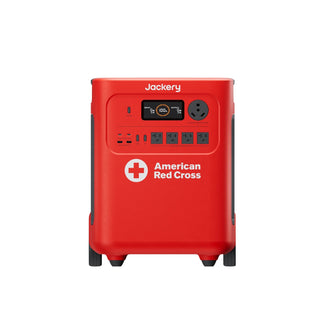
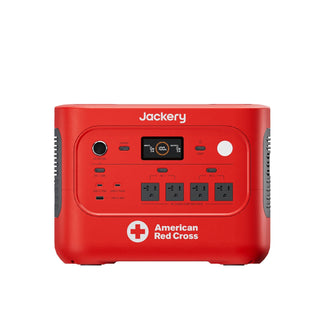
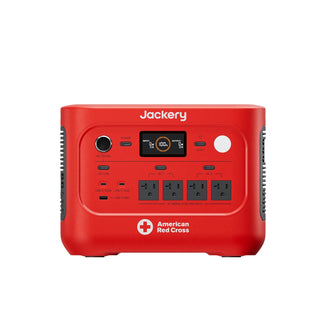
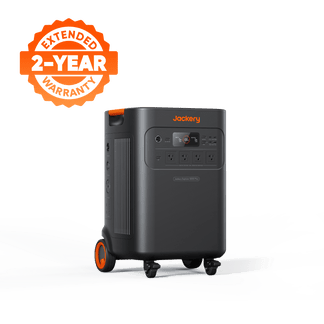
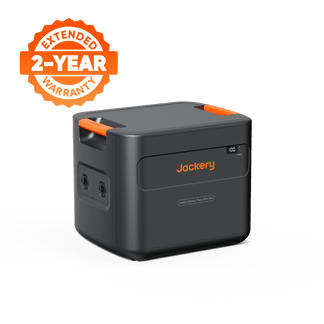
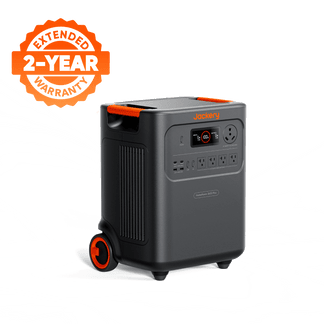
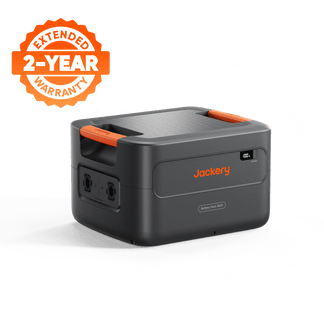
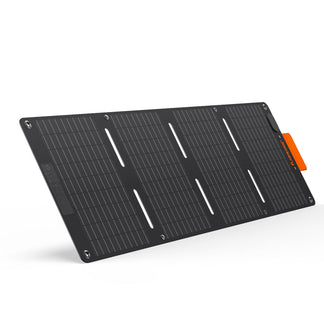
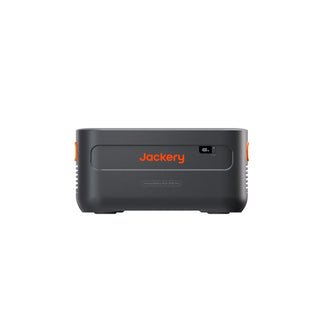
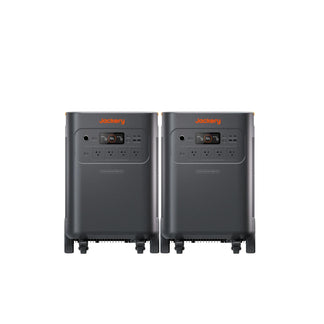
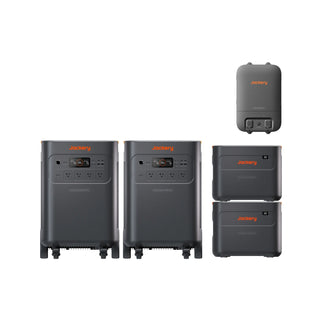
Regardless of how much electricity does an aquarium use, you can reduce dependence on the electricity grid by switching to solar generators. Jackery Solar Generators are ideal home battery backup solutions that can run appliances for long hours without dependence on the electricity grid. This guide walks through what actually drives aquarium electricity use, mathematical calculations for common tank sizes, and how to bring the cost down without compromising your fish or corals' well-being.
Key Takeaways
- The actual electricity use of an aquarium depends on the combined draw and runtime of every piece of equipment.
- Filters typically run continuously and create a predictable baseline load, while heaters cycle on and off as water temperature changes.
- A small freshwater tank can use far less electricity than a reef tank with strong lighting, pumps, and a chiller running.
- Calculating watts × hours ÷ 1,000 for each component gives a far more accurate estimate than assuming one number for the whole tank.
- Winter can increase heater runtime, while summer can increase chiller runtime, so seasonal electricity use often shifts rather than staying flat.
- A plug-in energy meter measures your aquarium's actual consumption more accurately than adding up equipment nameplate wattages.
How Many Watts Does an Aquarium Use?
An average aquarium uses about 50 to 100 watts of total power, though actual consumption ranges from 20 watts for a small nano tank up to 400+ watts for large reef setups. However, the aquarium's total wattage comes from individual devices running at different intervals, including heaters, filters and pumps, lighting, and a protein skimmer.
A simple worked example: a 100W heater running continuously for 1 hour uses 100Wh, or 0.1 kWh. But heaters don't run continuously. Instead, they cycle on and off as they maintain a target temperature. If that same 100W heater has an estimated 6 equivalent hours of actual "on" time per day, its real daily consumption is:
100W × 6 hours ÷ 1,000 = 0.6 kWh/day
This distinction (rated wattage versus actual runtime) is one of the most important things to understand about aquarium electricity use.
How Much Electricity Does an Aquarium Use by Equipment?
An aquarium uses between 20 and 150+ kWh per month on average, depending heavily on the size of the tank and the specific equipment installed. The exact electricity consumption of an aquarium varies with tank size, freshwater versus saltwater, tropical versus coldwater species, room temperature, heater wattage and duty cycle, lighting type and hours, filter type and runtime, and any additional equipment like air pumps, circulation pumps, UV sterilizers, protein skimmers, chillers, or CO2 systems.
Here’s an estimated electricity usage of an aquarium by equipment:
|
Aquarium Setup |
Typical Equipment |
Estimated Daily Electricity |
Estimated Monthly Electricity |
|
Small freshwater (10 gal) |
Small heater + filter + LED |
~0.7 kWh |
~21 kWh |
|
Medium freshwater (20–40 gal) |
Larger heater + filter + LED |
~1.0–1.3 kWh |
~30–40 kWh |
|
Large freshwater (55–75 gal) |
Stronger heater/filter + LED |
~1.4–1.8 kWh |
~42–55 kWh |
|
Reef/marine |
Strong lighting + pumps + heater/chiller |
~2.5–5.0+ kWh |
~75–150+ kWh |
How Much Electricity Does an Aquarium Heater Use?
A heater's actual daily electricity use depends on its wattage, tank size, target water temperature, room temperature, how well-insulated the tank is, whether it has a lid or cover, seasonal conditions, and its duty cycle.
One important thing to remember is that heater wattage is not the same as actual daily electricity use. A 200W heater does not consume 200W for a full 24 hours every day. Instead, it cycles on and off. As an example, assuming 6 equivalent hours of actual operation per day:
200W × 6 hours ÷ 1,000 = 1.2 kWh/day
Extended to a month: 1.2 kWh/day × 30 days = 36 kWh/month.
At $0.18/kWh, that is roughly $6.48/month for the heater alone. The "6 equivalent hours" figure here is just an assumption. A well-insulated tank in a warm room might see meaningfully less, while a poorly insulated tank in a cold room could see meaningfully more.
How Much Electricity Does an Aquarium Filter Use?
A typical fish tank filter uses between 3 and 40 watts, depending on the size of the tank and the type of filter. Filters, such as internal filters, hang-on-back filters, canister filters, and sump/return pumps, behave differently from heaters. They generally have lower wattage, but many run continuously around the clock rather than cycling, which creates a predictable, steady baseline load.
Example: a 10W filter running 24 hours a day:
10W × 24 hours ÷ 1,000 = 0.24 kWh/day
Extended to a month: 0.24 kWh/day × 30 days = 7.2 kWh/month, or about $1.30/month at $0.18/kWh.
You can use your specific filter's manufacturer-rated wattage when available, since actual filter wattage varies meaningfully by type and size.
How Much Electricity Does an Aquarium Light Use?
An aquarium light uses between 5 and 400 watts, depending heavily on the tank size and the type of bulb. Aquarium lighting, such as LED, fluorescent, older high-intensity fixtures, planted-tank lighting, and reef lighting, follows a simpler formula than heaters, since most lighting runs on a fixed daily schedule rather than cycling based on temperature: wattage × hours per day.
Example: a 30W LED light running 8 hours a day:
30W × 8 hours ÷ 1,000 = 0.24 kWh/day
Extended to a month: 0.24 kWh/day × 30 days = 7.2 kWh/month, or about $1.30/month at $0.18/kWh. Lighting is among the easiest aquarium loads to control directly, since you can simply adjust the photoperiod (how many hours the light runs) on a timer.
How Much Electricity Do Aquarium Pumps and Other Equipment Use?
The aquarium equipment typically consumes between 30 and 150 watts on average, depending on the size of your tank and the types of devices you use.
|
Equipment |
Example Wattage |
Typical Operation |
Electricity-Use Characteristic |
|
Internal Filter |
5–15W |
24/7 |
Continuous |
|
Canister Filter |
15–40W |
24/7 |
Continuous |
|
Air Pump |
2–8W |
Several to 24 hours/day |
Low but steady |
|
Circulation Pump |
10–50W |
Variable |
Depends on setup |
|
Wavemaker |
10–40W |
Variable |
Depends on reef setup |
These are example wattages. Check your specific equipment's manufacturer rating for an accurate figure.
How Much Electricity Do Aquarium Chillers and Advanced Equipment Use?
Aquarium chillers and advanced equipment draw significant electricity, with chillers using between 120 and 400 watts depending on their horsepower.
Chillers, UV sterilizers, protein skimmers, CO2 systems, dosing pumps, powerheads, wavemakers, and sump/return pumps can each add meaningfully to total consumption. Chillers in particular can be a significant electrical load, especially in warm climates or during summer months, since they are actively removing heat rather than simply maintaining it.
A reef aquarium should not be treated as equivalent to a basic freshwater aquarium for electricity-use purposes. The combination of stronger lighting, more circulation, and potentially a chiller and protein skimmer running simultaneously means a modestly sized reef tank can use considerably more electricity than a much larger basic freshwater tank.
How Much Electricity Does an Aquarium Use by Size?
An average aquarium uses between 150 kWh and 1,200 kWh of electricity per year, depending heavily on the tank size, equipment, and whether it requires a heater or chiller.
How Much Electricity Does a 10-Gallon Aquarium Use?
A basic 10-gallon setup with a small heater, filter, and LED light typically uses around 0.5 kWh per day, or roughly 15–16 kWh per month. It is one of the lightest electricity loads among common tank sizes, since its equipment is generally lower-wattage across the board.
Here is an example:
A typical 10-gallon setup: a 50W heater, a 5W filter, and a 15W LED light.
- Heater: 50W × 6 equivalent hours ÷ 1,000 = 0.30 kWh/day
- Filter: 5W × 24 hours ÷ 1,000 = 0.12 kWh/day
- LED light: 15W × 8 hours ÷ 1,000 = 0.12 kWh/day
- Total: ≈ 0.54 kWh/day
Extended monthly: 0.54 kWh/day × 30 days ≈ 16.2 kWh/month, or roughly $2.92/month at $0.18/kWh.
How Much Electricity Does a 20-Gallon Aquarium Use?
Based on an illustrative setup of a 100W heater, a 10W filter, and a 24W LED light, a 20-gallon tank comes to roughly 31 kWh per month, costing about $5.56 at a $0.18/kWh electricity rate. The actual cost will vary with your specific heater's duty cycle, lighting schedule, and local electricity rate.
A 20-gallon setup is not simply the 10-gallon calculation doubled, since equipment selection and heater runtime vary independently of tank volume. An example setup: a 100W heater, a 10W filter, and a 24W LED light.
- Heater: 100W × 6 equivalent hours ÷ 1,000 = 0.60 kWh/day
- Filter: 10W × 24 hours ÷ 1,000 = 0.24 kWh/day
- LED light: 24W × 8 hours ÷ 1,000 = 0.19 kWh/day
- Total: ≈ 1.03 kWh/day
Extended monthly: 1.03 kWh/day × 30 days ≈ 30.9 kWh/month, or roughly $5.56/month at $0.18/kWh.
How Much Electricity Does a 40-Gallon Aquarium Use?
A standard 40-gallon aquarium uses about 50 to 100 kilowatt-hours (kWh) per month. An example 40-gallon setup: a 150W heater, a 20W canister filter, and a 36W LED light.
- Heater: 150W × 6 equivalent hours ÷ 1,000 = 0.90 kWh/day
- Filter: 20W × 24 hours ÷ 1,000 = 0.48 kWh/day
- LED light: 36W × 8 hours ÷ 1,000 = 0.29 kWh/day
- Total: ≈ 1.67 kWh/day
Extended monthly: 1.67 kWh/day × 30 days ≈ 50.1 kWh/month, or roughly $9.02/month at $0.18/kWh.
How Much Electricity Does a 55-Gallon Aquarium Use?
A heated 55-gallon freshwater aquarium uses about 60 to 120 kilowatt-hours (kWh) of electricity per month. An illustrative 55-gallon setup: a 200W heater, a 30W canister filter, and a 45W LED light, with an optional 5W air pump.
- Heater: 200W × 6 equivalent hours ÷ 1,000 = 1.20 kWh/day
- Filter: 30W × 24 hours ÷ 1,000 = 0.72 kWh/day
- LED light: 45W × 8 hours ÷ 1,000 = 0.36 kWh/day
- Air pump (optional): 5W × 24 hours ÷ 1,000 = 0.12 kWh/day
- Total: ≈ 2.28 kWh/day (with air pump) or ≈ 2.16 kWh/day (without)
Extended (with air pump): 2.28 kWh/day × 30 days ≈ 68.4 kWh/month, or roughly $12.31/month at $0.18/kWh.
How Much Electricity Does a 75-Gallon or Larger Aquarium Use?
A typical 75-gallon aquarium uses about 2 to 5 kilowatt-hours (kWh) per day, translating to roughly 60 to 150 kWh per month, depending on your equipment. Larger tanks often need a larger heater or multiple heaters, stronger filtration, multiple pumps, stronger lighting, and additional equipment like a sump.
Consumption can increase substantially compared with a 55-gallon setup, and large marine or reef systems at this size are effectively a separate category altogether. If you are running a 75-gallon or larger tank, working through the step-by-step calculation method later in this article, using your own equipment's actual wattage, will give you a far more useful number than any generic size-based estimate.
How Much Does It Cost to Run an Aquarium?
The monthly cost to run an aquarium generally ranges from $10 to $50+ per month for standard home setups. After the initial investment in the tank and equipment, your ongoing costs will depend tightly on the size of the tank, whether it is freshwater or saltwater, and your local electricity rates.
The formula to calculate how much does it cost to run an aquarium: electricity cost = kWh consumed × electricity rate.
Using the EIA's roughly $0.18/kWh 2026 average US residential electricity rate, you can convert any of the kWh figures above directly into a dollar cost. Keep in mind that electricity prices vary by state and utility, rate plans vary, time-of-use pricing can change your actual cost depending on when equipment runs, and fixed charges or taxes on your bill aren't captured by a simple kWh calculation.
How Much Does an Aquarium Cost to Run Per Month?
Running a standard aquarium typically costs between $3 and $20 per month in electricity, plus an additional $10 to $30 per month for consumable supplies like food and water treatment. The exact amount depends heavily on the tank's size, its temperature requirements, and your local energy utility rates.
|
Aquarium Setup |
Estimated kWh/Month |
Example Rate |
Estimated Monthly Cost |
|
Small Freshwater |
~21 kWh |
$0.18/kWh |
~$3.78 |
|
Medium Freshwater |
~35 kWh |
$0.18/kWh |
~$6.30 |
|
Large Freshwater |
~48 kWh |
$0.18/kWh |
~$8.64 |
|
Reef/Marine |
~110 kWh |
$0.18/kWh |
~$19.80 |
How Much Does an Aquarium Cost to Run Per Year?
An aquarium costs anywhere from $40 to over $300 per year to run, depending heavily on the tank size, whether it is freshwater or saltwater, and local utility rates. For a standard, mid-sized 55-gallon freshwater tropical tank, you can expect a total ongoing cost of roughly $200 to $350 per year.
|
Aquarium Setup |
Estimated Annual Cost (at $0.18/kWh) |
|
Small Freshwater |
~$45 |
|
Medium Freshwater |
~$76 |
|
Large Freshwater |
~$104 |
|
Reef/Marine |
~$238 |
These annual figures may vary substantially in practice, since heater and chiller runtime shifts with the seasons. A tank in a climate with a long, cold winter or a hot summer will likely see higher actual annual consumption.
How Do You Calculate Your Aquarium's Electricity Use?
To calculate your aquarium's electricity use, you need to find the wattage of each piece of equipment, estimate how many hours a day it runs, and multiply it by your local electric rate. Here is the complete calculation process:
- List every powered component in your aquarium system, including heater, filter, light, pumps, and anything else that is plugged in.
- Find each component's wattage from its manufacturer specification, nameplate, or manual.
- Estimate daily runtime for each. Consider 24 hours for continuously running equipment, your programmed hours for lighting, and an estimated duty cycle (or measured consumption) for heaters and chillers.
- Calculate daily kWh for each component: watts × hours ÷ 1,000.
- Add every component's daily kWh together for a total daily figure.
- Multiply by your electricity rate for a daily cost.
- Convert to monthly or annual by multiplying by 30 or 365.
Here is an example:
|
Equipment |
Rated Power |
Runtime/Day |
Estimated Daily Use |
|
Heater |
100W |
6 equivalent hours |
0.60 kWh |
|
Filter |
10W |
24 hours |
0.24 kWh |
|
LED light |
30W |
8 hours |
0.24 kWh |
|
Air pump |
3W |
24 hours |
0.072 kWh |
|
Total |
— |
— |
1.152 kWh/day |
Estimated Monthly Use: 1.152 kWh/day × 30 days = 34.56 kWh/month
At $0.18/kWh, that is roughly $6.22/month.
Recommended Jackery Solar Generators for Aquariums
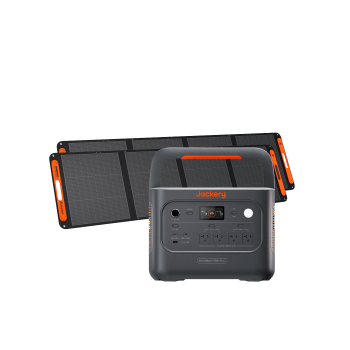
An aquarium's backup-power needs come down to two things: how much continuous wattage its combined equipment actually draws, and how long you need that equipment to keep running. Jackery Solar Generators combine portable power stations and solar panels that can keep appliances powered for hours.
Depending on the fish tank size and equipment load (from a basic heated freshwater setup to a small reef system with pumps and lighting), you can choose the right size of aquarium battery backup.
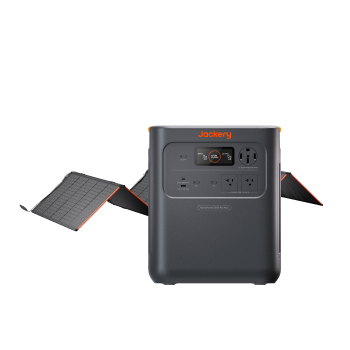
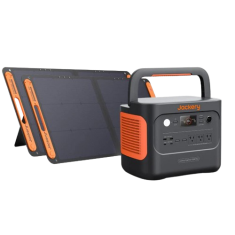
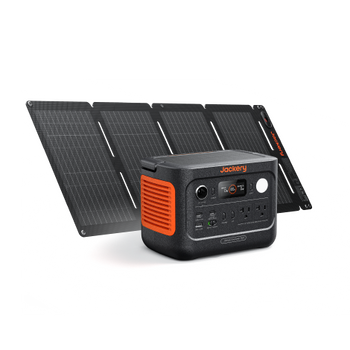
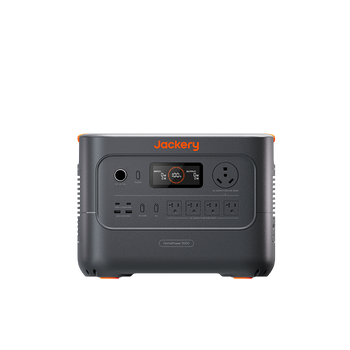
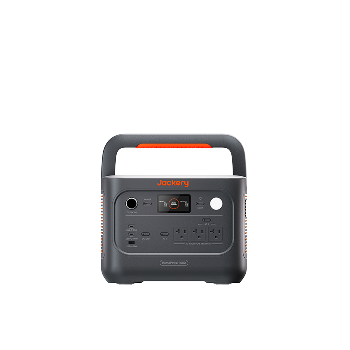
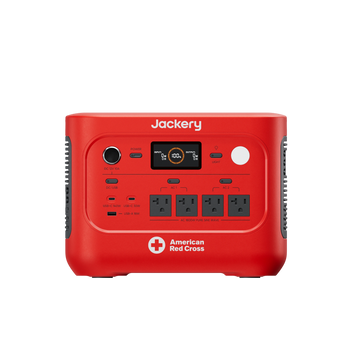
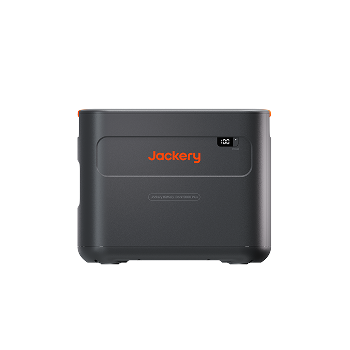
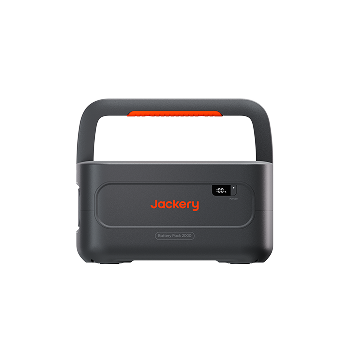
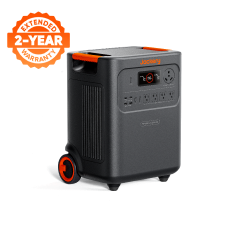
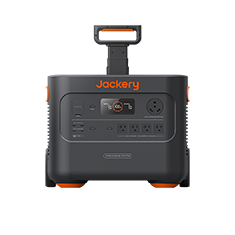
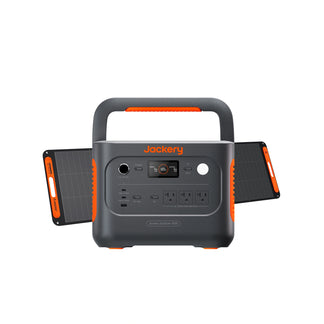
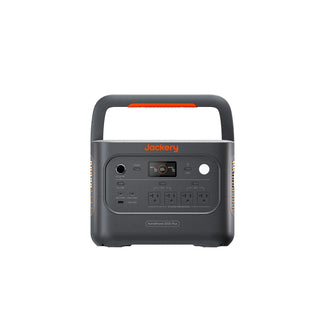
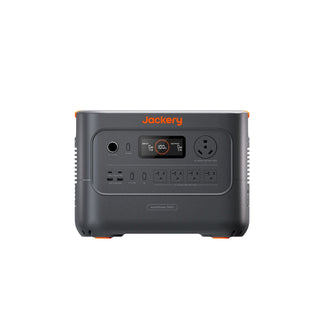
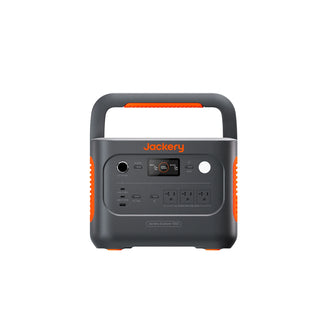
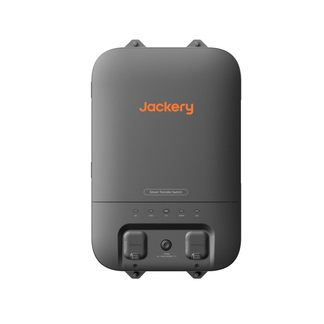
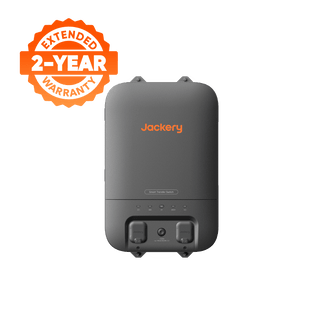
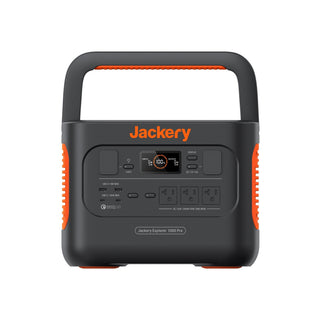
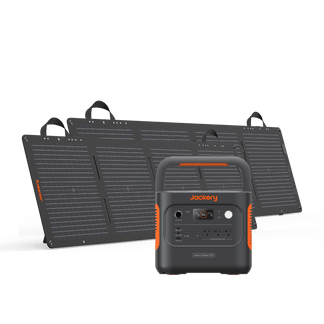
Jackery Solar Generator 1000 v2
The Jackery Solar Generator 1000 v2 is a compact home battery backup solution that can comfortably cover the combined load of a basic to medium freshwater aquarium, including the heater, filter, and LED light together. Its sub-20-millisecond UPS-style switchover matters most for a heater and filter, since even a brief gap can mean less temperature stability and reduced water circulation. It also features a foldable handle so you can carry this portable power station to the patio, bedroom, living room, and even the kitchen.
Appliances Running Time
- Aquarium Heater (100W) = 7.6H
- Aquarium Filter (10W) = 35.1H
- Heater (300W) = 2.8H
- LED Lighting (100W) = 7.6H
- Air Pump (300W) = 2.8H
Who Should Buy This
The Jackery Solar Generator 1000 v2 is ideal for homeowners with one or two small-to-medium freshwater tanks wanting a compact, affordable backup option for a shorter outage.

Customer Review
The backup power supplies (Jackery 1000 v2) are doing the job well so far. Thankfully we haven’t lost power yet, but I let them power the fridge and freezer for a handful of cycles and they worked. When I disconnected from the grid power the backups maintained power flawlessly.
— Anonymous.
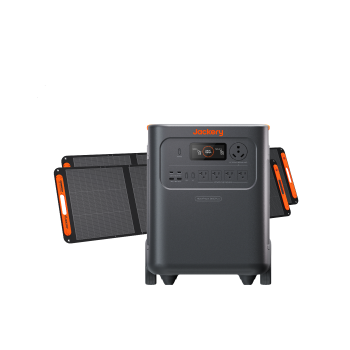
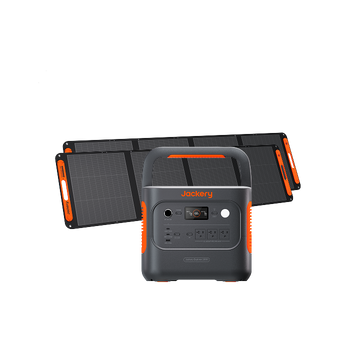
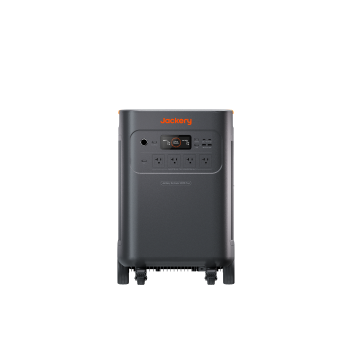
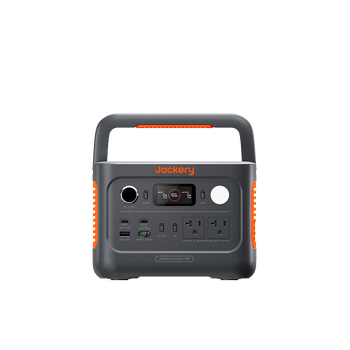
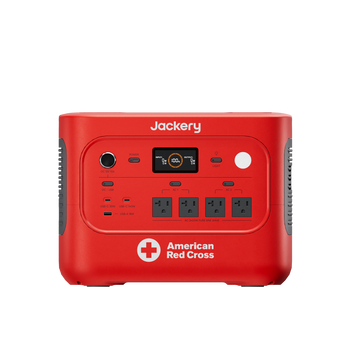
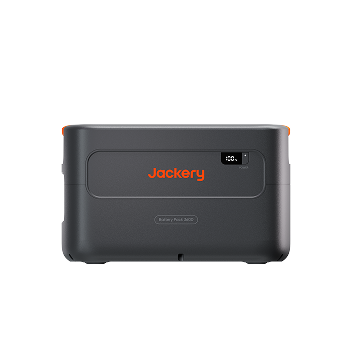
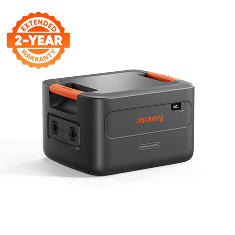
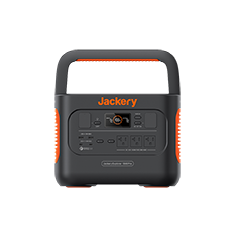
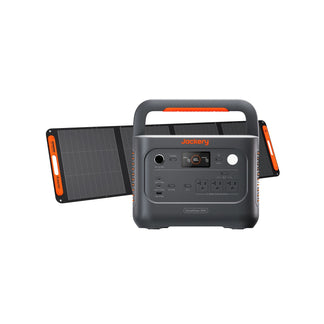
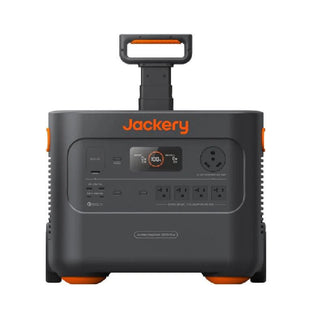
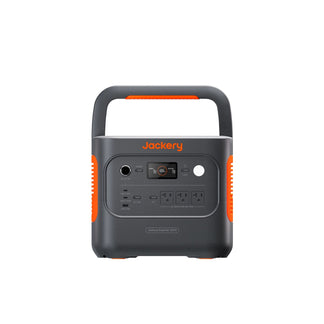
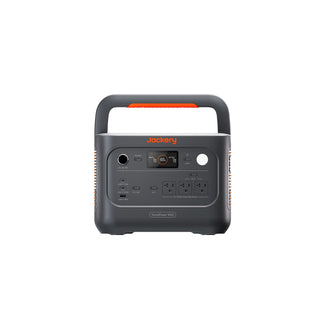
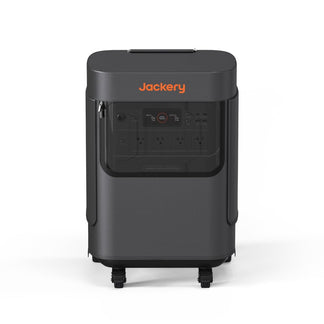
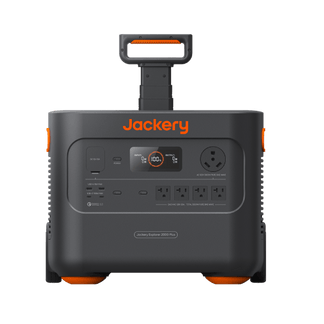
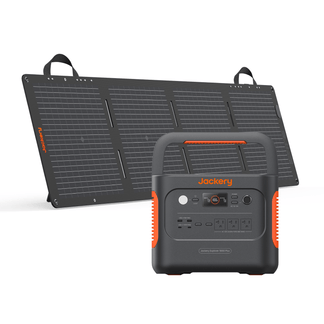
Jackery Solar Generator 1500 v2
The Jackery Solar Generator 1500 v2 is another aquarium battery backup that gives more power for a larger freshwater setup or a modest planted tank with stronger lighting, while still being compact and portable. Its sub-10-millisecond UPS switchover and higher continuous output make it an ideal solution for a multi-tank fishroom or a single larger tank with a stronger heater and higher-wattage lighting running simultaneously.
Appliances Running Time
- Aquarium Heater (100W) = 10.7H
- Aquarium Filter (10W) = 45.0H
- Heater (300W) = 4.0H
- LED Lighting (100W) = 10.7H
- Air Pump (300W) = 4.0H
Who Should Buy This
The Jackery Solar Generator 1500 v2 is suitable for owners of a larger freshwater tank, a planted tank with stronger lighting, or a small multi-tank setup wanting high capacity and power.

Customer Review
The power went out for 4800 customers in our area. I had to remind my husband that we had a Jackery Explorer 1500 v2. It even has a light on the front. Which I showed him. I explained what it will do. He hooked it up to the fridge, toaster, his phone, and I’m not sure what else. He said he was impressed by everything that the Jackery would run.
— Jennifer W.
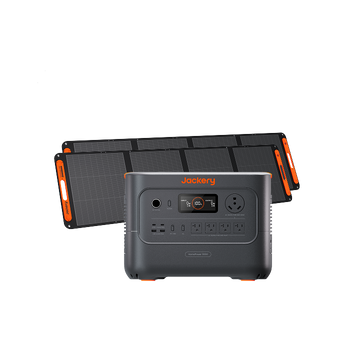
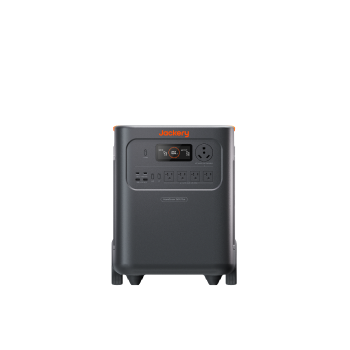
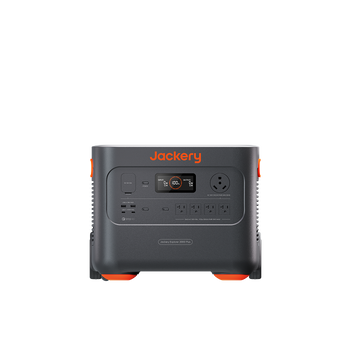
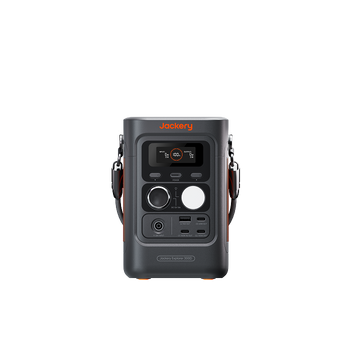
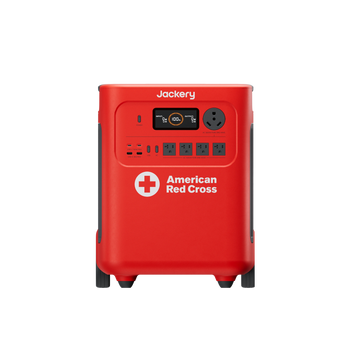
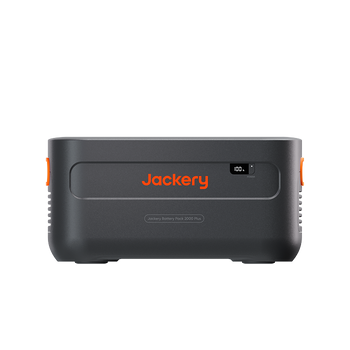
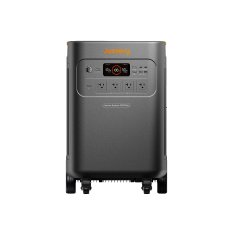
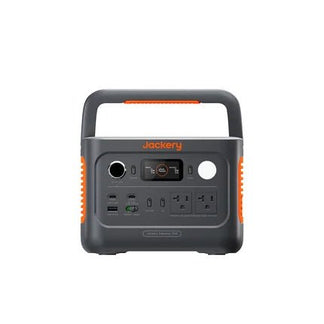
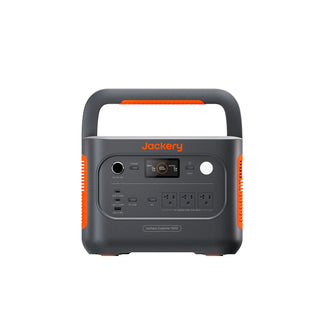
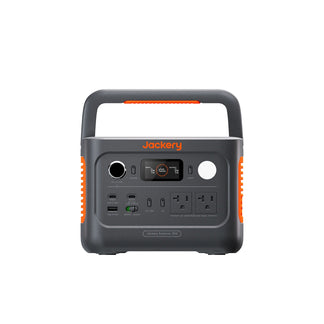
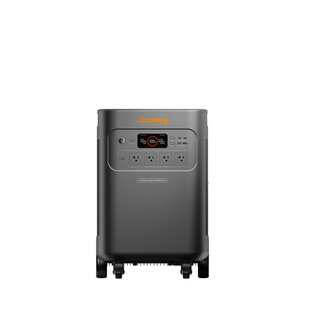
Jackery Solar Generator 2000 v2
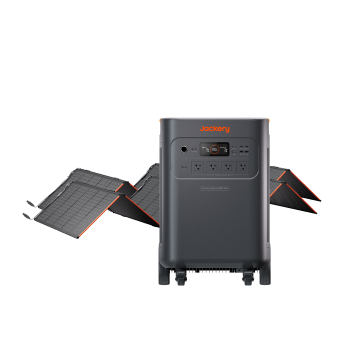
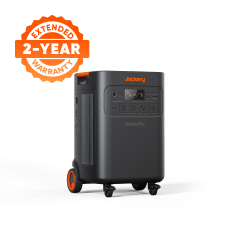
The Jackery Solar Generator 2000 v2 is an essential home backup solution that offers the most headroom of the three for a reef or heavily equipped setup with strong lighting, a circulation pump or wavemaker, a protein skimmer, and a heater. Its app-based monitoring and sub-20-millisecond UPS switchover help you track and protect the most critical equipment (heater, filtration, circulation) if the battery draws down before power is restored.
Appliances Running Time
- Aquarium Heater (100W) = 14.2H
- Aquarium Filter (10W) = 59.8H
- Heater (300W) = 5.3H
- LED Lighting (100W) = 14.2H
- Air Pump (300W) = 5.3H
Who Should Buy This
The Jackery Solar Generator 2000 v2 is ideal for reef or heavily equipped aquarium owners needing to cover a higher combined load, or anyone wanting the most backup headroom among the three for a longer outage.

Customer Review
Replaces a Jackery Explorer as power for my cabin. This is the perfect all-weekend solution for a cabin, camper or RV. Ditto, certainly will get used for large group cookouts and campouts.
— Christian M.
How Can You Reduce Aquarium Electricity Use?
You can reduce aquarium electricity use by lowering the water heater temperature by 1 to 2 degrees and switching to energy-efficient LED lighting.
- Use appropriately sized equipment for your tank, rather than an oversized heater, filter, or pump.
- Use LED lighting where suitable, since it is generally efficient for the light output it provides.
- Put lighting on a timer to keep the photoperiod consistent and avoid unnecessarily long lighting periods.
- Keep the tank away from drafts and direct sun exposure, both of which can increase heater or chiller duty cycle.
- Use a suitable lid or cover to reduce heat loss and evaporation.
- Try to maintain a stable room temperature around the tank where practical.
- Keep filters clean and well-maintained, since a clogged filter can force a pump to work harder.
- Avoid oversized equipment that runs less efficiently for your tank's actual needs.
- Measure your actual consumption before deciding to replace equipment based on an estimate alone.
- Choose efficient pumps and manage reef cooling carefully, since these can be larger loads in equipped setups.
- Use solar battery backups to run the aquarium equipment with the help of free sunlight and lower the monthly electricity bills.
FAQs
Do you leave a fish tank heater on all the time?
Yes, aquarium heaters are designed to stay plugged in and running continuously, since they are thermostatically controlled and only draw power when actively heating, cycling off automatically once the water reaches your target temperature. Turning a heater off and on manually (rather than letting its thermostat manage it) risks temperature swings that can stress fish.
Does a fish tank filter take a lot of electricity?
Generally, fish tank filters typically have lower wattage than heaters, often in the 5–40W range depending on type, and even though they usually run 24/7, that low wattage keeps their total energy use modest. A small internal filter running continuously might use around 0.24 kWh a day, translating to roughly $1–2 a month at typical US electricity rates.
How do you heat an aquarium without electricity?
Non-electric options are limited and mostly short-term: adding insulation around the tank, using chemical hand-warmer packs or hot water bottles sealed in plastic near (not in) the tank, or, for a real outage-length solution, keeping a battery-based aquarium heater or backup power source ready rather than relying on passive methods alone. For anything beyond a brief gap, the more practical route is to use a Jackery Solar Generator sized to your heater's wattage. It can keep a standard aquarium heater running through an outage, and can recharge from sunlight if the outage stretches into daylight hours.
Is it expensive to run an aquarium?
Generally, no, it is not expensive to run an aquarium, especially for a basic freshwater setup. Most small-to-medium freshwater tanks add only a few dollars a month to an electricity bill, largely because filters are low-wattage and heaters only run part of each hour rather than continuously. Reef and heavily equipped marine setups are the exception, since strong lighting, pumps, chillers, and skimmers running together can push monthly cost into the $15–25+ range, making equipment choice a much bigger factor than tank size alone.
How much does a fish tank add to your electric bill?
A basic freshwater tank typically costs somewhere between $3 and $9 a month depending on tank size and equipment. A reef or heavily equipped marine tank can add considerably more, often $15–25 or higher per month, due to stronger lighting, circulation, and cooling equipment running at the same time.
Conclusion
There is no exact answer to how much electricity an aquarium uses, because the honest answer depends on exactly which equipment is running, for how long, and how efficiently. However, running an aquarium does not have to strain your energy budget. Jackery Solar Generators are reliable aquarium battery backups for emergencies. With enough capacity to keep pumps, heaters, and lights running for hours (or days, when paired with solar panels) during a grid outage, these solar generators give aquarium owners genuine peace of mind during a sudden storm knocking out power.


