
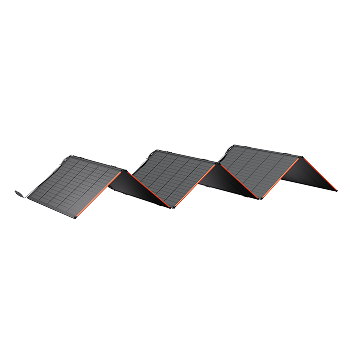
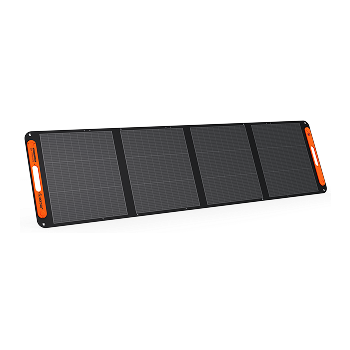


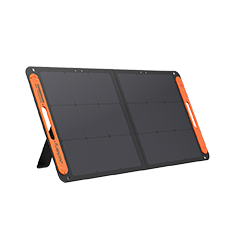
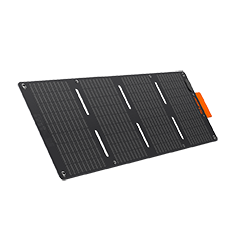



![[Add-on] Jackery SolarSaga 500 X - Jackery](http://www.jackery.com/cdn/shop/files/add-on-jackery-solarsaga-500-x-1493607.webp?v=1786503068&width=324)
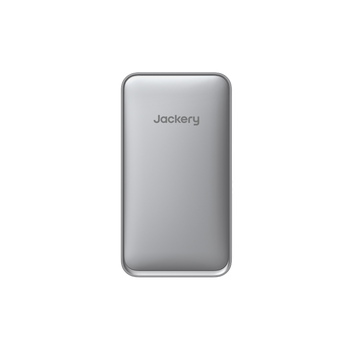
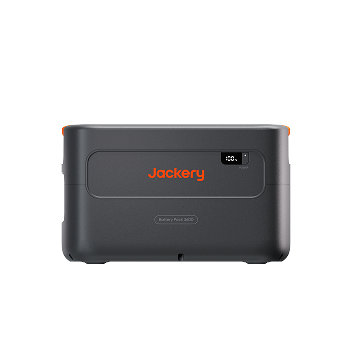
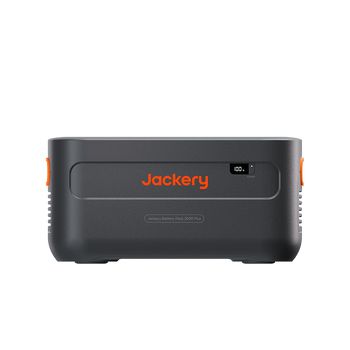
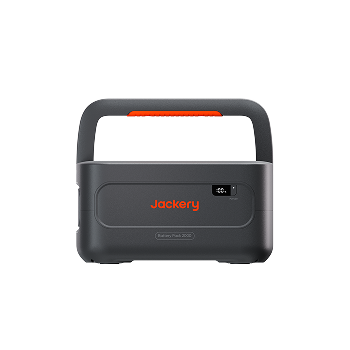
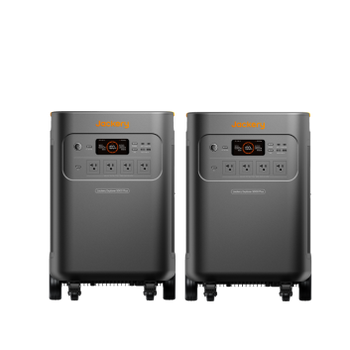
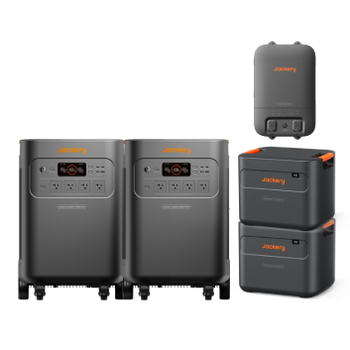
![[Add-on] Jackery Battery Pack 5000 Plus - Jackery](http://www.jackery.com/cdn/shop/files/add-on-jackery-battery-pack-5000-plus-6713401.webp?v=1786503068&width=324)






Quick Answer: A 12,000 BTU air conditioner draws 900–1,400W running, with a startup surge of 1,800–3,000W. To run it reliably during an outage, you need a power source rated for at least 3,200W surge (with a 20–30% buffer). A 5,000Wh battery can run a 1,200W AC for about 4 hours continuously, or 7+ hours with compressor cycling.
Key Takeaways
- A 12,000 BTU window or portable AC draws 900–1,400W running; inverter mini-splits draw only 600–900W.
- Startup surge — not running watts — determines backup compatibility; always size for surge first and add 20–30% headroom.
- A 5,000Wh battery can power a 1,200W AC for roughly 4 hours of continuous compressor runtime; real-world duty cycling (40–70%) extends that to 7+ hours.
- Soft start devices can cut startup surge by 30–50%, allowing a smaller generator or power station to start the unit.
- Gas generators solve the runtime problem but introduce fuel storage, carbon monoxide danger, and maintenance — they’re not silent or zero-emission.
The Real Wattage Numbers: Running vs. Startup Surge for a 12,000 BTU AC
A 12,000 BTU air conditioner does not draw 12,000 watts. The BTU rating measures cooling capacity, not electrical input. Actual power consumption depends on efficiency (EER), compressor type, and age.
Running wattage for a standard window or portable unit ranges from 900 to 1,400 watts. A unit with an EER of 10 — common in many mid-range models — draws about 1,200W continuously. Inverter mini-splits are far more efficient: they modulate compressor speed and draw 600–900W running, sometimes even less at partial load.
Startup surge is the real challenge. When the compressor kicks on, it pulls a brief spike of current — typically 2–3 times the running wattage — for 1 to 3 seconds. That means a 1,200W AC can demand 2,400–3,600W momentarily. This spike is what trips undersized generators and overloads portable power stations. For exact numbers, check the nameplate (see FAQ below).
Real‑world duty cycle matters too. The compressor doesn’t run 100% of the time; in typical summer conditions it cycles on 40–70% of the time. Multiply peak running watts by 0.5 to get a rough daily kWh estimate:
1,200W × 0.5 × 24h = 14.4 kWh per day
Dirty filters increase wattage — regular cleaning keeps draw near the rated minimum.
Common Beginner Questions About 12,000 BTU AC Power Draw
Is 12,000 BTU the same as 1,200 watts?
No. BTU measures heat removal; watts measure electrical input. A 12,000 BTU AC with EER 10 draws 1,200W, but a high‑efficiency EER 12 unit draws only 1,000W. Always check the nameplate for actual electrical specs.
How do I calculate watts from the nameplate?
Multiply Running Load Amps (RLA) by voltage (120V). For example, 11.8A × 115V = 1,357 watts running. For surge, multiply Locked Rotor Amps (LRA) by voltage. If only RLA is listed, assume surge is 2–3× running watts.
Do mini-splits really use less power?
Yes. Inverter mini-splits modulate compressor speed, drawing 600–900W vs. 1,200–1,500W for fixed‑speed window units. They also eliminate the hard startup spike, reducing surge to near running levels.
Can I run two 12k units on one 20‑amp breaker?
No. Each draws 9–12 amps running; two would exceed 20 amps and instantly trip the breaker. Dedicated circuits are required.
Why Traditional Generators Fail in Outages: The Hidden Costs and Risks
Traditional generators come with significant drawbacks:
- Fuel consumption: A 3,000W gas generator burns 0.5–0.8 gallons per hour, requiring refills every 5–10 hours. Fuel supply chains can break during multi‑day outages.
- Noise and CO emissions: Generators produce carbon monoxide (CO poisoning sends thousands to ERs annually) and run at 65–75 dB, disrupting sleep.
- Ongoing maintenance: Oil changes, spark plugs, carburetor cleaning cost $100–$200/year; idle units often fail to start due to stale fuel or gummed carburetors.
- Low-load damage: Running below 50% load causes wet stacking in diesel units and carbon buildup in gas engines, shortening lifespan.
A gas generator can start the AC, but fuel logistics, noise, and CO risk make it a poor choice for extended residential cooling. For more on tracking outage duration, see our guide to US power outage maps.
Battery Backup Reality Check: What It Takes to Run a 12,000 BTU AC All Night
Running a 12,000 BTU AC on battery power through an 8‑hour night requires realistic capacity numbers:
- Energy consumption: A 1,200W AC with a 70% duty cycle consumes about 6.7 kWh over 8 hours:
1,200W × 0.7 × 8h = 6.7 kWh
After inverter losses (~10%) and depth‑of‑discharge limits (80% for LiFePO4), you need a battery bank of at least 8 kWh usable capacity.
- Inverter surge rating: Many portable power stations advertise 2,000W continuous but only 3,000W surge — insufficient for a 3,200W startup spike. Always check the surge rating and add a 20–30% buffer.
- Battery chemistry: LiFePO4 batteries are the standard: 3,000–5,000 cycles, 10–15 year lifespan, installed cost of $800–$1,300 per usable kWh (US average 2026). They handle daily cycling without degradation.
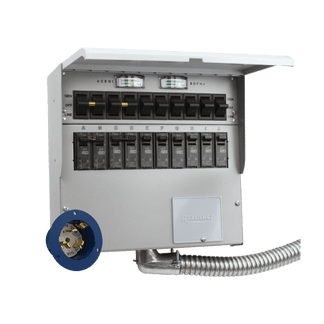
- Wiring: Use a dedicated 15–20A circuit with 12 AWG wire to prevent voltage drop. Avoid extension cords entirely — they add resistance and can overheat.
Soft Start Devices: Lowering AC Starting Wattage to Fit Smaller Generators
A soft start device can significantly reduce startup surge:
- Reduces surge by 30–50% (e.g., 3,200W to ~1,800W), allowing a smaller generator or power station to start the AC.
- The Micro‑Air EasyStart ($200–$400) controls voltage and current during startup, saving $500+ over upgrading to a larger generator or battery system.
- Ideal for RVs and setups limited to a 2,500W generator or a power station with a 3,000W surge rating; compatible with window, portable, and mini‑split ACs (check manufacturer).
- Note: A soft start only reduces surge, not running watts. It solves the surge problem, not the energy problem.
Step-by-Step Guide to Sizing Your Backup Power for a 12,000 BTU AC
Step 1: Find running watts. RLA × volts (or use “Power Input” if listed). For surge, use LRA or estimate 2–3× running watts.
Step 2: Choose power source. Generator: unlimited runtime, but noise, CO, maintenance. Battery: silent, zero‑emission, limited capacity. Both must handle the startup surge.
Step 3: Select inverter with surge capacity. Match or exceed the AC’s startup spike. A 3,200W surge needs an inverter rated ≥3,200W; a 20% buffer pushes that to 3,840W. Use the surge rating, not continuous.
Step 4: Plan recharging. Solar alone is impractical; use grid or a companion generator.
Golden rule: size for surge (highest startup watts) and add a 20–30% buffer. This prevents most backup failures.
Common Mistakes That Cause AC Backup Systems to Fail
Mistake 1: Ignoring surge rating
A 2,000W continuous generator can’t start a unit needing 2,500–3,000W surge; it will stall or trip.
Mistake 2: Underestimating duty cycle
Real compressor run time is 40–70% of set hours. Use measured cycles, not 100% runtime.
Mistake 3: Using undersized wire
14 AWG minimum for 12.5A running; 12 AWG for long runs prevents voltage drop and overheating.
Mistake 4: Forgetting other appliances
A refrigerator adds 600–800W surge. Stagger startup or size for combined surge.
Mistake 5: Assuming solar will magically recharge
A 7 kWh daily draw needs 1,750W of solar panels in perfect sun — impractical for portable setups. Grid or generator charging is necessary for multi‑day outages.
Mistake 6: Skipping real‑time measurement
Use a plug‑in wattmeter (Kill‑A‑Watt) to get actual draw and right‑size your system.
Features That Lower AC Power Draw — Critical for Backup Sizing
Feature |
Impact on Power Draw |
Backup Benefit |
Inverter compressor |
600–900W running, no hard surge |
Smaller inverter and battery needed |
High EER/SEER (≥12) |
10–20% lower running watts |
Longer runtime from same battery |
230V mini‑split |
4–7A vs. 9–12A for 115V units |
Lower circuit load, less voltage drop |
Variable‑speed fan |
Reduced cycling losses |
Smoother power draw, less surge frequency |
Digital thermostat |
Prevents overcooling, shorter cycles |
Fewer compressor starts, lower daily kWh |
Inverter technology is the single biggest lever. Variable‑speed compressors eliminate the hard startup surge entirely, drawing 600–900W continuous. That means a 3,000W surge‑rated power station can start and run the unit with room to spare, and a smaller battery can deliver all‑night cooling.
Higher EER directly reduces running watts. Compare models by EER, not BTU alone — an EER 12 unit uses 1,000W vs. 1,200W for an EER 10 unit, saving 17% on battery drain.
Jackery Power Solutions for 12,000 BTU AC Backup
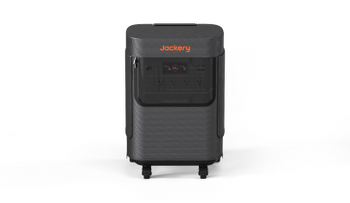
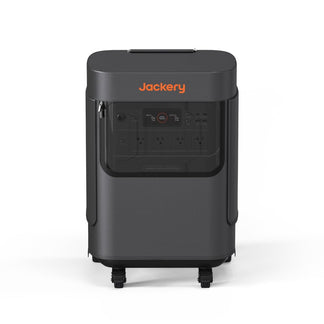
Jackery’s high‑capacity power stations provide the surge capability and expandable storage to start and run a 12,000 BTU AC for essential backup — not whole‑home, unlimited simultaneous use.
Model |
Battery Capacity |
Continuous / Surge Power |
1,200W AC Runtime (continuous / with cycling) |
Key Benefit |
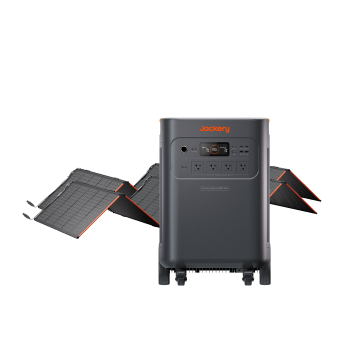
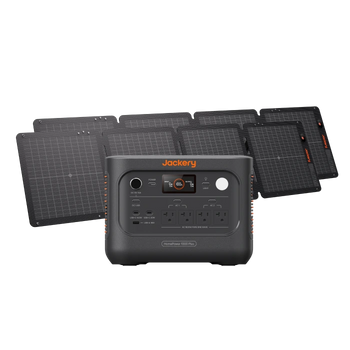
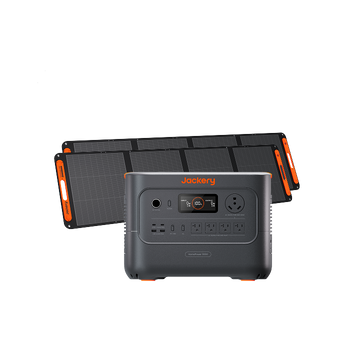
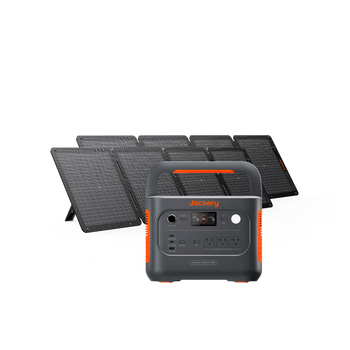
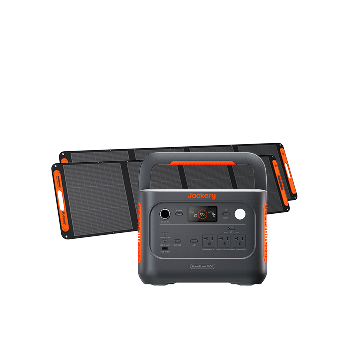
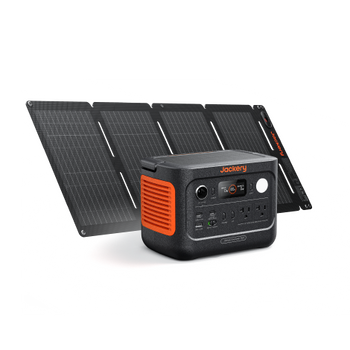
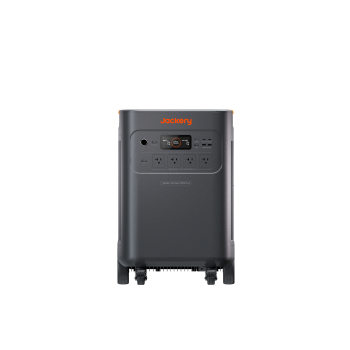
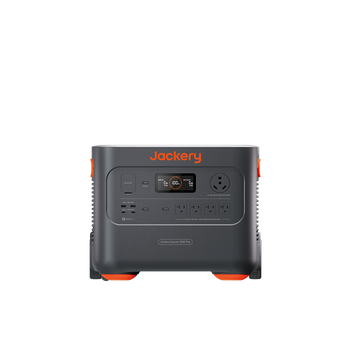
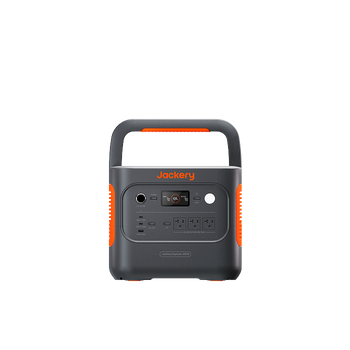
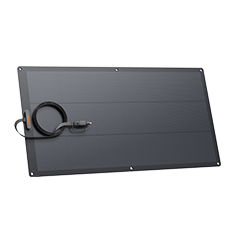
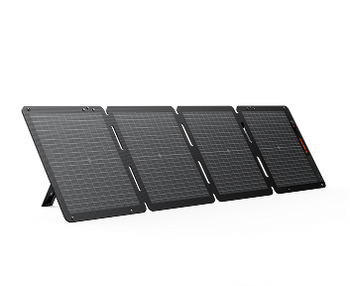
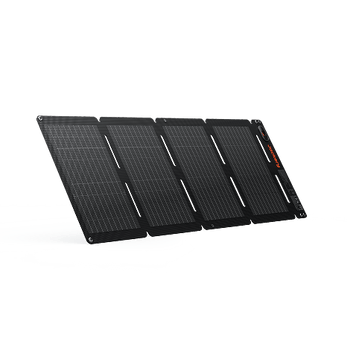
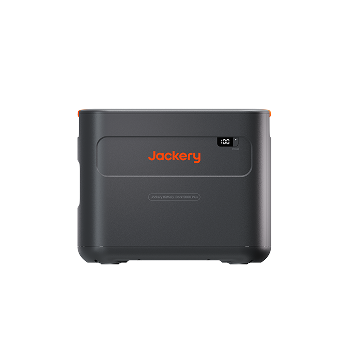
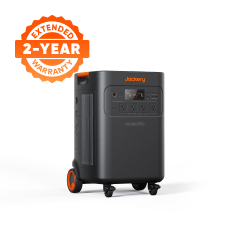
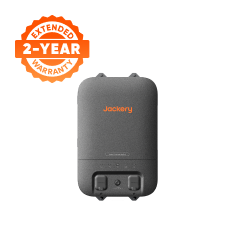
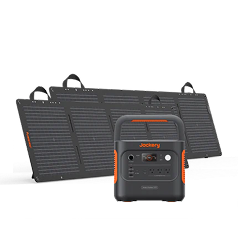
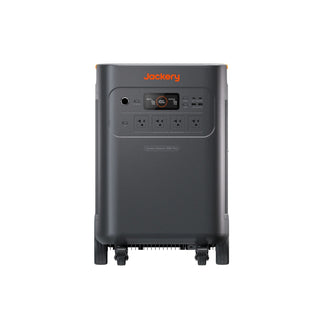
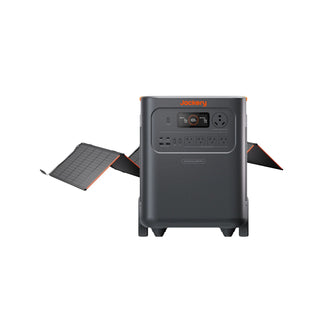
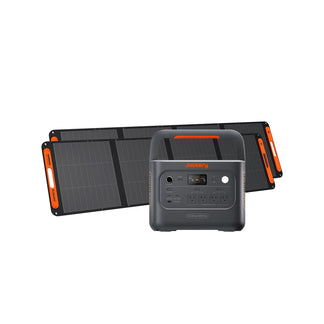
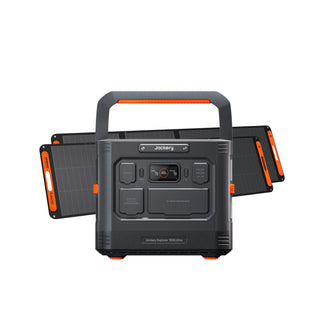
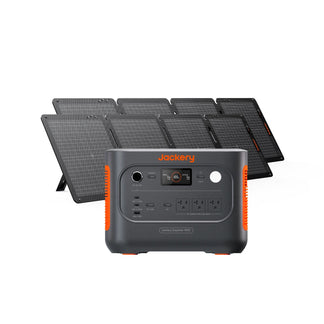
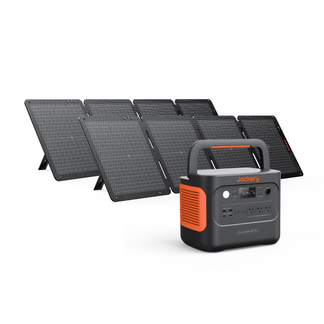
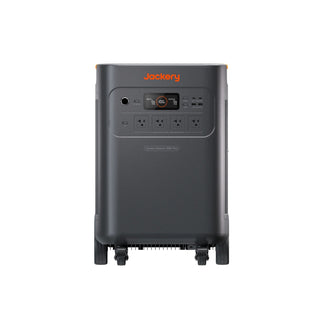
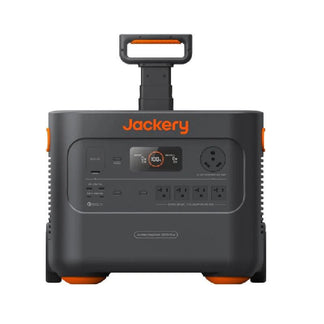
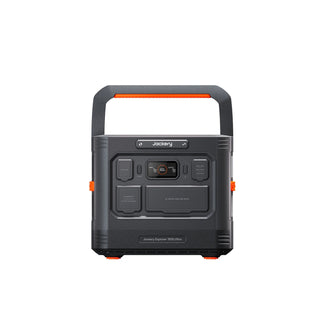
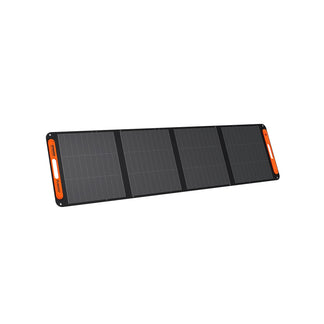
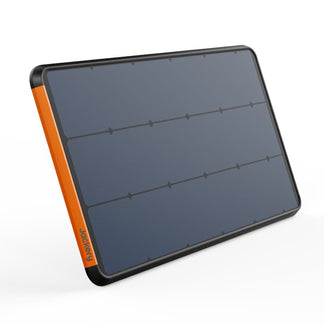
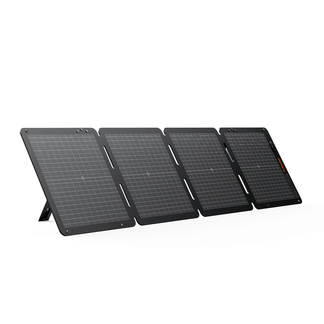
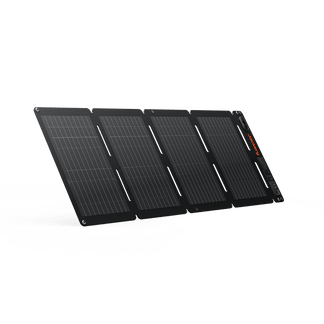
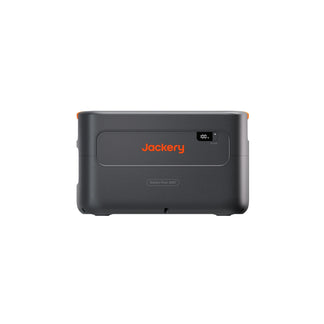
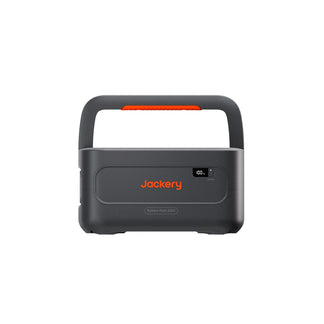
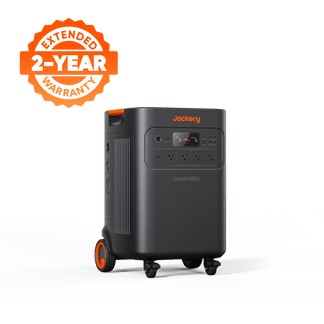
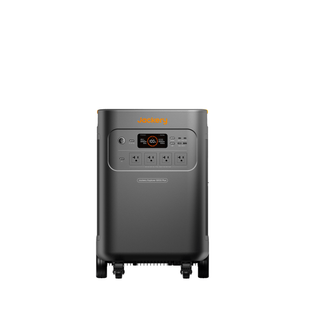
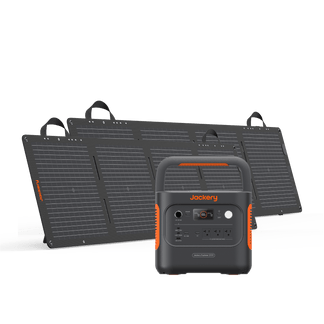
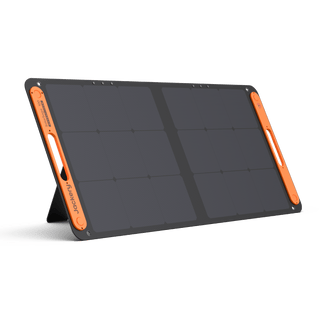
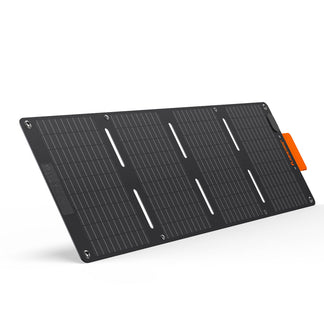
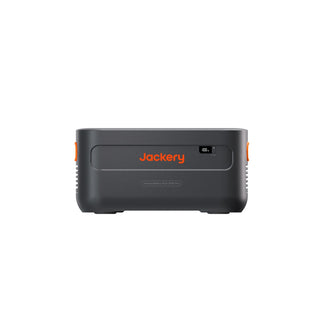
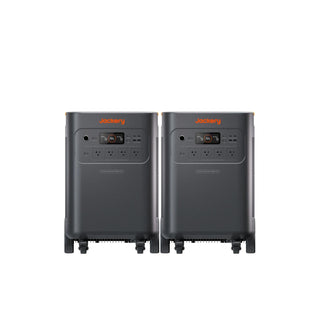
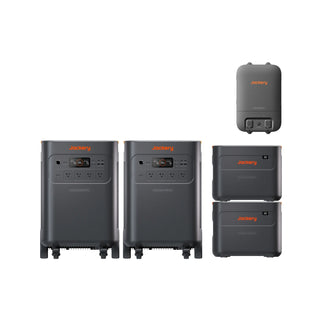
Jackery Solar Generator 5000 Plus + 2× SolarSaga 500X |
5,040Wh (expandable to 60kWh) |
7,200W / 14,400W |
~4 hours / 7+ hours |
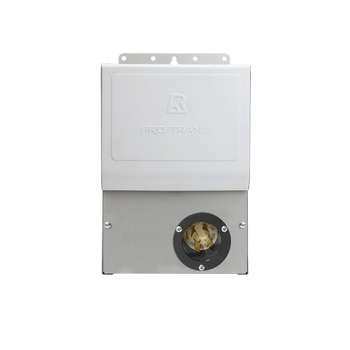
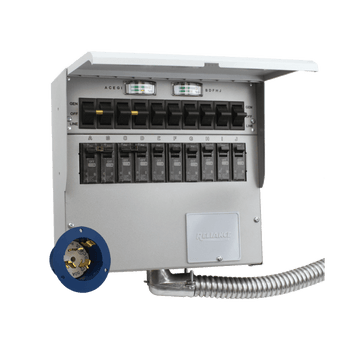
Handles 240V circuits, whole‑home transfer switch compatible |
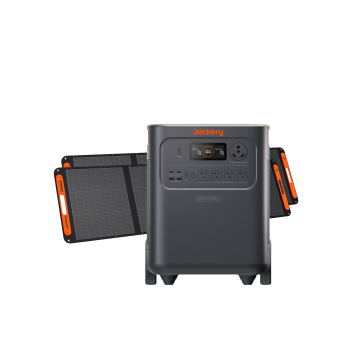
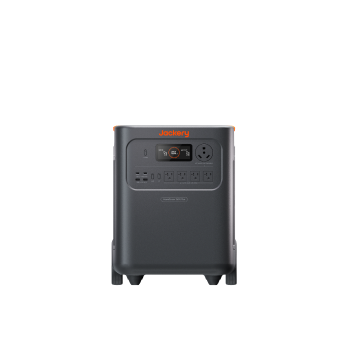
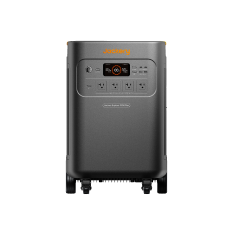
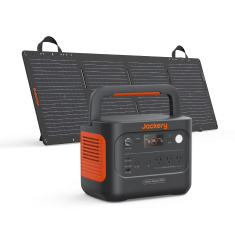
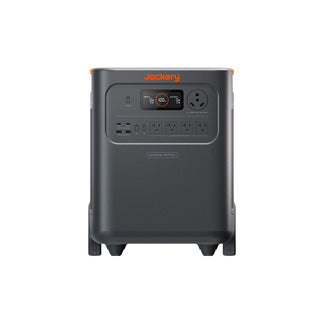
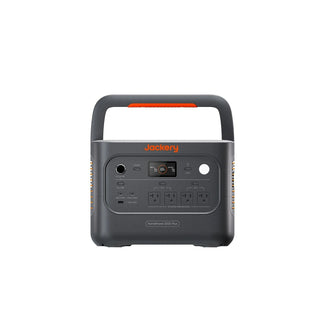
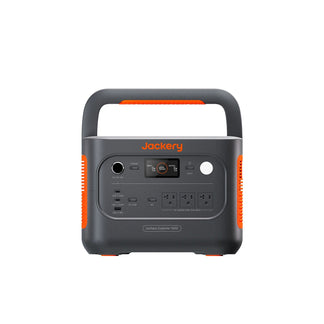
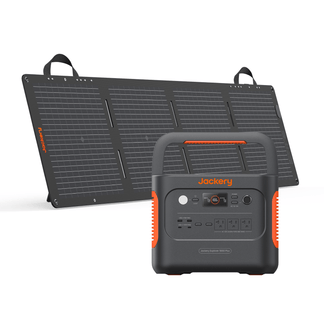
Jackery Solar Generator HomePower 3600 Plus + SolarSaga 500X |
3,584Wh |
3,600W / 7,200W |
~3 hours / 5+ hours |
Ultra‑quiet 30dB, <20ms UPS switchover |
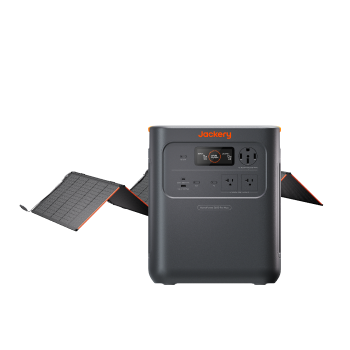
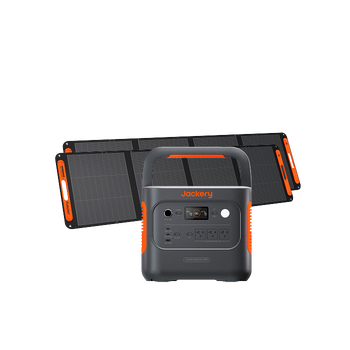
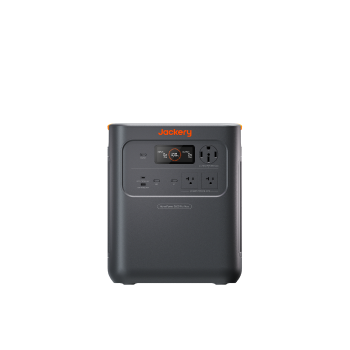
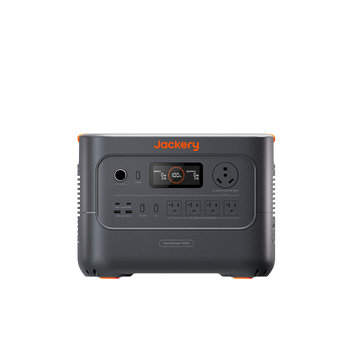
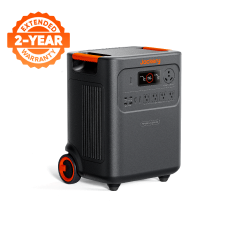
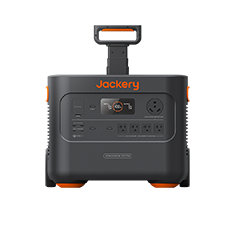
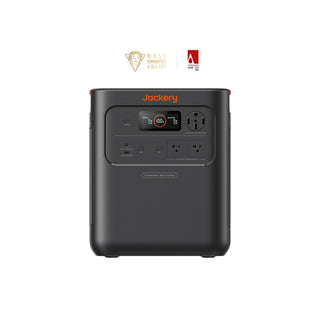
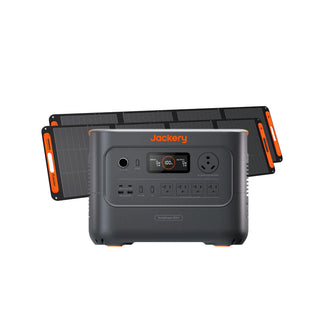
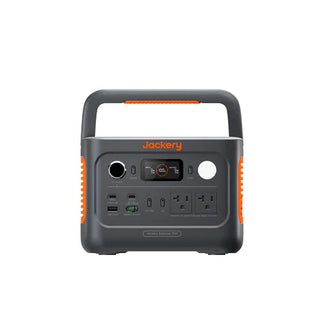
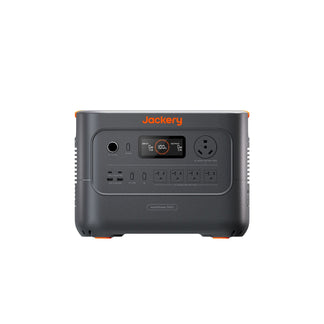
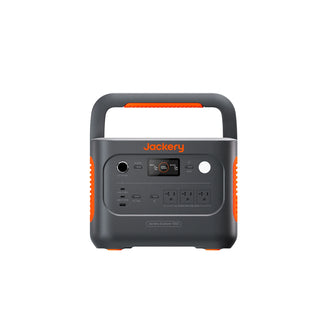
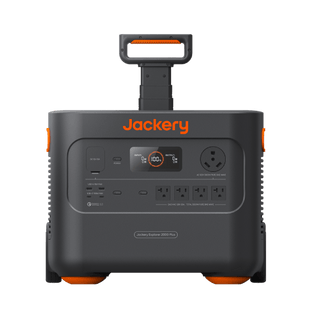
Jackery Explorer 2000 v2 (E2000v2) |
2,042Wh |
2,200W / 4,400W |
~1.5 hours / 3 hours |
Compact 39.5 lbs, 1.7‑hour AC recharge |
Key model highlights:
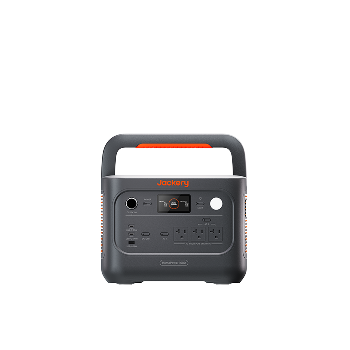
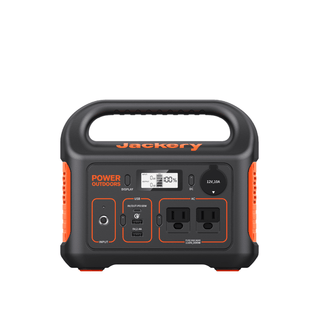
- Jackery Solar Generator 5000 Plus (14,400W surge): Starts any 12,000 BTU unit and powers additional appliances, with dual‑voltage 120V/240V and Smart Transfer Switch compatibility.
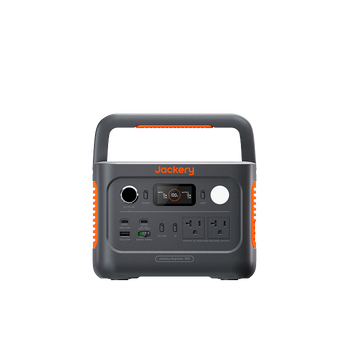
- HomePower 3600 Plus (7,200W surge): Runs most window units silently at 30 dB — ideal for bedroom cooling.
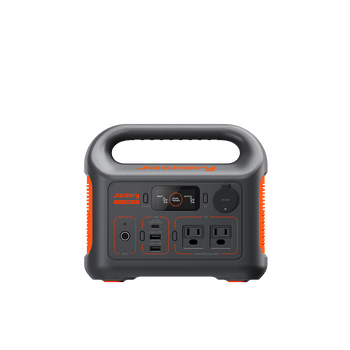
- Explorer 2000 v2 (4,400W surge): Lightweight, fast‑recharging option; pair it with a soft start for extra surge margin.
For real‑time outage tracking to plan your backup strategy, check how to check power outage status or view your utility’s AEP outage map. Understanding when power will be restored helps you size battery capacity for the expected duration.
Frequently Asked Questions (FAQ)
Q: How many watts does a 12,000 BTU air conditioner use?
A: It draws 900–1,400W running, depending on EER, with a startup surge of 1,800–3,000W for a few seconds.
Q: Can a portable power station run a 12,000 BTU AC?
A: Yes, if it has a surge rating of at least 3,200W and sufficient battery capacity. Models like the Jackery 5000 Plus handle the surge easily.
Q: How long will a battery run a 12,000 BTU AC?
A: A 5,000Wh battery runs a 1,200W AC for about 4 hours continuously, or up to 7+ hours with typical compressor cycling.
Q: Does a soft start reduce running watts?
A: No, it only reduces the startup surge. Running watts remain the same.
Q: Can I use solar panels to recharge while running the AC?
A: Solar alone is too slow for AC loads. A 400W panel produces ~2 kWh/day; recharging 7 kWh takes 17+ hours of sun. Grid or generator backup is needed.


