















People end up sleeping in their cars for all kinds of reasons. Road trippers get too tired to drive. Vanlifers and car campers do it on purpose. Some travelers want to skip the hotel bill, and some people are living in their car for a while. And some just got a knock on the window and want to know where they stand. This guide covers all of that: each state’s rest area rules with official sources, how city and private-lot rules work, legal places to park tonight, what to expect from the police, and how to stay safe until morning.
Quick Answer
No. There’s no federal law against it, and no state has banned it everywhere. Rest areas are a different story, though. Virginia and Maryland don’t allow overnight parking at all, while Texas and Kansas let you stay up to 24 hours. A lot of cities also ban living in a vehicle on public streets, and on private property you need the owner’s okay. One more thing: if you’ve been drinking, sleeping behind the wheel can still get you a DUI.
Key Takeaways
- Three layers of rules apply to the same night: state rest area and public-land rules, city or county ordinances, and private property rules. Most tickets come from the second and third layers.
- Rest area limits vary a lot. Pennsylvania allows 2 hours and Florida 3, California and Washington allow 8, Oregon and Montana 12, and Texas 24. Virginia and Maryland don't allow overnight parking at all.
- Truck stops, campgrounds, Walmart stores whose manager says yes, and BLM or national forest land are safer bets than city streets. iOverlander, Campendium, FreeRoam, and AllStays help you find them.
- If you've been drinking, sleep in the back seat with the keys out of the ignition and the engine off. In many states, being in the driver's seat with the engine running can count as "operating" the car.
- Turn the engine off, crack two windows, and keep a battery-powered carbon monoxide detector in the car. A portable power station can run a fan or lights without idling.
Is It Illegal to Sleep in Your Car in the US?
No. There is no federal law against sleeping in a parked car, and no state makes the act of sleeping in your own vehicle a crime everywhere within its borders. The question that actually matters is where you're parked and how long you stay.
Here's a good example of how this works. In 2024 Florida passed a law that stops counties and cities from allowing people to camp or sleep on public property. That same law says lodging overnight in a registered, insured vehicle that is lawfully parked is not "public camping or sleeping."[1] So a state can crack down on street camping and still leave room for someone sleeping in a legally parked car. What gets people in trouble is parking where they aren't allowed, staying longer than a posted limit, setting up camp outside the car, or sleeping it off behind the wheel.
Quick Guide: What to Check Based on Your Situation
Different people searching this question need different answers. Find your situation below and start with the section that matters most to you.
Your situation |
What matters most |
Start here |
Road tripper, too tired to keep driving |
How long you can stay at a rest area in the state you're in |
Rest area rules by state; truck stops |
Car camper or vanlifer |
Free, legal places to stay for several nights |
BLM land, national forests, campgrounds, apps |
Budget traveler skipping a hotel |
Whether a store or lot will let you stay |
Walmart and 24-hour stores; city rules |
Living in your car for a while |
City vehicle-dwelling ordinances and safe options |
City ordinances; Safe Parking programs |
Just had an officer knock on the window |
What to say, what can happen, DUI risk |
What happens if the police knock |
Who Makes the Rules? State Law, City Ordinances, and Private Property
Three separate layers of rules can apply to the same night in your car, and you need to clear all three.
State Rules: Rest Areas and Public Land
Each state's transportation department sets the rules for its own rest areas and welcome centers, usually through an administrative regulation. These rules cover time limits, whether overnight parking is allowed, and whether camping (tents, chairs, cooking, hookups) is banned. Cities have no say over state rest areas, which is why one statewide limit applies to every rest area in that state unless a posted sign is stricter.
Some states also have broader laws about camping on public property. Tennessee is the clearest example. Since July 1, 2022, it has been a crime to camp on any public property that isn't designated for camping, and a separate offense covers camping on highway shoulders, right-of-way, and under bridges or overpasses.[2] That law is separate from Tennessee's rest area rule, which is a 2-hour limit with no overnight parking set by TDOT.[3]
City and County Ordinances
This is where most people actually get cited. Many cities restrict "vehicle dwelling" (living or sleeping in a vehicle) on public streets, ban overnight parking in certain zones, or limit how long a car can sit in one spot. Two examples:
- Los Angeles has used Municipal Code § 85.02 to restrict living in a vehicle on residential streets overnight and near schools, daycares, and parks.[4] The city has let this section lapse and reinstated it more than once, so check the current version before you rely on it.
- Key West, Florida says its ordinances forbid overnight parking on city streets, parks, and beaches, and RVs over 20 feet long or 7 feet wide can't park on city streets at all.[5] That's a city rule. It doesn't mean sleeping in a car is illegal everywhere in the Florida Keys.
City rules have also gotten stricter since the US Supreme Court decided City of Grants Pass v. Johnson in 2024. The Court held that enforcing general public camping bans does not violate the Eighth Amendment, even against people who have nowhere else to go.[6] Some cities have since passed or stepped up enforcement of camping bans, and some of those cover sleeping in vehicles on public streets. If you're staying in a city, look up its municipal code or call the non-emergency police line before you settle in.
Private Property
Parking lots at stores, hotels, casinos, churches, and apartment buildings belong to someone. If the owner or manager hasn't said you can stay overnight, you can be asked to leave, towed, or cited for trespassing. Permission is what makes a private lot legal, so ask first and follow any posted signs.
Sleeping in Your Car: Rest Area Rules by State
There's no single answer for the whole country, because every state writes its own rest area rules. The table below lists the states whose rules we confirmed in an official statute, regulation, or state transportation department page. A "time limit" caps how long you can stay. "Camping" usually means tents, chairs, cooking, or hooking up to outlets or water. Sleeping inside your car within the time limit is generally treated as resting, not camping.
Posted signs at a specific rest area can be stricter than the statewide rule. When they are, the sign wins.
State |
Rest area time limit |
Sleeping in your car |
Camping |
Official source |
California |
8 hours in any 24-hour period |
Allowed within the limit |
Prohibited |
[7] |
Florida |
3 hours (10 hours for commercial drivers) |
Short rest only |
Prohibited; no hooking up to outlets or water |
[8][9] |
Georgia |
No hour limit in statute |
Resting in your vehicle allowed |
Prohibited |
[10] |
Hawaii |
No highway rest area system |
Not on public roads or property, 6 p.m.–6 a.m. |
Only in permitted campgrounds and parks |
[11] |
Idaho |
10 hours (interstate); 16 hours (other highways) |
Allowed within the limit |
Prohibited |
[12] |
Illinois |
3 hours (less when near capacity) |
In your vehicle only; no sleeping on grounds, benches, or in buildings |
Prohibited |
[13][14] |
Kansas |
24 hours |
Allowed |
Overnight camping for one night only |
[15] |
Kentucky |
4 hours in any 24 hours (limited-access highways) |
Short rest only |
Not addressed |
[16] |
Maryland |
Overnight parking prohibited |
Not overnight |
Prohibited |
[17] |
Minnesota |
4 hours where posted (10 hours for commercial drivers) |
Short rest only |
Not addressed |
[18] |
Montana |
12 hours, one space per vehicle |
Allowed within the limit |
Prohibited |
[19] |
Nebraska |
10 hours; overnight camping or parking prohibited |
Rest up to 10 hours |
Prohibited |
[20] |
Nevada |
18 hours in any two-week period |
Allowed within the limit |
Counts toward the 18 hours |
[21] |
New Mexico |
24 hours in any 3 days |
Allowed within the limit |
Not addressed |
[22] |
New York |
3 hours after dark (10 hours for commercial drivers); 24 hours max |
Short rest only |
Prohibited; no tents |
[23][24] |
North Carolina |
No hour limit; staying overnight prohibited |
Short rest only |
Prohibited; no tents |
[25] |
Oregon |
12 hours in any 24-hour period |
Allowed within the limit |
Prohibited |
[26] |
Pennsylvania |
2 hours in any 24 hours, or as posted |
Only inside a legally parked vehicle |
Prohibited; no tents |
[27] |
South Dakota |
3 hours (10 hours for commercial drivers) |
Resting in a vehicle isn't camping |
Prohibited at interstate rest areas |
[28] |
Tennessee |
2 hours; no overnight parking |
Short rest only |
Not allowed |
[3] |
Texas |
24 hours |
Allowed within the limit |
No tents or structures |
[29] |
Virginia |
No overnight parking |
Not overnight; no sleeping in buildings |
Prohibited |
[30][31] |
Washington |
8 hours in any 24-hour period |
Allowed within the limit |
Prohibited |
[32] |
Wisconsin |
24 hours or the posted limit |
Allowed within the limit |
Prohibited |
[33] |
States without a confirmed statewide limit: Alabama, Alaska, Arizona, Arkansas, Colorado, Connecticut, Delaware, Indiana, Iowa, Louisiana, Maine, Massachusetts, Michigan, Mississippi, Missouri, New Hampshire, New Jersey, North Dakota, Ohio, Oklahoma, Rhode Island, South Carolina, Utah, Vermont, West Virginia, and Wyoming. We couldn't confirm a statewide rest area time limit in an official statute, regulation, or DOT page for these states as of the date at the end of this article. Some of them post limits or "No Overnight Parking" signs at individual rest areas, so read the sign at the entrance and follow it.
States with the Strictest Rest Area Rules
- Virginia: no overnight parking at rest areas, under a regulation that took effect March 11, 2026. Camping is banned, and you can't sleep inside the rest area building.[30][31]
- Maryland: camping and overnight parking are both prohibited.[17]
- Pennsylvania: 2 hours in any 24-hour period, or the posted limit.[27]
- Tennessee: 2 hours, with no overnight parking.[3]
- Florida, New York, Illinois, and South Dakota: 3 hours for regular drivers.[8][23][13][28]
States with the Most Generous Rest Area Rules
- Texas: up to 24 hours. Tents and other structures aren't allowed.[29]
- Kansas: up to 24 hours, and overnight camping is permitted for one night.[15]
- New Mexico: up to 24 hours in any 3-day period.[22]
- Nevada: up to 18 hours, but that's counted across a two-week period, not per visit.[21]
- Oregon and Montana: up to 12 hours.[26][19]
Commonly Misunderstood State Rules
A few state rules get repeated online in ways that are wrong or only half right. Here's what the official sources actually say.
Pennsylvania: PennDOT does not allow camping at rest areas. Its regulation bans camping overnight, setting up a tent, sleeping anywhere except inside a legally parked vehicle, and staying longer than 2 hours or the posted limit.[27] So you can nap in your car for up to 2 hours, but you can't camp or pitch a tent.
California: Caltrans rest areas allow up to 8 hours in any 24-hour period, and camping is prohibited.[7] This is a statewide Caltrans rule. Cities don't set different limits for state rest areas, and claims of a 24-hour California limit don't match the regulation.
Tennessee: two separate rules apply. Rest areas have a 2-hour limit with no overnight parking.[3] Separately, the state's camping law makes it an offense to camp on public property that isn't designated for camping, and a 2022 amendment extended it from state-owned land to all public property and added highway shoulders, right-of-way, and the areas under bridges and overpasses.[2] Tennessee doesn't ban sleeping in a car everywhere, but its rules for public land are among the strictest in the country.
Florida: the state's rest area limit is 3 hours for most drivers.[8][9] State law doesn't ban sleeping in a lawfully parked car, and the 2024 public camping law specifically excludes a registered, insured vehicle parked where it may lawfully be.[1] Local rules are a different story. Key West, for example, forbids overnight parking on city streets, parks, and beaches.[5]
Where Can You Legally Sleep in Your Car Tonight?
If you need somewhere to stop tonight, these are the options worth checking first, roughly from easiest to most remote.
Truck Stops and Travel Centers
Big travel centers like Pilot Flying J, Love's, and TA are open 24 hours, well lit, and have restrooms and food. Many allow cars to park overnight, but truck spaces are for trucks, so park in the car area and stay out of the fuel lanes. If you're not sure, ask at the counter.
Walmart and Other 24-Hour Stores
Walmart doesn't have one chainwide rule. Whether a store allows overnight parking is up to the store manager, based on space and local laws.[34] Here's how to check a specific store:
- Look for signs in the lot. "No Overnight Parking" means no, whatever an app says.
- Check recent reviews on AllStays, iOverlander, or Campendium for that exact address.
- Call the store or ask at the customer service desk and ask for the manager's answer.
- If they say yes, park at the edge of the lot, buy something, and leave early in the morning.
Some Cracker Barrel, Cabela's, and Bass Pro Shops locations also allow overnight parking. The same rule applies: ask first.
Campgrounds and State Parks
A campsite is the simplest legal option, and many campgrounds let you sleep in your car on a regular tent or car site. Expect to pay a nightly fee, and book ahead on weekends. You also get restrooms, and often showers.
BLM Land and National Forests
The Bureau of Land Management manages public lands, mostly in the western states. Most field offices allow free dispersed camping, including sleeping in your vehicle, usually for up to 14 days in a 30-day period.[35] National forests are managed by a different agency, the US Forest Service, and many forests set similar 14-day limits by local order.[36] Limits vary by area, so check the local field office or ranger district and obey any "No Camping" or "Closed" signs.
Safe Parking Programs
If you're living in your car, look for a Safe Parking program in your area. These are lots run by cities or nonprofits where people living in vehicles can park overnight legally, often with security and restrooms, and sometimes help finding housing. Search "Safe Parking" plus your city name, or call 211 to ask what's nearby.
Apps That Help You Find a Spot
App |
Best for |
Cost |
iOverlander |
Crowd-sourced free and cheap spots, including informal ones |
Free |
Campendium |
Campground and free-camping reviews, with cell coverage notes |
Free; optional paid upgrade |
FreeRoam |
Free camping on public land, with land-boundary maps |
Free |
AllStays |
Store, truck stop, rest area, and campground listings |
Paid app |
App listings are user reports. Rules change, so always check posted signs when you arrive.
What Happens If the Police Knock on Your Window?
Usually it's a welfare check, or someone reported a car that's been parked a while. Most of these encounters end with a short conversation.
What to Do in the Moment
- Turn on the dome light so the officer can see you, and keep your hands where they can be seen.
- Roll the window down partway and stay calm and polite.
- Explain simply: you were too tired to drive safely and stopped to rest.
- Have your license, registration, and proof of insurance ready, and tell the officer before reaching for them.
- If you're asked to move on, do it. Arguing at 2 a.m. rarely ends well.
What Can Happen
The most common outcome is being asked to leave. Depending on local rules, you could also get a parking ticket, a citation under a city vehicle-dwelling or camping ordinance, or, on private property, a trespass warning or a tow. An arrest is unusual unless something else is going on, such as drugs, an outstanding warrant, or intoxication.
Can You Get a DUI for Sleeping in Your Car?
Yes, in some situations. Many states apply DUI laws to anyone in "actual physical control" of a vehicle, not just someone driving it. That means you can be charged even if the engine is off and the car hasn't moved, depending on where you're sitting, where the keys are, and what the officer sees. Each state applies its own test, so the same facts can lead to different outcomes in different states.
New Jersey is a good example. Its DWI law covers anyone who "operates" a vehicle, and courts have read that word broadly. A person asleep behind the wheel with the engine running may be treated as operating the car if the evidence suggests they intended to drive. When someone credibly shows they were only sleeping it off, the courts have sometimes found no operation.[37]
If you've been drinking, the safest setup is the back seat, keys out of the ignition and out of reach, engine off, and parked somewhere you're allowed to be. This lowers your risk, but it isn't a guarantee in every state.
4 Useful Tips for Safely Sleeping In a Car Overnight for a Road Trip
There can be hundreds of reasons why you would want to sleep in the car. For example, you might be looking to camp in your own vehicle to explore a remote location or don't want to book a hotel when going on a trip.
However, you have to be careful and follow some tips to make your overnight stay legal, comfortable, and safe.
Select a Safe and Legal Place
First and foremost, you have to find a legal and safe place to park your car to avoid middle-of-the-night "knocks" or expensive fines.
- If there is a sign that states "Private Property" and "No Trespassing," it's better to stay away from those locations. However, there is one exception to this rule: If you have permission from the owner, you can sleep in the car or even camp there for long hours. Try to avoid highways and random retail parking lots.
- Truck stops like Pilot, Flying J, and Love's are highly recommended across travel forums. They are well-lit, have 24-hour security cameras, and offer access to bathrooms and hot coffee.
- Many Walmart stores and Casinos welcome overnight parking, but always check local signs or call ahead to ask permission, as city ordinances vary.
- The Bureau of Land Management manages about 245 million acres of public land, and the US Forest Service manages the national forests. Both generally allow free dispersed camping, including sleeping in your vehicle, often for up to 14 days, unless an area is posted otherwise. Always obey No Overnight Parking, No Camping, and Closed signs.
- Park in a way that allows you to drive straight out without backing up or turning around if you need to leave quickly.
Pay Attention to Ventilation and Temperature
Crack at least two windows about an inch on opposite sides so the carbon dioxide (CO2) and moisture from your breathing can escape. This also keeps the glass from fogging up. Carbon monoxide (CO) is a different danger: it comes from a running engine, and you can't see or smell it. This is why you should always turn the engine off before you sleep. For extra protection, bring a battery-powered carbon monoxide detector.
Also, if it's cold inside the car, it is best to cover yourself with a heavy blanket to keep yourself warm. On the other hand, you can also use either a portable car AC or a fan to keep the vehicle interior cool and sleep peacefully in hot weather.
Don't Compromise on Privacy & Security
You can only sleep well in your car if you know no one's peeking inside it.
Closed windows also build fog on the inner side of the windows, which is a dead giveaway that someone is inside.
You should avoid blacking out the windows with blankets, which looks suspicious; Keep it subtle to remain discreet in your vehicle. For this purpose, rain guards and insulated window covers are great options.
Make Yourself Comfortable
If you are sleeping in your car for the first time, you have to make the whole experience comfortable; Otherwise, you'll wake up tired, and this messes up your whole day.
First, fold down the back seats. If there is a gap or slope, fill it with rolled-up clothes or blankets before putting down an inflatable pad or foam topper. Also, use a travel pillow for extra support for the neck and head in the car seat as the body relaxes during the night.
Light from security floodlights or streetlights can be helpful for safety purposes, though they can make falling asleep challenging. In this case, use an eye mask to lower the amount of light entering the car.
Noise coming from traffic or people moving around can cause distraction and prevent sleep onset. You can use earplugs to muffle the sounds coming from outside to create a calming environment for better sleep.
You should also prevent mosquitoes and insects from getting in through cracked windows. For this, buy cheap mesh netting and cut it slightly larger than the frame, and then stuff it into the window track to create a screen.
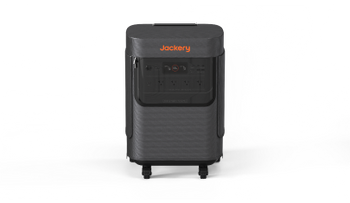
The Best Portable Solar Generator for Car Camping
Most of the tips above come down to one thing: power. A fan on a hot night, an electric blanket in winter, a CO detector, and a phone that's charged by morning all need electricity, and running the engine to get it is the one thing you shouldn't do. Idling a parked car can let exhaust build up inside it, drain fuel, and as the DUI section explains, sitting in the driver's seat with the engine running can count as being in control of the vehicle. So if you can't idle the engine, how do you keep things running all night?
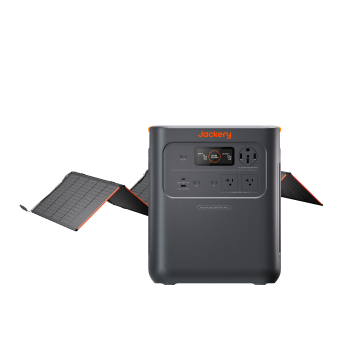
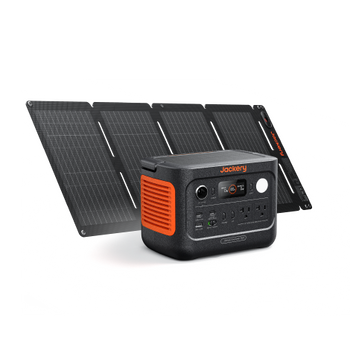
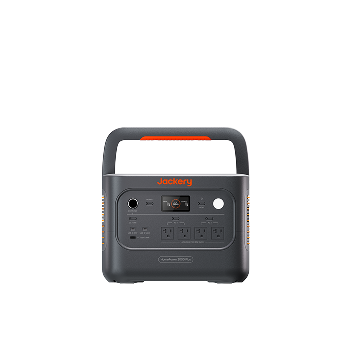
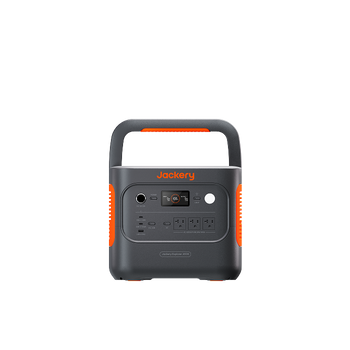
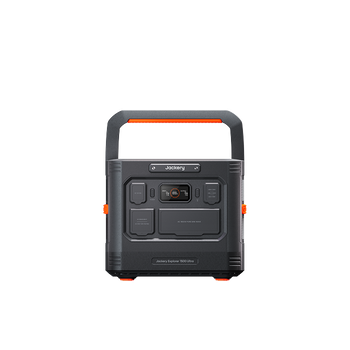
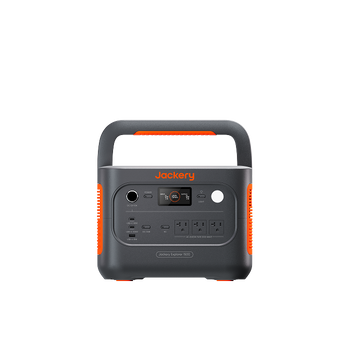
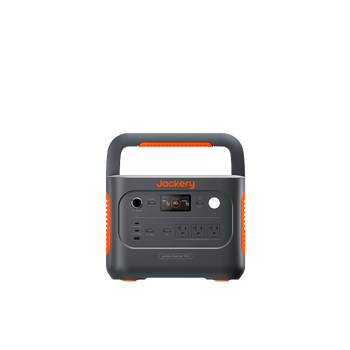
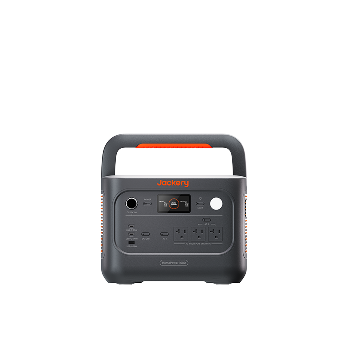
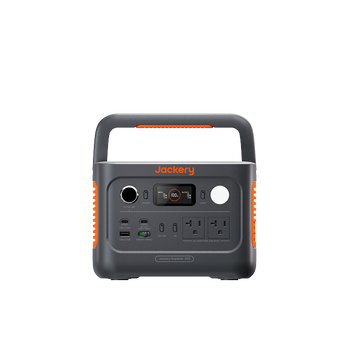
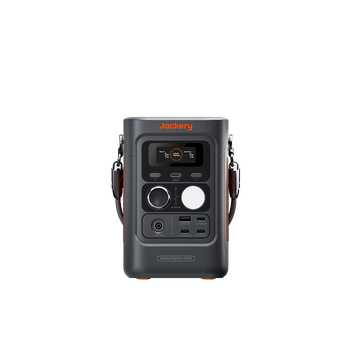
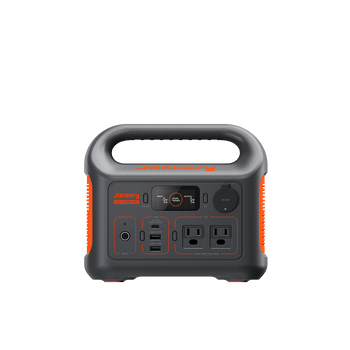
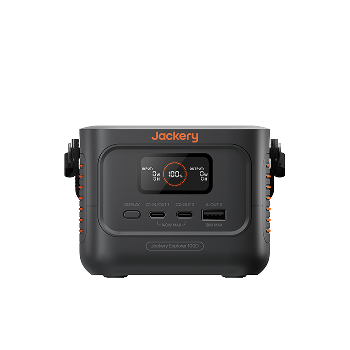
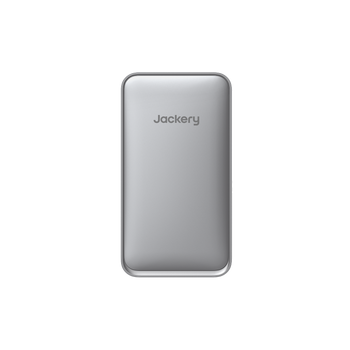
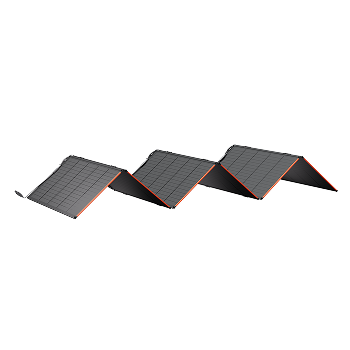
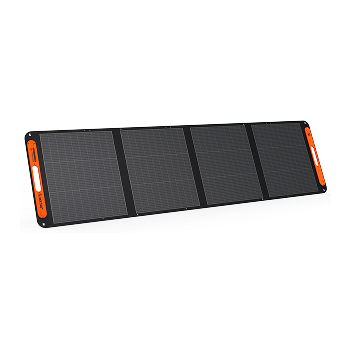
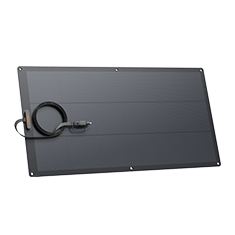
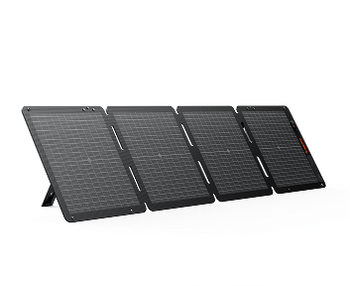
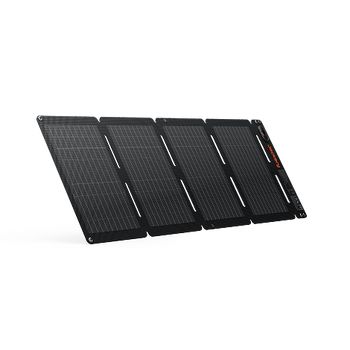
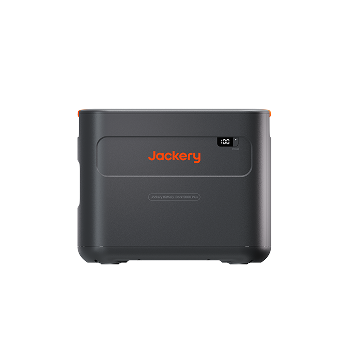
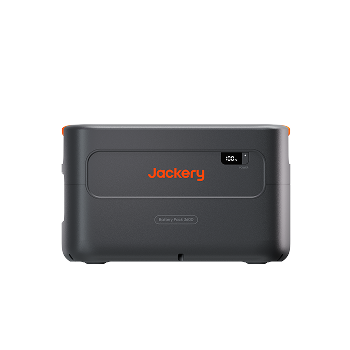
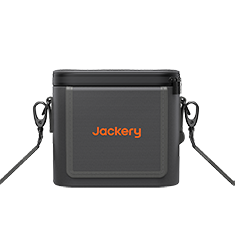
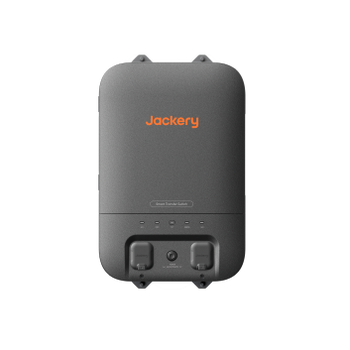
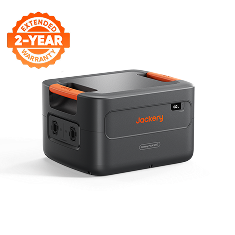
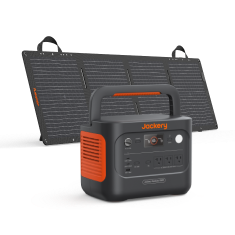
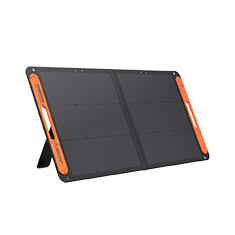
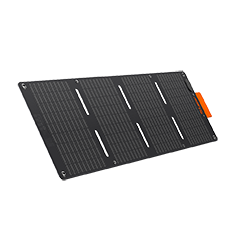
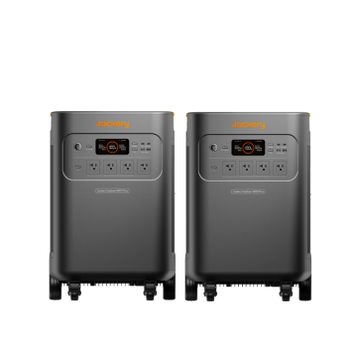
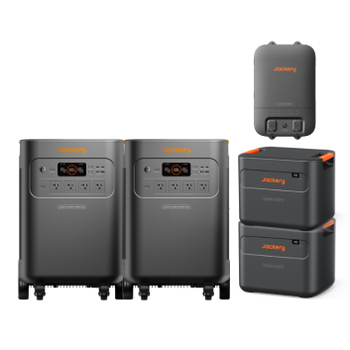
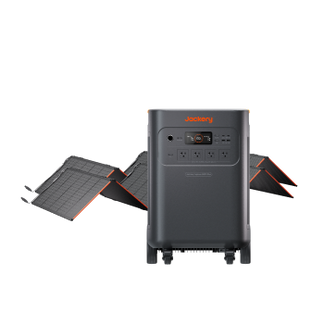
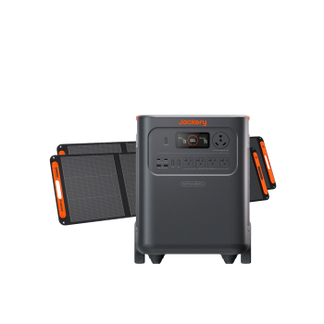
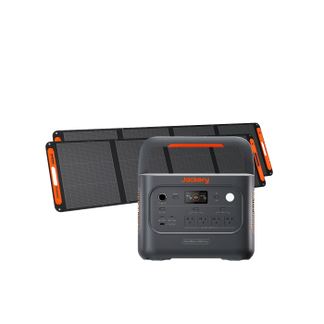
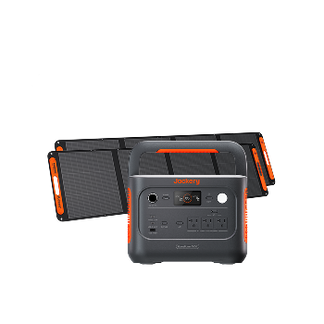
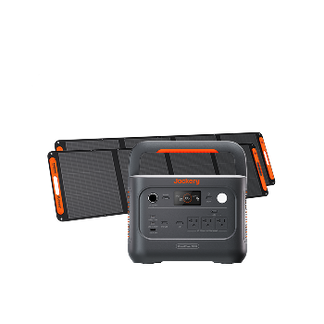
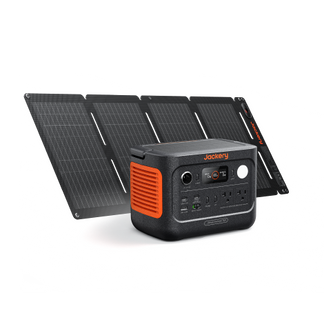
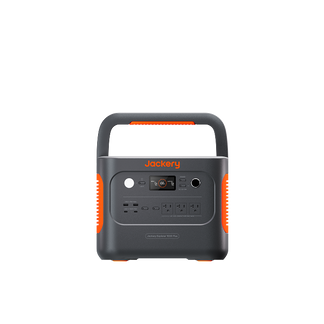
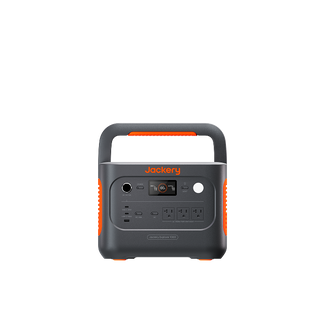
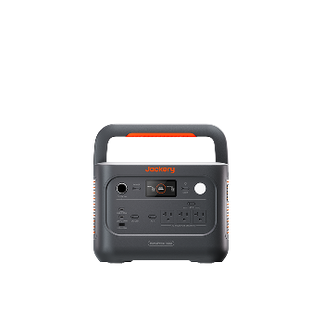
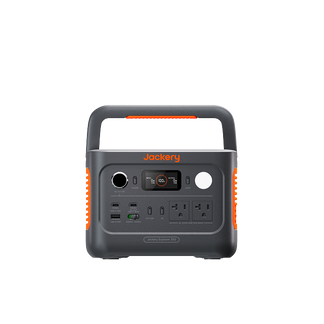
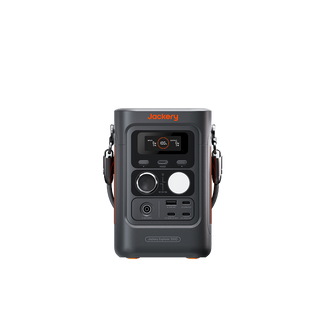
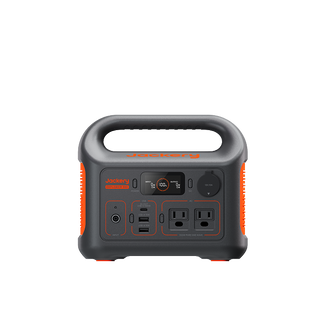
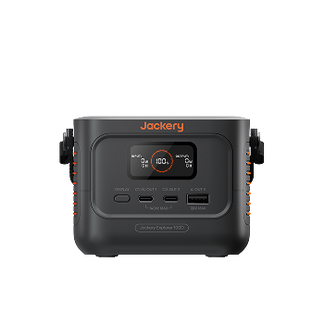
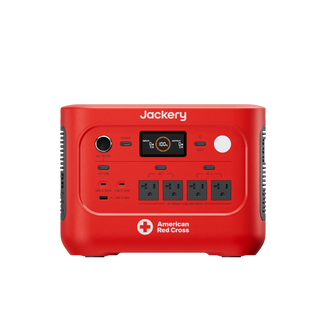
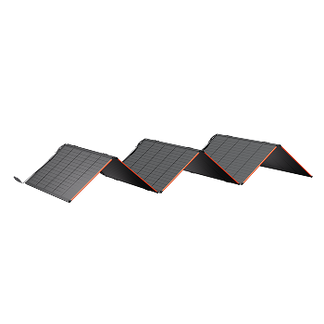
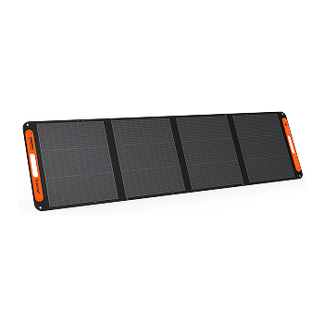
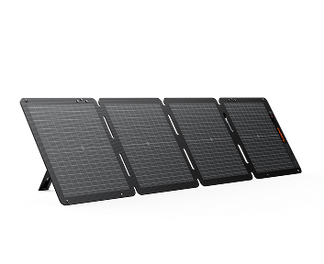
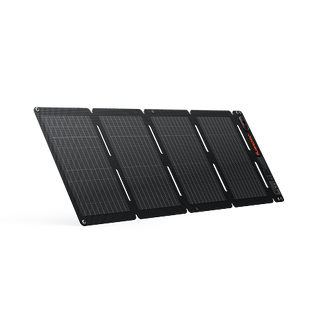
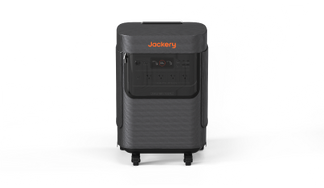
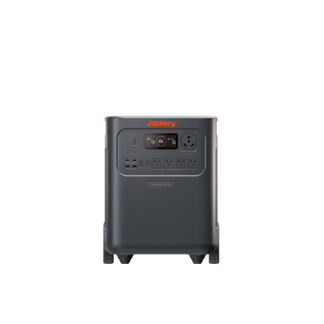
A portable power station solves this. It sits in the back seat or trunk and runs your devices silently with the engine off. Jackery's solar generators pair a power station with foldable solar panels, so you can recharge from the sun while you're parked during the day and use that stored power at night.
The right size depends on how you use your car: one night at a rest area, a weekend at a campground, or weeks on BLM land. Here are three portable power supplies for camping in your vehicle, from the most powerful to the most portable:
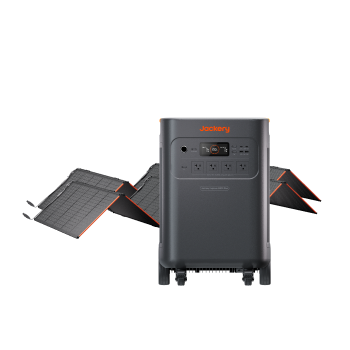
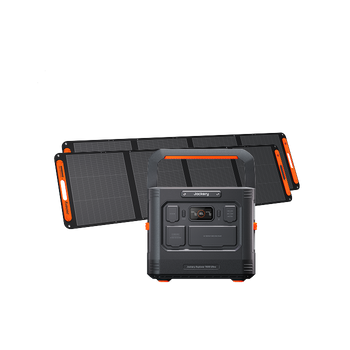
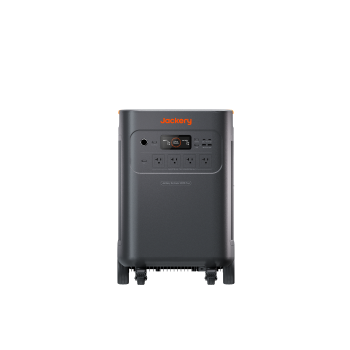
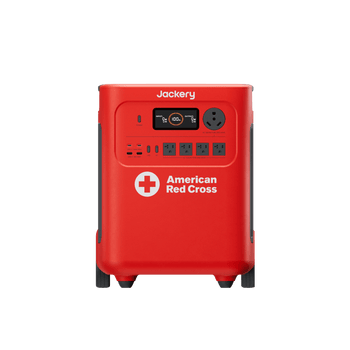
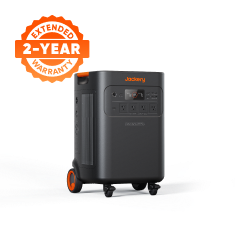
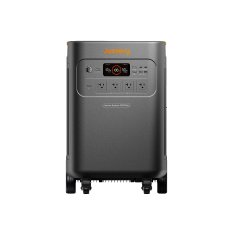
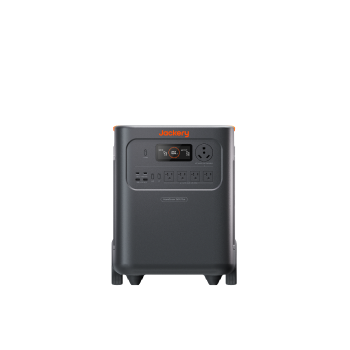
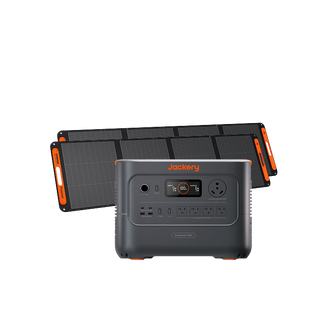
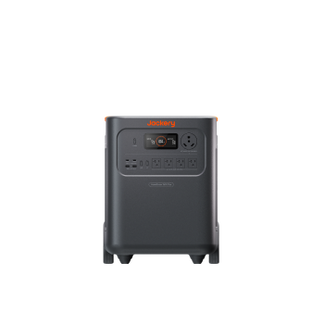
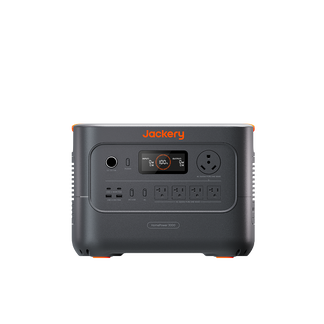
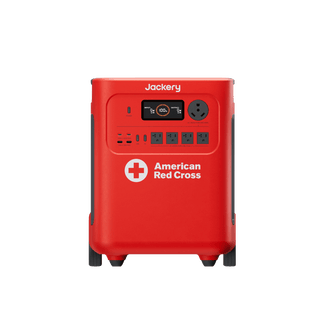
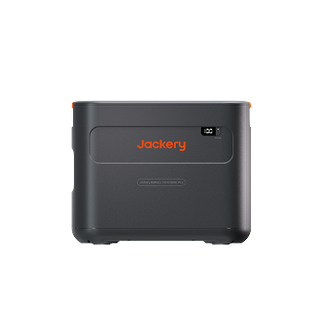
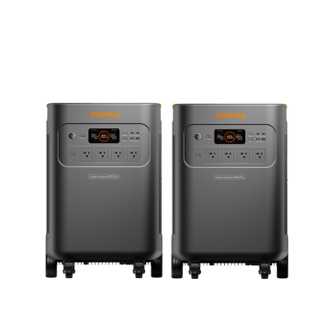
Jackery Solar Generator HomePower 3000
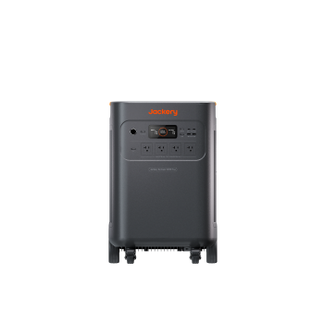
If you spend weeks living out of your car or camp far from any hookups, the Jackery Solar Generator HomePower 3000 gives you the most power of the three. It has a massive battery capacity and can run most outdoor appliances for long hours. It has dual-sided handles and can easily fit in the rear compartment of the vehicle for easier transportation.

Whether you want to power a car fridge to keep drinks cool during road trips or portable fans to keep the space comfortable, this solar generator has got your back.

Appliances Running Time:
Note: The following are estimated runtimes based on the listed appliance wattages. Actual runtimes vary depending on appliance models, operating cycles, startup power, and usage conditions.
- Electric Blanket (60W) = 43.5H
- Portable Fan (40W) = 65.3H
- Laptop (65W) = 40.2H
- Car Fridge (45W) = 58.0H
Customer Review:
“I currently live a nomadic lifestyle and find myself constantly needing power just to be sufficient while road traveling. This Jackery HomePower 3000 is a game-changer and a breath of fresh air for me. I drive a Chevy Silverado, so there's plenty of room for this thing in the back. The Jackery HomePower 3000 powers EVERYTHING I need (and then some) as a nomadic traveler.” — Trin B.
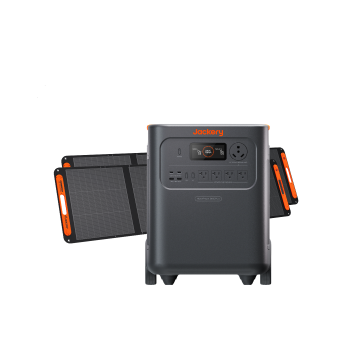
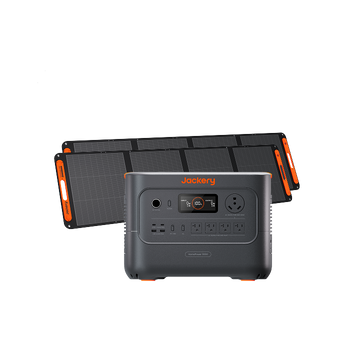
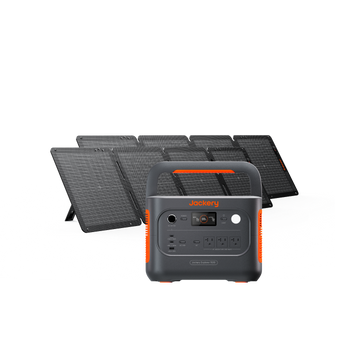
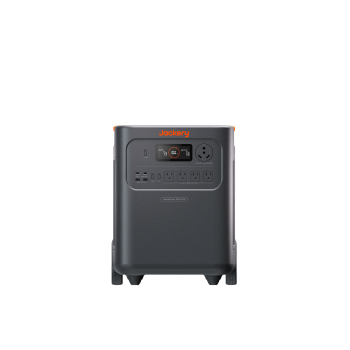
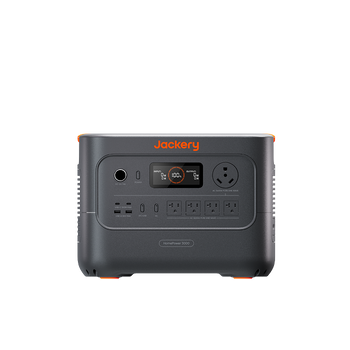
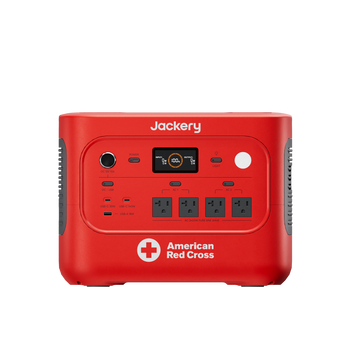
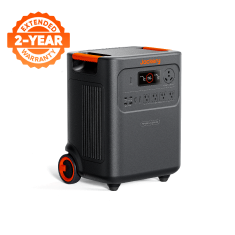
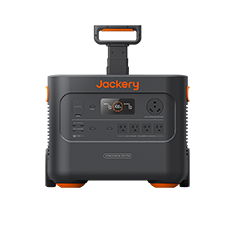
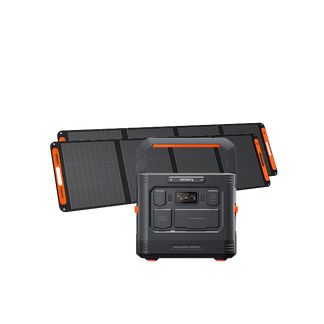
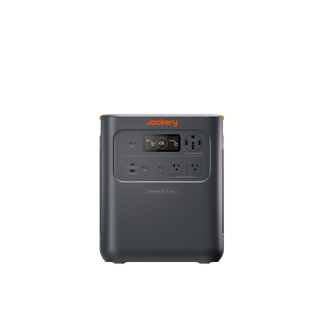
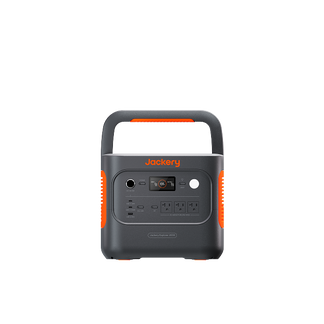
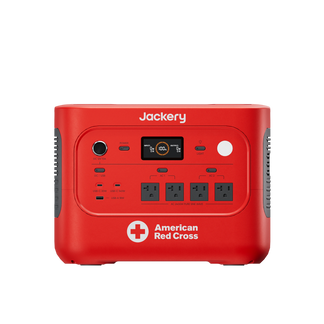
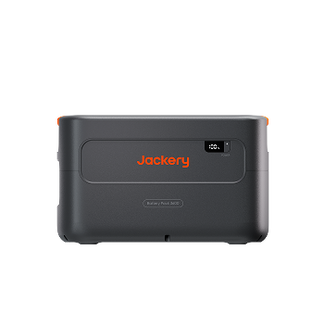
Jackery Solar Generator 2000 Plus
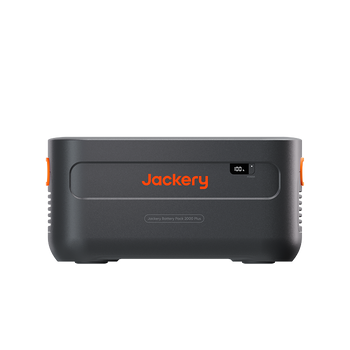
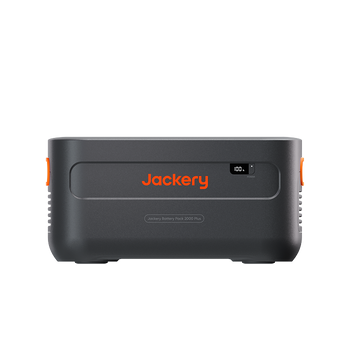
If you want plenty of power for long road trips but don't need the biggest unit, the Jackery Solar Generator 2000 Plus is a good middle ground. It has a pull rod, double wheels, and a foldable handle, so you can move it in and out of the car or from one place to another.


It has a large battery with multiple ports, so you can run multiple camping appliances like phones, fans, lights, etc., at the same time.
Appliances Running Time:
Note: The following are estimated runtimes based on the listed appliance wattages. Actual runtimes vary depending on appliance models, operating cycles, startup power, and usage conditions.
- Electric Blanket (60W) = 28.9H
- Portable Fan (40W) = 43.4H
- Laptop (65W) = 26.7H
- Car Fridge (45W) = 38.6H
Customer Review:
"Easy to set up and use, thoughtful design to have a battery mounted on wheels. Since this is a modular system, we will be adding more components in the future." — Denise Shepherd.
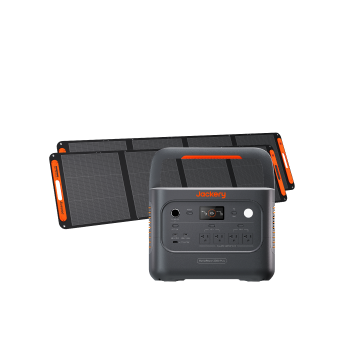
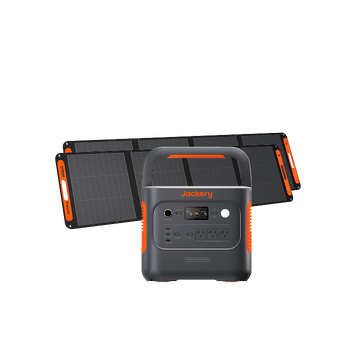
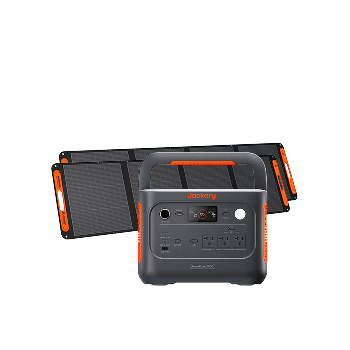
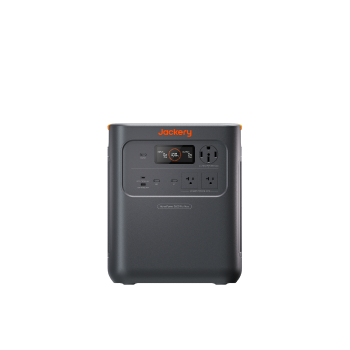
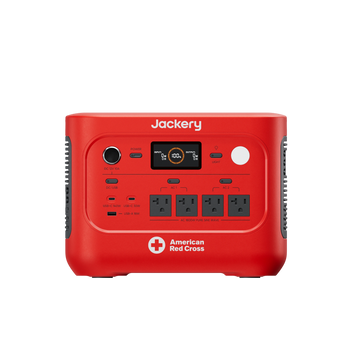
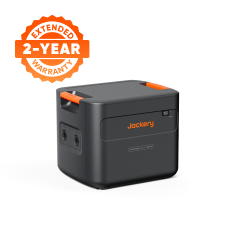
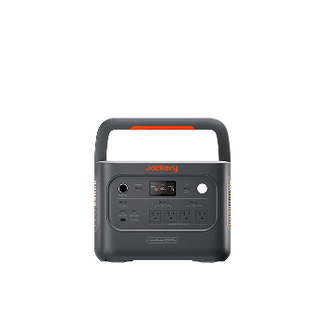
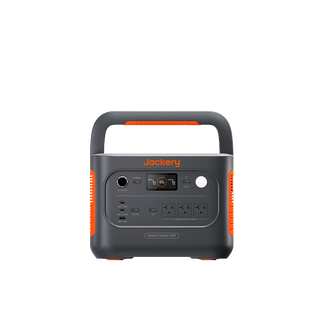
Jackery Solar Generator 1000 Plus
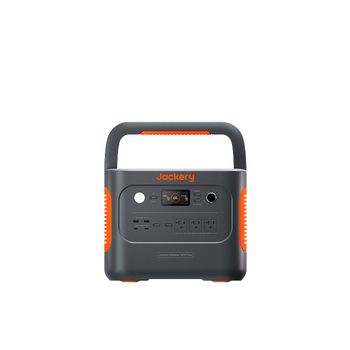
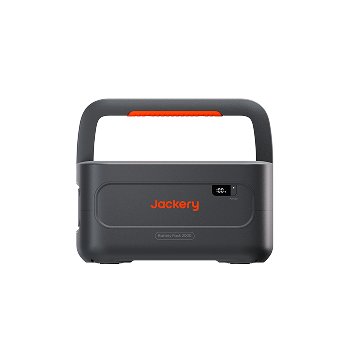
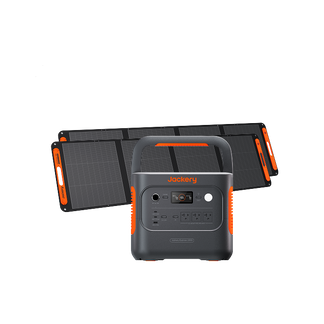
If you want a more portable, eco-friendly, and affordable battery backup solution that can keep essential appliances powered with 1264Wh capacity and 2000W output while car camping in remote locations, this Jackery Solar Generator 1000 Plus has your back.


Its LiFePO₄ cells are long-lasting, and you can enjoy 10+ years with 4,000 charge cycles of worry-free power. Not only that, you can take control of your generator from your smartphone using a WiFi or Bluetooth connection.
Appliances Running Time:
Note: The following are estimated runtimes based on the listed appliance wattages. Actual runtimes vary depending on appliance models, operating cycles, startup power, and usage conditions.
- Electric Blanket (60W) = 17.9H
- Portable Fan (40W) = 26.9H
- Laptop (65W) = 16.5H
- Car Fridge (45W) = 23.9H
Customer Review:
"Pleasantly surprised by the size and weight of my new Jackery! After reading through the booklet, I turned it on, got familiar with the buttons and lights, and plugged it in to get it up to a full charge. I feel more secure that when I need it, it'll be there for me!" — P Curtis.
Sleeping in Your Car FAQs
Is it illegal to sleep in your car at a rest area?
Not in most states, as long as you stay within the time limit and don't camp. Virginia and Maryland don't allow overnight parking at rest areas, and states like Pennsylvania and Tennessee only allow 2 hours.[30][17][27][3]
Can you sleep in your car at Walmart?
Sometimes. It's up to each store manager and local laws, so check the signs and ask before you stay.[34]
Can you get a DUI for sleeping in your car?
Yes, in some states, if you're intoxicated and found to be in "actual physical control" of the car, even if it's parked. Sleep in the back seat with the keys out of reach and the engine off.
Is it illegal to sleep in your car on private property?
Not if you have the owner's permission. Without it, you can be asked to leave, towed, or cited for trespassing.
Do you need to crack a window when sleeping in your car?
Yes. Cracking two windows on opposite sides helps with airflow and condensation. It doesn't make running the engine safe, though, so keep the engine off.
Can you sleep in your car with the engine running?
It isn't safe. Carbon monoxide can build up, especially if the tailpipe is blocked, and a running engine also raises your DUI risk if you've been drinking.[38]
Final Thoughts
Sleeping in your car is legal in most places. The trick is choosing a spot where it's allowed and following the rules for that spot. Check the state's rest area limit, look up the city's rules if you're in town, get permission on private lots, and never sleep it off behind the wheel. Keep the engine off, bring a CO detector, and you'll wake up rested and ready to drive.
References
[1] Fla. Stat. § 125.0231 (public camping and public sleeping). https://m.flsenate.gov/Statutes/125.0231
[2] Tenn. Code Ann. § 39-14-414 (unauthorized camping on public property), as amended by 2022 Tenn. Pub. Acts ch. 986 (S.B. 1610 / H.B. 978). https://legiscan.com/TN/bill/SB1610/2021
[3] Tennessee Department of Transportation, "Welcome Center & Rest Areas." https://www.tn.gov/tdot/maintenance/welcome-center---rest-areas.html
[4] L.A. Mun. Code § 85.02 (regulating the use of vehicles for dwelling). https://codelibrary.amlegal.com/codes/los_angeles/latest/lamc/0-0-0-168487
[5] City of Key West, "Tour Bus/RVs & Campers Parking Information" (citing Key West Code of Ordinances § 63.191). https://cityofkeywest-fl.gov/332/Tour-Bus-Motor-Coach-Parking-Information
[6] City of Grants Pass v. Johnson, 603 U.S. 520 (2024). https://supreme.justia.com/cases/federal/us/603/23-175
[7] Cal. Code Regs. tit. 21, § 2205 (California Department of Transportation, safety roadside rest areas). https://www.law.cornell.edu/regulations/california/21-CCR-2205
[8] Fla. Admin. Code R. 14-28.002 (Florida Department of Transportation, public use of rest areas and welcome centers). https://flrules.org/gateway/ruleno.asp?id=14-28.002
[9] Florida Department of Transportation, "Rest Area Questions and Answers." https://www.fdot.gov/maintenance/restareaqa.shtm
[10] Ga. Code Ann. § 32-6-6 (rest areas: camping prohibited).
[11] Haw. Rev. Stat. § 291C-112 (certain uses of parked vehicles prohibited between 6:00 p.m. and 6:00 a.m.). https://data.capitol.hawaii.gov/hrscurrent/Vol05_Ch0261-0319/HRS0291C/HRS_0291C-0112.htm
[12] Idaho Transportation Department, rest area frequently asked questions.
[13] Ill. Admin. Code tit. 92, § 533.20 (duration of rest area stops).
[14] Ill. Admin. Code tit. 92, § 533.40 (prohibited activities at rest areas). https://www.ilga.gov/ftp/JCAR/AdminCode/092/092005330000400R.html
[15] Kan. Admin. Regs. § 36-32-2 (Kansas Department of Transportation, use of roadside facilities).
[16] 603 Ky. Admin. Regs. 5:040 (safety rest areas on limited-access highways).
[17] Md. Code Regs. 11.04.07.11 (COMAR, Control and Use of Rest Areas: camping and overnight parking).
[18] Minn. Stat. § 160.2721 (commercial vehicle drivers at rest areas) and Minnesota Department of Transportation rest area policy. https://www.revisor.mn.gov/statutes/cite/160.2721
[19] Mont. Code Ann. § 60-6-202 (overnight camping on highway right-of-way) and Montana Department of Transportation rest area guidance.
[20] Nebraska Department of Transportation, "Rest Area Rules and Regulations." https://dot.nebraska.gov/media/fb3doqlu/rest-area-rules-and-regulations.pdf
[21] Nev. Admin. Code § 408.595 (roadside parks and safety rest areas: length of stay).
[22] N.M. Stat. Ann. § 67-8-22 (rest and recreation areas: time limit).
[23] N.Y. Comp. Codes R. & Regs. tit. 17, § 156.3 (use of rest and parking areas and scenic overlooks: parking). https://regulations.justia.com/states/new-york/title-17/chapter-iv/subchapter-c/part-156/section-156-3
[24] N.Y. Comp. Codes R. & Regs. tit. 17, § 156.4 (camping prohibited). https://regulations.justia.com/states/new-york/title-17/chapter-iv/subchapter-c/part-156/section-156-4
[25] 19A N.C. Admin. Code 2E.0407 (control and regulation of roadside parks and rest areas) and North Carolina Department of Transportation rest area guidance.
[26] Or. Admin. R. 734-030-0010 (Oregon Department of Transportation, rest area prohibited activities).
[27] 67 Pa. Code § 443.2 (Pennsylvania Department of Transportation, roadside rest areas, prohibited activities). https://www.law.cornell.edu/regulations/pennsylvania/67-Pa-Code-SS-443-2
[28] S.D. Codified Laws § 31-7-17 (temporary rest stops permitted; time limit).
[29] Tex. Transp. Code Ann. § 545.411 (use of rest areas).
[30] 24 Va. Admin. Code § 30-51-30 (Commonwealth Transportation Board, provisions governing rest areas; effective March 11, 2026). https://law.lis.virginia.gov/admincode/title24/agency30/chapter51/section30/
[31] 24 Va. Admin. Code § 30-51-10 (no camping in waysides, rest areas, and parking lots). https://law.lis.virginia.gov/admincode/title24/agency30/chapter51/section10/
[32] Wash. Rev. Code § 47.38.020 (safety rest areas: parking time limit, camping prohibited).
[33] Wisconsin Department of Transportation, "Rest Area Guidelines and Policies." https://www.wisconsindot.gov/Pages/travel/road/rest-areas/guidelines.aspx
[34] Campendium, "Walmart Overnight Parking" (summarizing Walmart's corporate RV parking FAQ). https://campendium.com/blog/finding-walmart-overnight-parking/
[35] 43 C.F.R. § 8365.1-2 (BLM occupancy and use) and Bureau of Land Management, "Colorado Camping and Occupancy" fact sheet. https://www.blm.gov/upper-colorado-river-do-grand-junction-fo/public-room/fact-sheet/colorado-camping-and-occupancy
[36] 36 C.F.R. § 261.58 (National Forest System occupancy and use). https://www.law.cornell.edu/cfr/text/36/261.58
[37] N.J. Stat. Ann. § 39:4-50(a); State v. Mulcahy, 107 N.J. 467 (1987); State v. Daly, 64 N.J. 122 (1973); State v. Thompson, 462 N.J. Super. 370 (App. Div. 2020).
[38] Centers for Disease Control and Prevention, "Clear Snow from Tailpipes." https://www.cdc.gov/natural-disasters/psa-toolkit/clear-snow-from-tailpipes.html
[39] Centers for Disease Control and Prevention, "Carbon Monoxide Poisoning Basics." https://cdc.gov/carbon-monoxide/about/
[40] National Highway Traffic Safety Administration, "NHTSA and NSC: Learn How to Prevent Pediatric Vehicular Heatstroke Deaths." https://www.nhtsa.gov/press-releases/nhtsa-and-nsc-learn-how-prevent-pediatric-vehicular-heatstroke-deaths
[41] Jackery, "Jackery Explorer 300 Portable Power Station," checked November 12, 2026. https://www.jackery.com/products/explorer-300-portable-power-station
[42] Jackery, "Jackery HomePower 1000 Plus v2," checked November 12, 2026. https://www.jackery.com/products/jackery-homepower-1000-plus-v2
Last updated: November 11, 2026. Rules verified on November 11, 2026.
This article is for general information only and is not legal advice. Laws and posted rules change, so check the official source or a local attorney for your situation.


