




























![[Add-on] Jackery SolarSaga 500 X - Jackery](http://www.jackery.com/cdn/shop/files/add-on-jackery-solarsaga-500-x-1493607.webp?v=1786503068&width=324)

![[Add-on] Jackery Battery Pack 5000 Plus - Jackery](http://www.jackery.com/cdn/shop/files/add-on-jackery-battery-pack-5000-plus-6713401.webp?v=1786503068&width=324)

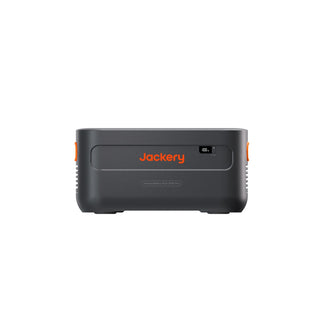
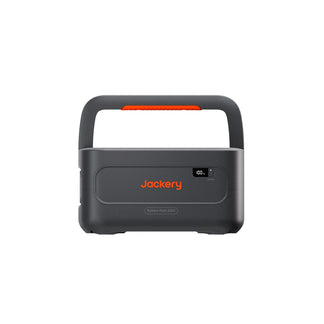






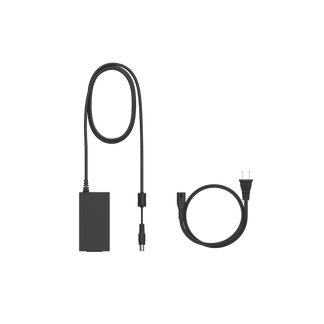

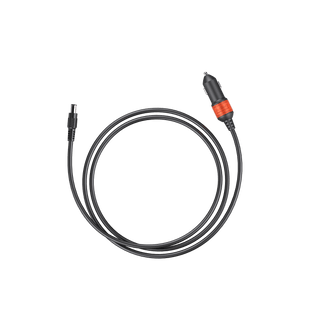



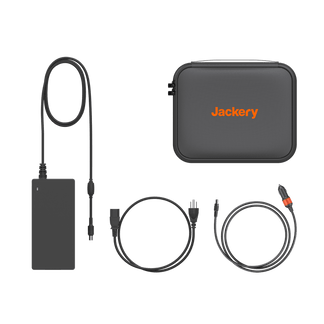
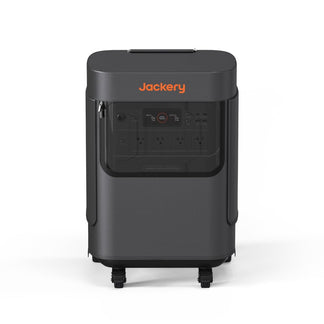








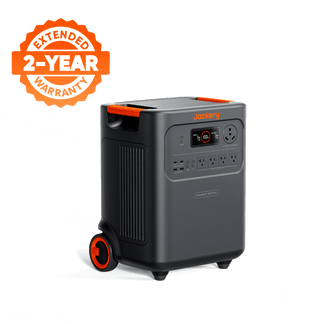
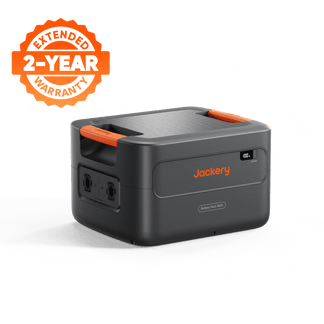

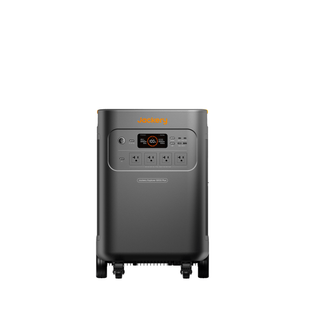
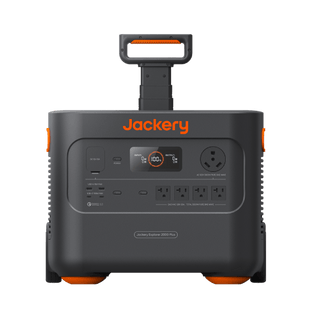
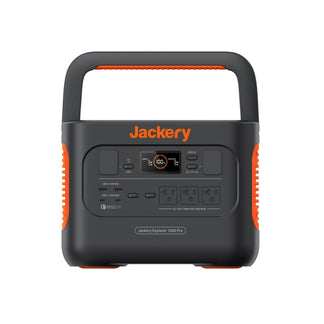
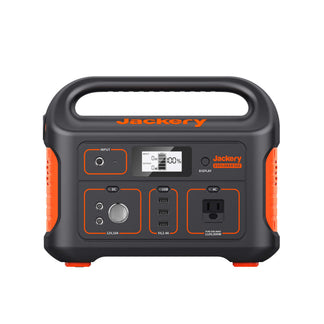
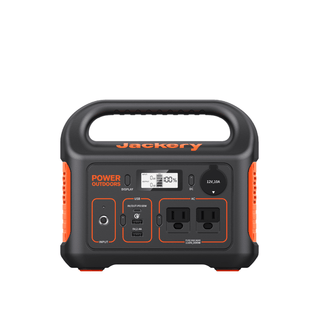
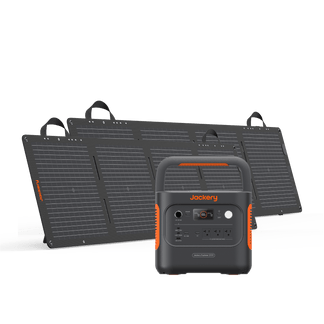

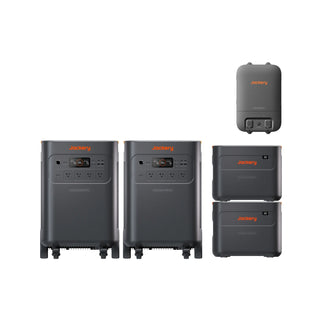


If your exact LiFePO4 backup battery manual specifies a storage percentage or storage mode, follow it first. There is no universal LiFePO4 storage charge for every model. For applicable Jackery products, indexed user-guide guidance says to keep the battery above 20% during regular storage and notes that a fully charged battery can last several months. That is qualified Jackery guidance—not a rule for every LiFePO4 battery. If the manual is unavailable, avoid guessing and obtain model-specific instructions.
What LiFePO4 Storage Charge Should You Use?
The right LiFePO4 storage charge is the range, setting, or mode documented for your exact battery or power station. Chemistry alone cannot determine the correct percentage. Capacity, output, cycle life, and warranty specifications do not answer the storage state-of-charge question either.
For applicable Jackery power stations, the Jackery user-guide storage guidance says to keep the battery above 20% during regular storage. It also distinguishes regular storage from a fully charged battery that can last for several months. Because the available guidance is not tied here to one specific model and revision, treat that figure as a brand-specific reference—not as the recommended state of charge for LiFePO4 storage in general.

The practical rule is simple: use the storage instructions in the model manual, avoid leaving the unit nearly empty for an extended period, and follow any separate long-term storage procedure from the manufacturer. Do not replace missing instructions with a commonly repeated recommendation such as 40% to 60%, 50%, or 100%. If you cannot identify the model or find its manual, contact official support before choosing a precise storage percentage.
Storage Decision Path
Choose the instructions based on the model and the intended storage period: use the exact manual when you have it, and obtain model-specific guidance before selecting a precise percentage when you do not. Extended or seasonal storage may require a different procedure from regular outage readiness.
| Situation | Follow this instruction path | What not to assume |
|---|---|---|
| Exact model and manual available | Use the documented storage percentage, mode, shutdown state, and recheck guidance | A generic LiFePO4 percentage overrides the manual |
| Applicable Jackery regular storage | Treat above 20% as qualified Jackery guidance for regular storage | Above 20% is universal advice for all LiFePO4 batteries |
| Extended or seasonal storage | Use the model's separate long-term instructions when provided | Fully charged storage is always correct |
| Manual or model unavailable | Obtain official model-specific guidance before selecting a precise percentage | Capacity or chemistry can supply the missing answer |
How Storage Time and Location Change the Decision
Storage time determines which manufacturer instruction applies. If the battery needs to be ready for the next likely outage, use the model's regular or ready-to-use guidance. For extended or seasonal storage, follow the exact model's long-term storage, shutdown, and recheck instructions instead of inventing a time period.
Between Near-Term Outages
When the battery will be needed again soon, the goal is dependable readiness—not a universal storage target. Follow the model's normal regular-storage guidance and avoid allowing the unit to remain nearly empty for an extended period.
This is the practical approach to storing a backup battery between outages: maintain the manufacturer's intended ready state, disconnect or manage loads as directed, and keep the unit available for the next outage. The right action may vary by model, so do not infer a recharge interval from the battery's chemistry or capacity.

For Extended or Seasonal Storage
A longer period of nonuse may trigger a separate manufacturer procedure. Look for instructions covering storage charge, shutdown, connected loads, inspection, and when to check the unit again. Do not turn labels such as “weeks” or “months” into universal thresholds when the manual does not define them.
Location matters as much as the charge decision. Store the unit in a dry place within the exact model's environmental limits. Jackery's general lithium-battery storage guidance identifies 50°F–77°F as an ideal temperature range for a lithium battery pack. Use that range as general brand context, not as a guaranteed limit for every model. A garage, basement, utility room, or closet is suitable only if its conditions stay within the manufacturer's stated limits and remain dry.
What to Do Before Storage and Before the Next Outage
Use two separate checkpoints: prepare the unit according to its model instructions before storage, then inspect and verify its status before relying on it again. Neither checkpoint should add an unsupported charge time, test load, or recharge percentage.
Before You Store It
- Confirm the model guidance. Find the exact manual or official support instructions for storage charge, shutdown, connected loads, and the next check. If the manual specifies a storage mode, use it rather than a generic LiFePO4 battery storage percentage.
- Disconnect and inspect. Remove active loads or accessories as the manual directs. Inspect the unit, display, ports, cables, and connectors for visible damage or abnormal conditions.
- Choose the location. Place the battery in a dry area that stays within the model's stated environmental limits. Protect it from moisture, excessive dust, and physical contact that could damage the unit or cables.
If the battery shows swelling, a leak, an unusual odor, visible damage, or other abnormal behavior, do not put it into routine backup service. Obtain guidance from the manufacturer or a qualified service provider instead of attempting an improvised repair or storage procedure.
Before You Use It Again
- Inspect the battery and cables again. Look for damage, swelling, leaks, odor, or any change in appearance since storage. Treat an abnormal condition as a stop signal.
- Verify the displayed status. Check the charge indication and any status messages. Recharge or top up only as the exact model's instructions direct; do not assume a fixed percentage or charging time.
- Confirm the backup setup. Reconnect the intended equipment only as directed, and confirm that the setup works under normal conditions before an outage makes the check urgent.
This return-to-service check is the useful next step after backup battery storage tips: inspect first, verify the status second, and reconnect only according to the model's instructions.
Storage Mistakes to Avoid
Avoid these habits when storing a backup battery:
- Leaving it nearly empty during extended storage. Use the model's documented storage condition instead of allowing a low-charge state to persist through a long period of nonuse.
- Assuming 100% is always the right long-term setting. Some Jackery guidance allows a fully charged battery for a stated storage period, but that does not make full charge universally correct for every LiFePO4 product or storage scenario.
- Treating a general temperature range as a binding limit. Check the exact model's environmental specifications before choosing a garage or another space with large temperature changes.
- Ignoring moisture, dust, or physical contact. Select a dry location and protect the battery and cables from conditions that conflict with the manufacturer's storage instructions.
- Leaving connected loads or accessories in place without checking. Disconnect or manage them as the manual directs; do not assume the same setup is appropriate during storage.
- Skipping the stated checks. If the manual gives a recheck or return-to-service instruction, schedule it rather than waiting for an outage to reveal a problem.
- Guessing when the manual is unavailable. Product capacity, output, cycle life, and warranty do not establish a backup battery storage charge level. Obtain exact-model guidance before selecting a precise percentage.
The safest answer remains model-first: follow the documented storage mode or range, keep the location within stated limits, and avoid extended near-empty storage. Before the next outage, inspect the unit and verify its status before reconnecting equipment.
Frequently Asked Questions
What Charge Level Should a LiFePO4 Backup Battery Be Stored At?
Use the exact model manual's storage percentage or mode. For applicable Jackery products, regular-storage guidance says to keep the battery above 20%, but that figure should not be treated as universal LiFePO4 advice. If you cannot find the manual, obtain official model-specific guidance instead of choosing a percentage based on chemistry alone.
How Long Can a LiFePO4 Backup Battery Sit Unused?
There is no supported universal maximum duration for every model. Regular outage readiness follows the normal storage guidance, while extended or seasonal nonuse calls for the model's long-term storage and recheck instructions. Check the exact manual before putting the unit away for an extended period.
What Should I Do Before Using a LiFePO4 Battery After Storage?
Inspect the battery, cables, ports, and connectors for damage or abnormal signs, then check the displayed charge and status. Recharge or reconnect loads only as the model instructions direct. If you see swelling, leaks, an unusual odor, visible damage, or abnormal behavior, do not rely on the unit until you obtain guidance from the manufacturer or a qualified service provider.
Is It Bad to Store a LiFePO4 Battery Fully Charged or Empty?
Extended storage while nearly empty is an avoidable risk, so use the model's documented storage condition instead. Full charge is not automatically right or wrong for every model: some qualified Jackery guidance distinguishes a fully charged battery lasting several months, while other models or storage modes may specify something else. The exact manual and environmental limits control the decision.


