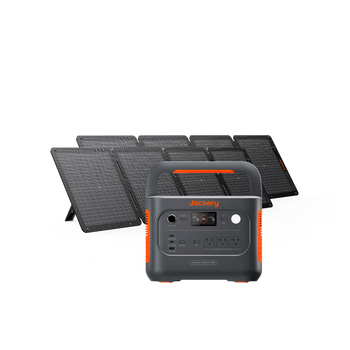
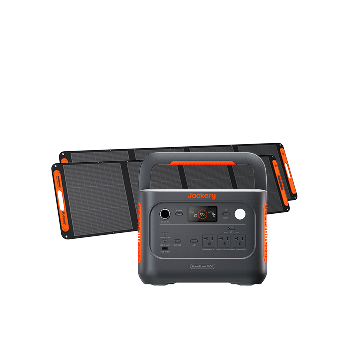


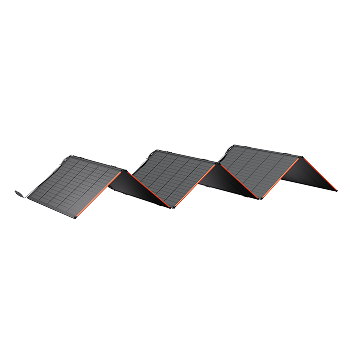
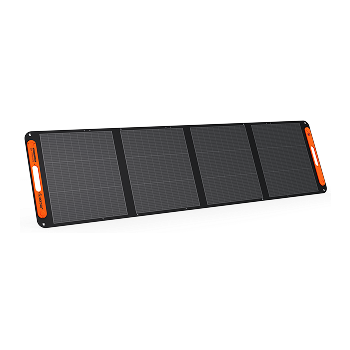




















































![[Add-on] Jackery SolarSaga 500 X - Jackery](http://www.jackery.com/cdn/shop/files/add-on-jackery-solarsaga-500-x-1493607.webp?v=1786503068&width=324)
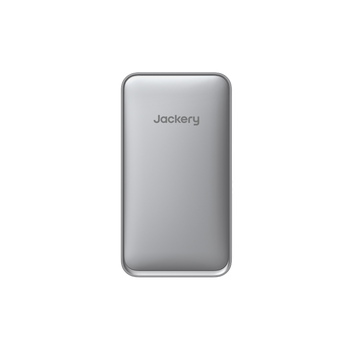
![[Add-on] Jackery Battery Pack 5000 Plus - Jackery](http://www.jackery.com/cdn/shop/files/add-on-jackery-battery-pack-5000-plus-6713401.webp?v=1786503068&width=324)










Choosing the wrong battery chemistry means dealing with devices that die unexpectedly, wasting money on frequent replacements, or risking safety with incompatible power sources. This guide delivers practical, actionable advice for selecting the right power solution for your specific needs.
Head-to-Head: NiMH vs. Lithium-Ion
To understand which battery is right for you, it's essential to compare the two chemistries on the metrics that matter most: power, portability, safety, and lifespan.
|
Feature |
Nickel-Metal Hydride (NiMH) |
Lithium-Ion (Li-ion) |
|---|---|---|
|
Energy Density |
Lower |
Superior |
|
Weight & Size |
Bulkier and heavier for the same power |
Lighter and more compact |
|
Self-Discharge |
High (Loses charge quickly when idle) |
Very Low (Retains charge for months) |
|
Charging Speed |
Slower |
Significantly Faster |
|
Safety |
Inherently stable, low risk |
Advanced safety systems required |
|
Best Use Cases |
Low-drain household devices (remotes, toys) |
High-performance portable electronics, power stations |
The Old Guard: Nickel-Metal Hydride (NiMH)
NiMH batteries carved out a significant niche as the go-to rechargeable option for common household devices. They are primarily known as a low-cost, reliable power source for standard-sized AA and AAA applications.
Key Characteristics
Lower Energy Density: Compared to their modern counterparts, NiMH batteries have a lower energy density. This means they are bulkier and heavier for the same amount of power output, making them less ideal for applications where portability and light weight are critical.
High Self-Discharge: A notable drawback of standard NiMH batteries is their tendency to lose charge quickly, even when not in use. However, this issue has been largely solved by Low-Self-Discharge (LSD) NiMH variants, which are highly recommended as they can retain a significant portion of their charge for a year or more.
Proven Safety: The chemistry of a NiMH battery is inherently stable, giving it a very low risk of thermal runaway or other dangerous events. This proven safety record makes it an excellent and worry-free choice for devices used by children, such as electronic toys and game controllers.
Best Use Cases
NiMH batteries excel in low-drain devices where consistent, low-level power is needed. Think of TV remotes, wireless keyboards and mice, wall clocks, and children's toys. They are also a great fit for budget-conscious applications where the battery's weight and size are not primary concerns.
The New Standard: Lithium-Ion (Li-ion)
Lithium-ion technology has become the undisputed standard for high-performance and portable power. Its superior characteristics have made it the dominant choice for everything from smartphones and laptops to electric vehicles and large-scale power storage solutions.
Key Characteristics
Superior Energy Density The most significant advantage of Lithium-ion batteries is their exceptional energy density. They can store significantly more power in a much lighter and more compact package, which is why they are essential for modern portable electronics.
For more detail on this chemistry, explore what is a lithium-ion battery.
- Low Self-Discharge: Unlike NiMH, Li-ion batteries have a very low self-discharge rate, often losing only a small percentage of their charge per month. This makes them perfect for emergency-ready devices like power stations and flashlights that need to be ready to go at a moment's notice.
- Fast Charging: Li-ion batteries can be recharged at a much faster rate than NiMH batteries. This capability is crucial for users who need to get their devices back up and running quickly, whether on a job site, at a campsite, or during a power outage.
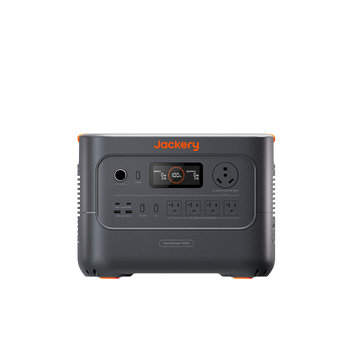
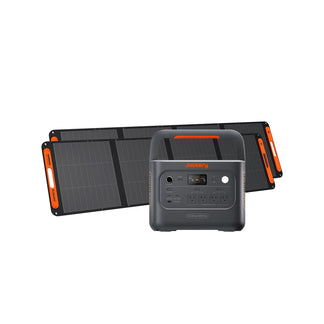
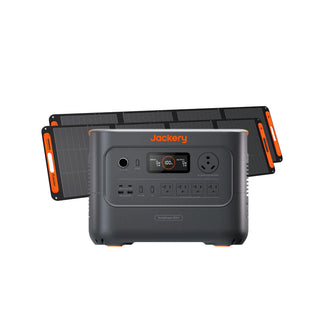
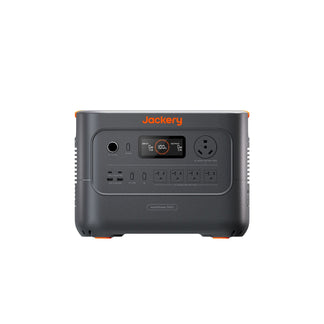
For example, the Jackery Solar Generator 1000 v2 can achieve an emergency supercharge from 0-100% in just 1 hour.
The LiFePO4 Advantage
Within the Lithium-ion family, Lithium Iron Phosphate (LiFePO4) stands out as a premium, ultra-safe chemistry. It is renowned for its exceptional thermal stability and incredible longevity, setting a new benchmark for battery safety and reliability.
LiFePO4 batteries are highly resistant to heat and physical stress, drastically reducing the risk of thermal events. Most importantly, they offer an extremely long cycle life, capable of enduring thousands of charge and discharge cycles while retaining most of their original capacity. For a deeper dive, see the comparison of LiFePO4 vs. lithium-ion batteries.
How to Choose the Right Power Solution
Selecting the right battery doesn't have to be complicated. By following a simple, two-step decision-making process, you can easily identify the perfect power solution for your needs.
Step 1: What Is Your Primary Use Case?
Your power needs will fall into one of three main categories.
|
Use Case |
Examples |
Recommended Battery |
Reasoning |
|---|---|---|---|
|
Low-Drain, Everyday Use |
Game controllers, digital cameras, flashlights, and other small electronics. |
LSD NiMH batteries |
Rechargeable, readily available, and safe for all members of the family to handle. |
|
High-Drain, Portable Power |
Powering a laptop, charging a drone, or running a portable fridge. |
Lithium-ion portable power station |
Its high capacity, multiple outlets, and lightweight design provide versatile, robust power. |
|
Emergency Home Backup |
Keeping your refrigerator cold, or keeping your router and modem online. |
High-capacity LiFePO4 power station |
Its emphasis on safety, longevity, and reliability ensures dependable power. |
Step 2: How Do You Match the Solution to the Need?
Once you've identified your primary use case, matching it with the right technology is straightforward.
For small devices, the choice is simple. Stick with high-quality LSD NiMH batteries for their cost-effectiveness and ease of use.
For portable power and home backup, a dedicated LiFePO4 portable power station provides the necessary capacity and output. A power station integrates the battery, an advanced Battery Management System (BMS) for safety, and multiple power outlets (AC, USB-A, USB-C) into a single, user-friendly unit. This all-in-one design eliminates the complexity and potential hazards of building your own system, providing a safe, plug-and-play experience.
The Solution for Serious Power: The Jackery Explorer 2000 v2
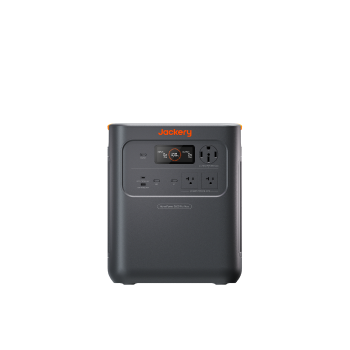
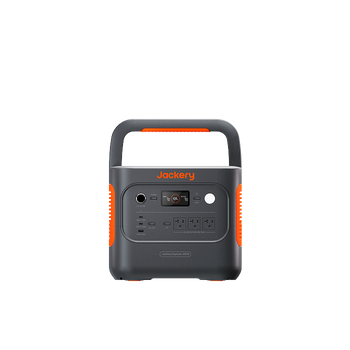
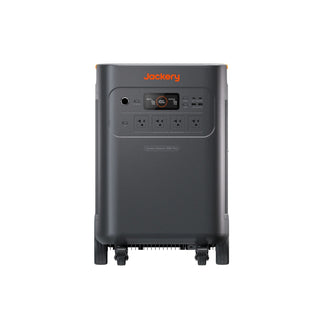
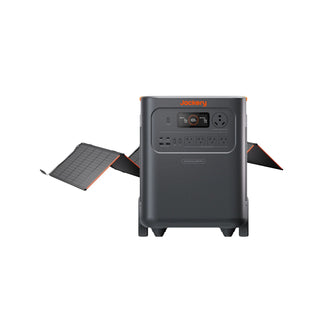
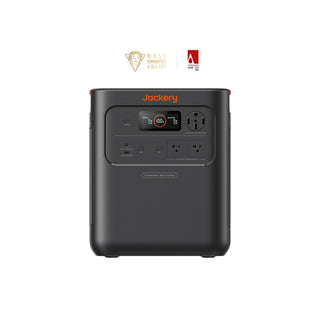
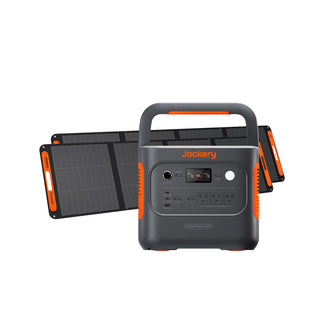
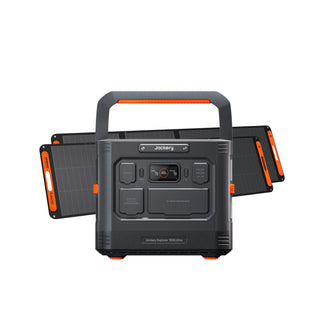
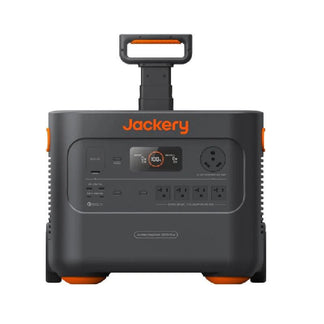
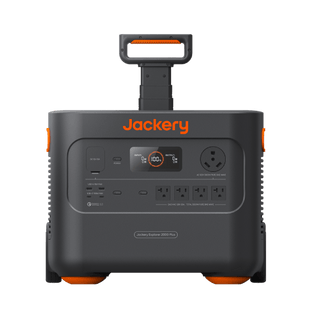
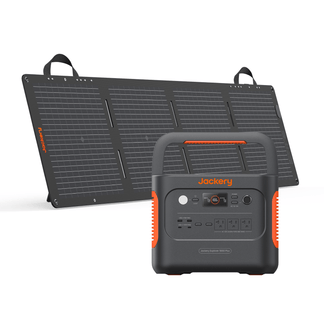
For those with significant power needs, the Jackery Solar Generator 2000 v2 stands as the ideal solution for home backup, outdoor adventures, and professional use.

With this power station, you can run a refrigerator (300W) for 5 hours or a TV (150W) for 10 hours. It provides the ultimate combination of capacity, power, and safety.
Maximizing Your Battery's Lifespan and Performance
Following a few expert-backed tips will help you get the most out of any battery, ensuring longevity and optimal performance.
What Are Some General Best Practices?
- Use the Right Charger: Always use a charger specifically designed for your battery's chemistry. Using a Lithium-ion charger on a NiMH battery, or vice versa, can cause damage and create a safety hazard.
- Avoid Extreme Temperatures: Heat is the primary enemy of battery health. Store and use your batteries in cool, dry conditions whenever possible, and avoid leaving them in direct sunlight or a hot car.
- Proper Storage: For long-term storage, do not leave batteries fully charged or fully depleted. The ideal storage charge is typically between 40% and 60% of total capacity, which helps preserve battery health over time.
What Are the Best Practices for Li-Ion Power Stations?
- Follow Manufacturer Guidance: Always refer to your power station's user manual for specific recommendations on storage, charging, and maintenance. This ensures you are following the best practices for your particular model.
- Leverage Smart Features: Portable power stations include built-in power-saving modes and app controls. Use these features to optimize battery health and customize performance to your needs.
- Understand Cycle Life: A cycle is defined as one full charge and discharge (from 100% to 0% and back to 100%). A LiFePO4 battery with a 4,000-cycle life offers incredible long-term value, providing reliable power for over a decade of regular use.
- Safe Handling: If a battery ever shows signs of swelling, leaking, or physical damage, stop using it immediately. Follow proper local and federal guidelines for recycling hazardous materials to dispose of it safely.
Power Your World with Confidence
The nimh vs lithium debate is settled by understanding your specific application. NiMH batteries remain a practical choice for small, low-drain gadgets, offering a simple and cost-effective rechargeable solution. However, for the demands of modern portable power and emergency preparedness, Lithium-ion—and specifically LiFePO4—is the clear winner.
Frequently Asked Questions
Are there any specific safety precautions I should take when disposing of old NiMH or Li-ion batteries?
Yes, never throw batteries in the trash. Both NiMH and Li-ion batteries should be taken to designated recycling centers or collection points, such as those found at electronics stores, to prevent environmental contamination and fire risks.
How does the manufacturing process and cost of NiMH batteries compare to that of Li-ion batteries, and does this impact their retail price significantly?
NiMH batteries use less expensive and more abundant materials, making them cheaper to produce and more affordable for consumers in standard AA/AAA sizes. Li-ion batteries require more complex manufacturing and pricier raw materials like lithium and cobalt, resulting in a higher initial cost but better performance and value over time.
Beyond energy density and self-discharge, are there other less-known performance metrics where one battery type significantly outperforms the other, such as performance in extreme cold or heat?
Li-ion batteries generally perform better in a wider temperature range, though extreme cold can still reduce their efficiency. NiMH batteries are more sensitive to heat, which can accelerate their self-discharge rate and degrade their overall lifespan more quickly.
For devices that can use either NiMH or Li-ion (e.g., some high-end flashlights), what are the long-term cost implications of choosing one over the other, considering initial purchase, lifespan, and charging costs?
While NiMH has a lower upfront cost, Li-ion batteries typically offer a much longer cycle life, meaning they won't need to be replaced as often. Over several years, the superior longevity and efficiency of Li-ion often result in a lower total cost of ownership despite the higher initial purchase price.
What are the current trends in battery technology research that might see NiMH batteries making a comeback or Li-ion batteries being replaced by an entirely new chemistry in the next 5-10 years?
Researchers are exploring solid-state batteries, which promise even greater energy density and safety than current Li-ion technology. While advancements in NiMH continue, the primary focus of next-generation research is on chemistries that can surpass lithium-ion's performance for applications like electric vehicles and grid storage.


