




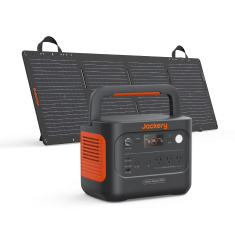
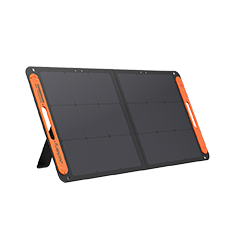




![[Add-on] Jackery SolarSaga 500 X - Jackery](http://www.jackery.com/cdn/shop/files/add-on-jackery-solarsaga-500-x-1493607.webp?v=1786503068&width=324)
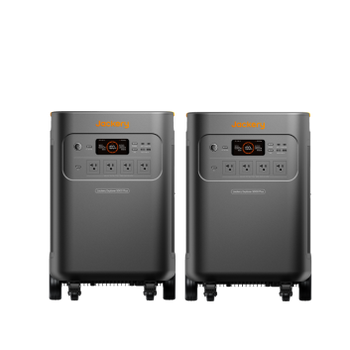
![[Add-on] Jackery Battery Pack 5000 Plus - Jackery](http://www.jackery.com/cdn/shop/files/add-on-jackery-battery-pack-5000-plus-6713401.webp?v=1786503068&width=324)




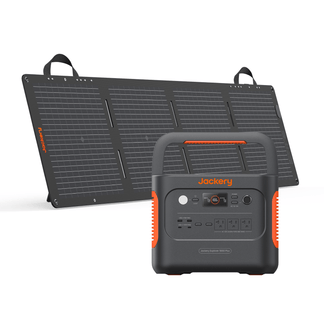


A power outage is either a local power outage affecting your home, street, or neighborhood and tied to local distribution equipment, or, far less commonly, a bulk-power grid disruption affecting much larger transmission and generation infrastructure. A few quick checks against your utility's outage map usually tell you which one you are facing.
- A local outage is limited to a small area or a subset of a utility's customers, usually caused by something ordinary, such as a fallen branch, a vehicle collision, or a failed transformer, and typically confirmed on your utility's own outage map.
- A grid (bulk-power) outage involves the much larger, high-voltage transmission and generation system, is comparatively rare, and is confirmed by utility-wide notices, regional alerts, or verified news.
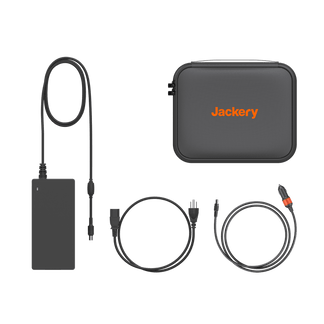
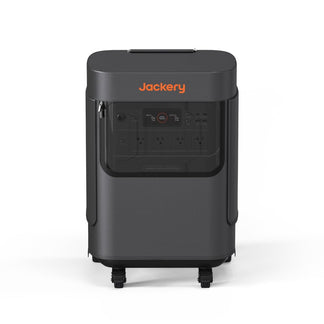
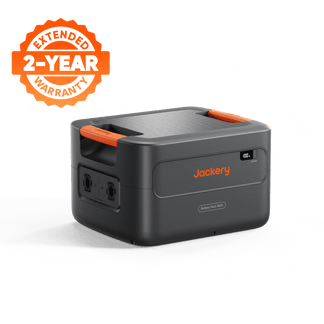
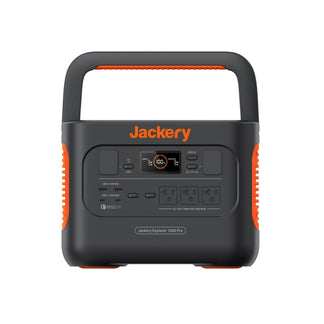
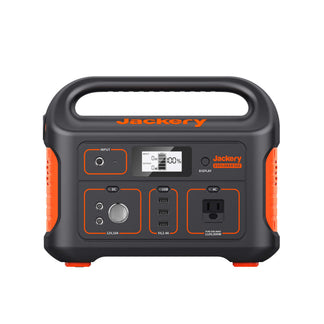
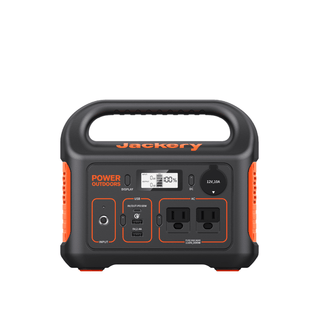
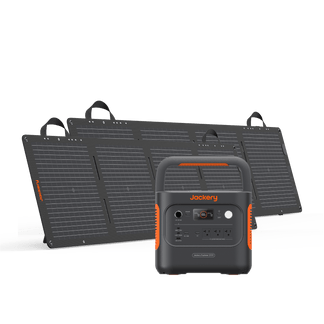
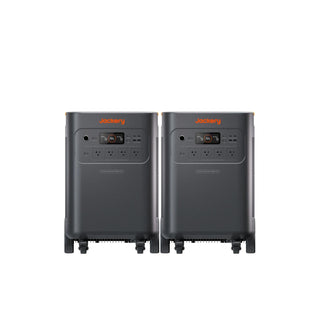
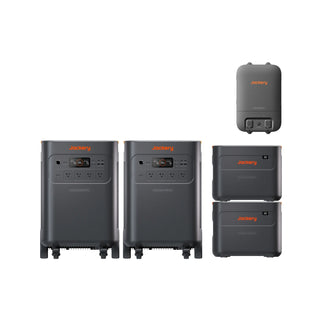
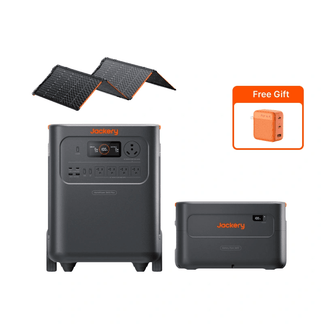
Regardless of what kind of outage you are facing, the distinction matters less in the moment if your essentials are still running. That is where a reliable backup power source, like a Jackery Solar Generator, comes in. It can keep phones, a router, or a refrigerator going through a local power outage.
Key Takeaways
- Most power outages are local, tied to local equipment, and confirmed by your utility's own outage map.
- A local outage means a small area or account is affected, whereas a grid outage means bulk-power infrastructure is affected.
- Common causes of local power outages are weather, fallen trees, vehicle collisions, equipment failure, animals, or planned maintenance.
- Outage maps can lag reality, so treat restoration estimates as approximate instead of guaranteed timelines.
- Jackery Solar Generator keeps essential appliances running during either outage type, independent of restoration timing.
What is a Local Outage vs. Grid Outage?
A local power outage is an interruption limited to a smaller geographic area or a subset of a utility's customers, anything from a single home to a neighborhood. It is almost always tied to a problem in the local distribution system: the lower-voltage lines and equipment that run from a substation to individual homes. Common causes include severe weather and high winds, lightning, fallen trees or branches, vehicle collisions with poles or equipment, a failed transformer, animals contacting equipment, or planned maintenance.
A grid outage, more precisely called a bulk-power-system disruption, involves the much larger, high-voltage transmission and generation infrastructure that moves electricity over long distances and supports the interconnected electric system as a whole. This layer generally covers transmission at 69 kV and above, along with the generation needed for system reliability. It is a different, and far less common, category of event than a local outage.
How Can You Tell If a Power Outage is Local?
A local outage or rolling blackout usually shows up as multiple nearby homes losing power together, with streetlights also out, while a utility outage map or alert confirms an incident in that area. If the outage is limited to a small area and your utility's map shows a matching report, that is a strong sign it is a local, contained event rather than anything wider.
Here are some common signs of a local outage:
- Neighboring homes are also without power
- Streetlights on your block are dark
- Your utility's outage map or text/app alert shows a report matching your location
- The outage seems limited to a small radius rather than an entire town or region
None of these signs require any hands-on inspection of electrical equipment. They are all things you can observe from where you are. If several of them line up, you are very likely looking at a routine, local distribution issue rather than anything larger.
Where Can You Check for a Reported Outage?
The most reliable answer to how to check the status of a power outage is to check your own electric utility's outage map or outage-alert service, since it reflects reports for your specific service area. From there, local government or state emergency-management alerts, and finally reputable local news, can add broader context if the outage turns out to be more than local.
In practice, it helps to work through sources in order of reliability rather than checking them all at once:
|
Source |
What it can tell you |
Reliability/use |
|
Utility outage map/alert system |
Reported outages in your specific service area |
Highest priority, most current for your address |
|
Utility phone/text alert service |
Confirmation and updates specific to your account |
High priority |
|
Local government/emergency management |
Broader local conditions, safety guidance |
Strong secondary source |
|
State emergency management |
Regional/state-level conditions |
Strong secondary source |
|
Regional grid operator (where applicable) |
Bulk-power/transmission-level conditions |
Relevant mainly for wider events |
|
Reputable local news |
Context, confirmation of broader events |
Useful for context, not first-line verification |
|
Unverified social media |
Anecdotal reports only |
Not sufficient alone |
You can also search for "[your utility name] outage map" to find the right resource for your address.
What Does a Power Outage Map Actually Show You?
A US power outage map typically shows reported outages by area, an estimated number of affected customers, and sometimes a restoration estimate, but the data can lag behind real-world conditions, especially right after an outage starts, and restoration estimates often change as crews assess the situation.
That lag is worth understanding rather than treating as a flaw. Many outage maps rely on a mix of automated grid sensors and customer-submitted reports, so a brand-new outage may not appear immediately, particularly in the first few minutes. Not every utility offers a public map at all, and among those that do, the level of detail varies widely.
You should treat any restoration estimate as approximate. Utility crews often revise these once they have assessed the actual damage or cause, and an early estimate can shift significantly in either direction.
When Should You Report a Power Outage?
You should report an outage to your utility if it does not already appear on their outage map or alert system, since it can help confirm the scope of the problem. Utilities generally ask for your address or account number and a brief description of what you are experiencing.
Reporting channels vary by utility. Phone, mobile app, website, and sometimes text message are all common options, and your utility's own site is the best place to find the specific channel available to you. A routine local outage is not something to report to a federal agency.
If you are unsure whether your utility already knows, reporting costs you little and can genuinely help, especially if your specific address does not match what the map is currently showing.
What Causes Power to Go Out in One Area but Not Another?
Most local outages trace back to something affecting a specific piece of local equipment, such as a downed tree limb, a vehicle collision with a utility pole, equipment failure, or severe weather, rather than anything affecting the wider system. That is why one street can lose power while a nearby one, served by different equipment, does not. For detailed information, you can check out our guide: What is the Reason the Power is Out.
|
Cause |
What it can affect |
Typical scope |
|
Severe weather / high winds |
Power lines, poles, trees near lines |
Local to regional, depending on storm size |
|
Lightning |
Local equipment, transformers |
Typically local |
|
Fallen trees or branches |
Power lines |
Typically local |
|
Vehicle collisions with poles/equipment |
Local distribution lines |
Typically local |
|
Equipment failure (e.g., a transformer) |
A single transformer's service area |
Typically local |
|
Animals contacting equipment |
Local equipment |
Typically local |
|
Planned maintenance |
Announced service area |
Local, scheduled |
These scope classifications are general and illustrative rather than fixed technical categories. The same type of cause can vary in reach depending on local conditions and how the distribution system in your area is built out.
When Does an Outage Become a Wider Grid Event?
A wider event is usually confirmed by clear signals: your utility reporting a widespread or multi-community outage, regional grid-operator or emergency-management alerts, or verified reporting from reputable news organizations. It is not confirmed by a single dark neighborhood or one social-media post.
Here are the signals that suggest a bulk grid outage or something wider:
- Your utility itself reporting outages across multiple communities or its whole service territory
- Regional emergency-management notices
- Alerts from a regional grid operator
- Multiple, separate utilities reporting outages at the same time
- Verified reporting from reputable news organizations, with dates and sources
Here is what does not count as evidence on its own:
- One dark neighborhood or block
- A single transformer failure
- Your own utility's local outage map showing a contained, small-area event
- An unverified social media post
If you are only seeing the second list, you are almost certainly dealing with a routine local outage rather than the start of something larger.
How is a Local Outage Different from a Bulk-Power-System Disruption?
A local outage affects a limited group of customers or a small geographic area, usually tied to local distribution equipment. A bulk-power-system disruption concerns the much larger, high-voltage transmission and generation infrastructure that supports the interconnected electric system.
Utilities and grid operators use a range of terms, such as customer outage, distribution outage, feeder outage, widespread or regional outage, transmission outage, and these are not perfectly interchangeable. A widespread outage affecting many customers is not automatically a bulk-power-system event. It can still be entirely a distribution-level problem, just a larger one.
How Does the Bulk-Power System Relate to the Electricity in Your Home?
Electricity generally travels through several layers before it reaches your home: generation, high-voltage transmission (the bulk-power system), substations that step voltage down, and finally local distribution lines that connect directly to your house. The bulk-power system generally covers high-voltage transmission (69 kV and above) along with the generation needed to support system reliability. Local distribution is a separate, lower-voltage layer that reaches individual homes and businesses.
|
Component |
Role |
Relationship to household electricity |
|
Generation |
Produces electricity |
Feeds into the transmission system |
|
Transmission (bulk-power system) |
Moves electricity long distances at high voltage |
Upstream of your home; not the local wires on your street |
|
Substations |
Step voltage up or down, route power |
Bridge between transmission and local distribution |
|
Local distribution |
Lower-voltage lines serving neighborhoods |
Directly connects to your home |
|
Home |
End use |
Receives power via local distribution, not directly from the bulk-power system |
The overwhelming majority of household outages happen at the local distribution layer and not at the bulk-power layer.
Why is the Bulk-Power System in the News in 2026?
On August 26, 2026, the president signed Executive Order 14420, declaring a national emergency concerning the foreign supply of equipment used in the US bulk-power system, citing national security and cybersecurity concerns. It was published in the Federal Register on August 31, 2026 (91 FR 55995, Doc. 2026-17843). The order is focused on equipment sourcing and security at the bulk-power level. It does not function as a real-time outage alert, and it does not establish that any specific local outage is connected to it.
According to the Federal Register text and the White House's own fact sheet, the order authorizes the Department of Energy to prohibit, condition, or unwind certain transactions involving foreign-produced bulk-power-system electric equipment. It directs DOE to publish implementing rules within 120 days. It is a policy and procurement-security action aimed at equipment used in high-voltage transmission and generation infrastructure. If your power goes out, this order is not the reason, and it is not a source you would check for real-time information about it.
What Should You Do While You Wait for Power to Return?
Stay away from any downed power lines or damaged equipment, follow your utility's specific instructions, keep phones charged when possible, and use flashlights rather than candles where practical. Power interruptions can happen for many reasons, so households may also choose to prepare in advance with basic power outage supplies you should have at home and appropriately sized backup power.
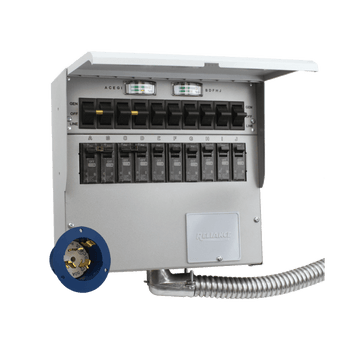
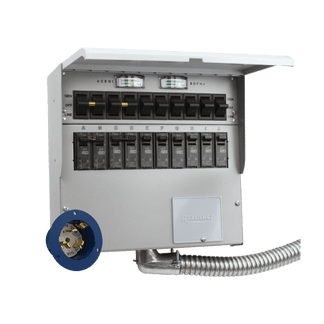
If you use a portable solar generator, follow the manufacturer's instructions closely and never connect it directly to your home's wiring without the proper transfer equipment. Improper connections can be dangerous both to your household and to utility workers. For more complete guidance, see our how to prepare for a long-term power outage guide.
What Backup Power Options Can Help During a Local Outage?
Since power interruptions can happen for many reasons and most of them are entirely local and unrelated to national policy or the bulk-power system, some households choose to prepare in advance. Portable power stations are one option here. How much a given unit actually helps during an outage depends on its capacity and output, and on which devices you are trying to keep running.
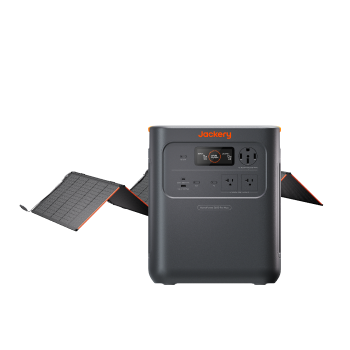
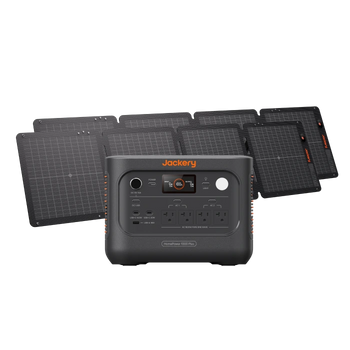
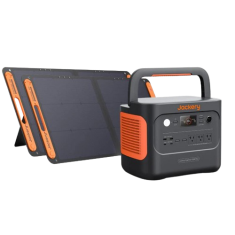
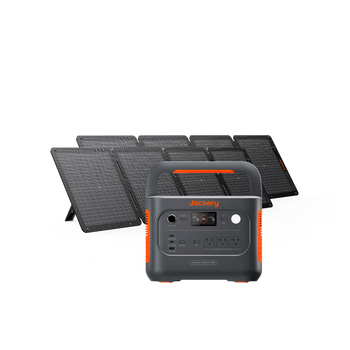
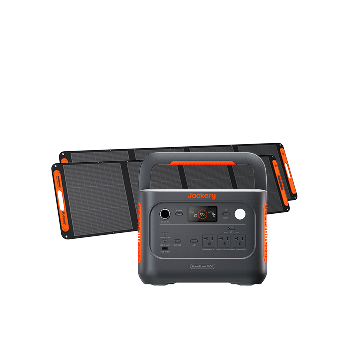
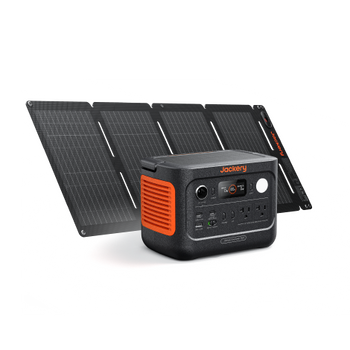
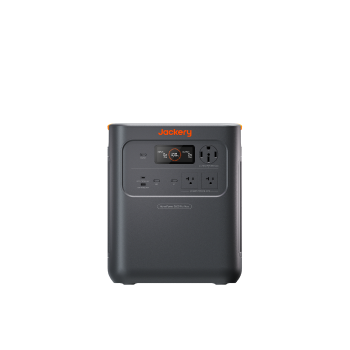
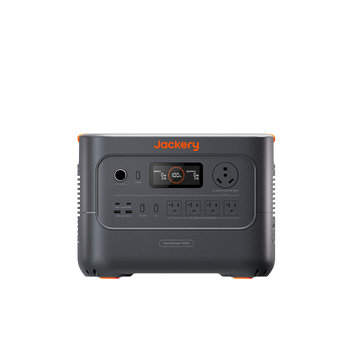
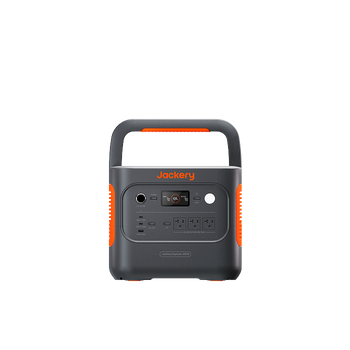
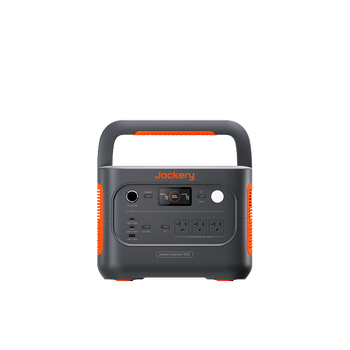
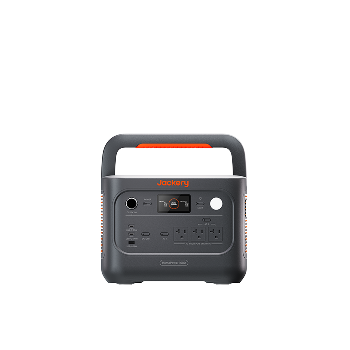
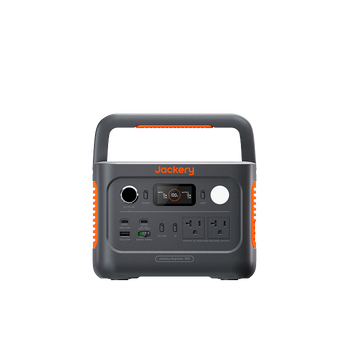
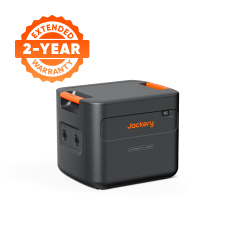
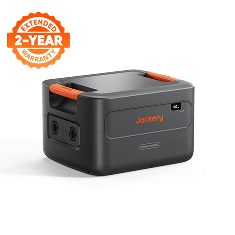
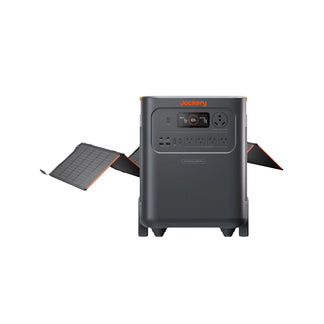
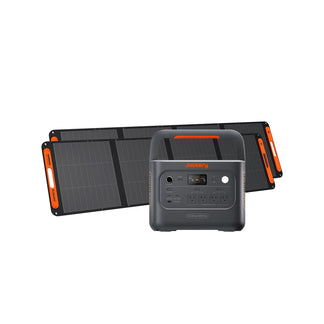
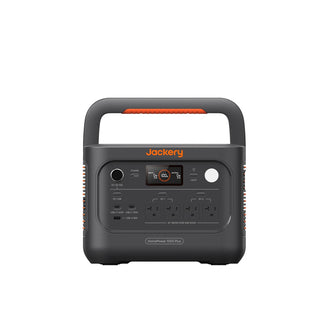
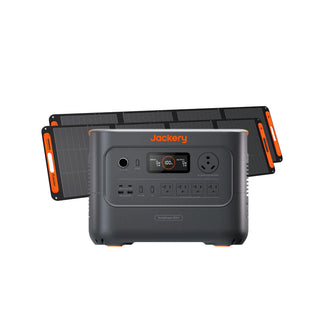
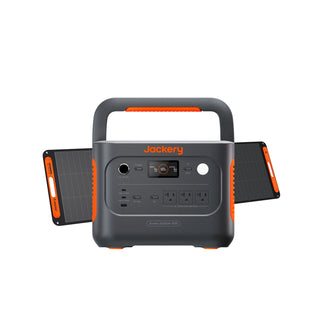
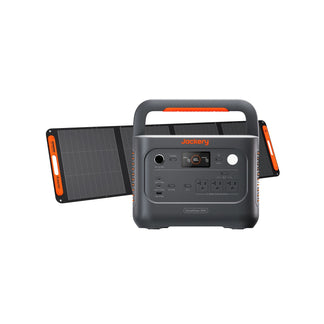
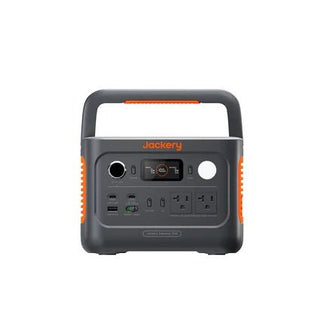
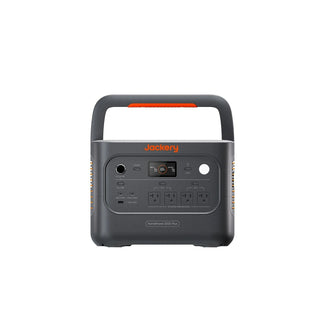
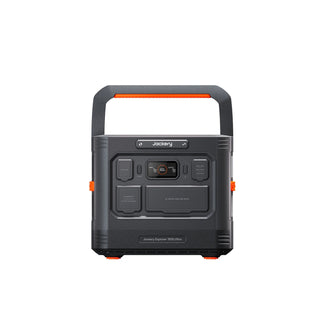
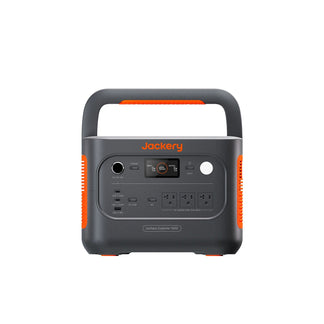
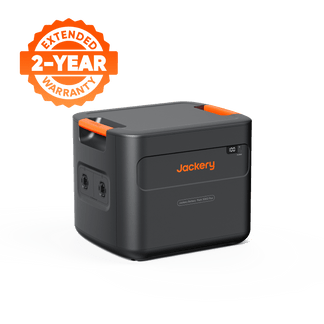
Jackery Solar Generator HomePower 1000 Plus v2
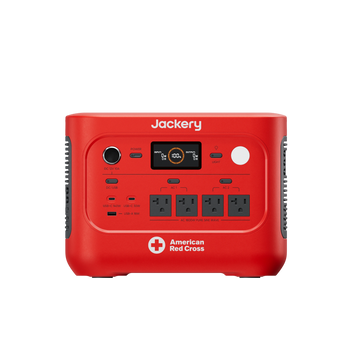
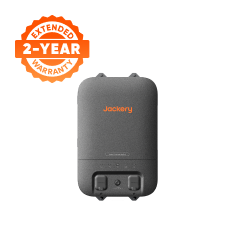
The Jackery Solar Generator HomePower 1000 Plus v2 is an essential home backup solution that can expand to roughly 11kWh with add-on battery packs. It is a reasonable fit for keeping essentials running during a shorter outage: phone and laptop charging, a router or modem, a few lights, and small kitchen appliances. That makes it a good match for a compact home-office setup: a laptop, a monitor, a router, and a lamp or two through an evening outage.
Appliances Running Time
- Fridge (300W) = 2.7H
- Air Cooler (100W) = 7.3H
- TV (100W) = 7.3H
- Portable AC (800W) = 1.0H
- Electric Cooker (800W) = 1.0H
Who Should Buy This
The Jackery Solar Generator HomePower 1000 Plus v2 is ideal for renters, apartment dwellers, or smaller households who want to keep phones and laptops charged, a router online, a few lights on, and maybe a small kitchen appliance running.

Customer Review
We love our Jackery Plus. We have had it for a couple months and used it on 2 occasions when our electricity went down in very hot weather. We powered our coffee pot to make coffee for ourselves and the neighbors. We also used it in rotation on our fridge and freezer after we packed both to save the food from our house and 2 neighbors.
— Charlottehoover.
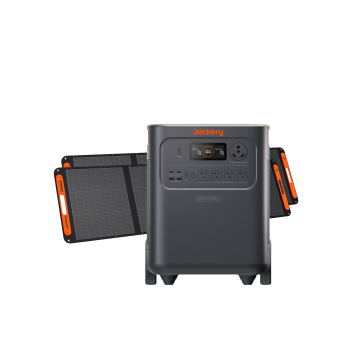
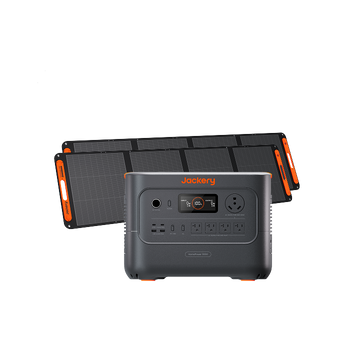
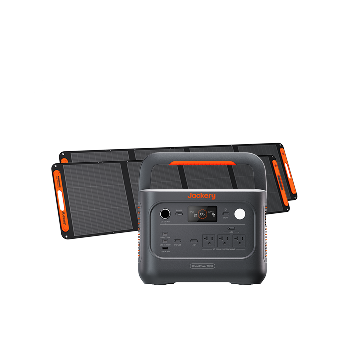
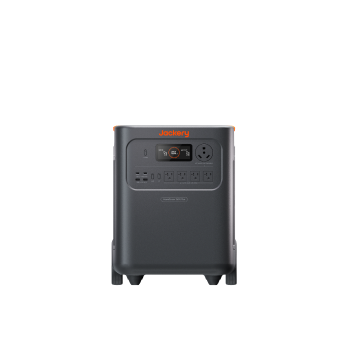
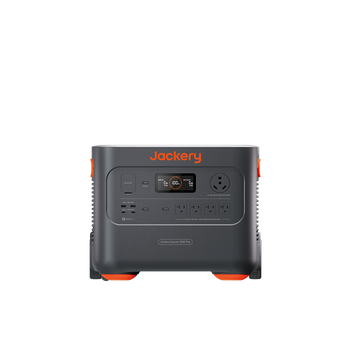
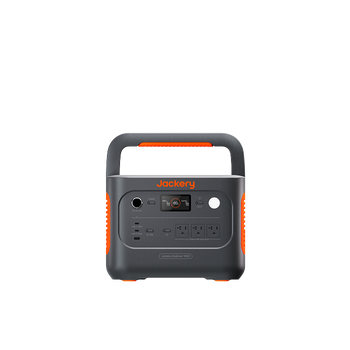
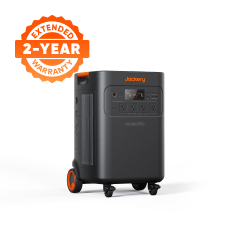
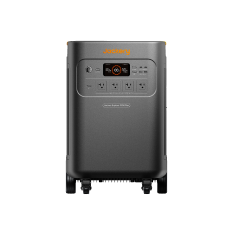
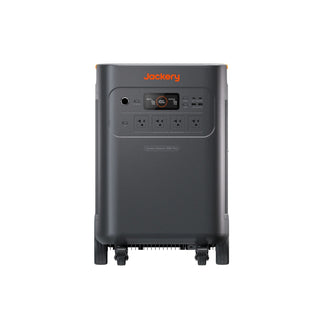
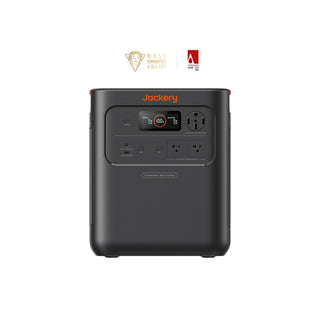
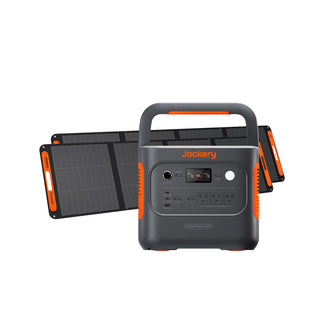
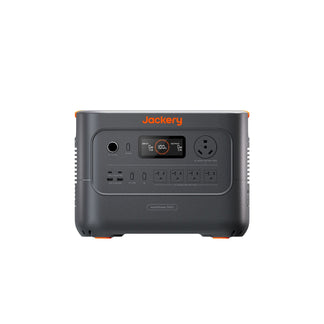
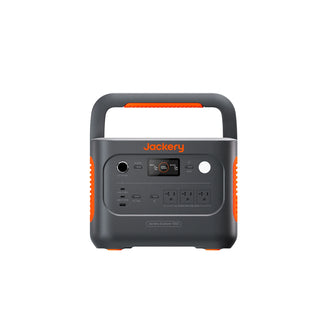
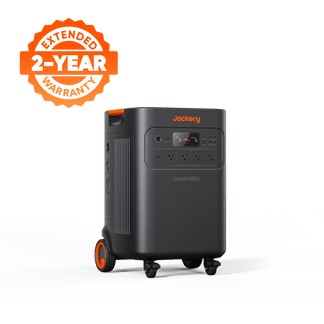
Jackery Solar Generator HomePower 3600 Plus
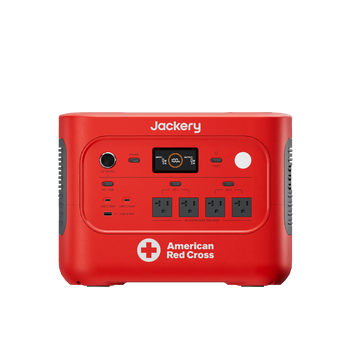
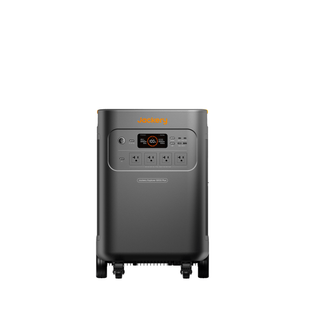
The Jackery Solar Generator HomePower 3600 Plus is built for running several essentials at once, such as a refrigerator, a sump or well pump, and general household electronics, which suits homeowners wanting meaningful home coverage without moving to the largest available tier. It can keep a refrigerator running continuously alongside lighting and device charging through a multi-hour or multi-day outage.
Appliances Running Time
- Fridge (300W) = 9.5H
- Air Cooler (100W) = 25.0H
- TV (100W) = 25.0H
- Portable AC (800W) = 3.7H
- Electric Cooker (800W) = 3.7H
Who Should Buy This
The Jackery Solar Generator HomePower 3600 Plus is ideal for homeowners who want essential home coverage, which is enough to run a refrigerator, a sump or well pump, and general electronics all at once without paying for the largest capacity tier available.

Customer Review
We have already used it for our refrigerator twice for brief black outs but were so happy to have it. Kept fridge running perfectly and was also useful to charge my phone.
— Vanna A.
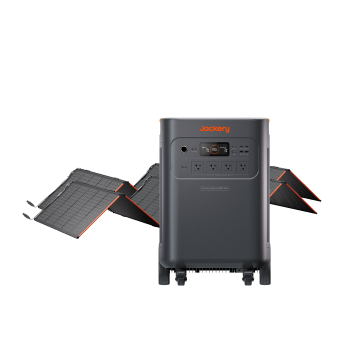
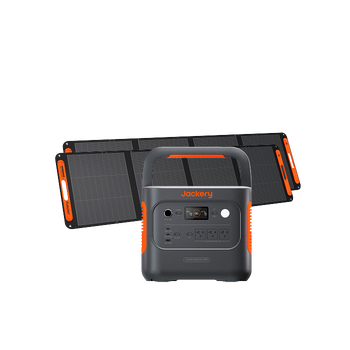
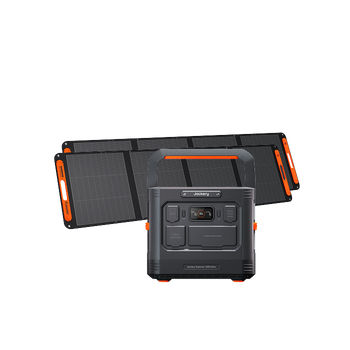
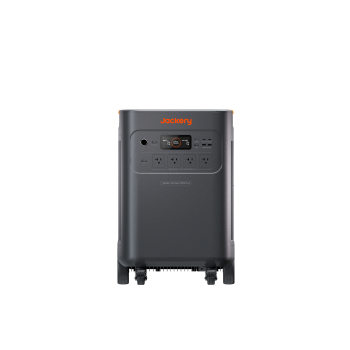
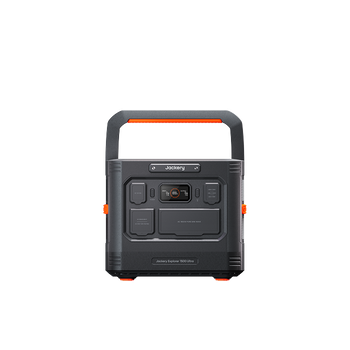
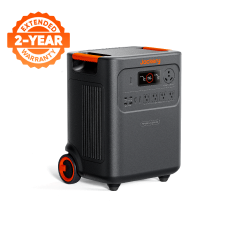
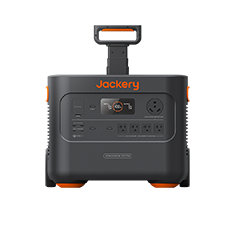
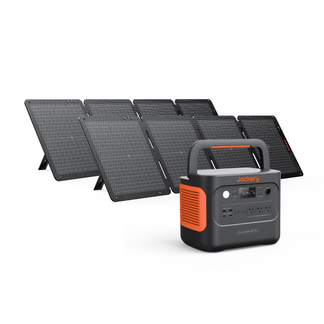
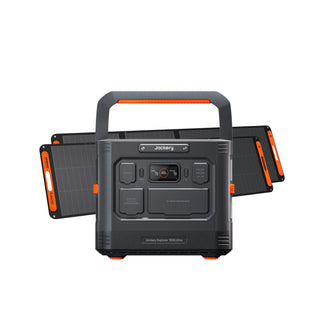
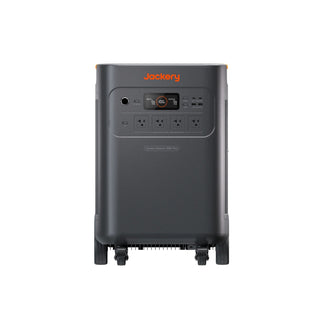
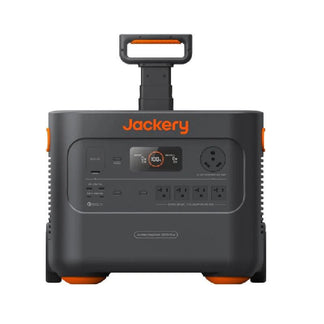
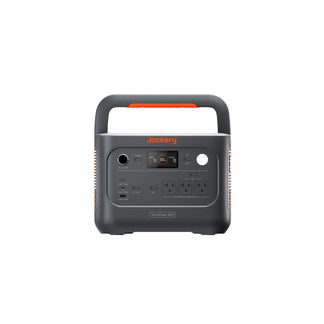
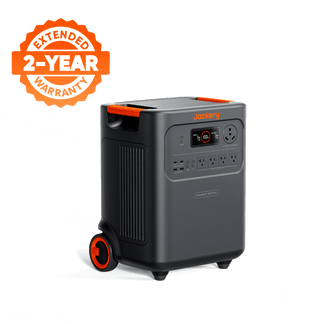
Jackery Solar Generator 5000 Plus
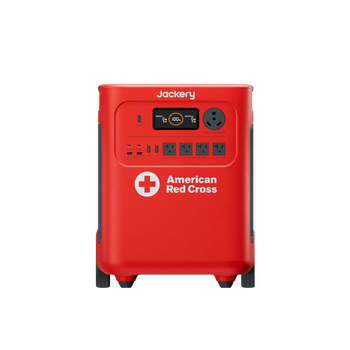
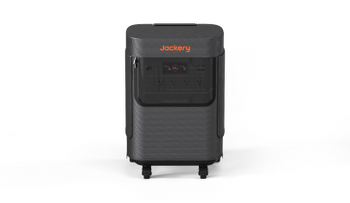
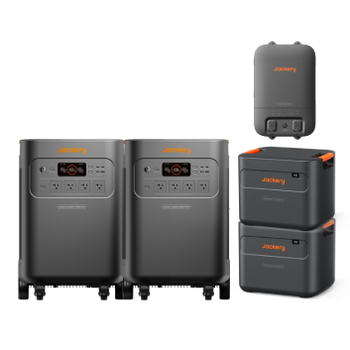
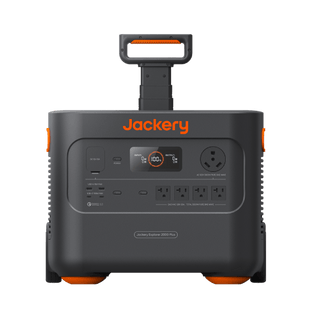
The Jackery Solar Generator 5000 Plus is a home battery backup designed to support a broad mix of household circuits, including refrigeration, a water pump, and larger appliances like a dryer or oven, for longer-duration outages, making it a fit for homeowners wanting the most comprehensive coverage in this lineup, or those in areas prone to longer or more frequent outages. It can run a refrigerator, a well pump, and several rooms' worth of lighting and electronics together through an extended multi-day outage, especially once expanded with additional battery packs.
Appliances Running Time
- Fridge (300W) = 12.2H
- Air Cooler (100W) = 28.6H
- TV (100W) = 28.6H
- Portable AC (800W) = 6.6H
- Electric Cooker (800W) = 6.6H
Who Should Buy This
The Jackery Solar Generator 5000 Plus is suitable for homeowners in areas prone to longer or more frequent outages, or anyone who wants the most comprehensive coverage in this lineup.

Customer Review
Love my jackery solar generator and smart transfer switch. I have already put it to use to offset reliance on the grid and stand ready for any outages.
— Gmeghoo.
FAQs
How is a local power outage different from a grid outage?
A local power outage affects a limited area tied to local distribution equipment, while a broader "grid" event typically involves regional or bulk-power-system-level infrastructure, which is a much less common category.
Does a local power outage mean the entire grid is down?
No, a local outage on its own is not evidence of a wider grid problem. It takes clear signals, like utility-wide notices or regional emergency alerts, to indicate something bigger.
Can an outage map tell me when my power will return?
Maps often show an estimated restoration time, but these estimates can change as utility crews assess the situation, so treat them as approximate.
Does the 2026 bulk-power-system executive order mean outages are more likely?
No, the order concerns equipment security at the bulk-power level and does not predict or increase the likelihood of a household outage.
How should I prepare for a local power outage?
General preparedness helps most: knowing how to check for outages, keeping a basic emergency kit, and considering appropriately sized backup power.
Conclusion
Most of the time, a power outage is a local, distribution-level issue with a local cause, confirmed by your utility's own outage map and resolved without any connection to the bulk-power system or the policy conversations happening around it. Looking for signs it is local, confirming with reliable sources, and knowing what actually counts as evidence of something bigger should help you understand whether the outage is local or grid-level.
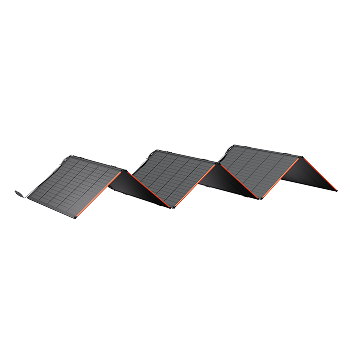
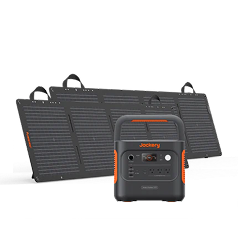
What you can control while you wait is how prepared you are for the outage itself, regardless of its cause or scope. Jackery Solar Generator offers a dependable way to keep essential devices powered through a local power outage, and pairing it with solar panels means it can recharge independent of the grid during longer interruptions. It won't tell you whether an outage is local or widespread, but it does mean that question doesn't have to be urgent while you figure it out.


