
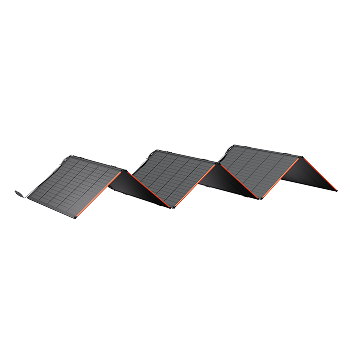
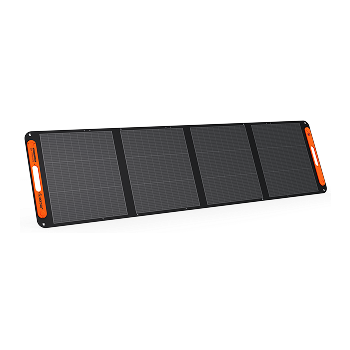











![[Add-on] Jackery SolarSaga 500 X - Jackery](http://www.jackery.com/cdn/shop/files/add-on-jackery-solarsaga-500-x-1493607.webp?v=1786503068&width=324)
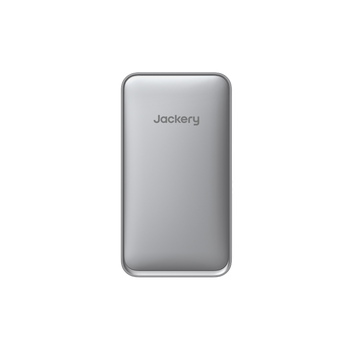
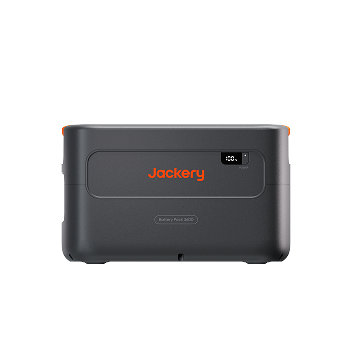
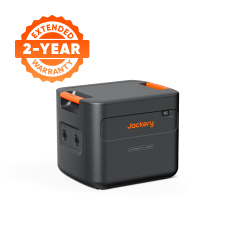
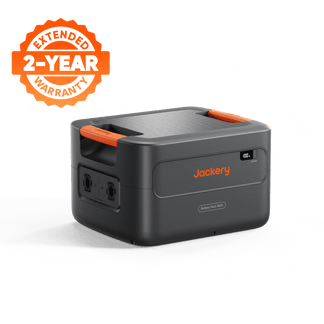
![[Add-on] Jackery Battery Pack 5000 Plus - Jackery](http://www.jackery.com/cdn/shop/files/add-on-jackery-battery-pack-5000-plus-6713401.webp?v=1786503068&width=324)










Quick Answer:
Cutting your summer utility bill in 2026 requires shifting power-hungry loads away from peak-rate hours and storing cheap solar or off-peak energy for use when rates spike. A portable solar generator with 5–10 kWh of storage can run a refrigerator, lights, fans, and electronics during the 4–9 PM peak, avoiding $0.40–$0.50/kWh electricity. With battery costs at $800–$1,200 per kWh installed, this approach pays for itself in 5–8 years — no permits, no grid paperwork, no waiting.
Key Takeaways:
- Time-of-use rates punish afternoon air conditioning: shifting 30% of your load to off-peak hours can slash your summer bill by 15–25%.
- A 5–10 kWh battery that charges during cheap off-peak hours and discharges during the 4–9 PM peak can save $2–$8 per day, depending on your rate spread.
- Portable solar generators are consumer electronics — no permits, no electrician, no interconnection agreement needed to start saving immediately.
- Over-paneling your solar array by 20–30% compensates for cloudy days and heat-related efficiency loss, keeping your battery charged daily.
- Without any financial incentives, the payback on a solar-plus-storage system comes from the difference between what you pay for grid electricity and what you avoid — typically 8–12 years, with daily savings that compound.
Why Summer Bills Are Spiking and What You Can Actually Control
Time-of-use (TOU) pricing spikes summer bills: in California and Texas, peak rates hit $0.40–$0.50/kWh from 4–9 PM, double or triple winter rates. Your air conditioner, consuming 40–55% of summer electricity, gets hit hardest.
To cut your bill 15–25%, shift 30% of usage to off-peak (before 4 PM or after 9 PM):
- Run the dishwasher at midnight
- Do laundry before noon
- Pre-cool to 72°F during solar hours and let it drift to 78°F during peak
Small, invisible loads also add up. Idle electronics, cable boxes, and secondary refrigerators suck $100–$200 a year in phantom power.
Smart power strips and a ruthless unplugging habit can trim 5–10% off your base load. Meanwhile, solar panel efficiency drops 0.3–0.5% for every degree Celsius above 25°C (77°F). Keeping panels clean and mounted with airflow underneath can claw back that lost output, which matters most when you need every watt.
The biggest stress point is the true-up bill: after months of solar production, many homeowners still owe hundreds of dollars because they exported cheap midday power and imported expensive evening power. The gap between the $0.07 off-peak rate and the $0.30–$0.50 peak rate is the exact number you can recapture with storage.
How Solar-Plus-Storage Reduces Your Summer Utility Bills
The core math hasn’t changed: a battery that lets you use your own solar energy at night saves you the full retail price of electricity you would have bought from the grid.
Key figures:
- A LiFePO4 battery costs $800–$1,200 per usable kWh installed (EnergySage 2026), rated for 3,000–5,000 cycles (10–15 years of daily use).
- A 10 kWh battery cycled daily to avoid a $0.40/kWh peak rate saves $4/day ($1,460/year), yielding a raw payback of ~6.84 years at $1,000/kWh installed.
- Pair it with a solar array: panels cost $2.50–$3.80 per watt installed, and a 5 kW system ($12,500–$19,000) can fill a 10 kWh battery daily.
- The combined system ($20,000–$30,000) pays back in 8–12 years from electricity savings alone.
It’s a long-term hedge against rising utility prices. A Stanford study found most U.S. households can save money and weather blackouts with solar-plus-storage, even without incentives. The key is sizing the battery to your peak-rate window, not your whole home.
Load Shifting: The Single Most Effective Summer Savings Tactic
Load shifting is exactly what it sounds like: move your electricity consumption from the expensive hours to the cheap ones.
The recipe:
- Pre-cool to 72–74°F from 10 AM–3 PM, then let it drift to 78°F during 4–9 PM; your home’s thermal mass acts as a battery.
- Run high-draw appliances (dishwasher, laundry, EV charger) after 9 PM or before 4 PM. An electric dryer can pull 3,000W; running it at peak rates will cost you $1.50 per load instead of $0.21.
- Cook with air fryers, toaster ovens, or outdoor grills during peak to avoid heating the kitchen.
- Eliminate secondary refrigerators that run 24/7; one can cost $30/month.
A battery automates this. A 5–10 kWh battery charges during cheap-rate windows or from solar, then discharges from 4–9 PM to power your refrigerator, lights, Wi‑Fi router, and fans, saving $2–$8 per day. Over a 90-day summer, that’s $180–$720. Smart home gear (Wi‑Fi thermostat, smart plugs, energy monitor) can schedule loads and even set a rule: “If electricity price is above $0.30/kWh, stop drawing from the grid.” That’s the kind of hands-free savings that pays for the gadget in a single season.
What you can shift daily with a 5 kWh battery:
Appliance |
Running Watts |
Peak Hours Avoided |
Daily Savings (@ $0.45/kWh) |
|---|---|---|---|
Refrigerator |
150W |
5 hours |
$0.34 |
LED lights (5 bulbs) |
50W |
5 hours |
$0.11 |
Ceiling fan |
75W |
5 hours |
$0.17 |
Wi‑Fi router + modem |
20W |
5 hours |
$0.05 |
Window AC (small) |
500W |
2 hours |
$0.45 |
Total |
795W |
— |
$1.12/day |
A 10 kWh battery can double those savings or power a larger window AC for longer.
Portable Solar Generators: A No-Permit Path to Summer Savings
If you’re not ready for a rooftop system, or you rent, a portable solar generator gives you immediate control over your peak-rate exposure.
Key benefits:
- A portable solar generator (2–5 kWh) is a no-permit, no-electrician solution that can run a refrigerator, lights, fans, and home office during the 4–9 PM peak, offsetting $50–$150/month.
- You can plug it in today and start saving tonight.
- Charge it via solar during the day or from the grid at off-peak rates, then discharge during peak to avoid high rates. Time-based controls automate the process.
- Because it’s portable, you can also take it camping or use as emergency backup when the grid goes down during a heatwave.
- When you move, you take the system with you — no 20-year roof commitment.
A solar generator combines a battery, inverter, and charge controller in one unit — no assembly required. It also serves as a dedicated backup (electric generator for home) and can be set up simply (how to build a secure backup).
Sizing Your Solar Savings System for Summer Peak Loads
Start by listing the appliances you must run during the 4–9 PM peak.
Typical essential loads:
- Refrigerator (150W)
- Freezer (200W)
- Wi‑Fi router (20W)
- LED lights (50W)
- Fan (75W)
- Subtotal: about 500W
- Adding a window AC (500–1,000W) brings it to 1,000–1,500W
Sizing considerations:
- Motor startup surges (3–7× running watts) require an inverter that can handle spikes (e.g., 5,000–7,000W for a 1,500W AC).
- For a 5-hour peak window at 1,000W, you need at least 5 kWh of usable battery.
- Solar input: 800W of panels yields ~4 kWh/day; to reliably fill a 5 kWh battery, use 1,000–1,200W of panels (20–30% over-paneling).
The sizing formula:
(Running Watts × Hours Used) ÷ 1,000 = Daily kWh
Example: (1,000W × 5h) ÷ 1,000 = 5 kWh — that’s the minimum battery capacity you need.
Calculating the right generator size starts here. Before buying, reduce load: weatherizing can cut cooling load 15–25%, and solar water heaters can eliminate up to 30% of a summer bill (payback ~3 years).
Scalable Power Systems for Summer Energy Independence
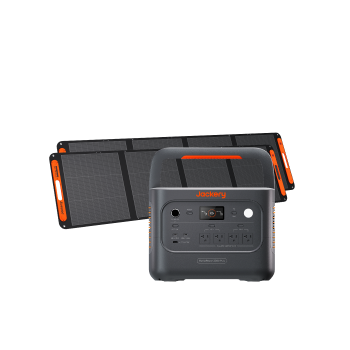
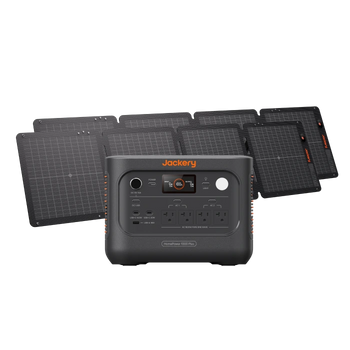
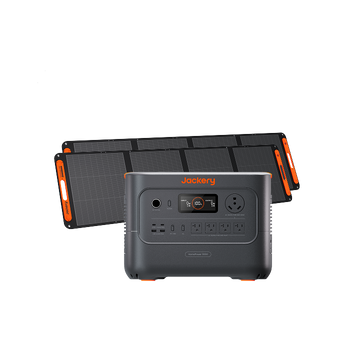
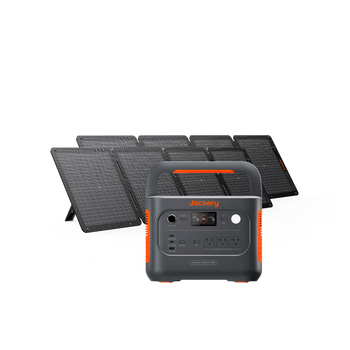
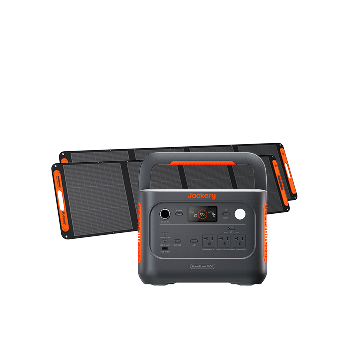
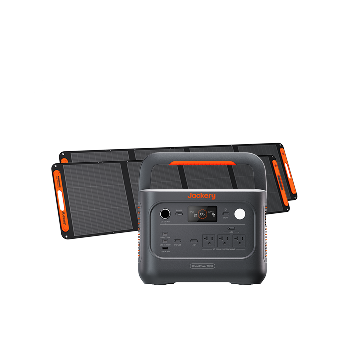
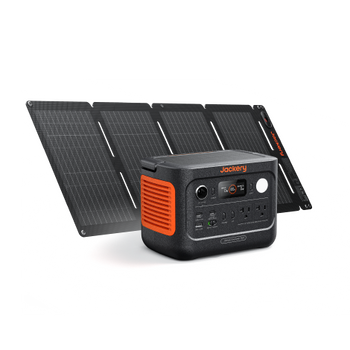
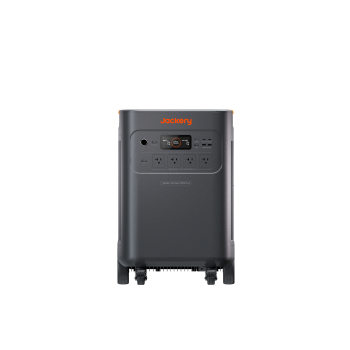
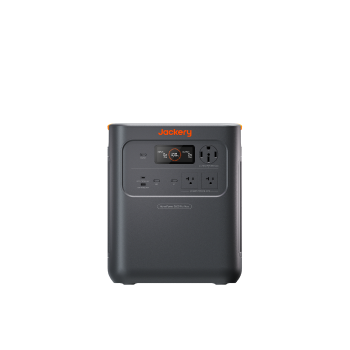
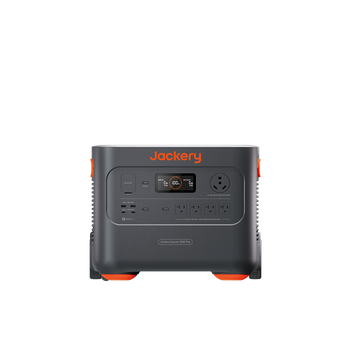
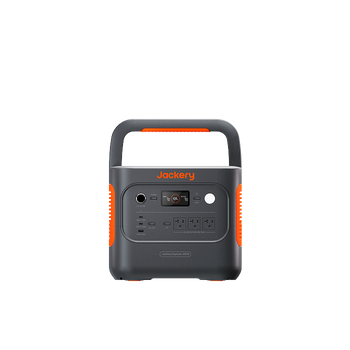
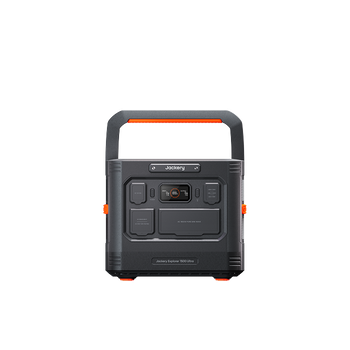
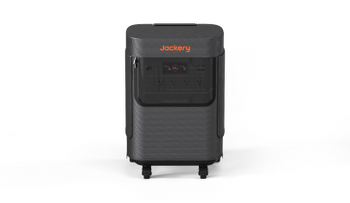
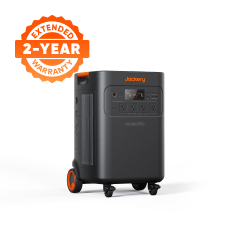
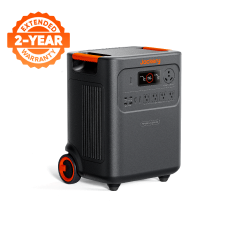
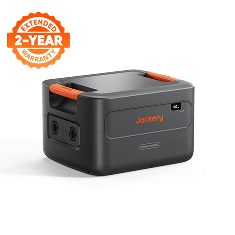
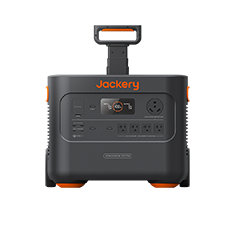
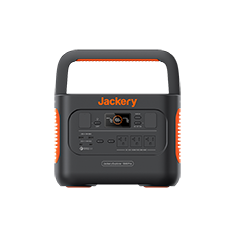
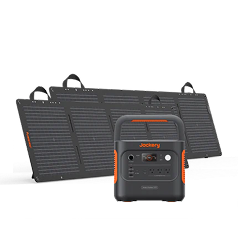
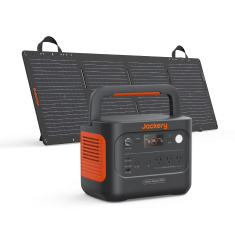
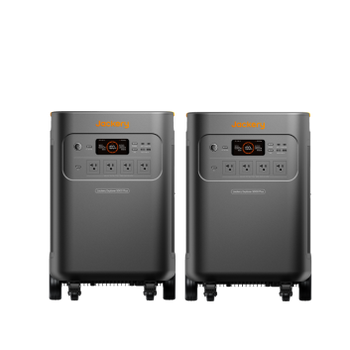
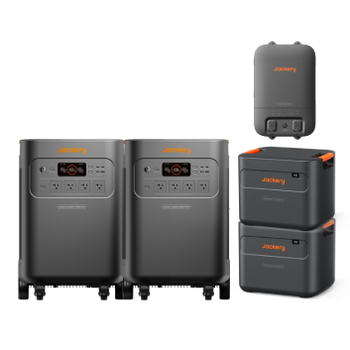
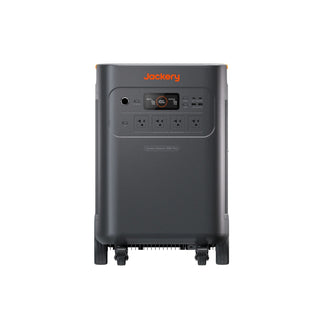
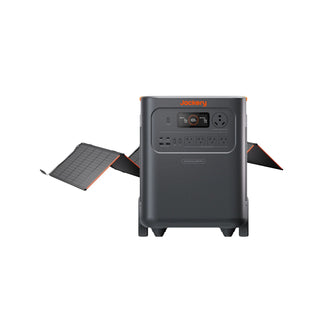
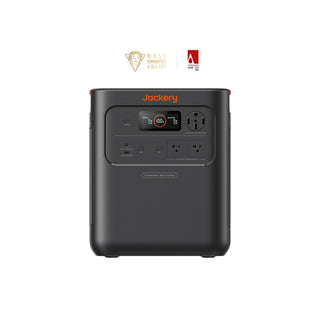
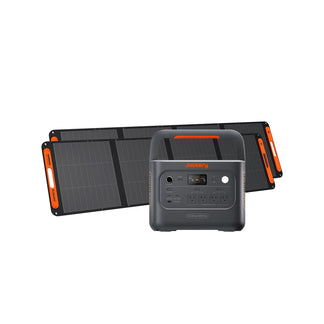
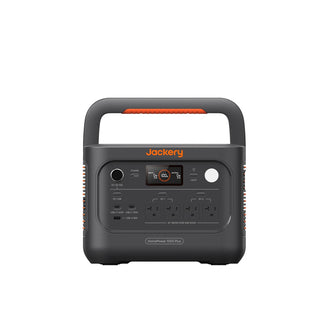
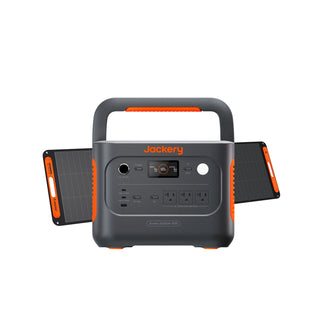
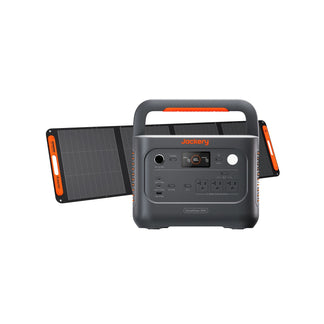
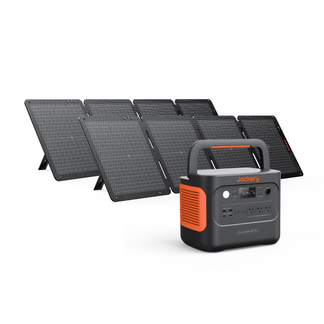
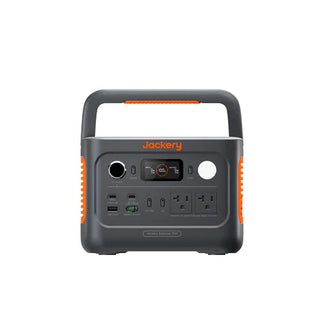
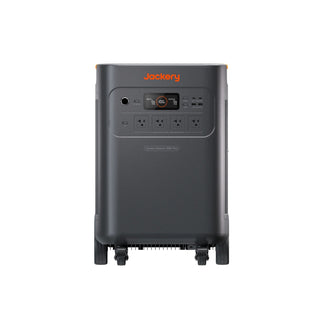
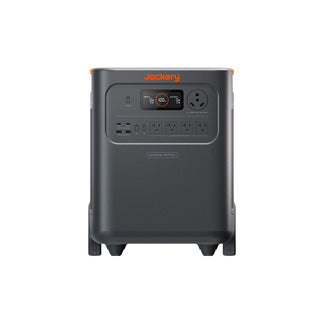
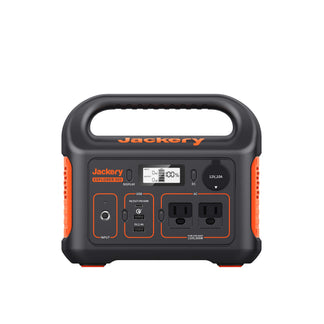
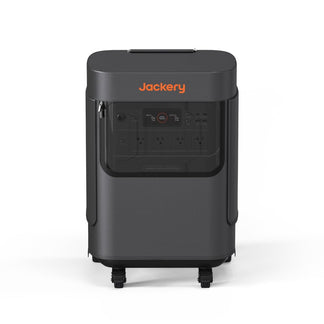
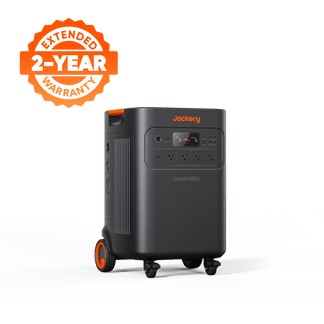
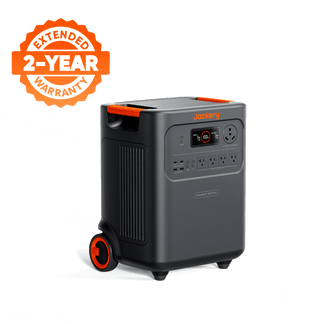
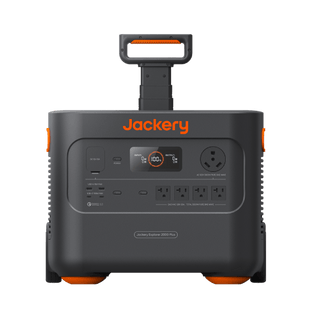
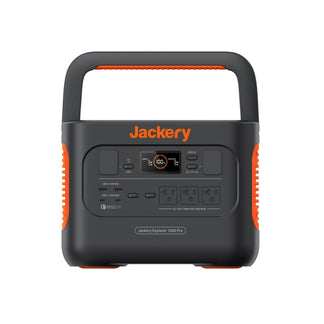
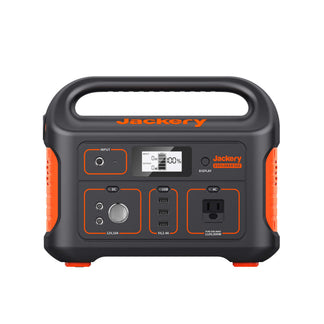
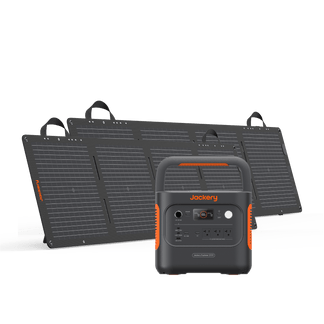
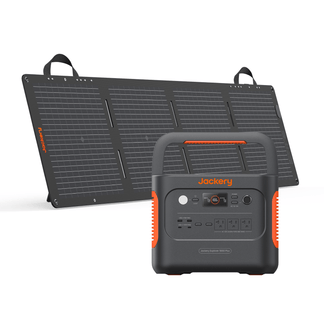
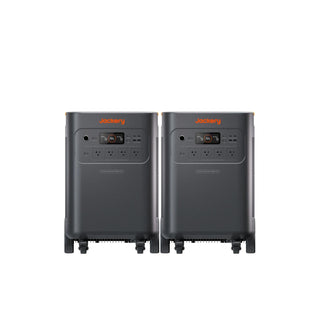
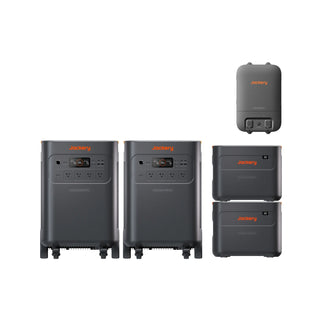
For those ready to stop paying peak rates, two Jackery solar generators pair serious backup power with daily load-shifting capability.
Your Situation |
Recommended System |
Why It Fits |
Key Specs |
|---|---|---|---|
You need to run a large AC (up to 7,000W surge) and multiple appliances during peak |
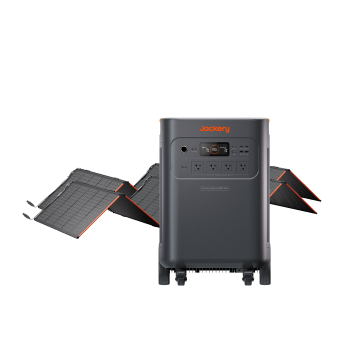
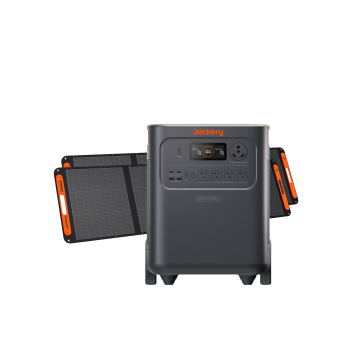
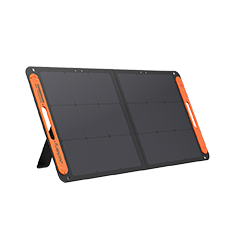
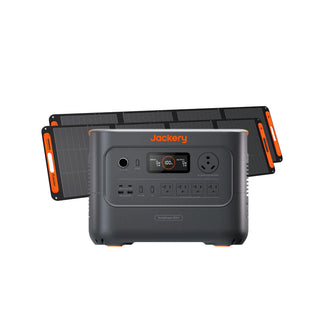
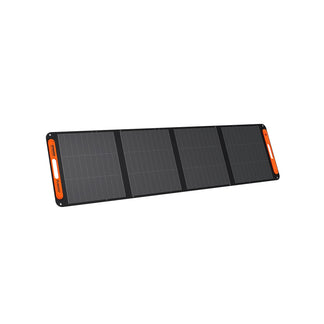
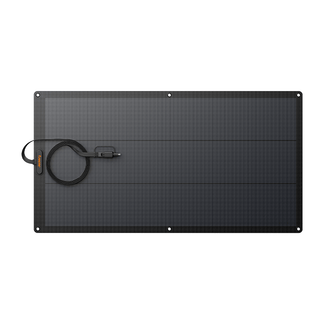
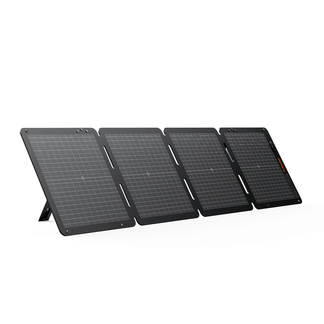
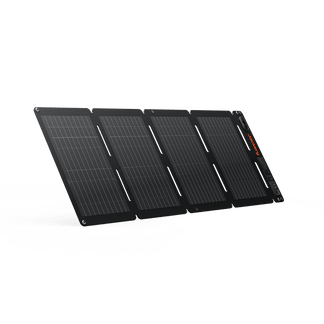
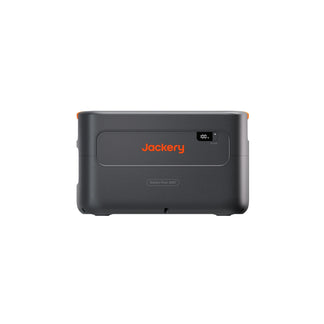
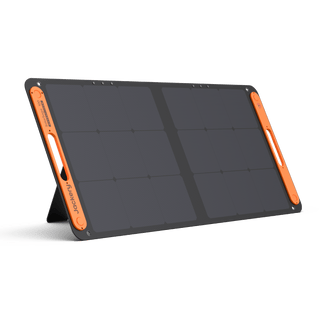
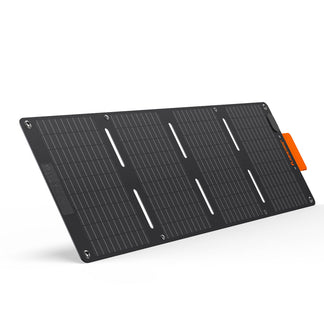
Jackery Solar Generator 5000 Plus + 2× SolarSaga 500X |
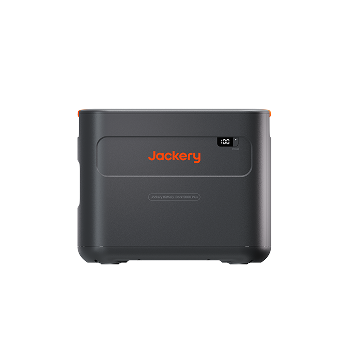
7,200W continuous / 14,400W surge handles compressor startup; 5,040Wh battery runs essentials 8–10 hours, avoiding $0.40–$0.50/kWh rates |
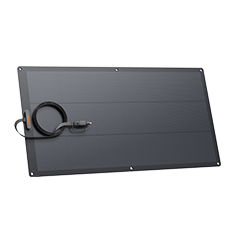
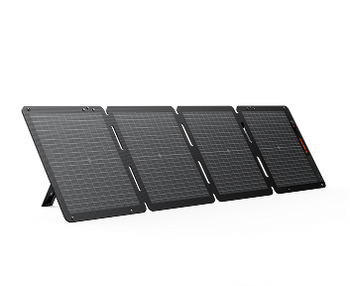
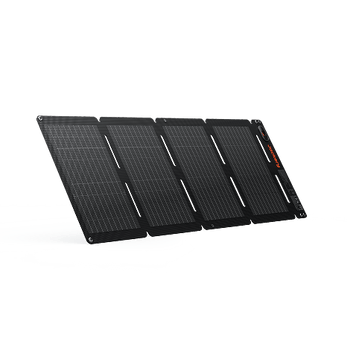
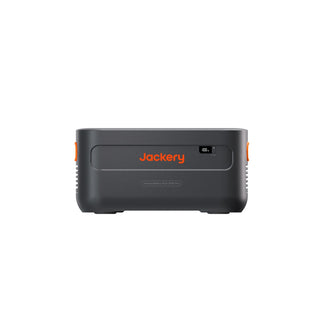
5,040Wh (expandable to 60kWh), 1,000W solar input (2×500W bifacial), generates 5–6 kWh/day |
You want to shift moderate loads (window AC, fridge, lights) and save up to $2/day |
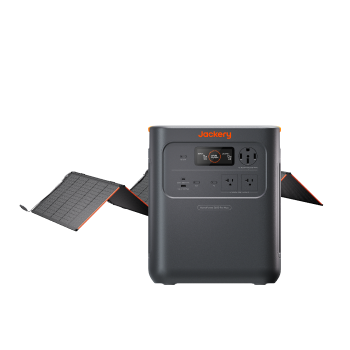
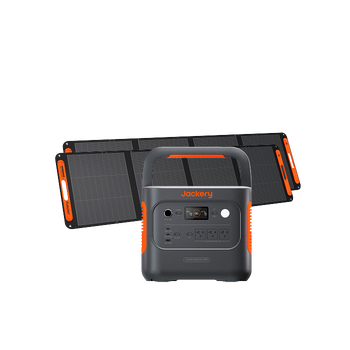
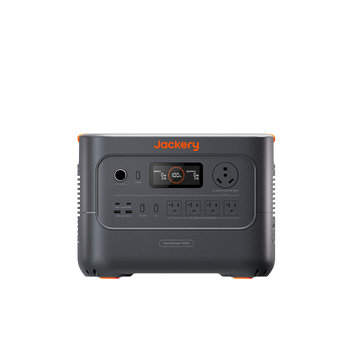
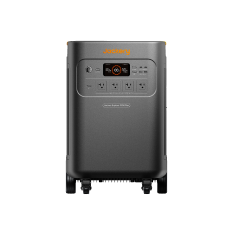
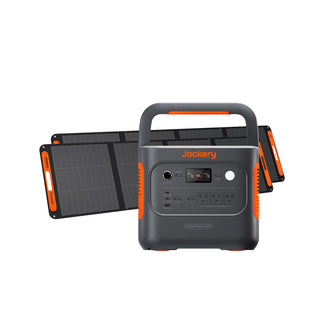
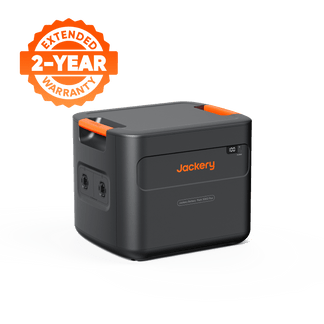
Jackery Solar Generator HomePower 3600 Plus + SolarSaga 500X |
3,600W continuous / 7,200W surge powers a 1,500W window AC plus refrigerator; 3,584Wh battery shifts 5–7 hours of peak load |
3,584Wh (expandable to 21.48kWh), 500W solar input (1×500W bifacial), generates 2.5–3 kWh/day |
As with any portable solar generator, these systems require no permits or electrician — just plug in and start saving.
Frequently Asked Questions (FAQ)
1. Can portable solar generators run a central AC?
Most central ACs require 3,000–5,000W running and 7,000–15,000W surge, so only the largest portable generators with high surge capacity can manage them briefly. For sustained central AC backup, a permanently installed home battery is a better fit.
2. Do I need to replace my roof before installing solar?
Solar panels last 25–30 years. If your roof needs replacement within that timeframe, doing it before installation avoids costly removal and reinstallation fees later.
3. How long do solar panels actually last?
High-quality panels maintain 80–92% of their original output after 25 years, with a functional lifespan of 30–40 years. Degradation is slow and predictable.
4. Is solar worth it if I rent my home?
Renters can use portable solar generators without permits or installation, shifting load and saving immediately. A permanent rooftop system isn’t possible without the landlord’s agreement.


