


























![[Add - on] SolarSaga 200W - Jackery](http://www.jackery.com/cdn/shop/files/add-on-solarsaga-200w-4834329.png?v=1754016915&width=324)


The reality of soaring energy prices hits hardest when you open your monthly utility bill. Rates are climbing nationwide, driven by aging grid infrastructure and volatile global markets. You cannot control the macroeconomics of power generation. You can, however, control exactly how much power your home pulls from the grid and when it pulls it. This guide breaks down the numbers behind your electricity bill and provides concrete strategies to permanently reduce your monthly overhead.
Navigating the Upward Energy Prices Trend
To navigate the upward trend in energy prices, review utility statements to identify the root causes of unexpected rate hikes. Cold weather drives up baseline power usage, but the underlying tariff structures often hide the real financial damage.
Scrutinize your bill for skyrocketing delivery and administrative fees that often overshadow actual power consumption costs. Delivery and administrative fees ensure the utility gets paid regardless of how aggressively you conserve power. To fight back and understand why your electric bill is so high, you must attack the variable portion of your statement: the kilowatt-hours (kWh) you actively consume.
How the Global Oil Prices Forecast Impacts Your Bill
Ongoing wars, geopolitical instability and strikes on critical natural gas facilities in the Gulf directly influence fossil fuel costs and drive up residential electricity rates. When these global events threaten supply, natural gas and coal become expensive. Utilities pass fuel surcharges directly to you, increasing your bill even if your personal consumption remains completely flat.
Local grid policies are also shifting rapidly in response to global market pressures. Adapt to evolving net metering regulations by exploring independent home energy storage solutions. New federal legislation, dubbed the 'One Big Beautiful Bill', has repealed clean energy tax credits and introduced new tariffs, representing a massive policy shift that drastically alters residential solar returns. Storing your own power is now the only reliable way to secure the full financial value of the electricity you generate.
Understanding What Drives Your Electricity Bill
Analyzing Your Usage with the U.S. Electricity Prices Chart
Compare your monthly consumption against regional averages to identify your baseline allowance and peak usage penalties.
- Compare monthly consumption: Most utilities provide a baseline allocation of inexpensive power before penalizing you with tiered pricing for excess usage.
- Audit HVAC systems and understand grid burdens: While ensuring your heat pump or air conditioner is efficient is important, be aware that current price spikes (jumping by up to 26%) are primarily driven by geopolitical conflict (Iran war), massive AI data center demand, and grid modernization costs, rather than just home HVAC inefficiency alone.
- Schedule major appliance usage: Schedule major appliance usage, like electric ovens and water heaters, strategically to avoid high-demand penalties. Running a dryer at 6 PM costs significantly more than running it at 11 PM.
Decoding Energy Prices per kWh and Time-of-Use Plans
Time-of-Use (TOU) plans charge you double or triple the standard rate during peak demand hours, typically 4 PM to 9 PM, when grid strain is highest, making it critical to shift heavy power consumption away from these windows.
Evaluate whether locking into fixed tariffs or utilizing wholesale tracker tariffs best suits your household's risk tolerance:
|
Tariff Type |
Characteristics |
|
Fixed Tariffs |
Fixed rates offer total predictability. |
|
Wholesale Tracker Tariffs |
Wholesale trackers let you capitalize on ultra-cheap overnight power, provided you have the discipline to shift your usage. |
Utilize AI-powered tools to analyze PDF utility bills and automatically hunt for the cheapest local energy plans. AI-powered platforms process your historical consumption data to recommend contracts tailored to your exact usage habits.
Immediate, Low-Cost Fixes to Combat High Energy Prices
Slaying "Vampire" Energy and Phantom Loads
Unplug standby devices like TVs and chargers to eliminate phantom power; these 'energy vampires' can account for 5–10% of total residential energy use. A television turned off is still drawing power to listen for the remote control signal.
Install smart power strips to easily cut power to entire entertainment centers or home offices with a single switch. Smart power strips eliminate the need to manually unplug dozens of cords every night while securing immediate reductions in your baseline draw.
Daily Habit Shifts for Instant Savings
Adjust the temperature by 7–10 degrees Fahrenheit for eight hours a day to save up to 10% annually on heating costs.
- Adjust the temperature: Program this setback to occur while you sleep or are away at work.
- Run appliances off-peak: Run dishwashers and laundry machines exclusively during off-peak hours. Shifting usage to off-peak hours helps avoid premium rates, though specific total bill reduction figures cannot be guaranteed due to highly variable local utility structures.
- Replace outdated bulbs: Replace outdated incandescent bulbs with LED lighting to reduce lighting electricity usage by 80%. LED lighting provides the fastest return on investment of any home energy upgrade.
Strategic Upgrades for Long-Term Efficiency
Smart Home Tech and Energy-Efficient Appliances
Install a smart thermostat to automate temperature adjustments based on your daily schedule for effortless savings.
- Install a smart thermostat: Automation removes human error from energy conservation.
- Upgrade aging appliances: Upgrade aging appliances to ENERGY STAR-certified models to secure substantial, long-term reductions in power consumption. A modern refrigerator uses roughly half the electricity of a model manufactured fifteen years ago.
- Monitor smart meter data: Monitor smart meter data via comparison apps to simulate costs and optimize your daily appliance usage schedules. Comparison apps show you exactly how to calculate your electricity bill based on real-time grid pricing.
Insulation and HVAC Maintenance
Focus on heat retention by sealing draughts around doors and windows to prevent expensive climate-controlled air from escaping.
- Seal draughts: Generating cheap heat is useless if your house cannot hold it.
- Install thermal barriers: Install low-cost thermal barriers like thick curtains and secondary glazing to yield immediate heating cost reductions.
- Adopt the 15-Minute Ventilation rule: Replace damp indoor air with dry outdoor air, which heats much faster. Open opposite windows for exactly 15 minutes to cycle the air without deeply chilling the home's walls and furniture.
- Bleed radiators annually: Prevent trapped air from reducing your home's overall heating efficiency. Trapped air creates cold spots, forcing your boiler to run longer to reach the target temperature.
Leveraging Battery Storage to Outsmart Peak Rates
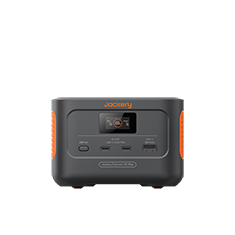
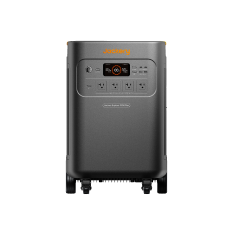
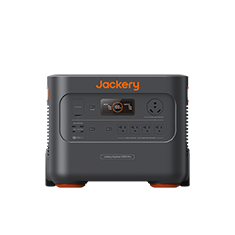
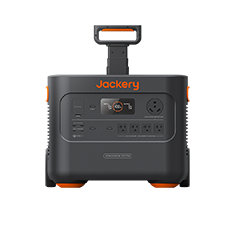
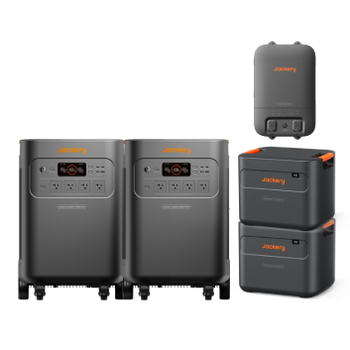
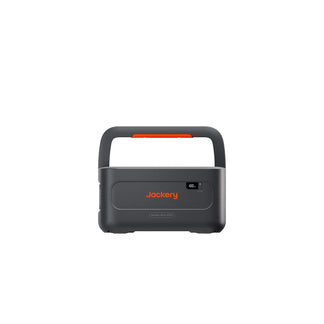
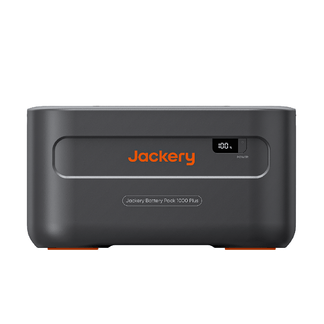
Leveraging battery storage to outsmart peak rates involves storing cheap electricity from the grid during off-peak hours to discharge during expensive evening peak times. Battery arbitrage directly undercuts utility TOU rates and shields you from the 4 PM to 9 PM price spikes.
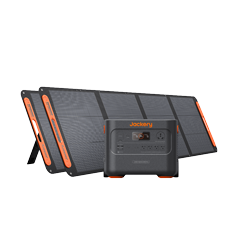
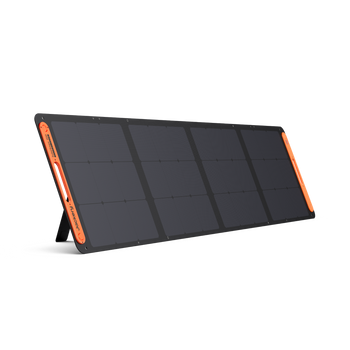
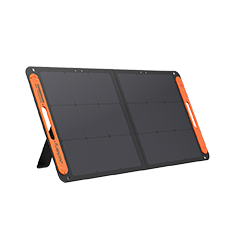
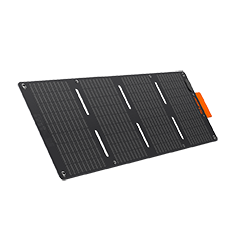
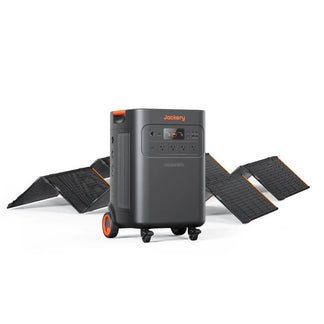
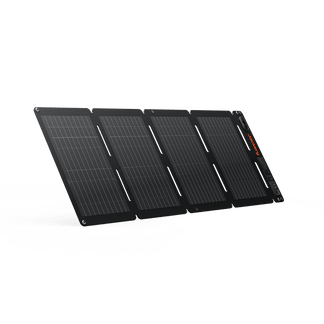
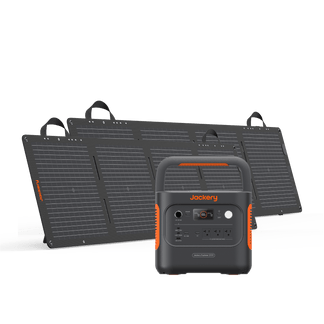
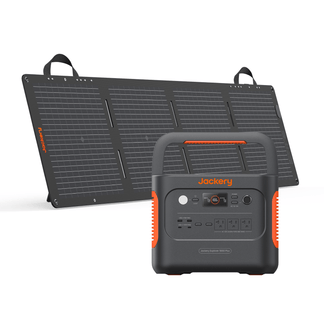
Invest in solar panels to lock in fixed energy costs and shield your household against unpredictable grid hikes. When you generate your own power, you stop renting electricity and start owning it.
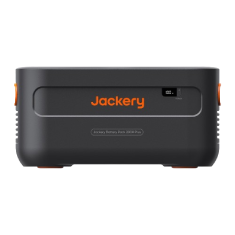
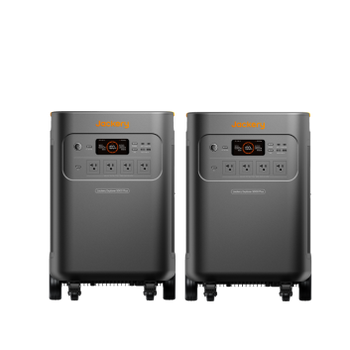
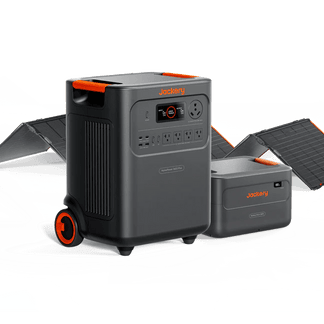
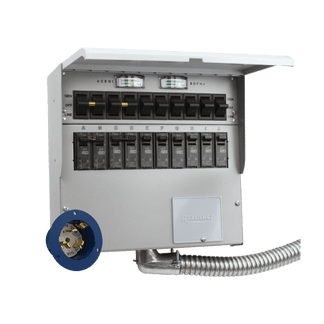
Utilize modular systems to secure your home's power supply:
|
Product |
Specifications |
Ideal Usage |
|
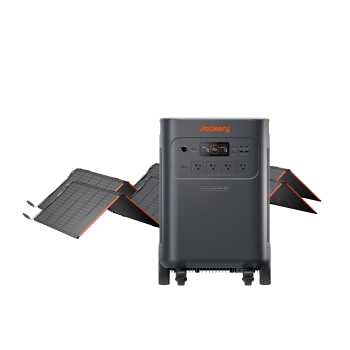
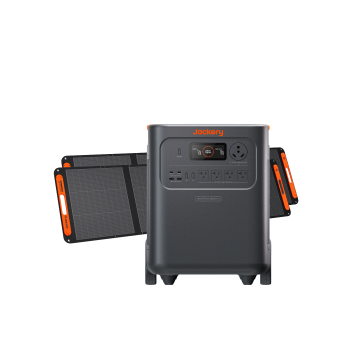
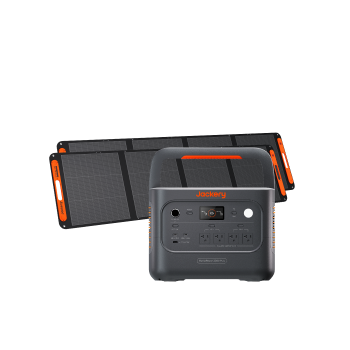
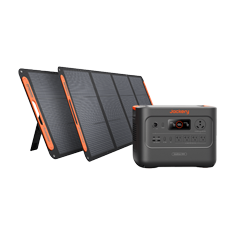
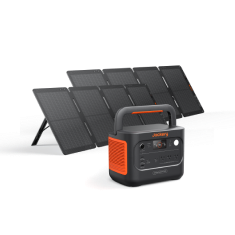
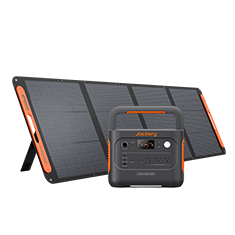
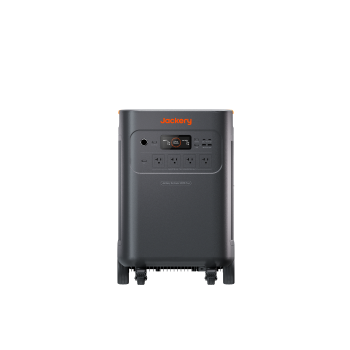
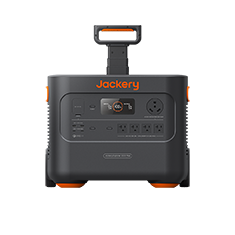
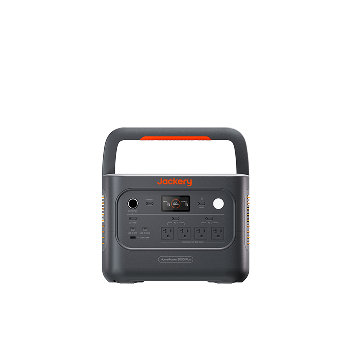
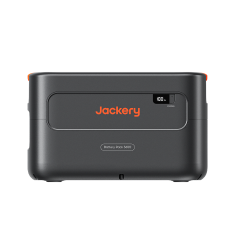
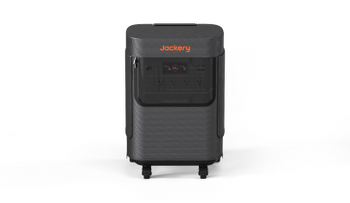
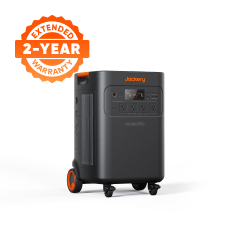
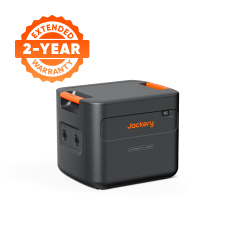
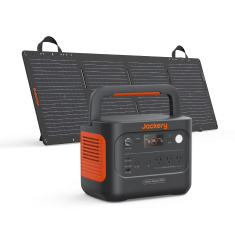
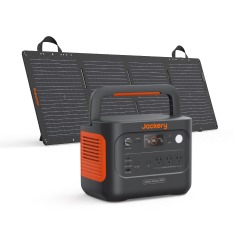
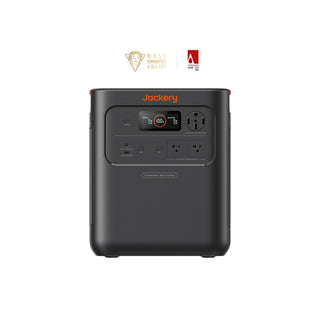
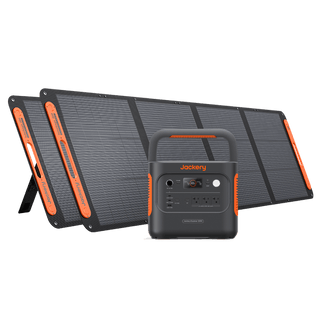
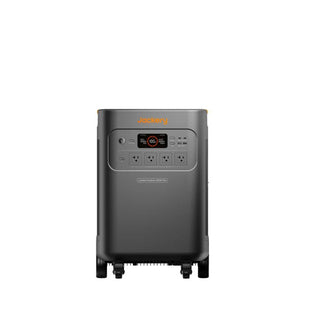
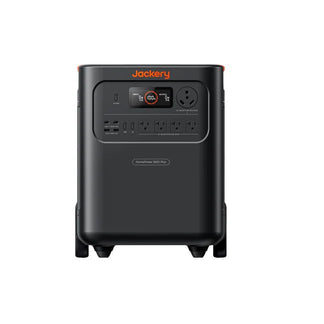
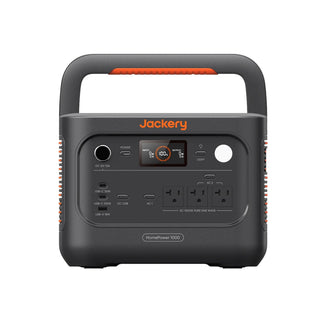
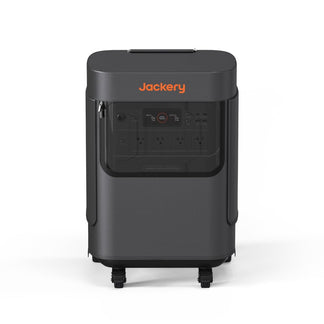
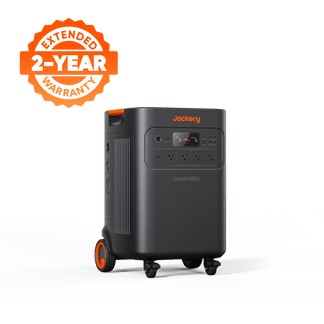
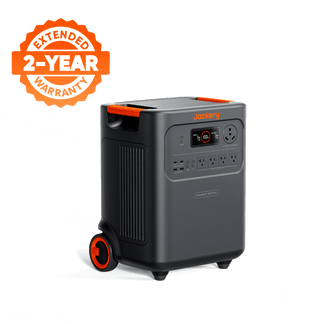
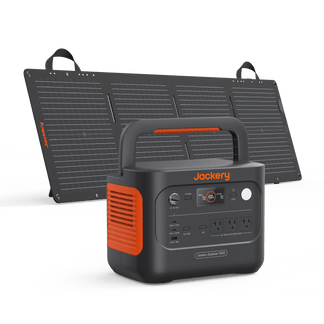
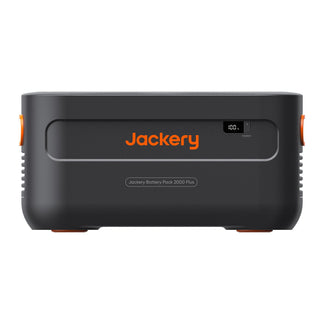
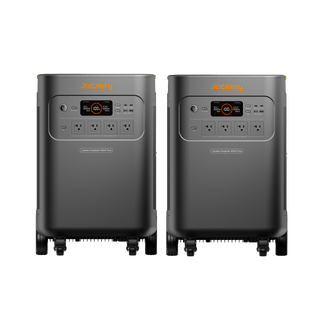
Jackery Solar Generator HomePower 3600 Plus |
Offers 3584Wh capacity and 3600W output |
Run essential appliances. This compact unit easily sustains refrigerators, routers, and lighting through the entire evening peak window. |
|
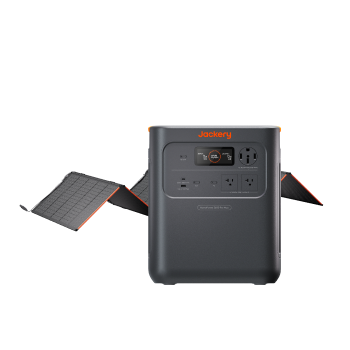
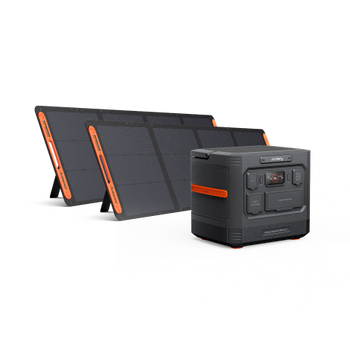
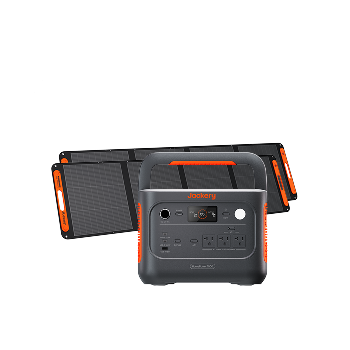
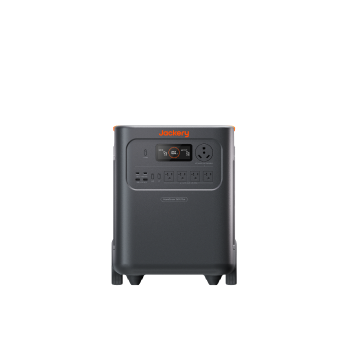
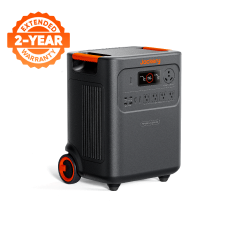
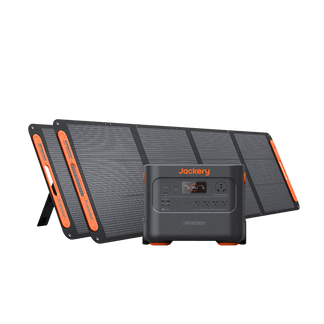
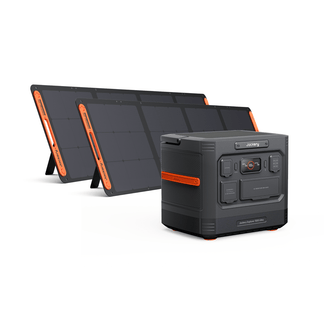
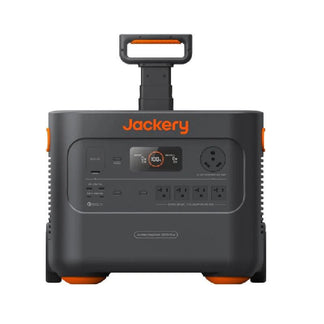
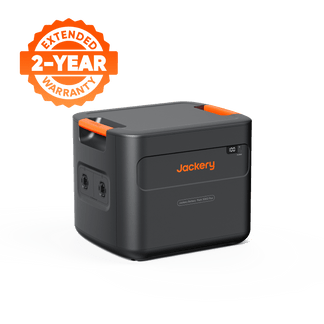
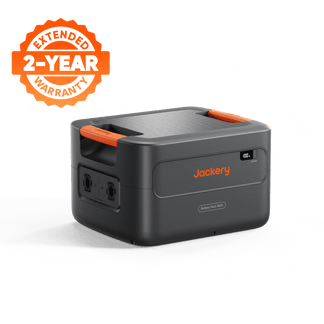
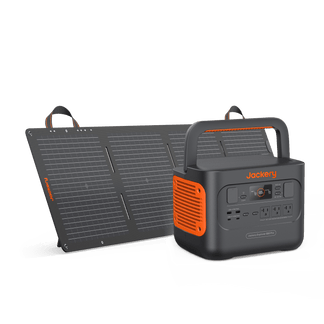
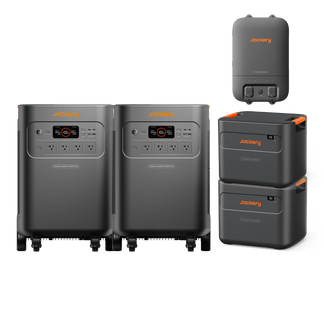
Jackery Solar Generator 5000 Plus |
Provides 5040Wh capacity and 7200W output |
Power heavy-duty HVAC systems seamlessly. This high-output system handles 240V appliances, making it a true whole-home backup solution. |
Explore third-party solar leases or Power Purchase Agreements (PPAs) on vetted quote platforms to indirectly benefit from commercial tax credits (active until 2027), and seek out state-level rebates, as the federal tax credit for direct home solar purchases expires at the end of 2025. Leasing allows you to install solar with zero upfront cost while locking in a predictable per-kWh rate.

Conclusion: Taking Control of Your Energy Future
Taking control of your energy future requires combining behavioral changes, smart home upgrades, and strategic energy storage to effectively lower your electric bill. You cannot negotiate utility rates, but you can systematically reduce your reliance on the grid.
Shift heavy appliance usage to off-peak hours and eliminate vampire loads to immediately reduce monthly expenses. Off-peak appliance usage and eliminating vampire loads form the foundation of home energy efficiency.
Invest in LiFePO4 battery backup solutions to ensure your home remains comfortable regardless of fluctuating energy markets. Owning your storage capacity is the ultimate defense against an unpredictable power grid.
Frequently Asked Questions
Can renters use battery storage to save on energy bills?
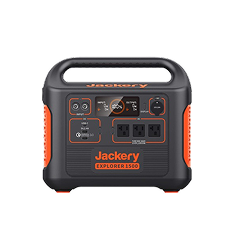
Portable power stations, unlike hardwired grid-tied systems, require no permanent installation and are completely renter-friendly. You can charge them from a standard wall outlet during off-peak hours to run appliances during peak windows, and take the system with you when you move.
What should I do if I cannot pay my energy bill?
Contact your utility provider immediately to inquire about hardship grants, forgiveness programs, or structured payment plans. Proactive communication prevents service disconnections and often unlocks state-funded winterization assistance.
Are utility delivery and administrative fees negotiable?
While utility delivery and administrative fees are usually fixed by the local grid operator to maintain poles and wires, switching retail energy providers might lower your overall blended rate. Check if you live in a deregulated energy market where suppliers compete for your contract.
Is it cheaper to leave the heating on low all day?
No. Homes lose heat constantly, meaning it is always more efficient to only heat the house when it is actually occupied.
How long does it take for solar panels to pay off?
Because the 30% federal tax credit for direct homeowner purchases expired at the end of 2025, the payback period has extended significantly (now typically 9 to 14 years). The extended payback period makes reliance on local state incentives, net metering, and third-party lease models much more critical for securing a strong return on investment.


