
































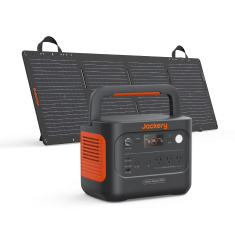
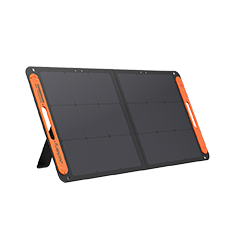






![[Add-on] Jackery SolarSaga 500 X - Jackery](http://www.jackery.com/cdn/shop/files/add-on-jackery-solarsaga-500-x-1493607.webp?v=1786503068&width=324)

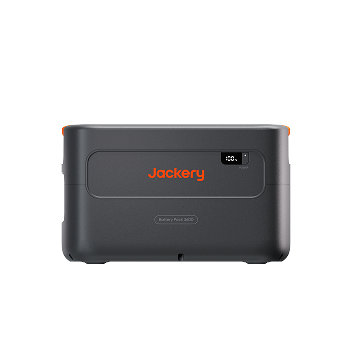
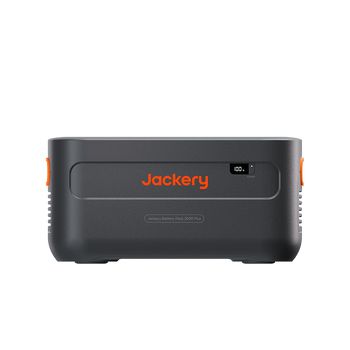
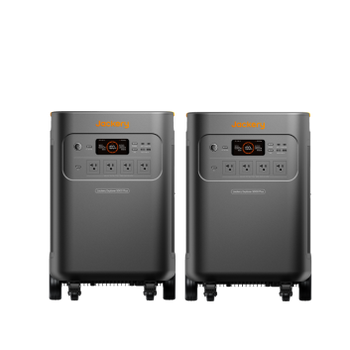
![[Add-on] Jackery Battery Pack 5000 Plus - Jackery](http://www.jackery.com/cdn/shop/files/add-on-jackery-battery-pack-5000-plus-6713401.webp?v=1786503068&width=324)



























The core question for modern homeowners is no longer should I go solar? Instead, the critical question is: does the local financial math still work without the residential federal solar tax credit? For the first time in over a decade, purchasing a residential rooftop solar system means paying full price. There is no longer a standard 30% federal tax credit to knock $9,000 off a standard $30,000 cash installation, meaning the path to a fast-track payback has changed significantly.
This policy shift does not make solar power a bad investment, but it does eliminate the easy, blanket yes that solar sales companies have relied on for years. Your local electricity rates, your state's specific net metering policy, and your roof's physical suitability now determine whether permanent rooftop solar makes financial sense. To plan your home's budget under these new guidelines, explore our detailed analysis on What to Do After the Federal Solar Tax Rebate Ended in 2025.
Historically, the federal solar tax credit—originally established under the Energy Policy Act of 2005—served as the primary financial driver for the residential solar boom. By subsidizing nearly one-third of the total system cost, the government allowed homeowners to offset their installation costs quickly. The sudden expiration of this subsidy in 2026 forces consumers to move past generic marketing claims and analyze the underlying raw physics of their local solar resources, rooftop orientations, and utility rate structures.
What Happened to the Federal Solar Tax Credit in 2026
The standard residential clean energy credit under Section 25D of the Internal Revenue Code officially expired on December 31, 2025. Passed under the One Big Beautiful Bill Act, this legislation terminated the residential credit nearly a decade early. If you install a residential solar panel array or permanent battery storage system in 2026 using cash or a standard solar loan, you cannot claim any clean energy credits on your federal tax return.
This 30% credit is used to reduce your net project cost directly. On a standard $30,000 system, that represented a $9,000 reduction in your tax liability. It effectively shaved 3 to 5 years off a typical system's payback window. While the deadline to claim this residential credit has passed, if your system was fully operational and placed in service on or before December 31, 2025, you can still claim the credit retroactively using IRS Form 5695 on your 2025 tax return. For a detailed guide on historical tax filing processes, check out our Solar Tax Rebate Guide.
Is Solar Still Viable Without the Federal Tax Credit?
Yes—especially for homeowners living in regions with high utility rates. Industry data from EnergySage shows that the average U.S. homeowner still saves approximately $52,000 to $61,000 over a 25-year system lifespan, even without the federal credit. The economic viability of solar does not collapse; the payback period simply slows down, stretching from a historical 6 to 8 years to a standard 9 to 14 years.
This viability is driven by rising utility rates, which climb at an average rate of 5% annually, but have exceeded 10% in major metropolitan markets. Generating your own solar electricity locks in your Levelized Cost of Energy (LCOE), turning every future utility rate hike into extra household savings. Once your system fully recovers its initial equipment costs, your marginal cost of electricity generation drops to near zero for the remaining life of your panels, providing an excellent long-term financial shelter.
Why Electricity Rate Is the Most Important Variable
Your local electricity price is the single biggest factor in solar economics today. According to data from the U.S. Energy Information Administration (EIA), high-rate states—such as California (averaging 30¢ to 45¢/kWh), Hawaii (40¢+), and Massachusetts (28¢ to 35¢)—can still deliver robust payback periods of 7 to 9 years without the federal credit. This is because every self-consumed kilowatt-hour of solar power directly offsets an expensive grid purchase. In contrast, in low-rate states (like Washington or Louisiana), payback periods can easily exceed 15 years.
Your utility's net metering policy is the second most important variable. Full retail net metering—where your utility credits your excess solar export at the exact same rate you pay for power—keeps your payback timeline short. However, as states transition to weaker export rates under the Net Billing Tariff framework—most notably California's NEM 3.0, which went into effect in April 2023 and slashed export credits by roughly 70% to 80% using dynamic avoided-cost calculator values—on-site battery storage has become a financial necessity. To maximize solar viability under these rules, pairing panels with storage allows you to save your midday surplus for evening use rather than exporting it back to the grid for minimal credit. To explore coastal programs, check out our guide to Florida solar incentives.
State and Local Incentives Fill the Gap
Without the federal clean energy credit, local state-level programs and municipal utility incentives carry significantly more weight in your financial calculations. Progressive states have established dedicated programs to cushion the loss of the federal credit:
- New York: Offers an additional 25% state tax credit capped at $5,000, combined with cash-back Megawatt Block rebates through the NY-Sun program.
- Hawaii: Provides a 35% state clean energy tax credit capped at $5,000, significantly softening the upfront equipment cost.
- Property Tax Exemptions: Over 30 states legally exclude the capital value added by a solar system from your home's annual property tax assessments, letting your home value rise without increasing your taxes.
Solar Leases and PPAs as an Alternative Path
Because the federal government allows commercial solar developers to access Section 48E commercial clean energy credits through 2027, third-party leases and Power Purchase Agreements (PPAs) currently hold a temporary cost advantage over cash-purchased residential systems. Under these agreements, the developer owns the solar equipment, claims the 30% commercial tax credit, and passes a portion of these savings to the homeowner in the form of a lower monthly lease payment, requiring zero upfront capital.
However, this path requires a significant long-term trade-off. Because you do not own the solar equipment, your 25-year lifetime savings are significantly lower compared to buying outright—often resulting in $20,000 less total savings. Additionally, standard lease and PPA contracts include annual rate escalators (typically 1.5% to 2.9% annually) that will gradually erode your monthly savings over the 20 to 25-year life of the contract. Transferring these long-term leases during a home sale can also complicate real estate transactions if the new buyer refuses to assume the contract.
Who Should Buy vs. Lease in 2026
To evaluate which financial structure is best for your home, review this technical comparison comparing cash purchases with third-party leases:
|
Comparison Metric |
Rooftop Cash Purchase |
Third-Party Lease / PPA |
|
Upfront Cost |
$20,000 – $30,000 (No federal credit) |
$0 Upfront typical |
|
Estimated 25-Year Savings |
~$61,000 (National Average) |
~$36,000 |
|
Payback Timeline |
9 – 14 Years |
Immediate monthly utility savings |
|
System Ownership |
Full, transferable property asset |
None (REP developer owns equipment) |
When Solar Alone Isn’t Enough: Sizing Battery Storage
As net metering export credits are slashed across the country, installing standalone rooftop solar panels is no longer sufficient to secure a high return on investment. To keep your solar generation from escaping to the grid for pennies, you must pair your array with a high-capacity home battery bank. However, installing a permanently wired rooftop solar-plus-storage system can cost between $30,000 and $50,000 without the federal tax credit.
For homeowners looking to avoid these high upfront structural costs, portable solar generators provide an exceptional, permit-free alternative. They can scale to match your household's exact energy demands and do not require long-term lease contracts or municipal inspections. To compare portable storage systems against permanently wired units, read our guide on essential home backup power requirements. To evaluate performance against combustion generators, see our analysis on Is Solar Power Worth It Compared to Gas Generators?.

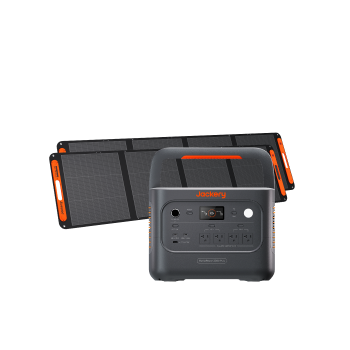
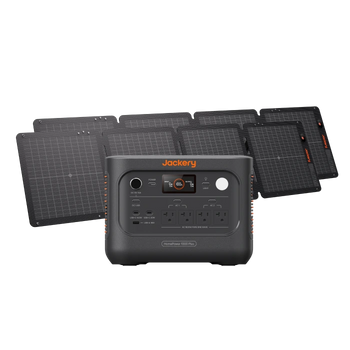
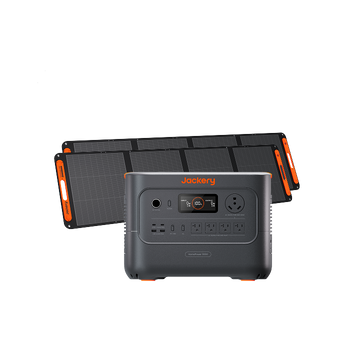
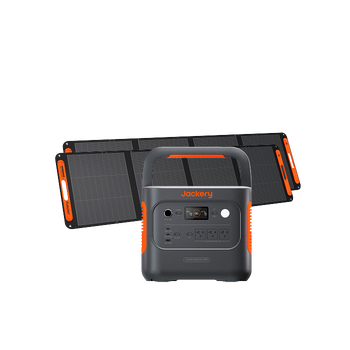
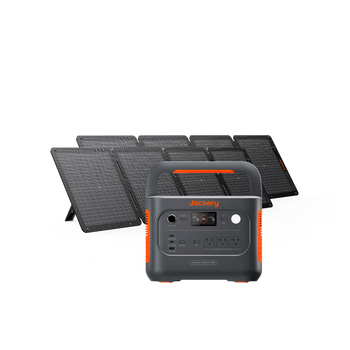
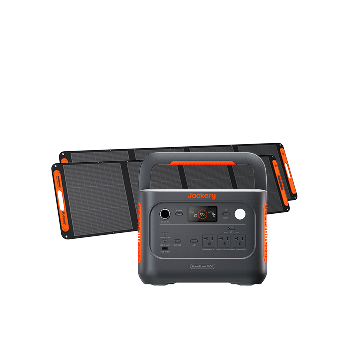
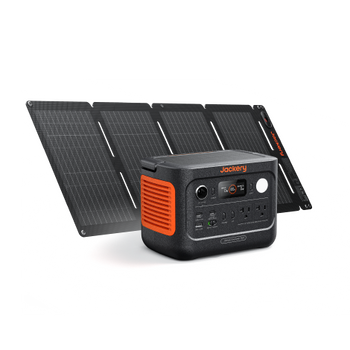
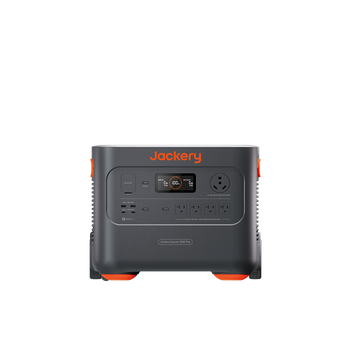
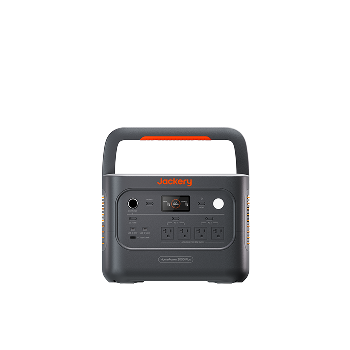
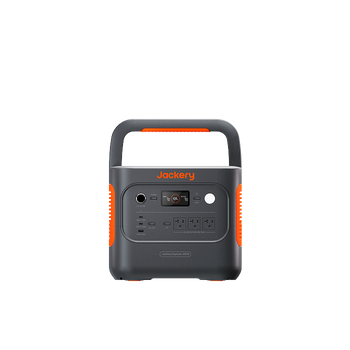
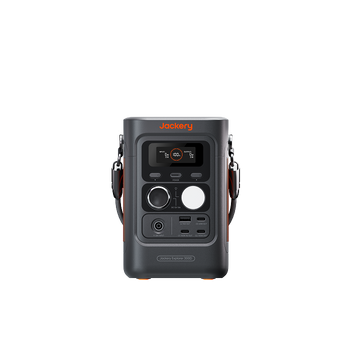
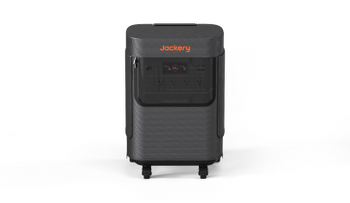
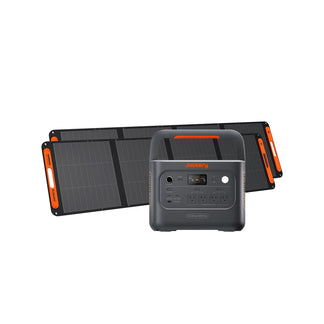
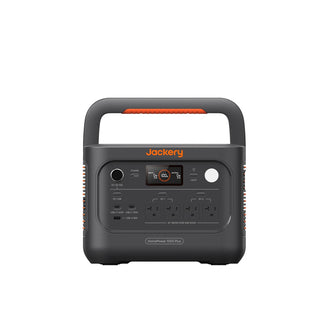
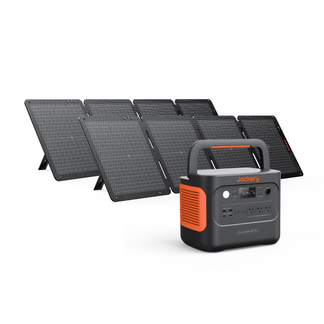
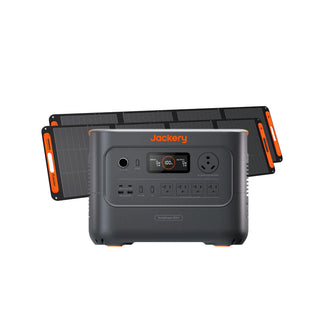
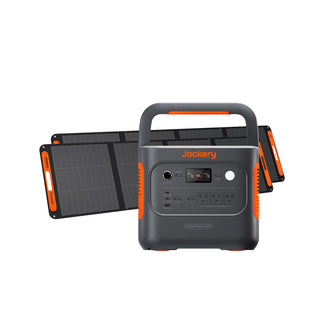
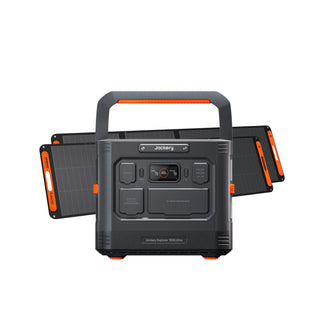
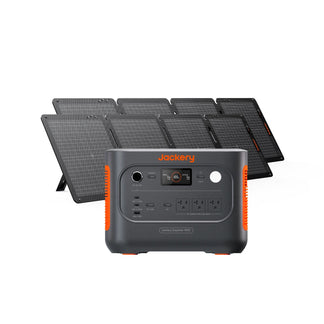
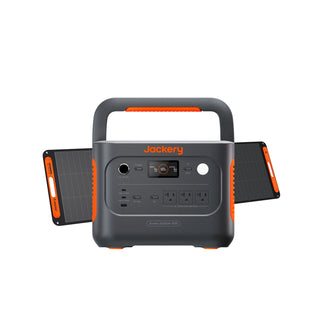
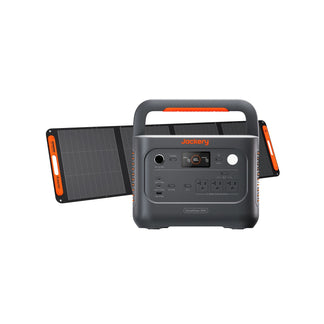
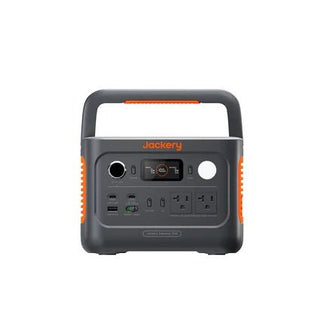
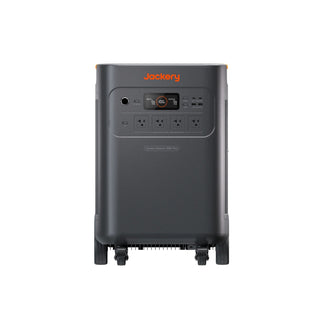
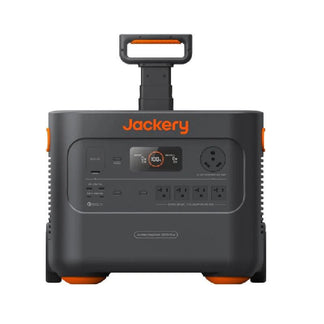
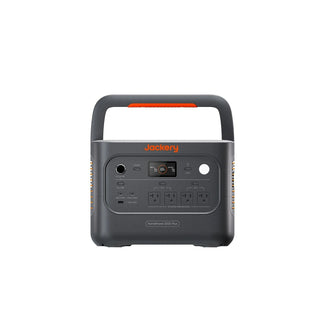
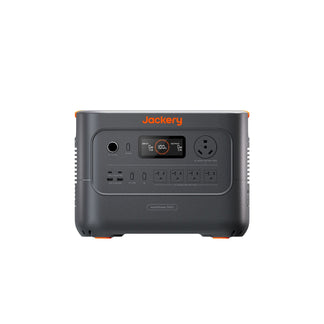
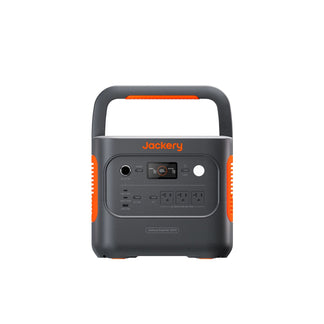
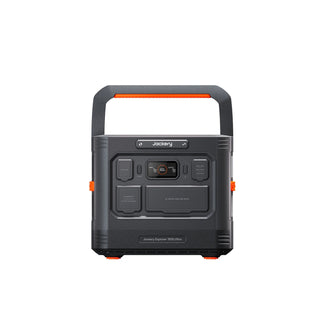
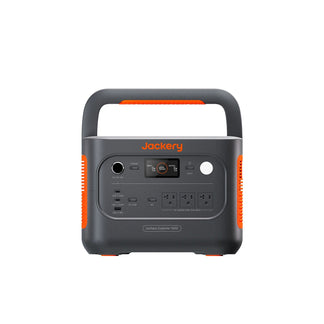
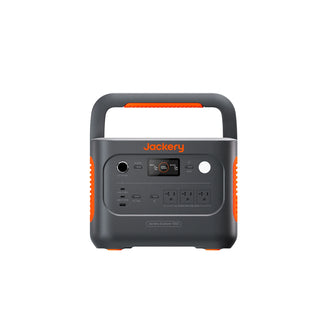
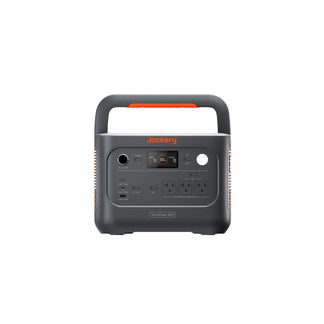
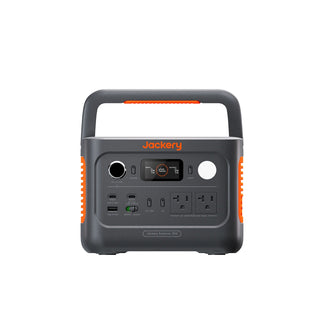
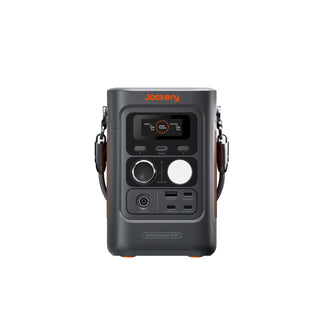
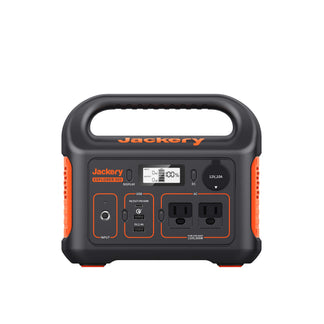
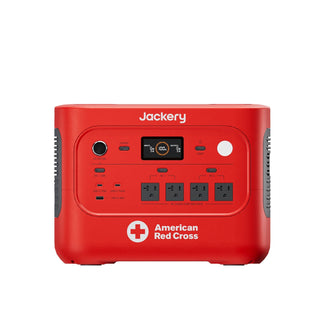
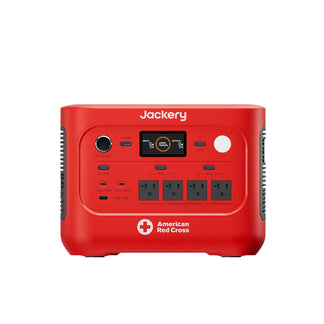
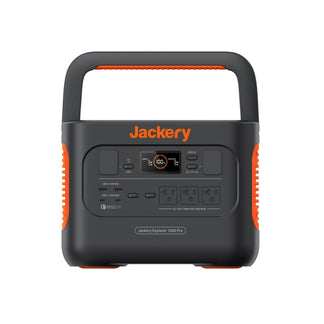
Three premium solar generator systems from Jackery provide ideal, cost-effective home backup:
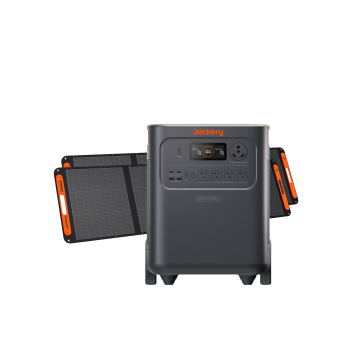
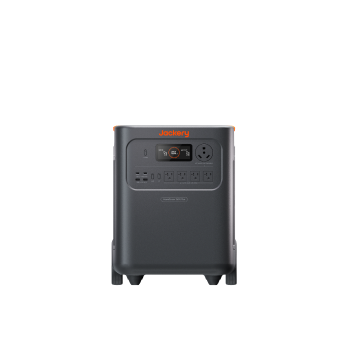
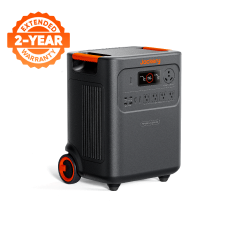
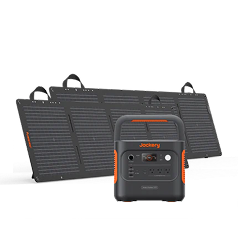
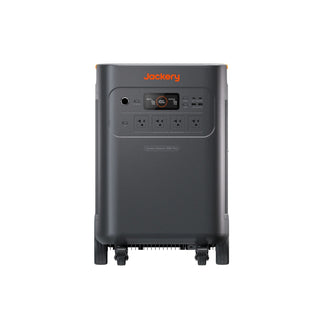
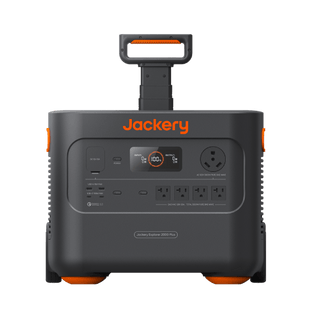
Jackery Solar Generator HomePower 3600 Plus: Features a robust 3,600W continuous output (7,200W surge) and a 3,584 Wh capacity, capable of running a refrigerator silently for up to 38 hours. You can scale the capacity up to 43 kWh to run multiple critical appliances through extended, multi-day blackouts.
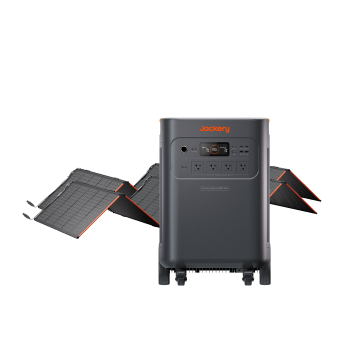
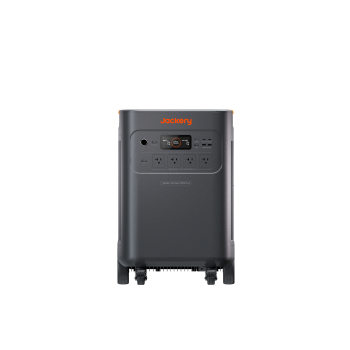
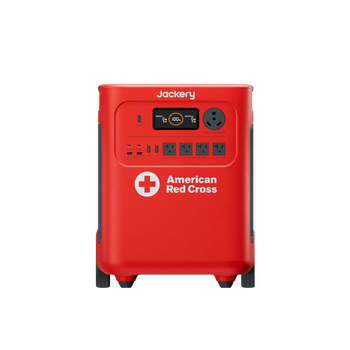
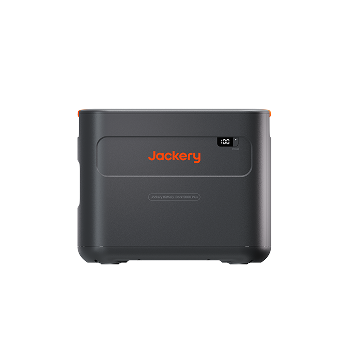
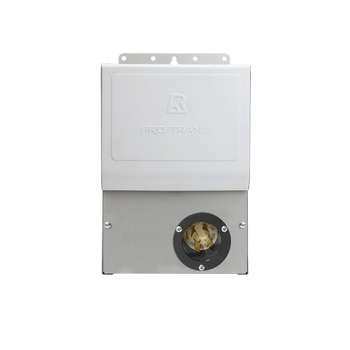
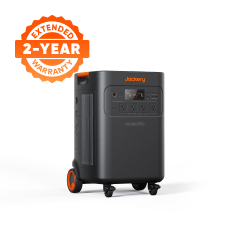
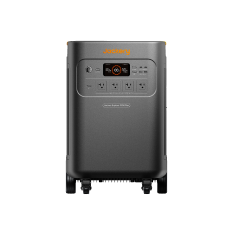
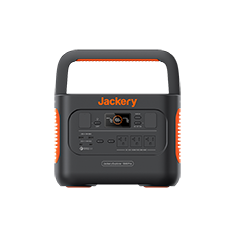
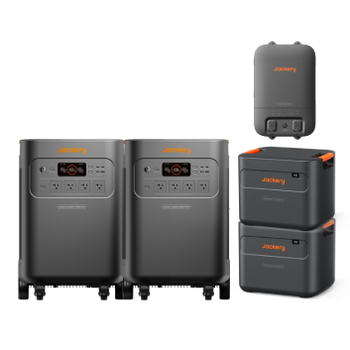
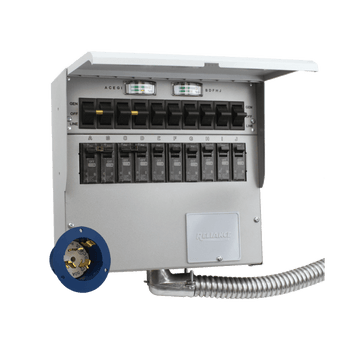
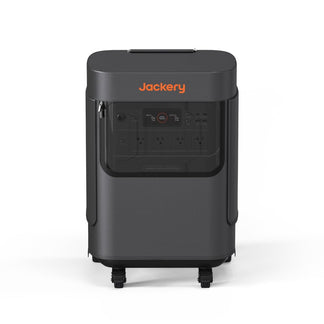
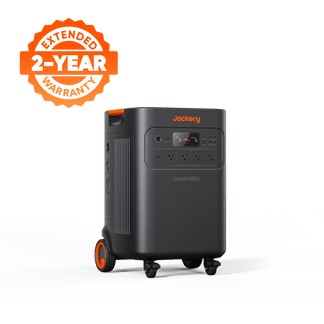
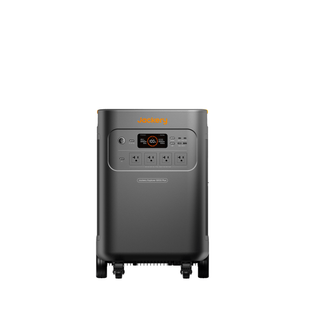
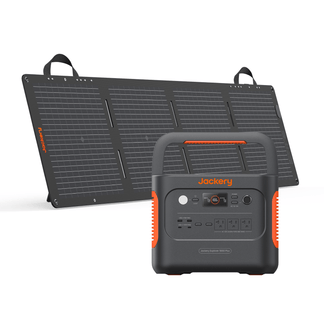
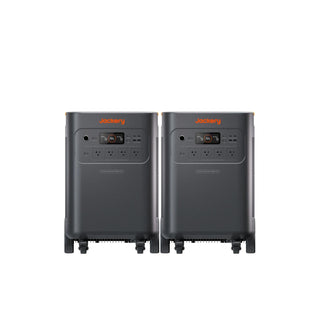
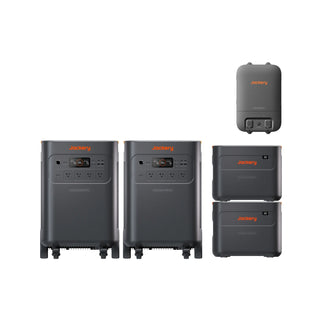
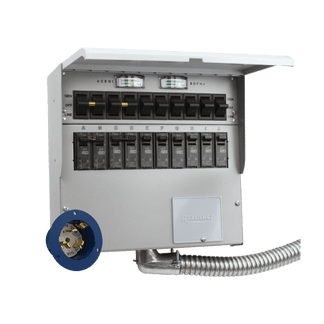
Jackery Solar Generator 5000 Plus: Houses a robust 5,040 Wh base capacity (expandable to 60 kWh) with a massive 7,200W continuous output. When integrated with a manual transfer switch, it serves as a robust whole-home backup system with a true 0ms online UPS switchover.
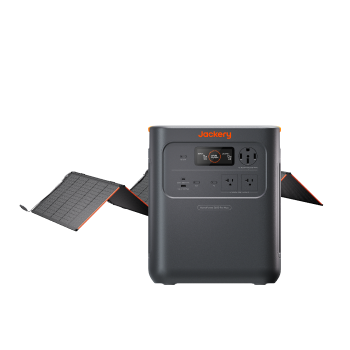
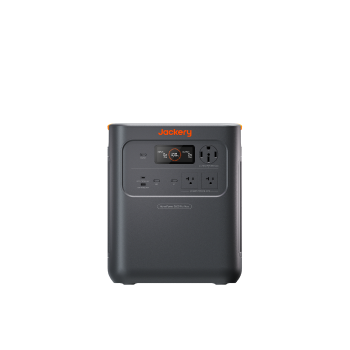
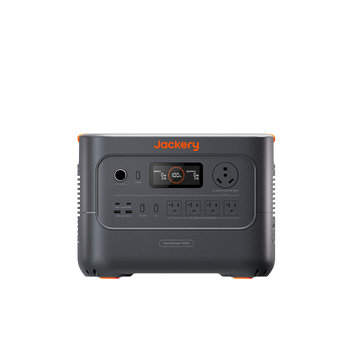
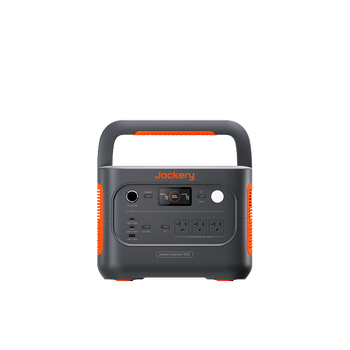
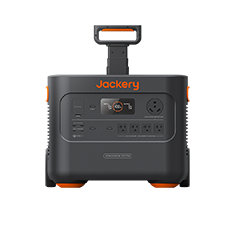
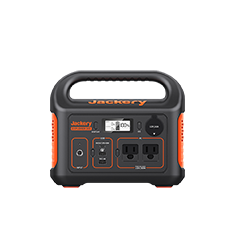
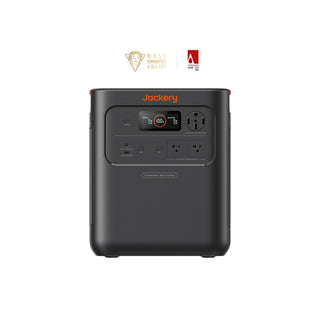
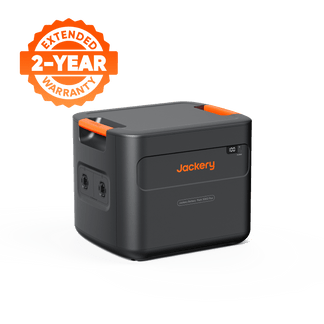
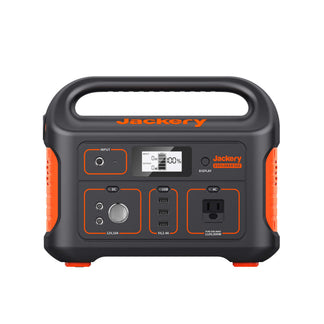
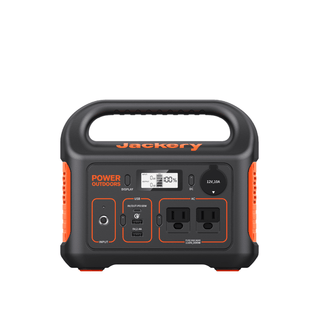
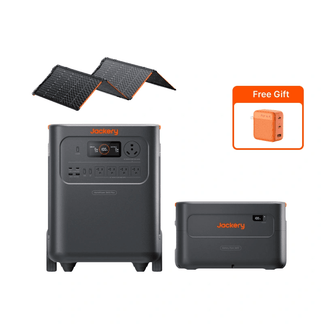
Jackery Explorer 2000 v2 Portable Power Station: The compact, highly portable option, packing a 2,042 Wh capacity to run your refrigerator and lights overnight. It can recharge completely via AC wall power in just 1.7 hours.
Frequently Asked Questions
Can I still claim the federal solar tax credit in 2026?
No. The residential clean energy credit under Section 25D officially expired on December 31, 2025, for all homeowner-owned solar systems. Only lease and PPA customers can benefit indirectly from tax credits, as commercial developers can claim the commercial Section 48E credit through 2027 and pass some of these savings down.
Are solar panels still worth it without the tax credit?
Yes. For homeowners living in high-rate states with solid net metering and active state-level incentives, solar remains highly viable. Average 25-year system savings still hover around $61,000, allowing you to establish a secure long-term hedge against rising grid utility rates.
What payback period is typical now that the federal credit has ended?
Payback timelines typically range from 9 to 14 years in most U.S. markets. High-rate states can still see payback windows as short as 7 to 9 years, while low-rate states with weak export credits can stretch past 15 years.
Is rooftop solar worth it if I plan to move within a few years?
No. If you plan to move before your system fully recovers its initial equipment costs (typically 9 to 14 years), you will likely be underwater on your investment. If you have a short housing horizon, third-party leases or portable solar generators are far more suitable options.
How do I find reliable solar installation quotes in 2026?
Focus on all-in dollar-per-watt pricing and ensure your installer provides a detailed quote that separates the cash system price, financing fees, and dealer markups. Loan origination and dealer fees can add 20% to 35% to your principal loan balance, dramatically extending your payback window.


