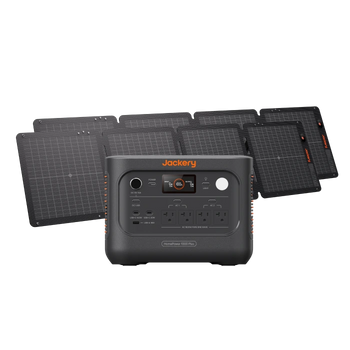



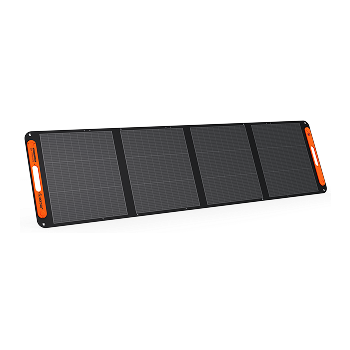





















































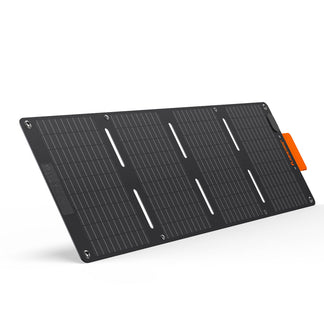
![[Add-on] Jackery SolarSaga 500 X - Jackery](http://www.jackery.com/cdn/shop/files/add-on-jackery-solarsaga-500-x-1493607.webp?v=1786503068&width=324)
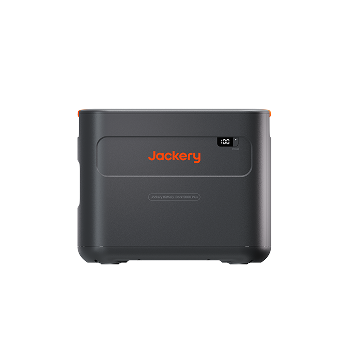
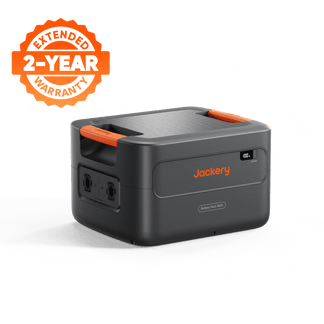
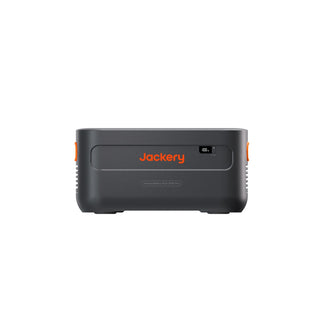
![[Add-on] Jackery Battery Pack 5000 Plus - Jackery](http://www.jackery.com/cdn/shop/files/add-on-jackery-battery-pack-5000-plus-6713401.webp?v=1786503068&width=324)




















Quick Answer: Off the grid means a home or lifestyle operates without any physical connection to public utility networks — no power lines, water mains, gas pipes, or sewer systems. It requires entirely self-sufficient energy generation (typically solar with battery storage), on-site water sourcing, and independent waste treatment. True off-grid living demands a mental shift to being your own utility company — every system failure becomes your personal problem to solve, and winter months with short, cloudy days are the hardest test, often requiring a backup generator to avoid power shortages.
Key Takeaways:
- Winter vulnerability is the #1 hardship: short, cloudy days cripple solar output while heating loads peak, so most systems need a backup generator for reliable year-round power. [1]
- Battery storage is the critical component: a year-round off-grid home typically requires 40–60+ kWh of capacity for 3–5 days of autonomy, with total bank costs ranging from $24,000–$36,000 (2026 pricing: $400–$600/kWh installed).
- Regulations vary by location: some areas have zoning, permitting, or dwelling requirements that affect off-grid builds — check with your local planning department before committing.
- Connectivity is a major concern: Starlink is often the single biggest monthly expense (~$120/month) and draws 25–75W, which must be factored into system sizing.
- Upfront costs for a complete off-grid solar-plus-storage system on an average-sized house frequently exceed $100,000–$115,000+, and ongoing battery replacement adds significant cost every 10–15 years — this is not cheaper than grid living unless utility connection fees are unusually high.
What Does Off‑Grid Living Actually Mean?
Grid independence means no physical ties to public electrical, water, gas, or sewer utilities. Total self-sufficiency is required — every resource you consume, you produce or collect yourself.
The real change is mental, not technological. Beginners obsess over panel wattage and battery specs.
Experienced off-grid residents describe something different: you become your own power company, water utility, and waste management service. When the inverter faults at 2 AM in January, there is no landlord to call. You troubleshoot it yourself, in the dark, with a headlamp.
Self-sufficiency rests on three pillars:
- Energy: Solar photovoltaics paired with lithium-iron-phosphate (LFP) battery storage. LFP chemistry delivers 3,000–5,000 cycles and a 10–15 year service life, making it the standard for off-grid installations.
- Water: A well or rainwater catchment system plus filtration.
- Waste: A septic system or composting toilet, installed per local regulations by qualified professionals.
The fundamentals of solar generator systems apply here, but scaled dramatically — off-grid homes need 10–20 times the capacity of a weekend camping setup.
How Off‑Grid Energy Systems Are Designed
A solar-plus-storage backbone forms the core of any off-grid energy system. The typical setup includes 4–8 kW of solar panels, a charge controller, battery inverter, and 40–60+ kWh of lithium-ion battery capacity for multi-day autonomy.
Battery sizing must cover multi-day autonomy — especially in winter. The calculation is straightforward:
Battery sizing formula:
(Daily kWh Usage × Autonomy Days) ÷ Depth of Discharge = Required Battery Capacity
Example: A household using 10 kWh/day needing 3 days of backup with 80% depth of discharge: (10 × 3) ÷ 0.80 = 37.5 kWh minimum. In practice, most off-grid homes size for 40–60 kWh to handle real-world conditions.
A backup generator ($2,000–$6,000) is nearly always necessary for winter, when production can drop to 10–20% of summer output for days at a time. [1]
System monitoring is essential:
- Track state of charge, daily consumption, and weather forecasts to avoid deep discharges below 20% — repeated deep cycling shortens battery life significantly.
- Use automated alerts via smartphone apps to prevent unexpected outages before they happen.
Efficiency upgrades reduce daily load and allow a smaller, more affordable solar array.
Appliance |
Standard Load |
Efficient Alternative |
Annual Savings |
|---|---|---|---|
Refrigerator |
700+ kWh/year |
350 kWh/year (Energy Star) |
~$50–$70 |
Lighting (20 bulbs) |
1,200W incandescent |
200W LED |
~$150–$200 |
Water heating |
4,500W electric |
Propane on-demand |
Eliminates largest load |
Space heating |
1,500W electric |
Wood stove or propane |
Eliminates winter peak |
Water and Other Off-Grid Essentials
A reliable water supply matters, but it's the solar-plus-battery energy system that keeps pumps, lights, refrigeration, and communications running day to day. Plan these with local professionals so your energy system can focus on the loads that matter most.
A 1 HP deep well pump draws 1,500–2,000 watts (1.5–2 kWh per hour, 15–20% of a 10 kWh daily budget). Rainwater catchment systems reduce this load by using gravity-fed distribution where terrain allows.
Waste handling — septic or composting — should follow local regulations and be set up by a qualified installer. These systems operate passively once installed, placing no additional load on your electrical system.
Reducing water and energy demand makes any off-grid system smaller, cheaper, and easier to run:
- Low-flow fixtures: cut water consumption by 30–50%.
- Front-loading washing machines: use half the water and electricity of top-loaders.
- Load scheduling: running high-draw appliances during peak solar hours prevents unnecessary battery cycling.
Efficiency upgrades compound. LED lighting, Energy Star appliances, and deliberate load scheduling lower daily consumption so your battery bank lasts longer between charges. A home that reduces consumption from 15 kWh/day to 10 kWh/day needs 33% less battery capacity — saving $8,000–$12,000 on a 60 kWh bank.
The Real Costs: Upfront Investment and Ongoing Expenses
Initial outlay for a complete off-grid solar-plus-storage system on an average-sized house frequently exceeds $100,000–$115,000+ (2026 US average). This covers panels, battery bank, inverters, charge controllers, mounting hardware, and professional installation — but not well drilling, septic, or land costs.
Battery replacement (LiFePO4, 10–15 year life) is the biggest recurring cost: a 60 kWh bank costs $24,000–$36,000 to replace at 2026 pricing of $400–$600/kWh installed, roughly $2,000–$3,600 per year in depreciation alone — comparable to many households' annual grid electricity bills.
Maintenance demands are ongoing:
- Clean solar panels twice yearly — dust and snow can cut output by 15–25%.
- Winterize pipes before freezing temperatures arrive.
- Service the generator annually.
- Monitor battery BMS alerts for cell imbalances.
You are the maintenance department.
Electric water heaters, dryers, and space heaters (3,000–5,000W each) are impractical — use propane or wood instead. This lifestyle shift surprises many newcomers who assumed technology alone would solve the problem.
Cost Category |
Upfront Range |
Recurring/Replacement |
|---|---|---|
Solar array (4–8 kW) |
$10,000–$30,400 |
Panel replacement at 25–30 years |
Battery bank (40–60 kWh) |
$24,000–$36,000 |
Full replacement every 10–15 years |
Backup generator |
$2,000–$6,000 |
$200–$400/year fuel + maintenance |
Well drilling |
$5,000–$15,000 |
Pump replacement at 10–15 years |
Septic system |
$3,000–$10,000 |
Pumping every 3–5 years |
Inverters/controllers |
$3,000–$8,000 |
Replacement at 10–15 years |
Property taxes and insurance still apply. Remote land may require higher premiums due to limited emergency access — fire departments might be 30+ minutes away. Factor these into your annual budget.
For portable or smaller-scale setups, solar generators designed for home backup offer a lower-cost entry point, though they won't replace a full off-grid system for year-round living.
Planning and Local Requirements
Local zoning, permitting, and dwelling requirements can make or break an off-grid project — confirm them with your planning department before purchasing land. Discovering you cannot legally build what you want is an expensive mistake.
Rainwater collection is regulated differently from state to state. Colorado historically restricted it; Texas encourages it. Check local permits early in the planning process.
In many areas, new construction must initially connect to the grid. A common workaround: build a hybrid solar system first with grid connection, then scale up battery backup over time. This satisfies permitting requirements while moving toward energy independence.
Any permanent electrical work should be performed by a licensed professional and meet local code. For most people, a plug-and-play portable solar generator avoids that complexity entirely — no permits, no electrician, no permanent wiring. For complex situations, a local land-use professional can clarify what's permitted before you buy property.
For emergency preparedness specifically, understanding which battery backup systems work best helps bridge the gap between grid-tied and fully off-grid living.
Limitations / What to Know Before
Winter drastically reduces solar generation — December delivers 2–3 peak sun hours vs. 5–6 in June, a 50–60% drop. Most homes run a generator 2–4 months yearly. [1] If running a generator for weeks bothers you, off-grid living in northern climates may not fit.
Rural isolation is the #1 reason families leave:
- Thirty to ninety-minute drives to hospitals, grocery stores, and schools become exhausting.
- Spontaneous social interaction disappears — you must deliberately schedule it.
- Combat this by joining local groups, hosting visitors regularly, and testing the lifestyle with extended rentals before committing to a purchase.
System failures cascade. A single inverter fault can leave you without power, water (no pump), and refrigeration simultaneously. Redundancy isn't optional:
- Spare inverter
- Backup generator
- Manual water pump
Budget 10–15% above your initial system estimate for spare parts and contingency equipment.
The learning curve is steep. You will learn more about voltage, amperage, and battery chemistry than you ever wanted to know. If troubleshooting electrical systems at midnight in freezing temperatures sounds intolerable, reconsider.
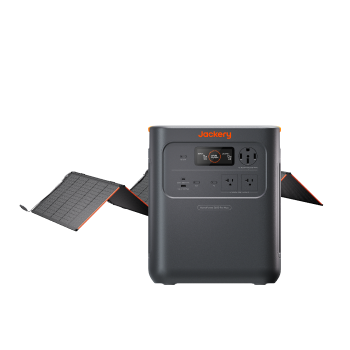
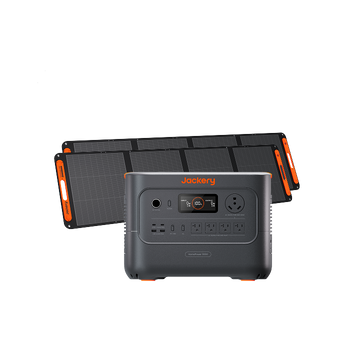
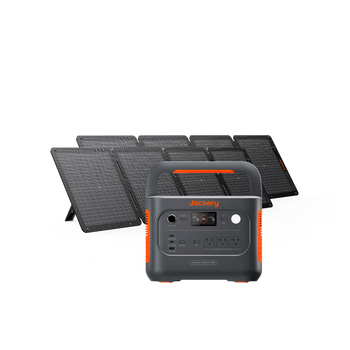
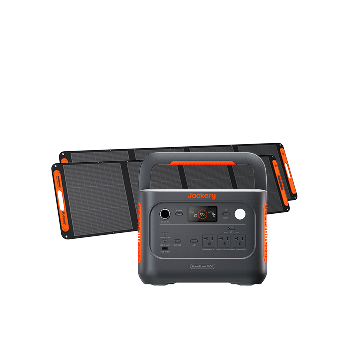
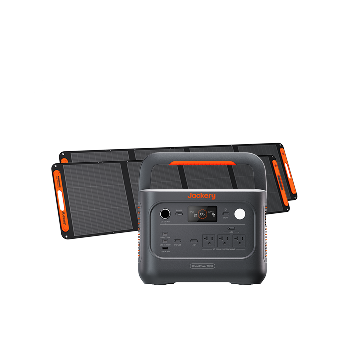
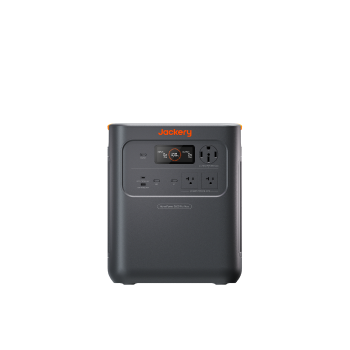
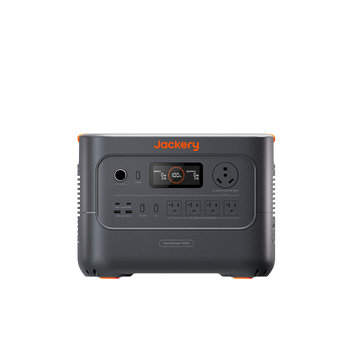
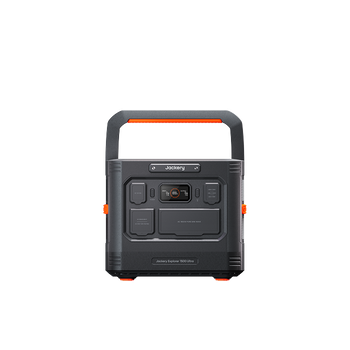
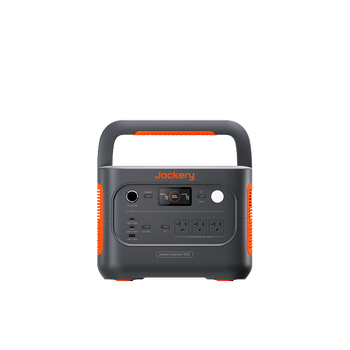
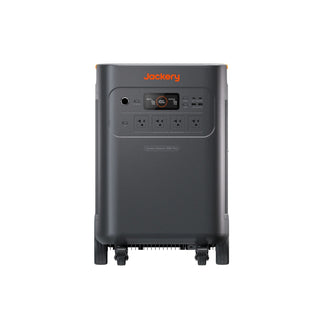
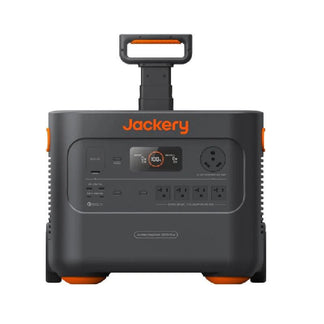
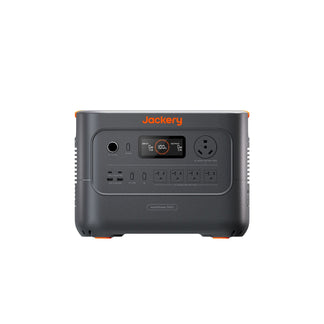
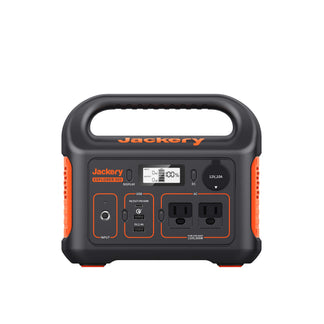
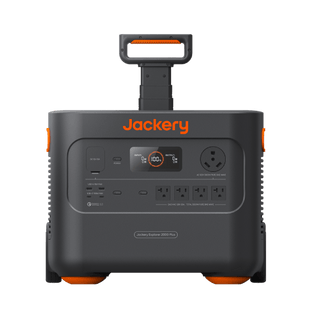
Product Recommendation: Jackery Solar Generator 2000 v2
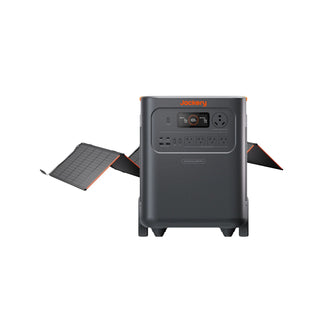
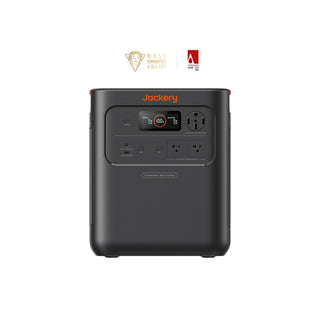
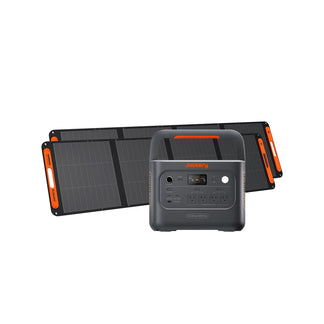
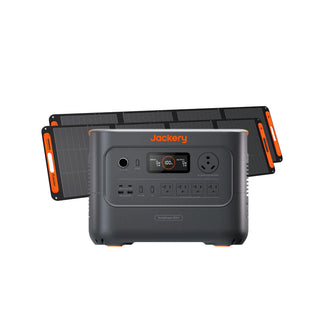
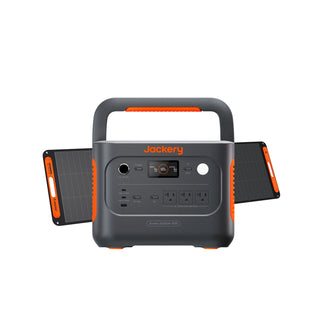
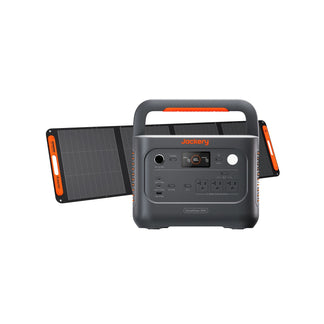
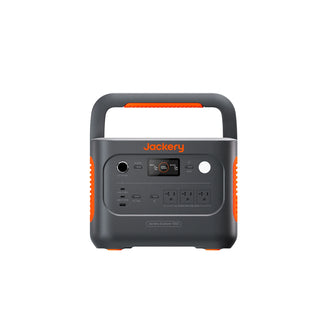
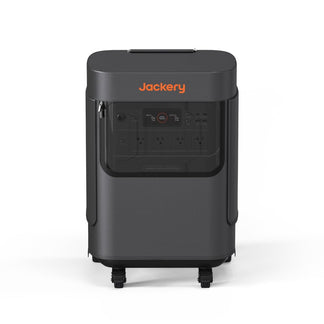
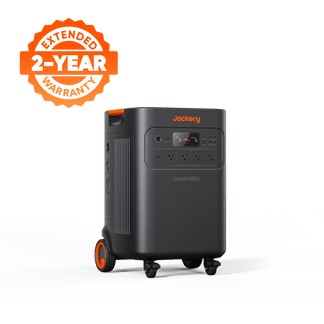
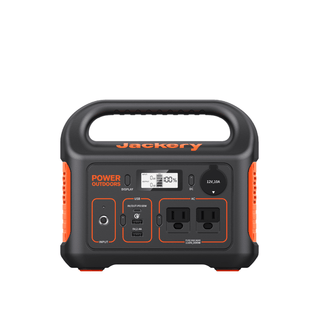
For off-grid cabins, remote worksites, or as a supplemental backup system, the Jackery Solar Generator 2000 v2 delivers plug-and-play power without permanent installation. It won't run a full house year-round — no portable unit will — but it handles essential loads during cloudy periods or overnight.
Feature |
Specification |
Key Benefit |
|---|---|---|
Battery capacity |
2,042 Wh LFP |
Runs fridge, router, lights 12–24 hours |
Inverter output |
2,200W (4,400W surge) |
Handles startup surges from compressors |
Solar input |
400W max |
Recharges in ~7.5 hours of full sun |
Weight |
39.5 lbs |
Portable enough to move indoors during storms |
Emergency charging |
0–100% in 1.7 hours via AC |
Fast top-up from generator during cloudy stretches |
Use Case |
Recommended Bundle |
Why |
|---|---|---|
You need maximum solar input with multiple panels, portability, and a standard setup |
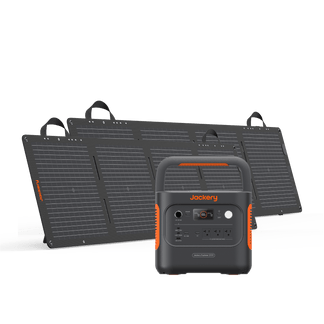
Solar Generator 2000 v2 + four SolarSaga 100W panels |
Full 400W input, recharges in ~7.5 hours, lightweight panels, ideal for moving between cabin and vehicle. (Standard bundle includes two panels; adding two more maximizes charging speed.) |
You face short winter days, want a single high-efficiency panel, and need fast generator top-up |
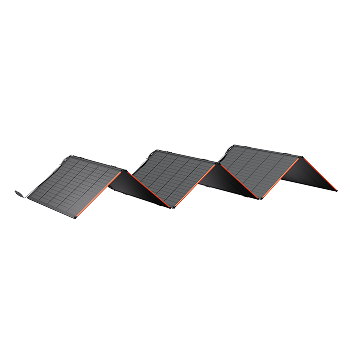
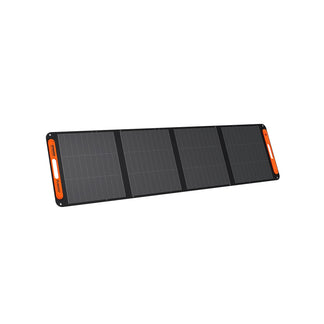
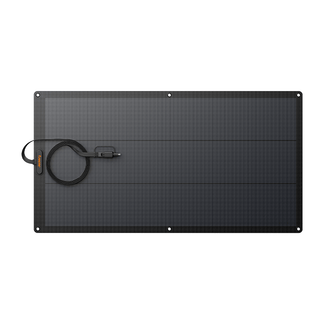
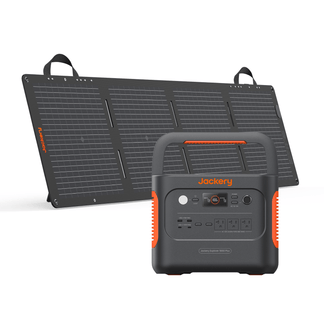
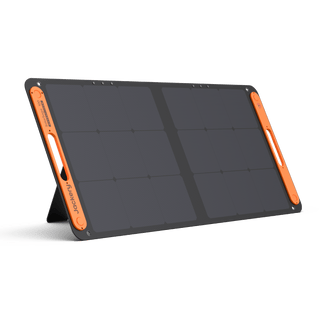
Solar Generator 2000 v2 + SolarSaga 500X panel |
25% bifacial efficiency maximizes winter charge, IP68 durable, 1.7-hour emergency AC charging. Single panel simplifies setup and ground placement. |
Frequently Asked Questions (FAQ)
Can I buy land that is already off-grid?
Yes, but verify the existing systems — well, septic, solar — are legally permitted, properly sized, and in working condition before purchasing. A failed battery bank or undersized array can cost tens of thousands to replace.
Does off-grid living include internet and cell service?
Not inherently. Most off-grid homes require satellite internet or a cellular booster, adding $80–$150/month in connectivity costs and 25–75 watts of continuous power draw that must be factored into system sizing.
Can I size my system smaller if I live in a sunny climate?
Yes. Homes in consistently sunny, mild regions — Arizona, New Mexico, parts of Texas — often function reliably with 20–30 kWh of battery and a 3–5 kW solar array, roughly half the capacity needed in cloudy northern locations.
What happens if my battery bank fails completely?
You lose all power until the battery is repaired or replaced. A backup generator and spare critical components are essential for continued operation — this is why redundancy matters.
How do I reduce my upfront off-grid cost without sacrificing reliability?
Maximize energy efficiency first. Propane appliances, a mini-split heat pump, and super-insulation can cut your required solar and battery size by 40–50%, saving $30,000–$50,000 on system cost.
Sources & References
[1] U.S. Department of Energy, “Solar Performance and Efficiency” — https://www.energy.gov/cmei/systems/solar-photovoltaic-performance-and-efficiency-basics (accessed June 25, 2026).


