
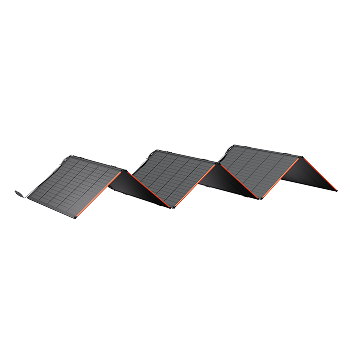
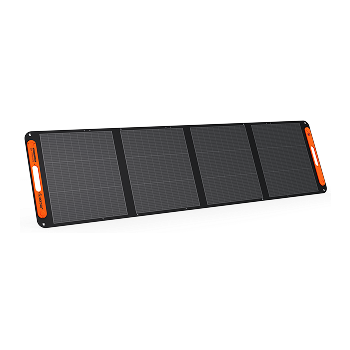








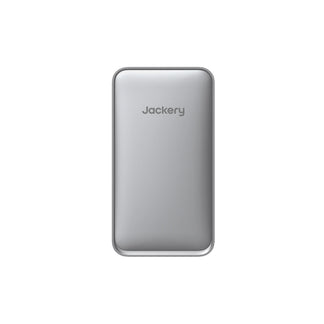
![[Add-on] Jackery SolarSaga 500 X - Jackery](http://www.jackery.com/cdn/shop/files/add-on-jackery-solarsaga-500-x-1493607.webp?v=1786503068&width=324)
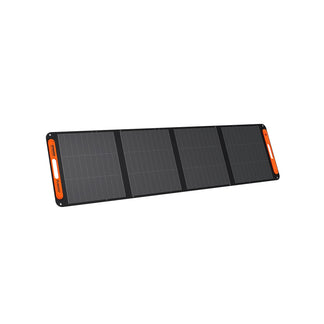
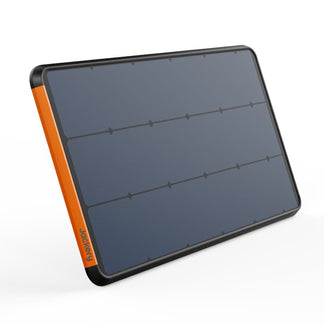
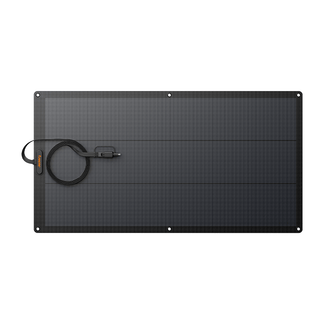
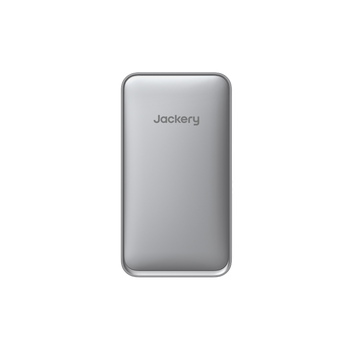
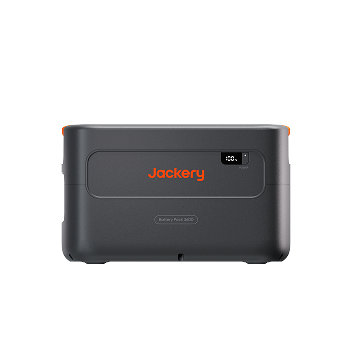
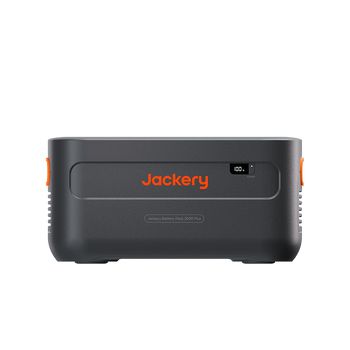
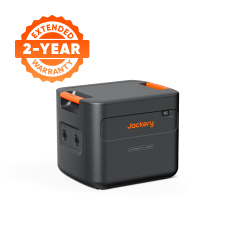
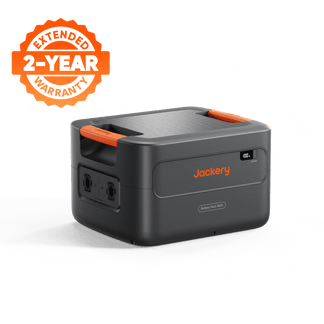
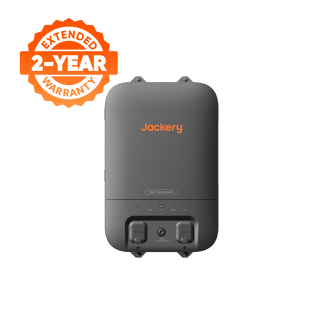
![[Add-on] Jackery Battery Pack 5000 Plus - Jackery](http://www.jackery.com/cdn/shop/files/add-on-jackery-battery-pack-5000-plus-6713401.webp?v=1786503068&width=324)






Passive Energy: Harnessing the Sun Without Hardwiring
Quick Answer:
Passive energy captures sunlight without complex mechanical systems or permanent wiring, using building design or portable plug‑and‑play devices. Traditional passive solar design uses orientation, window placement, and thermal mass to naturally heat and cool spaces. Modern portable solar generators use high‑efficiency LiFePO₄ batteries and plug‑and‑play solar panels, providing silent, zero‑emission essential backup for renters, campers, and emergency preparedness without permanent home infrastructure.
Key Points:
- Passive solar building design can reduce heating loads by up to 50% or more using orientation, window placement, and thermal mass — no wiring required.
- Portable solar generators like Jackery plug‑and‑play systems provide essential home backup without permanent installation, avoiding electrician fees and permits.
- LiFePO₄ batteries in quality portable stations deliver 4,000–6,000 cycles and a 10‑year service life, making them a long‑term energy asset.
- A full rooftop solar system costs $2.50–$3.80 per watt installed, while portable setups start at a fraction of that with zero installation labor.
- Portable solar is ideal for renters, RV owners, and emergency preparedness, but it cannot replace a whole‑home backup system for large HVAC or high‑power appliances.
What Is Passive Energy in Solar Terms?
Passive energy in a solar context means capturing the sun’s warmth or light without active mechanical circulation or permanent electrical hardwiring.
- Traditional passive solar: Relies on building design — south‑facing windows, thermal mass, and natural ventilation — to regulate indoor temperature.
- Active solar: Uses photovoltaic panels that convert sunlight to electricity and typically require hardwiring to inverters, batteries, or the grid, demanding an electrician, permits, and a permanent mount.
Portable solar stations bridge the gap: they use PV panels to generate electricity but operate entirely off‑grid through plug‑and‑play connections. You set up a foldable panel on a balcony or campsite, connect it to a power station with standard MC4 connectors, and the system charges its internal battery. No electrician, no roof penetrations, no permanent installation.
A common misconception is that you can capture heat from a hot roof and turn it into electricity. The temperature of a sun‑heated surface is far too low for efficient power generation without concentrating sunlight. Thermoelectric generators that convert heat directly to electricity operate at only 5–8% efficiency, making them impractical for home energy. True passive solar for electricity means using plug‑and‑play photovoltaic panels with a battery station — the modern, accessible form of passive energy.
How Does Passive Solar Building Design Work?
Passive solar building design reduces heating and cooling loads by working with the sun’s seasonal path. The core principle: capture winter sun, reject summer sun, and store heat in dense materials.
- South‑facing windows (northern hemisphere): Capture low‑angle winter sunlight. Properly sized overhangs block the higher summer sun, preventing overheating. A well‑designed passive home can slash heating demand by 50% or more.
- Trombe walls and masonry floors: Act as thermal batteries. A dark‑colored, south‑facing masonry wall behind glass absorbs solar radiation during the day and releases it slowly into the living space at night. The same principle applies to concrete floors or water‑filled containers placed in direct sun.
- Thermal mass: Materials like concrete, brick, stone, or water tanks absorb heat without a large temperature rise, then radiate it back as the room cools. Without sufficient thermal mass, a sun‑drenched room will overheat by midday and chill quickly after sunset.
- Seasonal adjustments: Adjustable awnings, deciduous trees that leaf in summer and shed in winter, or movable shutters fine‑tune solar gain. In winter, maximize exposure; in summer, shade the glass.
- Night‑flush ventilation: Opening windows on opposite sides after sunset forces hot air out and draws cool air across the masonry, pulling stored heat out of the mass so it’s ready to absorb again the next day. This natural cooling cycle eliminates the need for air conditioning in many climates.
Harnessing Solar Electricity Without Hardwiring
You don’t need a rooftop array and a utility interconnection agreement to generate usable solar electricity. Portable solar panels with MC4 connectors and a plug‑and‑play power station create a complete, self‑contained mini‑grid that you can set up in minutes.
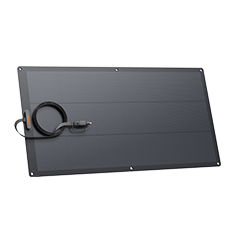
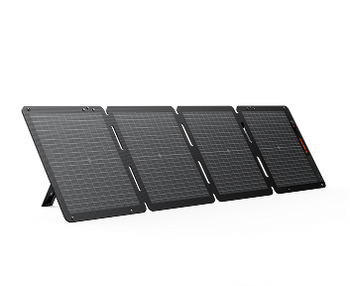
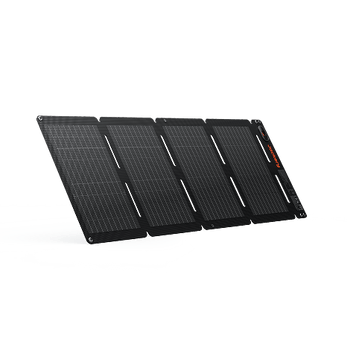
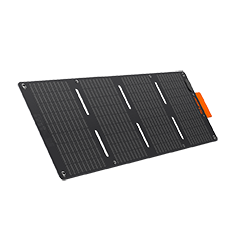
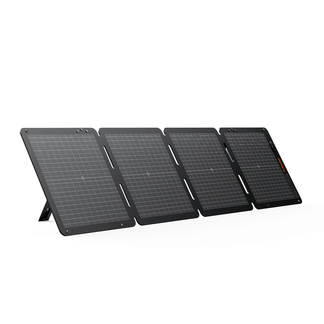
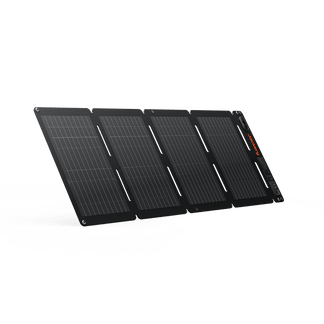
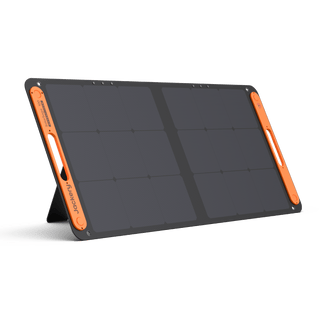
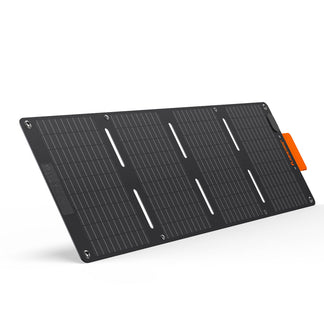
- Portable panels (200 W to 500 W, with common sizes like 250 W): Unfold on the ground, a balcony, or an RV roof. They require no roof penetrations, no mounting rails, and no building permits. Simply angle them toward the sun and plug the MC4 cables into the power station’s solar input.
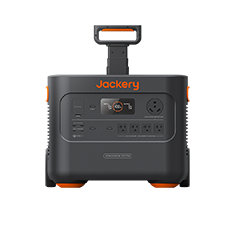
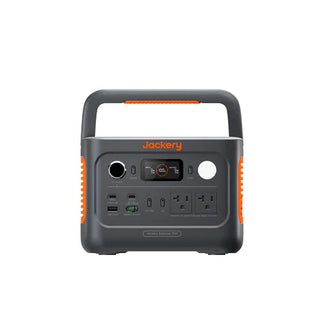
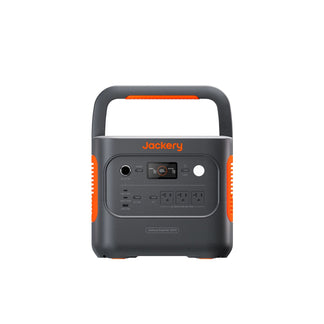
- Plug‑and‑play power stations: Accept DC solar input through standard ports and output AC and DC power through household‑style outlets. The station’s built‑in charge controller and inverter handle everything automatically. You can run a refrigerator, lights, a Wi‑Fi router, or a portable AC directly from the station without touching your home’s wiring. For a detailed look at what a portable station can realistically power, see our breakdown of what the Jackery 1500 can run.
- Disconnecting safely: Turn off the charge controller first, then unplug the panels. Cover the exposed connectors to prevent corrosion. Unconnected panels in sunlight produce voltage but no current — the energy dissipates as heat, making modern silicon modules safe to handle.
This approach eliminates electrician fees, structural modifications, and permanent alterations. Renters can take their system when they move. Campers can charge in the field. Homeowners can add emergency backup without a multi‑year payback calculation.
Benefits and Limitations of Passive Solar Approaches
Passive solar — whether building‑integrated or portable — trades total capacity for simplicity, cost, and flexibility. The table below compares a typical rooftop system with a portable solar generator bundle.
Aspect |
Rooftop Solar System |
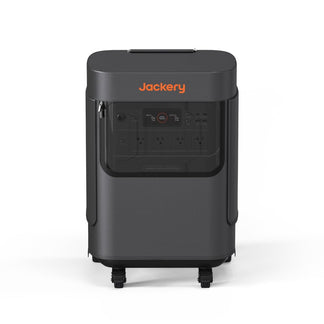
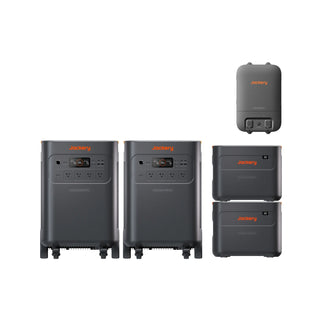
Portable Solar Generator (e.g., Jackery 5000 Plus + 2× SolarSaga 500X) |
|---|---|---|
Installed cost |
$2.50–$3.80 per watt; 6 kW system = $15,000–$22,800 before incentives |
Fraction of rooftop cost, zero installation labor |
Storage capacity |
Typically 10 kWh battery (optional) |
5,040 Wh LiFePO₄ |
Solar input |
20 panels (e.g., 400 W each) = 8,000 W |
1,000 W max (dual 500 W panels) |
Output |
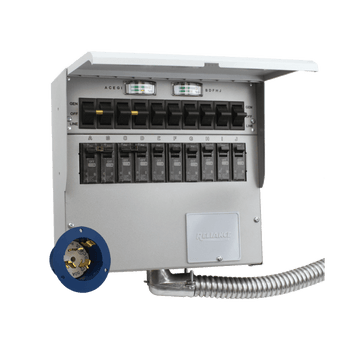
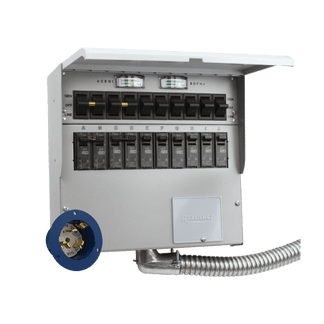
Whole‑home backup via transfer switch |
7,200 W (14,400 W surge) — essential loads only |
Flexibility |
Fixed, permanent installation |
Portable, repositionable, moveable to new property |
Best for |
Homeowners seeking full energy independence |
Renters, RV owners, campers, emergency backup |
- Cost savings: The portable bundle provides 5,040 Wh of storage and 1,000 W of solar input for a fraction of a rooftop system’s price, with no electrician or permits.
- Flexibility: Portable panels can be repositioned to follow the sun, moved to a different property, or packed into a vehicle. A fixed rooftop array is locked in place. Portable systems scale from phone charging to refrigerator backup — you add panels or a larger station as your needs grow.
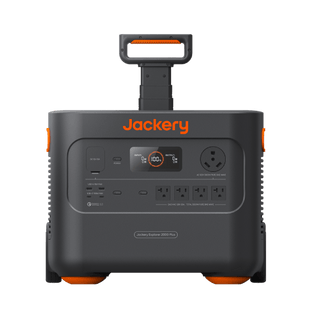
- Lower total capacity: A portable station tops out at a few kilowatt‑hours of storage and a few hundred to a thousand watts of solar input. A rooftop system with 20 panels and a 10 kWh battery can power an entire house. Portable solar cannot run central air conditioning, electric water heaters, or well pumps. For larger home backup scenarios, a unit like the Jackery 1500 v2 can handle multiple essentials, but it still won’t replace a whole‑home system.
- Weather dependence: All solar generation stops at night and drops under heavy clouds. Battery storage is essential. A 5 kWh station can run a 100 W fridge for roughly 40–50 hours, but add a few lights and a router and that runtime shrinks.
- Best‑suited users: Renters who can’t modify their building, RV owners who want silent campground power, and homeowners seeking a low‑commitment entry point into solar all benefit. Emergency preparedness — keeping a fridge and communication gear running during a blackout — is the killer app.
Limitations / What to Know Before
The following limitations should be kept in mind:
- Portable solar generators are not a substitute for a professionally installed whole‑home backup system. They are designed for essential loads only.
- Passive solar building design delivers its biggest savings when incorporated during new construction. Retrofitting an existing home with large south‑facing glazing, Trombe walls, or additional thermal mass is structurally invasive and often cost‑prohibitive. You can improve an older home with window films, insulated curtains, and strategic shading, but you won’t achieve the 50% heating reduction that a purpose‑built passive house can.
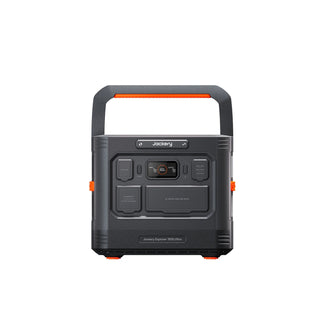
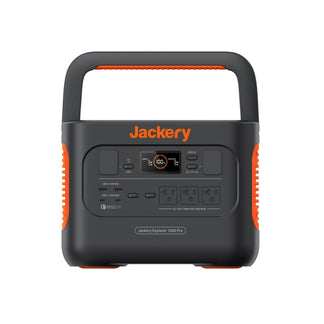
- Solar generation without hardwiring depends entirely on battery storage. If your battery is depleted and the sun isn’t shining, you have no power. Unlike a grid‑tied rooftop system that can draw from the utility, a portable station is an island. Battery capacity — not panel wattage — is the real constraint for overnight use. Choosing between a smaller, lighter station and a larger one is a classic trade‑off; our comparison of the Explorer 1000 and 1500 Pro illustrates how capacity affects what you can run.
- High‑power appliances — electric ovens, central air conditioners, well pumps — exceed the output of any portable station. A 7,200 W surge rating might start a small sump pump, but it won’t handle a 4‑ton AC compressor. For those loads, you need a professionally installed fixed system with a transfer switch.
- Plug‑and‑play solar panels that connect directly to a home’s wiring through a wall outlet are not permitted in many US jurisdictions. Always verify local codes. A fully off‑grid portable station that never connects to building wiring avoids this issue entirely.
Decision Table: Use Case vs. Jackery Setup
Use Case |
Recommended Jackery Setup |
Key Benefit |
|---|---|---|
Essential home backup (fridge, lights, Wi‑Fi, sump pump) |
Jackery Solar Generator 5000 Plus + 2x SolarSaga 500X |
5,040 Wh storage, 7,200 W output, rapid solar recharge |
Weekend camping / RV power |
Jackery Solar Generator HomePower 3600 Plus + SolarSaga 500X |
3,584 Wh, compact wheeled design, runs portable AC |
Lightweight solar charging for day trips |
SolarSaga 500X panel paired with any Jackery station |
500 W bifacial panel, IP68 waterproof, foldable |
Renter’s balcony solar |
Jackery Solar Generator HomePower 3600 Plus + SolarSaga 500X |
No roof penetrations, plug‑and‑play, moveable |
Extended blackout resilience |
Jackery Solar Generator 5000 Plus + 2x SolarSaga 500X |
1,000 W solar input recharges in 6.5 h of sun |
Product Recommendation: Jackery Portable Solar Solutions
Each setup below uses LiFePO₄ batteries rated for 4,000–6,000 cycles and MC4 plug‑and‑play solar connections. No electrician, no permits, no permanent installation.
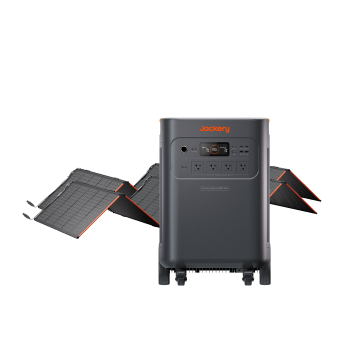
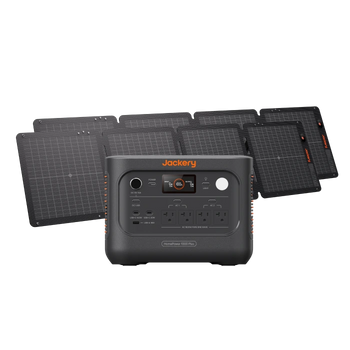
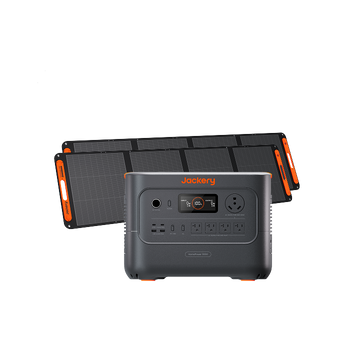
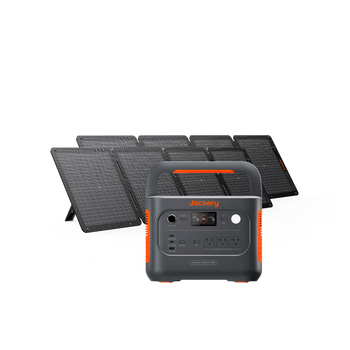
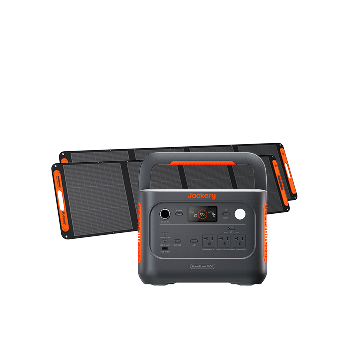
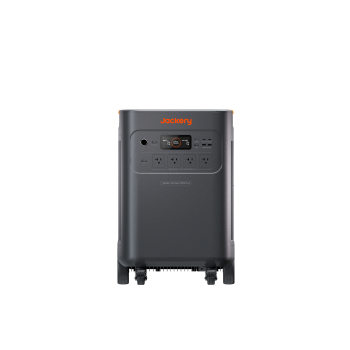
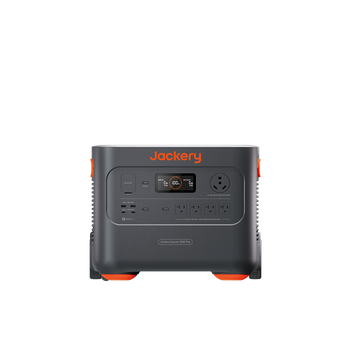
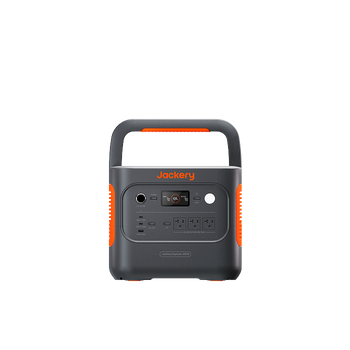
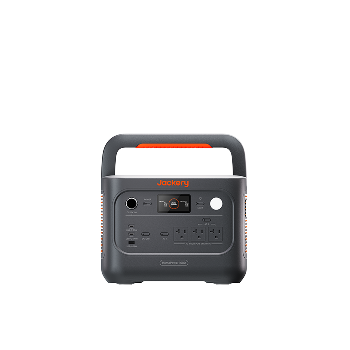
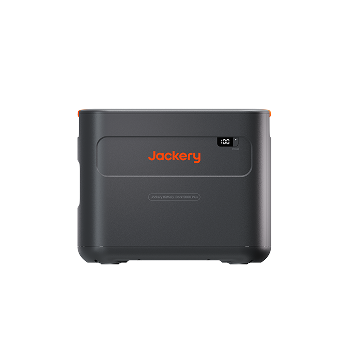
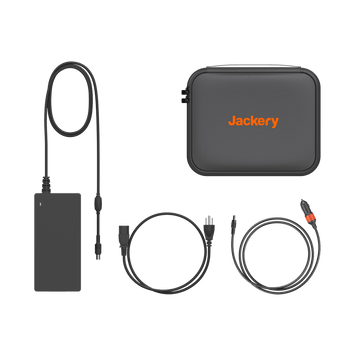
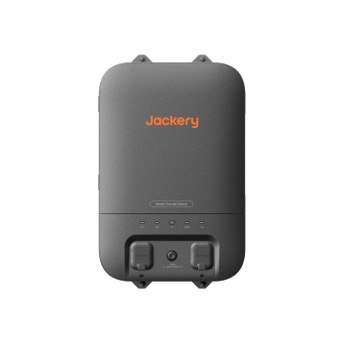
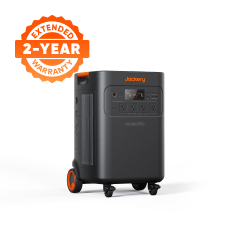
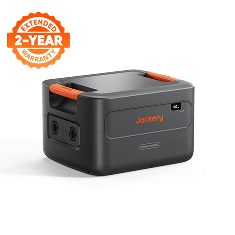
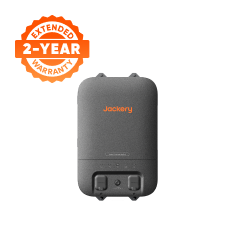
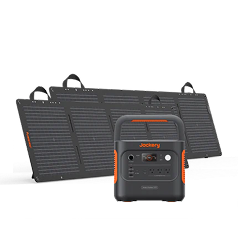
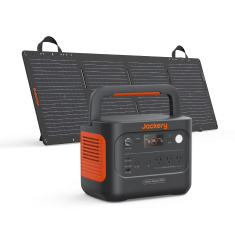
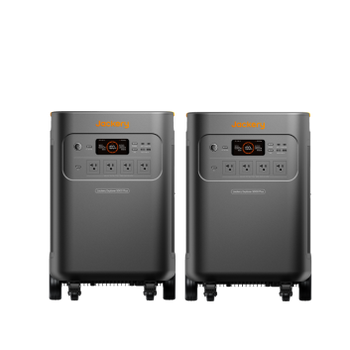
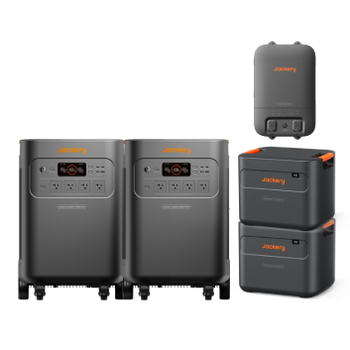
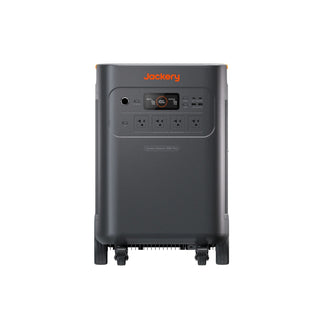
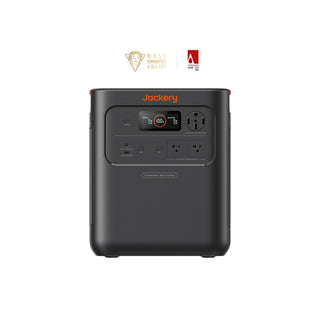
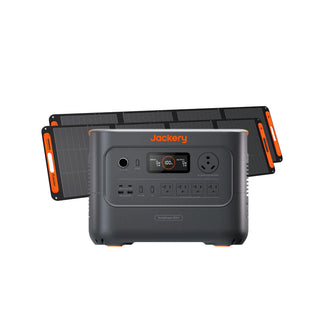
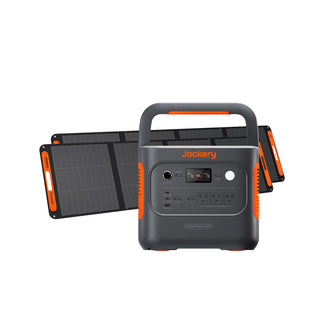
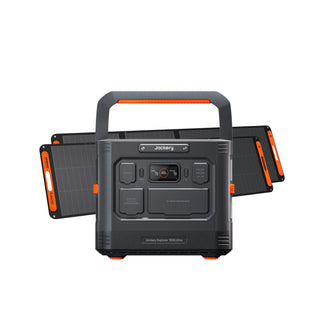
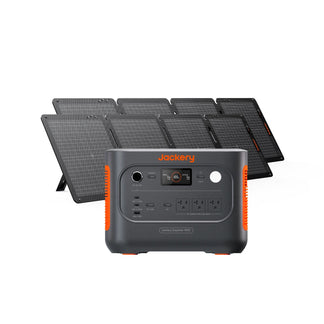
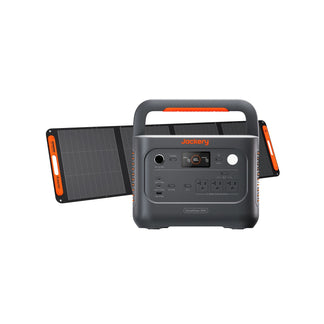
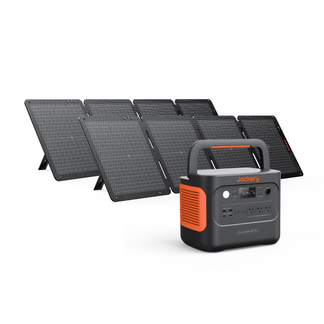
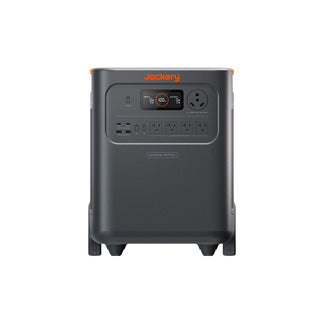
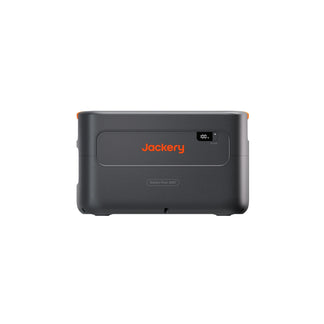
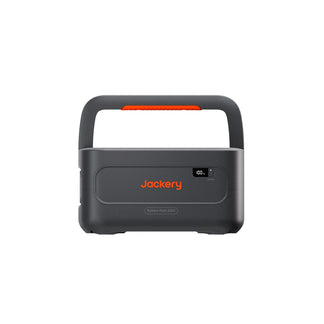
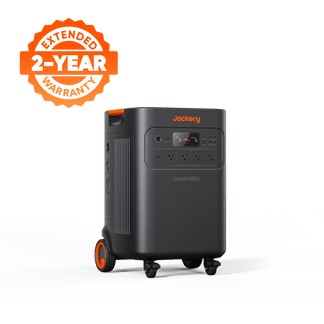
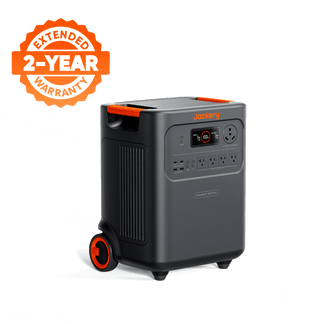
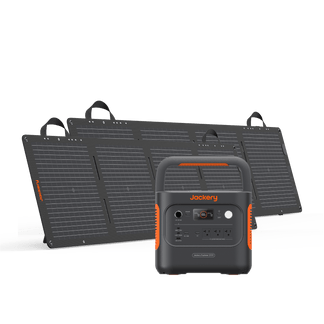
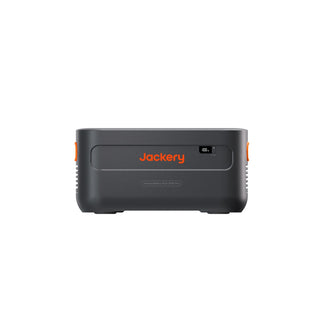
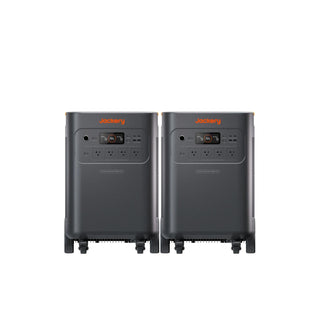
Jackery Solar Generator 5000 Plus + 2x SolarSaga 500X
- Battery capacity: 5,040 Wh LiFePO₄ — powers a 520 W fridge for up to 10 hours
- AC output: 7,200 W (14,400 W surge) — runs high‑draw essentials like sump pumps or portable AC
- Solar input: 1,000 W max (dual 500 W panels) — full recharge in 6.5 hours of sunlight
- Panel type: 2× SolarSaga 500X bifacial — harvests direct and reflected light, up to 547 W each
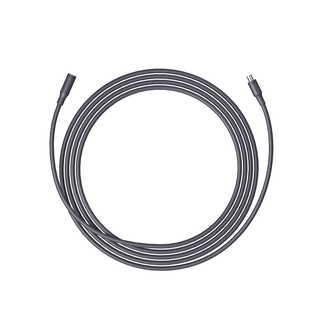
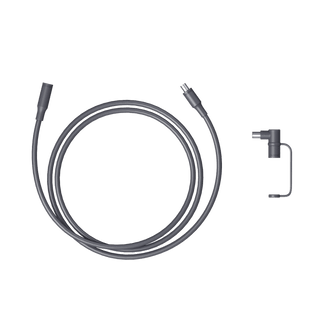
- Installation: MC4 plug‑and‑play — zero wiring, ground or balcony setup
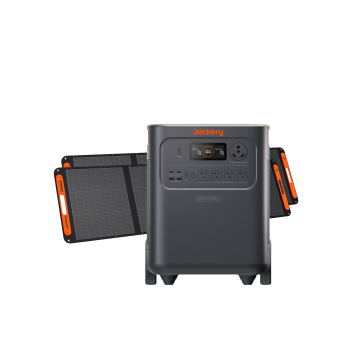
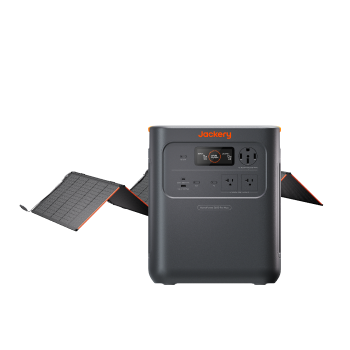
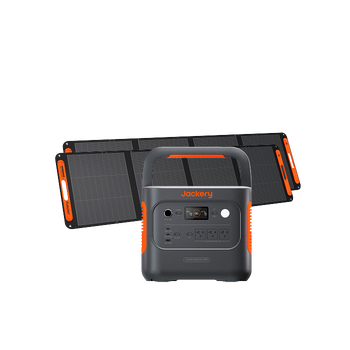
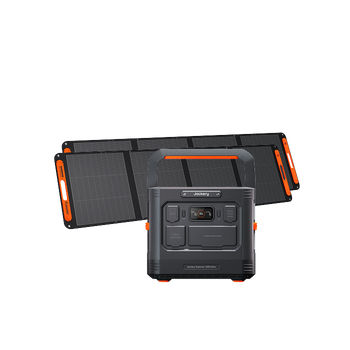
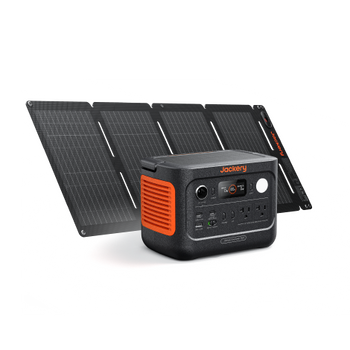
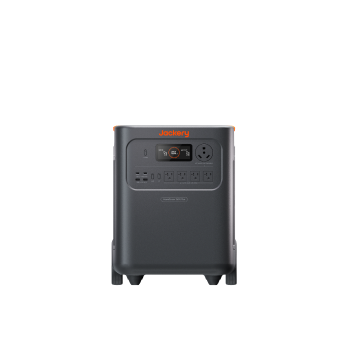
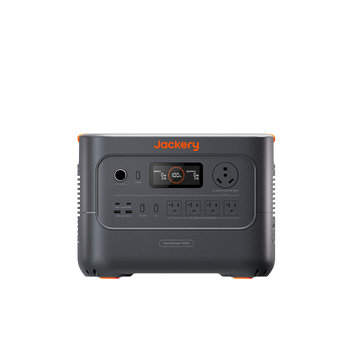
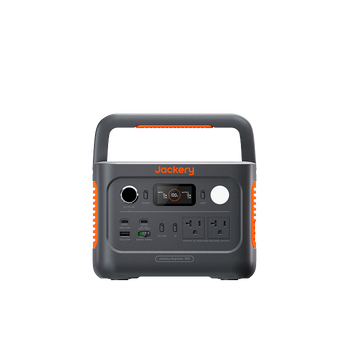
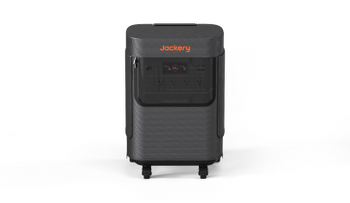
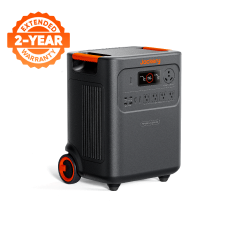
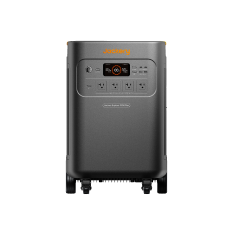
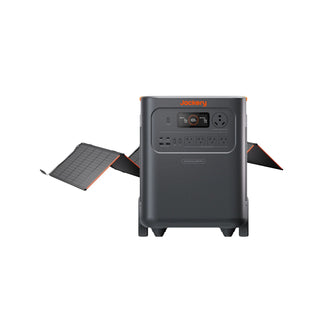
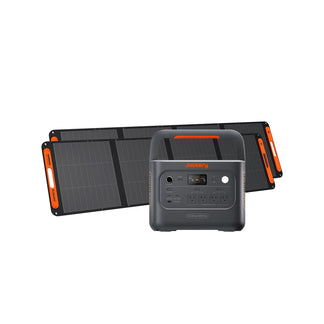
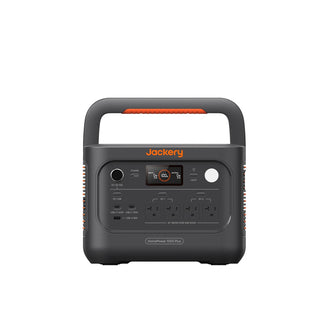
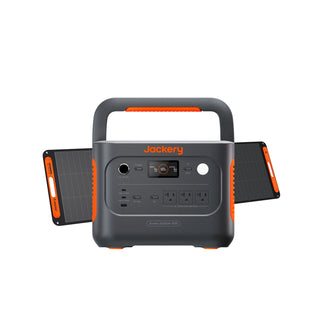
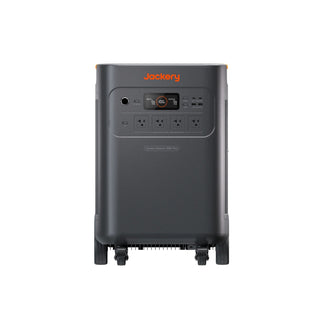
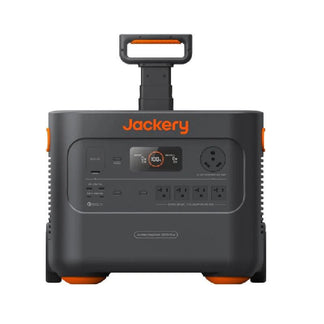
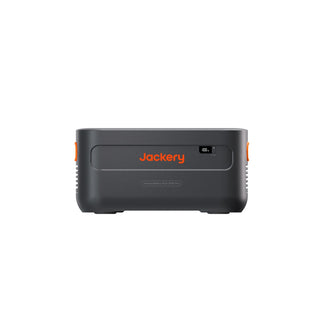
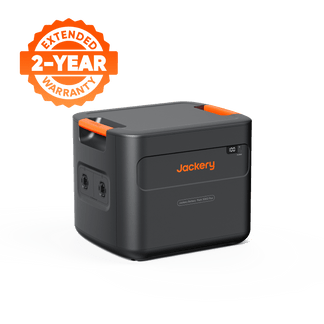
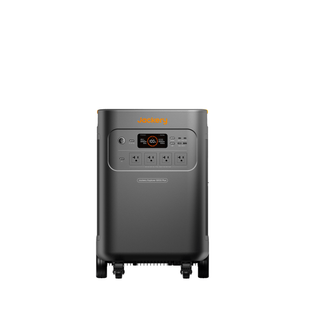
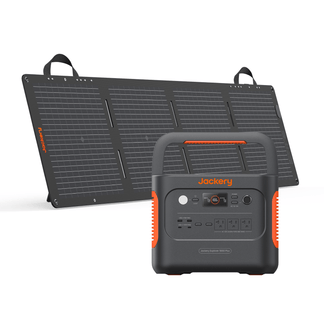
Jackery Solar Generator HomePower 3600 Plus + SolarSaga 500X
- Battery capacity: 3,584 Wh LiFePO₄ — 38 hours of refrigerator backup (80 W fridge)
- AC output: 3,600 W (7,200 W surge) — runs tools, coffee maker, or portable AC
- Portability: Wheeled design with telescoping handle — rolls to the sunniest spot
- Solar input: 500 W single panel — simple, one‑panel charging
- Use case: Renters, RVers, weekend camping — full off‑grid power without permanent fixtures
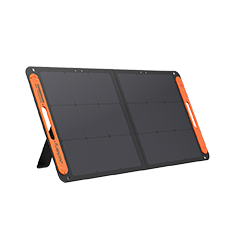
SolarSaga 500X
- Rated power: 500 W (up to 547 W with bifacial gain) — high output from a single foldable panel
- Cell technology: TOPCon, 25% efficiency — more power per square foot than standard panels
- Durability: IP68 waterproof, foldable — sets up on ground, balcony, or RV, no roof mounting
- Connection: MC4 plug‑and‑play — directly connects to any Jackery power station
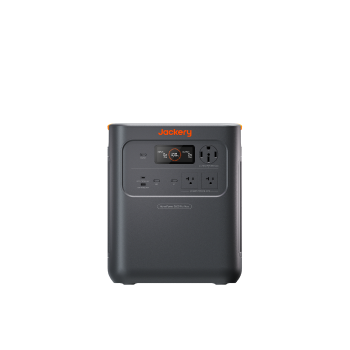
For a deeper dive into using a larger station for whole‑day home backup and outdoor work, read our guide on the Jackery 2000 Plus for home power.
Frequently Asked Questions
Can portable solar panels work through windows?
Panels can work through windows, but efficiency drops 30–50% because glass reflects and filters the infrared light that silicon cells need.
How long do LiFePO₄ batteries last in portable stations?
LiFePO₄ batteries typically last 4,000–6,000 full cycles, translating to a 10‑year service life depending on depth of discharge and operating temperature.
What maintenance do portable solar panels require?
Clean dust and debris from the panel surface with a soft cloth and water. Inspect MC4 connectors periodically for corrosion or dirt, and store panels indoors during severe storms.
Can I leave portable solar panels outside in rain?
Most quality portable panels are weather‑resistant (IP65 or IP68), but check the rating. Avoid submersion, and bring panels inside during hail or high‑wind events.
Does passive solar design work in all climates?
Passive solar design works best in climates with clear winter skies and moderate cloud cover. Very overcast regions see reduced benefit, but even there, careful orientation and thermal mass can cut heating loads noticeably.
Sources & References
[1] “Passive Solar Home Design,” U.S. Department of Energy, energy.gov, accessed June 2026.
Disclaimer:
The runtime mentioned for appliances powered by Jackery is for reference only. Actual runtime may vary under different conditions. Please refer to real-world performance for accurate results.

