






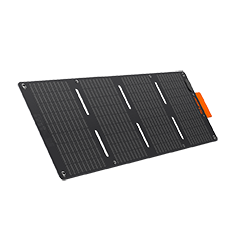




![[Add-on] Jackery SolarSaga 500 X - Jackery](http://www.jackery.com/cdn/shop/files/add-on-jackery-solarsaga-500-x-1493607.webp?v=1786503068&width=324)
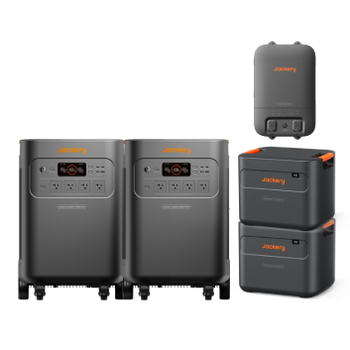
![[Add-on] Jackery Battery Pack 5000 Plus - Jackery](http://www.jackery.com/cdn/shop/files/add-on-jackery-battery-pack-5000-plus-6713401.webp?v=1786503068&width=324)
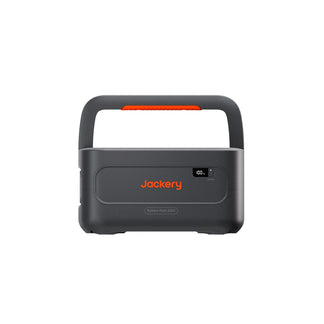
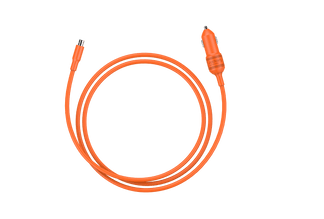
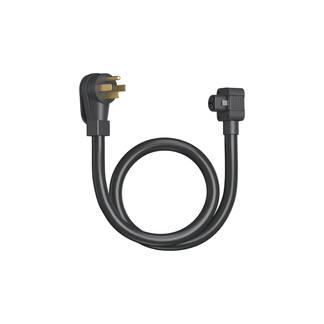
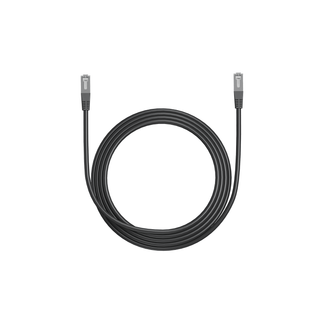
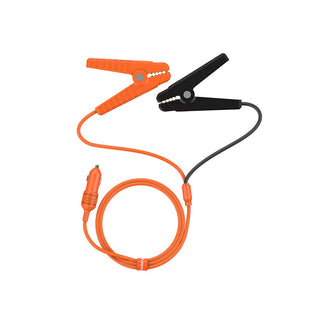

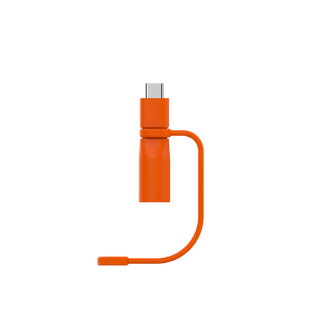


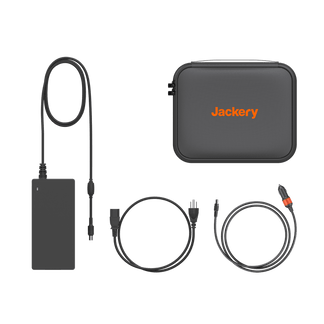
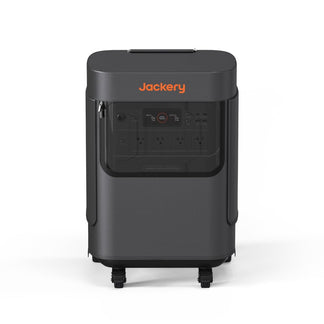
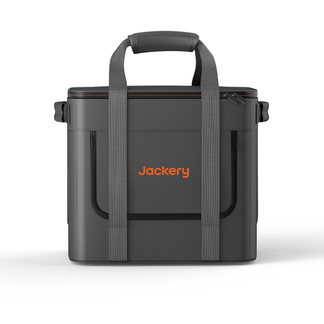



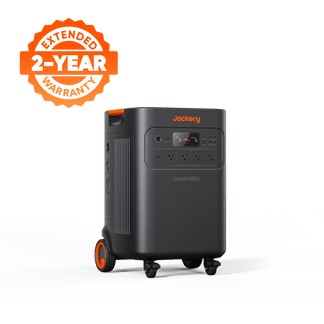
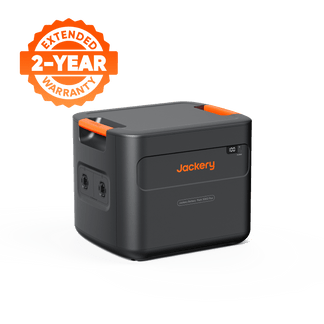
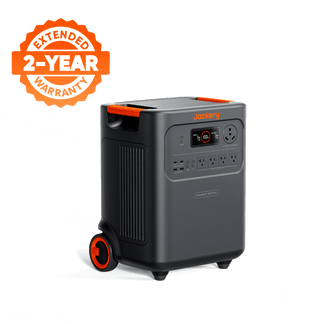
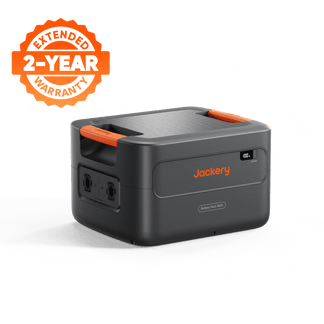

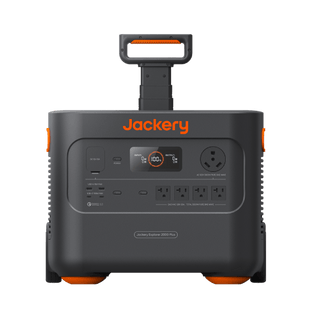
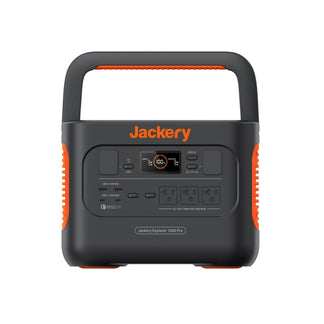
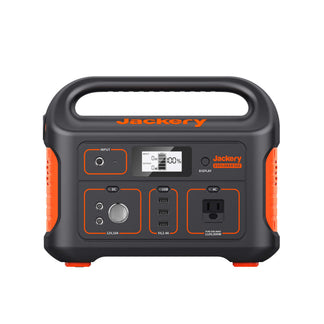
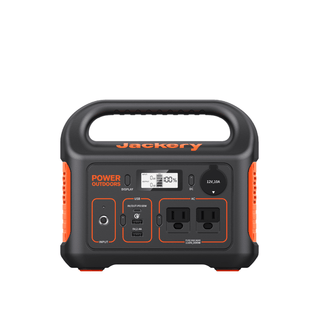
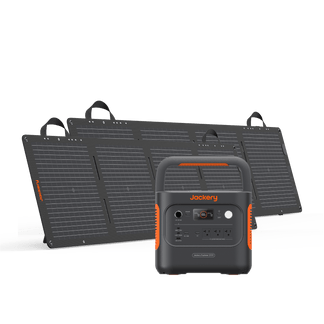
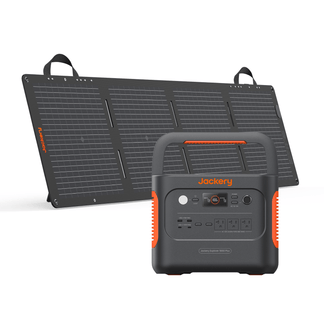
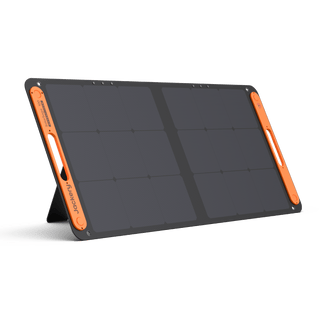
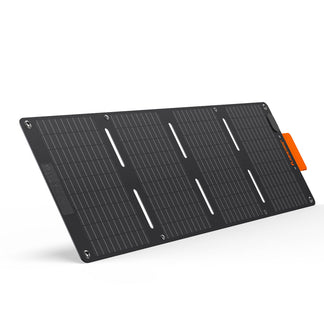
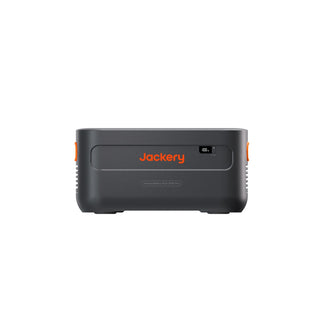


Start by defining the overnight bridge for overnight backup power: the period from sunset until charging can realistically resume, which may be later than sunrise. Keep only the loads that matter during that window, estimate their watt-hours, and compare that demand with usable battery energy plus a clearly stated planning margin. If the reserve does not cover the bridge, reduce nighttime demand, add only compatible capacity, or accept a shorter coverage period rather than assuming a larger battery is automatically the answer.
Make an Essential Overnight Load Plan
An overnight backup power plan should cover essential loads, not promise whole-home operation. Before calculating capacity, sort each device by whether it must operate continuously, can be limited, or can wait until morning.
Use the full window from sunset until charging can realistically resume. Consider communications equipment, required equipment, refrigeration, and basic lighting where they are genuinely needed, but do not treat any category as an automatic requirement for every household. A renter preparing for a short outage may need a narrower list than a homeowner planning to keep several essential circuits available.

- Keep on: Devices that must remain available throughout the bridge. Record each device's rated wattage or measured average, expected operating hours, and startup or surge requirement. If a device cycles rather than runs continuously, include that assumption.
- Limit or schedule: Loads that can operate during selected periods, such as charging personal devices, using lights only when needed, or running a discretionary device during a defined window. Record the shorter schedule instead of counting a full night.
- Leave off: High-draw or nonessential loads that are not needed overnight. Do not assume portable equipment can support heating, cooking, hardwired loads, or other demanding appliances without verified output, connections, and installation requirements.
This list provides the starting inputs for a household-specific nighttime battery reserve estimate. If a device's actual wattage or startup demand is unknown, mark that input as unresolved instead of assuming the battery can support it.
Turn the Load List Into an Overnight Energy Estimate
The required energy is the sum of each retained load across the full sunset-to-recharge bridge. Estimate each row separately, show the assumptions, and label the result as demand rather than delivered battery energy.
Calculate Each Retained Load
For a known load, use this transparent planning equation:
Estimated watt-hours = watts × operating hours ÷ 1,000
For example, suppose an illustrative load list contains a 20-watt device used for 8 hours and a 60-watt device used for 3 hours. The arithmetic is:
- 20 W × 8 hours ÷ 1,000 = 0.16 kWh, or 160 Wh
- 60 W × 3 hours ÷ 1,000 = 0.18 kWh, or 180 Wh
- Estimated total = 160 Wh + 180 Wh = 340 Wh
These inputs are illustrative only, not appliance benchmarks. Replace them with a rating from the device documentation or a measurement from your household. For a cycling device, use its measured or documented average consumption and state the duty-cycle assumption. A rated maximum and an average operating value are not interchangeable.
| Load | Watts or measured average | Hours | Estimated Wh | Assumption |
|---|---|---|---|---|
| Retained load 1 | ___ W | ___ | W × hours = ___ Wh | Continuous or cycling? |
| Retained load 2 | ___ W | ___ | W × hours = ___ Wh | Measured, rated, or documented value |
| Retained load 3 | ___ W | ___ | W × hours = ___ Wh | Schedule or duty-cycle assumption |
| Overnight demand | Add rows: ___ Wh | Sunset to realistic recharge |
Keep watts, watt-hours, and amp-hours distinct. Converting watt-hours to amp-hours also requires a voltage assumption, so do not substitute an amp-hour figure without documenting the system voltage and calculation basis.
Add a Planning Margin
Add a household- and system-specific planning margin to the estimated demand, but do not use a universal percentage. The allowance should reflect assumptions that could change delivered energy or nighttime use, including conversion losses, battery condition and capacity fade, temperature, cycling uncertainty, and an imperfect load estimate.
The margin is not a promise that the battery will deliver a fixed amount. It is a written planning assumption. For example, record: "The estimate uses measured average consumption for the cycling load, documented ratings for the other loads, and an additional household-specific allowance for losses and changing use." The Department of Energy's grid energy storage overview discusses storage-performance factors such as efficiency and capacity fade, supporting a check of delivered-energy assumptions rather than treating nominal capacity as invariant.

Choose the Coverage Tradeoff Before the Battery Runs Out
For overnight backup power, compare estimated demand plus your stated margin with usable energy for the complete sunset-to-recharge window. The Department of Energy describes storage in terms of both available energy and the duration it must cover in its storage overview. Output capability is a separate planning check: energy capacity alone cannot establish that a device will start or continue operating.
- Define the bridge. Write down the sunset time and the realistic time charging may resume. Account for a possible delay caused by the season, weather, system configuration, or documented charging setup. Do not treat sunrise as a guaranteed recharge start.
- Total the demand. Add the watt-hours for every retained load across that bridge. Include the schedule and duty-cycle assumptions beside the calculation.
- Apply the stated margin. Keep the allowance qualitative and specific to your inputs. If the estimate is close to the documented usable reserve, treat it as a triage point rather than proof of sufficiency.
- Check output separately. Confirm that the system's continuous output can support the loads running together and that its surge capability covers verified startup requirements. Use current equipment documentation for these limits.
- Choose the response. If the comparison fails, reduce nighttime demand, investigate only compatible added capacity, or accept a shorter coverage window. Do not treat a larger system as a fit until its usable capacity, output limits, charging limits, compatibility, and installation requirements are supported by current documentation.
The binding constraint determines the next move. If discretionary use is consuming the reserve, schedule or remove those loads. If an essential load is the problem and current documentation confirms an expansion path, investigate compatible added capacity. If full-night coverage is not necessary or cannot be supported, choose the shorter interval explicitly and identify what will be disconnected when that interval ends.
Longer nights, colder conditions, cloudy mornings, changed household schedules, and uncertain cycling can alter the result. Recalculate when one of those assumptions changes. Any added storage also requires current documentation for usable capacity, continuous and surge output, solar-input limits, compatibility, and installation requirements.
Prevent After-Sunset Planning Mistakes
The after-sunset handoff is when the written plan becomes actual battery use. Confirm the connected loads before sleep, remove excluded high-draw devices, and revisit the expected recharge window if conditions have changed.
Check the After-Sunset Handoff
Use one short pre-sleep check:
- Confirm that only the named Keep on loads are connected.
- Disconnect Leave off loads and any discretionary device that is not part of the scheduled plan.
- Confirm that Limit or schedule loads operate only during their recorded windows.
- Reassess whether the season, weather, or system conditions make the expected recharge window less realistic.
- Record any changed device, schedule, or weather assumption for the next outage calculation.
Do not add indoor generator operation, backfeeding, or hardwired-load assumptions to a portable backup plan. Follow the current equipment documentation for permitted connections and operating conditions.
Set the Next Action
Prepare or charge devices before the outage when possible, and reserve daylight use for loads that do not need overnight coverage. If the actual connected loads or recharge conditions differ from the written plan, treat the original estimate as invalid and narrow coverage before the reserve is depleted. Keep only the named essential loads connected, then compare the result with current specifications before adding capacity.
Frequently Asked Questions
The right overnight plan depends on the loads, the bridge length, and the system's documented limits. These answers address the most common planning decisions.
How Much Battery Capacity Do I Need for an Overnight Outage?
Use your household's estimated overnight watt-hour demand for the full sunset-to-recharge bridge, add a stated system- and situation-specific planning margin, and compare that result with usable battery energy. Then check continuous output, surge capability, and the expected recharge window. There is no universal capacity number that fits every load list or outage period.
What Should I Run on Backup Power After Sunset?
Start with loads that are genuinely essential for your household, such as communications, required equipment, refrigeration, or basic lighting. Keep discretionary and high-draw loads off or schedule them outside the overnight bridge unless current documentation confirms the system can support them. Record each retained load's watts, hours, and startup requirement before deciding what stays connected.
How Can I Tell Whether My Backup Battery Will Last Until Morning?
Compare the actual connected loads with the battery's documented usable energy for the complete expected coverage window. Also check continuous output, surge capability, and whether charging can realistically resume under the season, weather, and system conditions you expect. If any part fails, reduce demand, use only verified compatible added capacity, or shorten the coverage period.


