

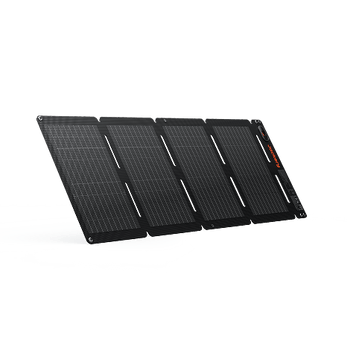





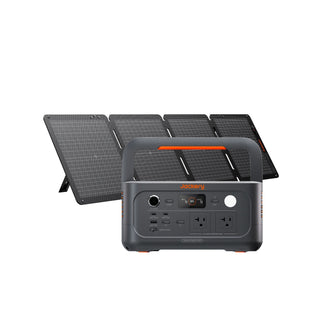
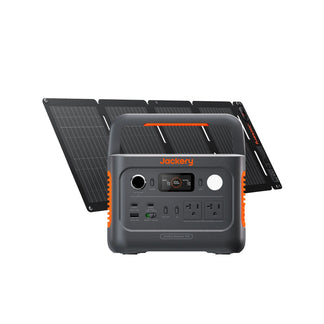

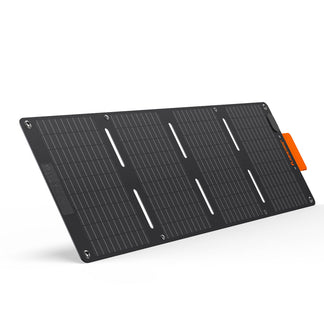
![[Add-on] Jackery SolarSaga 500 X - Jackery](http://www.jackery.com/cdn/shop/files/add-on-jackery-solarsaga-500-x-1493607.webp?v=1786503068&width=324)
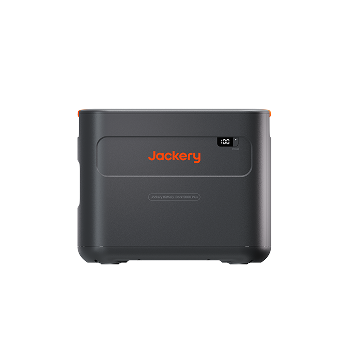
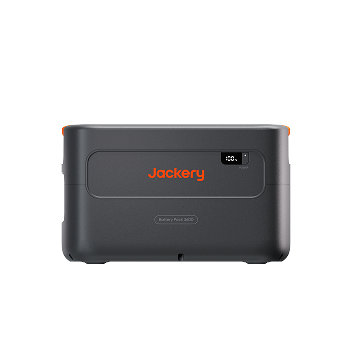
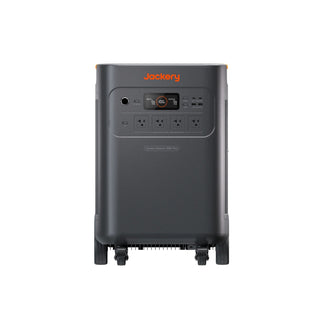
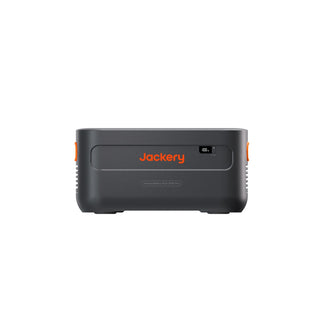
![[Add-on] Jackery Battery Pack 5000 Plus - Jackery](http://www.jackery.com/cdn/shop/files/add-on-jackery-battery-pack-5000-plus-6713401.webp?v=1786503068&width=324)



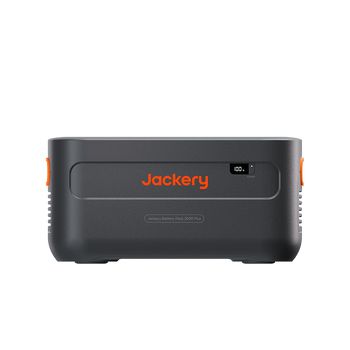
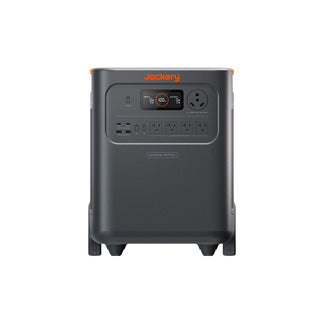
![[Add - on] SolarSaga 200W - Jackery](http://www.jackery.com/cdn/shop/files/add-on-solarsaga-200w-4834329.png?v=1754016915&width=324)


Residential solar can lower your electricity bills, give you real energy independence, and shrink your carbon footprint. But installing permanent rooftop panels isn’t always simple. It can mean high upfront costs, installation risks, and long-term contracts that are tricky to navigate.
This guide cuts through the confusion, revealing the hidden challenges of traditional rooftop solar and introducing a more flexible, powerful alternative for today’s energy needs.
The Allure of Rooftop Solar: A Quick Look at the Benefits
Permanent rooftop solar has undeniable appeal, thanks to strong financial and environmental benefits. Understanding these advantages is the first step in deciding if this option is right for you.
What Are the Financial Benefits?
The most significant draw for many is the potential for lower monthly utility bills. By generating your own electricity, you can reduce your reliance on the grid and gain a measure of protection against unpredictable and often rising electricity rates.
What Are the Environmental and Resilience Benefits?
Solar panels help shrink your household’s carbon footprint by producing clean, renewable energy. They support broader environmental goals while giving homeowners a tangible step toward sustainability. When paired with high-cost, permanently installed batteries, rooftop systems can also provide backup power during outages, adding a layer of energy resilience.
The Hard Truths: Why Homeowners Hesitate on Solar in Roof
Despite the benefits, many homeowners pause when faced with the realities of a permanent rooftop solar installation. The initial excitement can quickly fade when confronted with the financial, structural, and logistical challenges.
What Is the Upfront Cost and Financial Risk?
The single biggest barrier for most is the staggering upfront cost. According to SEIA, a full home system can easily cost between $20,000 and $40,000 before any incentives are applied. This significant financial risk is compounded by long payback periods, which commonly range from 7 to 15 years. If you finance the system with a loan, the interest paid can further extend this payback period, potentially erasing years of savings.
DIY solar panel installation can save thousands in labor costs, with self-installation averaging $7,000-$18,000. However, this still requires a substantial upfront investment in equipment. Potential savings depend heavily on system size and local labor costs.
Why Is Your Roof a Potential Point of Failure?
Your roof becomes a critical and vulnerable component in a permanent solar installation. The risks are significant:
- Roof Age: Installing panels on a roof that is older than 10 years is a major financial gamble; if the roof needs repairs or replacement, the panels must be removed and reinstalled at a significant additional cost.
- Installation Damage: Improper installation is a danger that can lead to persistent leaks and structural damage to your home.
- Voided Warranties: A botched installation can void your roof's warranty, leaving you liable for expensive repairs. Manufacturer warranties often do not apply to DIY installations.
Homeowner's insurance may also not cover mistakes from DIY installations. Comfort with climbing on roofs and understanding structural integrity is essential for any DIY approach.
Is Performance Guaranteed?
The performance figures quoted by installers are often optimistic, best-case scenarios. Real-world energy output is frequently lower due to several factors:
- Optimistic Projections: Performance figures from installers are often best-case scenarios, not real-world guarantees.
- External Factors: Real-world energy output is frequently much lower due to factors outside your control, such as shade from trees or neighboring buildings, suboptimal roof orientation, local weather patterns, and seasonal changes in sunlight. Improper installation can lead to reduced energy production and higher long-term costs.
- Partial Offset: It is rare for a solar in roof system to achieve a 100% offset of a home's electricity bill; most systems only cover a portion, leaving you with a remaining utility bill on top of your solar loan payment.
You can get a more realistic estimate of your home's solar potential using tools like the National Renewable Energy Laboratory's PVWatts Calculator.
How Inflexible Is a Permanent System?
Once installed, a rooftop solar system is a permanent fixture on your home. It cannot be moved if you decide to relocate, tying a significant investment to a single property. The ownership structure of the system—whether owned outright or leased—can also complicate a home sale. Transferring warranties and service agreements to a new owner is not always a straightforward process and can be a point of contention during negotiations.
What Are the Hidden Risks of DIY Solar?
DIY solar panel installation, while offering cost savings, involves significant risks and challenges.
- Safety Hazards: There are significant risks, including physical injury, property damage, fire, and electrical shock.
- Complexity: It is far more complex than typical DIY projects, requiring attention to detail, patience, and technical knowledge.
- Electrical Work: Requires expertise in electrical systems; final grid connection often needs a licensed electrician.
- Time Investment: Requires significant time for research, tool gathering, and installation.
An Alternative Path to Energy Independence: The Portable Power Solution
Instead of committing tens of thousands of dollars to an inflexible system, there is a smarter way to achieve energy security. A portable power solution allows you to address your immediate backup needs without the risks of a permanent installation.
What Is the "Test, Then Invest" Strategy?
A low-risk approach is to first understand your actual power needs during an outage using a portable power station. Before committing to a massive, permanent system, this "test, then invest" strategy provides invaluable, real-world data. It allows you to accurately size a backup solution that fits your family's true requirements, preventing you from overspending on capacity you may never use.
How Do You Size Your Critical Loads?
Start by using a mid-size unit to power your essential devices. This hands-on test reveals exactly what your family needs to stay comfortable, connected, and safe during an outage.
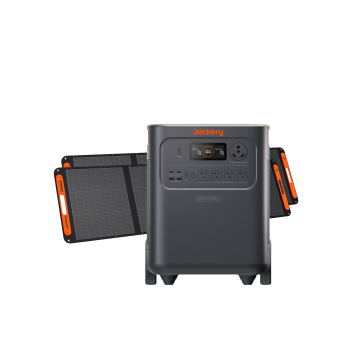
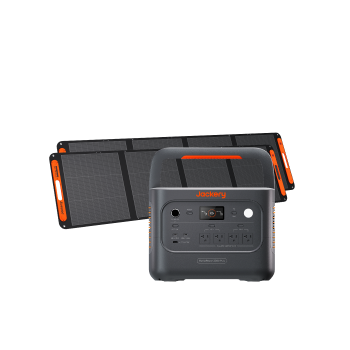
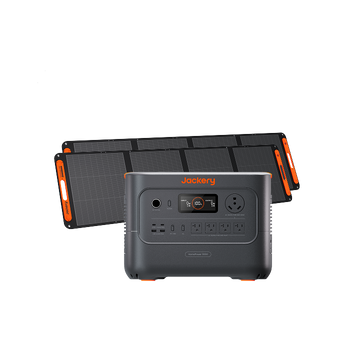
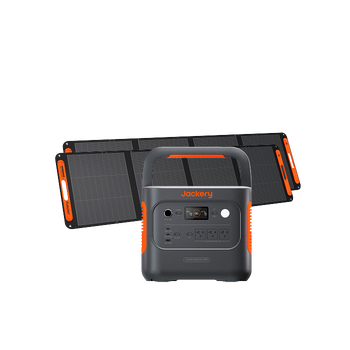
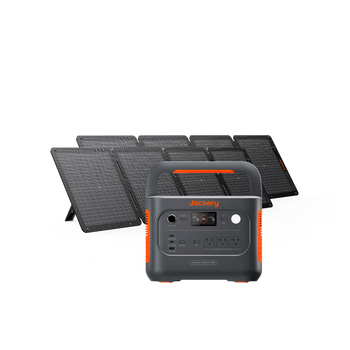
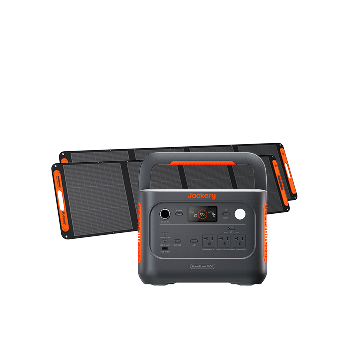
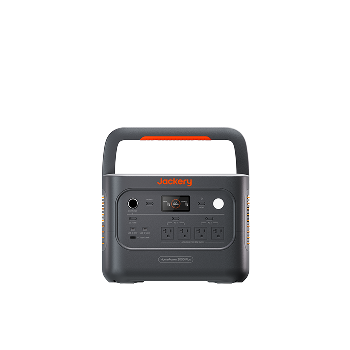
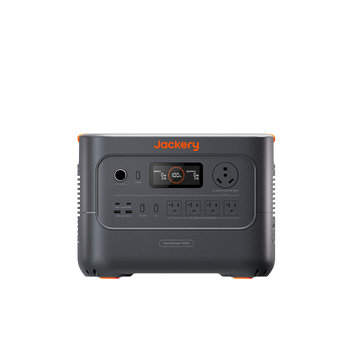
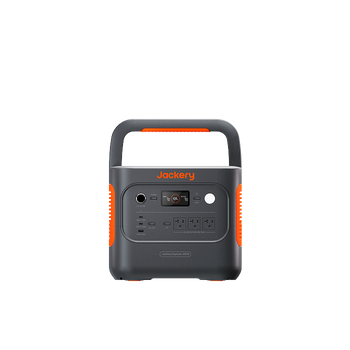
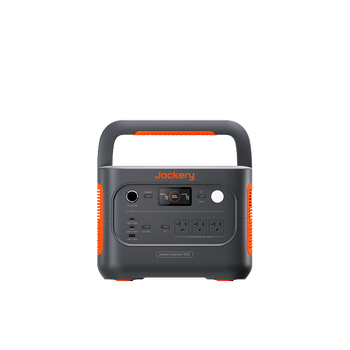
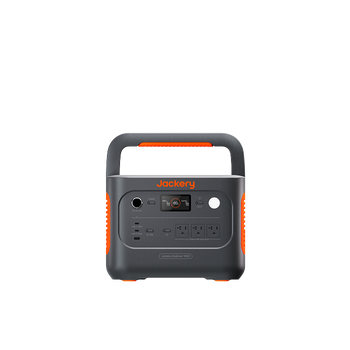
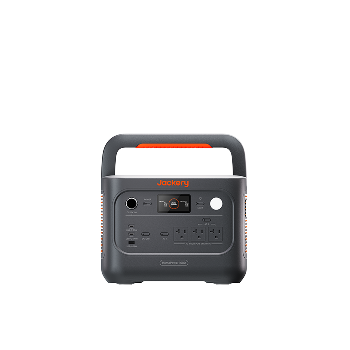
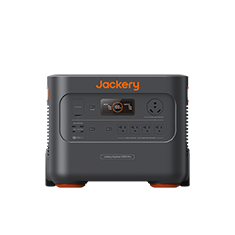
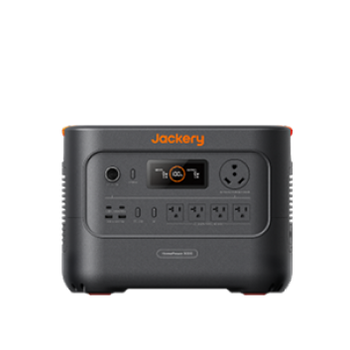
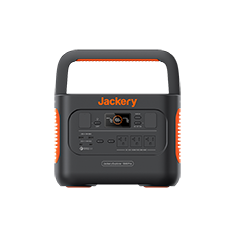
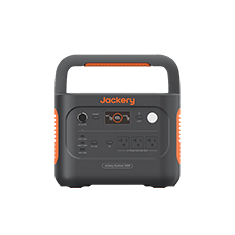
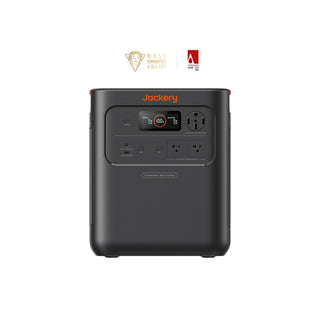
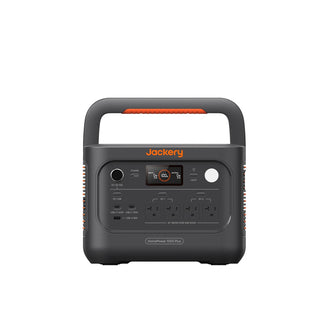
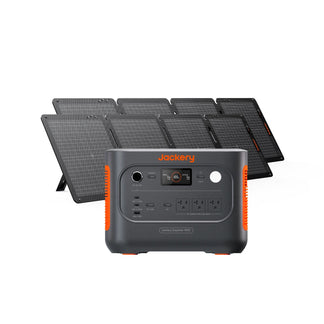
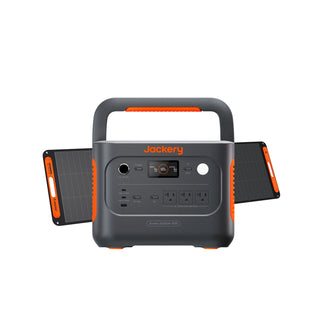
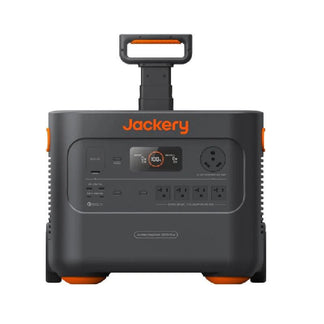
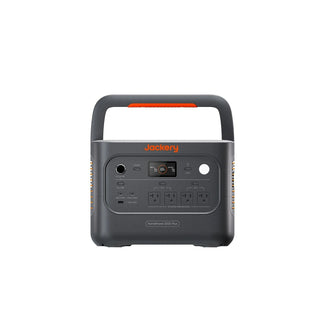
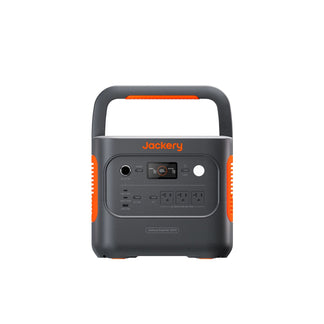
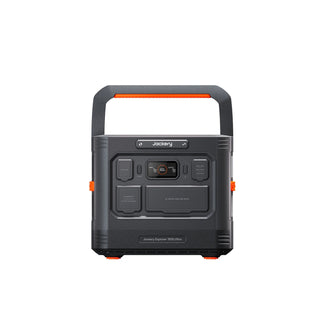
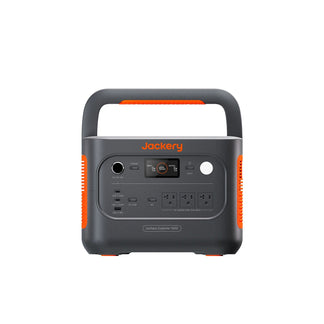
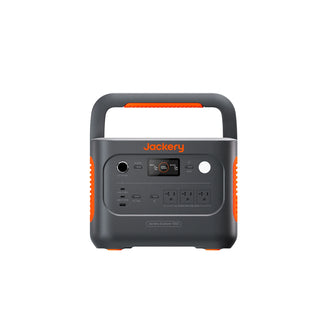
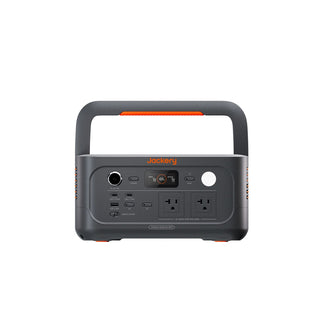
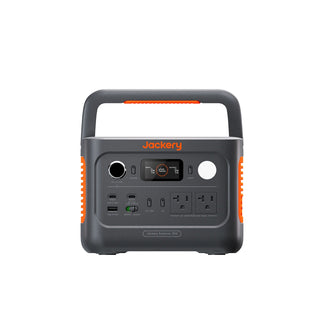
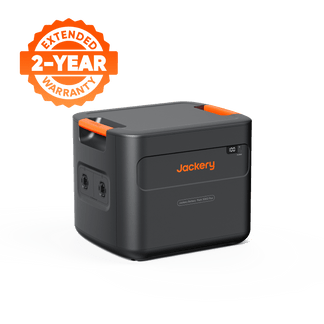
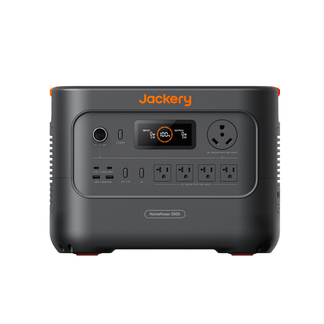
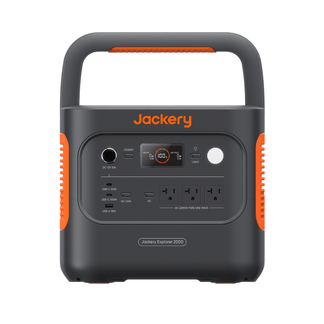
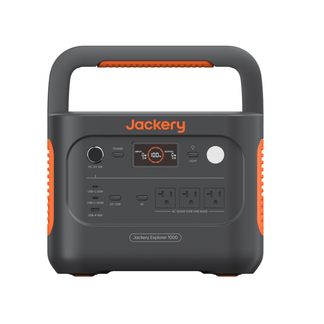
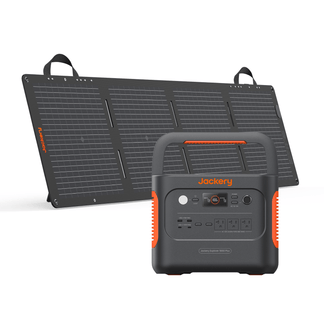
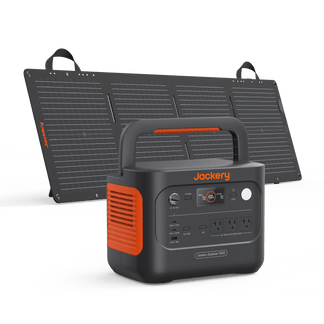
Jackery Solar Generator 1000 v2:
- Powers a router for up to 35 hours.
- Runs a monitor for up to 20 hours.
- Keeps a fan going for up to 8 hours.
This practical experience provides the data you need to make an informed decision about your long-term essential home backup power strategy.

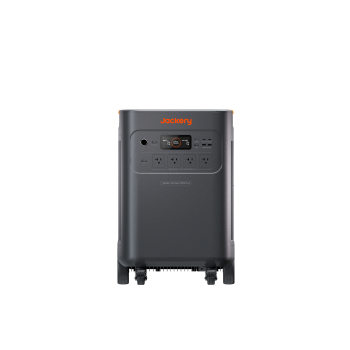
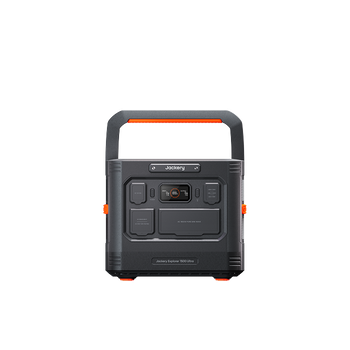
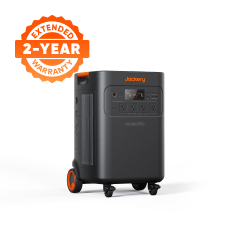
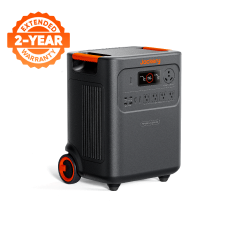
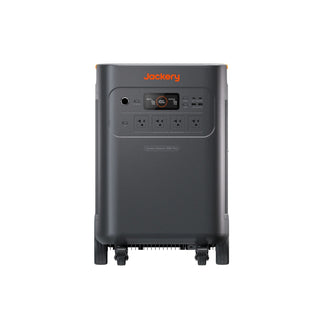
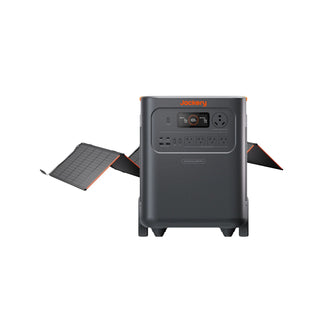
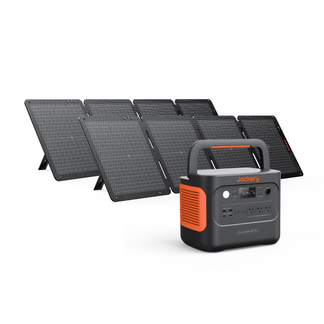
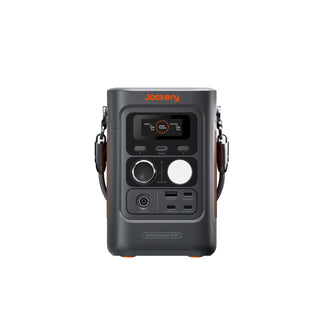
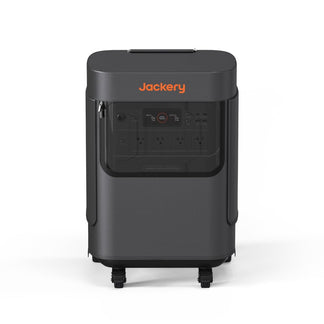
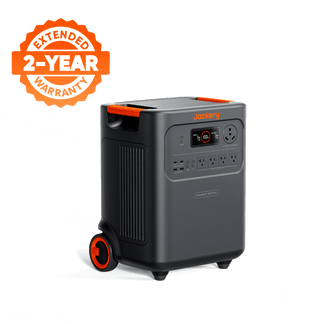
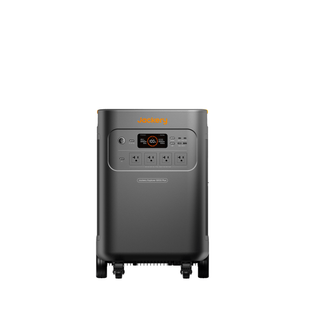
Alternative Solution for essential home backup: The Jackery Solar Generator 5000 Plus
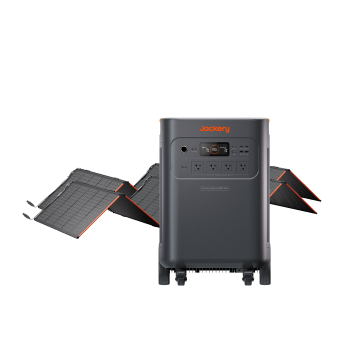
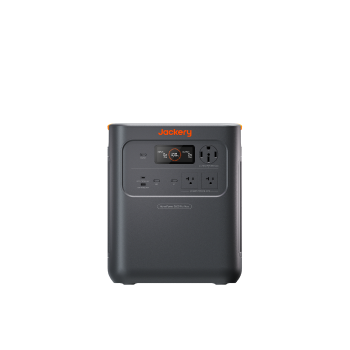
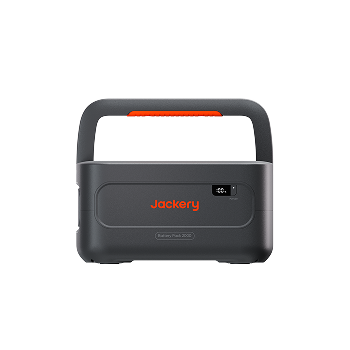
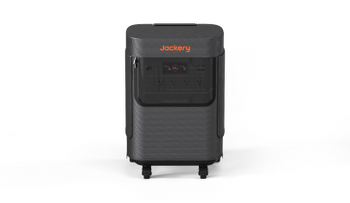
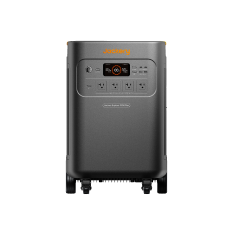
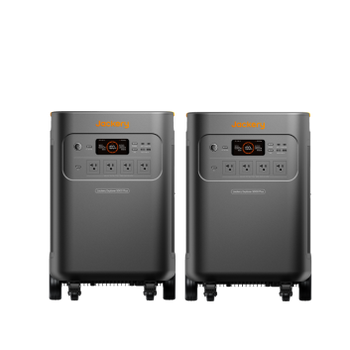
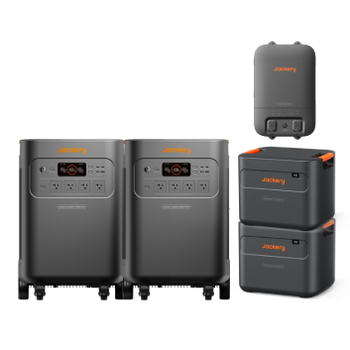
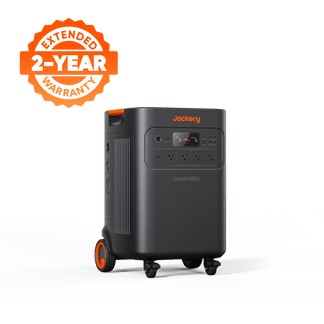
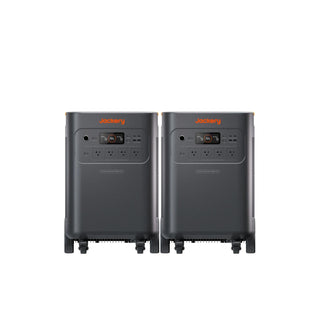
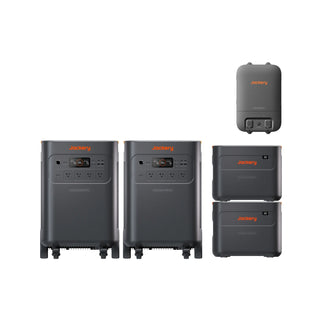
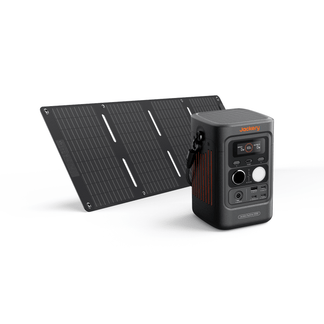
For those seeking robust, essential home backup without the drawbacks of a permanent installation, the Jackery Solar Generator 5000 Plus is the powerful, flexible alternative. It directly solves the core problems associated with traditional solar panels in roof systems.
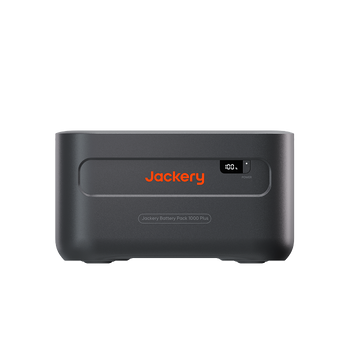
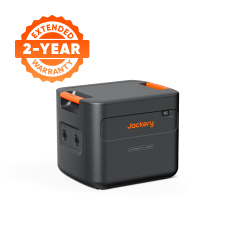
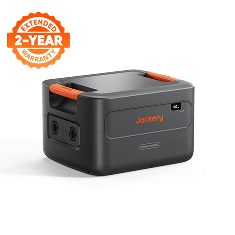
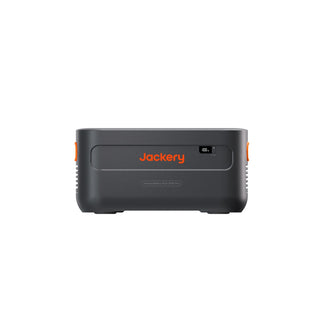
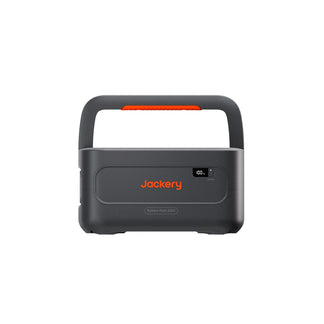
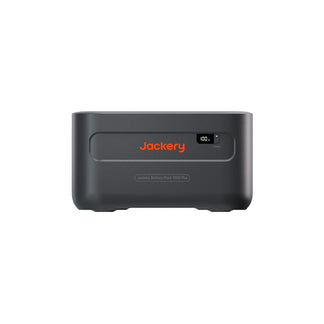
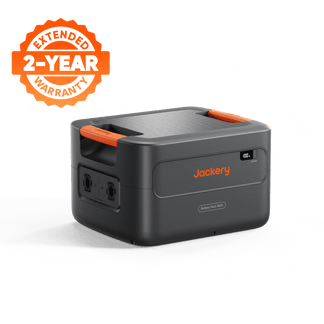
- Massive, Expandable Capacity: The system starts at a formidable 5kWh and can be expanded up to an incredible 60kWh, providing enough power to endure multi-day outages with ease.
- No Permanent Installation: It completely avoids all roof-related risks, installation costs, and potential HOA issues. It is a true plug-and-play solution that requires no professional installers or structural modifications to your home, making it an ideal choice for various living situations, including solar panels on mobile homes.
- Seamless, Uninterrupted Power: Featuring an instantaneous 0ms power transition, it functions as a true Uninterruptible Power Supply (UPS). This protects your most sensitive electronics, like computers and medical devices, from power flickers or surges.
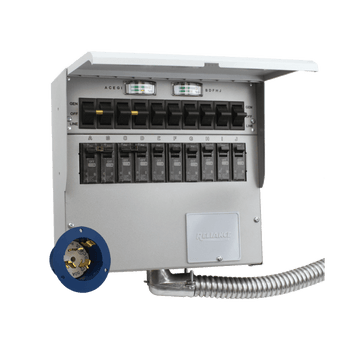
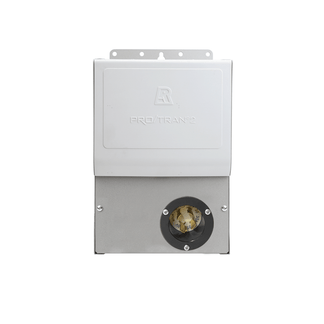
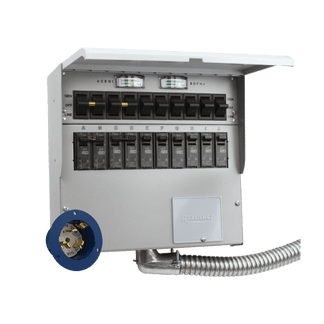
- Essential Home Power Capability: With 120V/240V dual voltage output and compatibility with a Smart Transfer Switch, it can power major appliances. It can run a power-hungry AC unit for up to 4 hours or a furnace for up to 3 hours on a single charge.
- Ultra-Fast Recharging: The system can be recharged from 0 to 100% in as little as 1.7 hours using 4000W of solar input. This rapid recharging ensures you are always prepared, even during extended grid-down scenarios.
Comparing Your Options: Permanent Solar Panel on Roof vs. Portable Solar Power
The choice between a permanent rooftop system and a portable power solution comes down to cost, flexibility, and primary use case.
|
Feature |
Rooftop Solar with Permanent Battery |
Jackery Solar Generator 5000 Plus |
|---|---|---|
|
Cost |
Extremely high upfront investment. |
Significantly lower entry point for powerful home backup. |
|
Installation |
Invasive, requires professional installers, and carries roof damage risk. |
None required. Simply plug it in. |
|
Flexibility |
Permanent fixture tied to the home. |
Fully portable. Take it with you if you move; use it for home, work, or recreation. |
|
Use Case |
Primarily for reducing monthly bills, with backup as a costly add-on. |
Primarily for robust, reliable home backup and energy security, with the option for daily use to offset costs. |
Your Action Plan for Energy Resilience
Achieving energy independence is a journey, not a single purchase. Following a clear, strategic plan ensures you invest wisely and get the solution that's right for you.
Step 1: How Do You Audit Your Energy Use?
Before buying any hardware, perform a home energy audit. Identify which appliances consume the most power and find opportunities to eliminate energy waste. Understanding your baseline consumption is crucial for determining how much solar power for your home costs per kW you might need.
Step 2: How Do You Define Your Backup Needs?
Use a smaller portable unit to test the run times for your critical devices. This practical step helps you create a precise list of what you need to power during an outage.
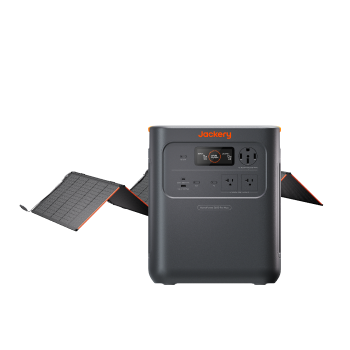
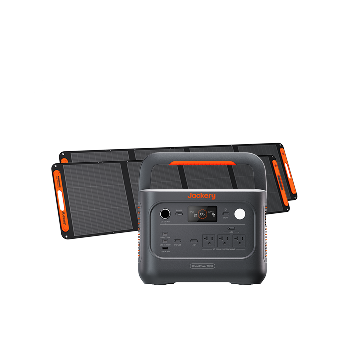
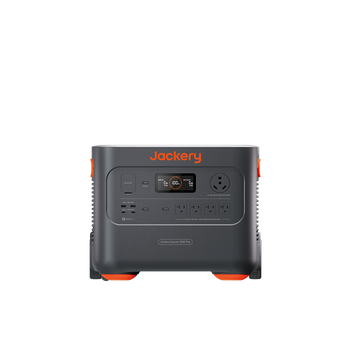
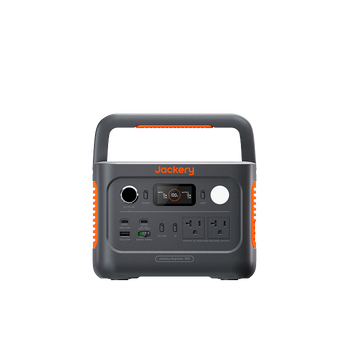
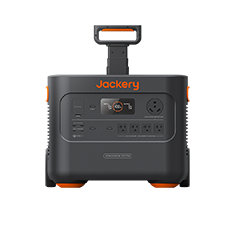
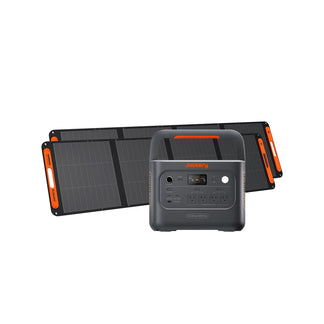
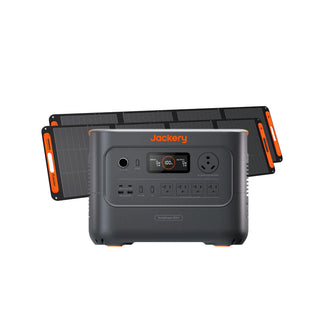
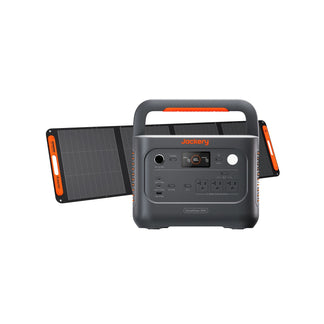
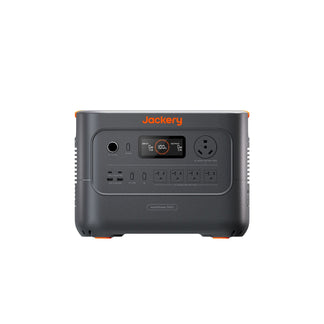
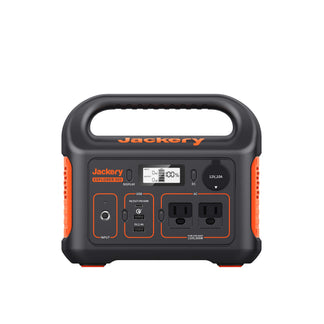
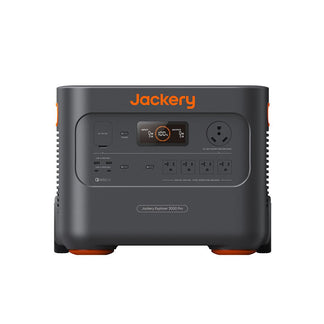
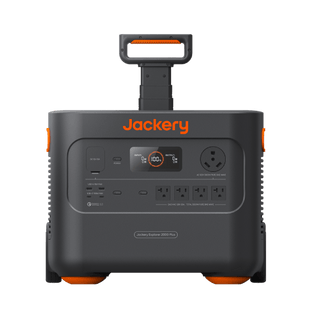
Jackery Solar Generator 2000 v2:
- Powers a full-size refrigerator for up to 5 hours.
- Runs a TV for up to 10.0 hours.
This test provides real-world data, moving you from guesswork to certainty. It’s a great way to understand the power needs for smaller living spaces, like those considering solar panels for tiny house setups.
Step 3: How Do You Choose Your Solution?
With your data in hand, you can make a confident choice. For homeowners who prioritize flexibility, cost-effectiveness, and powerful backup without installation hassles, the Jackery Solar Generator 5000 Plus is the ideal choice. If you are still considering a permanent system, use the hard truths outlined in this guide as a checklist to thoroughly vet installers and scrutinize contracts before signing.
Conclusion: Reclaiming Your Energy Independence
While traditional rooftop solar is one option on the path to energy independence, it is a path filled with significant financial risks, complex installation challenges, and long-term inflexibility.
Portable solar generators offer a smarter, more accessible route to true energy security. They provide robust backup power without the need for invasive installation, roof damage risk, or a decades-long commitment to a single property.
Frequently Asked Questions
How does the efficiency of portable solar panels compare to traditional rooftop panels, and what factors influence their performance?
Portable panel efficiency is comparable to many rigid panels, but their key advantage is the ability to be angled directly at the sun throughout the day, maximizing real-world output. Unlike fixed rooftop panels, their performance isn't limited by a home's orientation or permanent shading.
Beyond initial purchase, what are the long-term maintenance requirements and expected lifespan for a high-capacity portable solar generator system like the Jackery 5000 Plus?
Maintenance is minimal, involving occasional cleaning of solar panels and ensuring the unit is stored in a temperate, dry location. The LFP battery is rated for a 6,000+ cycle lifespan, providing a lifespan of over 10 years with daily use.
Can a portable solar generator system be integrated with existing home smart energy management systems or smart grids for optimized energy use?
While direct integration with utility-managed smart grids is limited, the Jackery Solar Generator 5000 Plus can be connected via a Smart Transfer Switch. This allows it to automatically power designated home circuits during an outage for optimized energy use.
What are the best practices for safely storing and deploying a portable solar generator system, especially in varying climates or during extreme weather events?
Store the unit indoors in a cool, dry place away from direct sunlight and extreme temperatures to preserve battery health. During deployment in adverse weather, protect the power station from direct exposure to rain or snow while ensuring solar panels are securely anchored.
Are there any specific insurance considerations or policy adjustments homeowners should make when investing in a high-value portable solar generator system for home backup?
Most standard homeowner's insurance policies cover personal property, but it's wise to confirm coverage limits with your provider for high-value equipment. You may consider adding a specific rider or endorsement to ensure your investment is fully protected against theft or damage.


