







![[Add-on] Jackery SolarSaga 500 X - Jackery](http://www.jackery.com/cdn/shop/files/add-on-jackery-solarsaga-500-x-1493607.webp?v=1786503068&width=324)

![[Add-on] Jackery Battery Pack 5000 Plus - Jackery](http://www.jackery.com/cdn/shop/files/add-on-jackery-battery-pack-5000-plus-6713401.webp?v=1786503068&width=324)
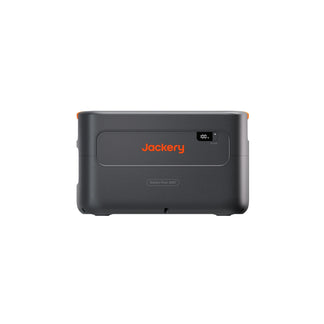
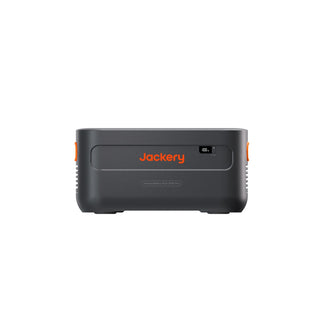
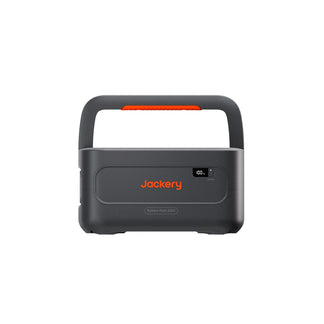



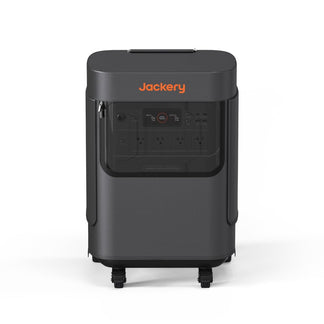



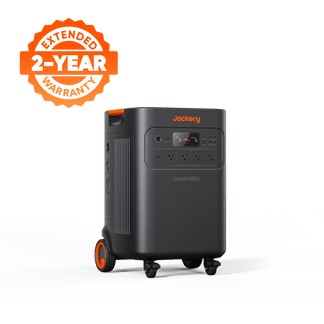
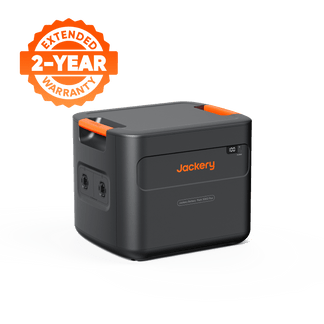
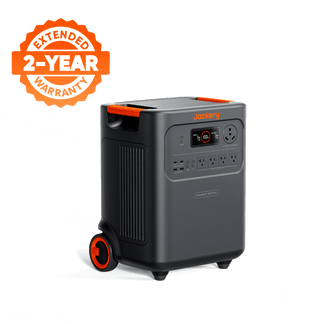
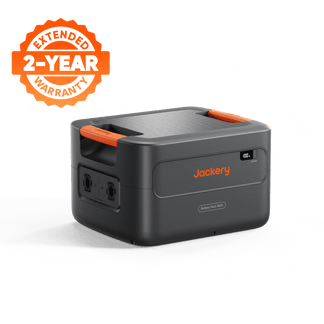
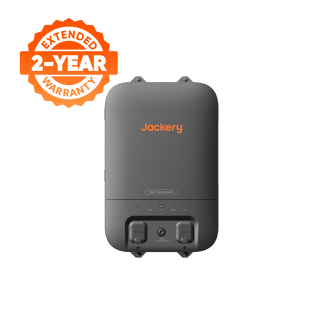
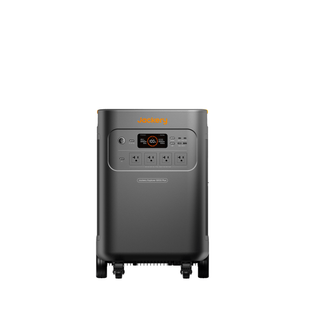
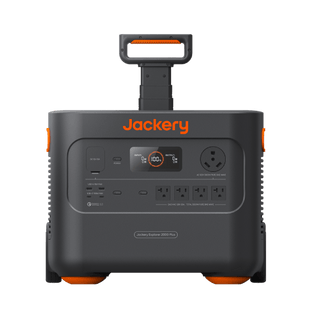
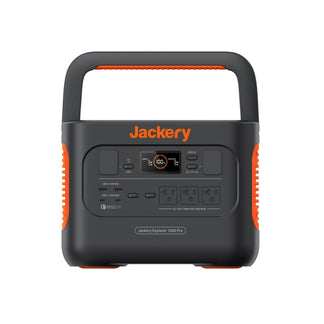

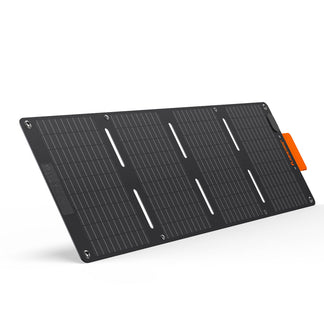
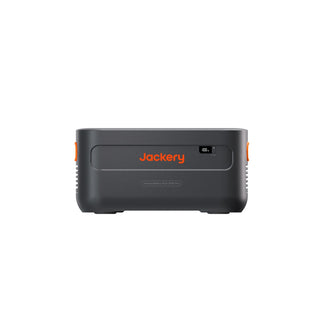
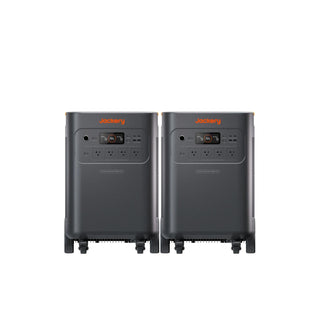
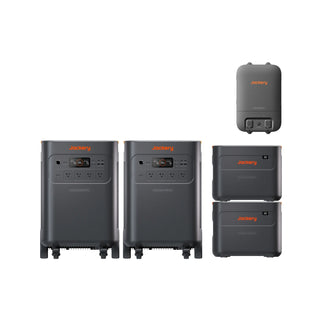
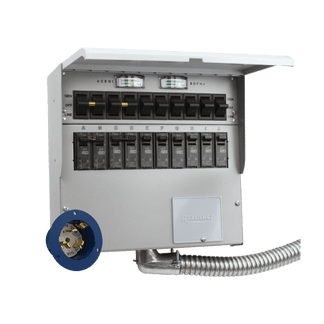


The watt-hours printed on a battery are not the same as the watt-hours available from an AC outlet during an outage. For a realistic usable battery capacity estimate, use verified usable AC watt-hours and divide them by the device's average AC watt draw. Then check continuous and surge output separately: runtime and the ability to run or start a load are different questions.
Estimate Usable AC Energy and Runtime From the Label
Use the battery label to compare stored-energy size, but use usable AC energy to estimate how long an AC device can run. The label alone does not provide a guaranteed solar generator runtime or an exact outage runtime estimate.
Estimate AC Runtime
Estimated runtime (hours) = estimated usable AC energy (Wh) ÷ average AC load (W).
For example, if the exact unit's documentation or test data reports 800 usable AC Wh and your device averages 100 W, the simplified calculation is:

800 Wh ÷ 100 W = 8 hours
That is a planning estimate, not a guarantee. Use the unit's verified usable AC watt-hours when available. If the manufacturer does not publish that figure, label any fallback factor applied to rated battery capacity as a conservative, provisional assumption. Do not present it as a universal inverter-loss percentage or a product specification.
Independent comparisons distinguish usable AC power output from advertised battery capacity. Meter-tested appliance loads also help explain why delivered performance and the actual load matter. Conversion behavior, fixed overhead, cutoff settings, temperature, and test conditions can vary by unit and use, so the same rated Wh value will not automatically produce the same AC runtime.
Keep three checks separate:
- Energy: usable AC Wh determines the estimated duration.
- Continuous output: the unit must support the load while it is running.
- Surge output: the unit must support the load's startup demand when applicable. A continuous rating does not automatically confirm that a cycling or motor load can start.
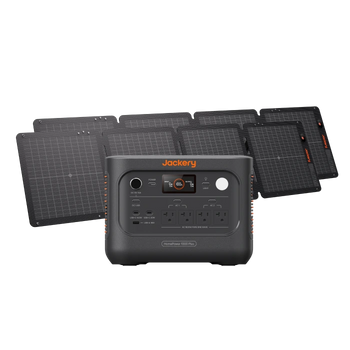
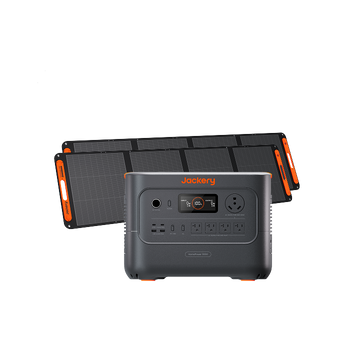
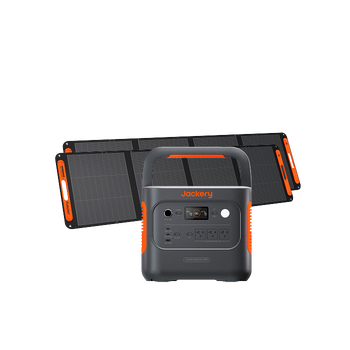
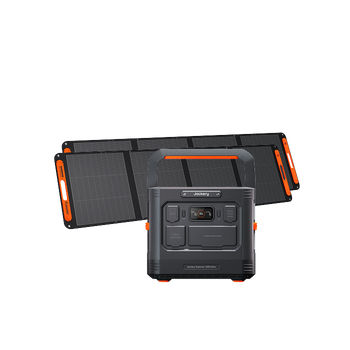
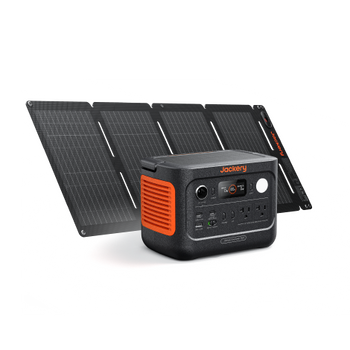
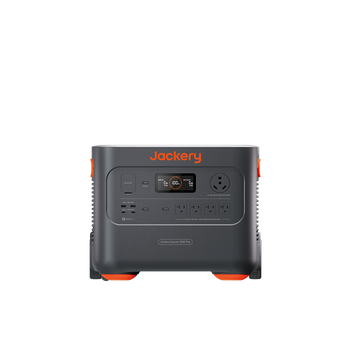
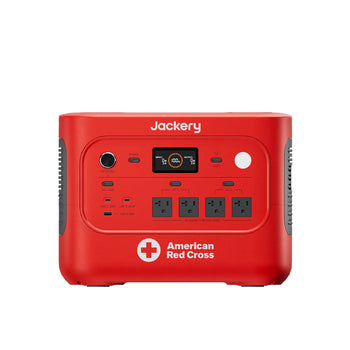
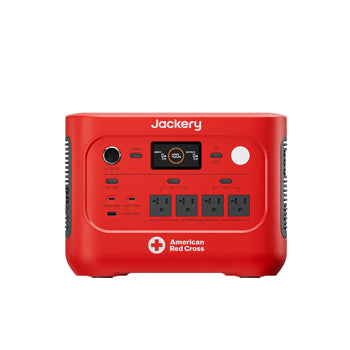
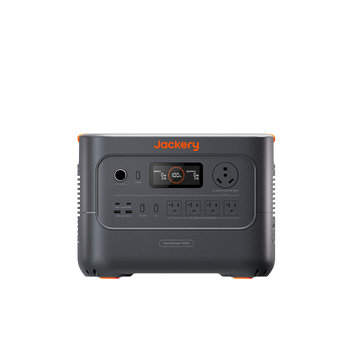
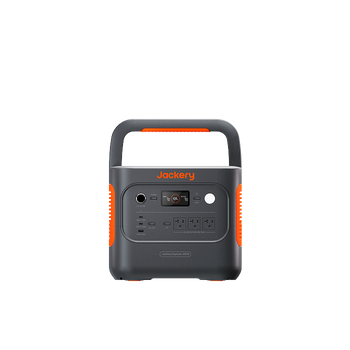
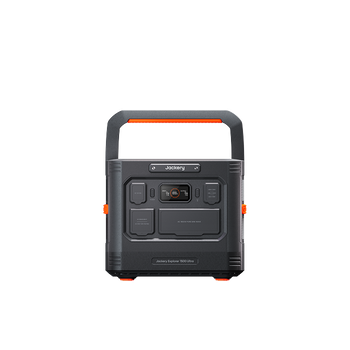
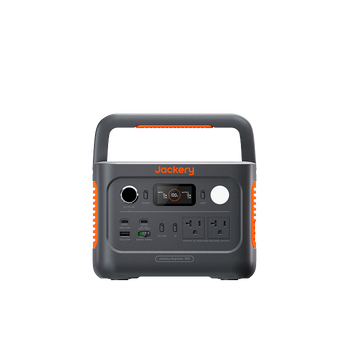
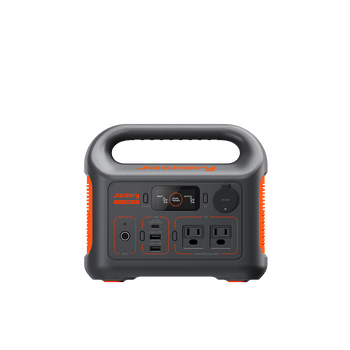
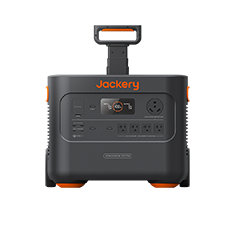
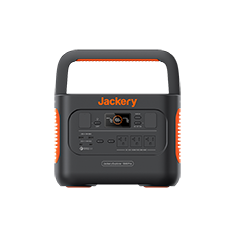
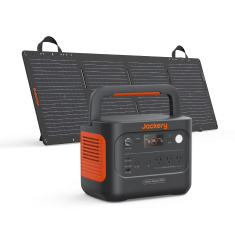
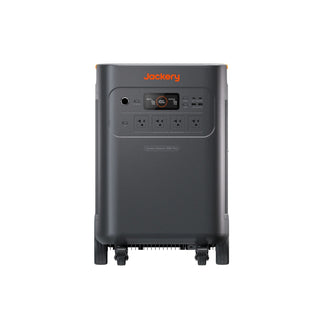
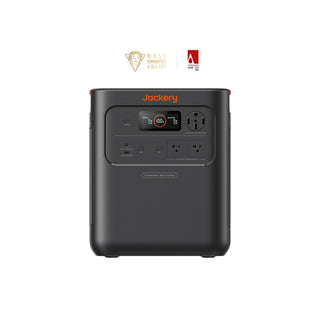
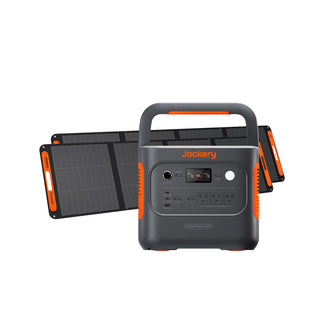
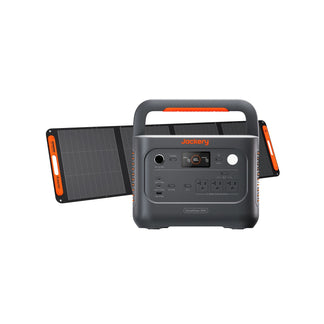
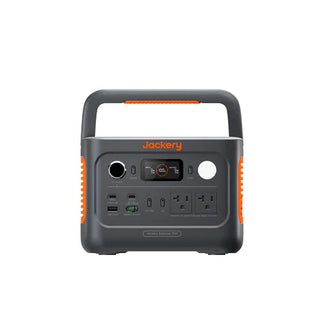
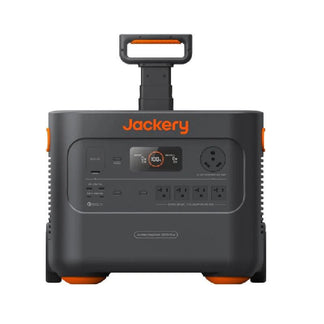
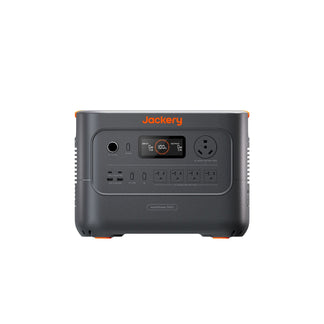
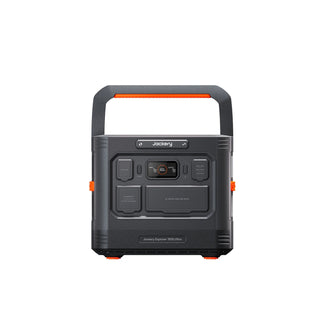
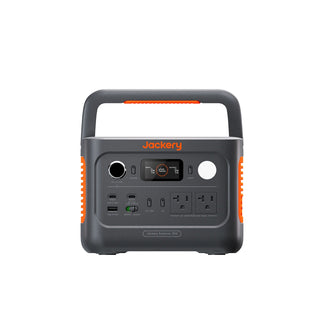
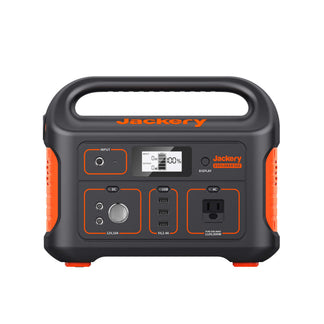
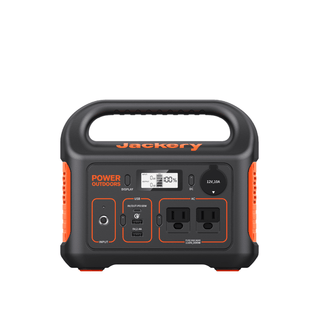
A current Jackery example shows the distinction clearly: the Explorer 1000 Pro listing gives a 1,002 Wh capacity, 1,000 W output, and 2,000 W peak output. Those are separate storage and power specifications. They do not state that 1,002 Wh reaches an AC outlet or promise a particular runtime for a device.
Use the Relevant Path for USB and DC Loads
Do not automatically apply an AC inverter assumption to a device connected directly through USB or DC. The output path has its own conversion behavior and operating conditions. For a mixed setup, use the manufacturer's information for the relevant port, and compare AC, USB, and DC results only when the load, port, conditions, and measurement basis match.
Combine Overlapping Loads Into One Outage Energy Budget
For several devices, build one schedule for the outage window instead of treating the full battery capacity as available separately for each device. Calculate each load's watt-hours, add the requirements that occur during the same period, and compare that total with verified usable AC energy once.
The table below uses illustrative inputs only, not default appliance wattages. Replace each value with a measured or manufacturer-provided average for your actual device.

| Load or device | Average watts | Planned operating hours | Watt-hours used |
|---|---|---|---|
| Load A | 40 W | 8 hours | 40 × 8 = 320 Wh |
| Load B | 100 W | 4 hours | 100 × 4 = 400 Wh |
| Load C | 60 W | 2 hours | 60 × 2 = 120 Wh |
| Combined scheduled energy | 840 Wh |
This example requires 840 Wh over the stated schedule. It does not mean all three loads run at once. If Load A and Load B overlap, their combined running demand during that period is 140 W. If all three overlap, it is 200 W. Check the unit's continuous output against the highest simultaneous running demand, then check startup demand separately for any load that cycles or starts with a motor. Do not automatically treat nameplate maximum watts as continuous consumption.
For cycling devices, use an average or measured demand for the duration calculation when that is the appropriate available figure. For a device that runs only during a defined interval, include only those planned hours. Do not add non-overlapping schedules as if every device operated continuously, but include their separate energy needs in the same outage budget when they draw from the same stored supply.
The candidate unit must meet both sides of the calculation: enough usable output capacity for the combined scheduled energy and sufficient continuous and surge output for devices that overlap. If the unit lists only rated battery capacity, do not compare that number directly with the AC total as though the two measurements were identical. After building the load schedule, readers moving from sizing to evaluating equipment can review home backup power options, but the collection is navigation, not evidence of usable energy or output limits.
Adjust the Estimate Before Choosing a Sizing Assumption
Change the load assumptions when the output path, device behavior, operating hours, or overlap changes. Use stored energy for the initial runtime calculation, then model solar replenishment separately instead of folding it into the battery label.
Change the Assumption for the Load
- Use the AC-delivered-energy estimate for AC appliances and the relevant manufacturer data for USB or DC loads.
- For low-wattage loads, consider that fixed system overhead may represent a larger share of delivered energy relative to the device load. For higher-demand appliances, prioritize continuous and startup output checks rather than focusing only on energy capacity.
- Recalculate when hours, cycling behavior, average demand, output path, or simultaneous devices change. These inputs determine the solar generator runtime or battery backup runtime you are actually planning for.
Separate Stored Energy From Solar Replenishment
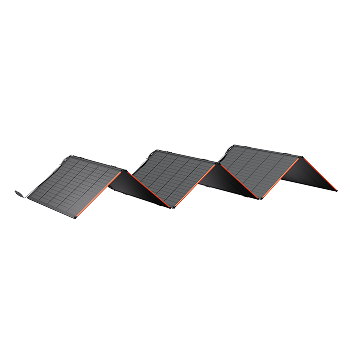
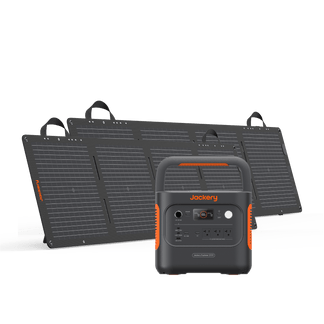
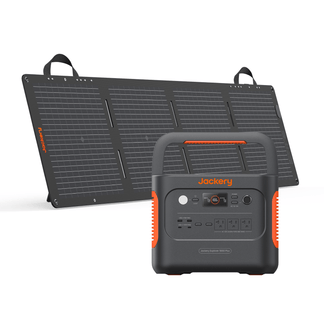
Solar input is replenishment over time, not extra starting battery capacity. Do not add a panel's input directly to the initial Wh budget. Model charging separately using the exact unit's charging specifications, panel setup, charging limits, sunlight, weather, and simultaneous-load conditions. Charging performance is separate from stored capacity and delivered output.
If the load schedule exceeds verified usable AC energy, or if simultaneous running or startup demand exceeds the unit's supported output, the setup does not fit that outage plan. Verify the exact unit's usable-energy or test information, continuous and surge ratings, and relevant USB/DC data, then rerun the schedule with your measured loads. That calculation is the practical way to turn rated battery capacity into a defensible outage runtime estimate.
Frequently Asked Questions
These answers address the distinctions and calculation choices that matter when planning backup power for an outage.
Why Is Rated Battery Capacity Different From Usable AC Energy During an Outage?
Rated battery capacity is the labeled stored-energy figure. Usable AC energy is what reaches an AC load through the unit's output path after conversion and system overhead, so the exact difference depends on the model and operating conditions. Use the unit's verified usable AC data rather than treating the label as an AC runtime budget.
How Do I Estimate Outage Runtime From a Battery's Rated Capacity?
Find verified usable AC watt-hours, divide that value by the device's average watts, and label the result as an estimate. If usable data is unavailable, use only a clearly stated provisional planning assumption. Separately confirm that the unit's continuous and surge ratings support the load.
How Should I Estimate Runtime for Several Devices at Once?
Calculate watt-hours for each device using its average watts and planned hours, then add the requirements that draw from the same outage energy pool. Compare the combined total with usable AC energy and check the highest simultaneous running and startup demand against the unit's output limits.
Is Usable Energy the Same Through AC, USB, and DC Ports?
No, not automatically. Each path can have different conversion and operating behavior. Use the manufacturer's data for the relevant port, and do not transfer an AC assumption to a direct USB or DC load without matching measurement conditions.


