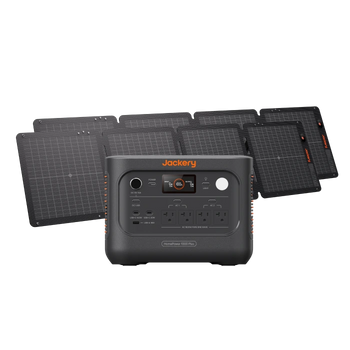
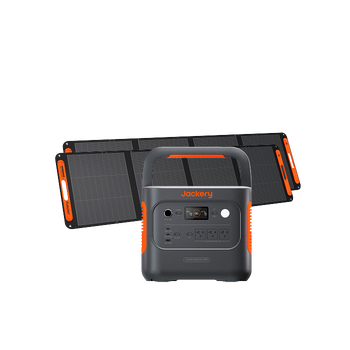
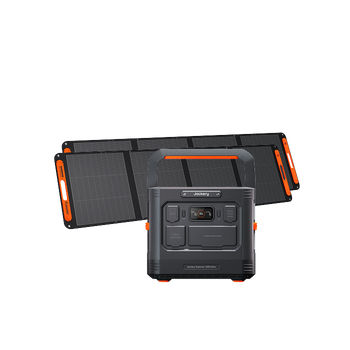


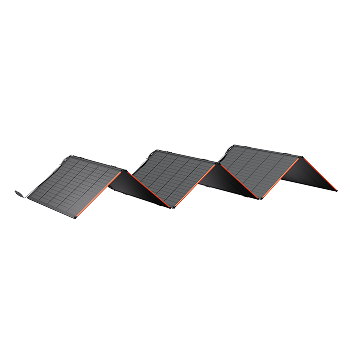
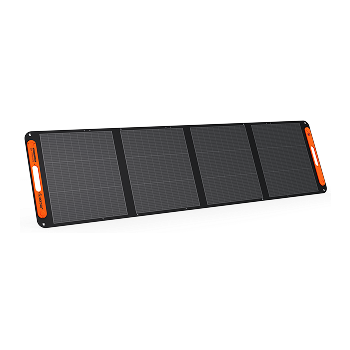
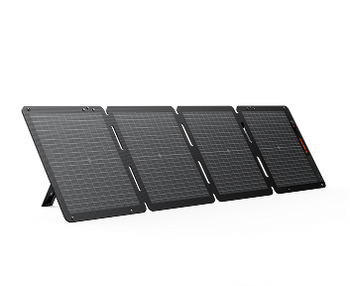
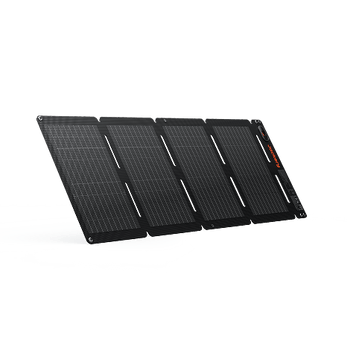

















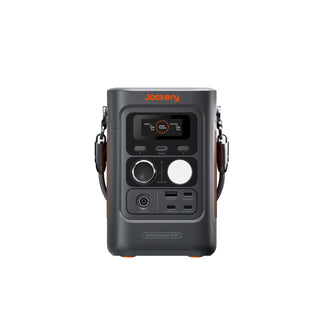

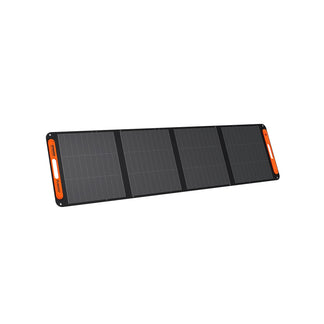
![[Add-on] Jackery SolarSaga 500 X - Jackery](http://www.jackery.com/cdn/shop/files/add-on-jackery-solarsaga-500-x-1493607.webp?v=1786503068&width=324)
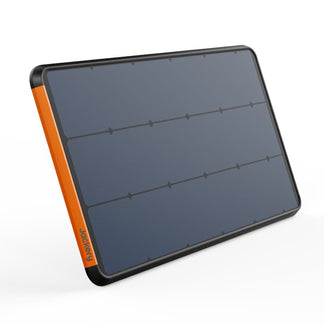
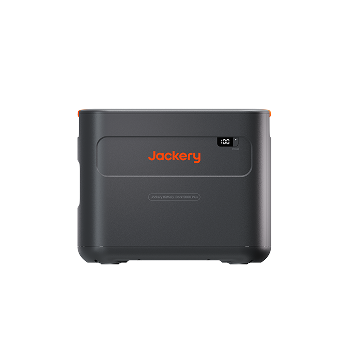
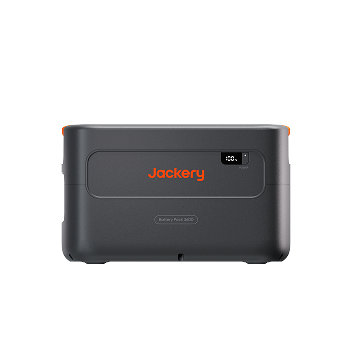
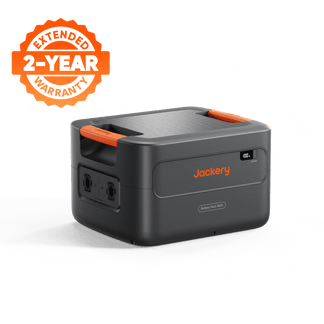
![[Add-on] Jackery Battery Pack 5000 Plus - Jackery](http://www.jackery.com/cdn/shop/files/add-on-jackery-battery-pack-5000-plus-6713401.webp?v=1786503068&width=324)













Van & RV Power: Inverter Generator Secrets for Road Travel
Quick Answer: An inverter generator works on the road by converting raw AC to DC, then inverting it back to clean 120V AC with under 3% THD, protecting sensitive electronics. A microprocessor adjusts engine RPM to match load, cutting fuel consumption by up to 40%. Solar generators (battery-based with solar panels) provide a zero-emission alternative.
Key Takeaways
- Inverter generators are essential for protecting sensitive electronics because they produce clean power with under 3% THD, while conventional generators output 6–20% THD that can permanently damage electronics; solar generators provide a zero-emission alternative with no fuel or fumes.
- A single 2,000W inverter generator can run one refrigerator plus lights and device charging, but pairing two in parallel delivers 3,200W continuous — enough for a 13,500 BTU air conditioner and fridge together.
- Eco-mode extends runtime from 6–8 hours to 10–14 hours on a single 1.1-gallon tank by lowering engine speed during light loads.
- Carbon monoxide kills roughly 70 Americans annually from generator misuse — always operate at least 20 feet from windows, doors, and RV air intakes.
- Solar generators eliminate fuel, fumes, and engine maintenance entirely while delivering full rated power at 10,000 feet with zero altitude derating.
Why Your RV Needs a Different Kind of Generator
Your RV needs an inverter generator because conventional generators produce dirty power that can damage sensitive electronics. A conventional generator spins an alternator at a fixed 3,600 RPM and sends raw power directly to the outlets — fine for construction tools, but harmful to modern RV electronics.
- Power quality: Inverter generators produce clean power with under 3% THD, while conventional generators pump out 6–20% THD. That dirty power can destroy residential fridges, televisions, and laptop power supplies over time. Solar generators (portable power stations with solar panels) offer the same clean AC output without combustion.
- Variable engine speed: A fixed-speed generator screams at 3,600 RPM regardless of load; an inverter generator adjusts RPM to match actual load, reducing fuel burn by up to 40% at light loads. Noise drops to 48–60 dB at quarter load versus 65–80 dB from a standard unit — conversational volume versus a lawnmower.
- The 80% rule: A generator rated for 2,000 running watts can safely deliver only 1,600W for hours of continuous use. Exceeding that causes voltage sag, overheating, and accelerated wear.
- On-road use: Experienced RVers confirm reliable operation from hitch-mounted platforms or ventilated truck beds with a properly maintained inverter generator secured outside the vehicle. Interior placement remains strictly forbidden and deadly.
Sizing Your Generator for On‑the‑Road Appliances
Air conditioner startup is the generator killer. A rooftop AC unit pulls 1,200–1,800W while running but spikes to 2,500–4,000W for 3–5 seconds during compressor startup. Your generator must handle this peak without tripping — not just cover the running load.
- Refrigerator compressors present a similar challenge. Running draw sits at 400–800W, but startup surge hits 1,200–2,000W. A 2,000W inverter generator handles one fridge plus lights and device charging, but adding a microwave changes the equation.
- Microwaves pull 900–1,500W running with no surge, but pairing one with an AC unit typically exceeds the 80% safe capacity of a small generator.
- Battery charging through the RV converter adds another 300–800W of continuous load — manageable alone but significant in the total calculation.
- Parallel capability solves the power gap. Two 2,000W inverter generators linked with a parallel cable deliver 3,200W continuous (80% of the combined 4,000W). That handles a 13,500 BTU AC and fridge simultaneously. The parallel approach also provides redundancy — if one unit fails, the other still powers essentials.
Fuel Efficiency and Runtime on Extended Trips
Inverter generators stretch every gallon through smart engine management.
- Eco-mode automatically lowers engine speed on light loads, extending runtime from 6–8 hours to 10–14 hours on a single 1.1-gallon tank at 25% demand. Fuel consumption at half load averages 0.15–0.25 GPH for a 2,000W unit — half the 0.3–0.5 GPH of a fixed-speed conventional generator.
- Runtime formula:
Runtime = Tank Capacity (gal) ÷ Fuel Consumption (GPH)
At full load: 1.1 gallons ÷ 0.2 GPH = 5.5 hours
- Refueling safety: Hot engine surfaces can ignite gasoline vapors — shut down and wait 20 minutes before refueling. This cooldown is non-negotiable.
- Fuel stabilization: Untreated gasoline degrades in 30 days, leaving varnish that clogs carburetors. Stabilizer-treated fuel lasts 12–24 months. Between trips, run the carburetor dry or add stabilizer.
- On-road impact: A generator burning 0.5–1 GPH while driving has a barely noticeable effect on overall fuel economy, per real-world RV data.
Safety and Placement Rules for Roadside Use
Carbon monoxide kills roughly 70 Americans annually from generator misuse — every death preventable.
- Distance: Operate at least 20 feet from windows, doors, and RV air intakes. CO is odorless; modern generators include CO shutdown sensors that trip at 400–800 ppm, but placement is primary.
- Airflow: Maintain 20 inches clearance on all sides for cooling. Point exhaust away from the RV and adjacent vehicles.
- Rain: Use a canopy or ensure at least 12 inches ground clearance — never operate on wet ground or inside an unventilated covered space.
- Placement: Never run a generator inside a vehicle, trunk, or RV cabin, even with windows open — CO accumulates fatally. Interior operation in a moving vehicle is illegal in many states and always deadly.
- Secure mounting: A hitch platform or ventilated camper shell keeps the generator 10–20 feet from the vehicle. Use mounting hardware rated for the generator’s weight (see proper mounting hardware).
- Propane conversion: Conversion kits reduce CO emissions by 20–30% versus gasoline and eliminate ethanol-related fuel degradation. Dual-fuel capability adds flexibility.
Common Mistakes That Shorten Generator Life on the Road
- Overloading: Running a 2,000W generator at 1,800W for hours violates the 80% rule, causing voltage sag, overheating, and accelerated wear. Stick to ≤1,600W continuous.
- Skipping oil changes: Small engines need oil changes every 50–100 hours; old oil leads to sludge and bearing failure. Check oil before every refueling — low oil seizes engines.
- Stale fuel in carburetor: Gasoline left in the carburetor gums up internal passages in 30–60 days. Run the carburetor dry or add stabilizer before storage.
- Undersized extension cords: A 50‑ft 14‑gauge cord loses 5–8% voltage at 1,500W, potentially damaging electronics. Use 12‑gauge or heavier for runs longer than 25 ft at high loads.
- Altitude derating: Output drops 3.5% per 1,000 ft above sea level; at 5,000 ft a 2,000W unit delivers only 1,650W.
- Illegal interior operation: Running a portable generator inside a moving vehicle is banned in many states and always deadly from CO buildup.
How Your Inverter Generator's AC-DC-AC Process Works
Stage |
Process |
Result |
|---|---|---|
1. Raw AC |
Alternator generates AC at variable frequency based on engine speed |
Unstable voltage/frequency |
2. Rectification to DC |
Bridge rectifier converts raw AC to DC, smoothing fluctuations |
Clean DC |
3. Inversion back to AC |
Electronic inverter module converts DC to stable 120V AC at 60Hz |
Grid-quality AC |
4. Microprocessor load sensing |
Monitors wattage draw and adjusts engine RPM to match demand |
Fuel-efficient RPM |
5. Three-stage filtering |
Filters reduce total harmonic distortion to under 3% |
Sine-wave output cleaner than grid |
6. Parallel-ready design |
Syncs two inverters via communication cable to share load |
Combined output; see parallel upgrade |
The Zero-Emission Alternative: Solar Generator vs. Inverter Generator for Road Trips
- Silent operation under 30dB — overnight use possible inside an RV storage bay or under an awning; no fuel, fumes, or noise. Inverter generators at 48–60 dB remain audible at neighboring campsites.
- Zero CO emissions — no 20‑foot setback rule applies; safe to place anywhere near the vehicle.
- No engine maintenance — no oil changes, fuel stabilization, carburetor cleaning, spark plugs, air filters, or emissions inspections (e.g., California).
- No altitude derating — full rated power at 10,000 feet; gas generators lose 3.5% per 1,000 ft.
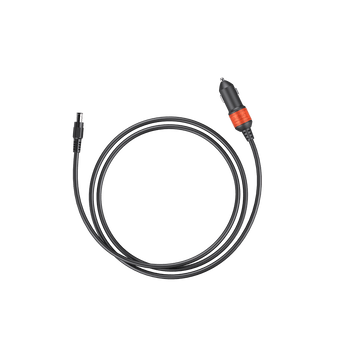
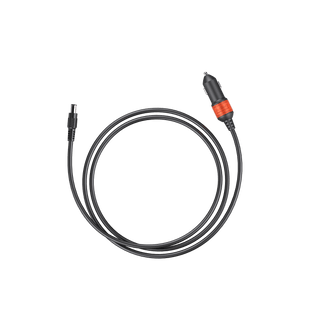
- No refueling stops — charge while driving via the 12V vehicle adapter or at campsites with solar panels. Power management shifts to daily solar harvest instead of fuel tank capacity.
- Battery cycle life of 3,000–5,000 charges (10–15 years of daily use), outlasting most gas generator engine lifespans. Upfront cost is higher, but zero fuel and maintenance change the ownership experience.
Product Recommendations for Road-Ready Power
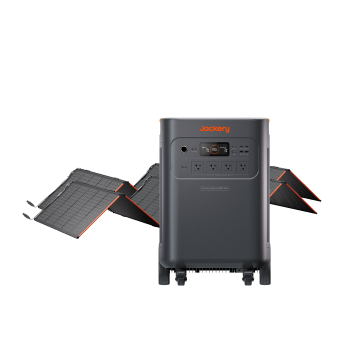
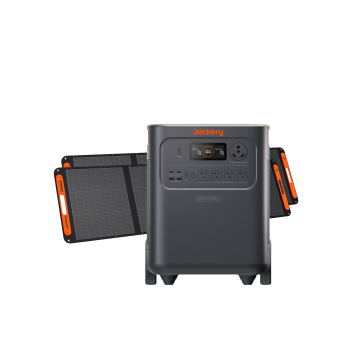
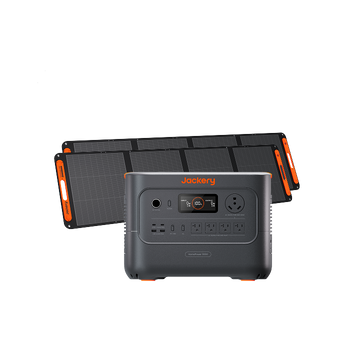
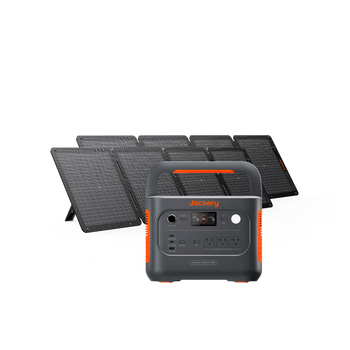
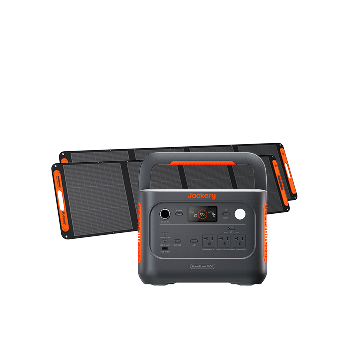
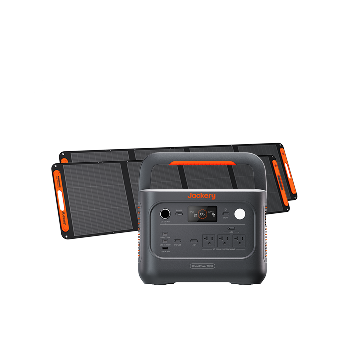
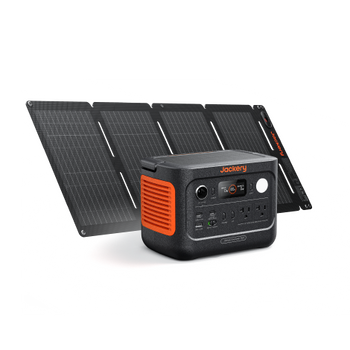
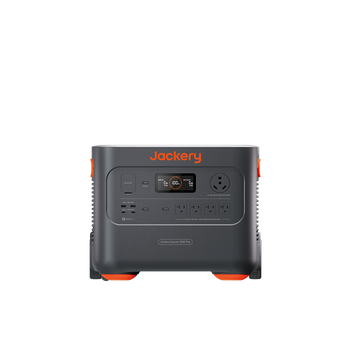
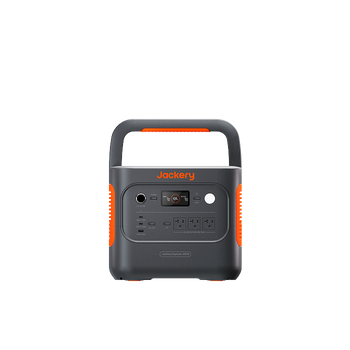
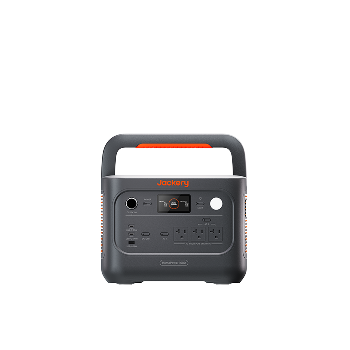
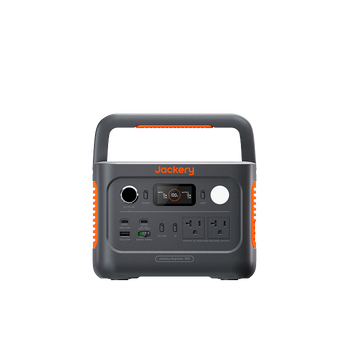
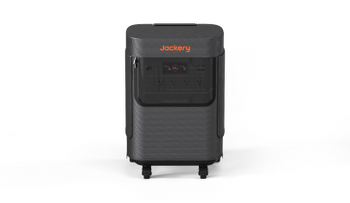
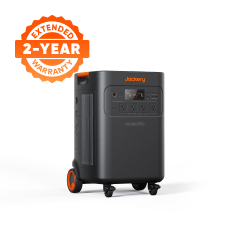
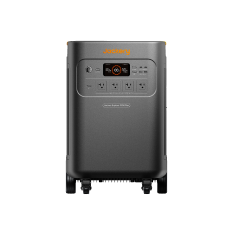
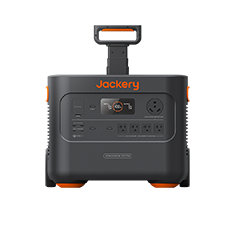
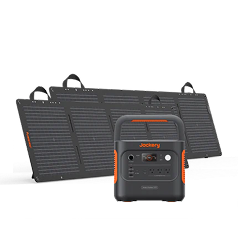
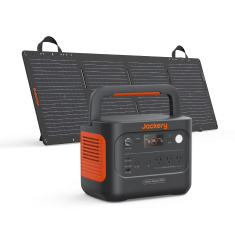
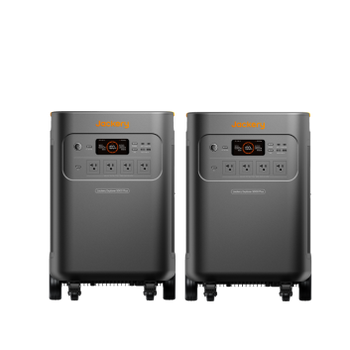
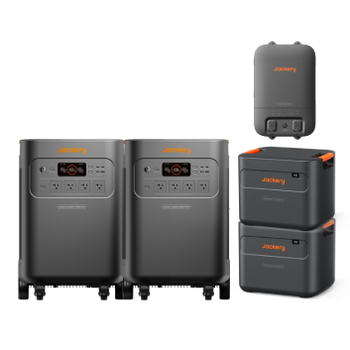
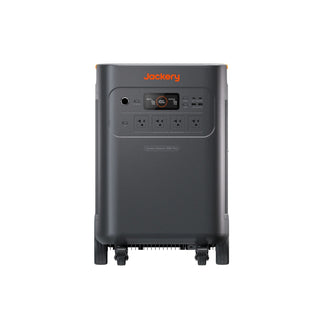
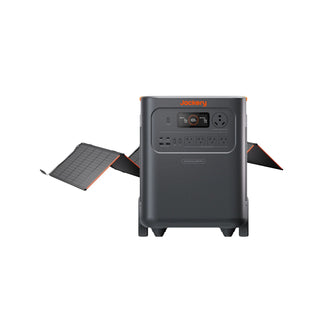
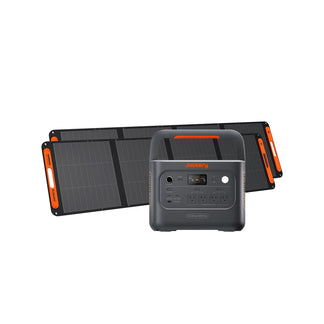
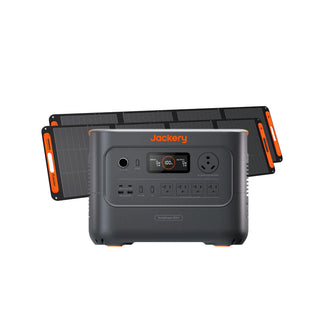
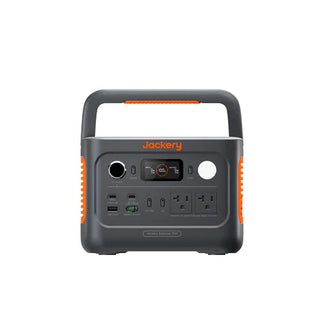
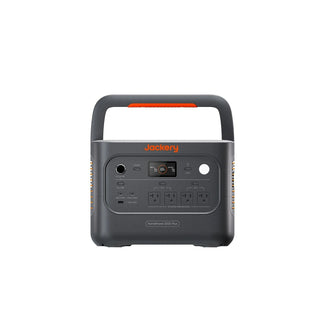
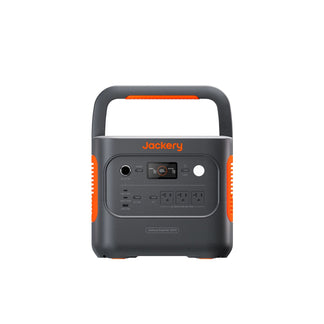
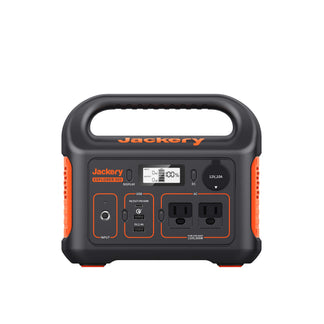
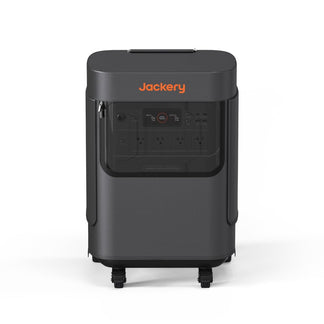
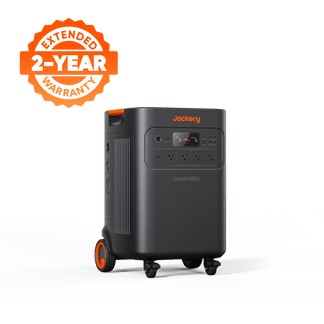
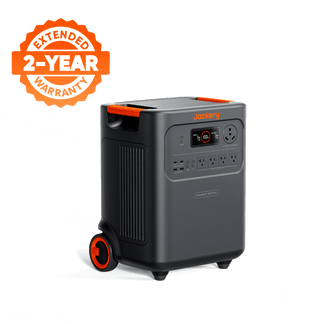
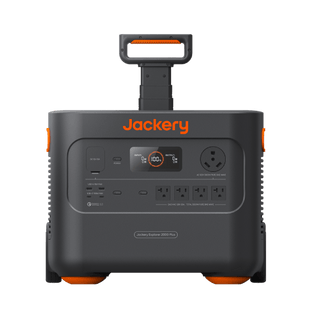
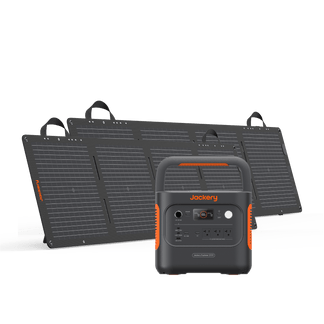
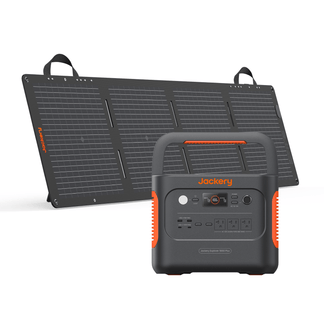
Jackery Solar Generator 2000 Plus
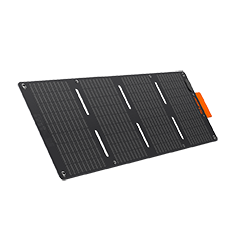
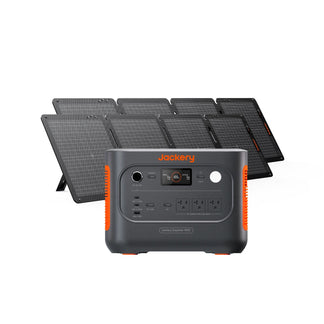
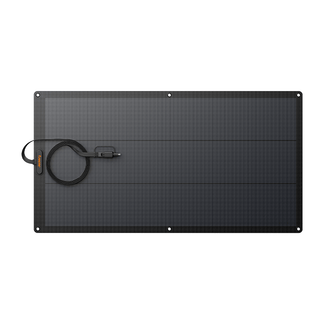
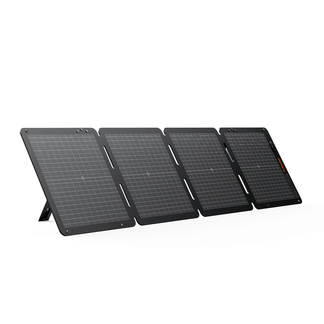
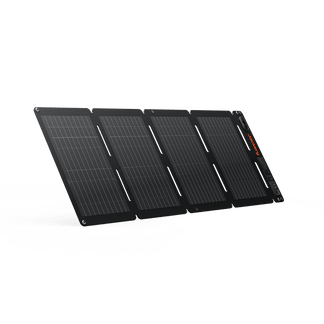
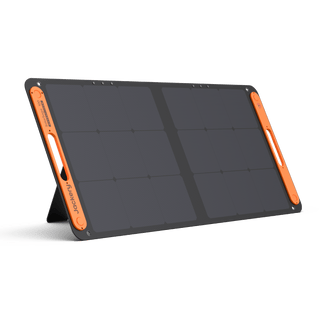
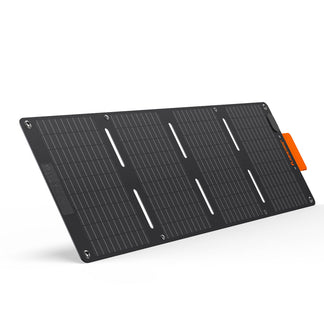
This solar generator bundle combines the Explorer 2000 Plus power station with SolarSaga panels for a complete off-grid power system. As detailed above, it provides fuel-free, silent operation without engine maintenance.
Feature |
Specification |
Key Benefit |
|---|---|---|
Continuous Output |
3,000W (6,000W surge) |
Handles 13,500 BTU RV AC startup spikes |
Battery Capacity |
2,042Wh LFP |
Runs 1,150W portable AC for 1.9 hours |
Solar Recharge |
7 hours with 4× 100W panels |
Indefinite off-grid power for multi-week trips |
Noise Level |
Under 30dB |
Silent overnight use |
Battery Lifespan |
4,000 cycles to 70%+ capacity (10‑year lifespan) |
10–15 years of daily use |
Emissions |
Zero CO |
Safe placement anywhere near the RV |
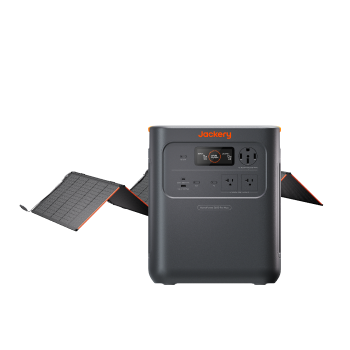
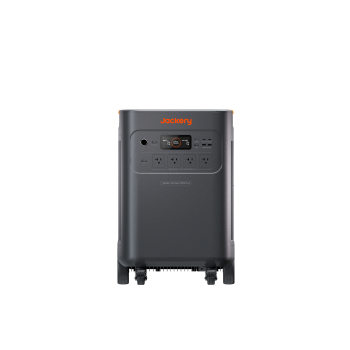
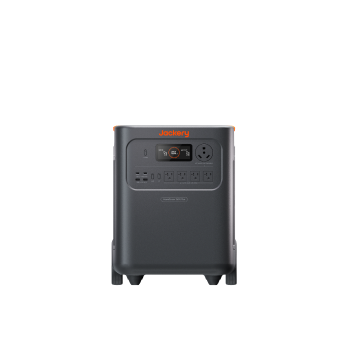
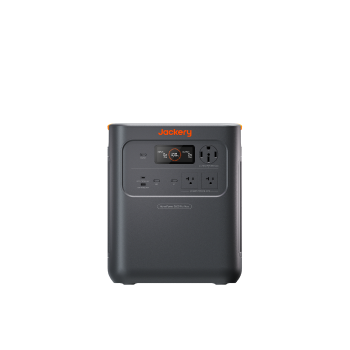
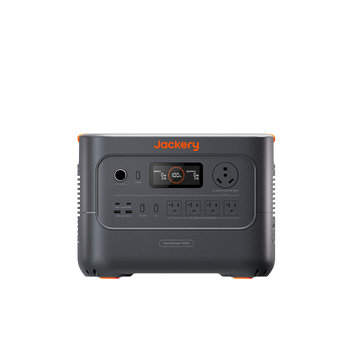
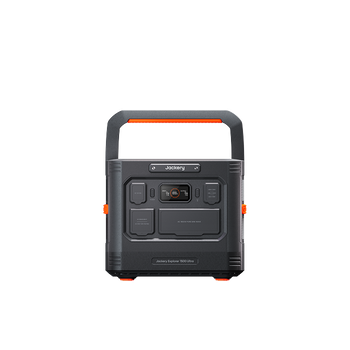
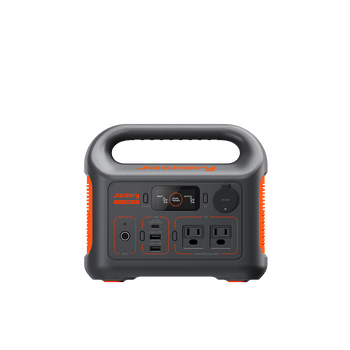
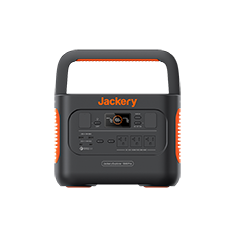
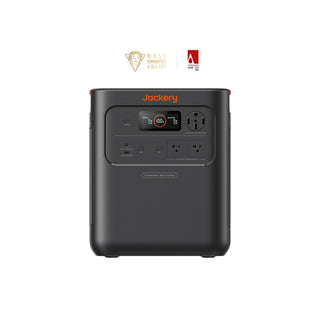
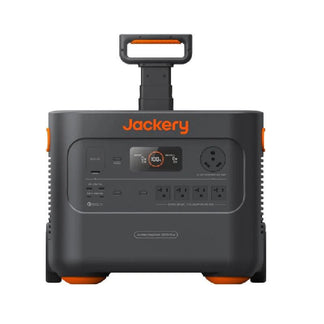
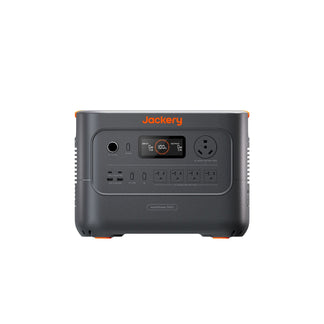
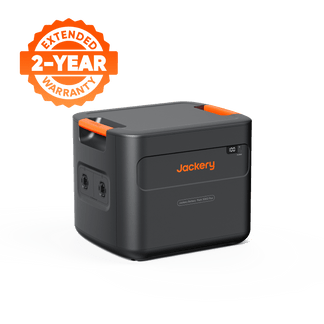
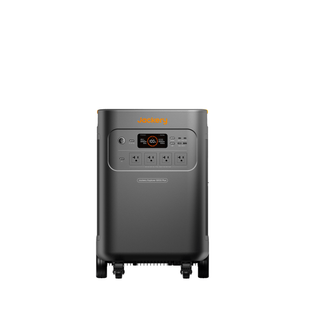
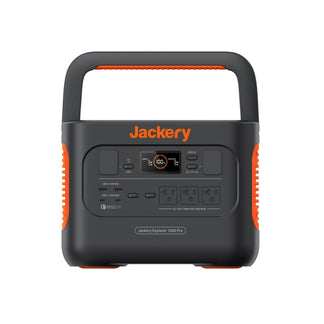
Jackery Explorer 2000 v2 Portable Power Station
The Explorer 2000 v2 provides substantial AC output in a portable form factor for RVers who need quick recharging and flexible power.
Feature |
Specification |
Key Benefit |
|---|---|---|
Running Power |
2,200W (4,400W surge) |
Powers RV AC compressors and microwaves |
Capacity |
2,042Wh |
Overnight off‑grid energy without fuel stops |
AC Recharge |
1.75 hours |
Quick turnaround at powered campsites |
Solar Recharge |
7.5 hours with 4× SolarSaga 100W |
Hybrid setup with vehicle alternator charging |
Weight |
39.5 lbs |
Easy transfer between vehicle and campsite |
Smart Features |
App control, UPS backup, ChargeShield 2.0 |
Real‑time monitoring and device protection |
Frequently Asked Questions (FAQ)
How do I safely connect a generator to my RV?
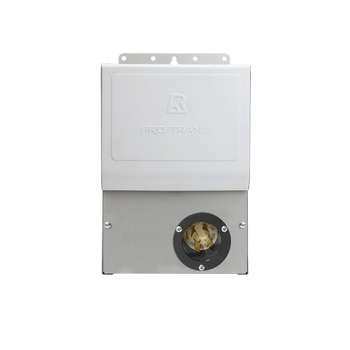
Use a generator‑ready RV inlet and follow the manufacturer’s guidelines; professional installation is recommended to ensure safe, code‑compliant operation.
What type of oil is best for inverter generators?
Synthetic 10W‑30 is recommended for most inverter generators in moderate climates to protect the small high‑revving engine.
Can I charge my RV batteries while the generator runs?
Yes, the generator's clean power safely charges batteries through the RV converter as long as the total load stays within 80% of the generator's rated capacity.
How do I quiet a loud inverter generator while camping?
Use a generator tent or sound‑dampening enclosure placed at least 20 feet away to reduce noise by 5–10 dB.
Can I run a propane‑converted generator in freezing weather?
Propane vaporizes poorly below 20°F — keep the tank warm or use a propane heater to maintain consistent fuel flow in cold conditions.
Disclaimer:
The runtime mentioned for appliances powered by Jackery is for reference only. Actual runtime may vary under different conditions. Please refer to real-world performance for accurate results.

