


















































![[Add - on] Jackery Manual Transfer Switch for Explorer 5000 Plus - Jackery](http://www.jackery.com/cdn/shop/files/add-on-jackery-manual-transfer-switch-for-explorer-5000-plus-9017324.png?v=1754016782&width=350)


![[Add - on] Jackery Battery Pack 5000 Plus - Jackery](http://www.jackery.com/cdn/shop/files/add-on-jackery-battery-pack-5000-plus-6078351.png?v=1754016791&width=324)
![[Add - on] Jackery Car Charging Cable - Jackery](http://www.jackery.com/cdn/shop/files/add-on-jackery-car-charging-cable-3882421.png?v=1754016863&width=324)








![[Add - on] Jackery Smart Transfer Switch - Jackery](http://www.jackery.com/cdn/shop/files/add-on-jackery-smart-transfer-switch-5842915.png?v=1754016784&width=324)
![[Add - on]Jackery 102W GaN 3 - Port Fast Charger - Jackery](http://www.jackery.com/cdn/shop/files/add-onjackery-102w-gan-3-port-fast-charger-6377742.png?v=1754016790&width=324)


![[Add - on] SolarSaga 200W - Jackery](http://www.jackery.com/cdn/shop/files/add-on-solarsaga-200w-4834329.png?v=1754016915&width=324)
![[Add - on] Jackery Manual Transfer Switch for Explorer 5000 Plus - Jackery](http://www.jackery.com/cdn/shop/files/add-on-jackery-manual-transfer-switch-for-explorer-5000-plus-9017324.png?v=1754016782&width=324)


If you have spent any time RVing without shore power, you already know the frustration: the built-in generator is loud, burns through fuel, and feels like overkill for charging a phone and running a few lights. But an RV portable power station that can't run your rooftop AC on a 95°F (35°C) afternoon in Arizona isn't a solution either. The right choice in the RV portable power station vs. built-in generator debate depends entirely on how you use your RV.
The short answer is that a portable power station is the better everyday choice for most RV campers who value silence, sustainability, and flexibility. It handles device charging, lighting, entertainment, and small appliances without noise, fuel, or emissions. A built-in RV generator still wins for sustained high-draw use: running a rooftop AC unit for hours, powering a residential refrigerator continuously, or cooking on an electric range during a week of boondocking with no solar access.
Key Takeaways
- Built-in RV generators are designed for continuous high-draw use, such as AC units, full kitchens, and residential appliances, but they are loud, fuel-dependent, and require regular maintenance.
- Portable power stations for RVs store energy in a battery and deliver it silently to the essential appliances, with zero emissions, making them ideal for campground quiet hours and daily low-draw use.
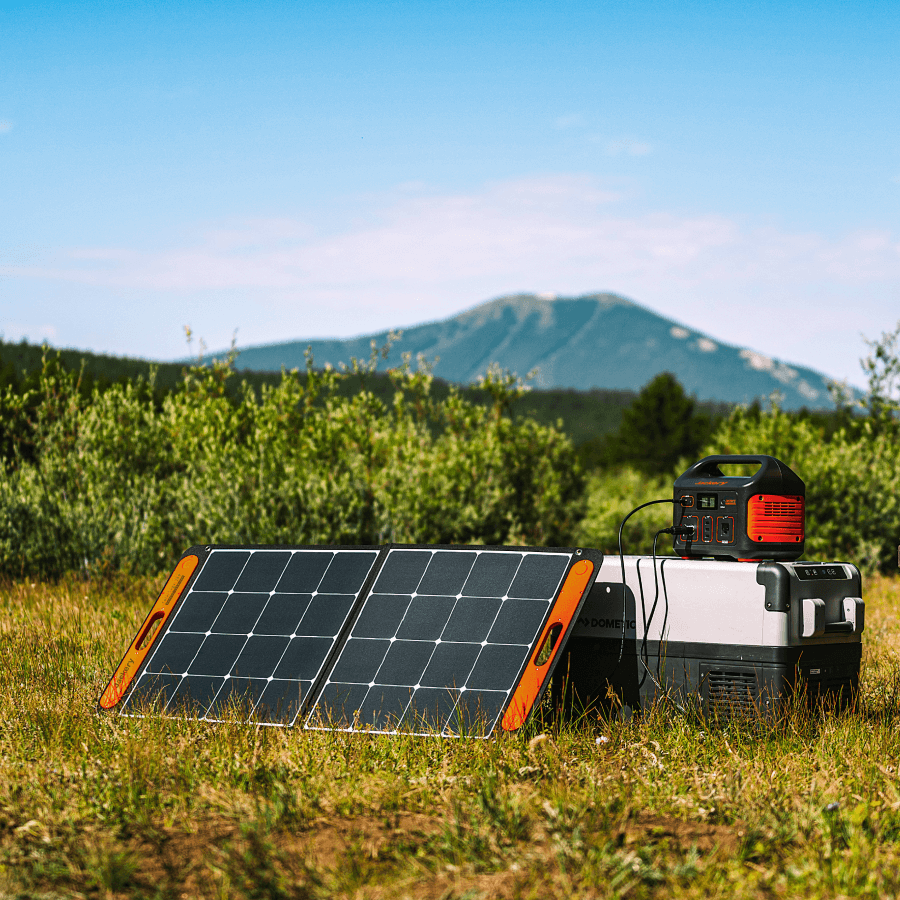
- Solar charging turns a portable power station into a self-sustaining daily power source, significantly reducing or eliminating fuel costs for frequent travelers.
- The hybrid approach with a portable station for daily use and a built-in RV generator for peak loads only is the most practical setup for most RV owners and can cut fuel use by 60–80%.
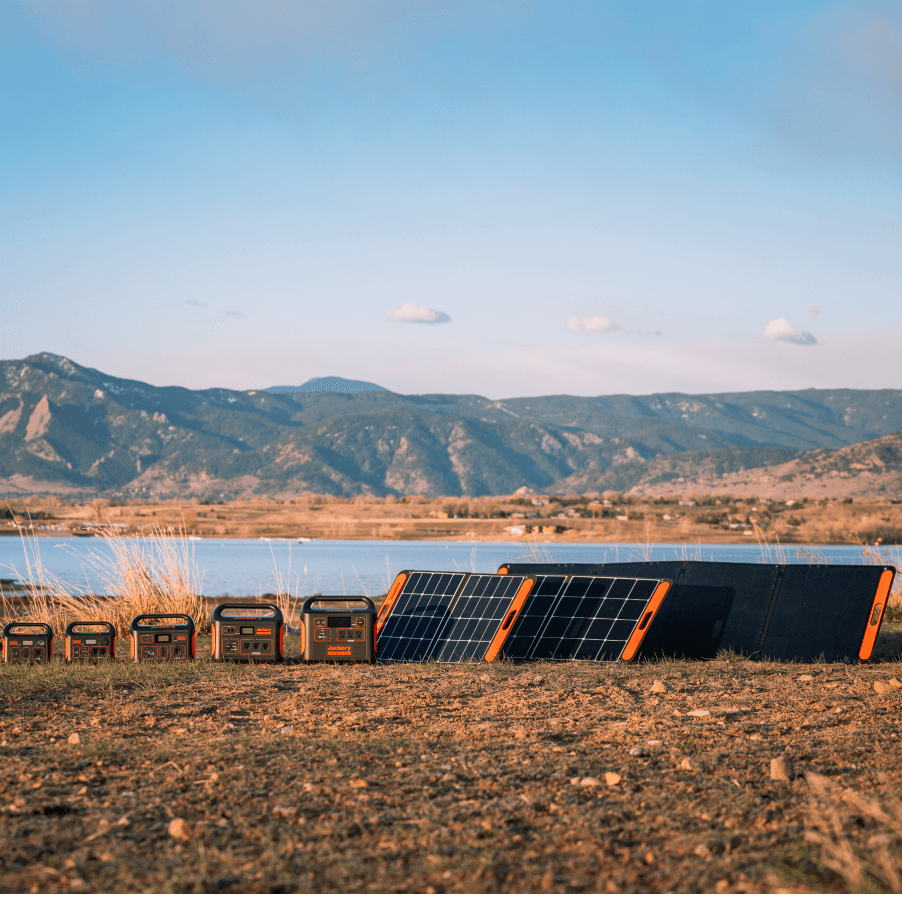
- Jackery's RV-ready power station lineup covers everything from weekend campers to full-time RV living, with models built around the most common RV power scenarios.
How Do Built-in RV Generators and Portable Power Stations Actually Work?
Both built-in RV generators and portable power stations power your RV appliances, but they do so in completely different ways. A built-in generator burns fuel to produce electricity on demand, while a portable power station for RVs stores electricity in a battery and releases it when you need it. The built-in generator is loud, fuel-dependent, and built for continuous heavy loads. The portable power station is silent, maintenance-free, and built for flexible everyday use.
What Makes a Built-In Generator the Default for Most RVs?
A built-in RV generator is hardwired directly into your RV's electrical panel and draws from the same fuel tank that powers the vehicle, meaning it's always available, connected, and capable of running high-draw appliances continuously without any setup. That's why manufacturers install them as standard equipment for serious off-grid use.
Fuel source: Draws directly from the RV's gas or propane tank
Output: Typically 2,500–5,500W continuous, enough to run rooftop AC, a microwave, and a residential refrigerator simultaneously
Always available: No charging required, as it starts on demand as long as there's fuel
Built for heavy loads: Designed for sustained and high-draw operation
What Makes an RV Portable Power Station Different from a Built-In Generator?
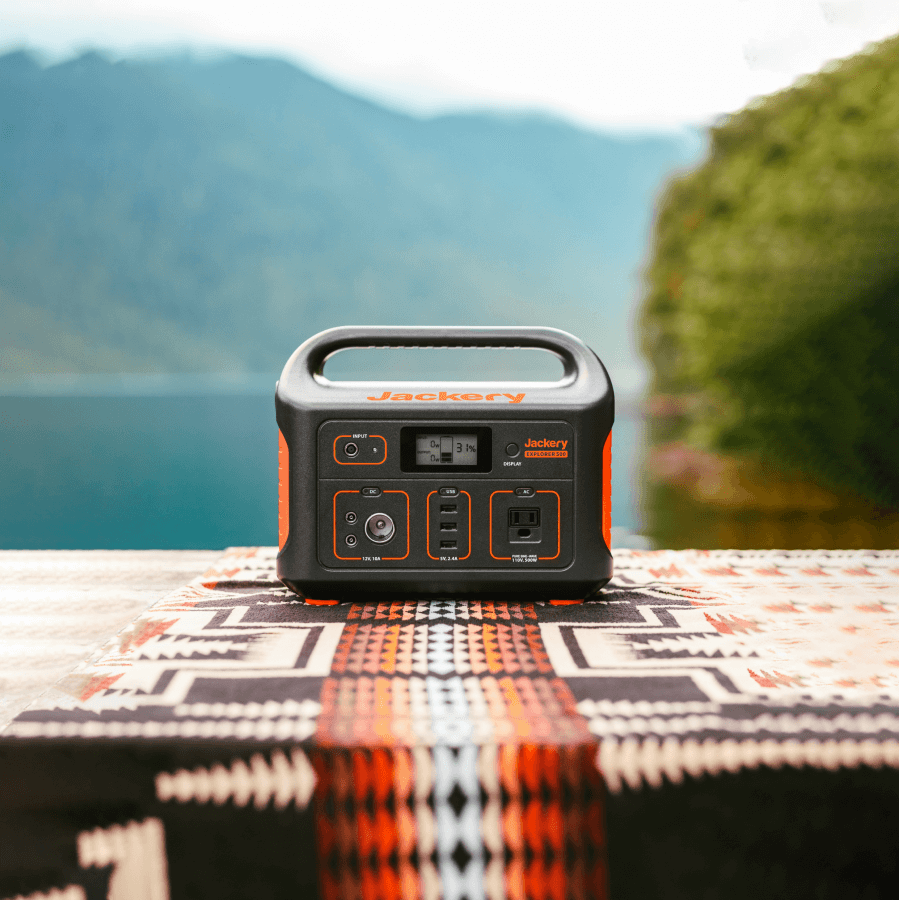
An RV portable power station doesn't generate electricity but stores it. It charges from shore power, solar panels, your vehicle's alternator, or a standard wall outlet, then delivers that stored energy silently and cleanly to your appliances whenever you need it.
Battery-based power: Stores energy in a LiFePO4 or NMC lithium battery and releases it on demand with zero combustion
Silent operation: No engine, exhaust, or noise restrictions at quiet-hour campgrounds
Multiple charging sources: Charges via shore power, rooftop solar, portable solar panels, or your vehicle's alternator while driving
Output: Typically 1,000–3,000W continuous on high-capacity units, enough for most everyday RV appliances
Flexible use: Works inside or outside the RV, on a hiking trip, or as home battery backup power when you are not on the road
What Are the Advantages and Drawbacks of RV Portable Power Station vs. Built-in Generator?
Both portable power stations and built-in generators have a place in RV setups. The mistake is assuming one completely replaces the other. A built-in RV generator has clear advantages in specific high-demand scenarios, and a portable power station wins on almost every quality-of-life metric for everyday use.
Where Does a Built-In Generator Still Win for RV Use?
For sustained, high-draw power demands, especially in hot climates or extended boondocking without solar access, a built-in RV generator is simply the more practical tool. Battery systems have limits, and these are the scenarios where those limits show up most clearly.
Rooftop AC Units: Drawing 1,200–1,800W at startup and 700–1,200W continuously, a rooftop AC running for hours demands more output and capacity than most portable power stations can sustain alone
Extended Boondocking Without Solar: Multi-day off-the-grid camping trips with heavy appliance use and no reliable sun access favor a fuel-based generator that produces power as long as the tank is full.
Full-time RV Living: Residential refrigerators, electric cooking, multiple screens, and climate control running simultaneously put sustained demands that a built-in system handles more naturally.
Extreme Cold Weather: Lithium battery capacity drops significantly in freezing temperatures. A fuel-based generator maintains consistent output regardless of how cold it gets.
Where Does a Portable Power Station Outperform the Built-In for RV Generators?
For the majority of RV campers who aren't running AC around the clock or cooking on an electric range every night, a portable power station or solar generator wins on nearly every measure that affects day-to-day comfort on the road.
Zero Noise: Runs silently during campground quiet hours, typically 10pm to 6am, with no restrictions, neighbor complaints, or campground violations.
Zero Emissions: No exhaust inside or near the RV eliminates the risk of carbon monoxide entirely, a genuine safety concern with fuel-based generators in confined spaces.
No Maintenance: No oil changes, spark plug replacements, or carburetor service is required as a LiFePO4 power station requires nothing beyond keeping it charged.
Solar Charging: Pair with RV rooftop or portable panels for free, sustainable daily power. On a good sunny day, the running costs of a power station drop to zero.
Flexibility: Use the portable power station outside the RV, take it hiking, lend it to a neighbor, or plug it in at home as an essential home backup power source during a grid outage.
Lower Cost Over Time: A solar-charged portable station costs nothing to run after purchase, compared to $3–6 per day in fuel for a generator running for 4 hours daily.
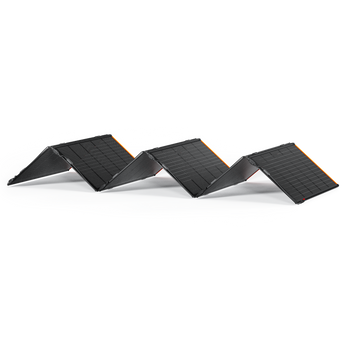
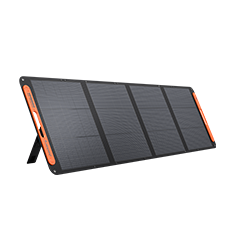
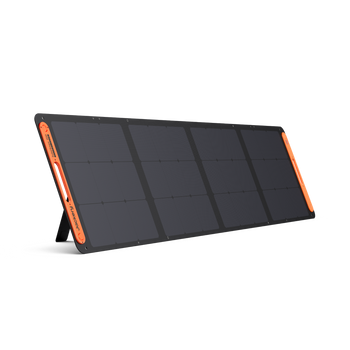
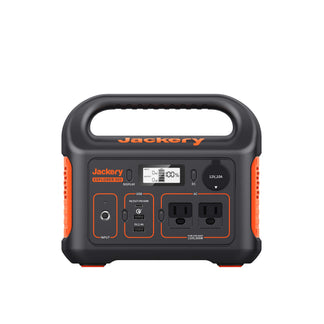
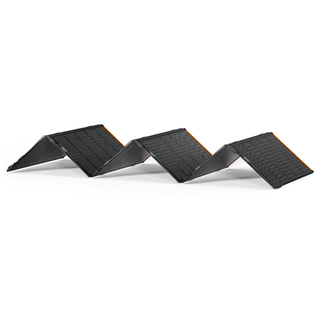
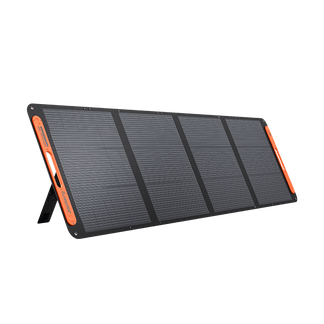
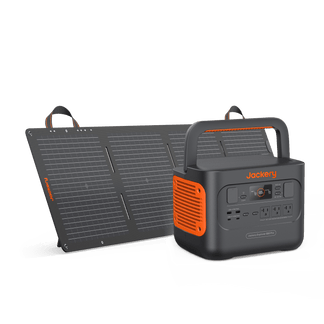
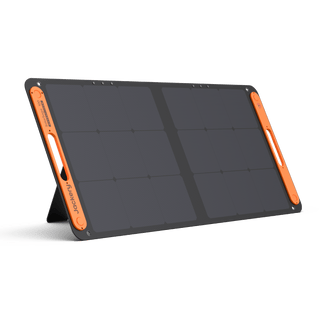
John Bachman, a mechanical engineering professor in Los Angeles, first came across Jackery when he bought a van with two Explorer 1000 units already installed, and was immediately struck by how compact, intuitive, and solar-ready they were. As his trips grew longer, including a sabbatical living part-time in Baja, Mexico, where power outages happen weekly, he upgraded to the Jackery HomePower 3000 paired with SolarSaga 200W Solar Panels, running refrigeration, air conditioning, computers, and everyday electronics without interruption. He's also used it in the field with student engineering teams, powering welders that traditional generators struggle to handle efficiently. Read more such Jackery Stories to see how people use their solar generators for RV, home backup, and other outdoor adventures.
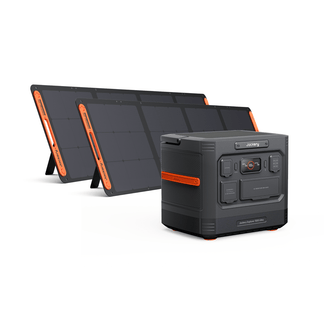
Recommended Jackery Portable Power Stations for RVs
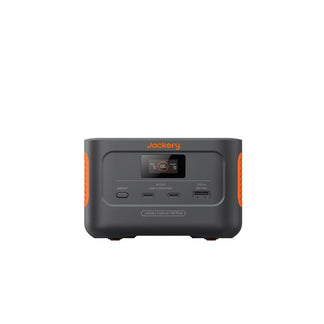
A well-chosen portable power supply for camping or other outdoor trips doesn't just supplement your RV's built-in generator. In fact, it can handle the majority of your daily power needs on its own, making the generator a backup tool rather than a constant companion. These three Jackery Portable Power Stations cover the most common RV scenarios.
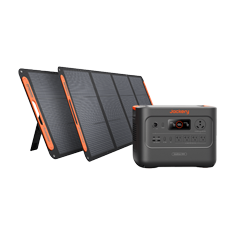
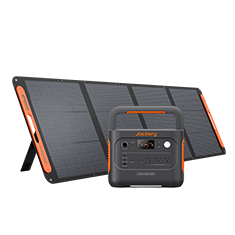
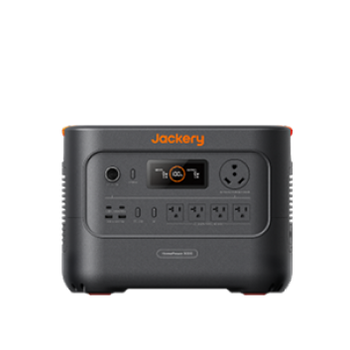
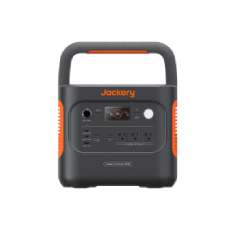
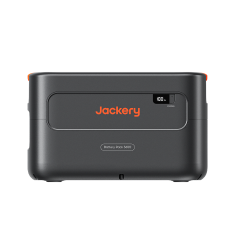
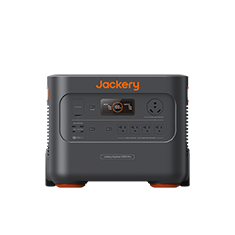
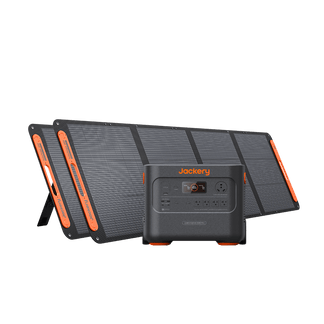
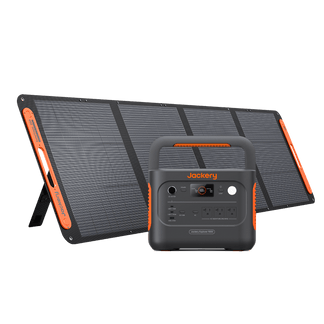
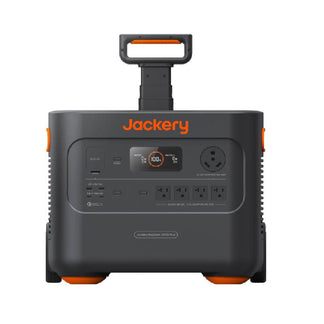
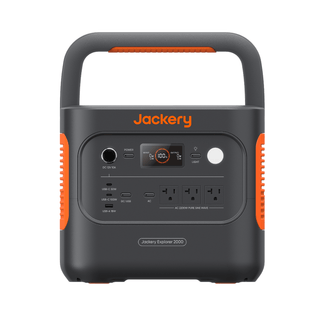
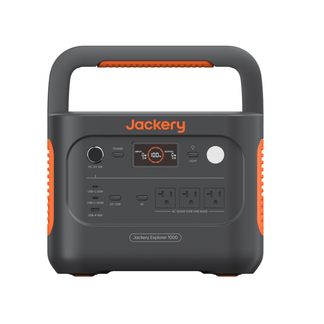
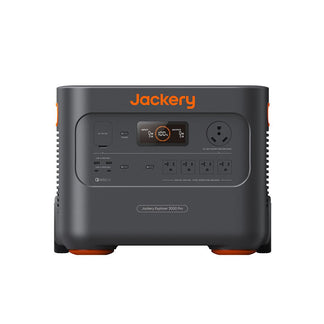
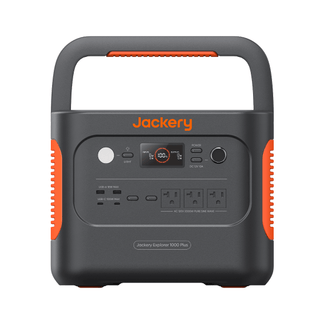
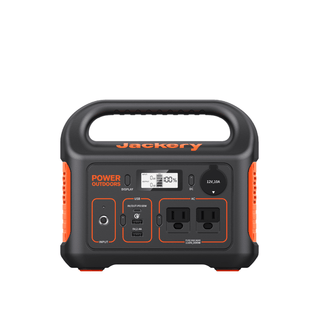
Jackery Explorer 2000 v2
The Jackery Explorer 2000 v2 is ideal for weekend RV campers and couples who need reliable daily power without the size and weight of a larger unit. It covers a portable fridge, device charging, lighting, a CPAP machine, and entertainment through a full night without strain. You can pair the battery backup with solar panels, and it recharges during the day while you are out exploring, arriving back at camp to a full battery ready for the evening.
Appliances Running Time
- Portable Fridge (50W) = 24.6H
- LED Lighting (10W) = 59.8H
- CPAP Machine (40W) = 28.9H
- Electric Grill (500W) = 3.2H
- Coffee Maker (1000W) = 1.6H
Who Should Buy This
If you are a weekend RV camper or traveling couple who wants a portable power station that covers daily essentials, such as fridge, CPAP, devices, and entertainment, without the size and cost of a larger unit, the Jackery Explorer 2000 v2 is the right fit.

Customer Review
Great product - charged and tested it on several options. Community power has started to be turned off when there are high winds to prevent fires, which means we could start to lose power on a routine basis. Excellent product to keep our little world running.
— Kimberlae.
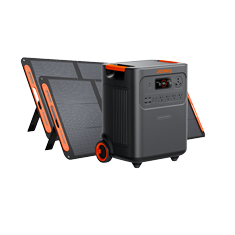
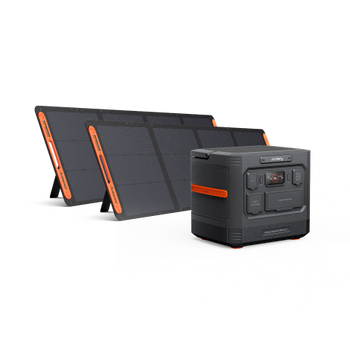
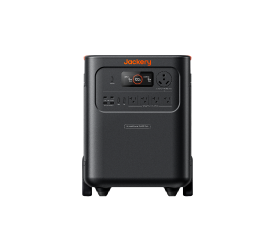
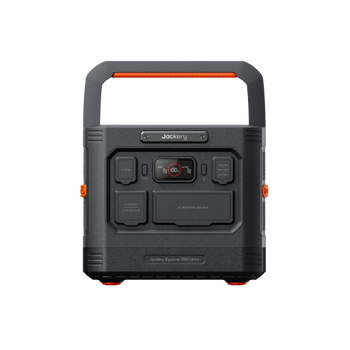
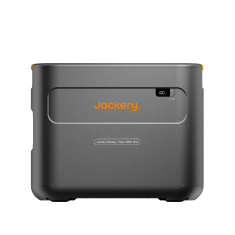
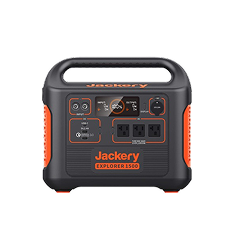
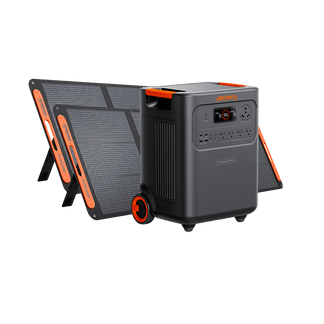
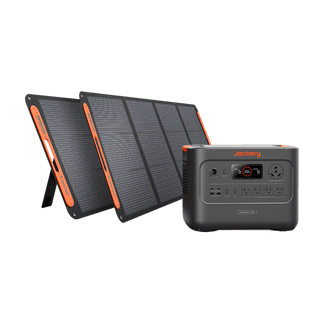
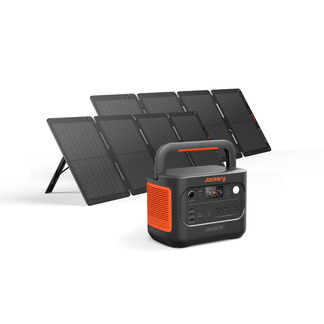
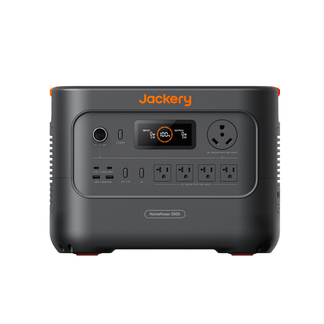
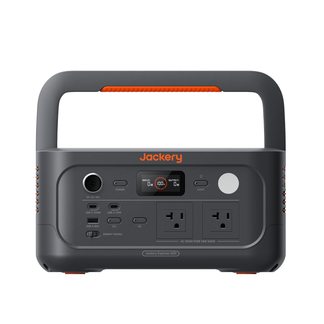
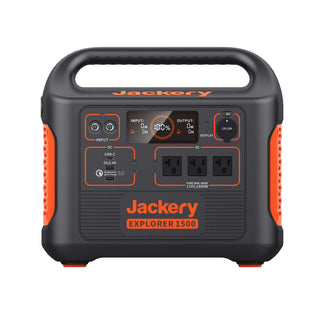
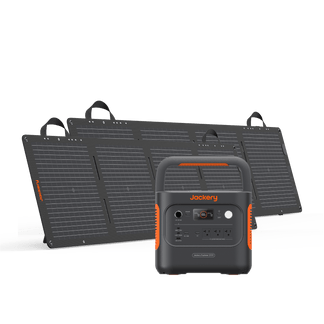
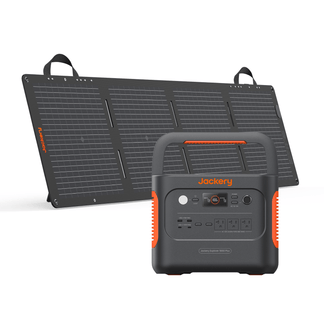
Jackery HomePower 3000
The Jackery HomePower 3000 steps up for RV families and longer trips where a wider appliance load and more daily power draw are the norm. It handles a portable fridge, multiple device charging stations, a small microwave, lighting throughout the coach, and a CPAP simultaneously, covering almost everything a family needs daily without touching the built-in RV generator. It's also a strong solar pairing candidate, with high solar input that allows meaningful recharging during the day.
Appliances Running Time
- Portable Fridge (50W) = 36.3H
- LED Lighting (10W) = 81.6H
- CPAP Machine (40W) = 42.1H
- Electric Grill (500W) = 5.0H
- Coffee Maker (1000W) = 2.6H
Who Should Buy This
If you are camping with family, taking longer trips, and need a portable power station that covers a full daily appliance load, including small cooking appliances, without relying on the built-in generator for anything short of the AC unit, the Jackery HomePower 3000 is the right choice.

Customer Review
I purchased the Jackery 3000 for my RV for overnight boon-docking which works perfect for, I reviewed a number of other factors and finally decided on this version because of the 30amp connection which my travel trailer utilized.
— Thomas C.
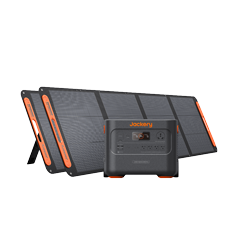
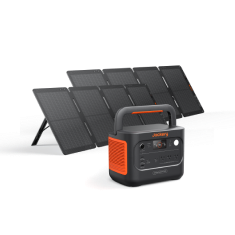
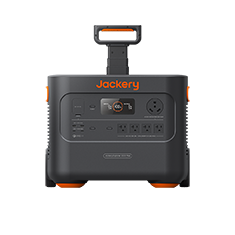
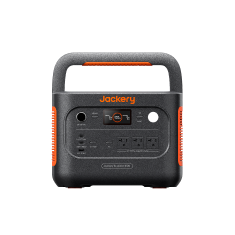
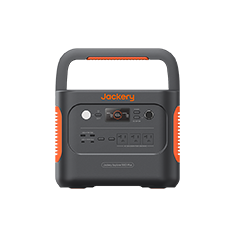
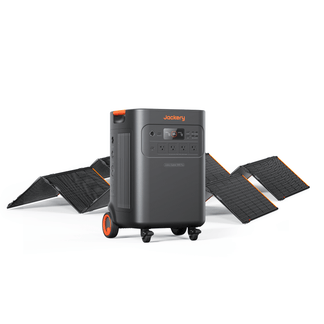
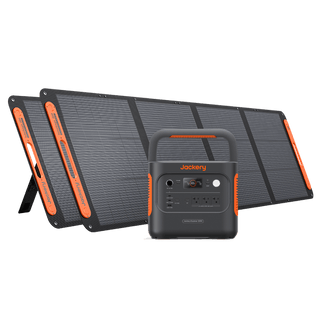
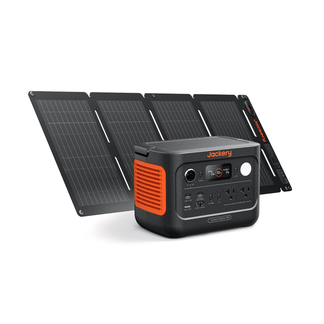
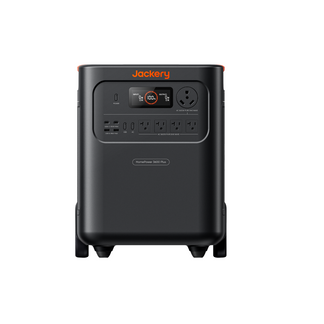
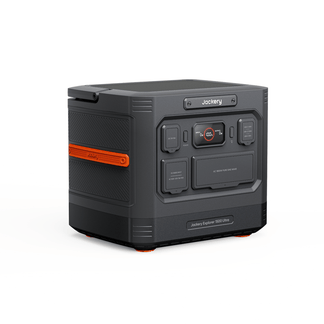
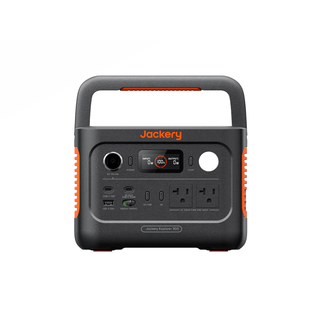
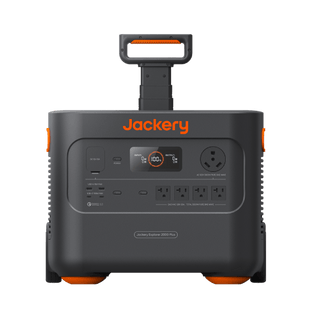
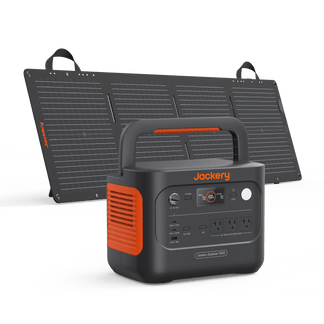
Jackery HomePower 3600 Plus
For RV owners who want to skip the built-in generator entirely for most trips, the Jackery HomePower 3600 Plus is the portable power station built for that. It handles the full daily power load of a well-equipped RV: residential refrigerator, full lighting, multiple devices, cooking appliances, and entertainment, all day, all night, from stored solar energy. It's the right pick for frequent boondockers, full-time RVers who want to minimize generator dependence, and owners in sun-rich regions where solar recharging is reliable and consistent.
Appliances Running Time
- Portable Fridge (50W) = 42.3H
- LED Lighting (10W) = 95.2H
- CPAP Machine (40W) = 49.1H
- Electric Grill (500W) = 5.8H
- Coffee Maker (1000W) = 3.0H
Who Should Buy This
If you are a frequent boondocker or prefer full-time RV living and want to run the built-in generator as rarely as possible or eliminate it from your daily routine entirely, the Jackery HomePower 3600 Plus gives you the capacity and output to do that.

Customer Review
It came quickly in the mail, and it came 26% charged already. It was nice. We tested it on our fan. We are going to use this to power our camper. I’m so excited to see how it goes! So far, we are loving it! It is pretty heavy, but it has an extendable handle to pull it like a suitcase.
— Aleasha.
Should You Replace Your Built-in Generator: Supplement It or Skip It Entirely?
This is the question most RV owners eventually ask, and the honest answer is that it depends on four things: how you use your RV, how often you boondock, what appliances you genuinely can't live without, and whether fuel costs and maintenance are starting to add up in a way that bothers you.
When Does It Make Sense to Run Both: Generator and Portable Power Station Together?
The hybrid approach is the most common real-world setup among experienced RV owners, and for good reason. It gets the best out of both systems without asking either one to do something it wasn't designed for.
When to replace the built-in RV generator entirely: If you primarily stay at campgrounds with RV shore power access, rarely boondock for more than two nights at a stretch, don't run a rooftop AC from generator power, and your built-in is aging and due for expensive maintenance, replacing it with a high-capacity portable station and a good solar setup is a legitimate option. The maintenance savings alone can justify the switch over to two to three camping seasons. For more information, you can also read the complete guide to solar-powered RV.
When to skip the portable station and keep the built-in only: If you full-time live in your off-grid RV in a hot climate, run a rooftop AC unit continuously, use a residential refrigerator and electric cooking range daily, and rarely stay at campgrounds with quiet-hour restrictions, your built-in RV generator is doing exactly what it was designed for. A portable station adds flexibility but may not change your experience significantly if your power demands consistently exceed what a portable power station can sustain.
FAQs
Is a power station better than a generator for an RV?
For most RV campers, a portable power station is better for daily use because it is silent, requires no fuel, produces no emissions, and can be paired with solar panels for sustainable, free power. A built-in RV generator remains the stronger choice for continuous, high-draw use, such as rooftop AC and full residential appliance loads. The most practical setup for most RV owners is to use both: a portable station for daily power and the built-in generator for peak loads only.
What is the difference between a portable generator and an RV generator?
A portable generator is a standalone, fuel-burning unit you carry and set up outside. It's not connected to the RV's fuel system or electrical panel. An RV built-in generator is hardwired into the coach's electrical system and draws directly from the RV's own fuel tank. Both produce power through combustion, both are loud, and both require maintenance. A portable power station is an entirely different category as it stores energy in a battery rather than burning fuel, operates silently, and requires no maintenance.
Are portable power stations the same as generators?
No. Traditional generators, whether portable or built-in, produce electricity by burning fuel in an engine. A portable power station stores electricity in a battery and delivers it on demand. The practical differences are significant: power stations are silent, emission-free, maintenance-free, and compatible with solar power. Generators produce continuous power as long as there's fuel, making them better suited for very high sustained loads. For most RV campers, a portable power station covers daily needs more comfortably than a generator.
Is an inverter generator better than a generator for an RV?
An inverter generator is quieter and more fuel-efficient than a conventional generator. It adjusts engine speed to match the load rather than running at full throttle constantly. For RV use, an inverter generator is a meaningful improvement over a conventional portable generator, particularly for quiet campgrounds. However, it still burns fuel, produces exhaust, requires maintenance, and can't run during campground quiet hours.
Can I plug my RV into a portable power station?
Most portable power stations have standard AC outlets that can power individual RV appliances directly. For powering the RV's full electrical system through its shore power inlet, you need a power station with sufficient output (typically 2,000W or more) and the correct adapter or transfer setup. High-capacity power stations like the Jackery Solar Generator HomePower 3600 Plus can power most of an RV's daily appliance load through direct connections.
Conclusion
The built-in RV generator still does things a portable power station can't match, and for full-time RVers with high continuous power demands, it remains a practical necessity. But for the growing majority of RV campers who value quiet mornings, clean air, free solar power, and the flexibility to use their power source beyond the RV itself, a portable power station changes the experience in ways that are hard to overstate once you have tried it. You can use the built-in generator for what it was designed for: powering the AC unit, high-draw cooking sessions, and cloudy-week backup. You can use a Jackery Solar Generator for everything else and watch how rarely the built-in needs to run.