










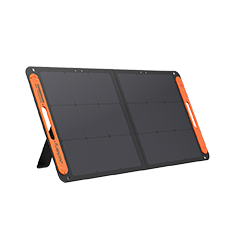
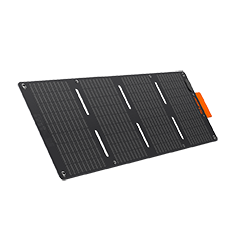




![[Add-on] Jackery SolarSaga 500 X - Jackery](http://www.jackery.com/cdn/shop/files/add-on-jackery-solarsaga-500-x-1493607.webp?v=1786503068&width=324)
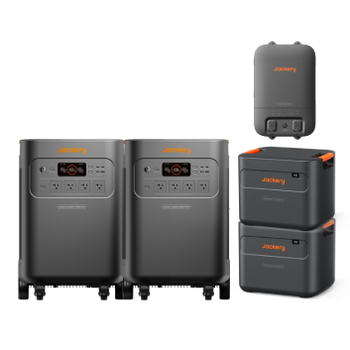
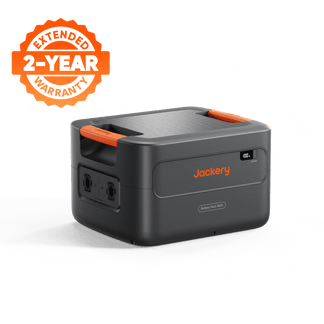
![[Add-on] Jackery Battery Pack 5000 Plus - Jackery](http://www.jackery.com/cdn/shop/files/add-on-jackery-battery-pack-5000-plus-6713401.webp?v=1786503068&width=324)




















How mechanical engineering professor John Bachman rethinks energy: at home, on the road, and beyond the grid.
A Mind Trained to Build Things That Work
John Bachman has always been drawn to systems: how they’re assembled, how they respond under pressure, how small design choices ripple outward. As a mechanical engineering professor in Los Angeles, he spends his days teaching students how to design and build machines that don’t just look good on paper, but function in the real world.
“I teach a lot of design-and-build classes,” he says. “We work with competition teams. We build off-road cars, kind of two-thirds scale Formula One cars.”
It’s the kind of work that rewards patience and punishes shortcuts. And outside the classroom, that same mindset shapes how John moves through life: deliberately, experimentally, with an eye toward adaptability.
Los Angeles, after all, is a place where systems are always under strain; wildfires, rolling blackouts, heat waves, earthquakes waiting quietly beneath the surface. For someone trained to think about failure points, energy reliability isn’t abstract. It’s structural.
From Old Mustangs to New Batteries
John’s path into engineering began with cars, specifically, old Mustangs. But over time, the questions that interested him became broader.
“How can we make cars cleaner?” he asks. “How can we reduce environmental impact and make technology more accessible?”
That curiosity pulled him into fuel cells, electric vehicles, and battery research. Today, his work includes studying next-generation battery chemistries and grid-scale energy storage, fields where theoretical performance has to survive real-world constraints.
“There are battery packs where even the person who built them has trouble figuring out how to use them,” he says.
Simplicity, he’s learned, is not the absence of complexity, but the careful hiding of it.

A Van, Two Dogs, and a New Way to Travel
Outside of academia, John’s life looks different. He and his partner travel frequently, often living out of a camper van with their two dogs. It’s a lifestyle shaped by movement rather than permanence.
“It’s not that easy to travel with dogs,” he explains. “You can’t go into restaurants or hike for hours.”
The solution wasn’t boarding kennels or cutting trips short; it was climate control. With solar panels, battery storage, and air conditioning, the dogs could stay safely inside the van while John and his partner stepped away.
That was his first real use case for Jackery.
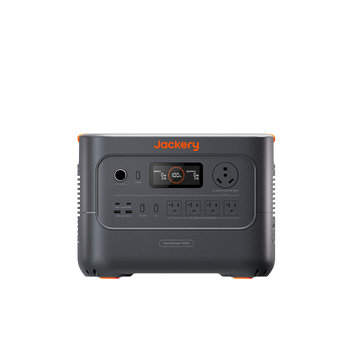
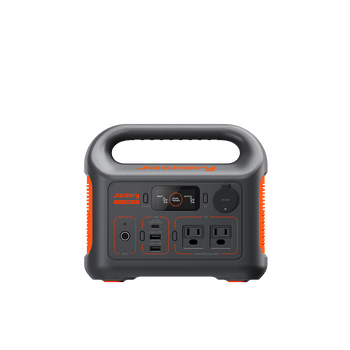
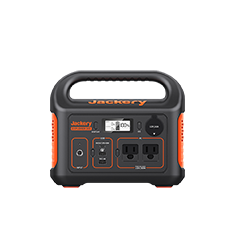
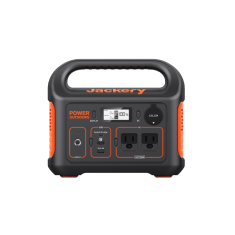
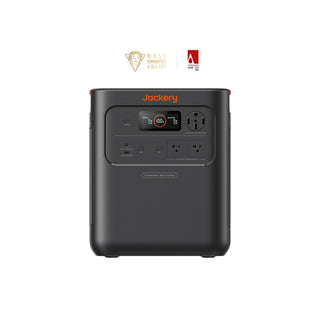
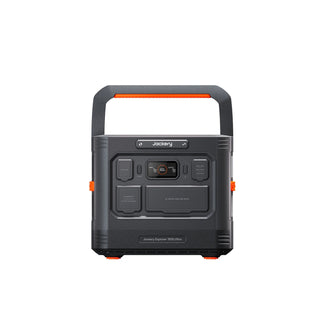
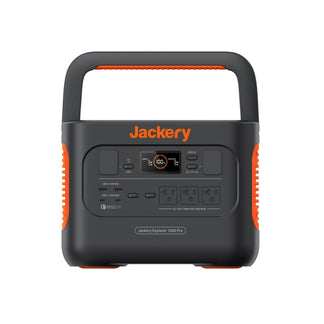
He didn’t discover the brand through research at first; it came with the van itself. “The previous owner had a couple of Jackery Explorer 1000 units,” he says. “I was very impressed with how compact they were, how they connected to solar, how they handled both DC and AC power.”
The units worked quietly, efficiently, without demanding attention. That mattered.
Choosing a System That Made Sense
When John began upgrading the van for longer stays, the limits of smaller batteries became clear. Living out of the van for a weekend, or for a workweek, as his partner does while working hospital shifts in San Diego, required far more energy.
“I looked at several other companies,” he says. “But Jackery systems were easy to use, very reliable, and the price point was good.”
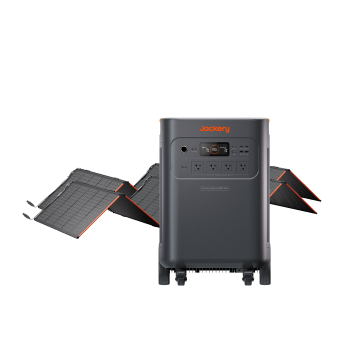
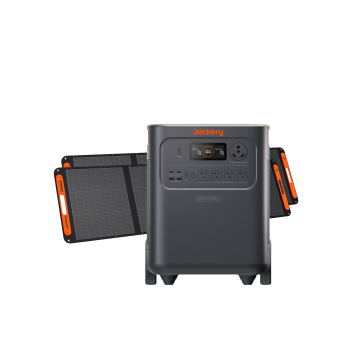
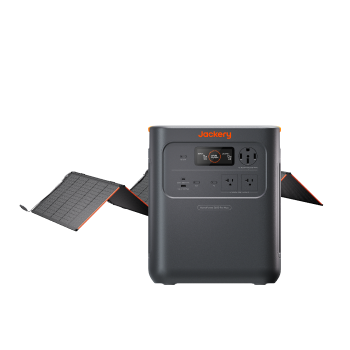
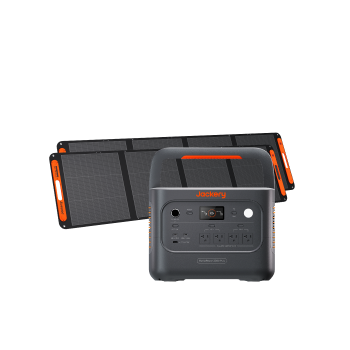
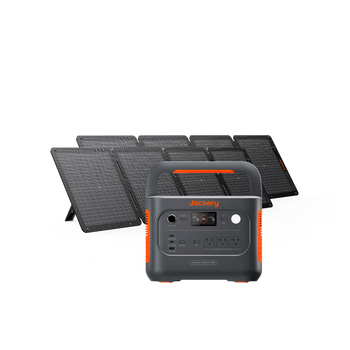
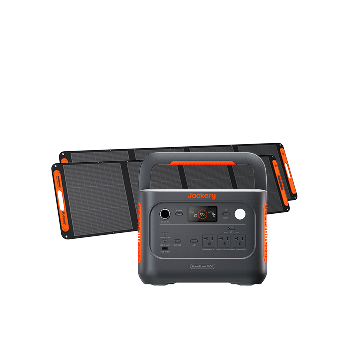
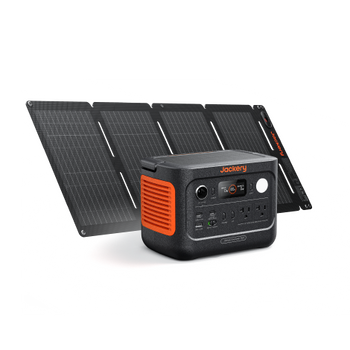
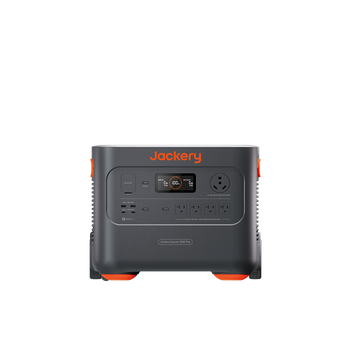
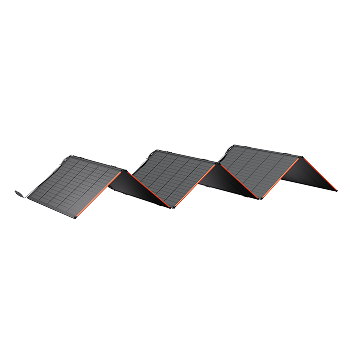
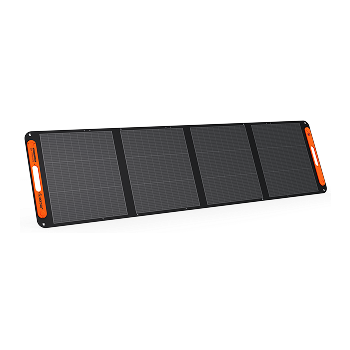
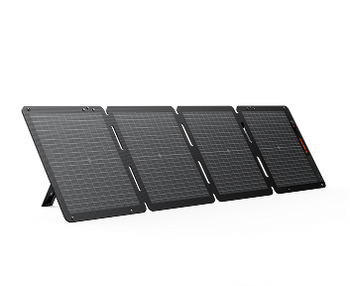
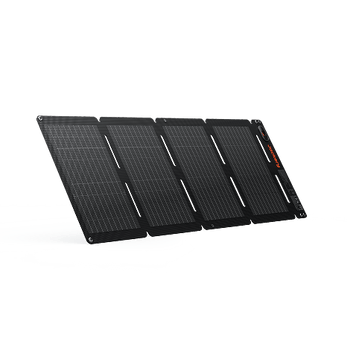
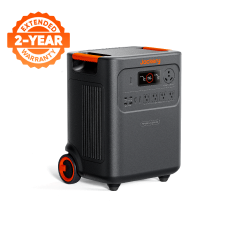
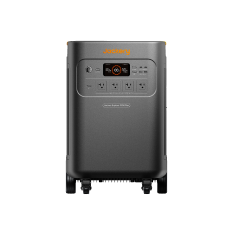
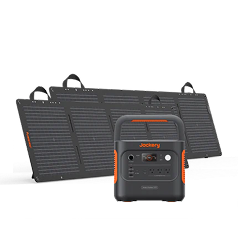
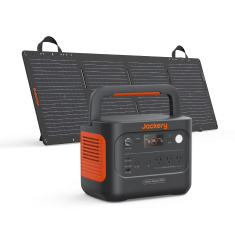
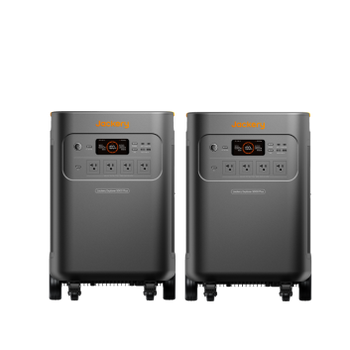
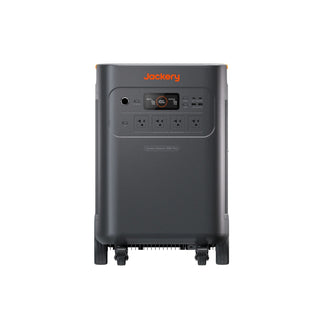
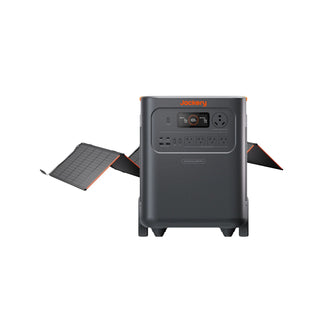
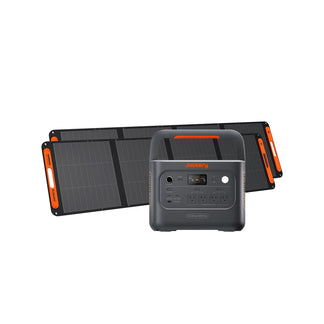
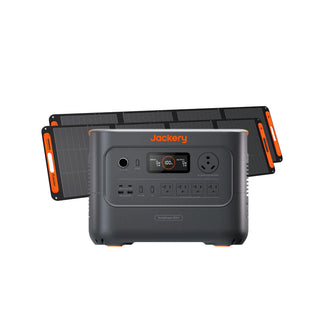
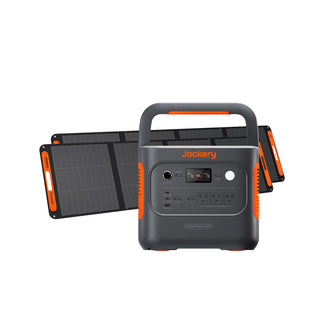
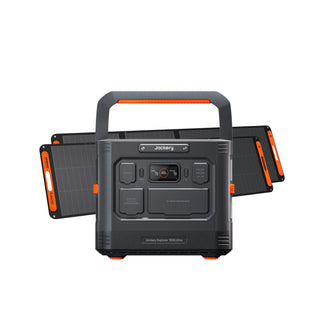
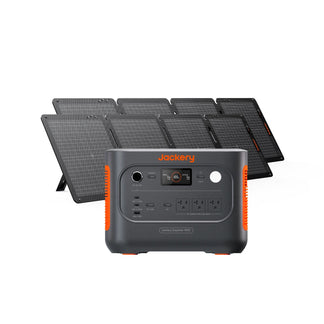
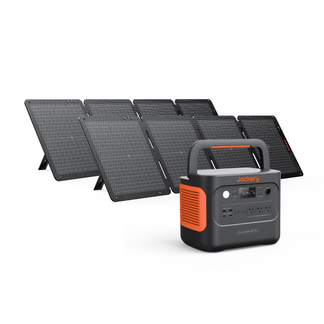
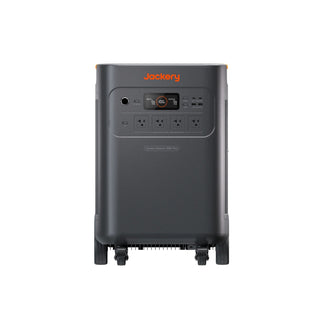
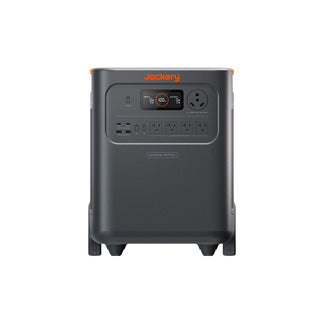
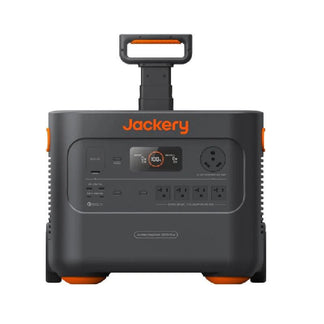
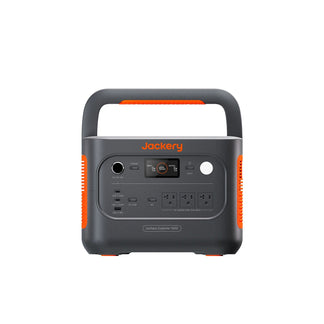
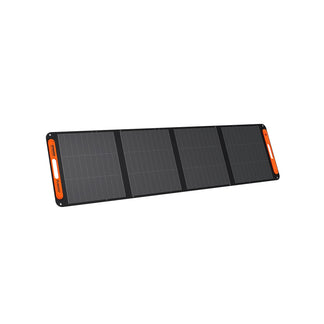
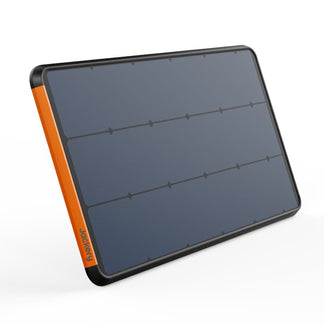
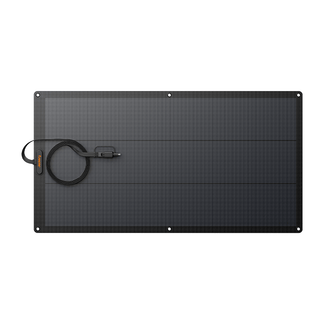
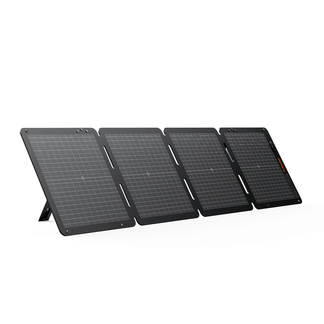
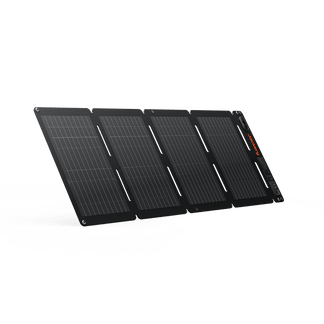
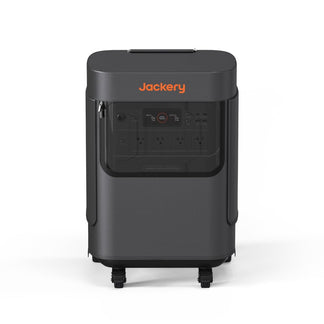
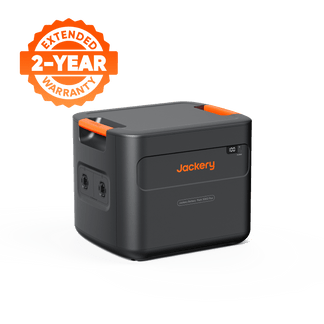
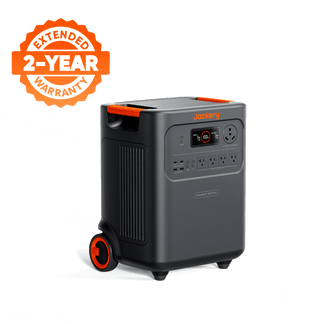
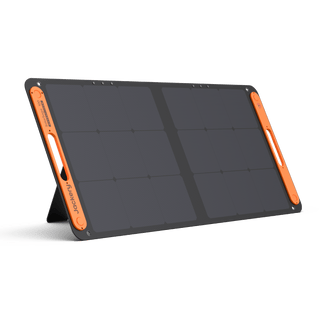
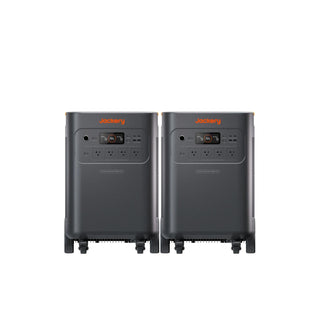
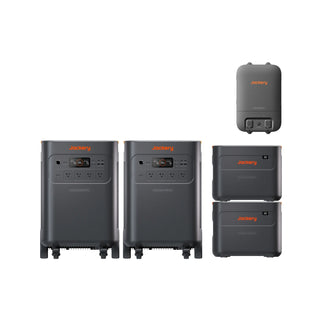
He chose the HomePower 3000, paired with SolarSaga 200W panels, expanding his setup into something that could sustain refrigeration, heating, air conditioning, computers, and everyday electronics.
What stood out wasn’t just capacity, it was usability.
“You don’t need to read a thousand-page manual,” he says. “You look at it, and you know how to use it right away.”
For an engineer, that’s not a small compliment.


Power Where the Grid Isn’t Guaranteed
During his current sabbatical, John has been living part-time in Mexico, traveling through Baja. There, outages aren’t rare; they’re routine.
“The power goes out weekly,” he says.
Jackery became part of daily life rather than emergency planning. Refrigerators kept running. Devices are charged overnight. During the day, solar panels replenished what had been used.
“It gets its rated energy,” he says simply. “What you expect to get is what you get.”
Even when running AC power, where conversion losses are unavoidable, the system behaved exactly as predicted. For someone who spends his career teaching students how to calculate efficiency, predict load, and plan margins, that consistency matters.
Tools, Teaching, and Unexpected Uses
John’s Jackery systems don’t stay confined to the van. He uses them in the field with student teams repairing off-road vehicles, sometimes powering welders that require sharp bursts of energy traditional generators struggle to deliver.
“Traditional generators aren’t very good at that unless they’re very expensive,” he explains. “Jackery is a more affordable way to handle instantaneous high-power needs.”
Portability matters too. The HomePower 3000 fits into tight spaces where bulkier systems wouldn’t. In engineering terms, it’s not just powerful, it’s well-scaled.
He jokes that if Jackery ever has a broken unit lying around, he’d love to take it apart and show students how it works. For him, the product isn’t a black box. It’s a teaching tool.


Design, Seen from the Inside Out
When John talks about the Jackery design, he talks like someone who understands what’s hidden behind the casing.
“I appreciate the robustness,” he says. “And the simplicity. The electronics behind the scenes are complicated, but interacting with them isn’t.”
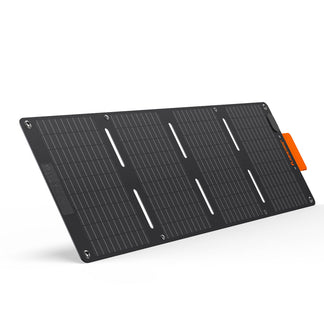
He’s thoughtful about the solar panels, too. How they fold, how they angle, how bifacial design captures reflected light. He notices small things others might miss, and offers constructive ideas for improvement, not criticism.
That’s the tone of someone who respects the system.
A Different Relationship with Energy
John doesn’t frame Jackery as a backup for disaster. Instead, it represents a shift in how energy fits into his life.
It allows travel without compromise.
It supports teaching and experimentation.
It adapts to different countries, climates, and rhythms.
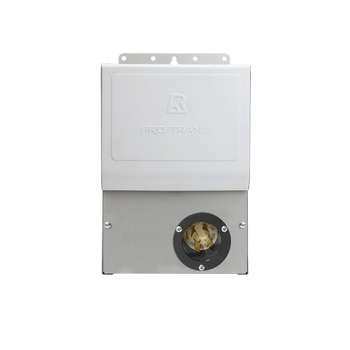
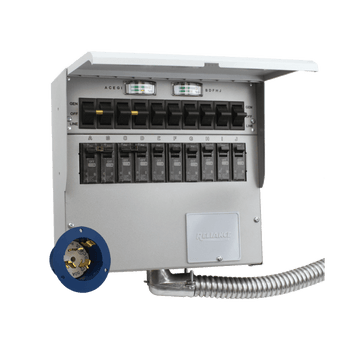
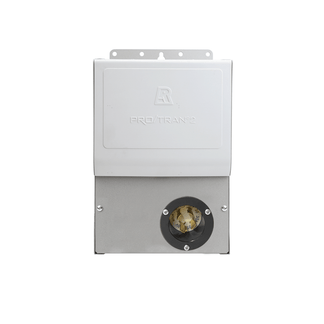
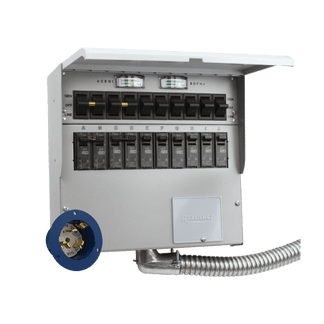
In Los Angeles, the panels sometimes sit unused. In Baja, they’re essential. In the van, they create autonomy. At home, he’s considering adding a transfer switch to integrate them more fully.
“I’d like to power more of my home life off it,” he says.

Three Words, Carefully Chosen
When asked to describe Jackery in three words, John pauses, not because he doesn’t know, but because precision matters.
“Intuitive,” he says.
“Robust.”
“And super useful.”
They’re not marketing words. They’re engineering assessments.
And in a life shaped by design, travel, teaching, and adaptation, those qualities are exactly what make the system belong, not as a contingency, but as a tool that fits the way he already lives.


