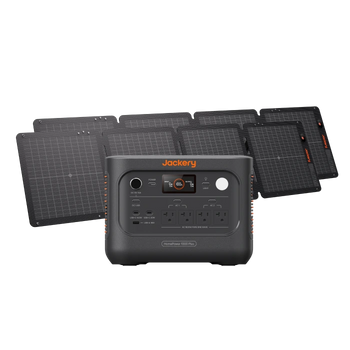
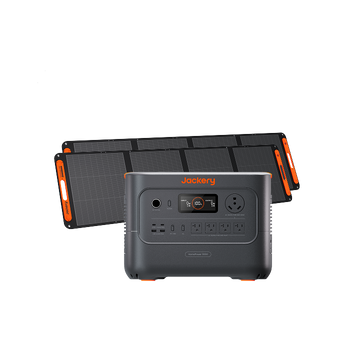


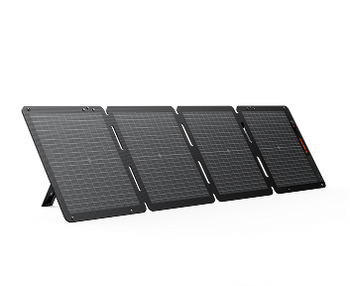


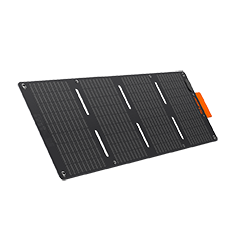



![[Add-on] Jackery SolarSaga 500 X - Jackery](http://www.jackery.com/cdn/shop/files/add-on-jackery-solarsaga-500-x-1493607.webp?v=1786503068&width=324)
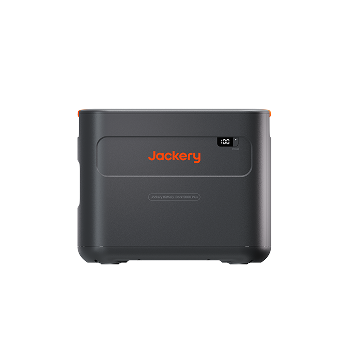
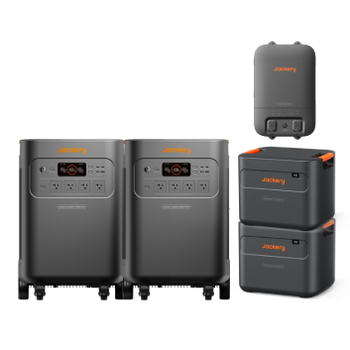
![[Add-on] Jackery Battery Pack 5000 Plus - Jackery](http://www.jackery.com/cdn/shop/files/add-on-jackery-battery-pack-5000-plus-6713401.webp?v=1786503068&width=324)







Quick Answer: An inverter and charger combo integrates a pure sine wave inverter, battery charger, and transfer switch to power loads from grid or battery. Never plug a battery charger into the inverter’s own AC output that feeds the same battery bank — this creates an energy-wasting loop that drains the battery. Size the inverter to handle surge loads and keep LiFePO4 batteries between 20% and 80% charge for longevity.
Key Takeaways
- A 2,000W continuous load needs at least a 3,000W inverter/charger and a 48V 200Ah LiFePO4 battery to run for roughly 3.2 hours.
- The biggest mistake is plugging a separate battery charger into the inverter’s AC outlet — it wastes energy through double conversion and can overheat components.
- LiFePO4 batteries last 3,000–6,000 cycles when operated daily between 20% and 80% state of charge, while lead-acid batteries degrade quickly under the same partial-state cycling.
- Most all-in-one inverter/charger combos cannot invert and charge simultaneously; separate components are required for true simultaneous operation during high-demand scenarios.
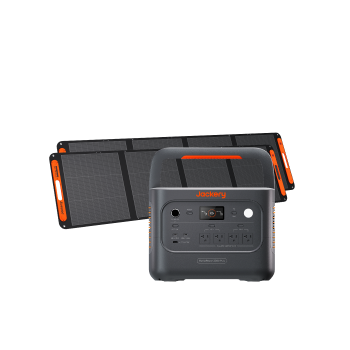
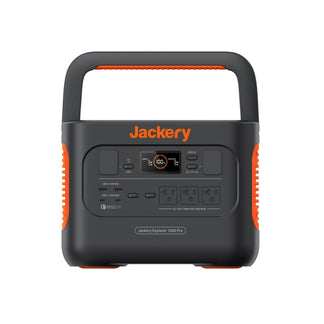
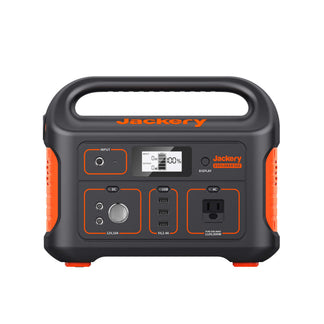
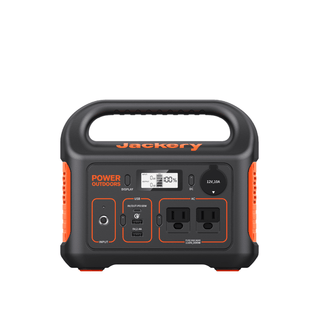
- Portable power stations like the Jackery lineup offer a plug-and-play alternative for essential home backup without the complexity of component wiring.
Understanding the Inverter and Charger Combo
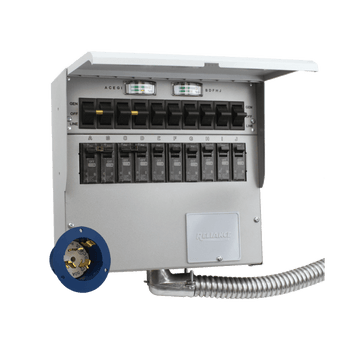
An inverter/charger combo packs three functions into a single enclosure: a pure sine wave inverter that turns DC battery power into household AC, a multi-stage battery charger, and an automatic transfer switch. When the grid is up or a generator is running, the internal transfer switch passes AC straight through to your loads and simultaneously routes power to the charger to top off the battery. The moment AC input drops, the transfer switch flips to inverter mode — typically in under 20 milliseconds — and your appliances draw power from the battery bank.
The power-assist feature adds another layer of utility. If you’re running off a small generator that can’t quite handle a motor startup, the combo temporarily pulls extra current from the battery to cover the surge, then reverts to pass-through charging once the load settles. This prevents generator overloads without interrupting power.
Limitations of Inverter/Charger Combos
- No simultaneous inverting and charging: The transfer switch forces either/or operation. You’re either passing AC through and charging, or inverting from the battery. When loads and charging run together from a generator, the unit can’t supplement from the battery if the load exceeds the generator’s output — the inverter is off.
- Double-conversion trap: Plugging a standalone battery charger into the inverter’s AC outlet that feeds the same battery bank creates an AC→DC→AC→DC loop. You lose 15–25% of the energy as heat in each conversion, resulting in net drain and overheating.
- Not ideal for high-demand simultaneous needs: If you must run heavy loads while bulk-charging a large battery bank from a generator, separate inverter and charger components allow true concurrent operation without a transfer switch limitation.
- Thermal constraints: Packing an inverter and charger into one box concentrates heat. Without at least 6 inches of clearance on all sides, the unit will derate or shut down under sustained loads, especially in warm environments.
Sizing Your System: Matching Inverter, Charger, and Battery Bank
Start by listing every appliance you’ll power during an outage and its running wattage. A typical set:
- Refrigerator: 700W
- LED lights: 100W
- Wi‑Fi router: 20W
- Laptop charger: 65W
- Fan: 50W
Total: 935W continuous. Add a well pump (1,200W) and you’re at 2,135W.
Motors demand extra attention — they can pull 2–3× their rated wattage for a second or two during startup. Your inverter’s peak (surge) rating must cover that spike. A 3,000W continuous inverter with a 6,000W surge rating handles most home motor loads safely.
For lithium batteries, the 20–80% rule is non-negotiable if you want longevity. Keeping the state of charge (SOC) between 20% and 80% daily can double or triple cycle life compared to full 100%–0% cycling. That means you size your bank based on usable capacity, not total capacity. A 10 kWh LiFePO4 battery yields only 6 kWh of usable energy if you stick to the 20–80% window.
System voltage matters once you cross the 3,000W threshold. Higher voltage reduces current, which lets you use thinner, less expensive cables and cuts voltage drop.
- 48V battery bank: for inverters above 3,000W
- 24V battery bank: for inverters in the 1,500–3,000W range
- 12V battery bank: adequate only for sub-1,500W setups
Calculate required amp-hours with this formula:
(Load Watts × Runtime Hours) ÷ (Battery Voltage × Inverter Efficiency × Depth of Discharge) = Required Ah
Example: A 3,000W load for 1 hour at 12V, 85% inverter efficiency, and 80% DoD:
(3,000 × 1) ÷ (12 × 0.85 × 0.80) = 368 Ah.
System Voltage |
Required Ah for 3,000W / 1 hr |
Approx. Battery Cost (LiFePO4, $900/kWh installed) |
12V |
368 Ah |
$4,320 (12V 400Ah bank) |
24V |
184 Ah |
$4,320 (24V 200Ah bank) |
48V |
92 Ah |
$4,320 (48V 100Ah bank) |
Cost range based on EnergySage 2026 average of $800–$1,300 per usable kWh installed. Actual prices vary by brand and configuration.
Low-frequency inverters (with heavy copper transformers) are the go-to for motor-driven loads because they handle startup surges without voltage sag. High-frequency designs are lighter and cheaper but can trip on motor inrush currents. For a fridge, freezer, or well pump, spend the extra weight and money on a low-frequency unit.
Simultaneous charging and discharging is safe only when the charger’s output current exceeds the inverter’s draw, putting net energy into the battery. If you’re pulling 100A from the battery and a charger is feeding in 80A, the battery still discharges at 20A — that’s fine. But if the charger can’t keep up, you’re simply draining the battery while the charger runs pointlessly.
Safety Rules and Common Mistakes for Simultaneous Operation
- Double-conversion loop: Plugging a battery charger into the inverter’s AC output that feeds the same battery bank is the most common and dangerous error. The inverter draws DC, makes AC, the charger converts it back to DC, and the cycle continues with 15–25% losses per pass. The battery drains, the inverter and charger overheat, and a thermal shutdown or component failure is inevitable.
- Back-feeding the grid: Some combo units can inadvertently send power to the grid if their AC input limits are exceeded, especially when connected to a generator. This is dangerous for line workers and illegal in most jurisdictions. Connect the charger to the generator, not to the inverter’s output, and use a transfer switch rated for off-grid use.
Battery Chemistry and Longevity Best Practices
LiFePO4 (lithium iron phosphate) is the standard for home backup. The table below compares it with AGM lead-acid.
Chemistry |
Usable DoD |
Cycle Life (80% DoD) |
Weight per kWh |
Cost per usable kWh (installed) |
LiFePO4 |
80% |
3,000–6,000 |
12–15 lbs |
$800–$1,300 |
AGM |
50% |
300–500 |
25–30 lbs |
$400–$600 |
LiFePO4 cost includes BMS and enclosure; AGM requires twice the rated capacity for the same usable energy.
Strictly adhere to the 20–80% SOC window for daily cycling:
- Charge to 80% and stop; discharge no lower than 20%.
- Use a smart charger or BMS with programmable voltages: 14.2–14.6V absorption for a 12V LiFePO4, then drop to a float of 13.5V. Holding peak voltage indefinitely degrades the cells.
- Float mode is mandatory for lithium. Without it, the charger keeps pushing current at absorption voltage, overcharging and causing permanent capacity loss.
- Every 30–60 days, perform a full 100% charge to let the BMS balance individual cells. Without balancing, cell voltages drift and usable capacity shrinks.
- Monitor SOC with a coulomb-counting shunt (like a Victron Smart Shunt) rather than relying on the charger’s LED indicators. A shunt measures actual current flow for a precise SOC reading; charger lights are only a rough guess.
Real-World Application: Emergency Home Backup Example
A 2,000W continuous load — refrigerator (700W), freezer (500W), well pump (1,200W starting, 800W running), modem/router (20W), and a few LED lights (30W) — demands a system that handles the pump’s startup surge and runs for several hours.
System specs:
- Battery: 48V 200Ah LiFePO4, total 9.6 kWh, usable 7.68 kWh at 80% DoD.
- Inverter/charger: 3,000W continuous, 6,000W surge, pure sine wave.
Runtime calculation:
(2,000W × Runtime) ÷ (48V × 0.85) = 157 Ah used after 3.2 hours — well within the 160Ah usable capacity (200Ah × 0.80). That gives you roughly 3.2 hours of runtime.
When grid power returns (or a generator fires up), a charger with a 30–50A rate replenishes the bank to 80% SOC in 1–2 hours. During the outage, keep the battery within the 20–80% window. If you need to charge while loads are running, connect the charger to the generator, not the inverter’s AC output, to avoid double-conversion loss and keep heat manageable.
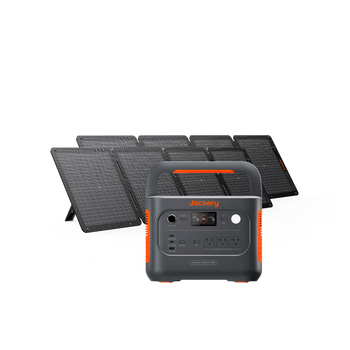
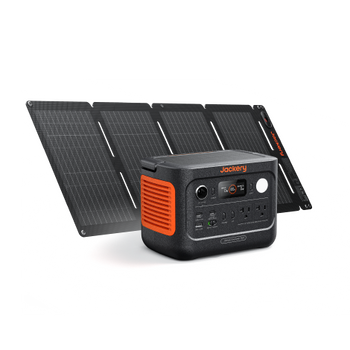
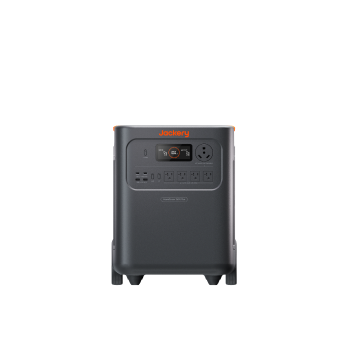
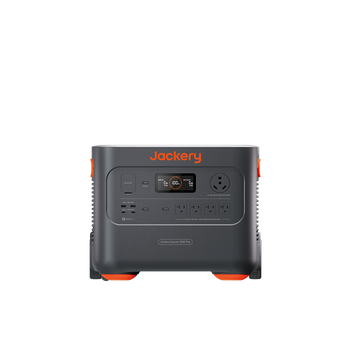
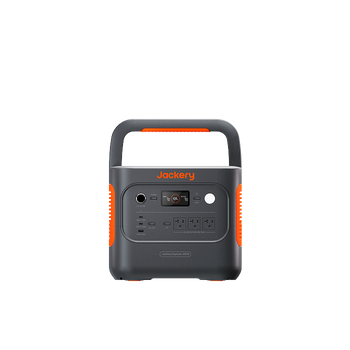
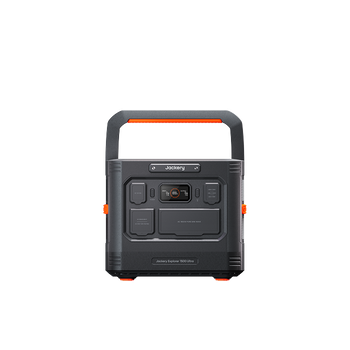
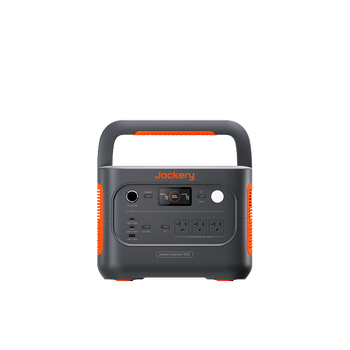
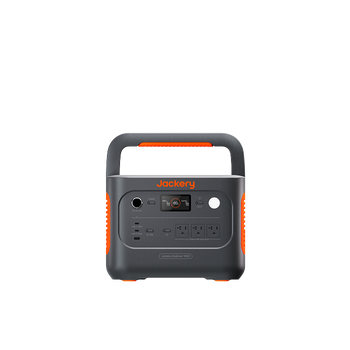
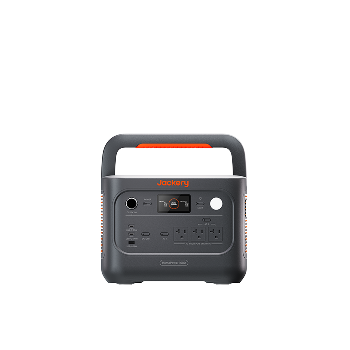
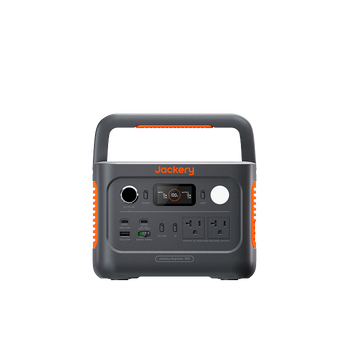
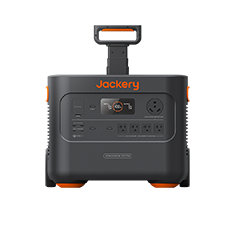
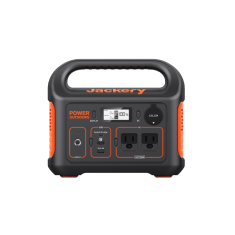
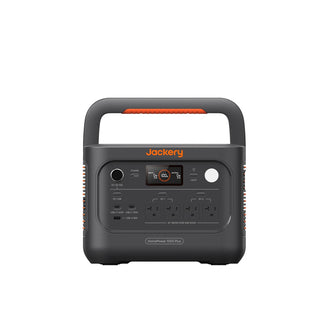
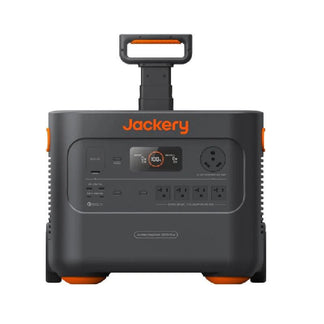
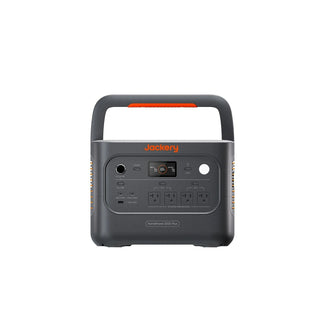
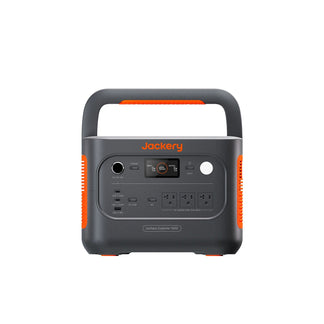
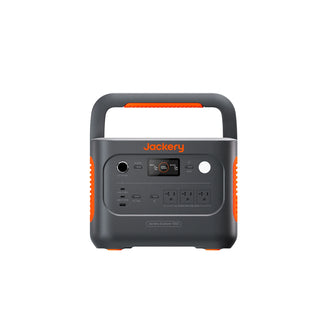
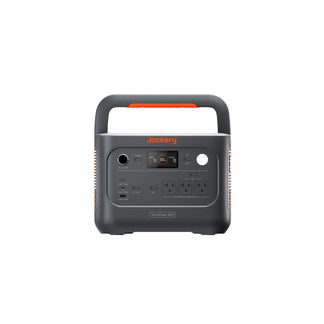
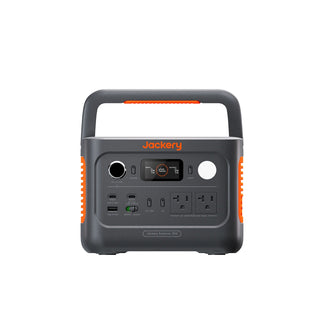
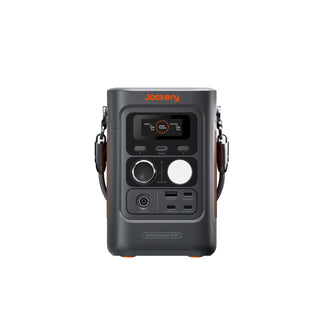
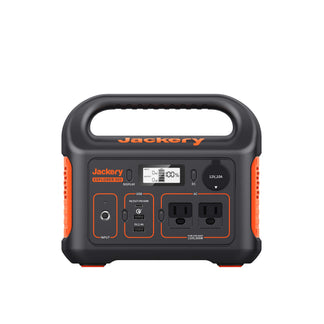
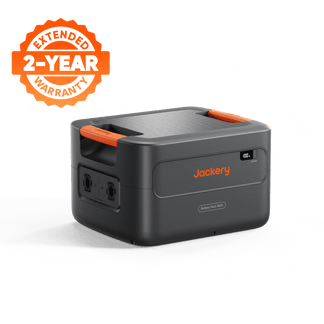
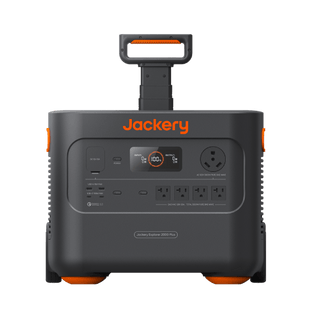
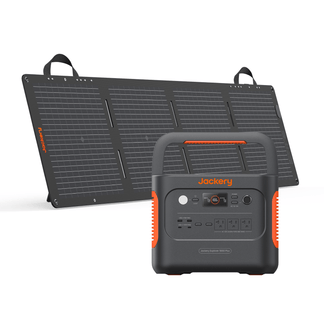
For those who prefer a pre-integrated system, a portable power station like the best emergency battery backup can handle these loads with no wiring. For larger homes, the Jackery Explorer 2000 Plus provides 3,000W output — learn how to use it for essential home backup.
Recommended Backup Power Solutions
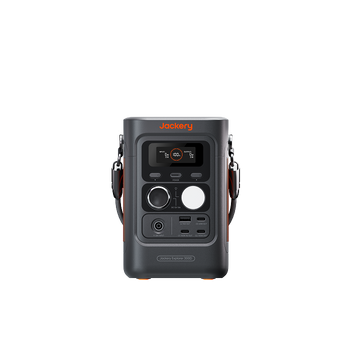
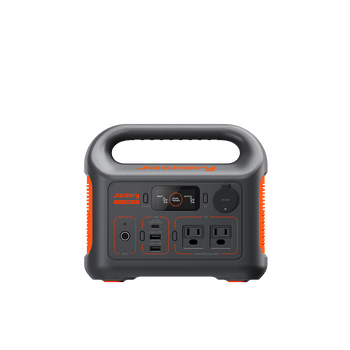
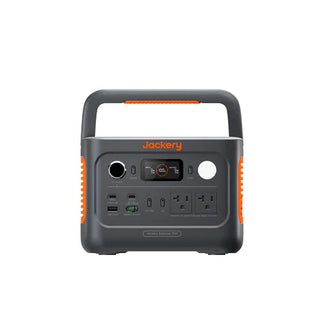
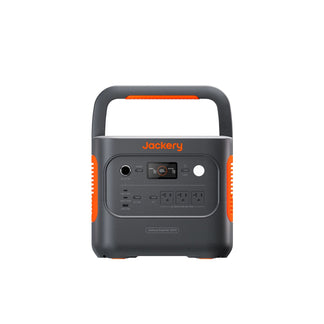
If you want a turnkey system that avoids the complexity of separate inverters, chargers, and battery wiring, Jackery’s portable power stations deliver clean, pure sine wave power for essential loads.
Your Backup Scenario |
Recommended Product |
Why It Fits |
Quick-deploy backup with AC charging (short outages) |
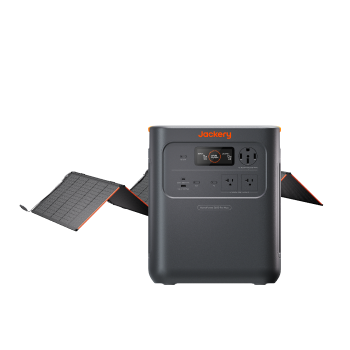
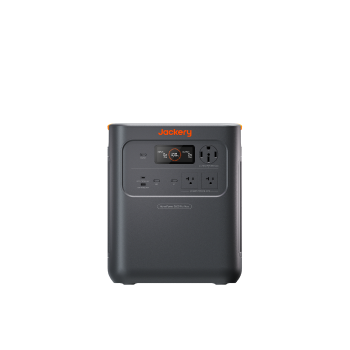
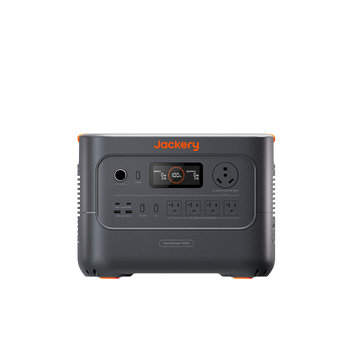
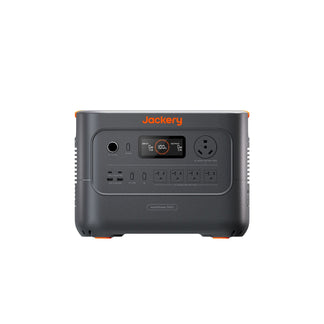
Jackery Explorer 2000 v2 |
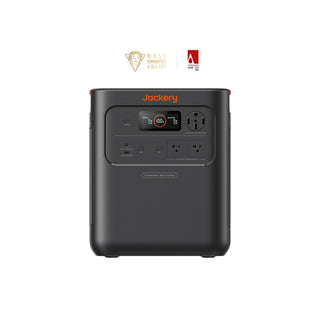
2,200W continuous (4,400W surge), 2,042Wh LiFePO4, AC recharge in 1.75 hours, <30 dB, zero-fume indoor safe — runs a refrigerator 2–3 hours or a router/lights/laptop all day. |
Extended outage backup that recharges via solar |
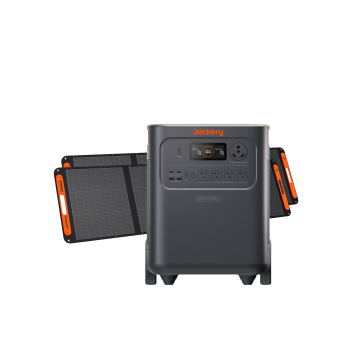
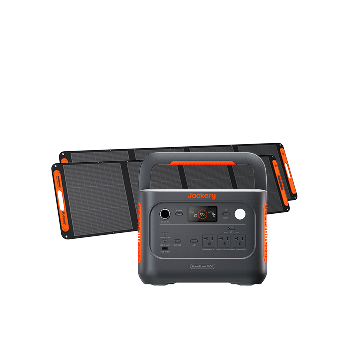
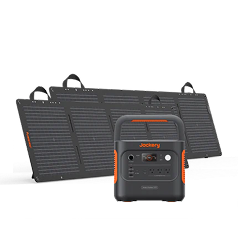
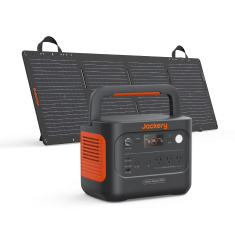
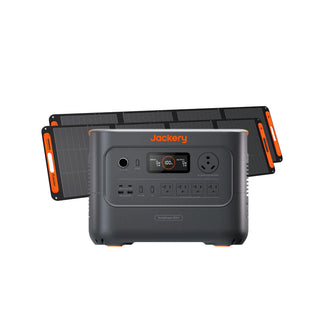
Jackery Solar Generator 2000 v2 |
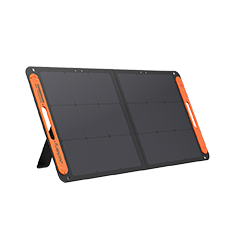
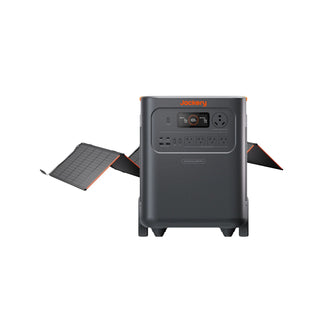
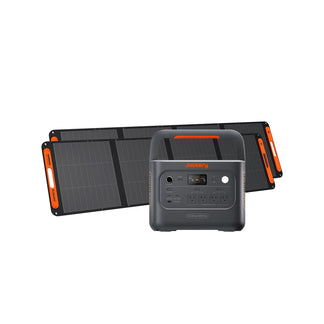
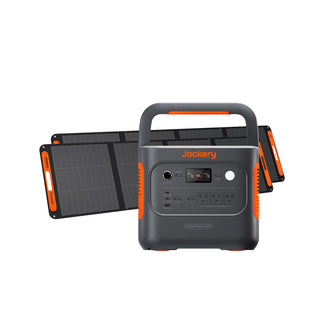
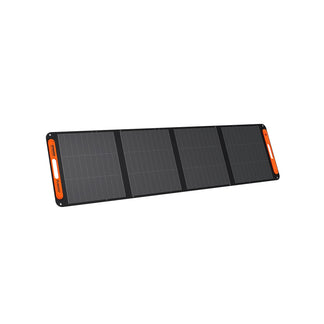
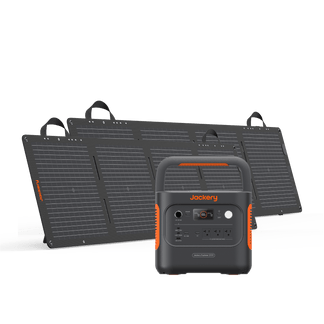
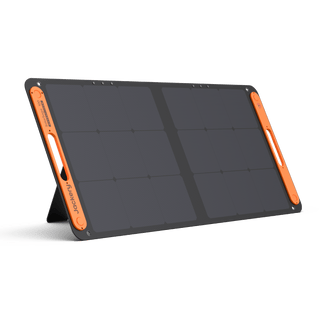
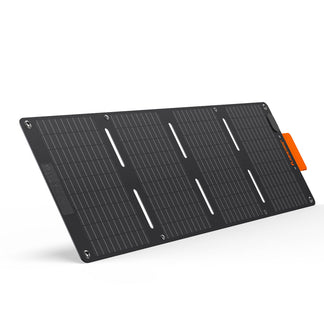
Same specs as Explorer 2000 v2 plus two foldable 100W SolarSaga panels, solar recharge in 7.5 hours with 4×100W, silent and fume-free during blackouts. |
Whole-home-level loads requiring high output |
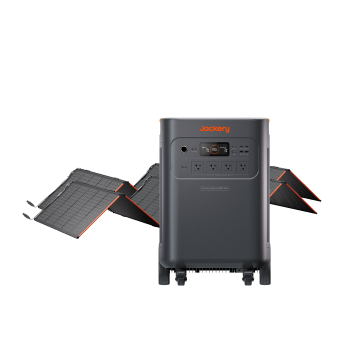
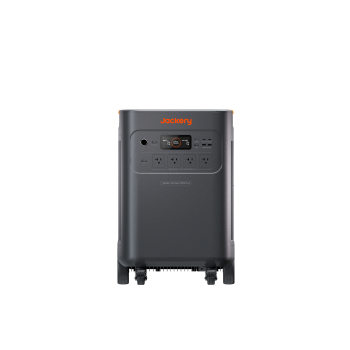
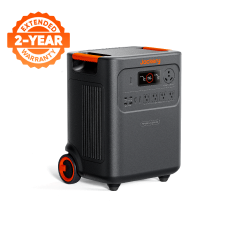
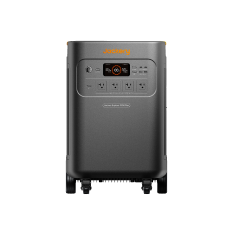
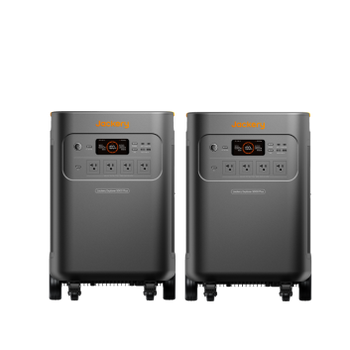
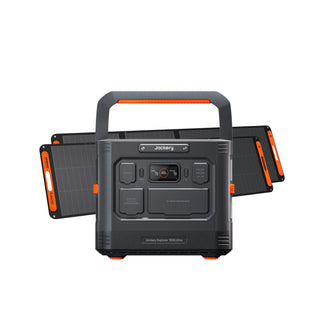
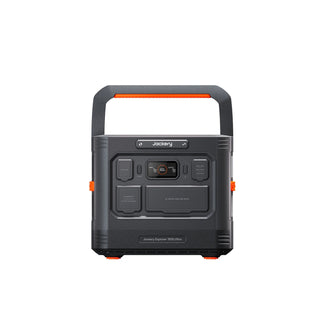
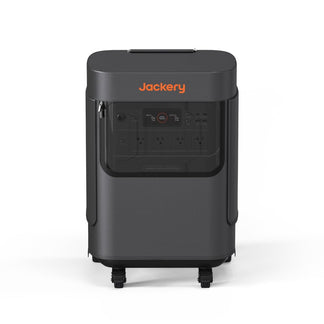
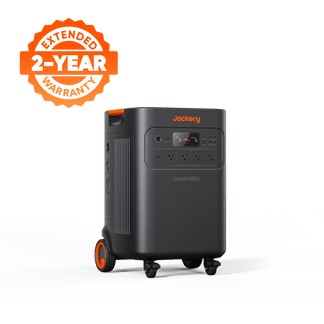
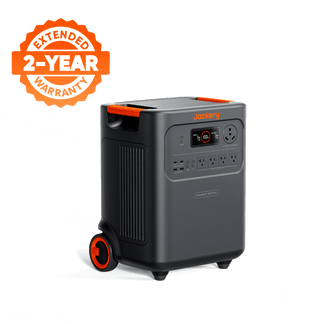
Jackery Explorer 5000 Plus |
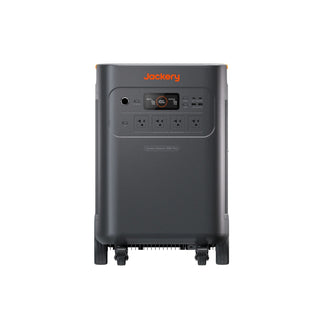
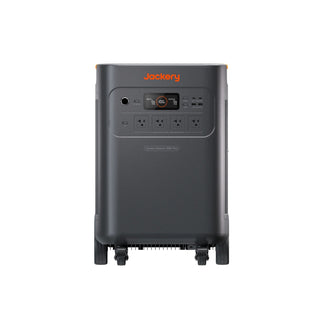
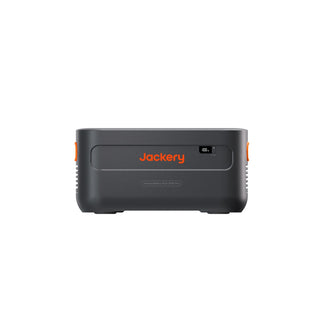
7,200W continuous output, expandable capacity — see how it fits into a home backup plan. |
Frequently Asked Questions (FAQ)
Can I leave the inverter/charger connected to the battery 24/7?
Yes, as long as the charger has a float mode or programmable cutoff that prevents overcharging. LiFePO4 batteries must not be held at absorption voltage indefinitely.
What happens if I use a battery smaller than the inverter’s rating?
The inverter may trip on low voltage during peak loads, and the small battery will discharge rapidly, risking deep discharge damage if you exceed its recommended DoD.
How do I know if my inverter is actually charging the battery?
A battery monitor with a shunt (such as a Victron Smart Shunt) measures net current flow, giving you accurate amp-hours into the battery. Charger LED indicators can be misleading.
Can I use a standard car battery for my home backup system?
No. Starter batteries are designed for short, high-current bursts and cannot handle repeated deep cycling. They will fail within a few dozen cycles under backup loads.
What’s the biggest mistake people make when setting up a backup system?
Plugging a battery charger into the inverter’s AC output that feeds the same battery bank. This closed loop wastes energy through double conversion, overheats components, and drains the battery.


