





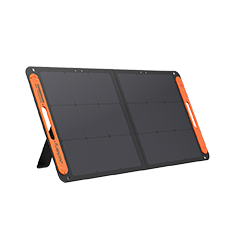
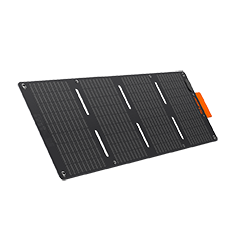
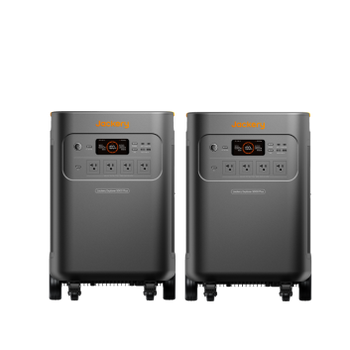
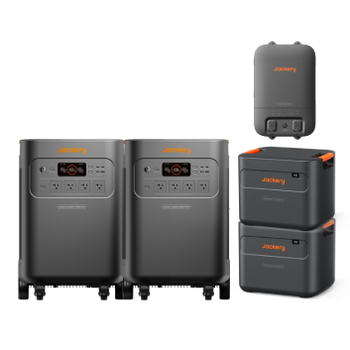



![[Add-on] Jackery SolarSaga 500 X - Jackery](http://www.jackery.com/cdn/shop/files/add-on-jackery-solarsaga-500-x-1493607.webp?v=1786503068&width=324)
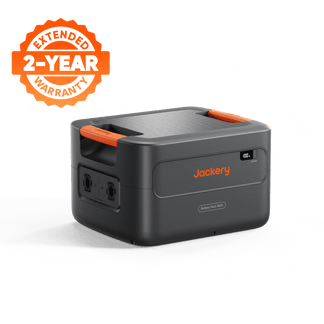
![[Add-on] Jackery Battery Pack 5000 Plus - Jackery](http://www.jackery.com/cdn/shop/files/add-on-jackery-battery-pack-5000-plus-6713401.webp?v=1786503068&width=324)






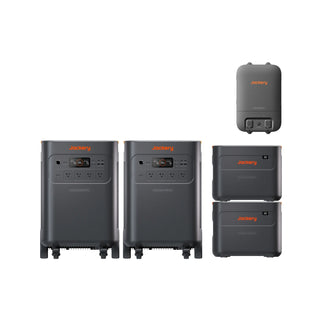
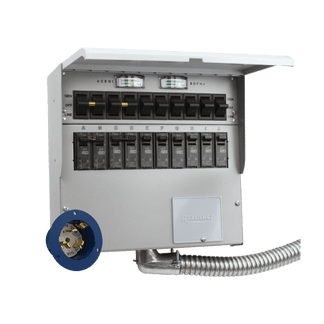


Automatic restart is desirable only when the battery or inverter documents that behavior and connected loads can safely resume without inspection. If an outage may leave loads, alerts, or transfer equipment requiring review, manual restart is the better default. A conditional mode is useful when the system lets you define recovery conditions.
In plain language, automatic restart means the battery or inverter returns to its configured operating state after detecting utility power, instead of waiting for someone to press a control. It does not necessarily mean that charging, inverter output, and household load transfer all happen together. The exact grid return behavior depends on the device manual, app, operating mode, transfer equipment, and connected-load configuration.
Choose Automatic, Manual, or Conditional Restart
Choose the recovery mode based on whether unattended load restoration is acceptable for your setup—not on the word “automatic” alone. The device documentation determines what the mode actually restores.
- Automatic restart: Choose this when the manual documents automatic recovery and connected loads may resume without inspection. Confirm that unexpected load restoration will not create a problem for your setup.
- Manual restart: Choose this when you need to inspect equipment or loads before restoring output, or when an outage may have caused an alert or overload. Keep the system in its instructed safe state until you can review its status.
- Conditional or setting-controlled recovery: Choose this when the system documents specific conditions, modes, or settings for returning to operation. Verify the documented conditions for the current operating mode rather than assuming the setting applies everywhere.
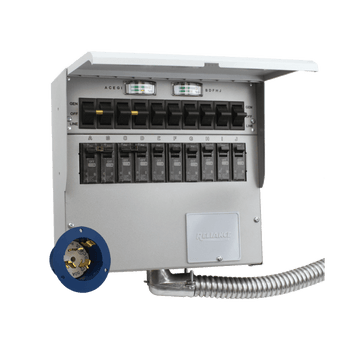
Automatic recovery can be convenient for an unattended setup, but it does not guarantee seamless recovery or whole-home backup. Manual recovery gives you control over what resumes and when. Conditional recovery falls between those choices: it can suit a system with clearly documented rules, but an undefined or misunderstood setting should not be treated as approval. A product page describing power transition and transfer-switch features does not, by itself, document what happens after grid power returns.

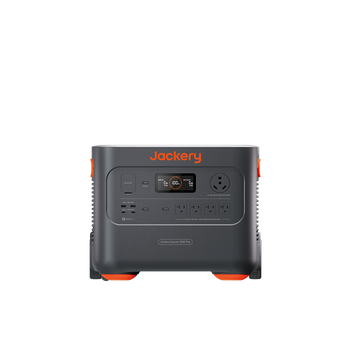
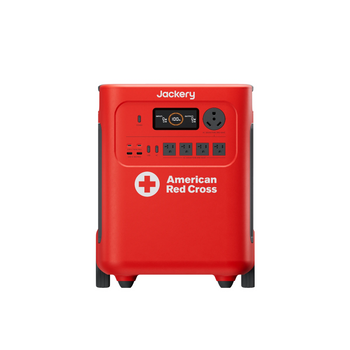
If you are comparing configurations rather than troubleshooting an existing unit, browse home backup battery options only as a starting point. The collection does not establish that any particular model supports this recovery behavior; use the model’s current documentation for that claim.
Why Backup Batteries Behave Differently After Grid Return
Different systems can respond differently because grid return involves more than a battery detecting voltage. The device design and the state it detects at that moment can determine whether it resumes output, waits for a command, continues charging, or remains in a protective state.
Operating mode and restart settings may change the result. App or firmware state, battery condition, active alerts, protection behavior, and grid stability can also matter. Exact labels, timing, fault logic, and recovery commands vary by model, so do not infer them from another product or from a general transfer feature.
Charging is separate from output recovery. A backup system may begin recharging after an outage without proving that its output or every connected load has been restored. The Eaton UPS Fundamentals Handbook provides technical context for treating recharge and load recovery as separate observations. Check the output state and load status separately instead of treating a charging indicator as confirmation that the system has resumed operation.

For a home-connected installation, portable-unit behavior is not a reliable guide. Assess the inverter, battery, and transfer equipment as one return-to-normal path. The Tigo procedure illustrates why testing the inverter, battery, and transfer equipment together matters, but it does not establish recovery behavior for Jackery or any other unrelated model.
Check the System When Power Returns but It Stays Off
If the battery remains off after utility power returns, start by observing its status, then follow the model-specific procedure. Do not repeatedly cycle power, bypass a fault, open equipment, defeat an interlock, or change household wiring.
- Confirm that utility power is stable. Make sure the outage has actually ended before interpreting the unit’s state. An unstable return can produce behavior that differs from normal recovery.
- Inspect the unit and app status. Note whether the device is off, charging, supplying output, waiting, or showing another documented state. Record the indicators before changing anything.
- Read alerts and protection messages. Treat an alert, fault, or protection state as information to resolve through the manual or support process—not as a reason to bypass the protection.
- Verify the operating mode and restart setting. Compare the current mode and setting with the documentation for this model. Do not assume a setting used in one mode also applies to another.
- Check the battery and connected-load state. Look for the documented battery status and whether the expected loads remain connected or off. A charging state alone does not confirm output recovery.
- Follow the documented restart procedure and confirm the result. Use the exact manual or app instructions, then verify that the intended operating mode and load status have returned. Stop and seek model-specific help for damage, unusual heat, repeated shutdowns, an unresolved fault, or uncertain transfer behavior.
Keep automatic recovery only when the documented behavior matches safe unattended recovery for the connected load. If the documentation is unclear, inspection is necessary, or the system shows a fault, use manual recovery as instructed rather than guessing.
Frequently Asked Questions
These answers address common differences between restarting a battery, restoring output, and returning connected loads to normal operation.
What does automatic restart mean on a backup battery after a power outage?
It means the battery or inverter may return to its configured state after detecting grid power without someone pressing a control. That does not by itself mean household loads transfer automatically, so check the system documentation for both functions.
Is automatic recovery helpful after grid power returns?
It can be helpful when the manual documents it and connected loads may resume safely without inspection. If unexpected restoration is undesirable, choose manual or documented conditional recovery instead.
When should I use manual recovery instead of automatic recovery?
Use manual recovery when you need to inspect loads, the outage may have caused an alert or overload, or transfer behavior is uncertain. Keep the unit in its instructed safe state until the system is checked.
Why did my backup battery not restart when grid power came back?
Utility power may not be stable, or the unit may be waiting because of its mode, settings, battery state, alert, or protection behavior. Check the status and alerts, follow the manual, and stop for a fault, damage, unusual heat, or repeated shutdowns.


