
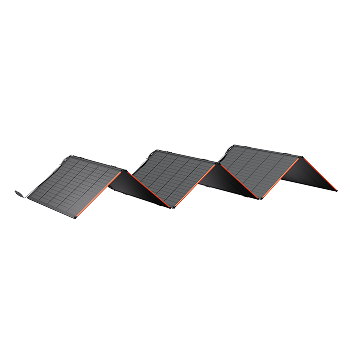
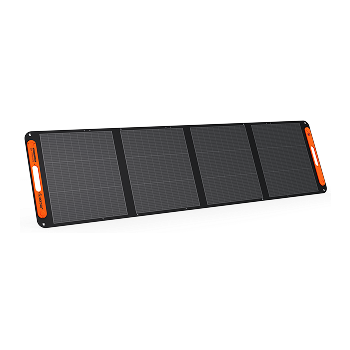



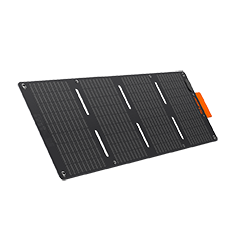


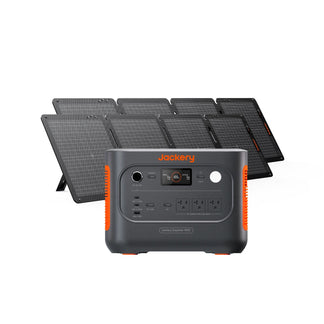
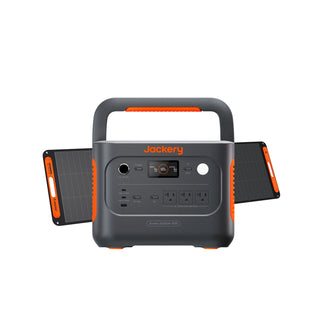
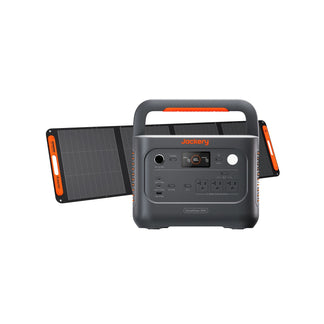
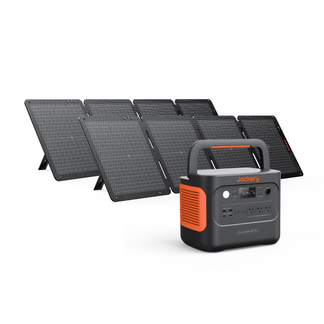

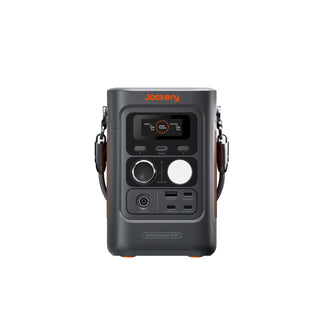
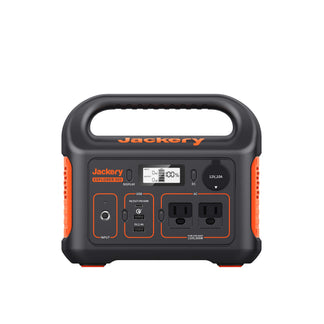
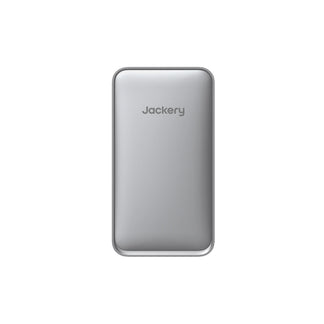
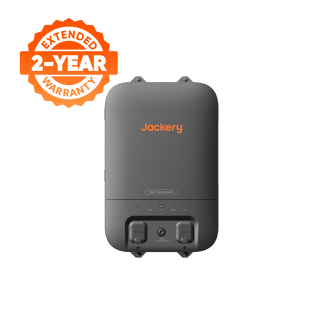
![[Add-on] Jackery SolarSaga 500 X - Jackery](http://www.jackery.com/cdn/shop/files/add-on-jackery-solarsaga-500-x-1493607.webp?v=1786503068&width=324)
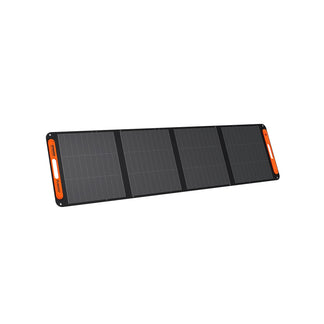
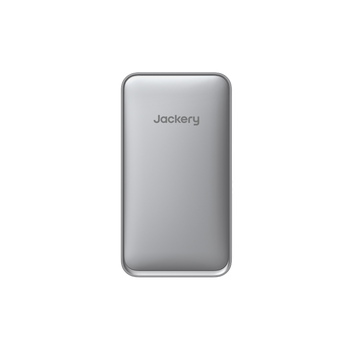
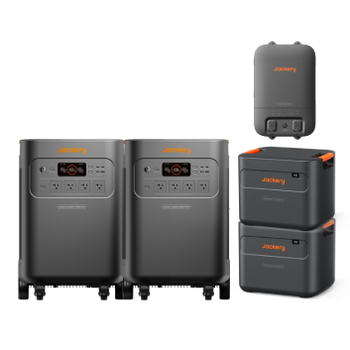
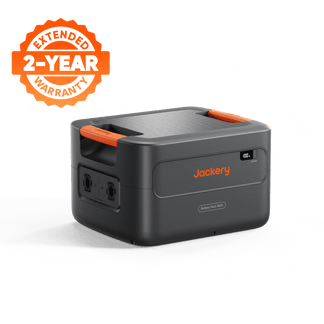
![[Add-on] Jackery Battery Pack 5000 Plus - Jackery](http://www.jackery.com/cdn/shop/files/add-on-jackery-battery-pack-5000-plus-6713401.webp?v=1786503068&width=324)






Quick Answer: A solar generator can realistically power a window or portable air conditioner for 2–4 hours during a short outage, but running a central AC or a large unit all day requires a substantial system costing $2,000–$4,000+. The key is matching the generator’s surge capacity to the AC’s startup spike and providing enough battery watt-hours for your desired runtime. In 2026, LiFePO4 batteries and high-surge inverters make emergency cooling feasible — if you size correctly.
Key Takeaways
- A 10,000 BTU window AC demands 500–1,200W running and a 2–3× surge (typically 1,500–3,600W) — only solar generators with 4,000W+ surge handle most window units without soft‑start kits.
- Battery capacity dictates runtime: a 1,200W AC draws 1.2 kWh per hour, so a 2 kWh power station lasts under 90 minutes; plan for at least 5–10 kWh usable for multi‑hour outages.
- Soft‑start kits reduce compressor inrush by 50–70%, allowing a $2,000 generator to start ACs that would otherwise need a $4,000 system.
- Solar recharging often can’t keep pace with a running AC — expect to use stored battery energy for primary backup, with solar extending runtime only modestly during sunny hours.
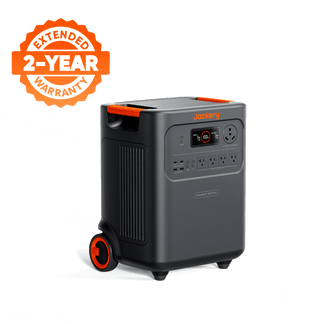
- Jackery’s 7,200W continuous / 14,400W surge system with 10.08 kWh (using dual battery packs) runs a 900W portable AC for ~9 hours, while their smallest 2 kWh unit provides 2 hours of emergency cooling.
Introduction: Why Most Portable Generators Fail at Cooling
Instant‑trip surge is the #1 complaint. A window AC rated at 1,000W running can spike to 2,500W or more when the compressor kicks on. Many portable generators advertise 1,500W continuous but struggle to deliver even 2,000W peak — the AC’s inrush instantly trips their protection circuits.
Short runtime follows. Even if the generator starts the AC, a 2,000Wh battery drained in 30–60 minutes by a 1,200W load leaves users frustrated. No amount of clever marketing can change the math: Watt‑hours ÷ running watts = runtime hours.
Cost is another barrier. A system that reliably powers a 10,000 BTU AC for 3+ hours often costs $2,000–$4,000+, compared to a few hundred dollars for a traditional portable generator.
Feature |
Solar Generator |
Traditional Portable Generator |
|---|---|---|
Price (10k BTU, 3+ hr backup) |
$2,000–$4,000+ |
A few hundred dollars |
Indoor use |
Safe — no fumes, silent |
Not safe indoors — loud |
Maintenance |
Minimal |
Requires fuel, oil, regular maintenance |
A solar generator — essentially a battery‑powered inverter charged by solar panels — eliminates fumes and noise, making it safe for bedroom use during an outage. The math just has to be done right.
Weather adds another layer. Cloudy days or extreme heat force the AC to run continuously, while solar panels deliver far less than their rated output. A solar generator sized tightly to the AC’s draw will struggle to replenish during the day if the unit runs at night, and a few overcast days quickly deplete the battery.
Finally, the beginner trap: assuming any “2000W generator” can run a standard window unit. In reality, only units with 4,000W+ surge or the addition of a soft‑start kit succeed consistently.
Understanding What Your Air Conditioner Actually Demands
Check the nameplate, not the BTU rating alone:
- Small window (5,000 BTU): ~500W
- Larger window (12,000–15,000 BTU): ~1,500W
- Central air: 2,500–5,000W continuously — beyond most portable solar generators
Startup surge is the real killer. A compressor motor can briefly pull 2–3 times its running current for 2–3 seconds.
A 1,000W AC may spike to 2,500W. Your generator must handle that peak — otherwise it shuts down. The locked‑rotor amps (LRA) listed on the compressor label give the true maximum inrush; a rough rule of thumb: BTU ÷ 3.41 ≈ running watts, but always verify.
Inverter‑type ACs (many modern mini‑splits and portable units) eliminate the startup spike. Their soft‑start electronics ramp the compressor gradually, reducing peak draw to about 1.3× the running wattage. This makes them ideal solar‑generator partners.
Voltage must match. Most US window units are 120V, while many mini‑splits require 240V. The generator’s inverter must provide a pure sine wave at the correct voltage — modified‑sine‑wave inverters can damage compressor motors or fail to start them altogether. All Jackery power stations use pure sine wave output.
The Three Hurdles That Make AC a Tough Load — and How to Overcome Them
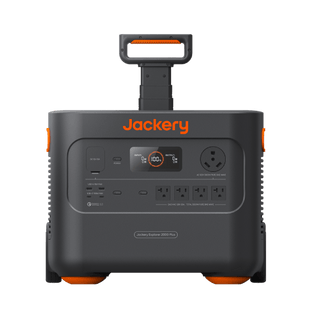
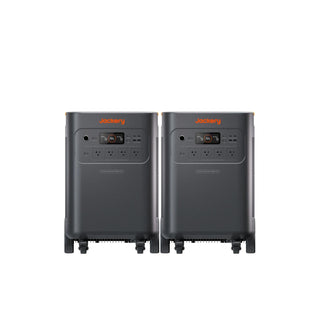
Hurdle 1: Surge power disqualifies most units. Apply the “2× Rule”: the generator’s continuous pure‑sine‑wave inverter must handle at least 2× the AC’s running watts to survive the kick. For an 800W AC, choose a generator with 1,600W+ continuous and at least 2,400W surge. Units with 4,400W surge or higher (like the Jackery Solar Generator 5000 Plus with 14,400W surge) can handle large window ACs without soft‑start kits.
Hurdle 2: Continuous draw drains batteries fast. A 1,200W window unit consumes 1.2 kWh per hour. A 2 kWh station gives less than 90 minutes of runtime (accounting for inverter losses). The real limit is watt‑hours, not just wattage. A battery backup generator for AC use needs at least 5–10 kWh usable capacity for an overnight outage.
Hurdle 3: Solar recharging lags behind consumption. Even with 1,000W of solar panels, you’ll collect roughly 5 kWh on a sunny day (5 peak sun hours). That might barely offset a 1,200W AC running for 4 hours. During a multi‑day outage, the generator may not replenish faster than the AC drains unless you have 1,500–2,000W of panels and a large battery bank to bridge cloudy periods. Expect to pre‑charge the generator from the wall before the outage starts and use solar to stretch runtime, not as a sole power source.
Sizing Your Solar and Battery System: Expert‑Approved Step‑by‑Step
Step 1: Measure actual running watts. Use a Kill‑A‑Watt meter or read the nameplate. A 5,000 BTU unit often draws 500W; a 10,000 BTU unit can pull 1,200W. Don’t guess by BTUs alone.
Step 2: Apply the 2× surge buffer.
For a 1,000W AC, choose a generator with at least 2,000W continuous and 2,500W+ surge. A higher surge rating adds safety margin for voltage drops and temperature derating.
Step 3: Calculate daily energy needs.
`(Running Watts × Hours Used) ÷ 1,000 = Daily kWh`
Example: 1,200W × 4 h = 4.8 kWh. Add 25% for inverter and cable losses → target 6 kWh usable capacity.
Step 4: Match battery capacity to that figure.
A 6 kWh need requires at least 6 kWh of usable battery to avoid deep discharge and extend LiFePO4 cycle life beyond 3,000 cycles. Modular systems let you add battery packs; a 10 kWh system provides more headroom and longer runtime.
Step 5: Size solar panels for recharge.
Divide daily kWh by peak sun hours (5–6 hours in most US regions).
`4.8 kWh ÷ 5 h = 960W solar input minimum`
Use 3–4 × 400W panels for reliable daily cycling. In 2026, individual 380–420W panels cost $130–$350 each (panel only); installed residential solar systems run $2.50–$3.80 per watt (EnergySage marketplace averages).
Step 6: Confirm surge rating with reduced inrush.
If you add a soft‑start kit (next section), verify the generator’s surge still exceeds the reduced spike. A 20% margin above the reduced inrush is recommended.
Why Soft Start Kits Change the Game (And Are Often Essential)
A soft‑start device gradually ramps the compressor, cutting startup surge by 50–70%. A 2,500W spike drops to 1,200–1,400W. This lets a smaller, less expensive generator handle a larger AC.
Installation costs $150–$400, but often saves $2,000+ by enabling a lower‑cost backup system. Building a secure home backup around a soft‑started AC narrows the generator requirement substantially.
Compatibility check: The generator must still have a peak above the reduced inrush. Generators with 6,000W+ surge can handle even unmodified large window units; but if you already own a 2,000W continuous model, a soft‑start kit on a 1,000W AC can make it work. Always test before an outage.
The kit doesn’t increase battery capacity — runtime remains limited by watt‑hours. It solves only the trip‑at‑startup problem.
Real‑World Usage Scenarios: Outages, Off‑Grid, and Partial Home Backup
Short grid outage (2–4 hours):
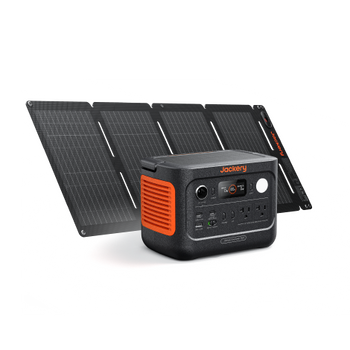
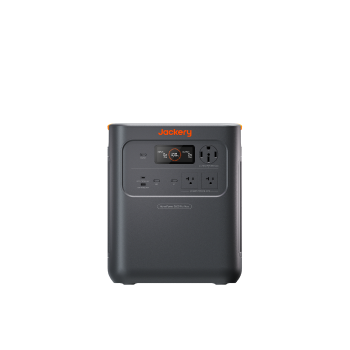
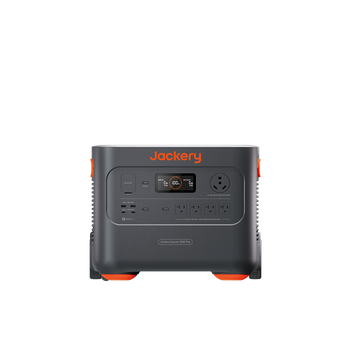
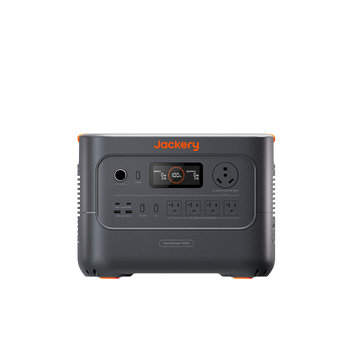
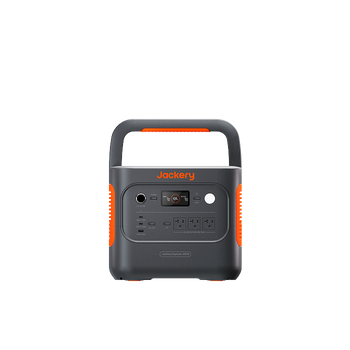
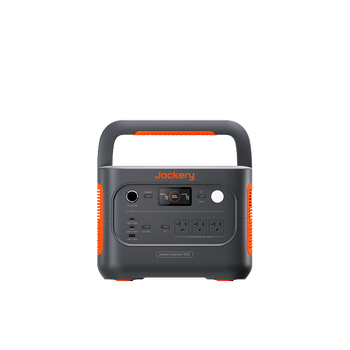
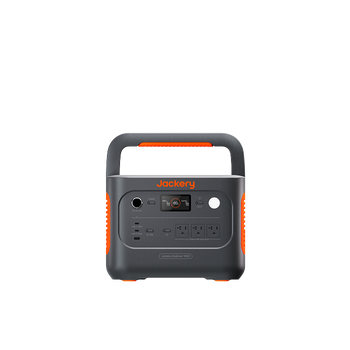
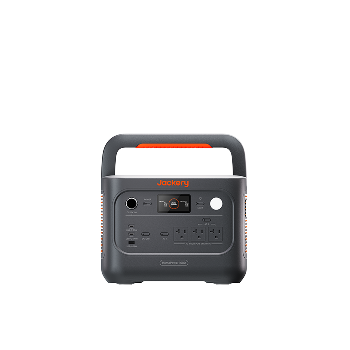
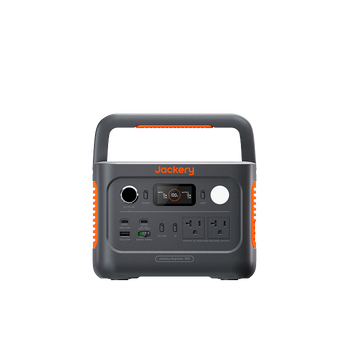
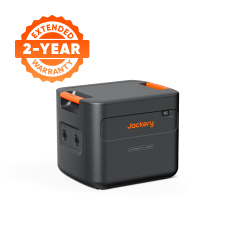
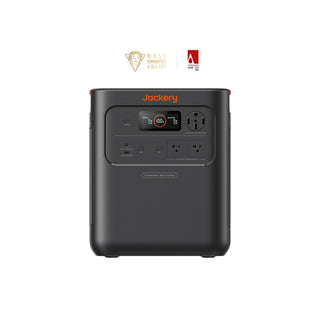
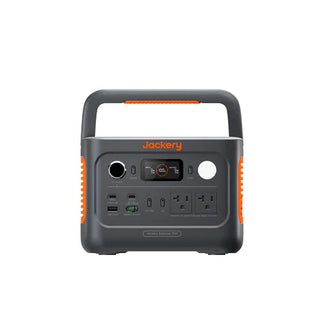
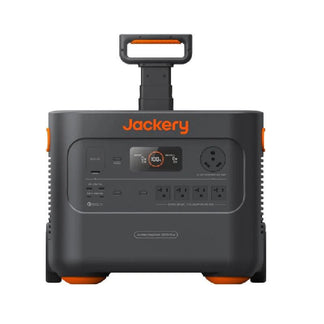
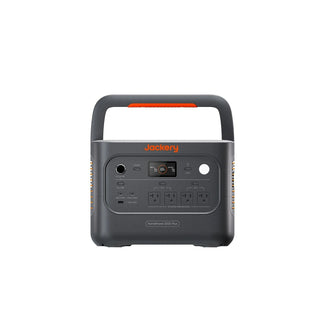
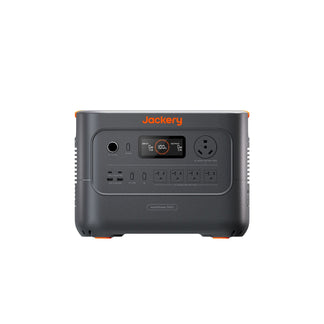
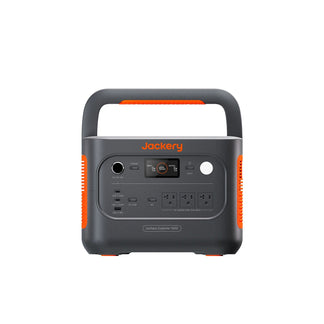
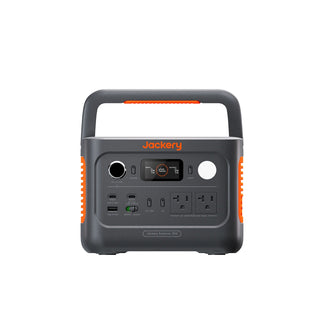
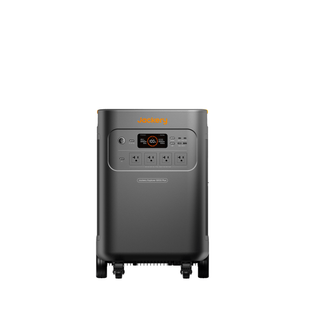
A 2,042Wh station with 2,200W continuous output and 4,400W surge runs a 500–800W window AC for 2–3 hours — enough to cool a bedroom through a blackout. Pre‑charge the generator to 100% via a 1.7‑hour wall charge before the storm hits.
Extended outage (6+ hours):
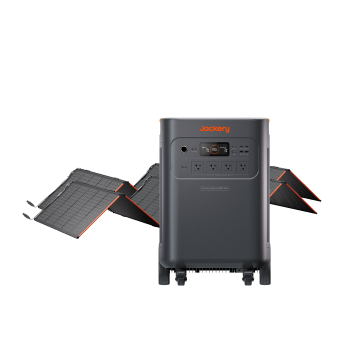
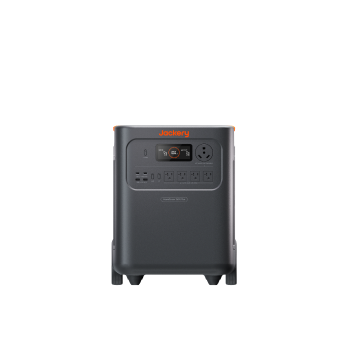
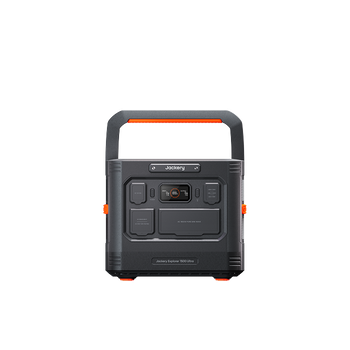
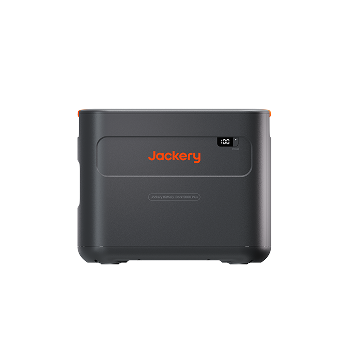
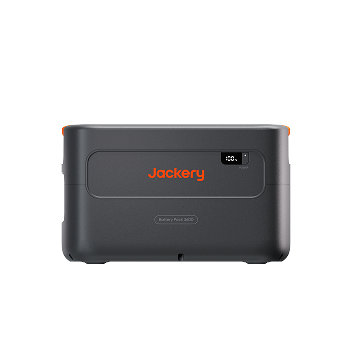
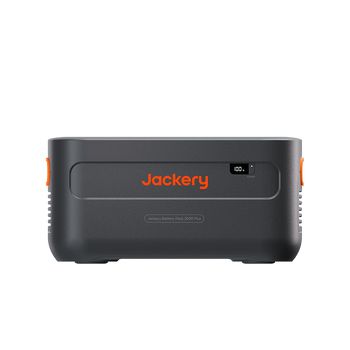
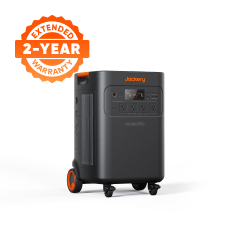
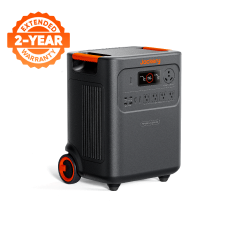
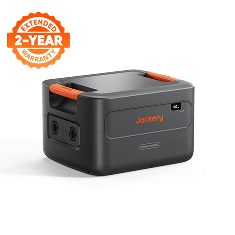
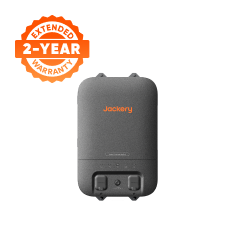
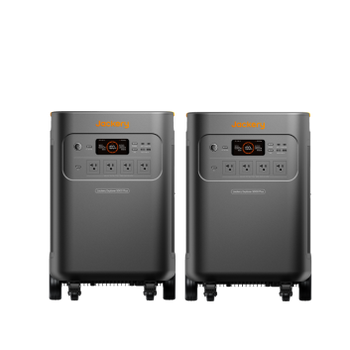
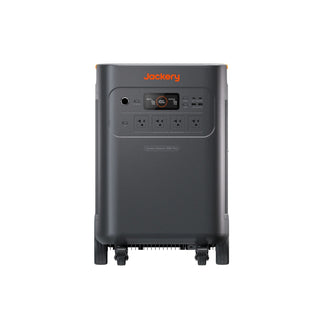
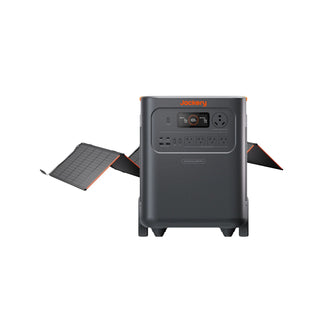
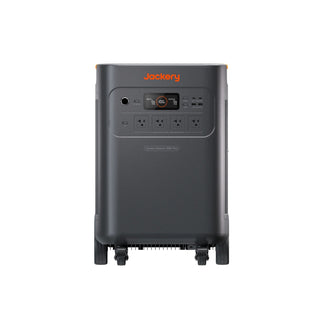
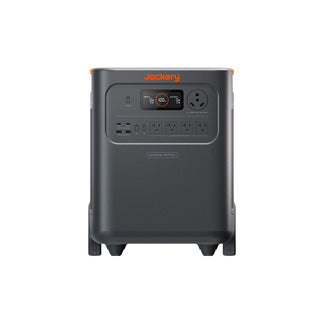
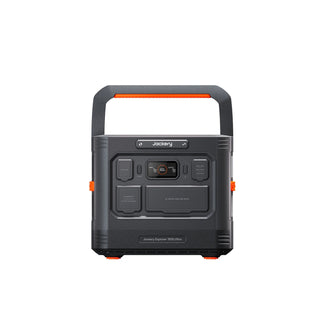
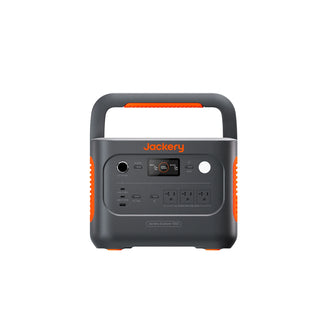
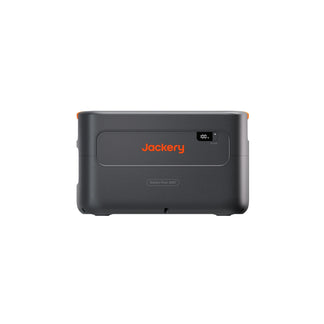
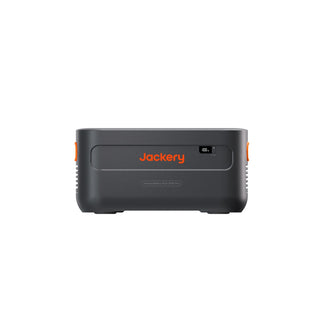
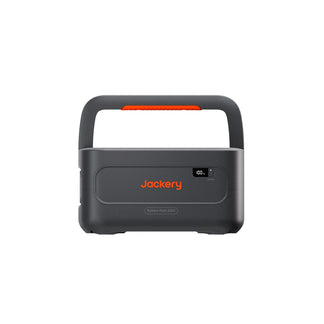
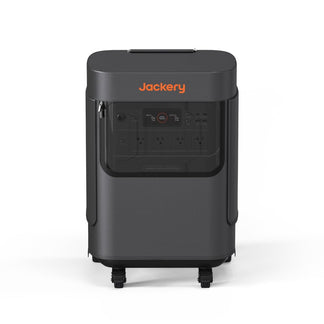
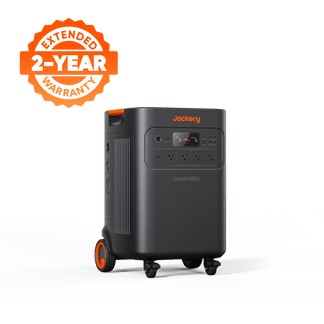
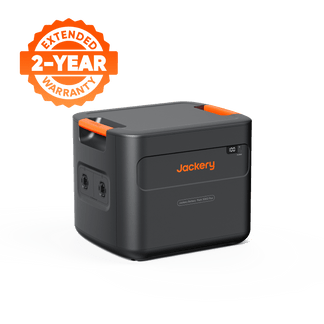
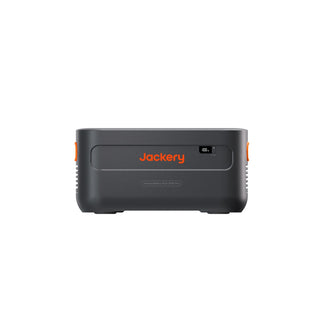
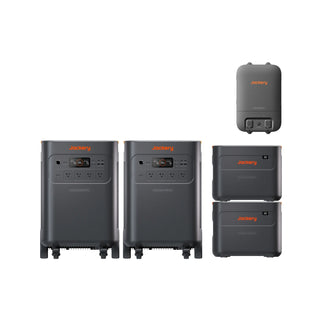
A modular system like Jackery’s Explorer 5000 Plus with an extra Battery Pack 5000 Plus (total 10.08 kWh) supports a 900W portable AC for ~9 hours or a 1,500W unit for ~5.5 hours. With 7,200W continuous and 14,400W surge, large ACs start without soft‑start kits. Use the AC’s “Eco” mode to extend runtime by 30–50%.
Essential home backup:
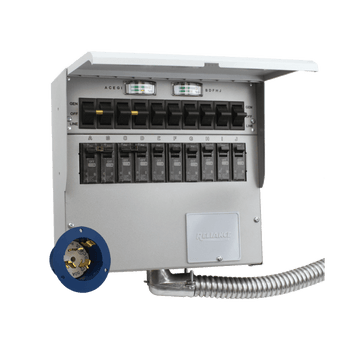
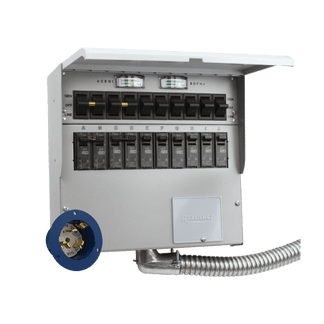
Power one or two critical circuits (AC + fridge) via a transfer switch. Solar generators operate silently indoors — no emissions, no fuel storage, safe to run while you sleep. A home backup system that compares generators vs. batteries shows solar generators excel in indoor, quiet operation.
Portability varies: larger battery banks weigh 77–134.5 lbs. Wheeled designs with telescoping handles simplify moving from garage to room.
Jackery Home Backup Solutions That Match These Requirements
Jackery’s 2026 LiFePO4 lineup spans small‑room cooling to multi‑day emergency backup. Here’s how they map to real‑world AC loads.
Use Case |
Recommended Jackery Solution |
Core Specifications |
|---|---|---|
One‑room emergency cooling (2–3 h) |
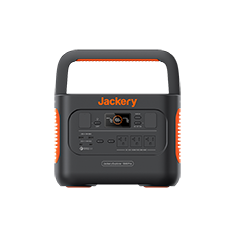
Jackery Solar Generator 2000 v2 |
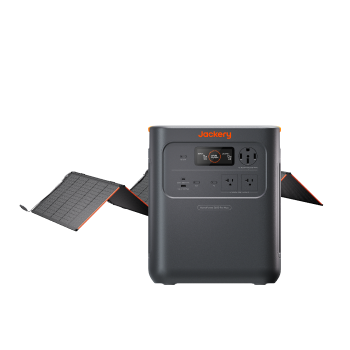
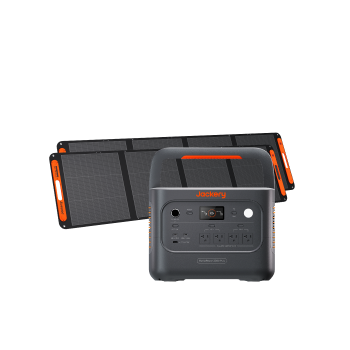
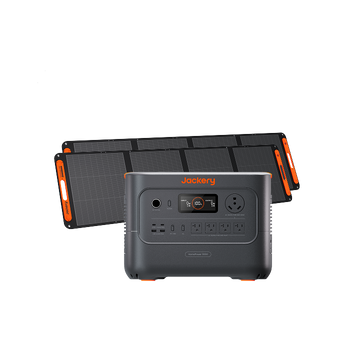
2,200W continuous, 4,400W surge; 2,042Wh; 0–100% charge in 1.7 h; 39.5 lbs |
Overnight bedroom cooling (up to 9 h) |
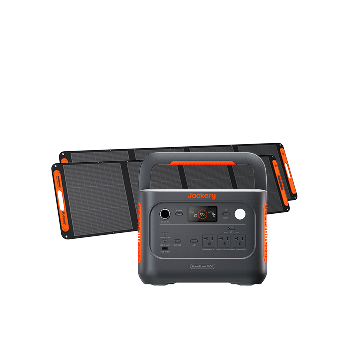
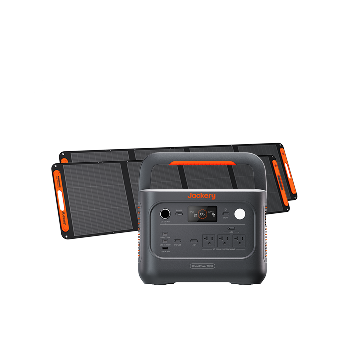
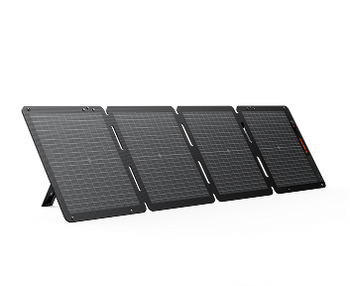
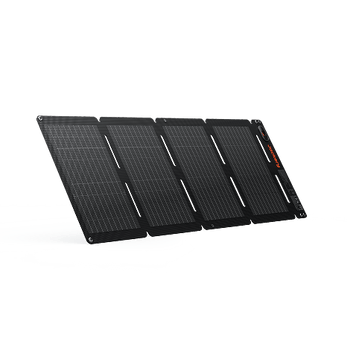
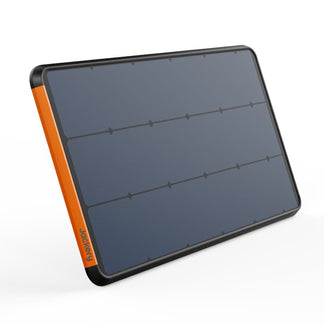
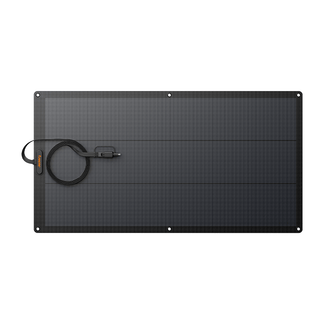
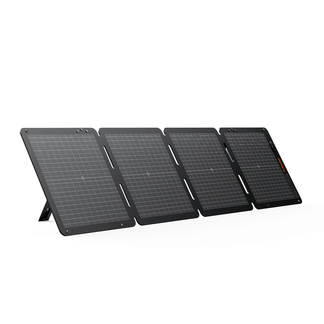
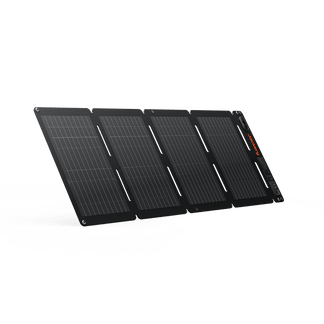
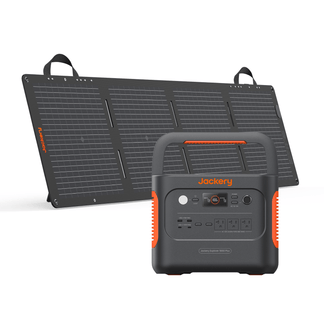
Jackery Solar Generator HomePower 3600 Plus + SolarSaga 500X |
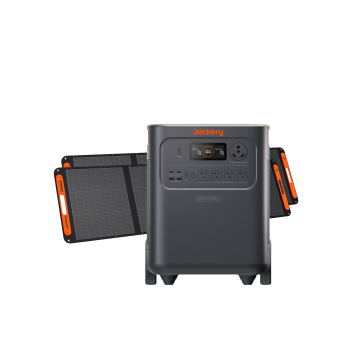
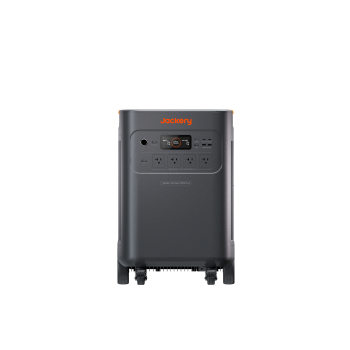
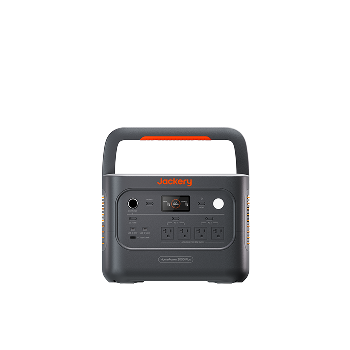
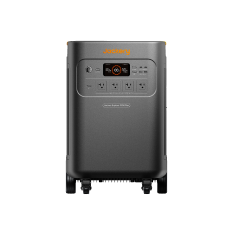
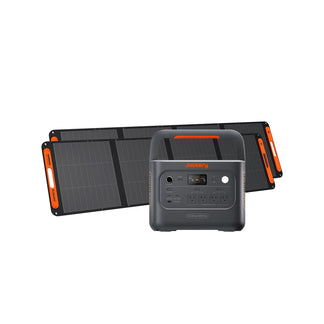
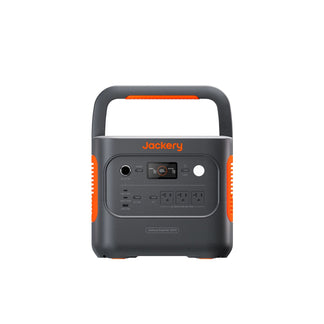
3,600W continuous, 7,200W surge; 3,584Wh expandable to 21.48 kWh; 30dB; wheeled trolley |
Extended single‑room cooling, large ACs |
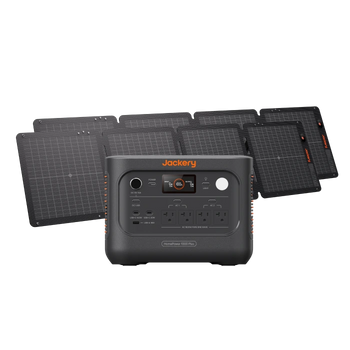
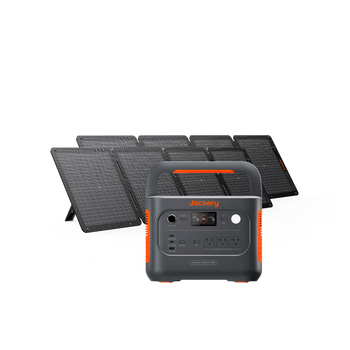
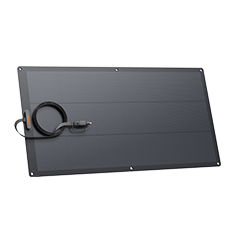
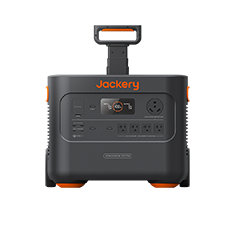
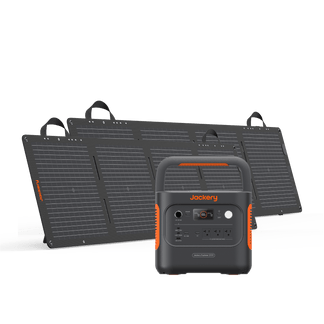
Jackery Solar Generator 5000 Plus + 2x SolarSaga 500X (add Battery Pack 5000 Plus for 10.08 kWh) |
7,200W continuous, 14,400W surge; 5,040Wh expandable to 60kWh (10.08 kWh with extra pack); 240V support; 0ms UPS transfer switch ready |
These systems are designed for essential backup cooling, not as a permanent whole‑home replacement for grid power. All models use pure‑sine‑wave inverters and LiFePO4 batteries rated for 10+ years of daily cycles. They’re plug‑and‑play; for hard‑wired transfer‑switch setups, consult a licensed electrician.
Frequently Asked Questions
Can I run multiple AC units from one solar generator?
Only if the combined running and surge watts stay within the generator’s limits. Most portable units support one window or portable AC at a time.
Is it safe to run a solar generator indoors for AC?
Yes — they produce no exhaust, so they’re safe indoors. Unlike gas generators, they’re zero‑emission and silent.
Can I connect my existing home solar panels to a portable generator?
Yes, if your panels use standard MC4 connectors and the generator’s input voltage range matches your array’s output. Check the open‑circuit voltage first.
What’s the difference between starting watts and running watts?
Starting watts (surge) is the brief spike to spin the compressor motor; running watts is the steady draw once the AC is operating normally.
How do I maintain the battery for long life?
Store at 50–80% charge in a cool, dry place and fully cycle the generator every three months to keep LiFePO4 cells healthy.


