
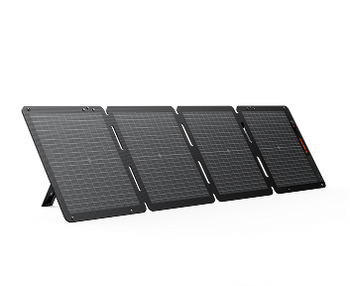
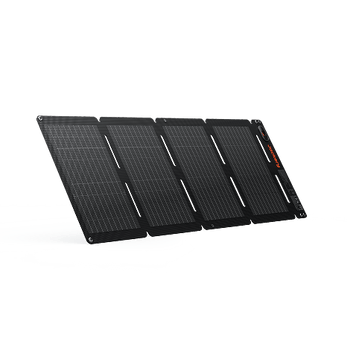





![[Add-on] Jackery SolarSaga 500 X - Jackery](http://www.jackery.com/cdn/shop/files/add-on-jackery-solarsaga-500-x-1493607.webp?v=1786503068&width=324)
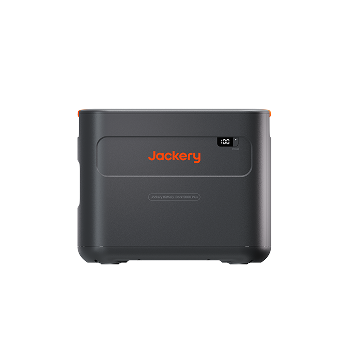
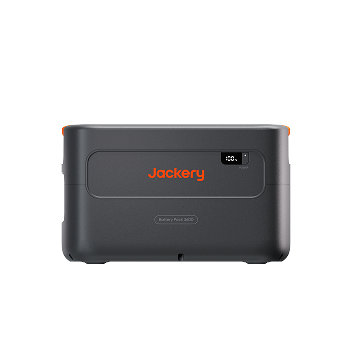
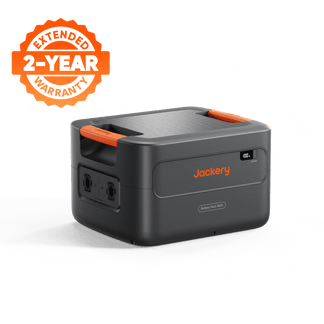
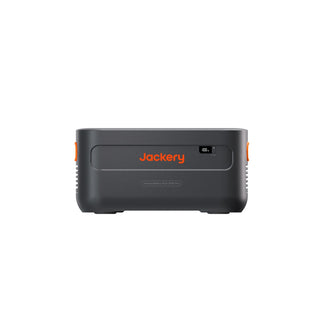
![[Add-on] Jackery Battery Pack 5000 Plus - Jackery](http://www.jackery.com/cdn/shop/files/add-on-jackery-battery-pack-5000-plus-6713401.webp?v=1786503068&width=324)
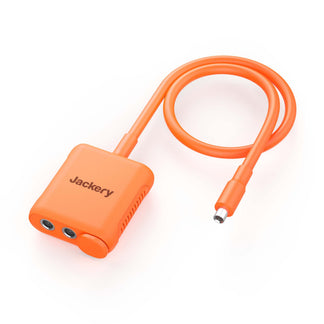
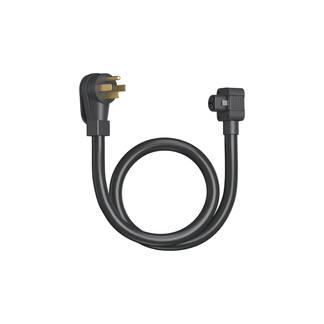
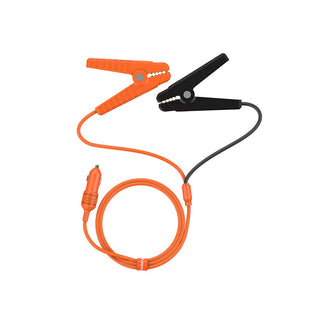
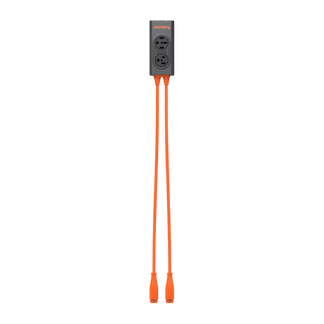
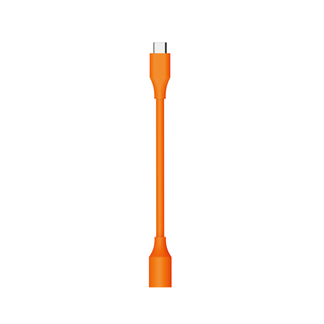
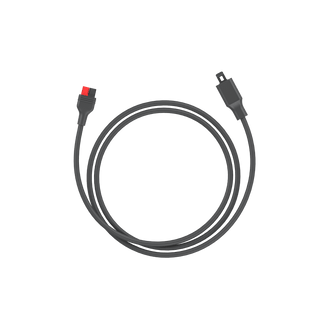
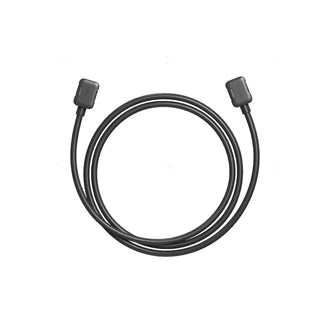
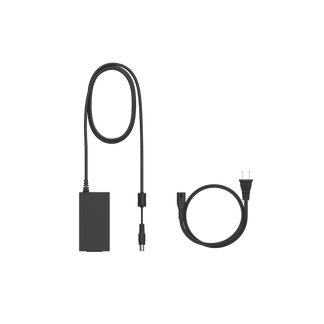
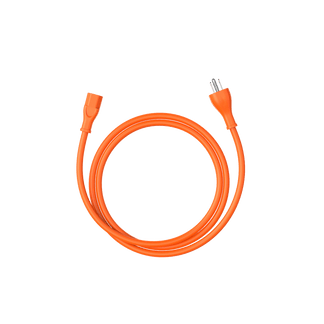
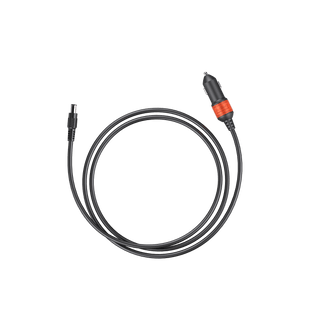
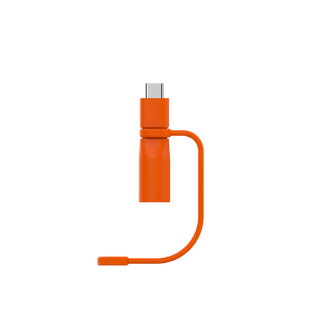
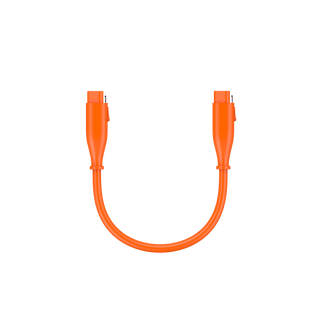



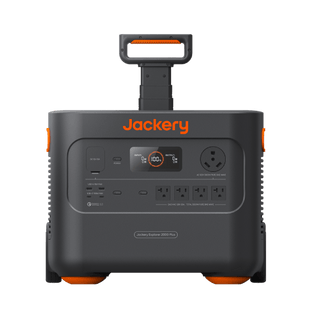
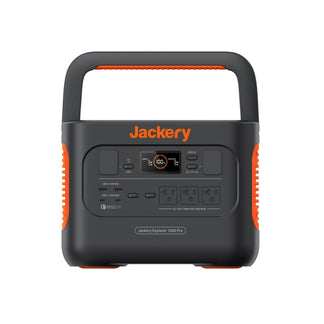


A solar generator can power home circuits without backfeeding the grid only when the electricity follows an approved, isolated path. That is the basis of grid backfeed prevention: use the generator’s intended outlets for portable appliances, or use compatible transfer equipment that a qualified electrician has reviewed for selected branch circuits. A power outage alone does not prevent backfeed.
Which Safe Backup Path Supports Grid Backfeed Prevention for a Solar Generator?
The right choice depends on whether you need to run plug-in appliances or energize selected wiring in the electrical panel. Direct appliance backup keeps the solar generator separate from home branch circuits. Selected-circuit backup requires equipment that isolates those circuits from utility power.
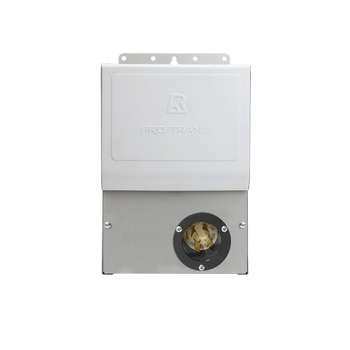
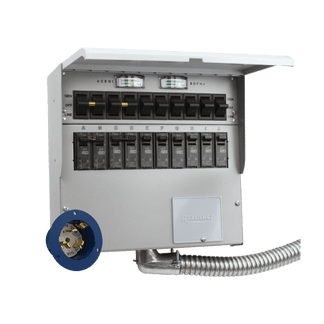
Backfeed occurs when backup electricity travels into wiring that may connect to utility lines. For selected-circuit backup, safety depends on a physical isolation boundary—not simply on the fact that the neighborhood has lost power. A transfer switch can isolate selected circuits from utility power, while OSHA says an approved transfer switch installed by a qualified electrician must be appropriate for the application and used according to the manufacturer’s instructions.

| Path | Use it when | Non-negotiable condition |
|---|---|---|
| Direct appliance backup | You need a few portable, plug-in essentials | Connect appliances only to the solar generator’s intended outlets. Do not energize household branch-circuit wiring. |
| Isolated selected-circuit backup | You need designated home circuits supplied through the panel | The source, inlet, transfer equipment, panel, and circuit arrangement must be compatible, with a qualified installation review and compliance with applicable local requirements. |
| Unclear or improvised setup | Any rating, isolation detail, or existing hardware is unknown or bypassed | Do not connect the home circuit. Keep the source disconnected and call a licensed electrician. |
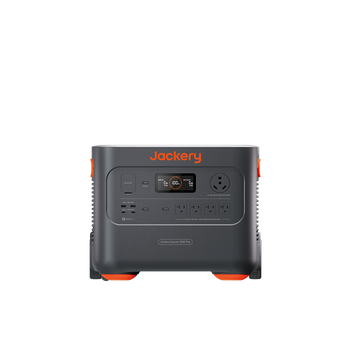
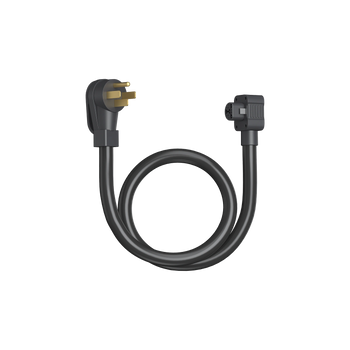
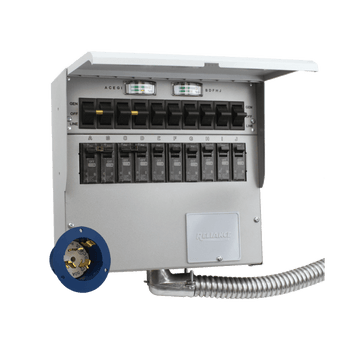
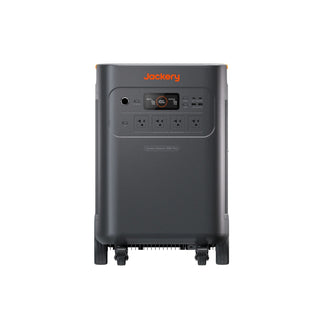
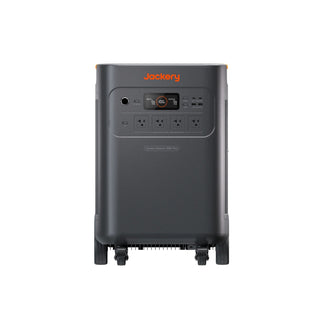
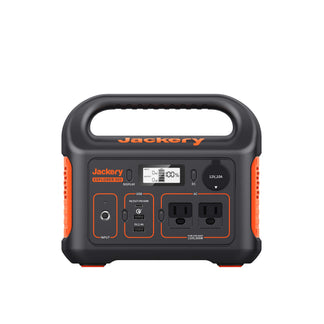
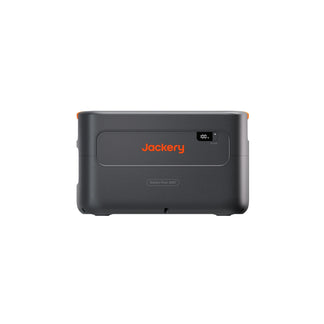
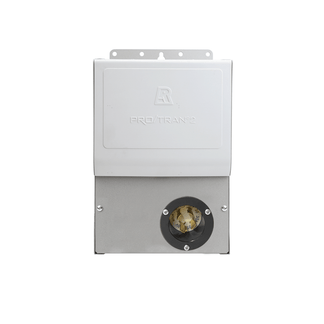
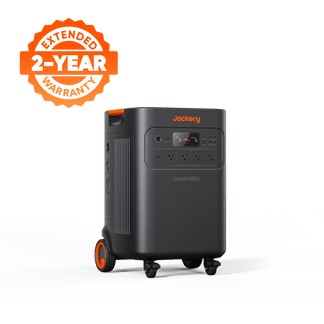
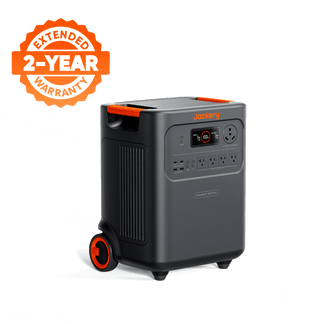
For shoppers comparing equipment, Jackery lists a manual transfer switch rated at 240V and 50A for the Explorer 5000 Plus, along with a Smart Transfer Switch identified as compatible with the 5000 Plus. These are manufacturer-listed options to investigate, not proof that either product fits a particular panel or complies with local code.
The central rule for backfeed prevention is simple: use appliance outlets for portable loads, or use a complete, compatible isolation path for selected circuits. If you cannot trace the complete path from the source to the backed-up circuits, stop before connecting anything.

How Can You Check Whether a Solar Generator Fits a Selected Circuit?
A source-and-load fit check has five parts: intended loads, running demand, starting demand, source output, and battery capacity. That calculation is separate from connection safety. A source can have adequate advertised capacity and still lack a confirmed, compatible path to a home circuit.
Can the Source Run the Intended Loads?
Start by listing the appliances you actually want to run at the same time. Use their nameplates or manufacturer documentation to record normal running demand, then check whether a motor, compressor, pump, or similar load has a separate starting demand. Compare those documented demands with the solar generator’s continuous output and documented starting capability.
Do not treat a breaker rating as proof that a solar generator can run everything on the circuit. The breaker describes the circuit’s protection; the appliances determine the load, and the source documentation determines what the generator can deliver. No universal wattage, runtime, or safety-margin figure applies to every setup.
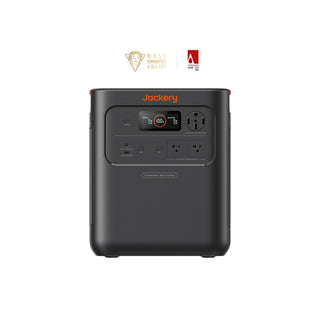
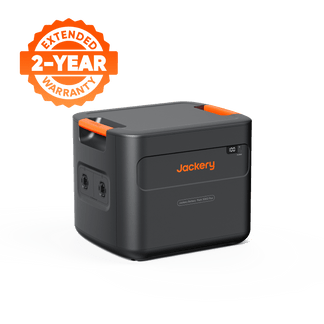
As an example of model-specific inputs, Jackery lists the HomePower 3600 Plus with 3,600W of output and 3,584Wh of capacity. Those figures are comparison inputs only. They do not establish starting capability for an unspecified appliance, runtime, panel compatibility, or authorization to connect a home circuit.
Battery capacity answers an endurance question: how much stored energy is available for the planned use. Output and starting capability answer a delivery question: whether the intended loads can run together. Review both against the exact appliance and solar-generator documentation instead of treating watt-hours as a substitute for output capability.
Can the Source Connect Through the Backup Path?
After checking the loads, review the connection separately. Match the source documentation to the intended output type, voltage, connector or inlet, transfer equipment, and panel arrangement. The exact manuals for the solar generator and transfer equipment control this review; a product listing alone does not.
A selected-circuit connection also needs an isolation boundary that prevents the backup source from energizing the utility side. The transfer equipment must be approved for its intended use, installed according to its instructions, and reviewed by a qualified electrician. Local permit, inspection, utility, and installation requirements vary by jurisdiction, so do not treat one city’s guidance as nationwide approval.
Use this stopping rule: if the transfer behavior, panel compatibility, connector, voltage, or rating is unknown, leave the home circuit unconnected. You may use only the generator’s intended appliance outlets when appropriate, then have a licensed electrician review the planned circuit path. This is how to connect backup power without backfeeding the grid—without guessing about a wiring detail.
What Should You Never Do When Connecting Backup Power?
The most dangerous shortcuts bypass the isolation boundary or turn an ordinary household outlet into an improvised generator connection. Avoid all of the following:
- Never power house wiring through a wall outlet. The CPSC warning against wall-outlet backfeeding identifies this practice as extremely dangerous.
- Never use an outlet-to-outlet or male-to-male cord to energize household wiring.
- Never bypass, defeat, or leave an unknown transfer device in service for a panel connection.
- Never connect a solar generator to panel wiring without an approved, compatible isolation path and qualified review.
- Never improvise an inlet, connector, or 120V/240V connection when the rating or behavior is unclear.
- Stop if equipment shows visible damage, overheating, unusual noise, or an unknown rating.
If any of these conditions applies, disconnect the source from the home circuits and do not experiment during the outage. Use only intended appliance outlets when appropriate, and contact a licensed electrician to review the isolation path. Local rules may also affect permits, inspections, utility coordination, or who may perform the installation. Keep the source disconnected until those connection details are clear, because utility service can return while an improvised connection remains in place.
The practical answer is straightforward: choose direct appliance backup when you need portable plug-in loads; choose selected-circuit backup only when a compatible transfer path has been properly reviewed and installed. Before connecting anything to home wiring, compare the exact source and appliance documentation and ask a licensed electrician to confirm the panel connection.
Frequently Asked Questions
These answers apply to outage backup for ordinary home circuits. They do not replace the exact equipment manual or a jurisdiction-specific electrical review.
Can I Plug a Solar Generator Into a Wall Outlet to Power My House During an Outage?
No. Do not use a wall outlet or an outlet-to-outlet cord to energize home wiring. Use the generator’s intended appliance outlets, or arrange a compatible isolated circuit path that a qualified electrician has reviewed.
Do I Need a Transfer Switch to Run Selected Home Circuits From a Solar Generator?
If your plan energizes selected branch circuits through the panel, use an approved transfer switch appropriate for the application and have a qualified electrician install or review it according to the manufacturer’s instructions. Direct appliance use is different because the appliances remain connected to the generator’s intended outlets rather than the home’s branch-circuit wiring. Local requirements may add conditions.
How Do I Know Whether a Solar Generator Can Run a Specific Home Circuit?
Compare the documented running and starting demand of the intended loads with the source’s continuous output and starting capability. Then check battery capacity, voltage and output compatibility, connector or inlet, transfer equipment, and panel arrangement. If any connection detail is unknown, do not connect the circuit.
What Should I Do If I Am Not Sure Whether My Backup Setup Can Backfeed the Grid?
Treat uncertainty as a stop condition. Leave the source disconnected from home circuits, avoid bypasses and improvised hookups, and ask a licensed electrician or the applicable utility authority to review the isolation path and local requirements.


