

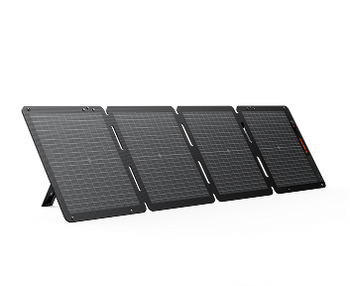







![[Add-on] Jackery SolarSaga 500 X - Jackery](http://www.jackery.com/cdn/shop/files/add-on-jackery-solarsaga-500-x-1493607.webp?v=1786503068&width=324)
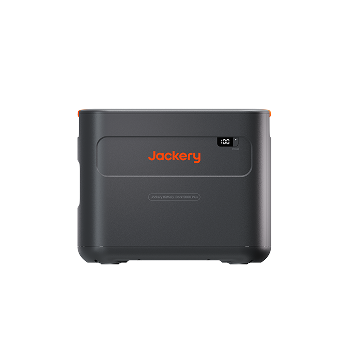
![[Add-on] Jackery Battery Pack 5000 Plus - Jackery](http://www.jackery.com/cdn/shop/files/add-on-jackery-battery-pack-5000-plus-6713401.webp?v=1786503068&width=324)












Nighttime essential demand comes first. In practical solar harvest planning, estimate the energy needed from the end of useful solar production until the next dependable charging opportunity, protect that amount as your battery reserve, and use daytime solar for flexible loads only when that reserve still has a credible path to coverage. A sunny afternoon does not automatically make every watt available to spend: production varies with shade, system losses, season, and the actual load profile.
How Do You Set an Overnight Battery Reserve?
Set the reserve from essential evening and overnight loads, not from a universal battery percentage. Your target should cover the longest or most demanding expected coverage window and use the battery's deliverable energy rather than its headline capacity.
- Define the coverage window. Start when useful solar production ends and finish at the next dependable charging opportunity. That may include evening use, overnight use, and the following morning if charging is not reliable early in the day.
- List essential loads. Include equipment that must operate during the window, such as a refrigerator, communications equipment, lighting, or other essential devices in your setup. Separate continuous loads from cycling loads, and mark discretionary devices that can be turned off or delayed.
- Estimate each load's energy. For every essential device, estimate how much energy it will use across the coverage window, then add those estimates. Use your actual operating schedule where possible rather than assuming that every connected device runs continuously.
- Use deliverable energy in the comparison. Compare the total essential-load estimate with the energy the battery can actually deliver to the loads. Do not treat nameplate capacity as the same as usable energy. Charging and discharging involve losses, so compare the reserve need with the system's stated deliverable energy and limits. The DOE storage overview explains the distinction between nameplate and deliverable energy and the role of storage losses.
- Check power capability separately. A system can have enough stored energy for a period while still lacking the power capability needed by a load at a given moment. Compare the loads' instantaneous demand with the system's documented power capability, as described in this university energy-storage guide.
- Protect the result before spending surplus. Treat the calculated essential-night total as protected energy. If it does not fit within usable storage, reduce flexible demand, improve expected harvest, or reassess the storage arrangement instead of assuming perfect weather or a guaranteed runtime.
- Reassess meaningful changes. Recalculate when occupancy changes, evening loads become heavier, the season changes, or the next charging opportunity becomes less dependable. A reserve that worked for a light summer evening may not fit a longer night or a more demanding cabin schedule.
This load-based approach supports solar harvest planning, but it is not a guaranteed-autonomy formula. There is no single overnight reserve percentage that fits a cabin, shed, home, and portable system alike. For an optional neutral way to organize load and storage inputs, use this solar battery sizing method; it is a planning reference, not a product recommendation. Keep the final reserve tied to your actual loads and usable system limits.

How Much Daytime Solar Can You Use in Solar Harvest Planning?
Use daytime solar immediately only after necessary daytime demand and the protected overnight target remain covered. Solar-plus-storage can shift energy from daytime production for later use, but current production is not the same as confirmed surplus. The U.S. Department of Energy's solar-plus-storage explanation provides context for this day-to-night shift.
Use this priority order:

- Protect essential overnight loads. Keep the reserve target achievable before treating stored energy or incoming solar as available for convenience use.
- Cover necessary daytime loads. Run the daytime equipment needed for the current task, but include it in the remaining energy picture rather than assuming the panels will replace every watt immediately.
- Use flexible daytime loads last. Schedule laundry, workshop tasks, charging, or other deferrable use when production is strong and the reserve path remains credible.
Keep four separate inputs in view: incoming solar production, current daytime load, energy going into the battery, and usable energy already stored. Calling energy "surplus" before separating those flows can lead to spending energy that the evening still needs.
Daytime Solar Use vs. Protected Overnight Reserve
| Current planning condition | Flexible daytime use | Next action |
|---|---|---|
| Essential daytime demand is covered and the overnight target remains achievable | Use confirmed surplus for selected flexible loads | Continue monitoring production and evening demand |
| The overnight target is achievable only if upcoming solar performs as expected | Keep flexible use limited | Defer optional loads and preserve stored energy |
| The reserve path is no longer credible | Do not treat current input as spendable surplus | Reduce flexible demand and reassess the night plan |
A strong solar window can permit more immediate use, but it does not automatically justify lowering the overnight target. Keep the target tied to essential demand and change discretionary use first. Conversely, cloudy, shaded, winter, or otherwise uncertain production calls for a more conservative spending rule. Solar estimates can be affected by shading, system losses, and the actual load profile, so a sunny appearance or panel rating should be treated as an estimate rather than a guaranteed daily harvest. For location-aware estimates, consult established solar-resource tools such as ORNL's solar planning resource, then reassess your plan against actual conditions.
The most common afternoon mistake is drawing down the battery because its state of charge looks comfortable before checking the energy still needed after sunset. Another is scheduling flexible loads from a panel rating rather than from observed or reasonably estimated production. A third is counting headline capacity while overlooking continuing or cycling overnight loads. Each mistake has the same practical fix: mark essential overnight energy as protected, then spend only confirmed surplus.
When production falls short, defer flexible loads first, reduce nonessential daytime demand, and review the expected evening load. Do not lower the essential-night target merely to make current afternoon usage appear workable. As a conservative operating rule, calculate the essential overnight demand, protect that energy, and use daytime solar for flexible loads only when the remaining harvest and usable storage still cover them.
Frequently Asked Questions
The answers below address common changes in overnight demand, daytime production, and system capability.
How Do You Estimate the Battery Reserve Needed Overnight?
Define the period from the end of useful solar production to the next dependable charging opportunity. Add the energy used by essential loads during that period, then compare the result with usable deliverable battery energy and separately check whether the system can handle the loads' power demand. Revisit the estimate when night length, occupancy, or load timing changes.
Should You Charge the Battery Fully Every Day?
Not necessarily as a universal planning rule. The useful question is whether the battery can preserve the essential overnight target while current daytime needs are met. On a dependable production day, flexible loads may use confirmed surplus; on a weak or uncertain day, defer those loads and protect the reserve instead of assuming a full recharge will occur.
What Should You Do When Solar Input Is Lower Than Expected?
Stop or defer flexible loads first and keep essential overnight demand as the reference target. Reassess the remaining production, usable stored energy, and evening load after the change becomes clear. A cloudy or shaded period should change discretionary consumption before it changes the amount reserved for essential use.
Can a Battery Have Enough Energy but Still Not Run a Load?
Yes. Energy capacity describes how much energy is available over time, while power capability describes how quickly the system can deliver it. Compare both the reserve's energy requirement and the load's instantaneous demand with the system's documented limits before treating the setup as adequate.


