


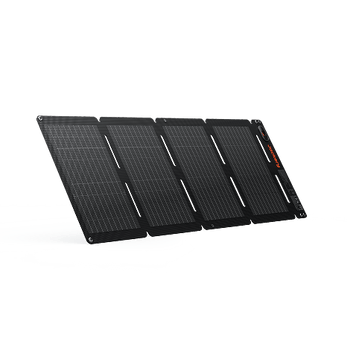




















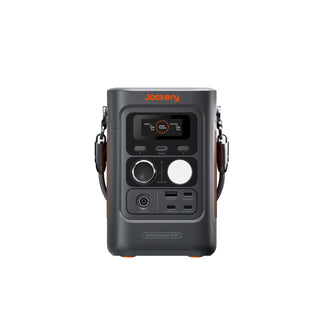
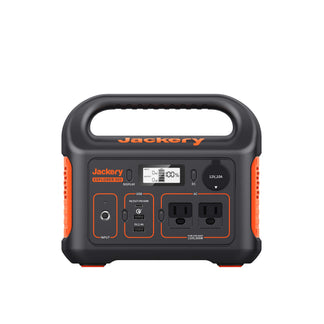

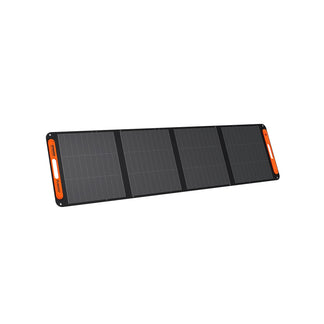
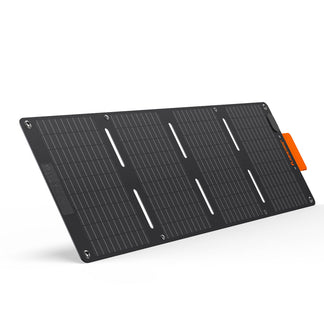
![[Add-on] Jackery SolarSaga 500 X - Jackery](http://www.jackery.com/cdn/shop/files/add-on-jackery-solarsaga-500-x-1493607.webp?v=1786503068&width=324)
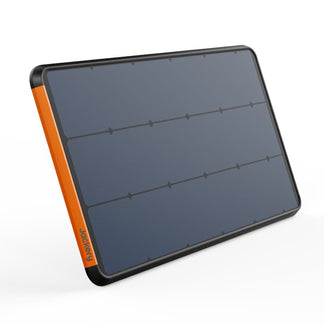
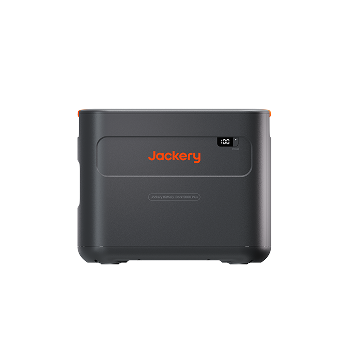
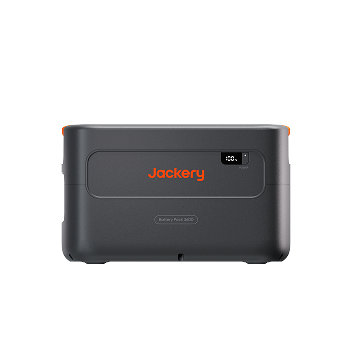
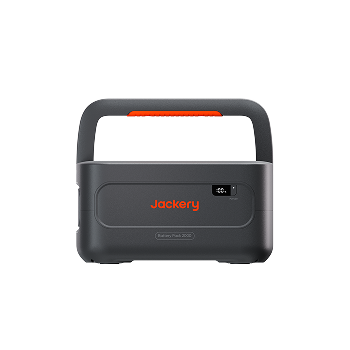
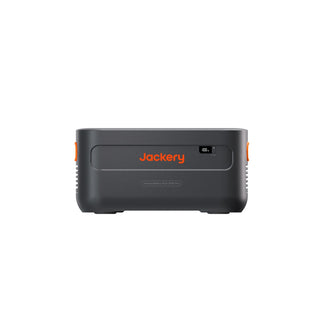
![[Add-on] Jackery Battery Pack 5000 Plus - Jackery](http://www.jackery.com/cdn/shop/files/add-on-jackery-battery-pack-5000-plus-6713401.webp?v=1786503068&width=324)



















Quick Answer: Off-grid payback focuses on avoiding generator fuel costs or grid hookup fees, not utility savings. Calculate daily kWh, size the array with a 20% buffer, and compare upfront cost to avoided fuel/hookup expenses. A solar generator can pay back in 200 hours of runtime, or instantly versus a $10,000+ grid connection.
Key Takeaways
- Off-grid payback is a capital vs. fuel calculation: divide total system cost by annual fuel savings to get years to break even.
- Always apply a 20% buffer to your solar array size to compensate for inverter losses, dust, shading, panel degradation, and seasonal sun variation.
- Peak sun hours vary by location — use NREL PVWatts with flat-plate orientation to estimate portable panel output (expect 10–20% less than rooftop).
- A 2,000W generator burning 0.5 gal/hour at $3/gal costs $1.50/hour; a solar generator that eliminates 200 hours of runtime saves $300 in fuel alone.
- Common mistakes — skipping the buffer, ignoring cloudy-day reserves, and confusing peak watts with daily energy — can erase 30–50% of your expected savings.
Why Calculating Solar Generation Is More Critical Than Ever in 2026 for Off-Grid Users
Off-grid and emergency backup users rely entirely on self-generated power. There’s no grid to fall back on. That makes precise kWh output calculations the difference between comfort and darkness.
Without grid backup, every watt counts. Under-sizing your array leads to battery depletion during cloudy streaks, forcing you to run a gas generator — exactly the expense you’re trying to avoid. Over-sizing wastes capital that could fund additional battery storage, the real bottleneck in most off-grid setups.
Electricity rate inflation (averaging 2.8% per year) raises the value of self-consumption for grid-tied homes, but off-grid users avoid utility bills entirely. Payback for them is purely a capital vs. fuel calculation. The core question shifts from “will I save money?” to “how much capacity do I need to avoid generator runtime and fuel costs?”
A common pain point: users confuse “peak wattage” (surge capacity) with “daily energy” (kWh). For example:
- A device labeled 1,500W might only run for 30 minutes a day, consuming 0.75 kWh.
- A refrigerator cycling 150W for 8 hours consumes 1.2 kWh.
Sizing based on peak watts alone leads to undersized battery banks and unexpected generator dependence.
The 20% Buffer Rule: Sizing Your Off-Grid System for Real-World Losses
The 20% buffer rule means sizing your solar array to produce 120% of your average daily load. This accounts for:
- Inverter losses: 5–10%
- Dust and shading: 2–5%
- Panel degradation: ~0.5% per year
- Seasonal sun variation: winter output can be 50% lower than summer
To apply the rule:
- Sum all loads using a watt-hour meter — don’t rely on nameplate ratings alone. (A refrigerator label might say 200W, but actual cycling averages 60–80W.)
- Measure true daily consumption of lights, modem, fans, water pump, etc.
- Multiply that daily kWh total by 1.2 to get your target array output.
The buffer also accommodates future loads — an extra freezer, a Starlink terminal, or a space heater. Experienced van-lifers often add 10–15% more buffer for cloudy days beyond the standard 20%, unless they keep a small gas generator as backup.
Battery capacity follows a separate rule:
- Plan for 3 consecutive cloudy days: your battery bank must cover your daily load × 3 without solar input.
- LiFePO4 batteries can discharge to 10% state of charge safely, so usable capacity is 90% of rated capacity.
How to Calculate Daily Solar Generation Using Peak Sun Hours (Off-Grid Focus)
Daily kWh = (Panel Wattage × Peak Sun Hours × Production Ratio) ÷ 1,000
Peak sun hours (PSH) represent the equivalent hours of full-intensity sunlight your location receives daily. For a portable panel laid flat, use these typical U.S. values:
- Southwest (Arizona, Nevada): 6.2 PSH
- East Coast (New York, Florida): 4.5 PSH
- Pacific Northwest (Seattle): 3.8 PSH
Example: A 500W portable panel in the Southwest with a production ratio of 1.1 yields (500 × 6.2 × 1.1) ÷ 1,000 = 3.41 kWh/day. The same panel in the Pacific Northwest yields (500 × 3.8 × 1.1) ÷ 1,000 = 2.09 kWh/day — nearly 40% less.
Production ratio for portable panels is typically 1.1–1.3, lower than the 1.4–1.6 for optimally tilted rooftop arrays. Portable panels laid flat capture less direct sunlight, so expect 10–20% less output than a fixed rooftop of the same wattage. You can approximate this in NREL’s PVWatts tool by entering a flat-plate orientation with 0° tilt.
For a more detailed sizing walkthrough, see how to match a solar generator to your actual loads.
Estimating Your Dollar Savings and Payback Period for Off-Grid & Backup Systems
Off-grid savings come from two sources: avoided fuel costs (if replacing a generator) or avoided grid connection fees (if building a remote cabin).
Payback (years) = Total system cost ÷ Annual avoided cost
For emergency backup, calculate avoided generator fuel cost. A 2,000W generator burns about 0.5 gallons per hour.
At $3/gallon, that’s $1.50/hour. A solar generator that eliminates 200 hours of runtime saves $300 in fuel. If the solar generator costs $4,000, payback is over 13 years if used only for outages — but much faster with daily use.
For full-time off-grid, compare to the cost of bringing grid power to a remote property. Utility hookups can run $10,000–$50,000 depending on distance. A $4,000 solar generator pays for itself immediately by avoiding that fee.
The “No-Solar Baseline” method works best off-grid: total system cost ÷ annual fuel savings = years to break even. No net metering complexity, no TOU billing. Just direct displacement.
Battery cycling efficiency (round-trip 90% ) reduces effective storage — account for a 10% loss when sizing. If your daily load is 5 kWh, you need a battery that can deliver at least 5.5 kWh after losses.
For a deeper dive into building a secure backup setup, read how to build a secure power backup for home appliances.
Common Mistakes That Destroy Off-Grid Solar ROI (And How to Avoid Them)
Mistake 1: Ignoring the 20% Buffer
An undersized array fails to recharge batteries fully during short winter days, forcing generator runtime. That can erode fuel savings by 30–50%. Always apply the 20% buffer to your daily kWh target.
Mistake 2: Assuming Perfect Sun Every Day
Plan for 3 consecutive cloudy days. Battery capacity must cover your daily load × 3 without solar input. A 5 kWh daily load requires at least 15 kWh of usable storage.
Mistake 3: Sizing Solar to Summer Sun
A system covering 100% of July load may only cover 40% in December. Use the lowest monthly PSH for your location when sizing the array, or accept some generator use in winter.
Mistake 4: Neglecting Panel Degradation
Panels lose about 0.5% output per year. After 25 years, a 500W panel produces roughly 437W. Factor that into long-term capacity planning, especially if you’re sizing for a multi-decade off-grid home.
Mistake 5: Overlooking Battery Depth of Discharge (DoD)
LiFePO4 batteries can discharge to 10% state of charge safely (90% usable). Lead-acid only to 50% (50% usable). A 10 kWh lead-acid bank provides just 5 kWh usable — half what the label suggests.
Mistake 6: Failing to Account for Temperature Effects
LiFePO4 batteries lose up to 20% capacity at 0°C (32°F). Panels lose efficiency in heat: about 0.5% per °C above 25°C (77°F). In a desert summer, a panel at 60°C loses 17.5% of its rated output.
Mistake 7: Not Using a Real-Time Consumption Monitor
Without granular data from a device like the Jackery app or a Victron BMV-712, any savings calculation is a guess. Measure actual consumption before sizing anything.
For a complete off-grid system design walkthrough, see this DIY off-grid solar power guide.
Recommended Solar Solutions for Off-Grid and Emergency Backup
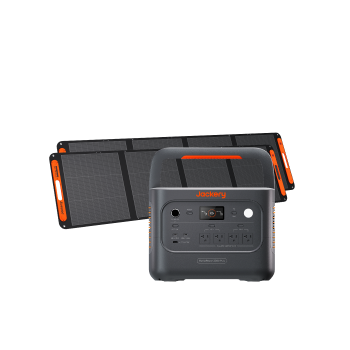
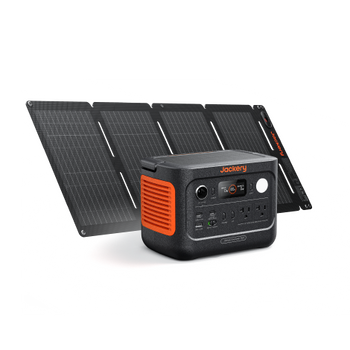
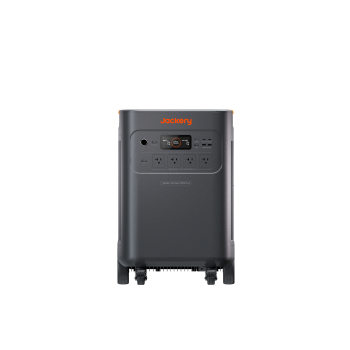
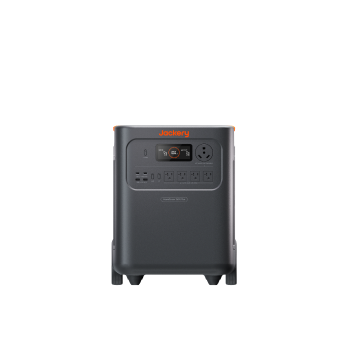
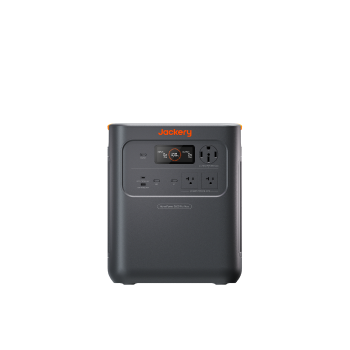
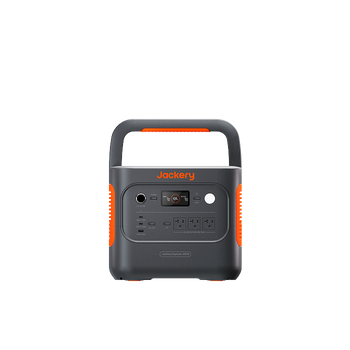
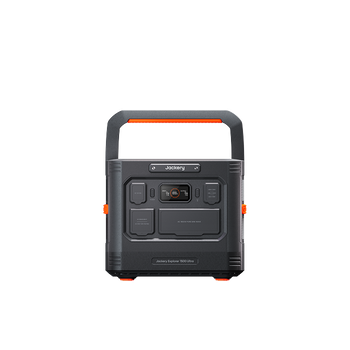
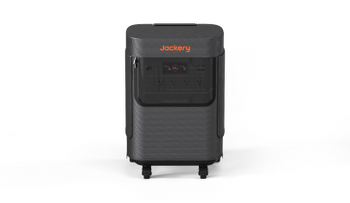
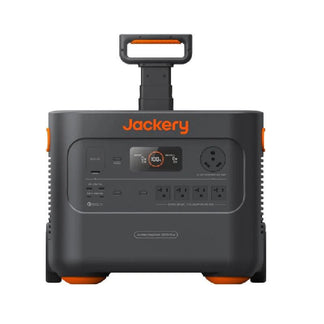
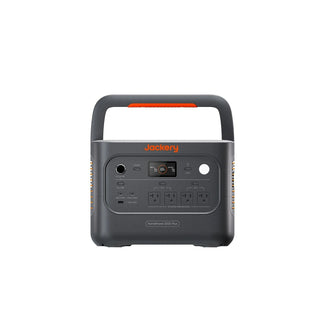
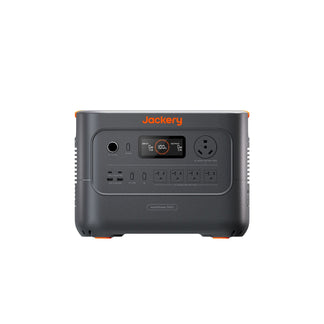
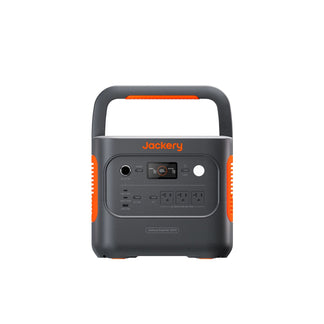
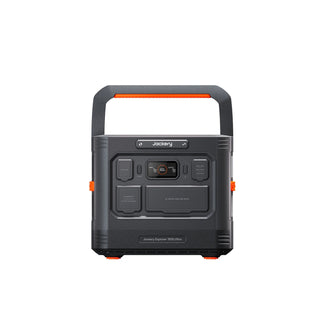
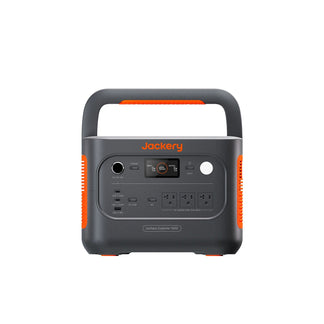
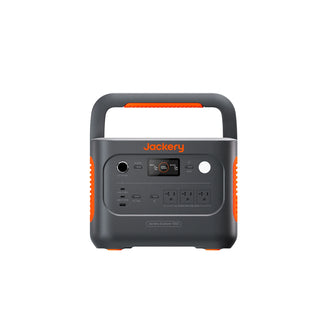
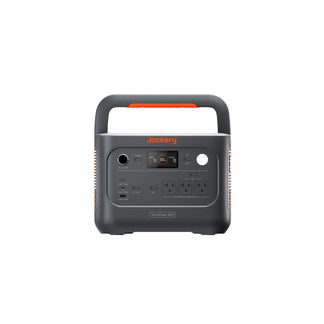
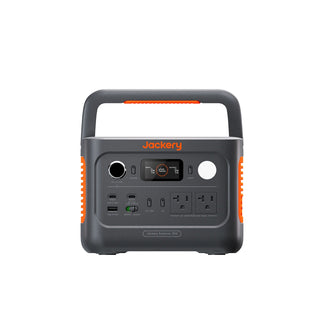
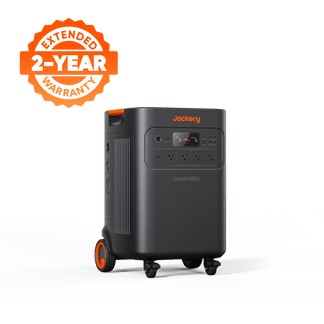
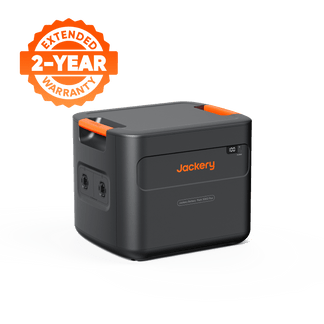
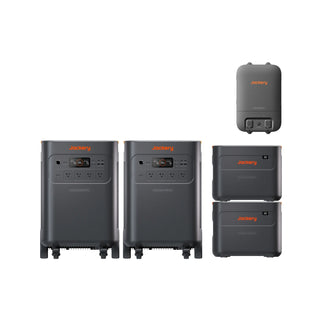
Two Jackery solar generator bundles address the most common off-grid and backup scenarios. Both use LiFePO4 batteries; the Jackery Solar Generator HomePower 3600 Plus has a battery rated for 6,000+ cycles to 70%, while the Jackery Solar Generator 5000 Plus is rated for 4,000 cycles to 70%+, each providing roughly a 10-year lifespan with daily use.
If your scenario is… |
Recommended bundle |
|---|---|
Full-time off-grid cabin, large RV, or extended outages (up to 7,200W appliances) |
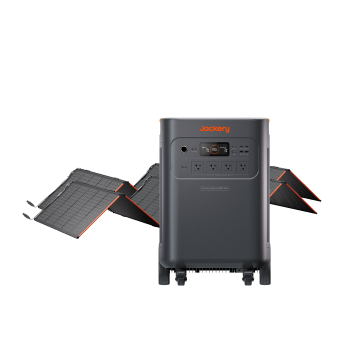
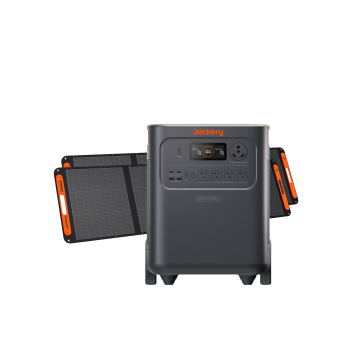
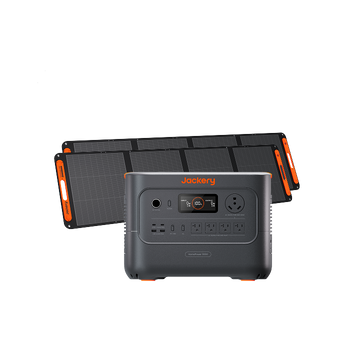
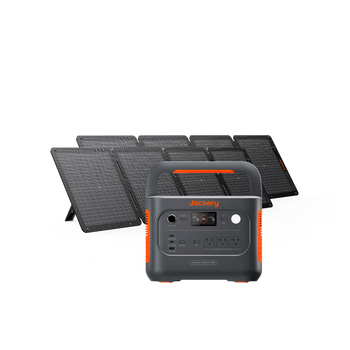
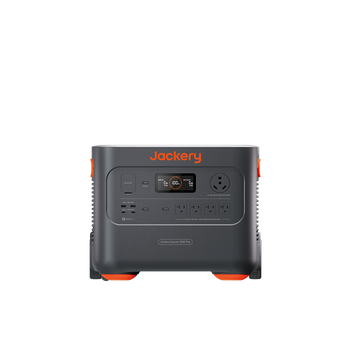
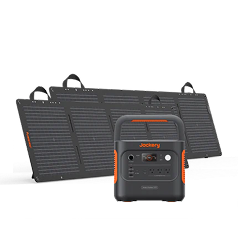
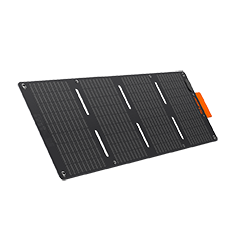
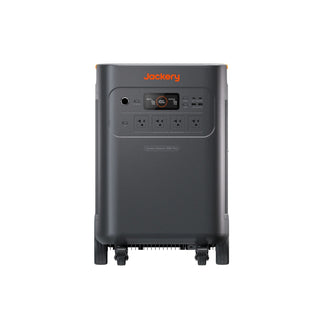
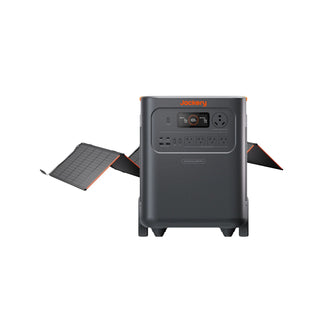
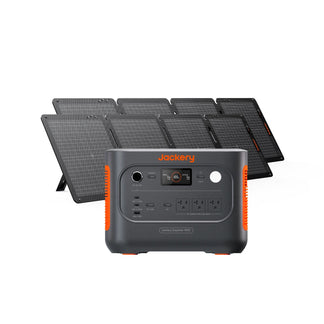
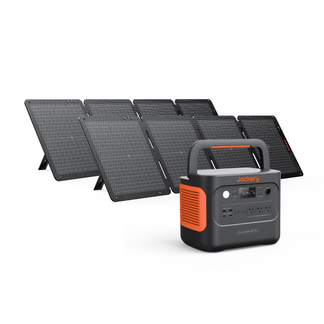
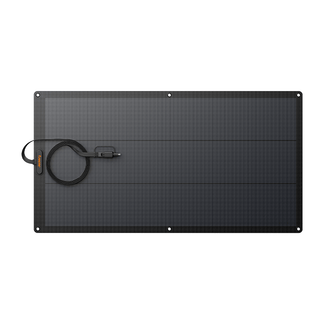
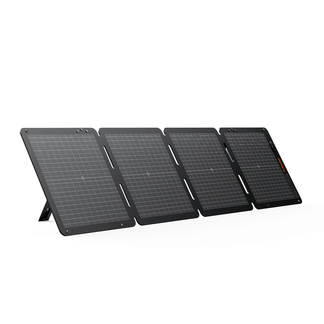
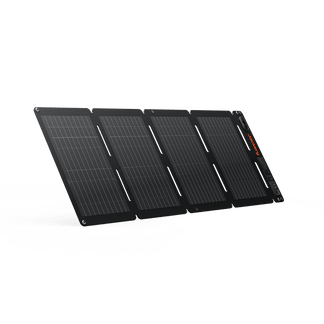
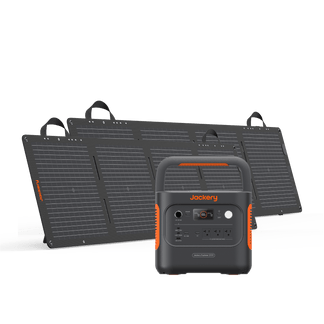
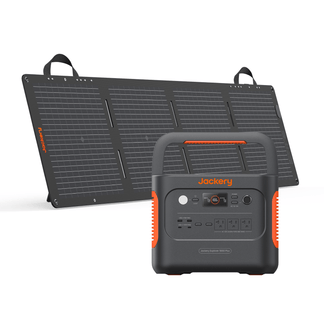
Jackery 5000 Plus + 2× SolarSaga 500X |
Weekend camping, van life, or small emergency backup (fridge + lights + router) |
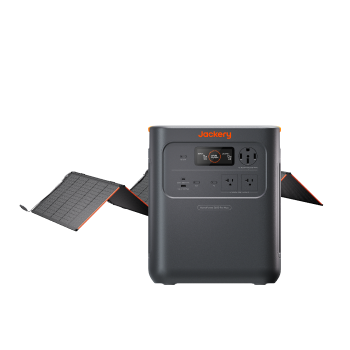
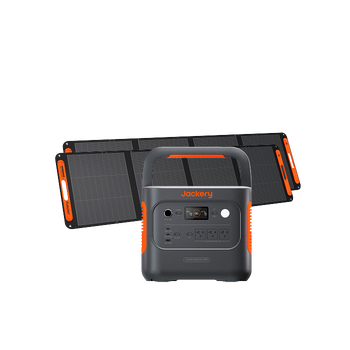
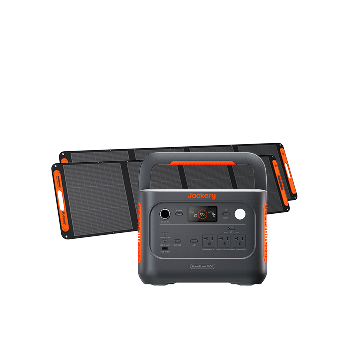
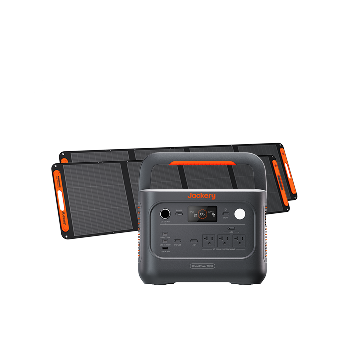
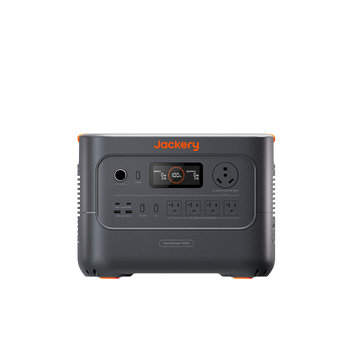
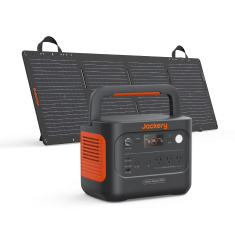
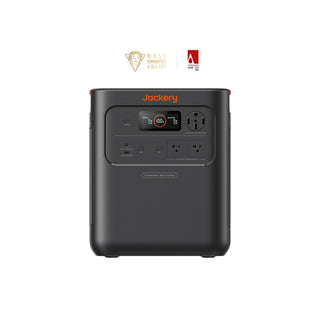
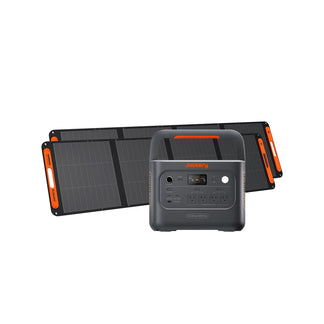
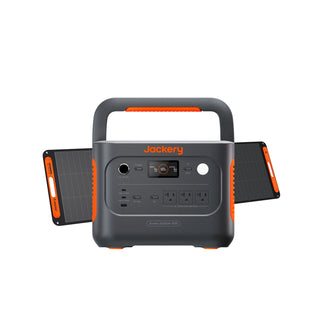
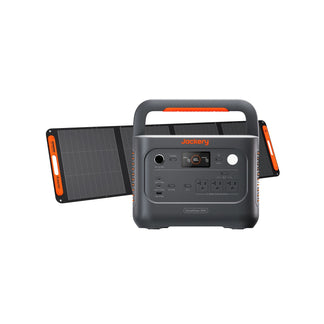
Jackery HomePower 3600 Plus + SolarSaga 500X |
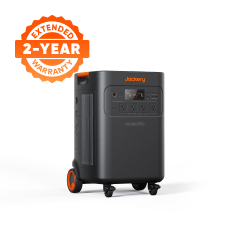
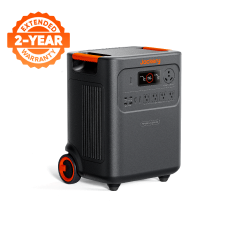
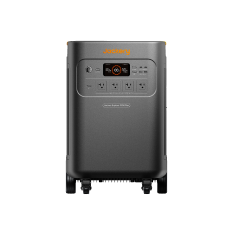
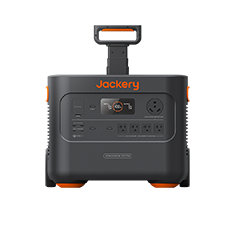
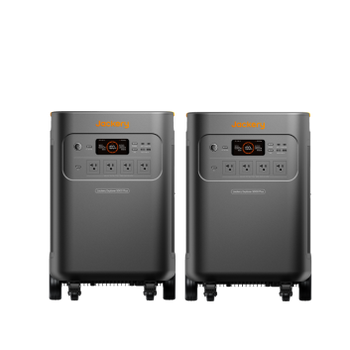
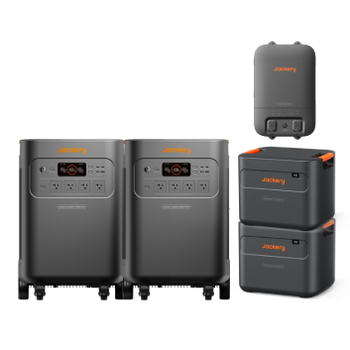
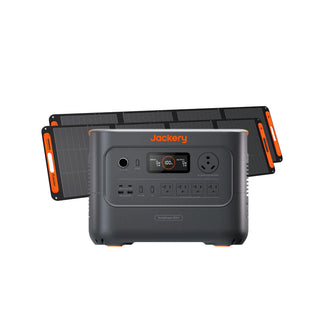
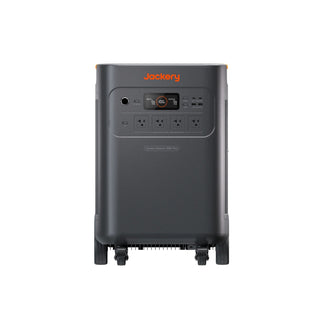
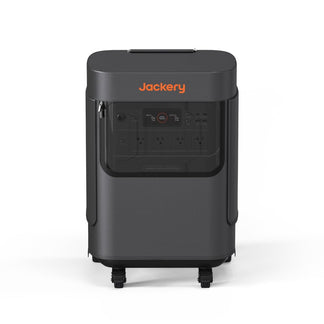
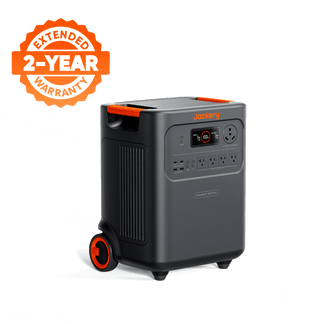
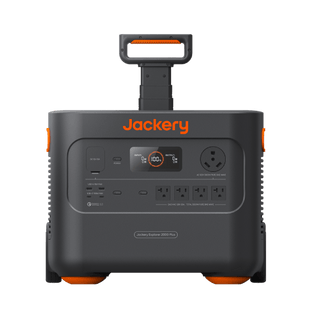
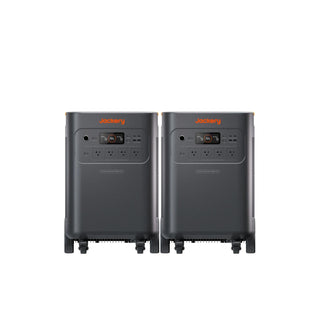
Jackery Solar Generator 5000 Plus + 2× SolarSaga 500X
- 7,200W continuous output, 14,400W surge — runs a small home’s critical loads or an RV air conditioner.
- 4,000W solar input supports up to 8× SolarSaga 500X panels, generating 18–22 kWh/day in optimal sun.
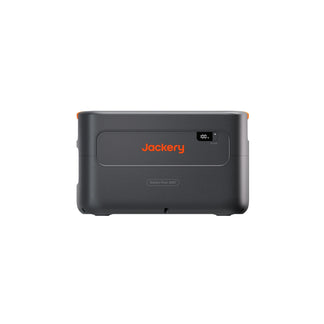
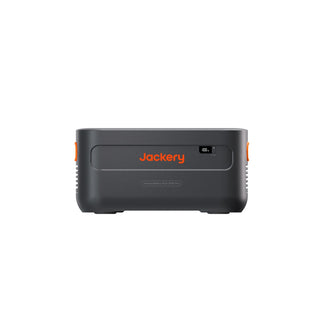
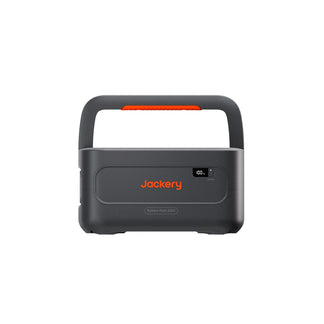
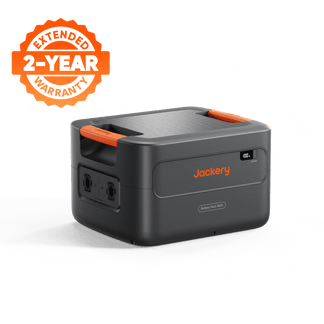
- Expandable up to 60 kWh with extra battery packs, covering a 3+ day cloudy buffer without replacing the inverter.
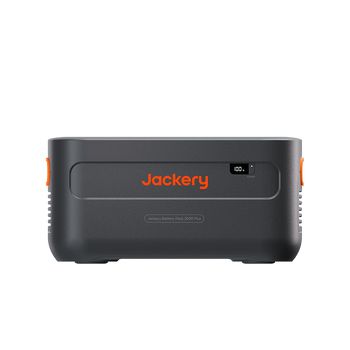
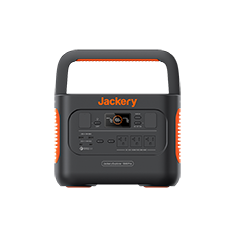
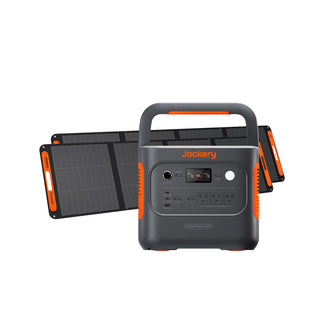
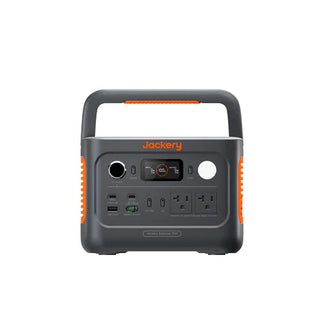
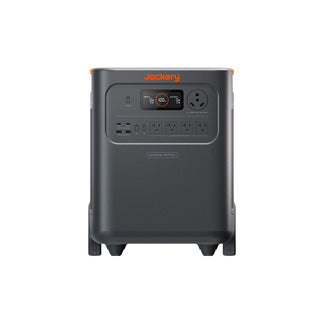
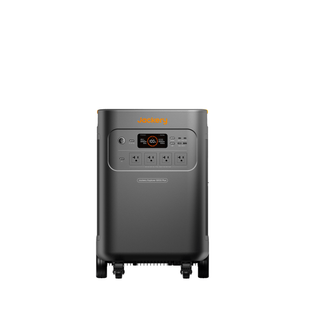
Jackery Solar Generator HomePower 3600 Plus + SolarSaga 500X
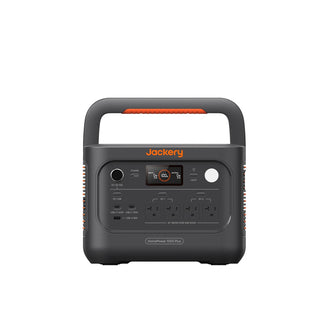
- 3,600W continuous output, 3,584 Wh capacity — sized for weekend camping, emergency backup of fridge + lights, or a small van conversion.
- AC wall charging refills the battery in about 2.5 hours; solar recharging with the included 500W panel takes approximately 16 hours.
- Compact enough to test off-grid viability before scaling up.
For battery backup strategies that integrate with home circuits, check this DIY house battery backup guide.
Comparison: Rooftop Grid-Tied vs. Portable Off-Grid Solar in 2026
Factor |
Rooftop Grid-Tied |
Portable Off-Grid (Jackery) |
|---|---|---|
Typical Cost |
$20,000–$30,000 for 8 kW installed |
$2,000–$5,000 for 2–5 kWh storage + panels |
Installation |
Professional, permits, permanent |
Plug-and-play, no permits, portable |
Payback Period |
7–12 years |
Immediate if avoiding grid hookup; 4–8 years displacing generator fuel |
Best For |
High-consumption homes (30+ kWh/day) |
Renters, van-lifers, sub-10 kWh/day loads |
Portability |
None |
Fully portable |
Frequently Asked Questions (FAQ)
How does panel degradation affect my payback period?
Annual 0.5% degradation reduces output by 12.5% over 25 years, extending payback by roughly 2–3 years if you size only for current usage without the 20% buffer.
How often should I clean my solar panels for optimal performance?
In most regions, cleaning once or twice per year with water is sufficient; dusty or bird-heavy areas may require quarterly cleaning to avoid 5–10% output loss.
Do solar panels increase my home insurance premiums?
Typically yes, because you need to add replacement coverage for the panels, often increasing premiums by $100–$300 annually depending on system value and location.


