

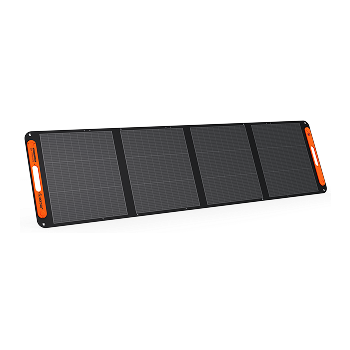
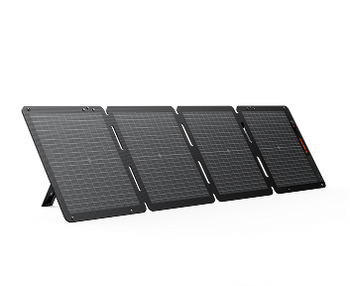








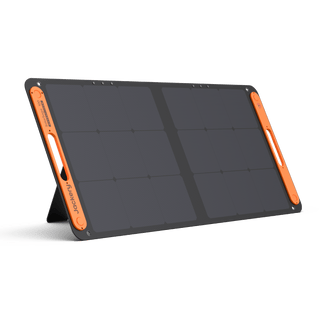
![[Add-on] Jackery SolarSaga 500 X - Jackery](http://www.jackery.com/cdn/shop/files/add-on-jackery-solarsaga-500-x-1493607.webp?v=1786503068&width=324)
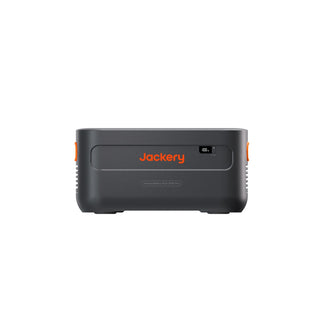
![[Add-on] Jackery Battery Pack 5000 Plus - Jackery](http://www.jackery.com/cdn/shop/files/add-on-jackery-battery-pack-5000-plus-6713401.webp?v=1786503068&width=324)






Space Heaters: Power Consumption & Pre-Winter Safety Guide
Quick Answer:
A 1,500‑watt space heater costs about $0.18–$0.50 per hour depending on local electricity rates.
Safety requires plugging directly into a wall outlet, keeping the heater at least three feet from combustibles, and never leaving it unattended.
Pre‑winter preparation includes inspecting the cord for damage and testing built‑in safety features like tip‑over shutoff.
Key Takeaways
- A 1,500‑watt space heater draws 1.5 kWh per hour — at the 2026 U.S. average rate of 18.83¢/kWh, continuous operation costs about $0.28 per hour. [2]
- Heating equipment is the second‑leading cause of home fires in the U.S., with space heaters involved in most fatal heating fires. [1]
- The safest heaters carry UL or ETL certification, have automatic tip‑over and overheat shutoff, and are never used with extension cords or power strips.
- All electric space heaters are 100% efficient — cost savings come from zone heating, thermostat cycling, and sealing drafts, not from “energy‑efficient” claims.
- Using the lower 750W setting halves power draw and reduces outlet overheating risk while still providing meaningful warmth in a small room.
How Much Electricity Does a Space Heater Use?
Standard portable electric heaters run at 750 watts (low) and 1,500 watts (high). On a 120‑volt circuit, that’s 6.25 amps on low and 12.5 amps on high — right at the edge of a typical 15‑amp branch circuit.
Running a 1,500W heater for 8 hours uses 12 kWh. At the 2026 national average of 18.83¢/kWh, that’s $2.26 per day before thermostat cycling. Over a month, the bill can climb by roughly $68.
Real‑world runtime is lower. The built‑in thermostat cycles the element off once the room reaches the set temperature. That cuts actual run time by 30–50%, bringing daily consumption closer to 6–8.4 kWh and a monthly impact of $34–$47.
Switch to the 750W low setting and consumption drops to 0.75 kWh per hour — half the cost and half the electrical load on the outlet. The U.S. Department of Energy recommends setting the central thermostat to 68°F and heating only the room you’re in. [2] A space heater is supplemental, not a replacement for whole‑house heating.
How Much Does a Space Heater Cost to Run Per Hour?
Cost per hour = heater wattage (kW) × local electricity rate.
At 1.5 kW, the math is simple:
Electricity Rate |
Cost Per Hour (1,500W) |
Cost Per Hour (750W) |
$0.10/kWh |
$0.15 |
$0.075 |
$0.15/kWh |
$0.225 |
$0.113 |
$0.20/kWh |
$0.30 |
$0.15 |
$0.25/kWh |
$0.375 |
$0.188 |
$0.30/kWh |
$0.45 |
$0.225 |
Regional rates vary sharply. In 2026, a 1,500W heater costs about $0.15/hour in Louisiana, $0.27 in New York, and $0.59 in Hawaii. [2] Run it 24 hours straight and you’re looking at 36 kWh daily — $3.60 to $12.96, depending on your rate.
A programmable timer or built‑in thermostat can reduce daily runtime by 40–60%, cutting costs proportionally. The real‑world cost is always lower than the maximum because the heater cycles off once the room is warm. Zone heating only the room you occupy while lowering the central thermostat by 5–10°F is the only way space heaters actually save money.
What Are the Most Important Safety Rules for Space Heaters?
The most important safety rules are: plug directly into a wall outlet, keep at least three feet of clearance, never leave the heater unattended, and place it on a flat, stable surface. Heating equipment causes over 25,000 residential fires each year. [1] Most involve portable space heaters. These four rules remove the biggest risks.
- 1. Plug directly into a wall outlet.
Never use an extension cord or power strip. Even a heavy‑duty cord can overheat under a continuous 12.5‑amp load. The connection points are the weak link — they build resistance and heat over time.
- 2. Maintain a three‑foot clearance.
Keep the heater at least 36 inches from curtains, furniture, bedding, and anything combustible. The CPSC and NFPA both set this as the minimum safe distance. [1] Heat radiating outward can ignite materials without direct contact.
- 3. Never leave it unattended.
Turn the heater off when you leave the room or go to sleep. Unattended operation is the top cause of heater‑related fatal fires. If you can’t stay awake and in the room, the heater should be off.
- 4. Place it on a flat, stable surface.
Keep it off carpet and rugs that can block airflow or tip the unit. High‑traffic areas are a bad idea — someone will trip over the cord or knock it over.
Inspect the cord and plug before each use. If the cord feels warm, the plug is cracked, or the outlet shows any discoloration, stop using the heater and replace it.
What Safety Features Should a Space Heater Have?
The five essential safety features are UL or ETL certification, tip-over automatic shutoff, overheat protection, cool-touch exterior, and dual wattage settings. Look for these five features before buying — or before trusting an old unit for another winter.
- UL or ETL certification. A mark from Underwriters Laboratories or Intertek means the heater passed UL 1278 safety standards for electric room heaters. No listing = no purchase.
- Tip‑over automatic shutoff. A mechanical or gyroscopic switch cuts power instantly if the heater is knocked over. This is non‑negotiable.
- Overheat protection. A thermal sensor shuts the unit down if internal temperatures exceed safe limits — typically around 185°F. It resets only after the heater cools.
- Cool‑touch exterior. The housing stays below 120°F even while the element runs at full output. Critical in homes with children or pets.
- Dual wattage settings (750W/1,500W). Running on low reduces the load on your circuit, lowers outlet heat, and still provides meaningful warmth in a small room.
A heater without tip‑over and overheat shutoff is a liability. Replace it.
How to Prepare Your Home and Space Heater for Winter
Pre-winter preparation means cleaning vents, testing safety shutoffs, checking smoke detectors, not sharing the outlet, and replacing old heaters. A 30‑minute pre‑winter check prevents most problems.
- Clean vents and filters first. Dust buildup blocks airflow and forces the heater to run hotter. A vacuum with a brush attachment clears the intake grille and outlet vents.
- Test the safety shutoffs. Tilt the heater to confirm the tip‑over switch cuts power immediately. Block the air intake with a towel for a few seconds — the overheat sensor should trip within 30–60 seconds. If either test fails, the heater is unsafe.
- Check smoke and carbon monoxide detectors. Fresh batteries, test monthly. Electric space heaters don’t produce CO, but heating season also means furnaces and fireplaces are running. Every home needs working detectors on every floor.
- Don’t share the outlet. A 1,500W heater already draws 12.5 A. Plugging another high‑wattage device into the same duplex outlet can trip the breaker or overheat the wiring. Run the heater on its own circuit whenever possible.
- Replace heaters older than 10 years. Internal wiring degrades, thermostats drift, and safety sensors lose calibration. A decade‑old heater that “still works” is the one most likely to fail when it matters.
Limitations / What to Know Before
Space heaters solve a narrow problem. Misusing them creates bigger ones.
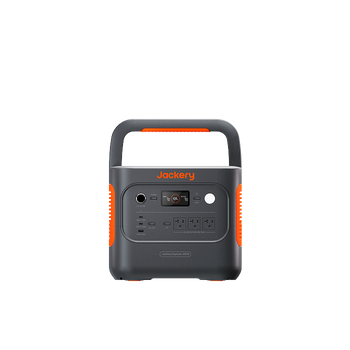
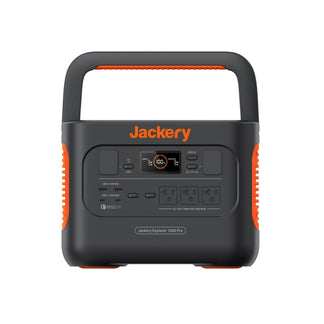
Portable power stations can’t run a space heater for long. A 1,500W load drains a 3,584Wh battery in about 2 hours. That’s enough for a short winter blackout — not for overnight heating or whole‑home backup. generator sizing guide breaks down the runtime math for different setups.
Running a heater overnight is strongly discouraged. Fire safety organizations consistently list unattended operation as the leading cause of fatal heating fires. If you need overnight heat, use a central heating system or an oil‑filled radiator with a thermostat and timer — and even then, keep clearance.
Space heaters cannot replace central heating. They’re designed for supplemental spot heating. Trying to heat an entire home with electric space heaters can double or triple your monthly bill because electricity costs significantly more per BTU than natural gas or even a heat pump.
Oil‑filled radiators are safer, but still need clearance. Their surface temperatures are lower, but they still radiate heat that can ignite nearby materials. The three‑foot rule applies regardless of the heater type.
Essential Home Backup for Winter Heating Outages
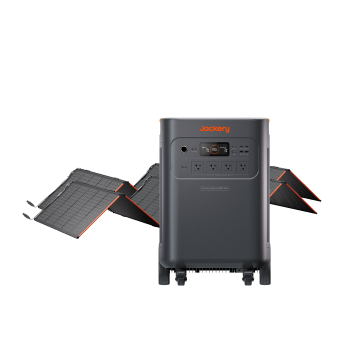
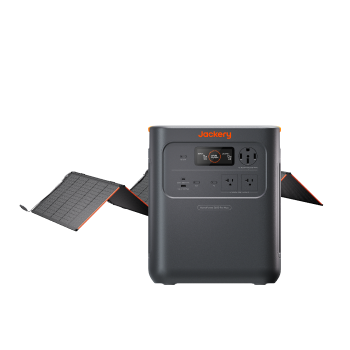
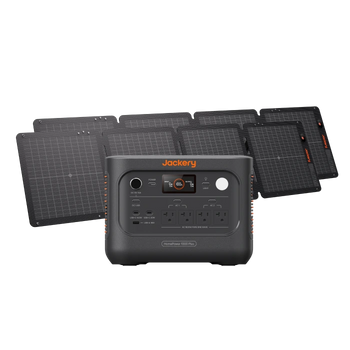
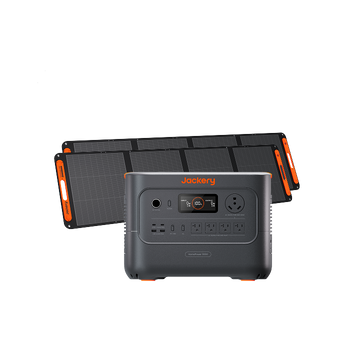
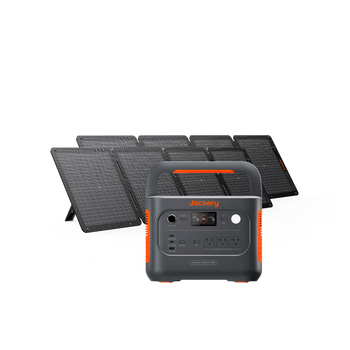
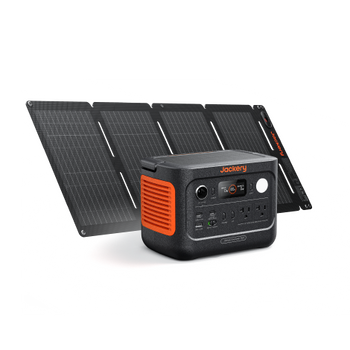
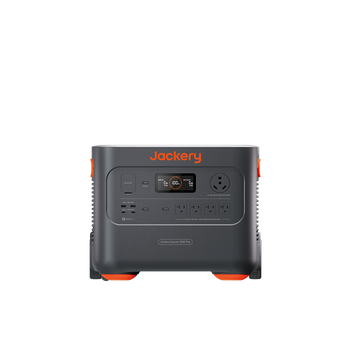
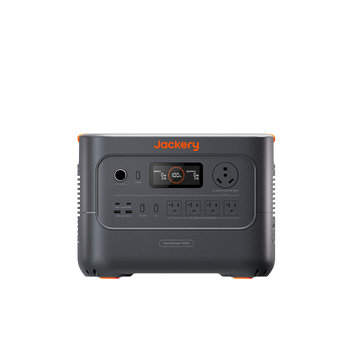
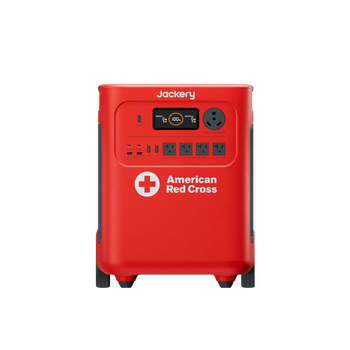
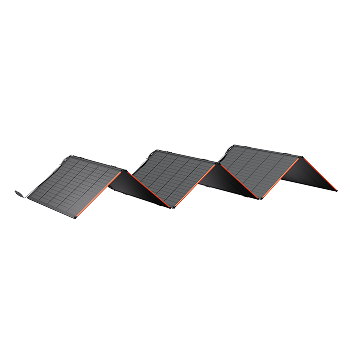
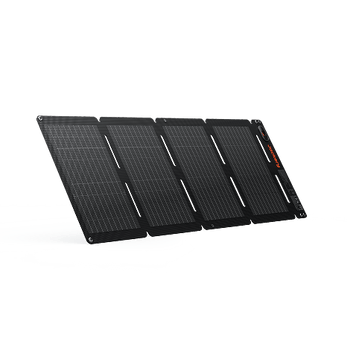
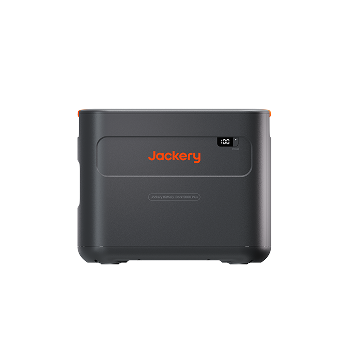
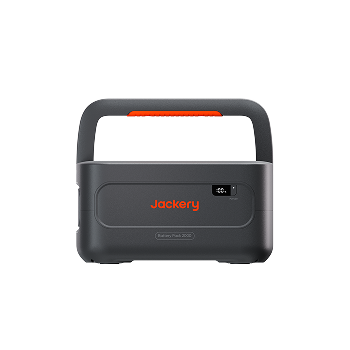
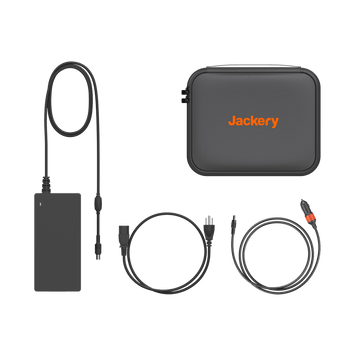
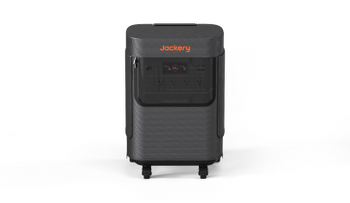
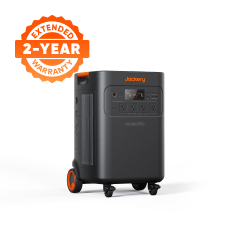
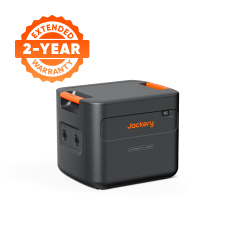
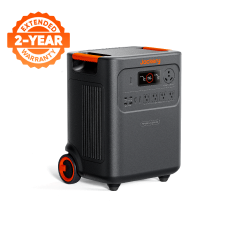
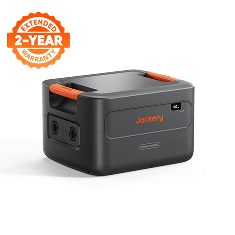
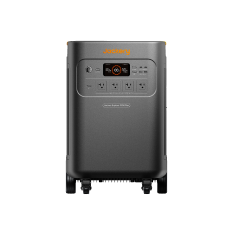
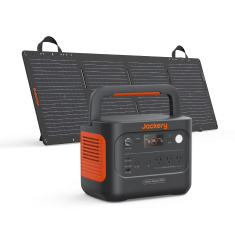
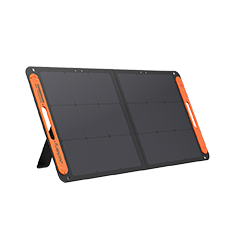
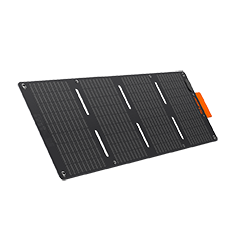
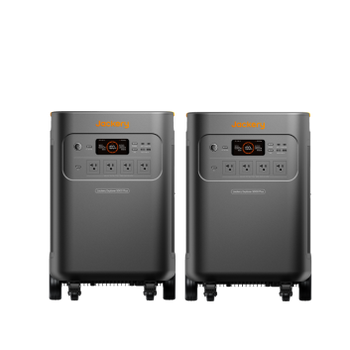
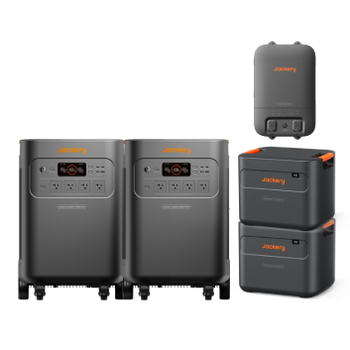
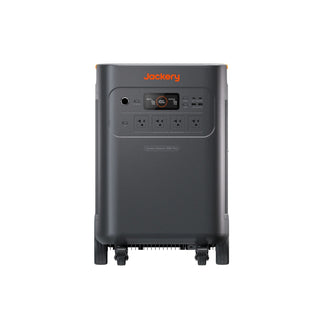
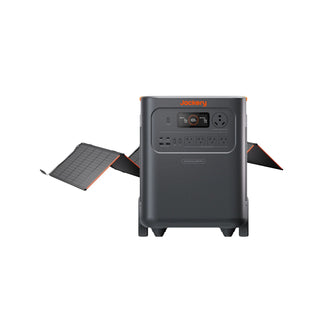
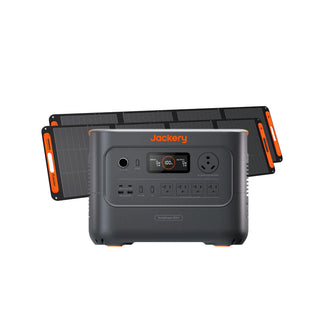
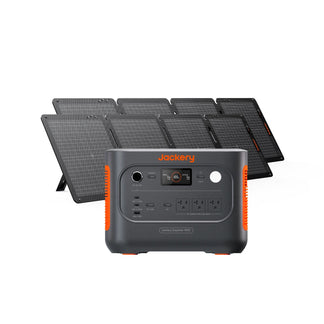
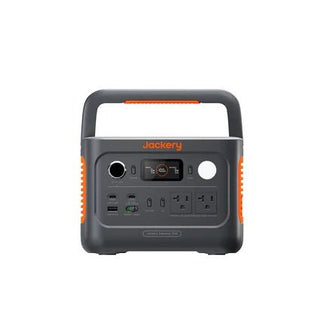
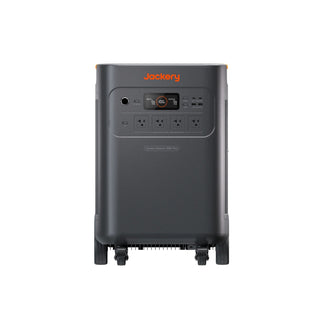
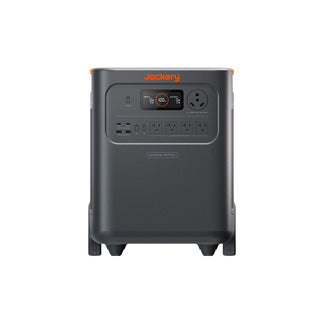
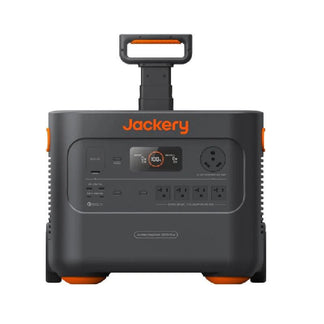
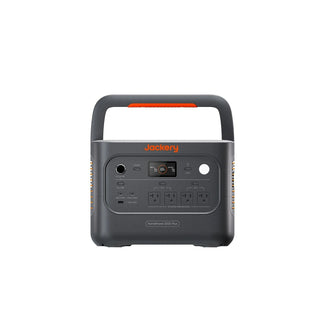
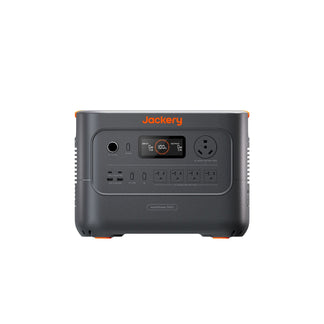
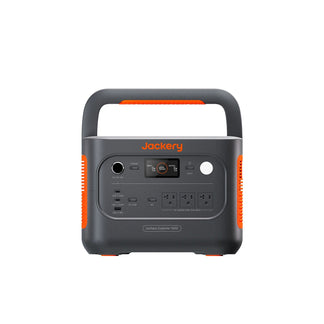
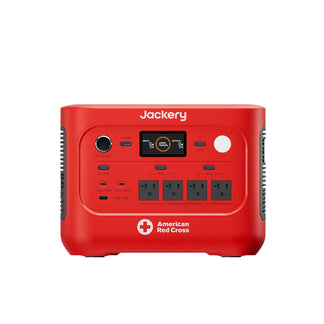
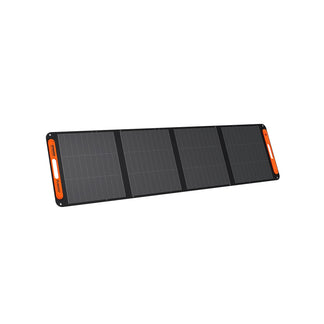
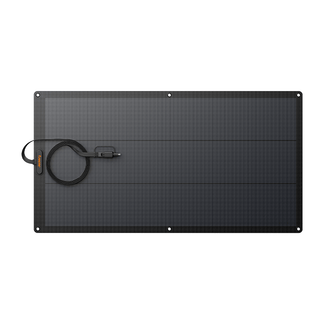
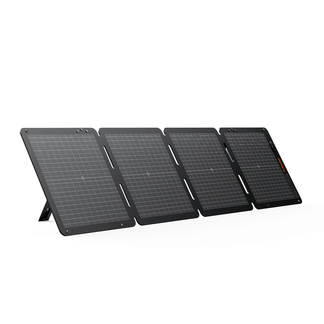
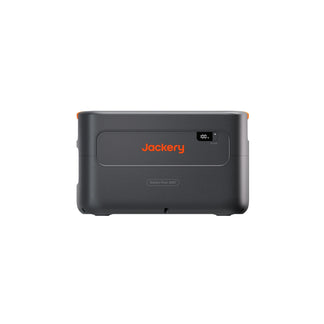
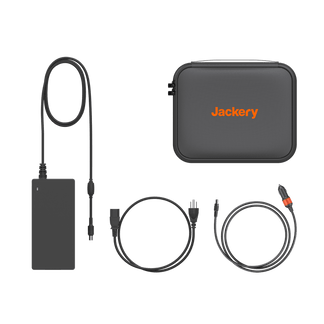
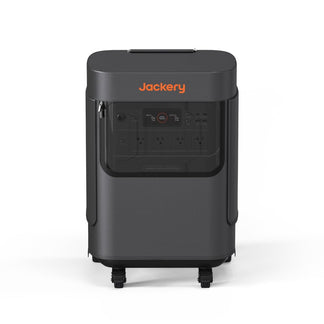
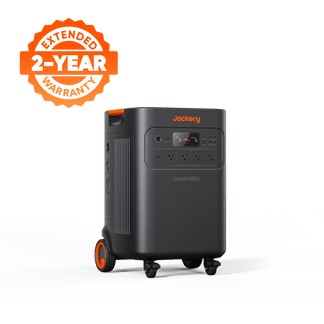
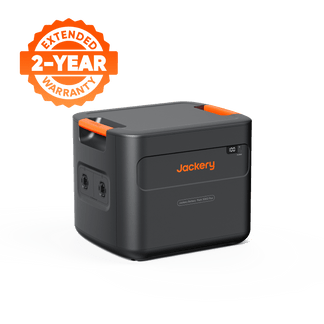
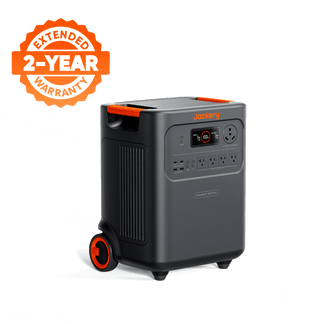
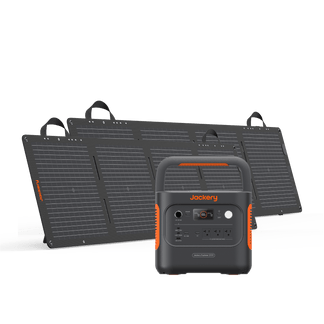
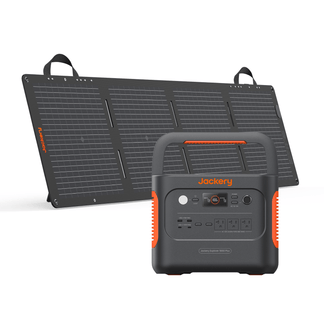
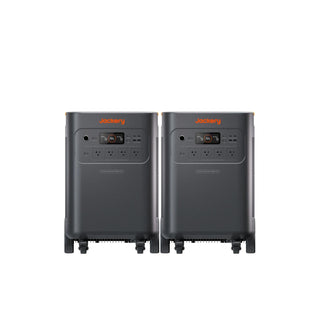
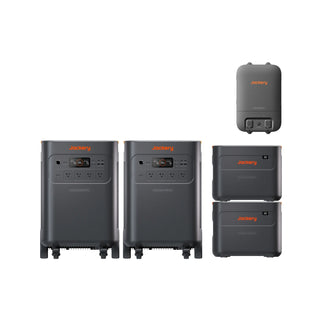
A portable power station can keep a space heater running during short blackouts — but only with the right capacity. The Jackery Solar Generator HomePower 3600 Plus + SolarSaga 500X is built for exactly this use: a bridge for spot heating when the grid goes down, not a long‑term heating solution. home backup guide covers the broader strategy.
Feature |
Specification |
Key Benefit |
Battery capacity |
3,584Wh LiFePO4 |
Enough for zone heating during a short winter blackout |
Continuous output |
3,600W (7,200W surge) |
Powers heater + fridge, router, lights simultaneously |
Wall recharge time |
2.5 hours (0–100%) |
Rapid turnaround between outages |
Solar charging |
500W (included SolarSaga 500X panel) |
Recharges off‑grid with the included panel |
The 3,600W continuous output means you can zone‑heat one room while keeping essential appliances online. The 2.5‑hour wall recharge gets you ready for the next outage fast. For anyone weighing a permanent backup system, home generator cost compares the numbers. If solar charging during extended outages matters to you, how much solar power costs gives the full picture.
Sources & References
[1] U.S. Fire Administration (FEMA), “Heating Fire Safety” — usfa.fema.gov (accessed June 25, 2026).
[2] U.S. Energy Information Administration, “Electricity prices and factors affecting prices” — eia.gov (accessed June 25, 2026).
Frequently Asked Questions
What size room can a 1500‑watt heater warm?
A 1,500‑watt space heater can effectively warm a room up to 150–200 square feet with average insulation and ceiling height.
Is a space heater cheaper than central heating?
Zone heating with a space heater is cheaper when you lower the central thermostat by 5–10°F and only heat the occupied room.
Are space heaters safe for people with respiratory issues?
Electric space heaters produce no emissions and are generally safe, but they can dry out indoor air and may aggravate sensitive airways.
Where should I place a space heater for best efficiency?
Place the heater near the coldest wall or window, away from drafts, and ensure nothing blocks the airflow for even heat distribution.
How long do space heaters typically last?
Most space heaters have a lifespan of 5–10 years before internal components degrade and safety features may no longer function reliably.
Disclaimer:
The runtime mentioned for appliances powered by Jackery is for reference only. Actual runtime may vary under different conditions. Please refer to real-world performance for accurate results.

