













![[Add-on] Jackery SolarSaga 500 X - Jackery](http://www.jackery.com/cdn/shop/files/add-on-jackery-solarsaga-500-x-1493607.webp?v=1786503068&width=324)
![[Add-on] Jackery Battery Pack 5000 Plus - Jackery](http://www.jackery.com/cdn/shop/files/add-on-jackery-battery-pack-5000-plus-6713401.webp?v=1786503068&width=324)











![Home Battery Power Storage Guide: Costs, Benefits, and Best Systems [2026 Updated] - Jackery](http://www.jackery.com/cdn/shop/articles/the-best-backup-battery-for-home-2023-updated-8198004.png?v=1787106221&width=800)
Quick Answer: A portable solar generator cuts your summer electricity bill by shifting high-consumption activities—air conditioning, cooking, entertainment—from expensive peak-rate hours (typically 5 PM–9 PM) to stored battery power. Charging the unit during cheap off-peak periods or from solar panels lets you avoid paying 2–3x standard rates, saving $30–$80 monthly depending on your utility's time-of-use structure and your peak-hour consumption patterns.
Key Takeaways:
- Time-of-Use rates multiply electricity costs 2–3x during summer peak windows, making air conditioning and evening appliance use disproportionately expensive on your electricity bill
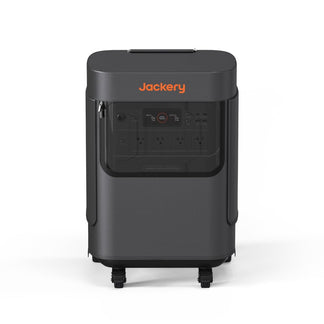
- A 5,040 Wh portable generator can power a 900W window AC unit through the entire 4-hour peak window, completely avoiding grid charges during that expensive period
- Load shifting—charging batteries during cheap off-peak hours and discharging during peak—saves approximately $0.30 per shifted kilowatt-hour compared to buying grid power at peak rates
- Portable solar generators require zero permits, zero contractor visits, and zero permanent installation, delivering 5-year payback on a $3,000 unit saving $50/month
- Idle generators earn nothing—daily strategic discharge during peak hours is mandatory for any real bill reduction
Why Your Summer Electricity Bill Spikes (and the Grid Isn't Helping)
Air conditioning accounts for 12–18% of annual home energy use, with July and August hitting hardest. A 3,500W central AC costs $0.35–$0.70 per hour; adding window units, dehumidifiers, and pool pumps can triple winter daily costs.
Time-of-Use (TOU) rates compound the damage. Utilities charge 2–3x standard per-kWh prices during peak demand windows—typically 5 PM to 9 PM on weekdays. Running your AC, oven, and entertainment system simultaneously at 6 PM costs two to three times what the same usage costs at noon. Most homeowners don’t realize their electricity bill already includes this multiplier until July’s statement arrives.
The “silent shock” comes from an underused asset. A solar generator—whether a portable power station or a solar generator bundle—produces zero return on investment if it sits idle. Strategic daily peak-shaving is mandatory for savings. If you charge the unit but never discharge it during expensive hours, you’ve essentially bought an expensive paperweight.
Vampire loads compound the problem: always-on routers, TVs, gaming consoles, and chargers draw 5–10% of total consumption. During peak-rate hours, that constant 400–600W baseline costs $0.16–$0.24 per hour. Over 22 weekdays with 4 peak hours each, phantom loads add $15–$30 to your summer electricity bill.
Peak demand charges penalize the single highest 15-minute usage window each month. Running the AC, electric dryer, and oven simultaneously for just 15 minutes can trigger a demand surcharge of $5–$15 per kW—a fee that persists on your bill regardless of total consumption. A 5 kW spike during that window adds $25–$75 to your monthly statement.
The Core Strategy: Load Shifting with Battery Storage
Load shifting stores cheap off-peak grid electricity or free solar energy for discharge during expensive 5 PM–9 PM peak windows. The concept is straightforward: you’re essentially buying electricity wholesale and using it when the utility charges retail-plus.
Battery arbitrage undercuts TOU rates directly. If your utility charges $0.10/kWh off-peak and $0.40/kWh during peak, every kilowatt-hour you shift saves $0.30. Solar power economics get even better when you pair panels with storage—the energy is free, so your only cost is the equipment amortized over thousands of cycles.
Peak shaving is the primary ROI mechanism. Run AC, cooking, and entertainment exclusively off battery during peak-rate hours. The math scales quickly:
Daily Peak Consumption Shifted |
kWh Shifted |
Savings at $0.30/kWh |
Monthly Savings (22 weekdays) |
|---|---|---|---|
Window AC (900W) × 4 hours |
3.6 kWh |
$1.08/day |
$23.76 |
AC + refrigerator + lights |
5.0 kWh |
$1.50/day |
$33.00 |
AC + home office + entertainment |
7.0 kWh |
$2.10/day |
$46.20 |
Pre-cool strategy amplifies savings. Lower your home temperature before 3 PM using standard-rate grid power, then maintain comfort via battery through the expensive evening window. A well-insulated home can coast on pre-cooled air for 3–4 hours, especially combined with blackout curtains and ceiling fans.
Target vampire loads first. A smaller unit dedicated to a constant 500W baseline draw—router, modem, security cameras, always-on electronics—pays itself off faster than trying to cover every load. Eliminating that baseline from peak-rate billing yields predictable, guaranteed savings every single day.
TOU programming enables automatic battery transfer during peak hours. This is the most critical feature for hands-free bill reduction—the unit automatically switches protected circuits to battery power at 5 PM and back to grid at 9 PM without manual intervention.
Behavioral boosts amplify savings without additional equipment cost:
- Use blackout curtains on west-facing windows to reduce solar heat gain.
- Favor stovetop cooking over oven use during peak hours to cut appliance draw.
- Set thermostats 7–10°F higher from 5 PM–9 PM to lower cooling demand.
Sizing Your System: The 20% Rule and Real-World Losses
The 20% rule sizes solar arrays to 120% of average daily consumption to offset inverter and wiring efficiency losses. If your home uses 30 kWh daily, you need enough panel capacity to generate roughly 36 kWh—the extra 20% covers the 10–15% lost to heat, conversion, and transmission before usable AC power reaches your devices.
Real-world usable capacity is approximately 75% of advertised watt-hours due to inverter efficiency and battery depth-of-discharge limits. A power station rated at 5,040 Wh typically delivers 3,780 Wh of actual usable energy. Inverter efficiency runs 85–93%, and lithium iron phosphate (LiFePO4) batteries are usually managed to 80–90% depth of discharge for longevity.
(Daily kWh need × 1.20) ÷ Peak Sun Hours = Minimum Array Size (kW)
Example: A home using 900 kWh/month (30 kWh/day) needs roughly 36 kWh daily production counting losses. With 5 peak sun hours, that requires a ~7.2 kW array—approximately eighteen 400W panels.
Soiling and temperature effects compound real-world losses:
- Dust, pollen, and bird droppings can reduce output by 15% to over 23%, depending on tilt angle and rainfall frequency.
- High ambient temperatures derate panels: efficiency drops 0.35–0.50% per degree Celsius above 25°C (77°F). A rooftop hitting 60°C (140°F) on a July afternoon operates 12–17% below its rated output.
A solar generator versus a portable power station versus standalone solar panels comparison matters here: integrated systems simplify sizing because the manufacturer already matches panel input to battery capacity, eliminating guesswork.
Capacity buffer also covers annual panel degradation of roughly 0.5% per year and future load additions like EV charging or heat pump upgrades. A system sized exactly to today’s consumption will be undersized in 3–5 years.
Why Your Solar Bill Might Still Be High (and How to Fix It)
Limitations:
- Rate plan mismatch: solar panels generate maximum power between 10 AM and 3 PM, but peak consumption and the highest Time-of-Use rates occur from 5 PM to 9 PM—without storage, you sell midday surplus at wholesale and buy back evening power at retail-plus.
- Net metering cuts: California’s NEM 3.0 policy slashed export credits by approximately 75%, making solar exports far less valuable than self-consumption.
- Undersized systems: the standard 20% buffer often fails for homes with EVs, pool pumps, or hot tubs, leaving August cooling demand unmet.
- Fixed utility charges and solar-specific fees: some utilities impose $10–$30 monthly charges on solar homes, eroding savings before a single kilowatt-hour is generated.
- Idle generator: a fully charged unit sitting unused during 5 PM–9 PM earns zero bill reduction—daily discharge is the entire savings mechanism.
Did you know? A 5,000 Wh generator used daily during peak hours at $0.30/kWh savings shifts roughly $450 worth of electricity annually. Left idle, that same unit provides no financial return.
The fix is straightforward: add battery storage to shift solar production to evening peak hours, or deploy a portable generator to directly power peak loads independently of the grid. Even a modest 2–3 kWh of storage dramatically improves solar ROI by capturing midday generation for evening use.
Which Jackery Solar Generator Fits Your Situation?
Use Case |
Recommended Setup |
Key Spec |
|---|---|---|
Run central AC or multiple large appliances through peak |
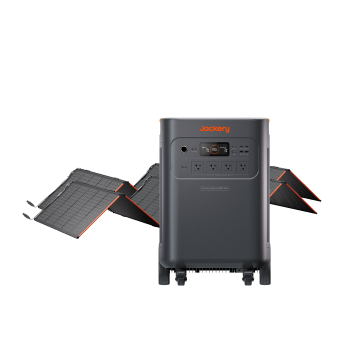
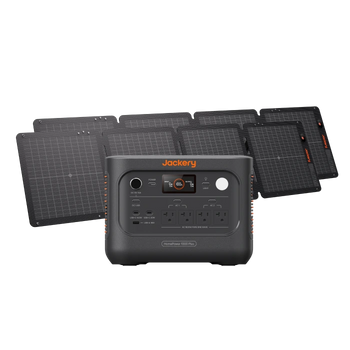
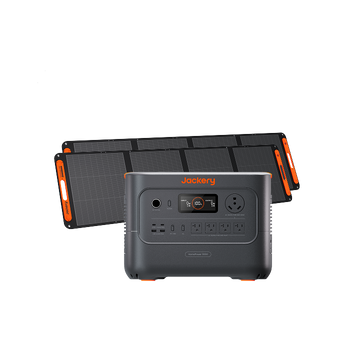
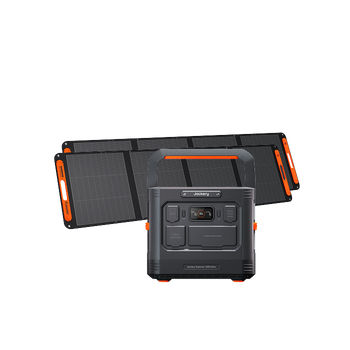
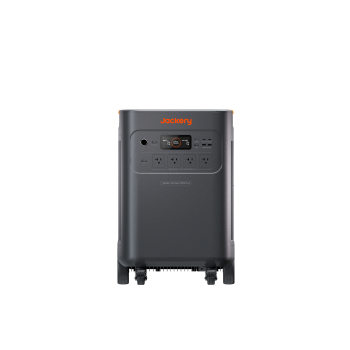
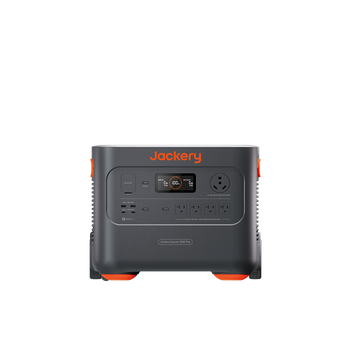
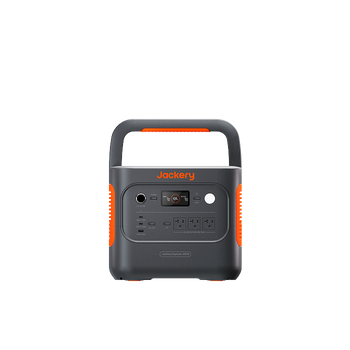
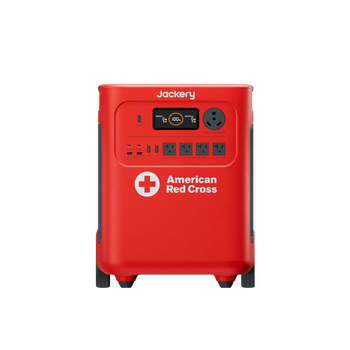
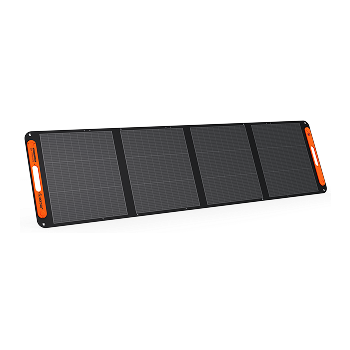
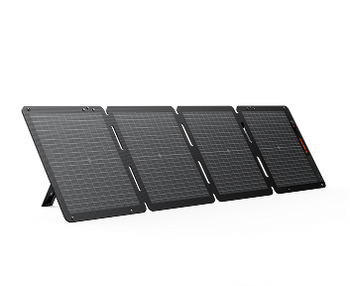
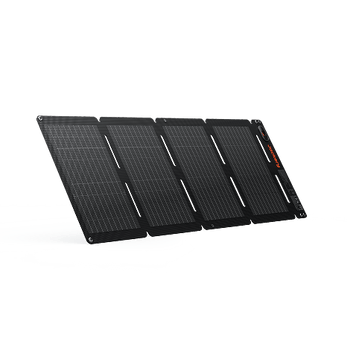
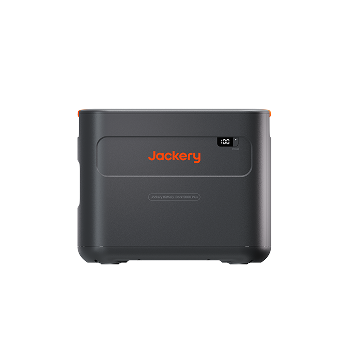
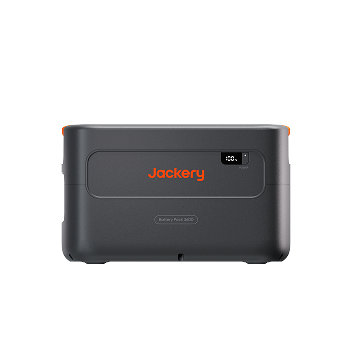
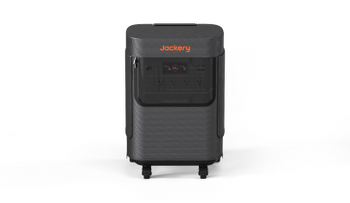
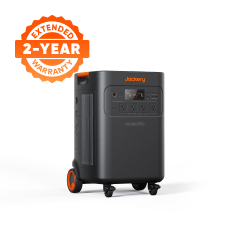
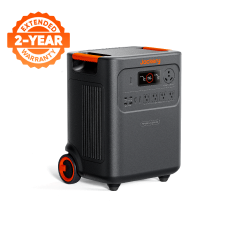
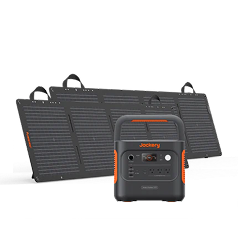
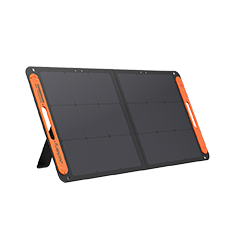
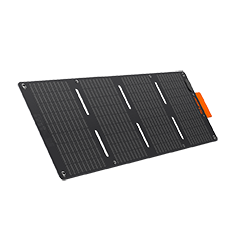
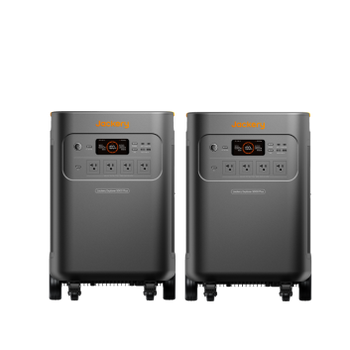
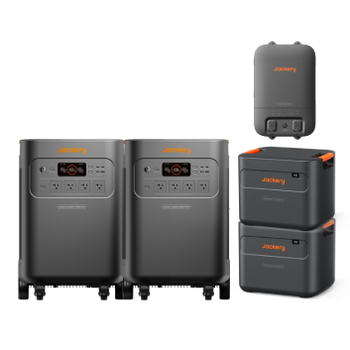
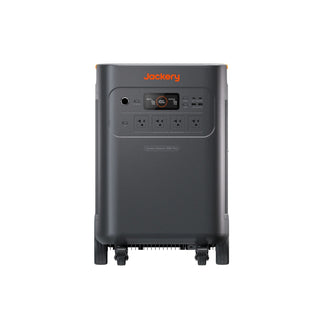
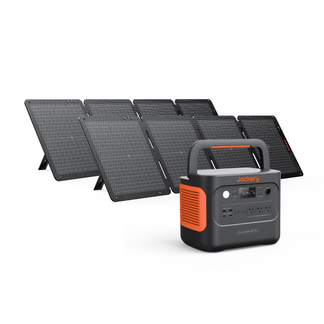
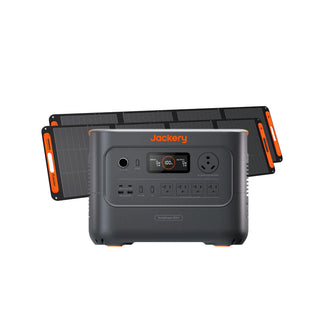
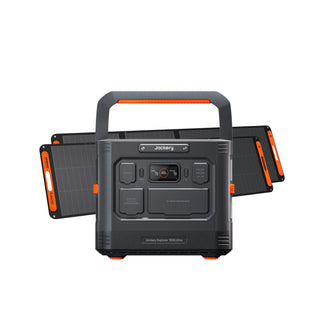
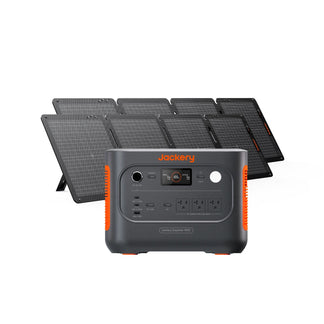
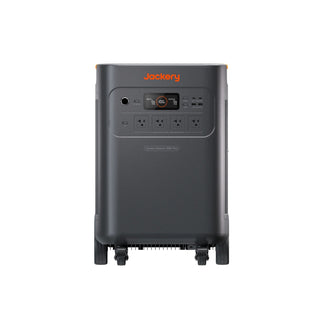
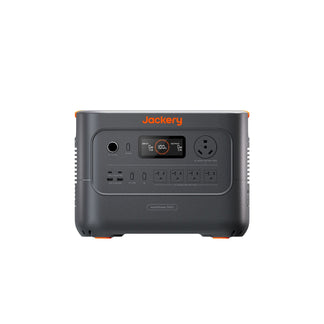
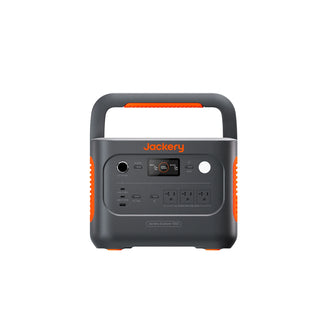
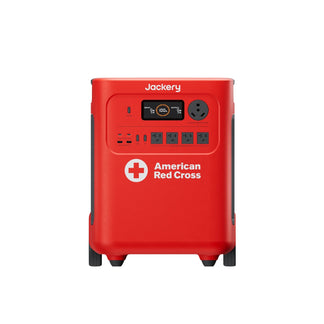
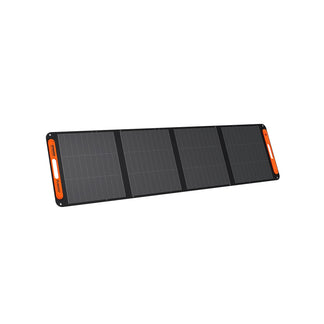
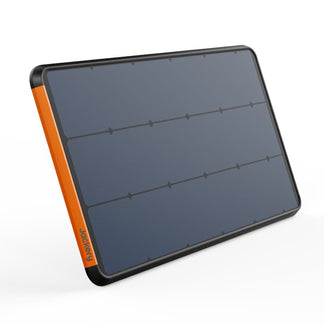
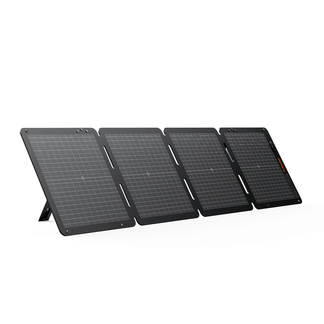
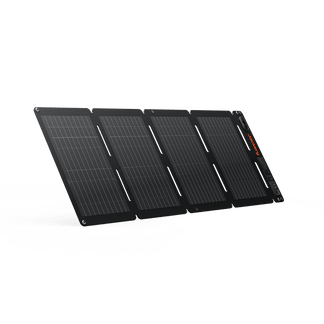
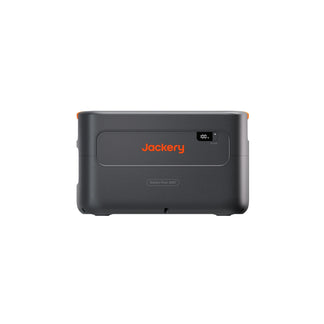
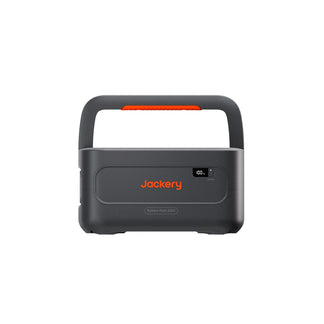
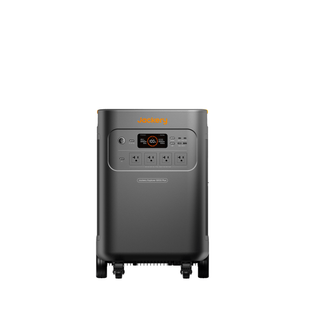
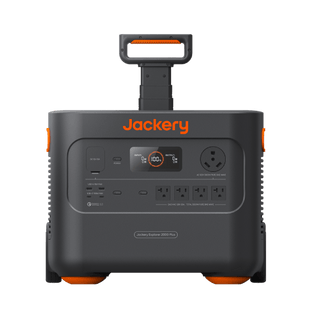
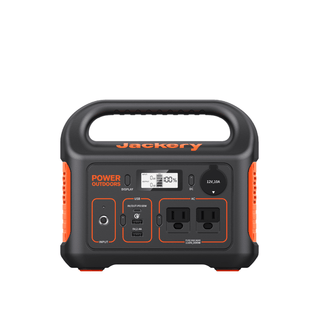
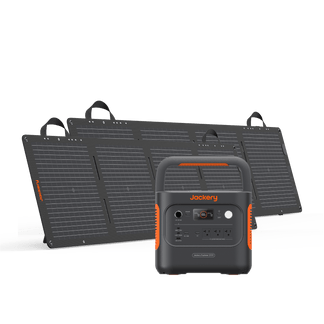
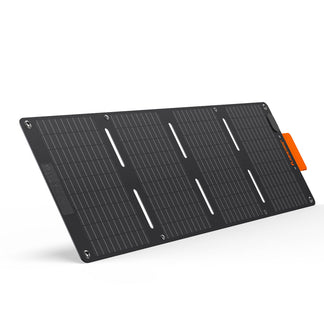
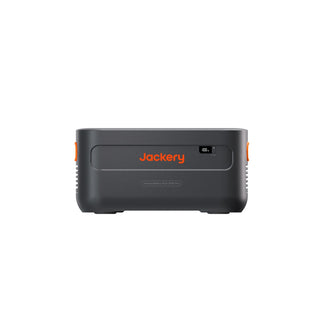
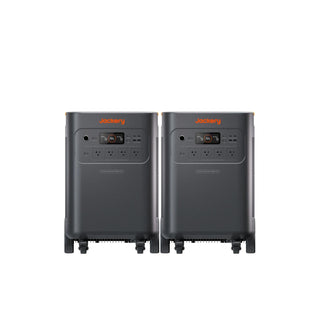
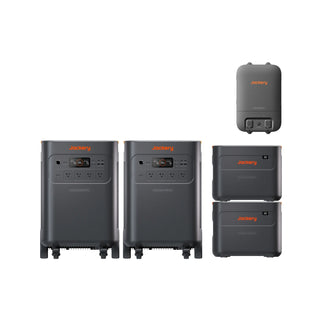
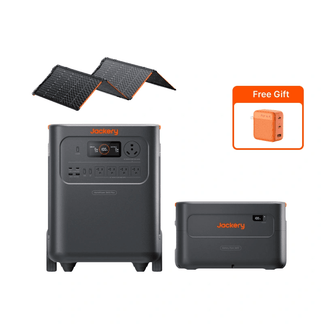
Jackery Solar Generator 5000 Plus + 2x SolarSaga 500X |
7,200W continuous, 14,400W surge, 5,040 Wh |
Power a large window AC plus home office/entertainment |
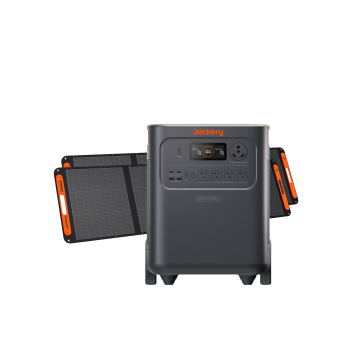
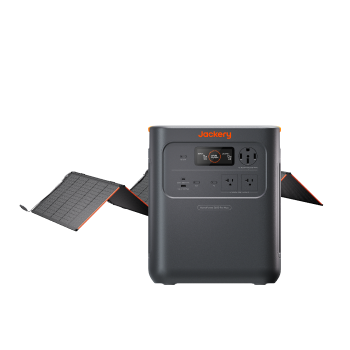
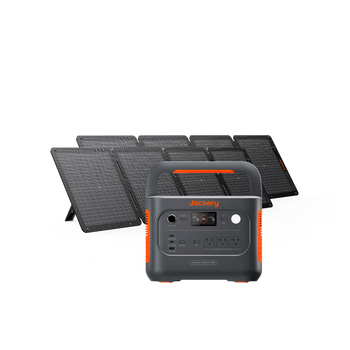
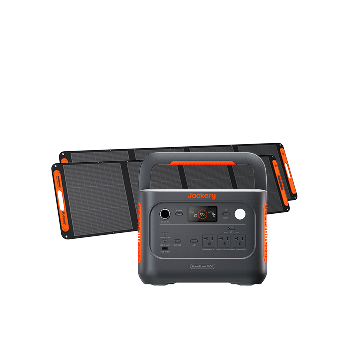
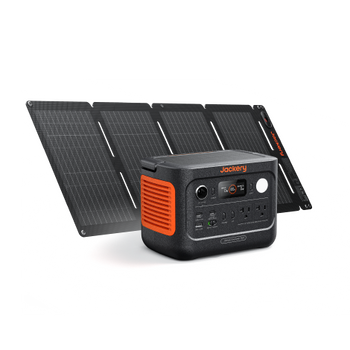
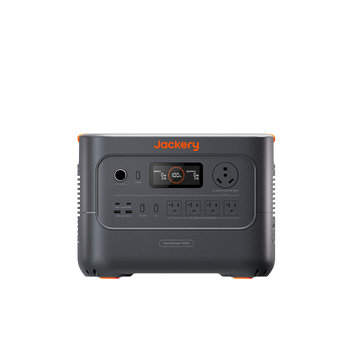
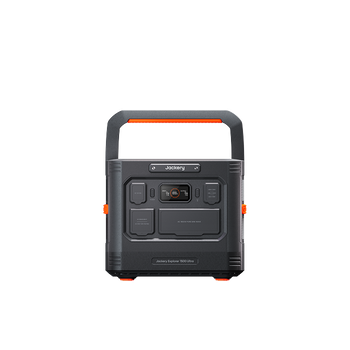
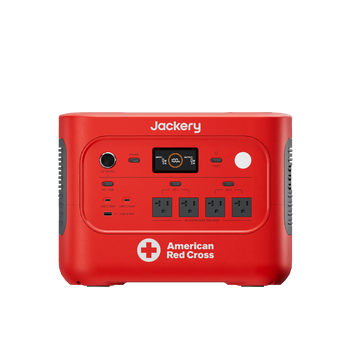
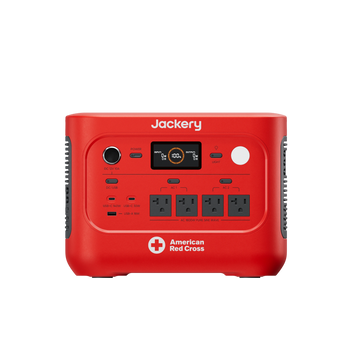
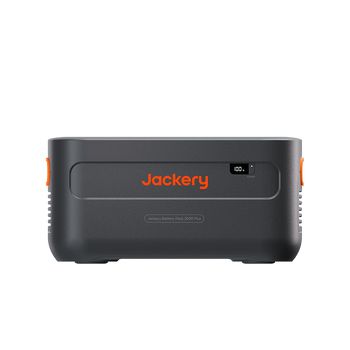
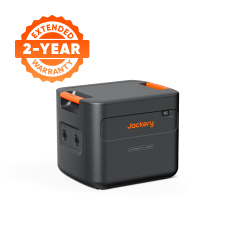
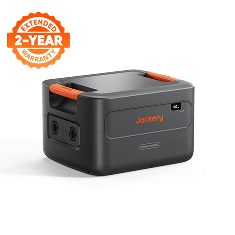
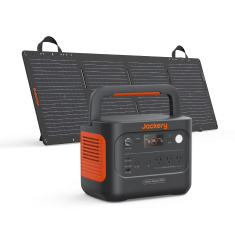
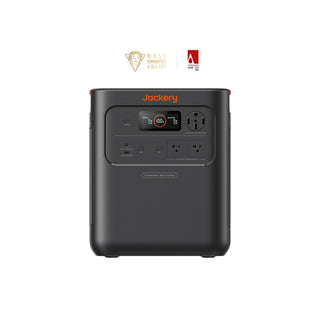
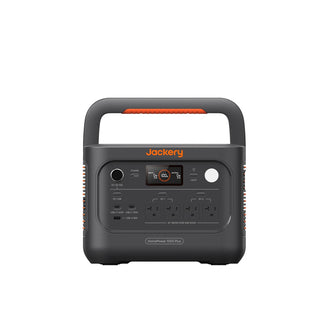
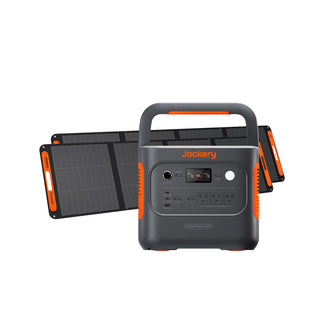
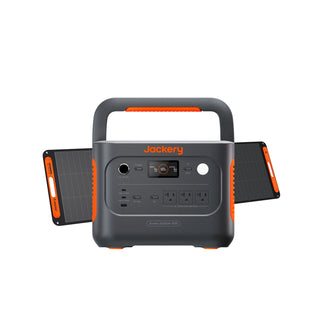
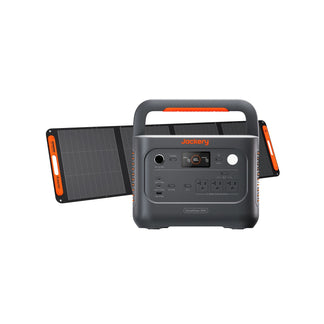
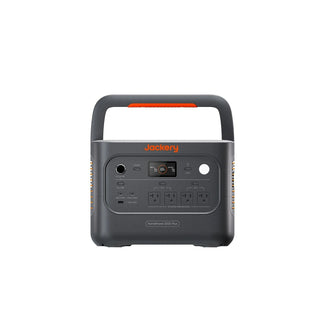
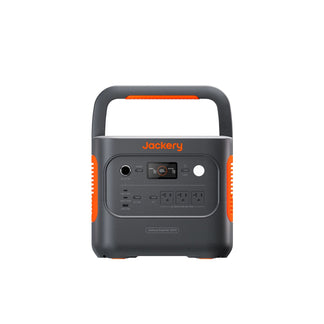
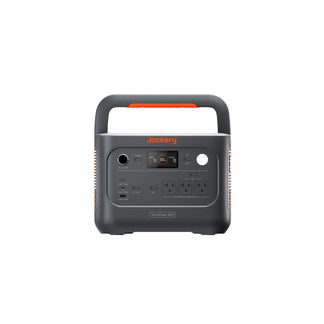
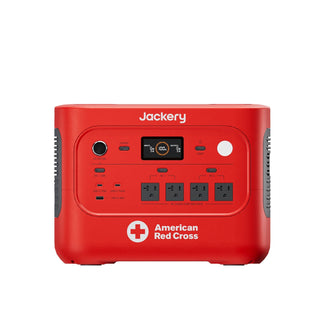
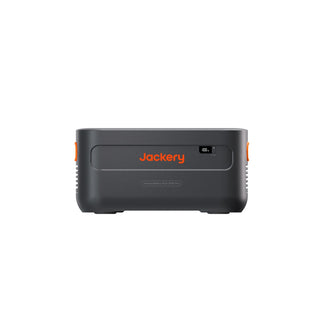
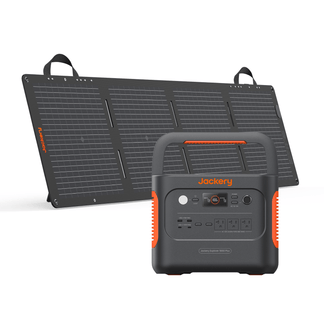
Jackery Solar Generator HomePower 3600 Plus + SolarSaga 500X |
3,600W continuous, 7,200W surge, 3,584 Wh |
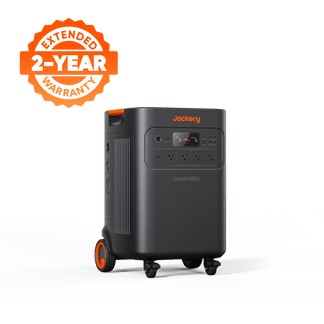
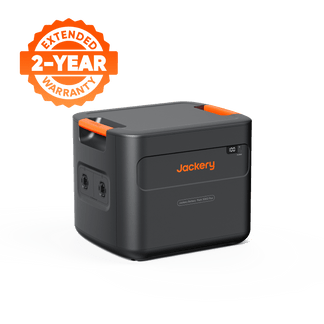
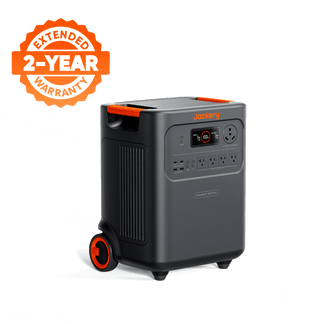
Jackery Solar Generator 5000 Plus + 2x SolarSaga 500X
- Continuous output: 7,200W, with 14,400W surge capacity to start and run central AC compressors or multiple window units simultaneously.
- Capacity: 5,040 Wh runs a 900W window AC for approximately 4.5 hours—covering the entire 5 PM–9 PM peak window on battery alone.
- UPS: True Online UPS with 0ms switchover seamlessly transitions protected circuits to battery during outages or scheduled peak-rate periods.
Jackery Solar Generator HomePower 3600 Plus + SolarSaga 500X
- Continuous output: 3,600W, with 7,200W surge, simultaneously powers a refrigerator and large window AC during peak-rate hours.
- Capacity: 3,584 Wh runs a full home-office setup plus entertainment system for hours, displacing peak grid costs each weekday evening.
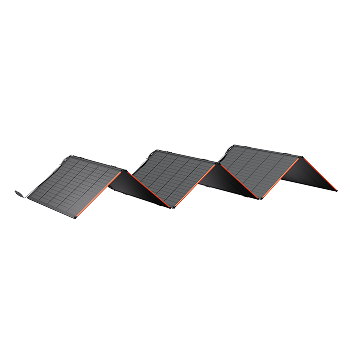
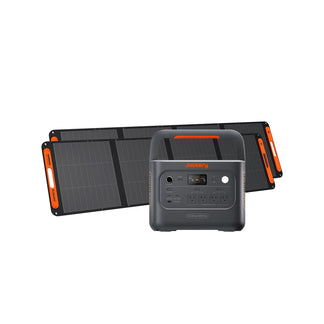
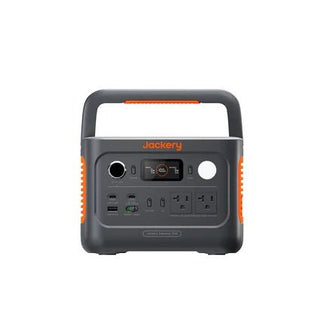
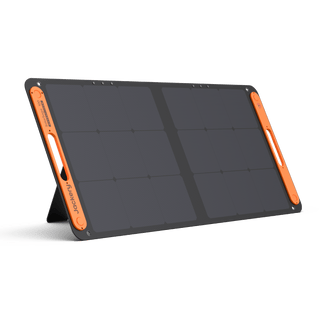
- Solar charging: the included 500W bifacial panel captures light from both sides; full recharge takes approximately 16 hours with one panel, enabling daily load shifting with zero grid power.
Frequently Asked Questions (FAQ)
Can a solar generator lower my electricity bill if I don't have solar panels?
Yes. You charge the unit during cheap off-peak grid hours and discharge during expensive peak-rate hours, pocketing the difference in TOU rates.
How many hours can a solar generator run a window AC unit?
A 900W window AC draws roughly 0.9 kWh per hour. A 5,040 Wh generator supplies approximately 4.5 hours of full-power runtime after accounting for inverter losses.
Will a portable generator run my central air conditioner?
Central AC requires a generator with surge capacity exceeding the unit's starting inrush current. A portable unit with 14,400W surge rating can handle many residential 3–4 ton systems.
What's the single most effective summer bill-reduction strategy?
Pre-cool your house before 3 PM using standard-rate grid power, then run all heavy loads off stored battery power from 5 PM–9 PM during peak-rate windows.
Are portable solar generators safe for daily indoor use?
UL-certified LiFePO4 batteries with integrated battery management systems ensure safe long-term indoor operation. LiFePO4 chemistry is thermally stable and does not pose the same fire risks as other lithium-ion formulations.


