

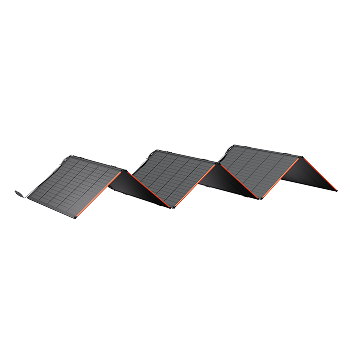
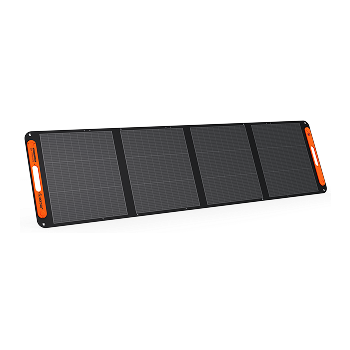
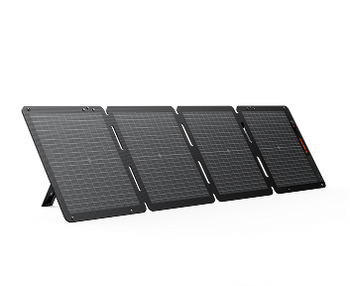
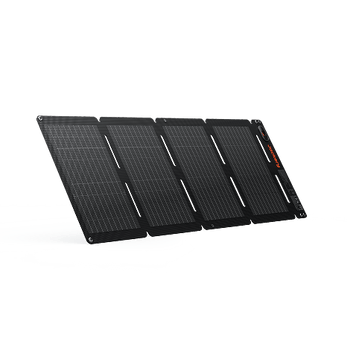















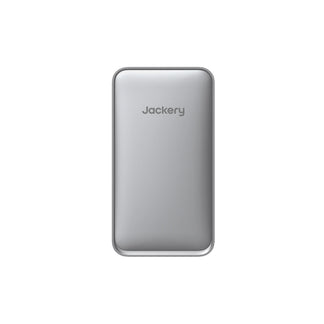
![[Add-on] Jackery SolarSaga 500 X - Jackery](http://www.jackery.com/cdn/shop/files/add-on-jackery-solarsaga-500-x-1493607.webp?v=1786503068&width=324)
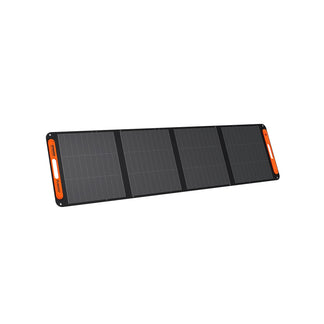
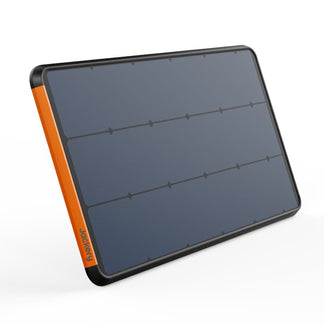
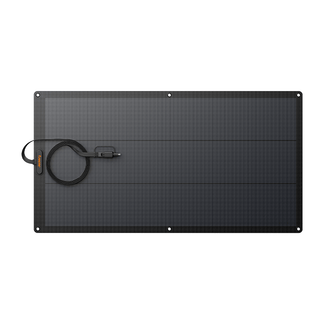
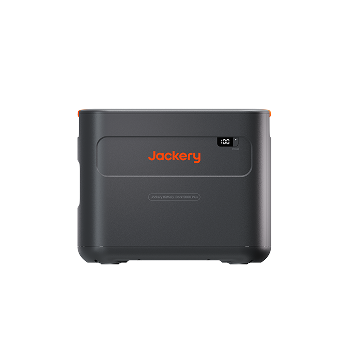
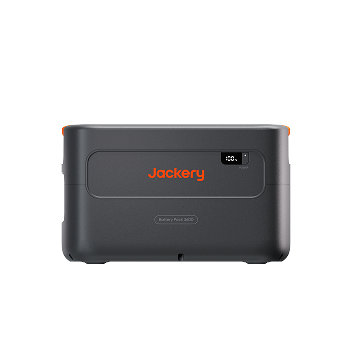
![[Add-on] Jackery Battery Pack 5000 Plus - Jackery](http://www.jackery.com/cdn/shop/files/add-on-jackery-battery-pack-5000-plus-6713401.webp?v=1786503068&width=324)















Quick Answer: The most effective way to avoid peak pricing during summer heatwaves is shifting electricity use outside the 4–9 p.m. peak window. Pre-cool your home to 72–74°F in the morning, then raise the thermostat to 78°F when peak rates activate. Combine this with heat exclusion strategies — closing blinds on sun-facing windows, sealing air leaks, and using ceiling fans — to cut peak demand by 30–50% without sacrificing comfort. For households facing $0.15–$0.40 per kWh peak-to-off-peak gaps, shifting just 5–10 kWh daily can save $30–$60 per month during the hottest summer period.
Key Takeaways:
- Peak pricing windows (typically 4–9 p.m. weekdays) charge 3–5× higher rates due to synchronized AC demand — shifting appliance use outside these hours delivers immediate savings.
- HVAC systems consume 40–50% of summer electricity — thermostat management alone can reduce peak demand by 10–15% with zero upfront cost.
- Preventing heat gain is more efficient than removing it — reflective window films and blackout curtains can reduce indoor temperatures by up to 10°F on sunny afternoons.
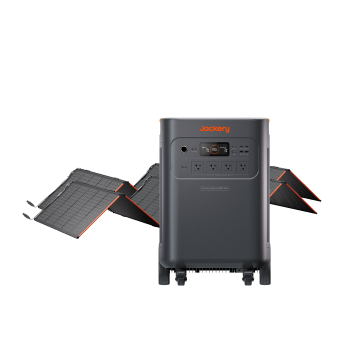
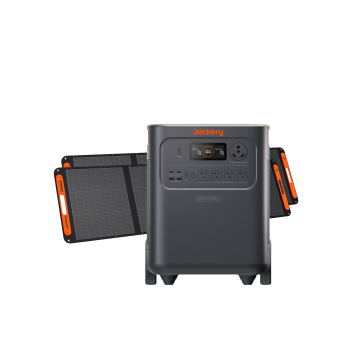
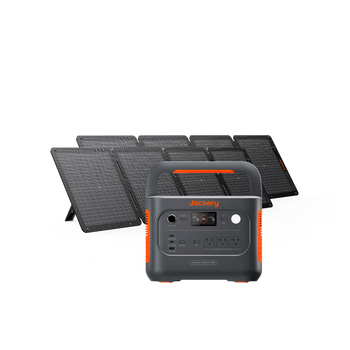
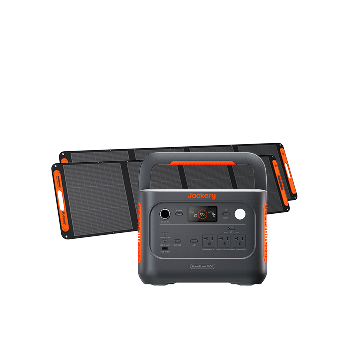
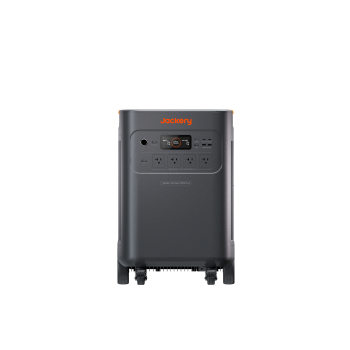
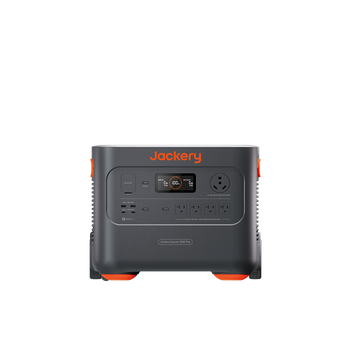
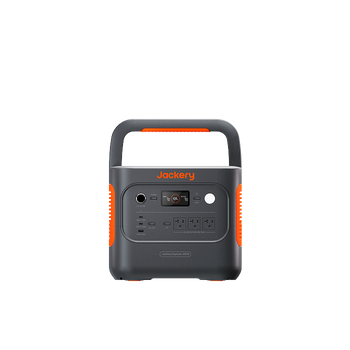
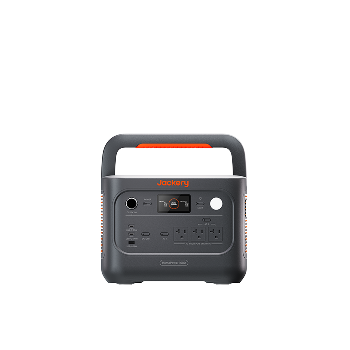
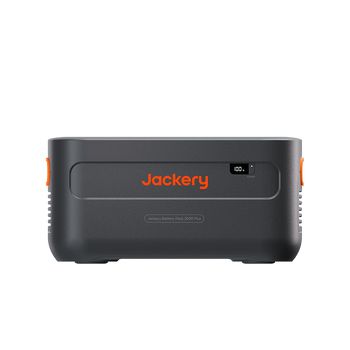
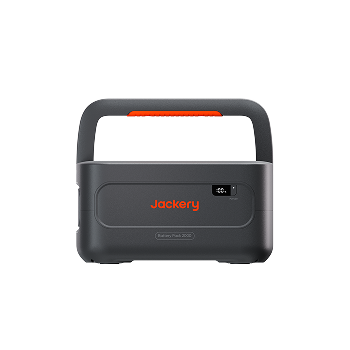
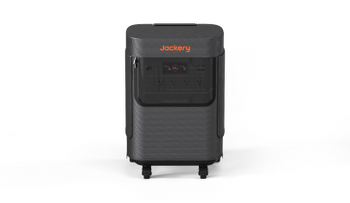
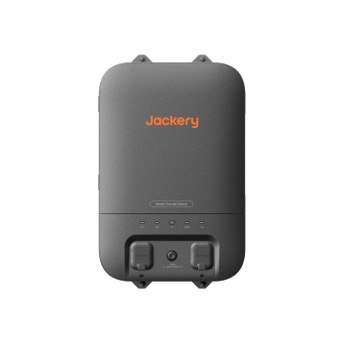
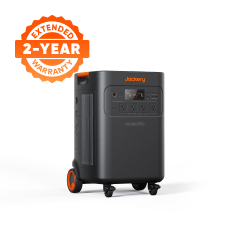
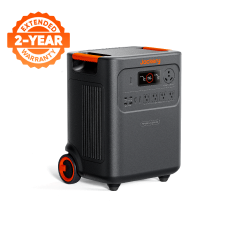
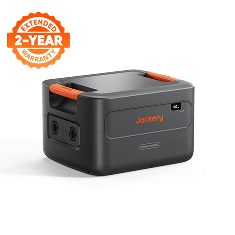
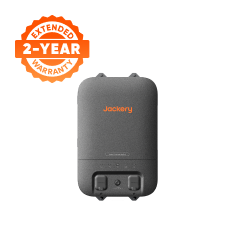
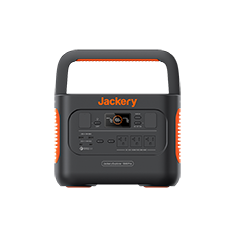
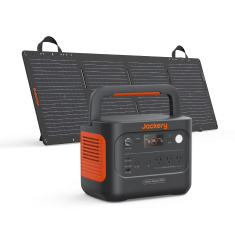
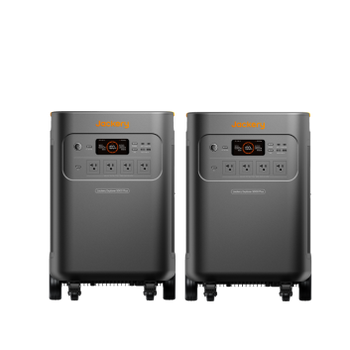
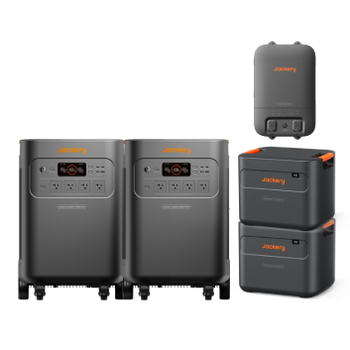
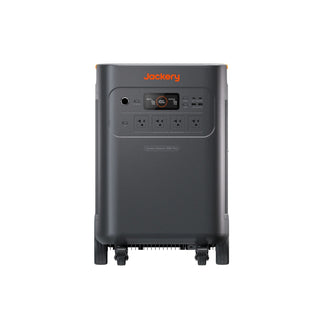
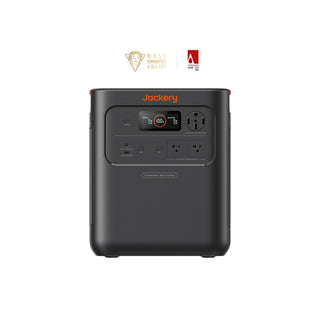
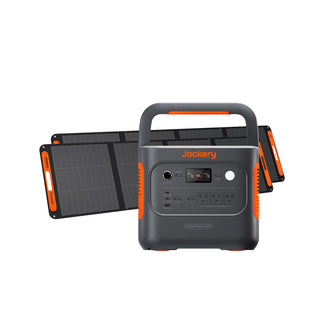
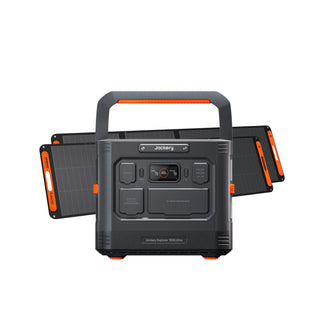
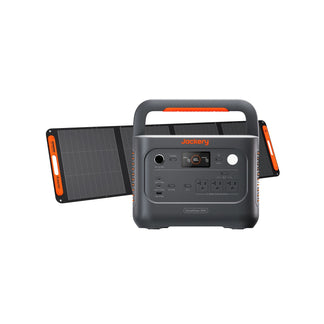
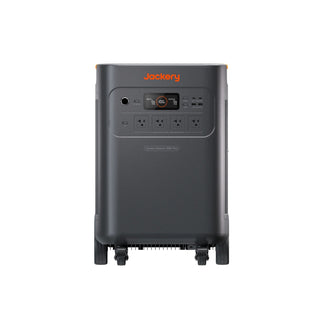
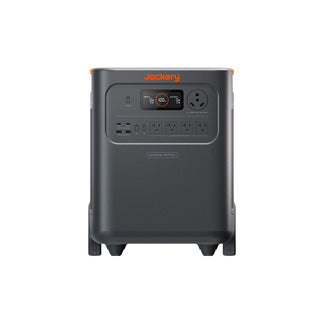
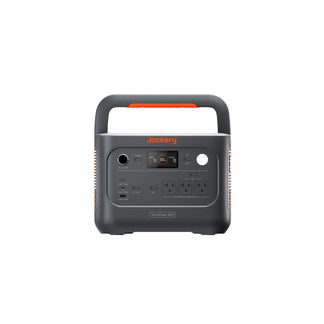
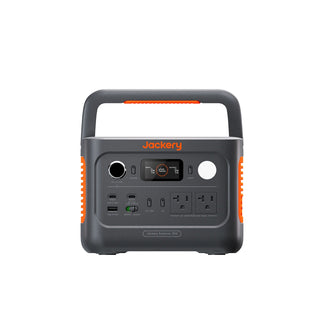
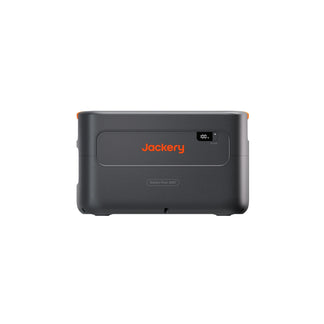
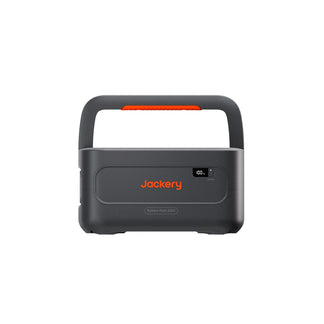
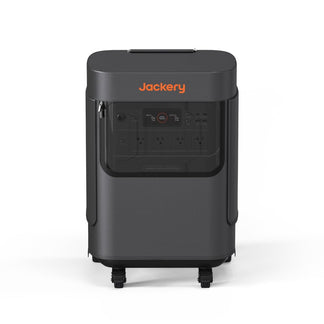
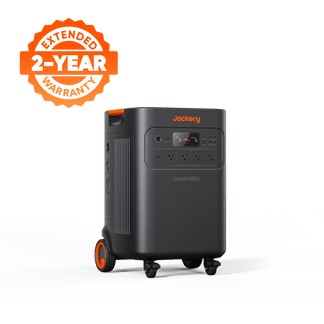
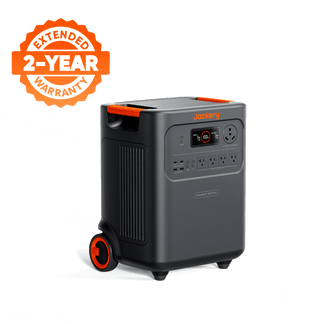
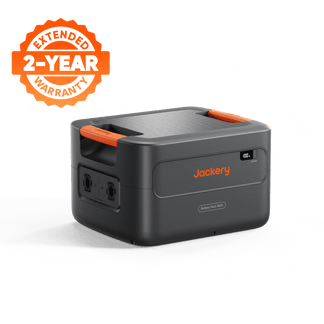
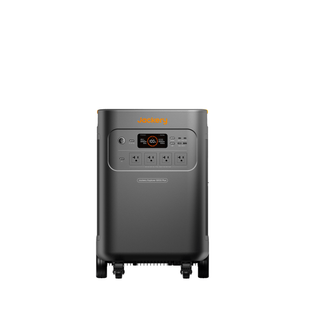
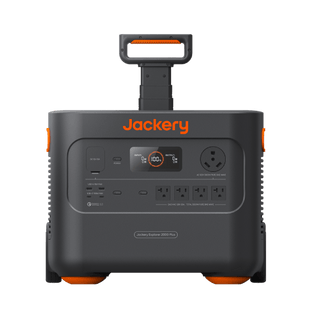
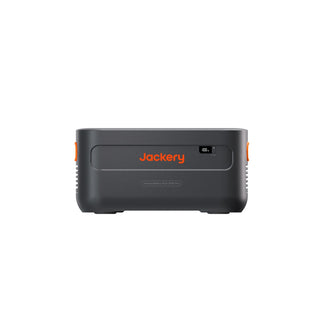
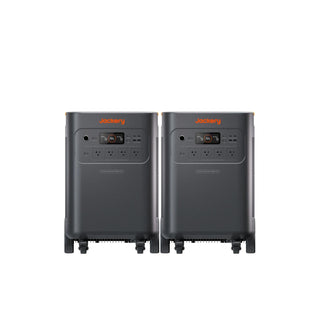
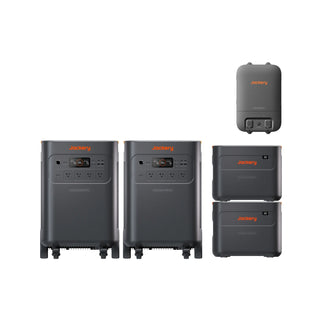
- Battery storage systems like the Jackery Solar Generator 5000 Plus let you charge during off-peak hours and discharge through peak windows, time-shifting energy consumption without requiring behavior changes.
- Combining behavioral strategies with technology investments — pre-cooling plus battery storage — can eliminate peak grid draw entirely for many homes.
How Peak Pricing Works and Why Summer Heatwaves Drive Up Your Bill
Time-of-use rate structures charge 3–5× higher prices during weekday afternoon and early evening windows when grid demand peaks from simultaneous AC use. Utilities divide the day into off-peak, mid-peak, and peak blocks; the exact schedule varies by provider, but electricity costs more when everyone wants it simultaneously.
Summer heatwaves trigger synchronized demand spikes that force utilities to activate expensive natural gas peaker plants (operating cost 2–4× higher than baseload generation), passing costs directly to consumers. Peak windows commonly span 4–9 p.m — household demand spikes just as solar generation fades. Some summer schedules extend 2–8 p.m., reflecting regional grid characteristics. The overlap is brutal: outdoor temperatures peak, AC loads max out, and solar production declines simultaneously.
The peak-to-off-peak gap of $0.15–$0.40 per kWh means shifting just 5–10 kWh daily can save $30–$60 per month during the hottest summer period. A household running a 3,500W AC, electric water heater, and laundry during peak hours might consume 15–20 kWh in that window alone. Moving half of that load to off-peak hours cuts $1.13–$4.00 daily — real money over a 90-day cooling season.
Action steps to understand your rate structure:
- Check your utility bill or website for your exact TOU schedule. Peak hours differ by provider, rate plan, and season.
- Some utilities offer multiple TOU plans — switching to one aligned with your actual usage patterns can save money before you change a single habit.
- Understanding your home’s energy demands is the first step toward building a secure power backup for home appliances that actually matches your needs.
The Top Energy Consumers in Your Home During a Heatwave
Appliance |
% of Summer Electricity |
Key Fact |
Peak-Saving Strategy |
Potential Savings |
|---|---|---|---|---|
HVAC |
40–50% |
Every 1°F thermostat increase cuts cooling costs 2–3% |
Pre-cool to 72–74°F, set back to 78°F during peak (4°F adjustment) |
8–12% on peak cooling costs |
Water heater |
14–18% |
Standby draw costs 3–5× more during peak |
Lower thermostat to 120°F, use cold water washes |
10–15% peak load reduction |
Refrigerator/freezer |
8–13% |
Dirty coils increase runtime |
Clean condenser coils, check door seals |
10–15% efficiency improvement |
Washer/dryer/dishwasher |
5–10% |
Heat-producing appliances also dump heat indoors |
Shift to off-peak hours |
Eliminates direct load + indirect cooling penalty |
Phantom standby power |
5–10% |
20–50 watts continuous draw per home office |
Smart power strips cut vampire draw |
$0.04–$0.10 daily, $1.20–$3.00 monthly per room |
Free and Low-Cost Behavioral Strategies to Cut Peak Demand
Thermostat management:
- Pre-cool your home to 72–74°F in the morning, then raise the thermostat to 78°F when peak rates begin at 2–4 p.m. to coast through expensive hours. Your home’s thermal mass absorbs coolth during off-peak hours and releases it slowly. A well-insulated home pre-cooled to 72°F might not hit 78°F until 7–8 p.m., even with the AC off.
- Set the thermostat back 7–10°F for eight hours daily. DOE research confirms this can save up to 10% on annual heating and cooling costs. A 2°F setback for two hours saves almost nothing; a 7°F setback for eight hours saves real money.
Appliance scheduling:
- Run dishwashers, laundry, and pool pumps after sundown when off-peak rates apply and cooler outdoor air reduces the heat load on your AC. A dishwasher cycle adds roughly 1–1.5 kWh of electrical load plus 3,000–4,000 BTUs of heat to your kitchen. At 9 p.m., that heat dissipates naturally; at 5 p.m., your AC removes it at peak rates.
Air circulation and cooking:
- Use ceiling fans set to counterclockwise rotation. The wind-chill effect makes rooms feel 4°F cooler without lowering the thermostat. A typical ceiling fan draws 50–75 watts — running it for five peak hours costs $0.10–$0.15 at $0.40/kWh, versus $2.00–$3.00 for the equivalent AC cooling.
- Cook outdoors or use microwaves and slow cookers instead of the oven during peak hours. An electric oven draws 2,000–5,000 watts and dumps significant heat into your kitchen. A microwave uses 600–1,200 watts for a fraction of the time, and outdoor grilling adds zero indoor heat load.
Heat Exclusion Over Cooling: The Most Effective Strategy
Preventing heat gain is more efficient than removing it. Solar radiation through unshaded windows can add 200–500 BTUs per square foot — a 3×5-foot west-facing window might admit 3,000–7,500 BTUs per hour during peak sun, equivalent to running a small space heater.
Window and envelope tactics:
- Manage windows by orientation: cover east windows until midday, use reflective shades on south-facing glass, and deploy thermal curtains on west windows in the afternoon. West-facing windows are the worst offenders during peak pricing hours — they receive direct, low-angle sun from 3–8 p.m., exactly when rates are highest.
- Seal air leaks around windows and doors with weatherstripping and caulk. A 1/8-inch gap around a standard door equals a 2.4-square-inch hole in your wall — enough to leak 50–100 cubic feet of conditioned air per minute on a hot, windy day. Materials cost $10–30 and the work takes an afternoon.
- Add attic insulation to high R-value levels. Attic temperatures can hit 140°F on a 95°F day — without adequate insulation, that heat radiates into your living space for hours after sunset.
Supplemental cooling trick:
- Place a bowl of ice or a damp cloth in front of a fan. The evaporative cooling effect drops air temperature by 3–5°F in the immediate airflow path, making 78°F feel comfortable without lowering the thermostat.
When evaluating your overall strategy, understanding what size solar generator you need helps you match backup power to the loads you actually run during peak windows.
Technology Investments That Maximize Peak-Pricing Savings
Technology |
What It Does |
Key Spec / Benefit |
Cost |
|---|---|---|---|
Smart thermostats |
Automate temperature setbacks; enable remote adjustments when peak rates activate |
Models learn routines, pre-cool before peak windows, integrate with TOU rate schedules |
$100–250 for device; 30–60 min installation |
Window films & blackout curtains |
Block up to 80% of solar heat gain |
Reduce indoor temperatures by up to 10°F on sunny afternoons; ceramic films reject IR heat while maintaining visible light |
DIY films: $2–5/sq ft; professional: $6–14/sq ft |
LED bulbs |
Produce 90% less heat than incandescents while using 75% less electricity |
A single 60W incandescent converts ~54W to heat — replacing 10 bulbs eliminates 540W of heating load from air-conditioned space |
Payback within 6–12 months on energy savings alone |
Battery storage systems |
Charge during off-peak, discharge through peak windows |
Sized to cover 5–10 kWh of peak consumption; eliminates most expensive electricity automatically |
Varies by system capacity |
Home energy monitors |
Real-time appliance-level data via clamp-on sensors at electrical panel |
Track individual circuits second-by-second; most users find 10–20% additional savings by seeing where electricity goes |
Varies by model |
Battery storage systems time-shift energy consumption without requiring any behavior changes. When configured with how to build an emergency power supply for your home in mind, the same system provides backup during outages.
Building Your Personalized Peak-Pricing Action Plan
Step-by-step plan:
- Audit your utility rate structure online to identify exact peak hours, then map your daily routine to minimize electricity use during those high-cost windows. Most utilities post TOU schedules on their website — find yours, screenshot it, and keep it on your phone. The specific hours matter: 2–8 p.m. versus 4–9 p.m. changes which meals and activities land in peak territory.
- Prioritize thermostat adjustment and appliance scheduling first. These behavioral changes deliver immediate savings with zero upfront cost. A household that pre-cools to 72°F, sets back to 78°F during peak, and shifts laundry to 9 p.m. saves $20–40 monthly without spending a dollar on equipment.
- Calculate potential monthly savings by multiplying the kWh you can shift by your utility’s peak-to-off-peak rate difference of $0.15–$0.40 per kWh. A realistic target: shift 5–10 kWh daily. At $0.25/kWh differential, that’s $1.25–$2.50 daily, or $37.50–$75.00 monthly during summer.
- Layer behavioral and technology strategies for maximum effect. Combining pre-cooling with battery storage can eliminate peak grid draw entirely for many homes. The pre-cooling reduces the total cooling load during peak hours; the battery supplies whatever remains from off-peak-charged energy. An emergency solar generator for home use can serve double duty — peak shaving daily and backup during outages.
- Review and adjust your plan monthly. Weather patterns, utility rate structures, and household routines evolve throughout the summer season. A strategy that works during a mild June might need adjustment for an August heatwave with consecutive 100°F days.
Home Battery Solutions for Peak Shaving and Energy Independence
Battery storage turns peak pricing from an unavoidable cost into a solvable problem. By charging during off-peak hours (typically overnight at $0.08–$0.15/kWh) and discharging during peak windows ($0.30–$0.55/kWh), you capture the full rate differential on every kilowatt-hour shifted.
Residential battery storage costs $800–$1,300 per usable kWh installed (US average 2026, per EnergySage marketplace data), with LiFePO4 chemistry delivering 3,000–5,000 cycles over 10–15 years. These systems automate peak shaving — set your schedule once and the battery handles the rest.
Your Situation |
Recommended System |
Why It Fits |
|---|---|---|
Large-home peak shaving, heavy appliances (AC, oven), 240V needs, seamless backup |
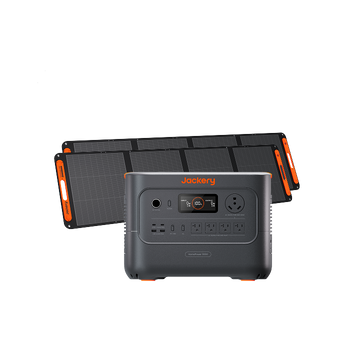
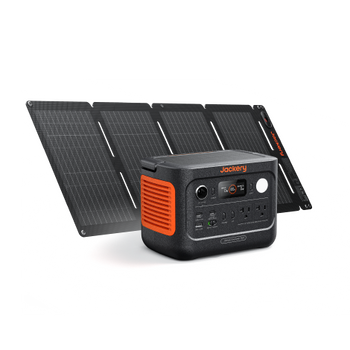
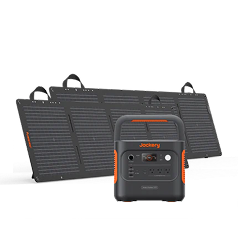
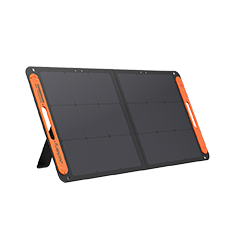
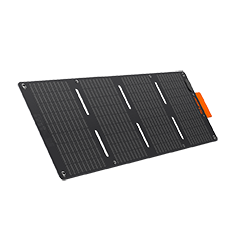
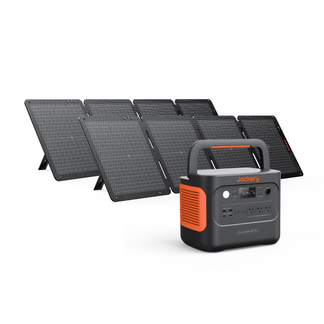
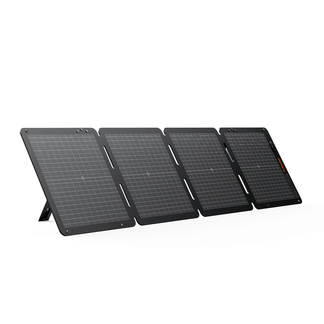
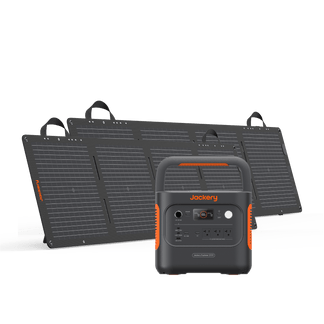
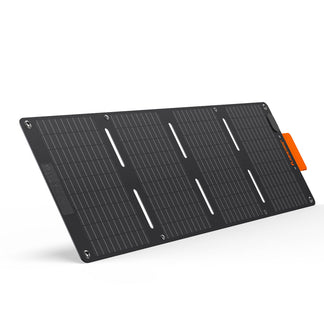
Jackery Solar Generator 5000 Plus + 2x SolarSaga 500X |
7,200W output, 0ms UPS, expandable to 60kWh, 120V/240V dual voltage |
Apartment or small home, critical loads only (fridge, lights, WiFi), portable use |
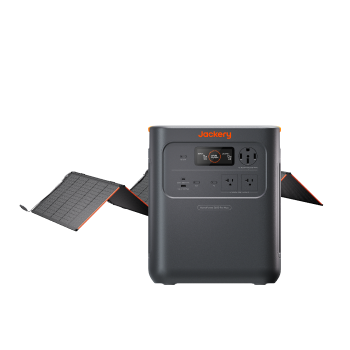
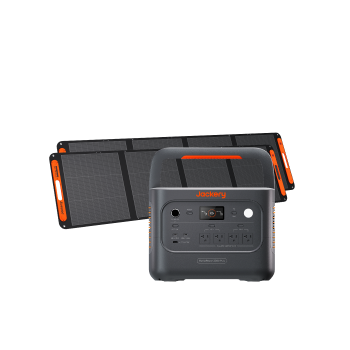
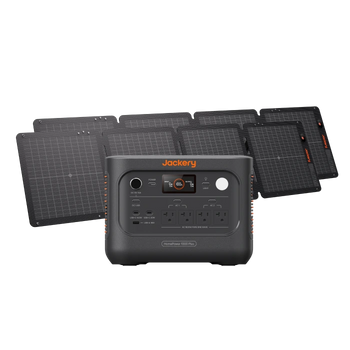
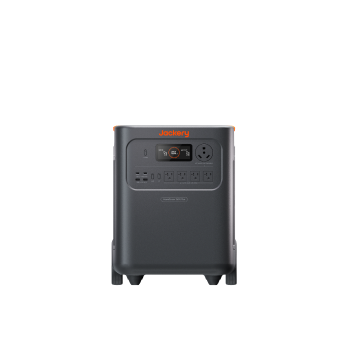
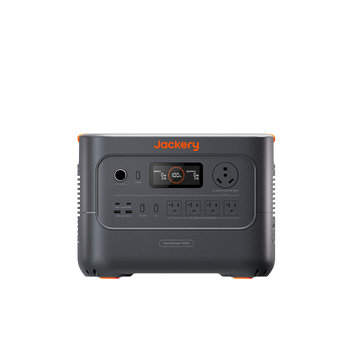
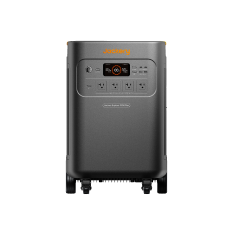
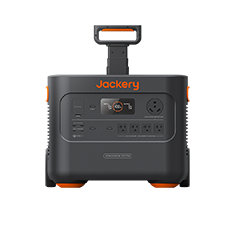
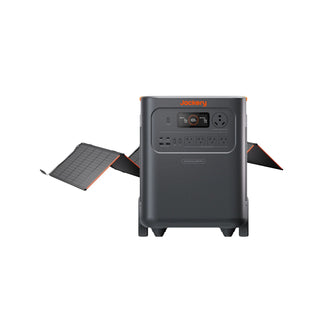
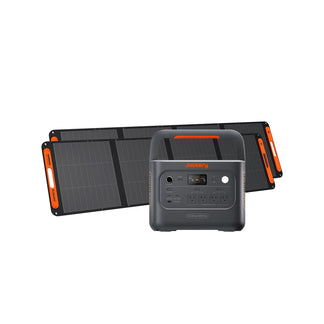
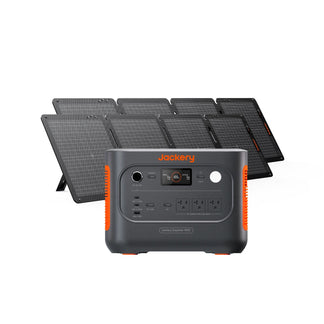
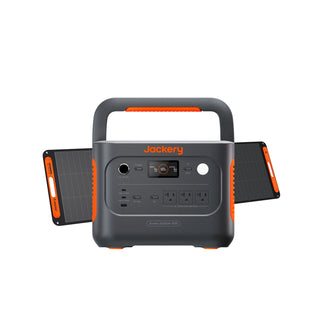
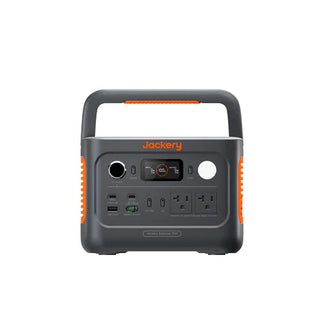
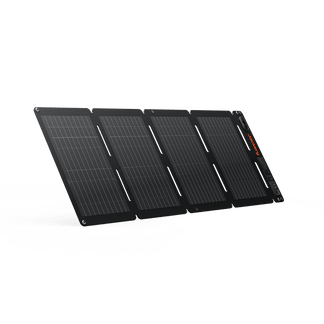
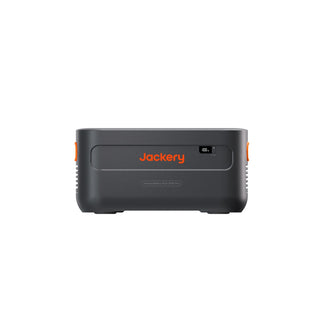
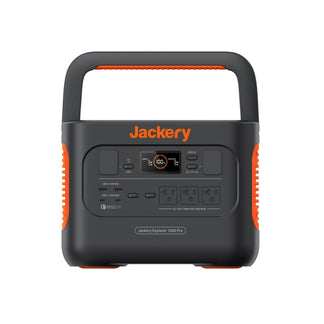
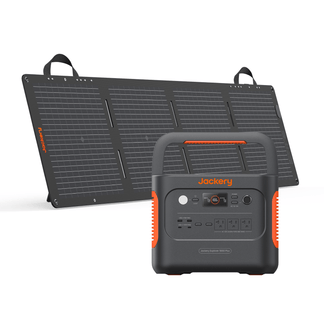
Jackery Solar Generator HomePower 3600 Plus + SolarSaga 500X |
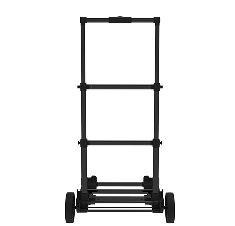
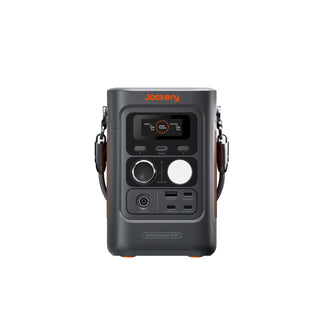
3,600W output, <20ms UPS, compact trolley design, 3,584Wh base capacity |
For apartments, smaller homes, or targeted peak-shaving of specific circuits, this system delivers the core benefit — time-shifting expensive electricity — in a manageable footprint.
Frequently Asked Questions (FAQ)
Does unplugging appliances really save electricity?
Yes — eliminating standby power from TVs, computers, and gaming consoles can cut 5–10% from your monthly bill during peak hours. A typical home has 20–40 devices drawing phantom power continuously.
How do solar panels help reduce peak electricity costs?
Solar panels generate the most power during afternoon peak windows, directly offsetting grid consumption before solar production fades in the evening. The generation profile aligns naturally with summer peak pricing schedules.
What is the most cost-effective upgrade for peak savings?
Sealing air leaks around windows and doors delivers the fastest payback by preventing cooled air from escaping and hot air from infiltrating. Materials cost $10–30 and the work takes an afternoon.
Can a portable air conditioner help during peak hours?
Yes — a portable AC can cool a single room during peak windows while your central unit is set back, but ensure the portable unit has a high energy efficiency rating. A 10,000 BTU portable unit draws 900–1,200 watts versus 3,500–5,000 watts for central AC.
How long does it take to cool a house after peak hours end?
Without pre-cooling, recovering from a heat-soaked home typically takes 1–2 hours of continuous maximum-power AC runtime, negating potential savings. Pre-cooling before peak hours prevents the heat-soak condition entirely.


