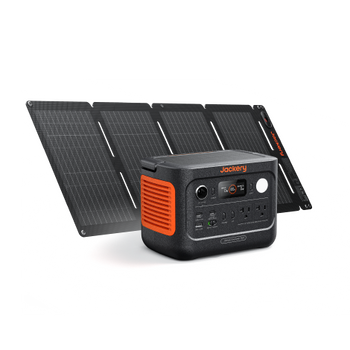

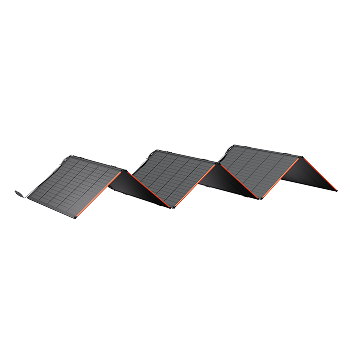
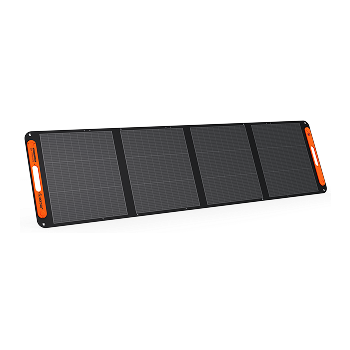











![[Add-on] Jackery SolarSaga 500 X - Jackery](http://www.jackery.com/cdn/shop/files/add-on-jackery-solarsaga-500-x-1493607.webp?v=1786503068&width=324)
![[Add-on] Jackery Battery Pack 5000 Plus - Jackery](http://www.jackery.com/cdn/shop/files/add-on-jackery-battery-pack-5000-plus-6713401.webp?v=1786503068&width=324)









Quick Answer: A reliable van solar system for full‑time remote work demands a brutally honest power audit — not a guess. A laptop, Starlink, and a 12 V fridge typically consume 1.2–2.0 kWh per workday. To survive a string of overcast days, you need 2–3 days of battery autonomy (around 6 kWh of LiFePO₄ storage), a hybrid charging strategy (roof solar + DC‑DC alternator charging + occasional shore power), and a disciplined approach to idle loads like the inverter and Starlink. Skip the shortcuts: a Kill‑A‑Watt meter reveals consumption that’s often 30–40 % higher than spreadsheet estimates.
Key Takeaways
- A digital nomad’s daily energy appetite (1.2–2.0 kWh) dwarfs weekend van‑life loads; Starlink alone draws 45–80 W continuously, more than a fridge.
- LiFePO₄ batteries cost $800–$1,300 per usable kWh installed in 2026 but deliver 3,000–5,000 cycles, slashing cost per cycle to $0.29–$0.48 — still far cheaper than AGM’s $0.30–$0.60.
- A DC‑DC alternator charger is the single most critical reliability component; it turns your engine into a 2,000–3,000 W generator and is your winter lifeline when solar panels underperform.
- Inverter idle draw silently bleeds 600–960 Wh per day if left on 24/7; schedule hard‑off timers for both the inverter and Starlink.
- Wire panels in series, use marine‑grade tinned copper, and fuse every positive cable within 12 inches of the battery — these are not optional.
Understanding Digital Nomad Power Demands vs. Traditional Van Life
Weekend campers can get by on a 100 Ah lead‑acid battery and a single solar panel. A full‑time remote worker cannot. The numbers tell the story:
- A typical 14–16 inch laptop: 45–65 Wh per hour.
- A gaming laptop or multi‑monitor docking station: 150–200 Wh — more than the 12 V fridge (40–60 W).
- Starlink Roam: 45–80 W continuous; over a 10‑hour workday, that’s 450–800 Wh.
Morning appliance surges compound the problem:
- Coffee maker: 600–1,000 W
- Induction cooktop: 1,000–2,000 W
- These can trip an undersized inverter if they fire up simultaneously.
- An 8–10‑hour workday with Starlink, fridge, lights, and personal electronics routinely hits 1.2–2.0 kWh — before any cooking or heating.
The single most important step: run a Kill‑A‑Watt audit on every device for a full workday. Spreadsheet estimates are consistently 30–40 % too low. Real numbers let you size a system for reliable daily capacity, not just a big battery for sunny afternoons.
Sizing Your System for the 2026 Nomad Reality
Start with a 48‑hour power audit:
- List every device, its measured watts, and daily hours.
- Multiply total watt‑hours by 1.2 to cover inverter losses and efficiency buffers.
- That’s your daily requirement.
Inverter sizing hinges on surge loads:
Inverter Size |
Capability |
Note |
1,500 W pure sine wave |
Runs laptop dock, Starlink, and fridge simultaneously |
|
2,000 W |
Handles small kitchen appliances |
Never run coffee maker and induction cooktop simultaneously without checking surge rating |
Battery chemistry: LiFePO₄ is the only choice. With 3,000–5,000 cycles and 90–100 % usable depth of discharge, it survives full‑time van life.
Lead‑acid’s 50 % usable capacity and short cycle life are a false economy. For autonomy, size the battery bank for 2–3 days without recharging. A nomad using 2,000 Wh/day needs roughly 6,000 Wh of storage — about 500 Ah at 12 V.
An MPPT charge controller is non‑negotiable. It harvests 20–30 % more energy than PWM in partial shade, exactly what you get under trees. The solar array follows a simple formula:
Solar Watts ≈ Daily Wh ÷ Peak Sun Hours
Use your location’s winter insolation data, not summer. If you need 2,000 Wh/day and winter delivers 3 peak sun hours, you need at least 667 W of panels — before cloudy‑day degradation. A 600 W array is a realistic minimum for a Starlink‑equipped nomad.
Connectivity is the Third Rail: Powering Your Internet Pipeline
Starlink’s 45–80 W continuous draw makes it the largest single energy consumer. Compare:
- Starlink: 45–80 W continuous; idle 20–30 W — will drain battery overnight if left on; hard‑off timer mandatory.
- Cellular hotspot: 5–15 W, far more efficient, but often needs a signal booster ($400–$800) for remote reliability.
Roof‑mounting Starlink displaces 200–300 W of solar panels. Many nomads use a portable ground mount to preserve roof space for solar. If roof‑mounting, factor that loss into panel wattage calculations.
USB‑C Power Delivery (60–100 W) is significantly more efficient than DC‑to‑AC inversion (10–20 % waste). Charge laptops directly from a 12 V buck‑boost converter whenever possible — it saves precious watt‑hours.
The math is unforgiving:
Setup |
Daily Consumption |
Solar Required |
Cellular‑only |
~600 Wh (10‑hour workday) |
300–400 W |
With Starlink |
1.2–1.6 kWh |
At least 600 W |
The Lithium Payoff: Why Upfront Cost Beats Long‑Term Expense
AGM batteries look cheap at $200–$400 per kWh, but they deliver only 50 % usable capacity and 500–1,000 cycles. LiFePO₄ costs $800–$1,300 per usable kWh installed (2026, EnergySage marketplace averages), yet lasts 5–8 times longer. The per‑cycle cost tells the real story:
Your Priority |
Recommended Battery |
Usable kWh (per 100 Ah) |
Cycle Life |
Cost per Cycle |
Lowest upfront cost, infrequent cycling |
AGM |
0.6 |
800 |
$0.30–$0.60 |
Long‑term value, daily deep cycling |
LiFePO₄ |
1.28 |
3,500 |
$0.29–$0.48 |
A 200 Ah LiFePO₄ battery (2.56 kWh usable) can run:
- Laptop for 40 hours
- MaxxAir fan (4 W) for 640 hours
- Starlink for 32 hours continuous
Weight savings: a 100 Ah LiFePO₄ (~26 lbs) replaces a 65‑lb AGM, preserving GVWR headroom.
Low‑temperature charging is a hard limit. LiFePO₄ cells must not charge below 32 °F. A heated BMS adds roughly $100–$150 and prevents winter charging lockouts. Mount the battery inside the living space; body heat or a diesel heater keeps it above freezing.
For most vans, system voltage follows your largest continuous load:
- 12 V: Simplest for most vans.
- 24 V: Balanced middle ground, cutting current for moderate loads.
- 48 V: Shines above 2,000 W but adds complexity.
Choose based on your largest continuous load, not future‑proofing fantasies.
The Kit That Scales: When an All‑in‑One Solution Beats a Custom Build
For nomads who aren’t van electrical engineers, an all‑in‑one portable power station beats a custom build — it eliminates the steep learning curve of wiring, fusing, and troubleshooting while handling the core inverter, battery, and charge control. A fully custom system (separate inverter, MPPT, DC‑DC charger, bus bars, fuses) delivers maximum efficiency and scalability, but demands those skills that eat into your actual job.
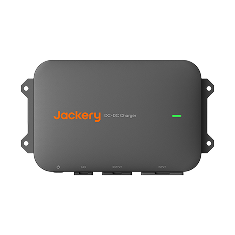
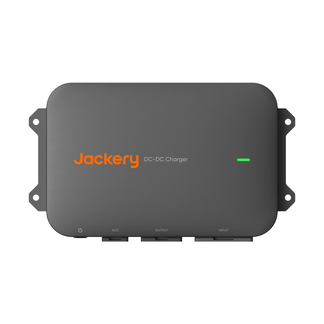
Pure sine wave inverters are mandatory for sensitive electronics; modified sine wave causes buzzing, overheating, and potential malfunction. A DC‑DC charger is the single most important reliability component: it turns the engine into a 2,000–3,000 W generator, providing free charging while you drive — in cloudy regions, it’s the lifeline that solar alone cannot guarantee.
Bus bars, not charge controllers, should be the central connection point. They create a clean, organized, and safe distribution hub for all positive and negative cables, making troubleshooting and future upgrades trivial.
Approach |
Best For |
Trade‑off |
Custom component build |
Maximum efficiency, full control |
Steep learning curve, extensive wiring |
All‑in‑one portable station |
Fast deployment, plug‑and‑play |
Less scalable, may need separate DC‑DC charging |
Limitations / What to Know Before You Build
Common mistakes that sink van power systems:
- Skipping the Kill‑A‑Watt audit. Spreadsheet estimates are consistently 30–40 % low. Measure everything for a full workday before buying a single component.
- Underestimating idle draw. A 3,000 W inverter can pull 25–40 W idle — 600–960 Wh per day if left on. Starlink’s idle 20–30 W adds another 480–720 Wh. Hard‑off timers are not optional.
- Using standard Romex wire. Vibration and corrosion destroy household wiring. Marine‑grade tinned copper is the only acceptable choice.
- Forgetting alternator charging. If budget is tight, cut panel wattage before skipping the DC‑DC charger. In winter, alternator charging is your primary energy source.
- Placing LiFePO₄ batteries in an unheated garage. They refuse to charge below 32 °F. Keep them in the living space.
When an all‑in‑one station isn’t ideal:
- You need more than 3,000 W of inverter power.
- You want to integrate a massive solar array with custom MPPT tracking.
- Portable stations typically cannot charge from the alternator without an adapter; you may still need a separate DC‑DC charger wired to the station’s DC input.
Jackery Scalable Power for Digital Nomads
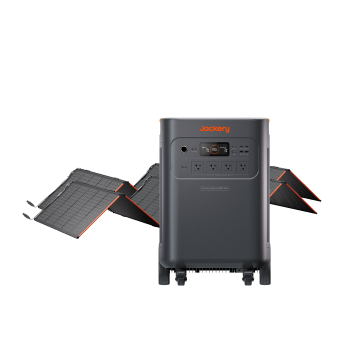
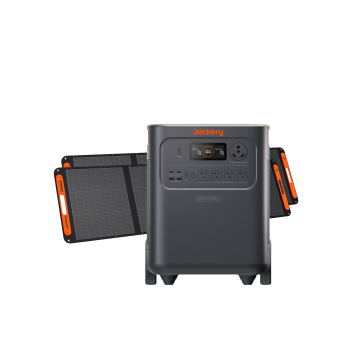
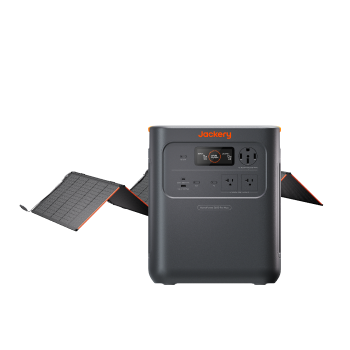
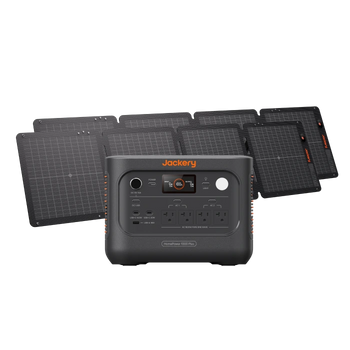
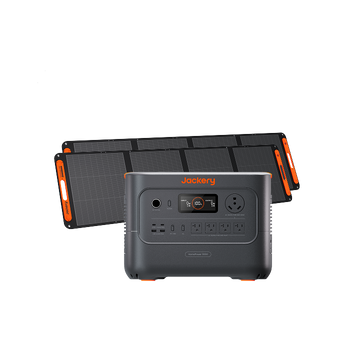
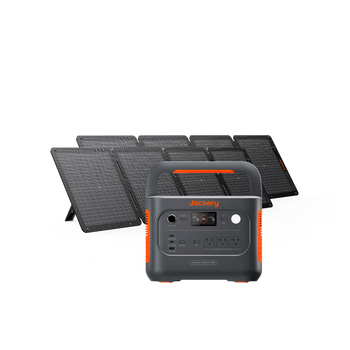
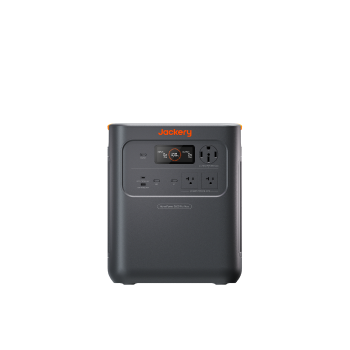
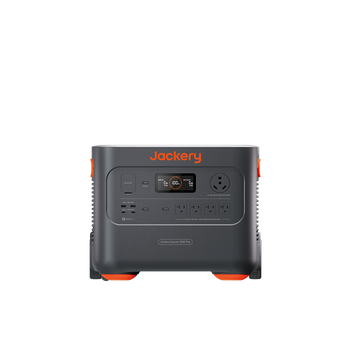
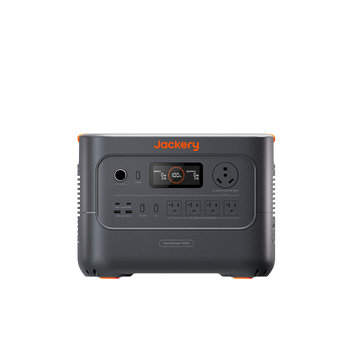
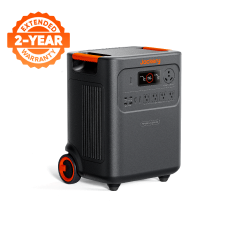
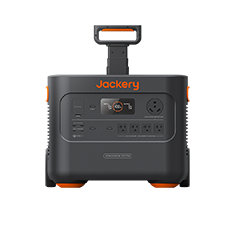
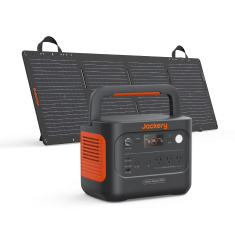
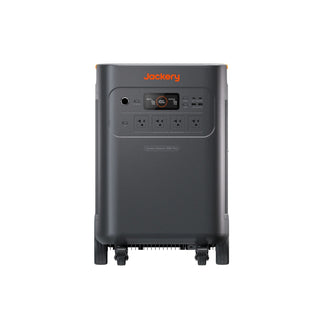
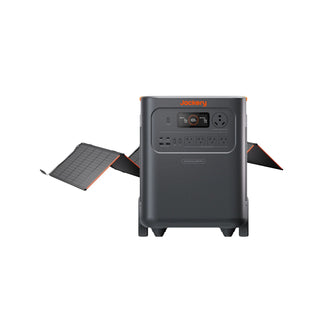
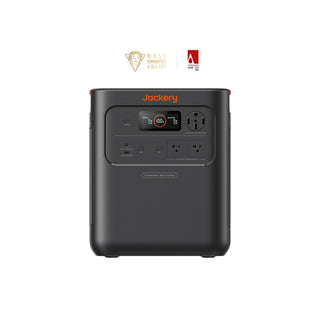
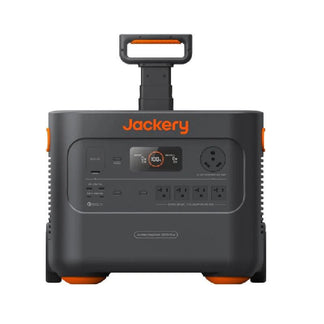
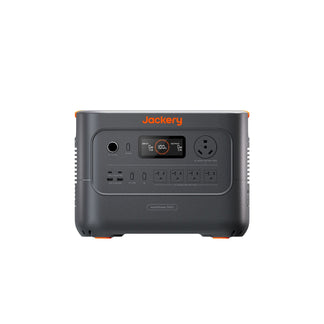
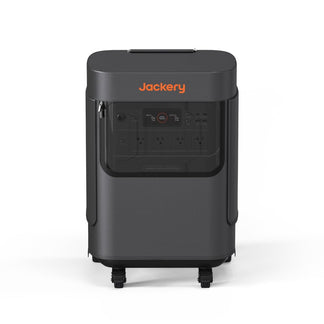
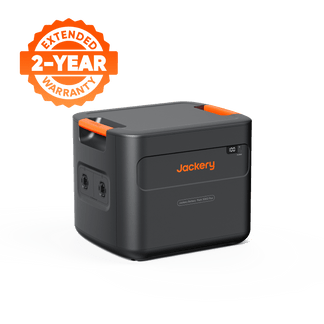
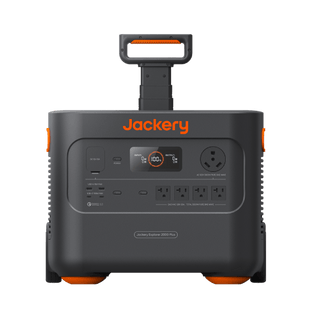
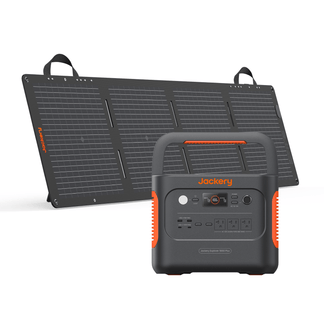
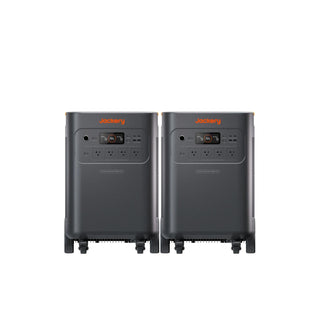
For nomads who want a plug‑and‑play core, the Jackery Solar Generator 2000 v2 removes the electrical design burden. It’s essential van backup that lets you focus on work.
Feature |
Specification |
Key Benefit |
Capacity |
2042 Wh LiFePO₄ |
Runs a laptop, Starlink, and fridge through a full workday |
Inverter |
2200 W pure sine wave (surge 4400 W) |
Handles startup surges from small appliances; UPS <20 ms for sensitive gear |
Recharge speed |
1.7 h wall charge; 7.5 h solar (4×100 W panels) |
Quick top‑ups between stops or during sunny days |
Weight |
39.5 lbs |
Industry’s smallest and lightest 2 kWh unit, fits easily in a van |
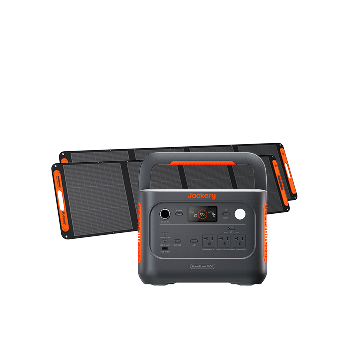
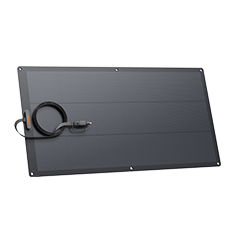
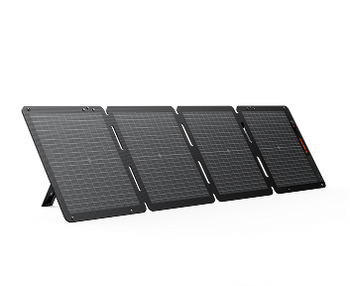
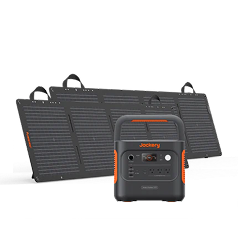
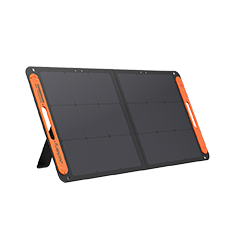
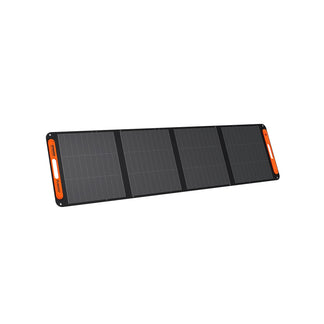
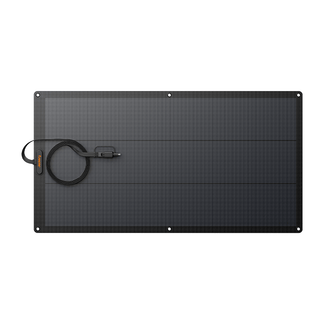
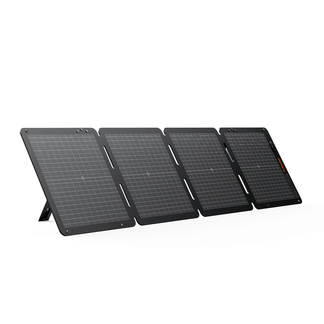
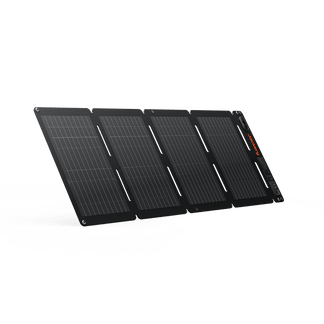
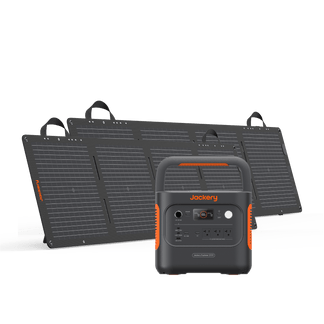
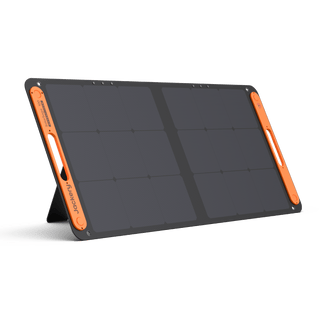
Pair it with the Jackery SolarSaga 500X Solar Panel — a 500 W bifacial panel with 25 % TOPCon efficiency that harvests energy from both sides. Its IP68 rating and -40 °F to 185 °F operating range survive harsh rooftop conditions, and M‑shaped ground stakes stabilize it against high winds.
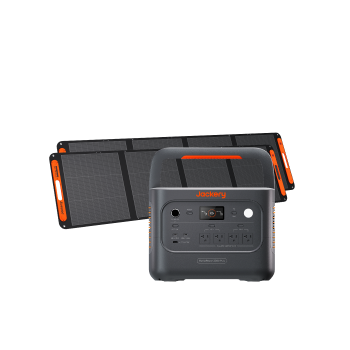
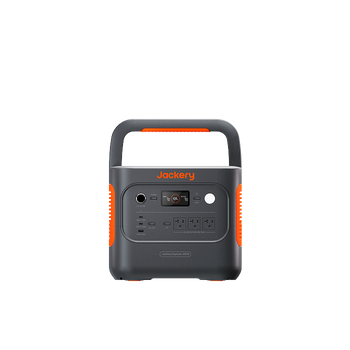
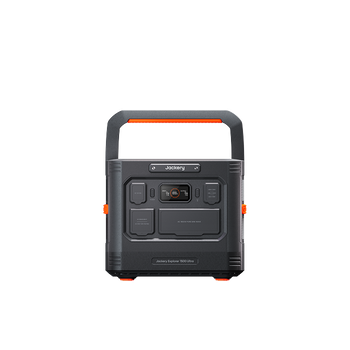
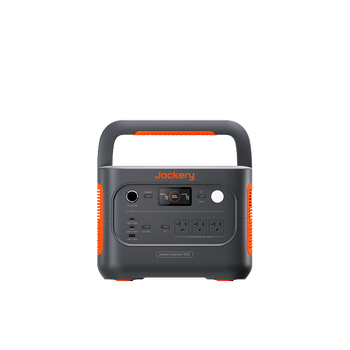
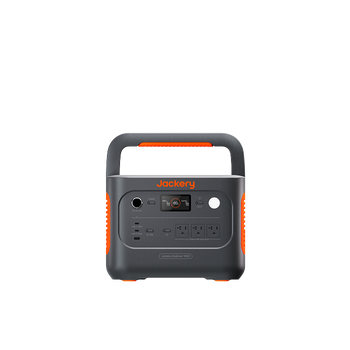
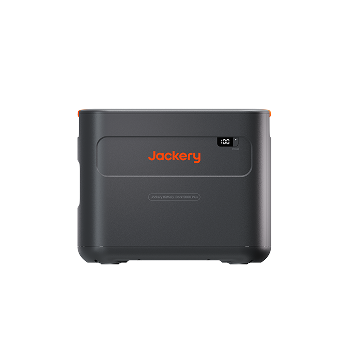
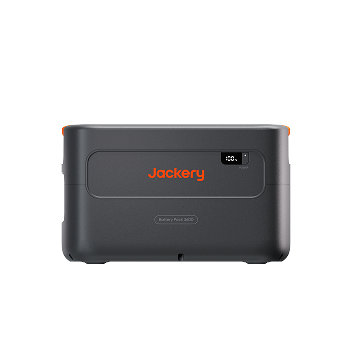
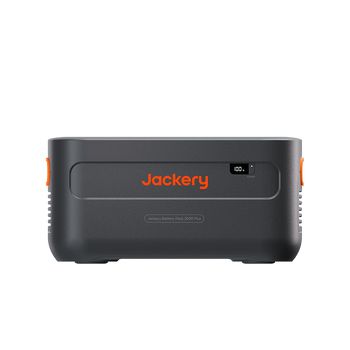
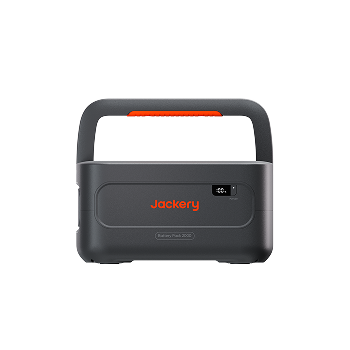
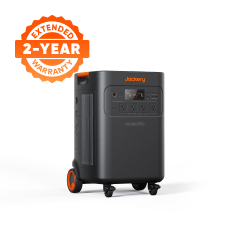
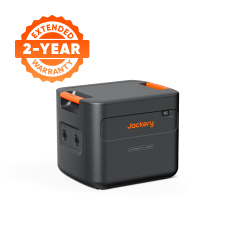
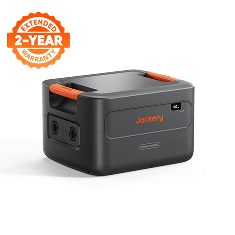
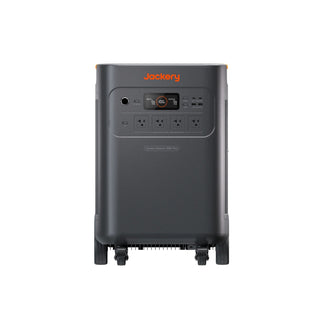
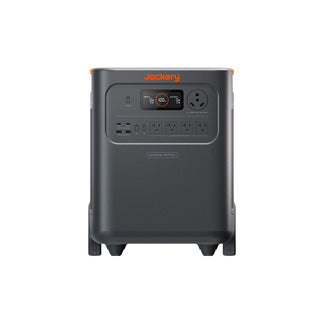
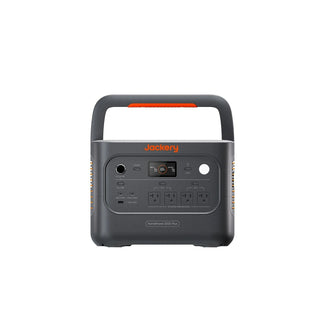
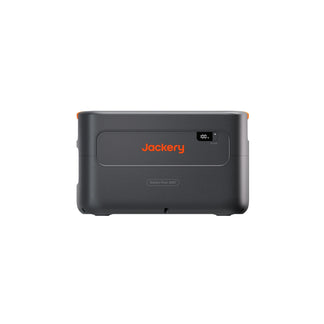
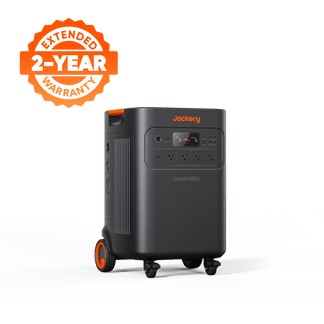
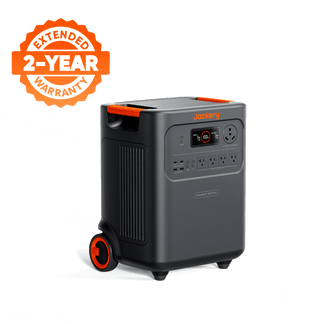
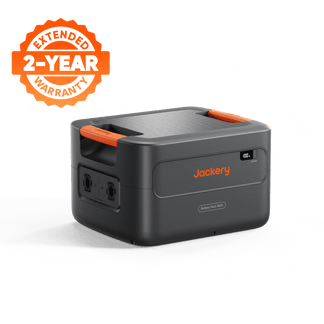
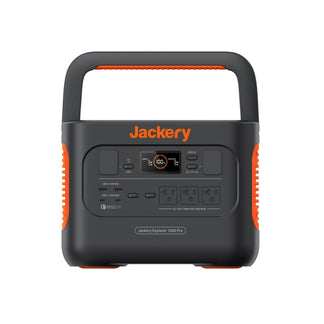
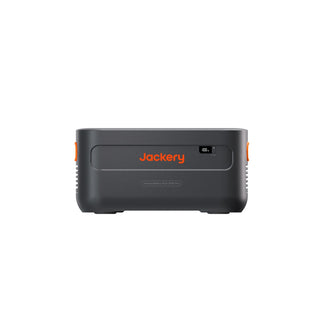
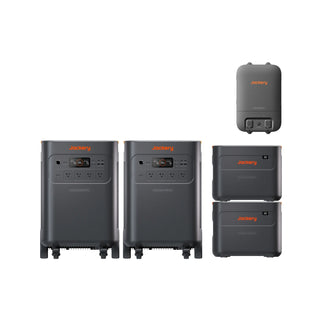
For a deeper look at how these units perform in mobile work scenarios, see how the 2000 v2 supports remote work. If your van build demands even larger capacity, the Jackery Explorer 5000 Plus and Jackery HomePower 3600 Plus offer expandable storage for extended off‑grid stints. And for lighter setups, the Jackery Explorer 1000 Plus covers a cellular‑only workday with room to spare.
Frequently Asked Questions (FAQ)
How do I monitor my battery’s state of charge?
Install a shunt‑based battery monitor (like a Victron BMV‑712) that tracks real‑time energy flow and remaining capacity. Voltage‑based readings are unreliable for LiFePO₄.
What size fuse do I need for the main battery cable?
The fuse protects the wire, not the device. For a 4/0 AWG cable, a 250 A–400 A ANL fuse is typical; match the fuse to the wire’s ampacity rating.
Can I charge from solar and the alternator at the same time?
Yes. A quality DC‑DC charger with an integrated MPPT or a separate MPPT controller can safely charge the battery bank simultaneously from both sources.
How do I keep my LiFePO₄ battery from freezing in winter?
Mount the battery inside the heated living space. If that’s not possible, choose a unit with an internal heating pad that draws power to warm the cells before charging.
Why does my inverter trip when I turn on a small appliance?
Many appliances have a startup surge that briefly exceeds the inverter’s surge rating, even if running watts are low. Check the appliance’s LRA (locked rotor amps) and ensure your inverter’s surge capacity covers it.


