








































![[Add-on] Jackery SolarSaga 500 X - Jackery](http://www.jackery.com/cdn/shop/files/add-on-jackery-solarsaga-500-x-1493607.webp?v=1786503068&width=324)


![[Add-on] Jackery Battery Pack 5000 Plus - Jackery](http://www.jackery.com/cdn/shop/files/add-on-jackery-battery-pack-5000-plus-6713401.webp?v=1786503068&width=324)

































Quick Answer: Converting watts to kWh is essential for sizing an emergency backup battery. Watts measure instantaneous power (like speed), while kilowatt-hours measure total energy (distance traveled). Multiply a device’s wattage by the hours it runs and divide by 1,000 — a 150W fridge running 8 hours uses 1.2 kWh. Your total daily kWh, plus a 15% inverter loss and a 20% buffer, determines the battery capacity you need.
Key Takeaways
- Watts = power rate (mph); kWh = energy used (miles) — you can’t convert 100W to kWh without knowing how many hours it runs.
- A device’s label wattage overstates real draw, so use a plug-in monitor to measure actual watts including surge and phantom loads.
- Sizing a backup battery: total your daily kWh, add 15% for DC-AC inverter losses, then multiply by 1.2 for a depth-of-discharge buffer.
- LiFePO₄ battery storage costs $800–$1,300 per usable kWh installed (2026 industry data), so a 5 kWh usable system means $4,000–$6,500 in hardware.
- A 200W solar panel in 5 peak sun hours adds about 1 kWh of recharge — match your solar array to your daily consumption.
Power vs. Energy: Why Watts and Kilowatt-Hours Are Not the Same Thing
Watts measure instantaneous power — the rate energy flows at a single moment. A 1,500W space heater pulls 1,500 watts every second it’s on. Kilowatt-hours (kWh) measure total energy used over time. That same heater consumes 1.5 kWh only after running for a full hour.
The speedometer analogy makes it intuitive: watts are miles per hour (speed), and kWh are the miles traveled (distance). You cannot convert speed into distance unless you know how long you drive. A 100W light bulb left on for 10 hours travels 1,000 watt-hours — exactly 1 kWh.
Most beginners try to convert 100W directly to kWh and get stuck. The answer is always zero unless you add time. Every appliance label shows watts because wattage describes its capacity to draw power, not how much energy it will actually use. That depends entirely on runtime.
A refrigerator doesn’t run 24/7. Its compressor cycles on and off. So the 150W nameplate rating doesn’t mean 3.6 kWh per day. Real measurement or a runtime estimate — like 8 hours of compressor use — gives a daily figure of 1.2 kWh.
The Simple Formula: Watts to Kilowatt-Hours in Three Steps
The simple formula is (Watts × Hours Used) ÷ 1,000 = Daily kWh, and here’s how to apply it in three steps.
Step 1 — Find the real wattage. Use a plug-in monitor or the device’s label, but know that label numbers are peak, not typical. A microwave might say 1,200W but only draws that when cooking at full power.
Step 2 — Nail down daily run time in hours. This is where most people mess up. Convert minutes to decimal hours: 30 minutes = 0.5 hrs. A fridge that runs its compressor 33% of the time might log 8 hours of active draw per day.
Step 3 — Apply the formula.
(Watts × Hours Used) ÷ 1,000 = Daily kWh
Example: A 150W refrigerator compressor running 8 hours daily.
(150 × 8) ÷ 1,000 = 1.2 kWh per day.
Did you know? Every 1,000 watt-hours equals 1 kWh. So a 100W device on for 10 hours consumes exactly 1 kWh.
For minutes, skip to division: (Watts × Minutes) ÷ 60,000 = kWh. A 900W microwave used for 5 minutes becomes (900 × 5) ÷ 60,000 = 0.075 kWh per use — tiny on its own but adds up with frequent reheating.
Appliance |
Running Watts |
Daily Use (hrs) |
Daily kWh |
|---|---|---|---|
Refrigerator |
150 |
8 |
1.2 |
LED Light Bulb |
9 |
5 |
0.045 |
Laptop Charger |
65 |
6 |
0.39 |
Portable AC |
1,100 |
4 |
4.4 |
Wi-Fi Router |
7 |
24 |
0.168 |
Total these to see your daily kWh demand — a critical step before buying a battery.
How to Find Real Appliance Wattage — Not the Label Rating
A plug-in electricity monitor is the most reliable way to find real appliance wattage. A $20–$30 monitor captures actual watts, cumulative kWh, and catches idle draw that labels miss. It’s the only way to know for sure.
Stacked loads and surges. A refrigerator’s nameplate might say 150W, but startup surge can draw 450–750W for 1–5 seconds. A plug-in monitor logs that peak so you don’t undersize an inverter.
Volts × Amps = Watts, but verify with a monitor. A 120V appliance pulling 5A is 600W on paper. However, if its power factor is 0.75, real power is only 450W. Ignoring power factor inflates your kWh estimates by 20–40%.
Phantom loads are silent energy thieves. TVs, chargers, and routers sip 1–10W even when “off.” A router drawing 7W 24/7 eats 0.168 kWh daily — over 5 kWh per month just to sit idle. Plug all entertainment gear into a smart power strip.
Seasonal peaks matter. A fridge in a 90°F garage uses 30–50% more energy than at 70°F. Size for the worst month — your battery must handle the summer stretch.
Common Calculation Mistakes That Derail Off-Grid Sizing
The most common mistake is ignoring surge wattage: motors in refrigerators, pumps, and air conditioners need 2–5× their running watts for the first seconds. If your inverter’s continuous output is 1,500W but surge is only 2,000W, a fridge that surges at 2,200W won’t start. Always check the power station’s peak output.
Mistake 2: Mixing run time with calendar time
A ceiling fan used 8 hours overnight is 8 hours daily, not 24. Overestimating runtime triples your battery need — and your cost.
Mistake 3: Skipping inverter efficiency
Every DC-to-AC conversion loses 10–15% of energy. Multiply your total daily kWh by 1.15 to account for that loss. A 3 kWh load actually demands 3.45 kWh from the battery.
Mistake 4: Assuming label wattage is steady draw
A blender rated 800W may only pull 400–500W while blending soft fruit. Use measured data, not peak ratings.
Mistake 5: No buffer for depth-of-discharge and aging
Lithium batteries shouldn’t be drained to zero. Apply an 0.80 depth-of-discharge factor. Then add a 20% buffer for capacity fade over years.
Battery runtime formula:
(Usable Wh × 0.85 inverter efficiency × 0.80 depth-of-discharge) ÷ Load W = Runtime hours
A 1,500 Wh power station running a 400W fridge: (1,500 × 0.85 × 0.80) ÷ 400 = 2.55 hours of compressor-on time, which may stretch to 6–8 hours of actual cooling.
From Calculation to Action: Sizing Your Emergency Backup System
Once you know your daily kWh, battery sizing becomes straightforward. A household with 3.5 kWh daily load needs at least 3,500 Wh usable, plus 15% inverter loss (4,025 Wh) and a 20% margin (4,830 Wh). So a 5 kWh usable battery fits.
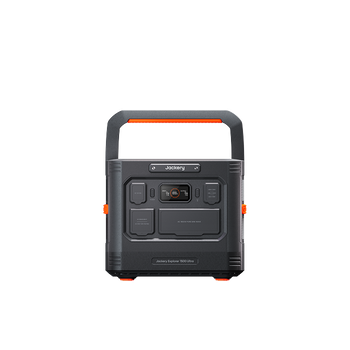
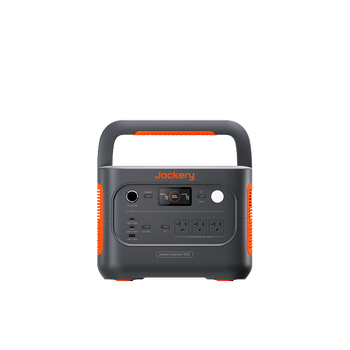
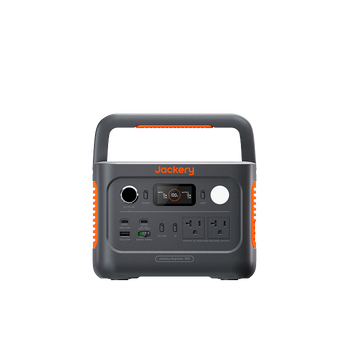
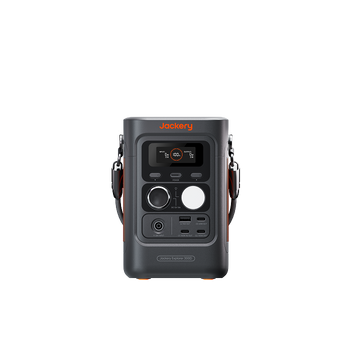
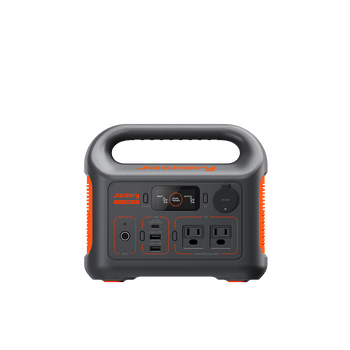
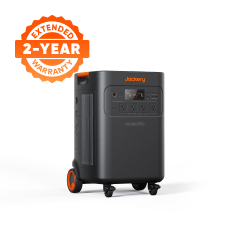
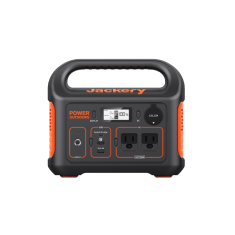
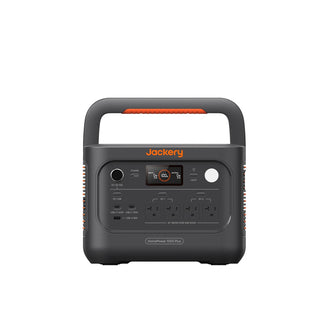
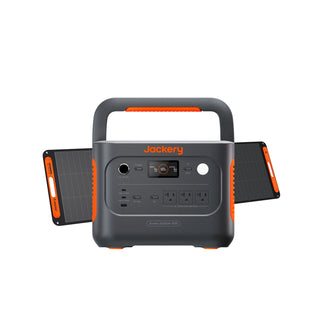
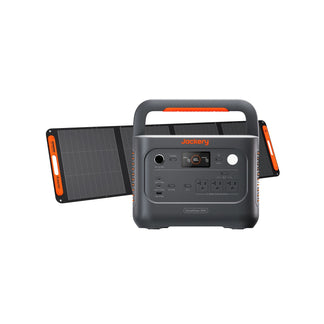
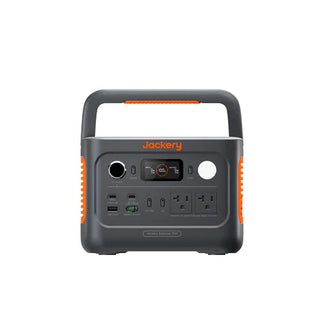
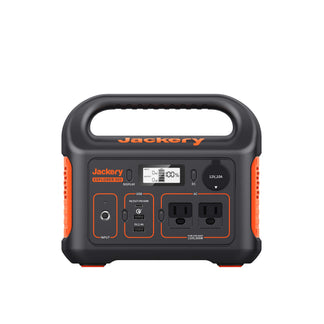
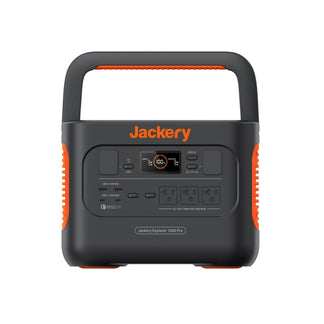
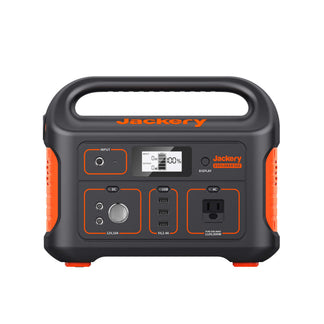
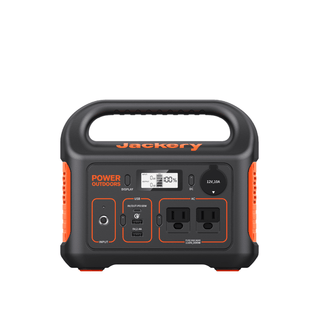
What does home storage cost? Residential LiFePO₄ battery systems average $800–$1,300 per usable kWh installed (2026, industry data). A 5 kWh usable battery, typical for essential backup, runs $4,000–$6,500 in hardware alone. Portable power stations like Jackery’s bundles include the inverter, charge controller, and outlets in one unit — no installation labor needed. For a scalable home backup approach, look for units that accept expansion batteries.
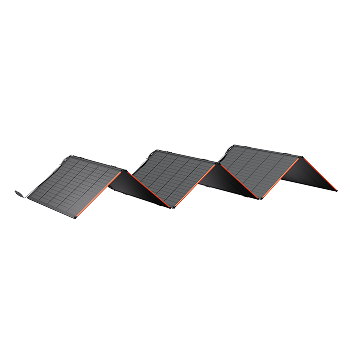
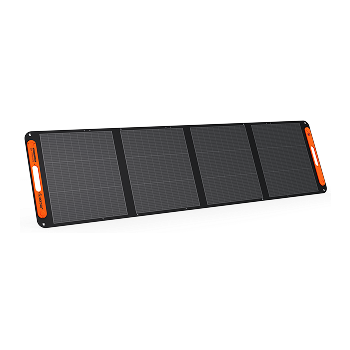
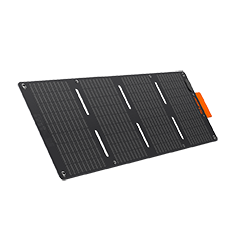
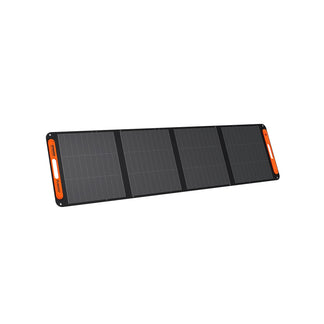
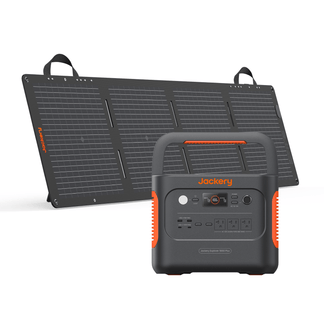
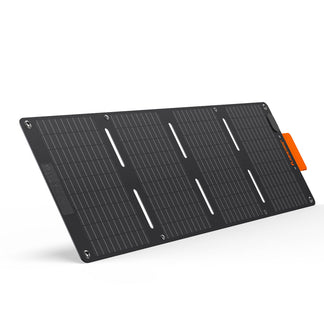
Solar would add recharge capacity. A 200W solar panel in 5 peak sun hours recharges about 1 kWh — enough to offset modest daily loads. If you want to go off-grid for days, your solar array must replenish your entire daily kWh consumption plus a 25% margin.
Surge handling is non-negotiable. Refrigerators, air conditioners, and well pumps demand 2–3× running watts at startup. A 3,600W continuous / 7,200W surge inverter handles a 1,200W fridge without tripping.
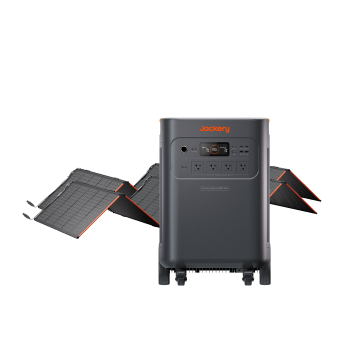
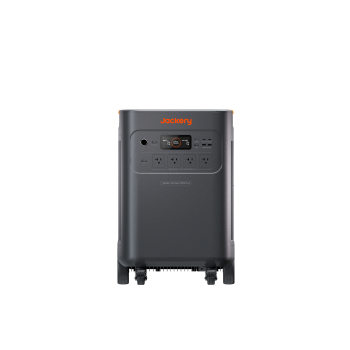
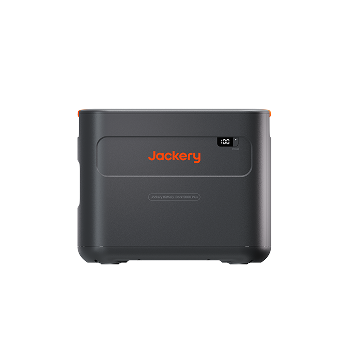
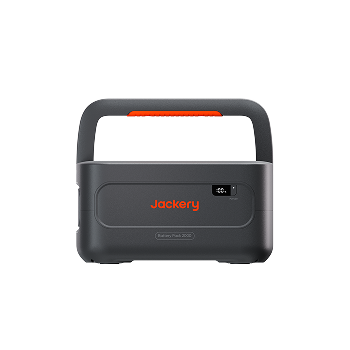
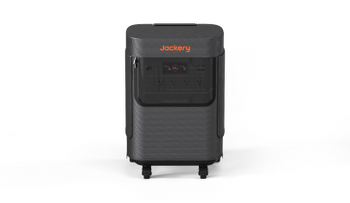
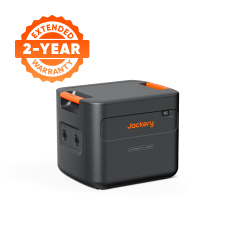
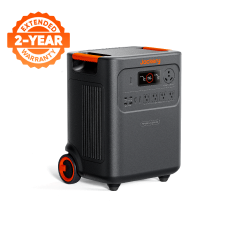
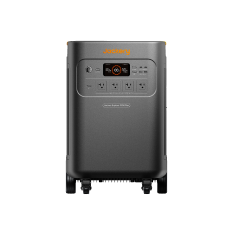
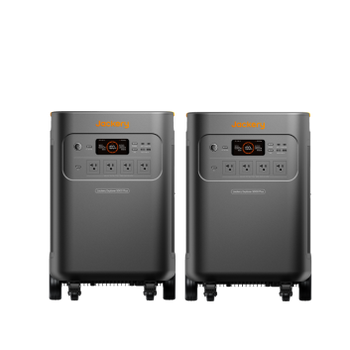
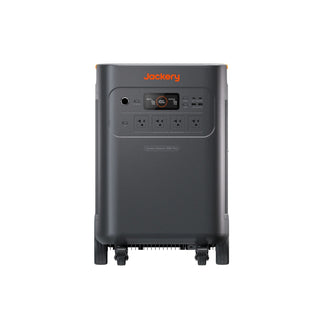
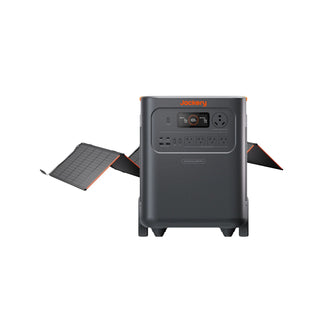
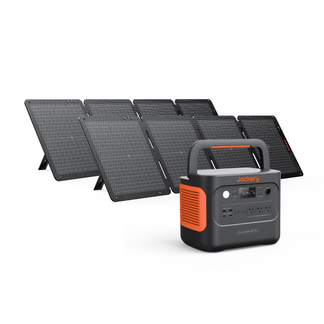
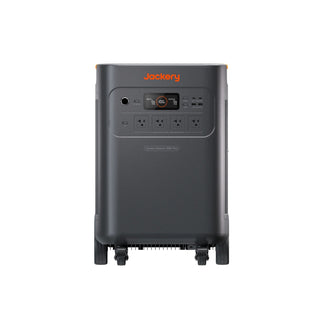
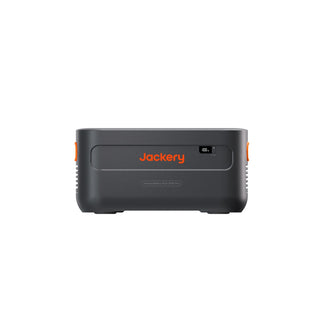
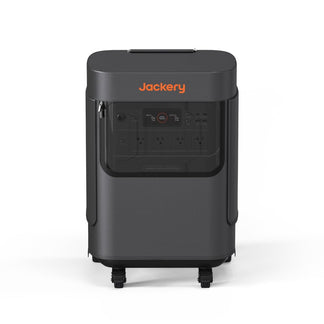
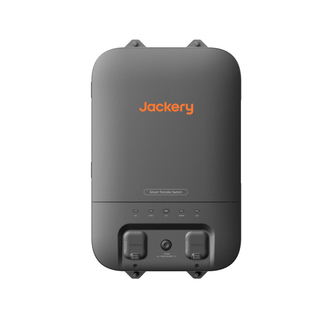
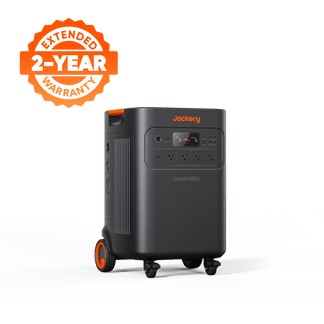
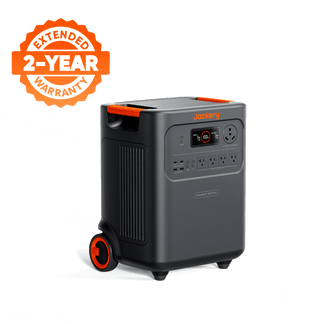
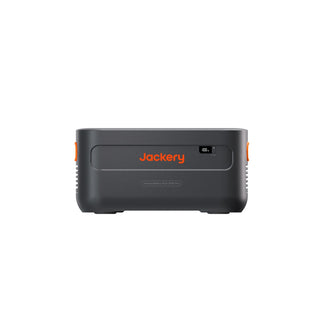
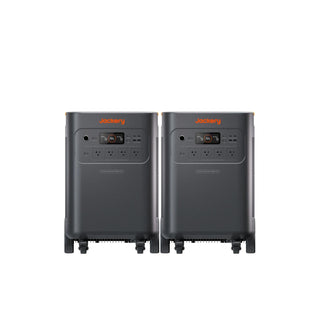
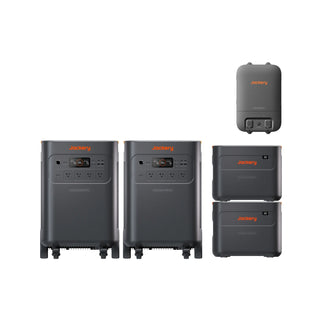
Scalability extends long-term value. Systems that let you add battery packs later — like the Jackery Explorer 5000 Plus (expandable to 60 kWh) — mean you don’t overbuy today. In a whole-home essential backup configuration, that modular design cuts initial cost while preserving future capacity.
Apply Your kWh Calculation to a Jackery Home Backup Solution
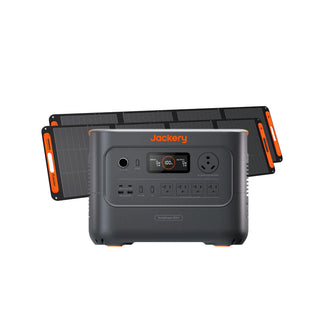
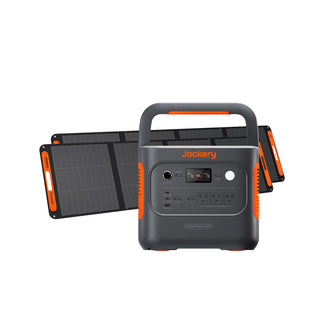
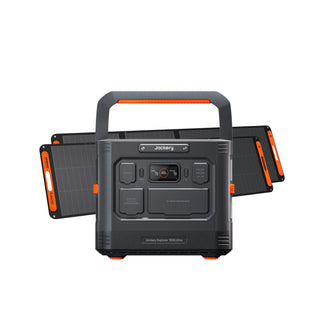
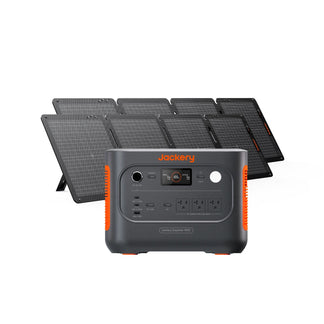
Match your daily kWh needs to the right system. The table shows three Jackery setups, each handling a different scale of backup.
Use Case & Daily kWh Need |
Recommended Jackery Bundle |
Key Spec |
Why It Fits |
|---|---|---|---|
Short outages, communication & laptop (0.5–1 kWh) |
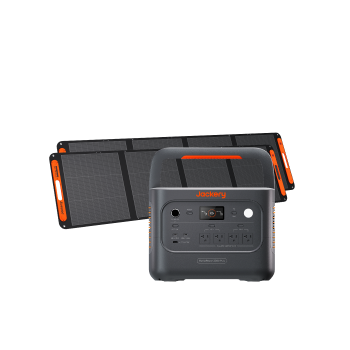
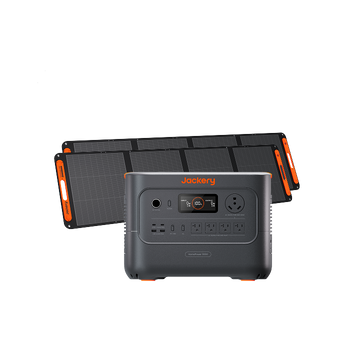
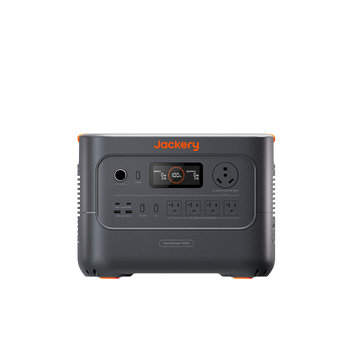
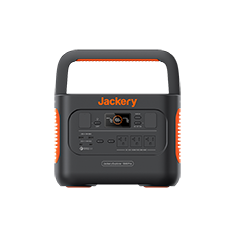
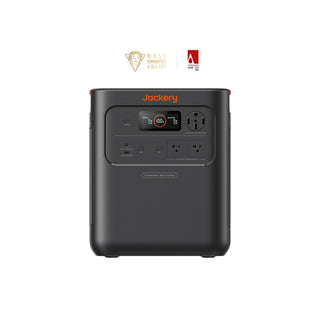
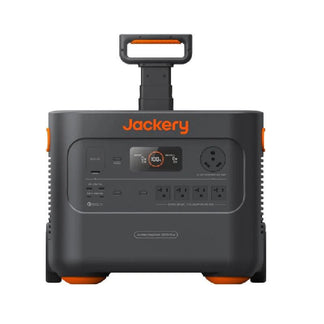
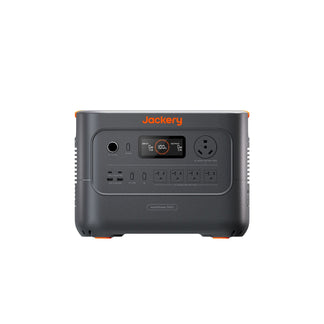
Jackery Explorer 2000 v2 |
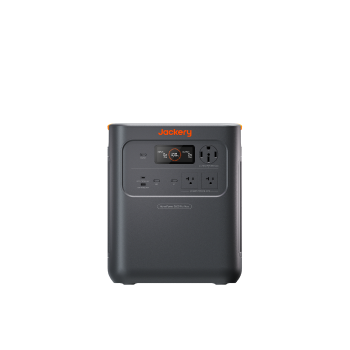
2,042 Wh / 2,200W output, 39.5 lbs |
Recharges a phone 80 times, powers laptop for 24 sessions. Quick 1.7-hr charge. Lightweight grab-and-go. |
Multi-day essential backup: fridge, lights, router, and a fan (1.5–2.5 kWh) |
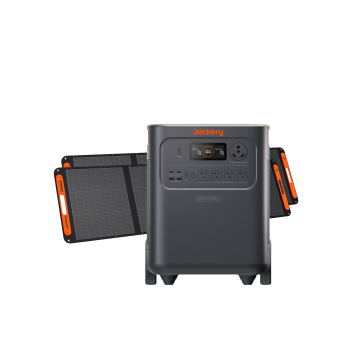
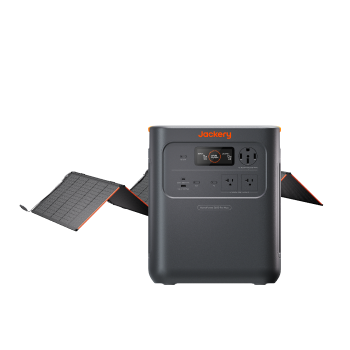
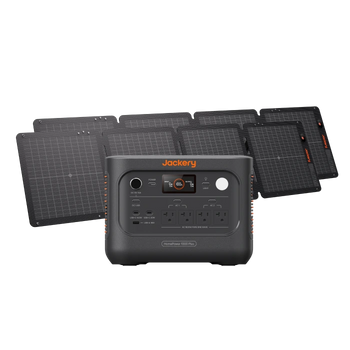
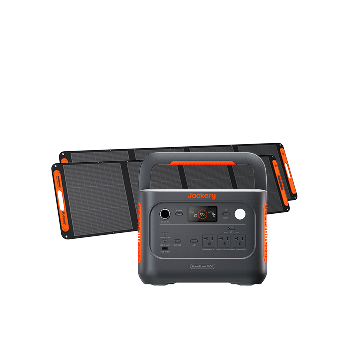
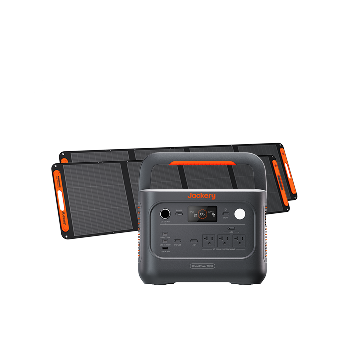
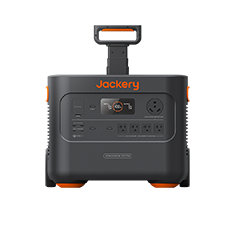
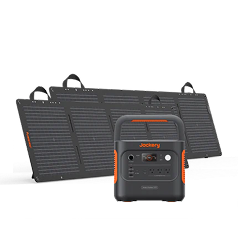
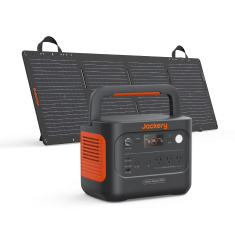
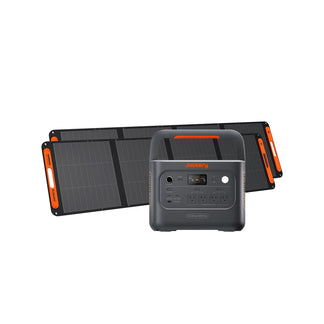
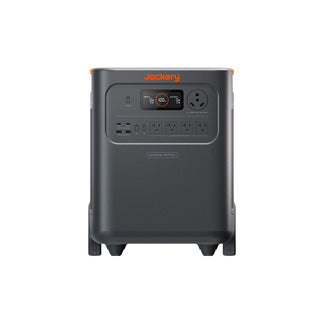
Solar Generator HomePower 3600 Plus + SolarSaga 500X |
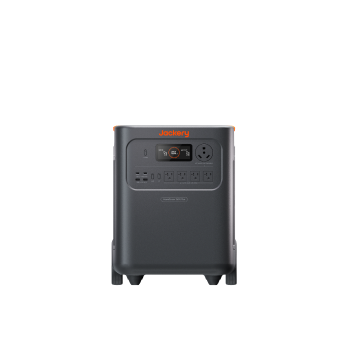
3,584 Wh expandable to 21.48 kWh, 3,600W output (7,200W surge) |
Runs a 40W device for 75 hours, a full-size fridge for 38 hrs, or portable AC for 3 hrs. Upgrade path available. |
Extended outages, large appliances, whole-home essentials (5+ kWh) |
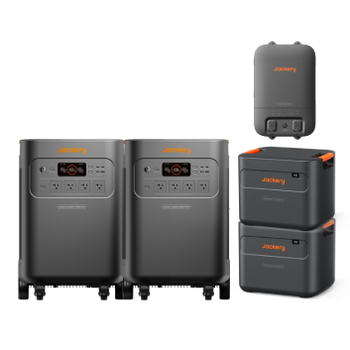
Solar Generator 5000 Plus + 2× SolarSaga 500X |
5,040 Wh base expands to 60 kWh, 7,200W output (14,400W surge) |
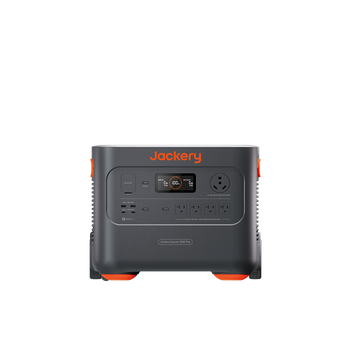
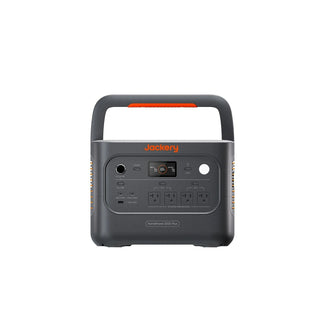
Powers a 520W fridge for 10 hours (nearly 2 days of food preservation). Starts air conditioners and well pumps. For a lower capacity but still capable model, consider the 2000 Plus family. |
All three use LiFePO₄ cells rated for 4,000–6,000+ cycles, giving a decade of reliable service. Solar panels connect directly via built-in MPPT controllers — no separate charge controller needed.
Frequently Asked Questions
Can I convert 100W to kWh directly?
No. Watts measure power, kWh measure energy. 100W × 1 hour = 0.1 kWh; 100W × 10 hours = 1 kWh. Time is mandatory.
Is 1 kW the same as 1 kWh?
No. 1 kW is a power rating (like a speed). 1 kWh is the energy used when that 1 kW runs for one hour.
How do I handle time steps that aren’t whole hours?
Convert minutes to a fraction of an hour: 30 minutes = 0.5 hr. Then multiply watts by the decimal hours.
Why is my battery runtime shorter than my calculation?
You likely forgot inverter efficiency (10–15% loss) and depth-of-discharge limits. Apply a 0.85 inverter factor and a 0.80 battery use factor to your Wh rating.
How do I calculate kWh from sensor data with irregular intervals?
For each interval: (Power W × hours elapsed) ÷ 1,000. Sum all intervals. If gaps exist, fill with the last known value to avoid underestimating.


