












![[Add - on] Jackery Manual Transfer Switch for Explorer 5000 Plus - Jackery](http://www.jackery.com/cdn/shop/files/add-on-jackery-manual-transfer-switch-for-explorer-5000-plus-9017324.png?v=1754016782&width=350)










![[Add - on] Jackery Manual Transfer Switch for Explorer 5000 Plus - Jackery](http://www.jackery.com/cdn/shop/files/add-on-jackery-manual-transfer-switch-for-explorer-5000-plus-9017324.png?v=1754016782&width=324)


A 3000 watt generator runs essential home appliances like refrigerators (520W), Wi-Fi routers, and televisions simultaneously. This capacity sits in the perfect "sweet spot" offering enough power to keep critical systems online while remaining easy to transport.
If you are hesitant about engine noise or technical specs, understanding exactly what a portable 3000 watt generator handles is the first step. This guide breaks down load sizing, surge watts, and how to choose the right unit to keep your home functional.
What Is the Difference Between Running and Starting Watts?
To accurately gauge what a portable 3000 watt generator can handle, you must distinguish between the two types of power ratings found on appliance labels.
Running Watts
Running watts refer to the continuous power required to keep an appliance operating once it has already started. For example, a refrigerator compressor that is already humming typically requires 520 watts to maintain its internal temperature. This baseline number is used for calculating your total continuous load.
Starting (Surge) Watts
Starting watts, or surge watts, represent the brief power spike needed to start electric motors. This spike typically lasts only a few seconds but can be two to three times higher than the running watts. A refrigerator with 520 running watts might require 1200 to 1600 watts for that split second when the compressor kicks on. If your generator cannot handle this initial surge, the appliance will not start, or the generator’s breaker will trip.
How Do You Calculate Generator Size?
To size your generator needs correctly, follow this simple progression:
- Sum the Running Watts: Add up the continuous wattage requirements of all appliances you intend to power simultaneously.
- Identify the Highest Surge: Find the single appliance with the highest starting watt figure.
- Calculate Total: Add that single highest starting watt figure to your total running watts.
Note: You do not need to add all starting watts together, as you should not start all high-draw appliances at the exact same moment.
What Can a 3000 Watt Generator Power?
A 3000-watt unit is robust enough to handle a variety of critical household and professional tasks. Below are realistic scenarios of what this capacity can support.
Home Essentials
In a blackout scenario, a 3000-watt unit can easily run a full-size refrigerator (approx. 520W), a Wi-Fi router (15W), LED lights (10W each), and a television (100W) simultaneously. This setup ensures food preservation and communication with the outside world without overloading the system.
Climate Control
You can power a portable air conditioner (approx. 1000W) or a 1500W space heater to maintain safe temperatures. However, because these are high-draw items, you must manage other loads carefully while they are running.
Kitchen Appliances
High-heat kitchen appliances are energy-intensive but manageable if run individually. A coffee maker typically draws 1120W, and a microwave draws around 1160W. You can use these items comfortably with a 3000-watt generator, provided you do not run them at the same time as an air conditioner or hair dryer.
Work & Tools
For job sites, this generator size supports essential power tools. It can run electric drills (600W), circular saws (1400W), or small air compressors. This makes the unit a versatile choice for contractors who need mobile power for cutting and fastening tools.
Medical Devices
For those relying on medical equipment, a 3000-watt generator easily supports CPAP machines, which generally draw only 40W to 80W. The unit can run a CPAP machine for extended periods, providing peace of mind during overnight outages.
What Should You Avoid Running on a 3000 Watt Unit?
While versatile, a 3000-watt generator has hard limits. Exceeding these limits can damage your appliances or the generator itself.
Central HVAC
You cannot power a whole-home central air conditioning system with a 3000-watt unit. Central AC units typically require 3500W to 5000W just to run, with starting surges often exceeding 10,000W. Attempting to run central air will immediately trip the generator's overload protection.
Multiple High-Heat Items
Avoid running multiple heating elements simultaneously. For example, running an electric water heater, an electric dryer, and an electric stove at the same time is impossible. Each of these items individually can consume 3000W or more.
Large Well Pumps
Deep well pumps are notoriously difficult to power due to their massive starting surges. While a small pump might run on 1000W, the surge required to lift water from a deep well often exceeds 4000W, surpassing the surge limit of standard 3000-watt generators.
For more details on slightly larger capacities, you can read about what a 3500 watt generator can run to see if an upgrade is necessary.
Gas vs. Solar Generators: Which Is Right for You?
When researching the 3000 watt generator price and feature set, you will encounter two primary technologies: traditional gasoline engines and modern solar generators (battery power stations).
Gasoline Generators
- Pros: Gasoline generators typically have a lower upfront cost compared to battery systems. Fuel is widely available at service stations, allowing for indefinite runtime as long as you can keep refilling the tank.
- Cons: Gas generators are loud, often exceeding 70 decibels, which can disturb neighbors and wildlife. They emit deadly carbon monoxide, requiring strict outdoor placement away from windows. These engines also demand ongoing maintenance, including oil changes, filter replacements, and the use of fuel stabilizers to prevent carburetor clogging.
Solar Generators
- Pros: Solar generators operate silently and emit zero fumes, making them the only safe option for indoor use. They require no engine maintenance—no oil, no spark plugs, and no filters. These units can be recharged via solar panels, providing a renewable energy source during long-term grid failures.
- Cons: The initial investment is generally higher than a gas equivalent. Runtime is limited by the battery capacity, meaning you must recharge via solar or AC power once the battery is depleted.
Comparison Table
|
Feature |
Gasoline Generator |
Solar Generator |
|---|---|---|
|
Noise Level |
Loud (60-75 dB) |
Silent (30-40 dB) |
|
Location |
Outdoors Only (CO Risk) |
Indoors or Outdoors |
|
Maintenance |
High (Oil, Filters, Fuel) |
None |
|
Fuel Source |
Gasoline/Propane |
Sun/Grid |
|
Start Method |
Pull Cord/Electric Start |
Push Button |
Example Solution: Jackery Solar Generator HomePower 3000
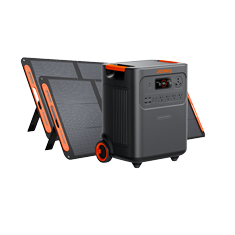
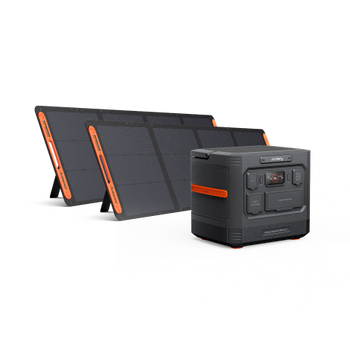
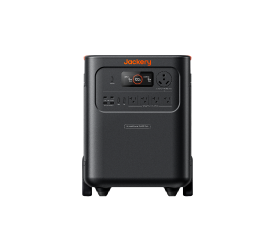
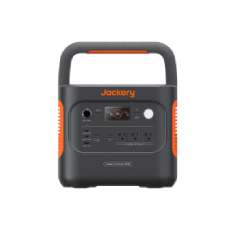
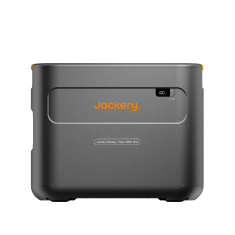
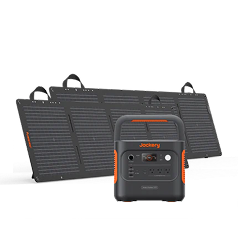
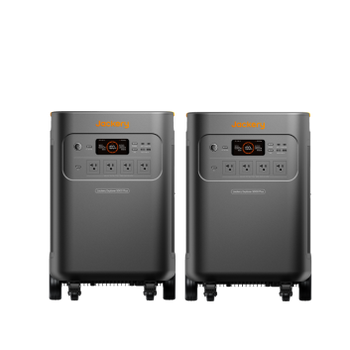
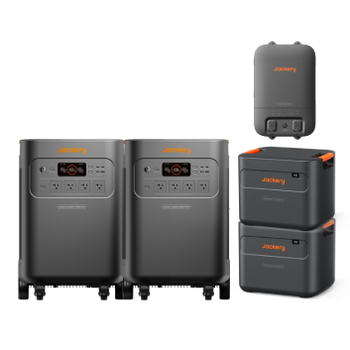
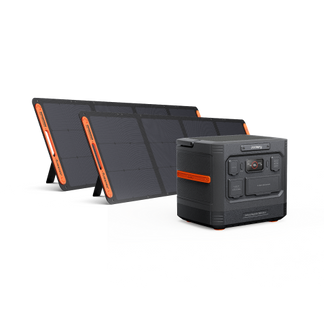
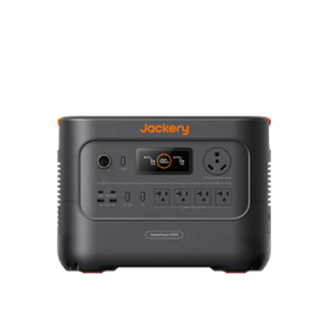
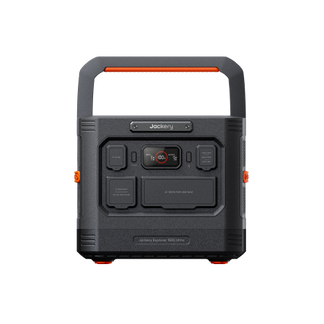
For those seeking a robust indoor-safe solution, the Jackery Solar Generator HomePower 3000 offers a 3600W output with a massive 7200W surge capability. This exceeds the standard 3000W limit, allowing the Jackery Solar Generator HomePower 3000 to handle heavier loads like high-demand power tools or larger appliances that a standard 3000W unit might struggle with.

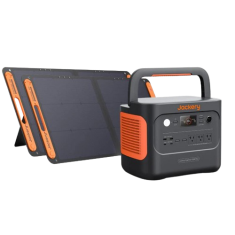
If you are evaluating different capacities, consider these Jackery solutions:
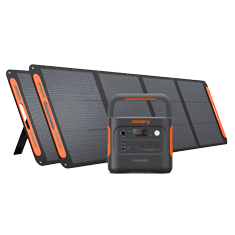
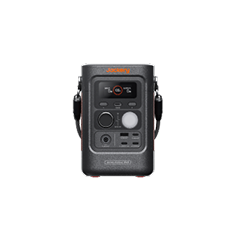
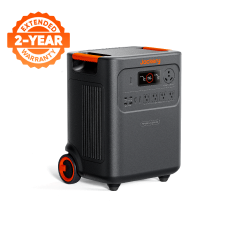
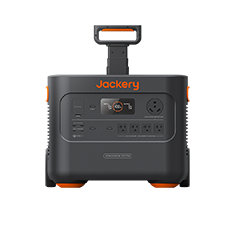
Jackery Solar Generator HomePower 3000
- Capacity: 3072Wh
- Output: 3600W (7200W Surge)
- Use Case: Comprehensive home backup for essential appliances including those in RVs.
- Learn more about what the Jackery HomePower 3000 can run specifically.
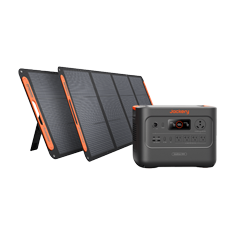
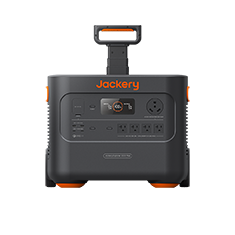
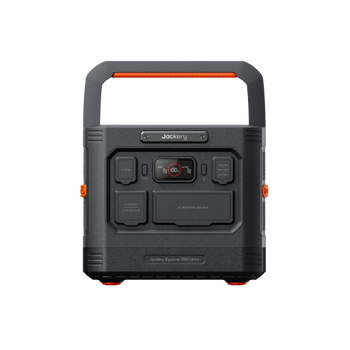
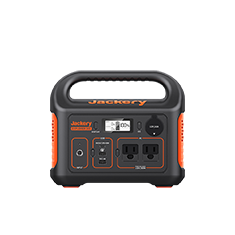
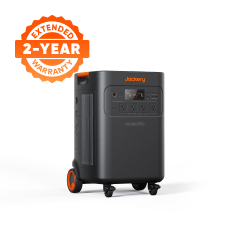
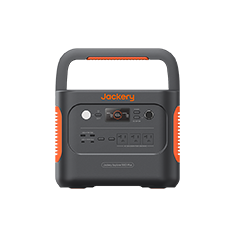
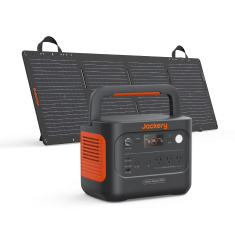
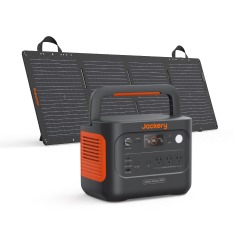
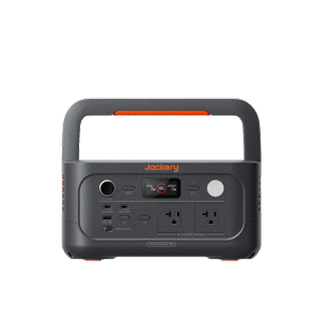
Jackery Solar Generator HomePower 3600 Plus
- Capacity: 3584Wh (Expandable to 21kWh)
- Output: 3600W (7200W Surge)
- Use Case: A massive upgrade for extended blackouts, capable of powering a refrigerator for up to 14 days. It supports 120V/240V dual voltage appliances when expanded and features a NEMA TT-30 port for direct RV connectivity.
- See what a 3600 watt generator can run regarding higher capacities.
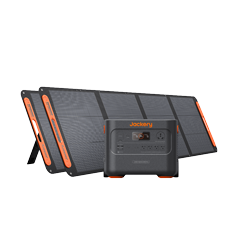
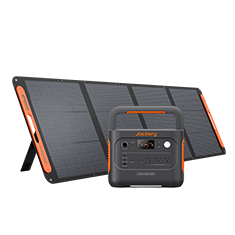
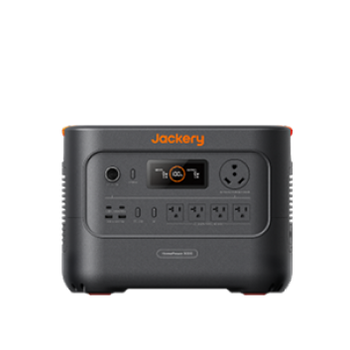
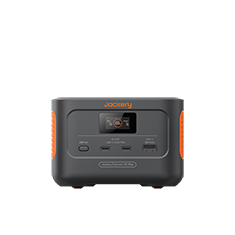
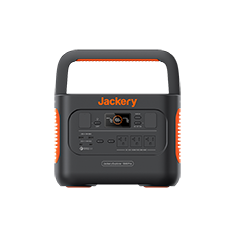
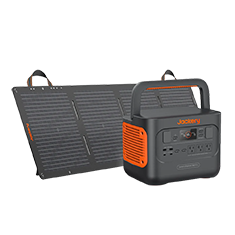
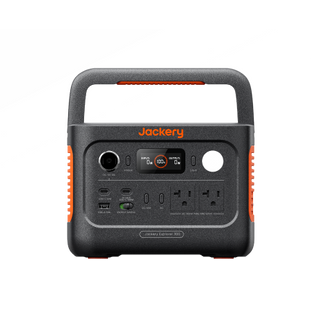
Jackery Solar Generator 2000 Plus
- Capacity: 2042.8Wh (Expandable to 24kWh)
- Output: 3000W (6000W Surge)
- Use Case: Flexible, modular power for camping or home backup.
- See what the Jackery Solar Generator 2000 Plus can run specifically
Use Case: These units are ideal for indoor backup, RVs, and noise-sensitive areas due to their whisper-quiet operation (as low as 30dB), solving the noise and pollution problems associated with gas units.
Conclusion
A 3000 watt generator bridges the gap between small power packs and whole-home systems. It provides ample power for refrigerators, window ACs, and essential electronics during outages.
Success depends on accurate surge calculation and load management. By prioritizing essential appliances, you can turn a chaotic blackout into a manageable inconvenience.
For a maintenance-free, indoor-safe experience that eliminates the headaches of fuel storage and engine noise, consider high-capacity solar generators like the Jackery Solar Generator HomePower 3000.
Frequently Asked Questions
How can I extend my solar generator's runtime during an outage?
Prioritize only your most essential appliances like fridges and medical devices while keeping non-essentials turned off. Utilize solar panels during daylight hours to replenish the battery while you use it.
Are there specific generator models best for cold weather?
For gas generators, look for models with cold-weather kits; for battery stations, choose units with intelligent battery management systems that function well in lower temperatures.
What's the best way to connect a 3000W generator to my home?
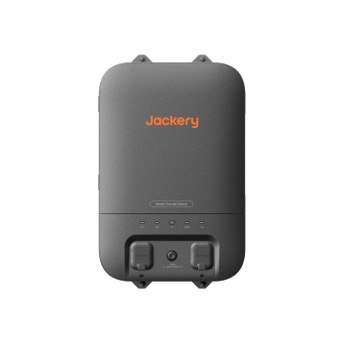
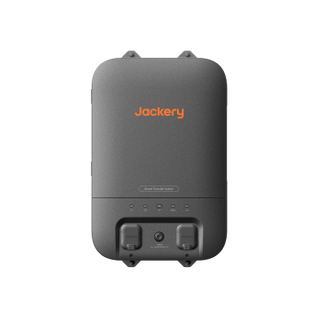
The safest and most reliable method is to use a manual transfer switch installed by a licensed electrician. This allows you to power specific home circuits directly from your generator without dangerous backfeeding.
Can I use a 3000W generator for electric vehicle charging?
While technically possible with the right adapters, charging an EV with 3000 watts is extremely slow and inefficient. It is generally not recommended except in dire emergencies to gain a few miles of range.
How do I perform a power audit for my specific needs?
List every appliance you want to run, find the running and starting watts on their labels, and sum the running watts plus the single highest starting watt. This total tells you exactly how much generator capacity you require.