

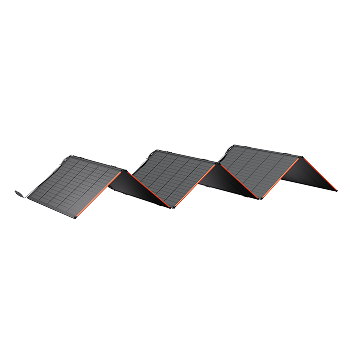
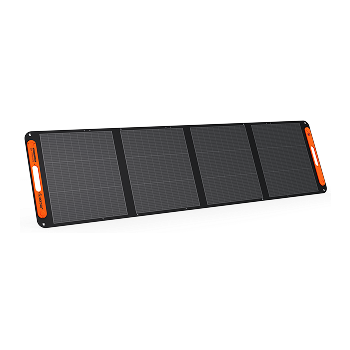
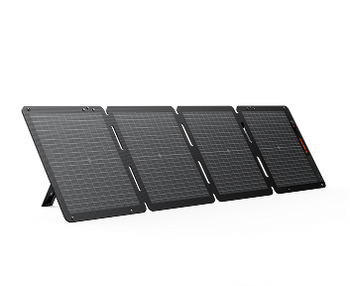
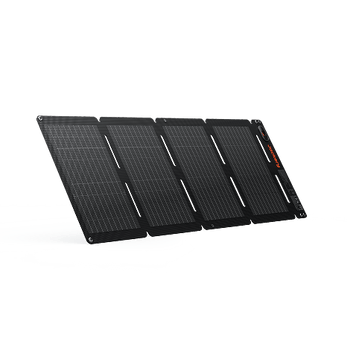





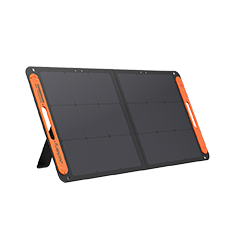
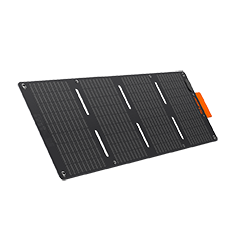


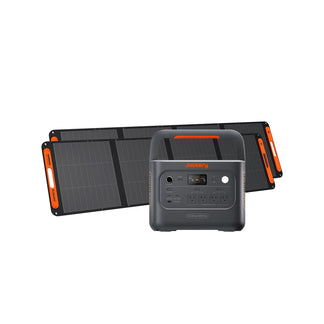
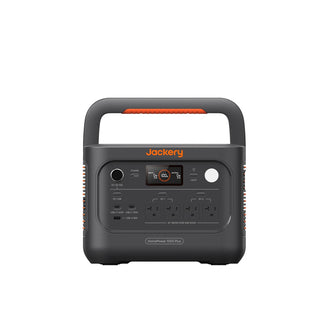
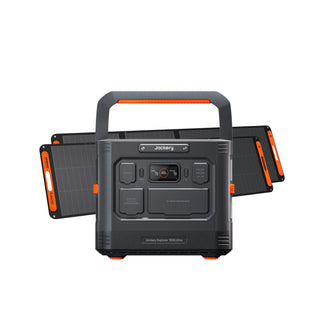
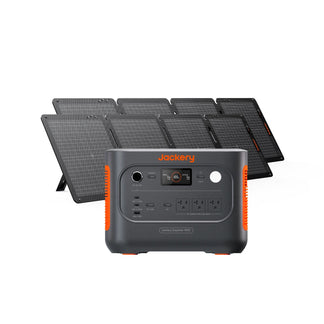
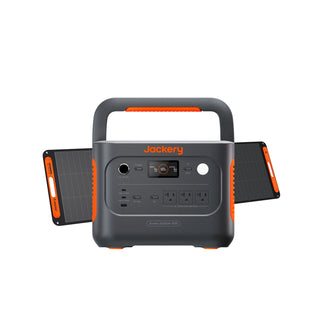
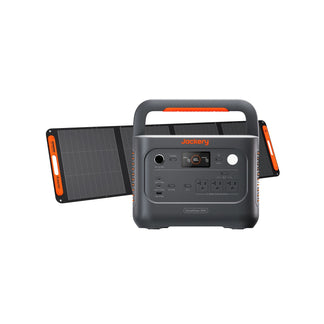


![[Add-on] Jackery SolarSaga 500 X - Jackery](http://www.jackery.com/cdn/shop/files/add-on-jackery-solarsaga-500-x-1493607.webp?v=1786503068&width=324)
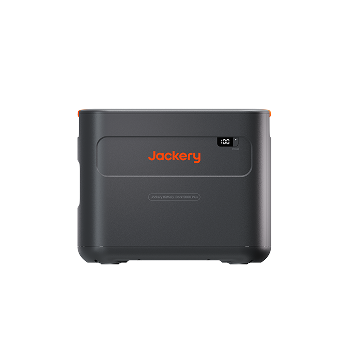
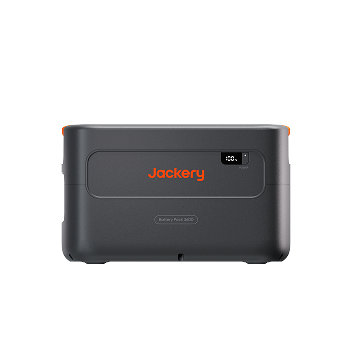
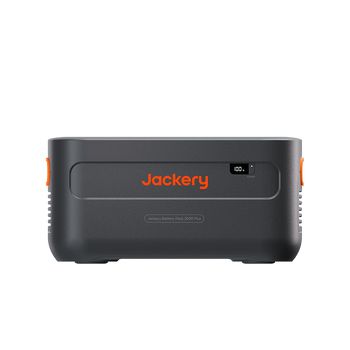
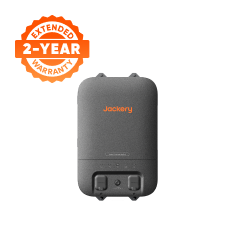
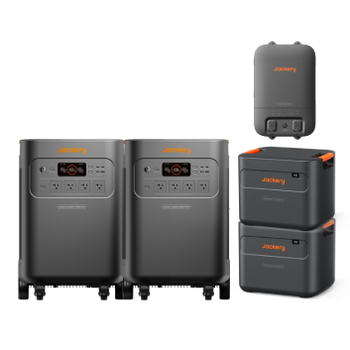
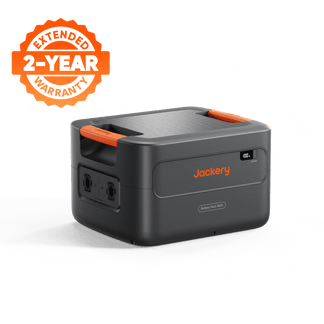
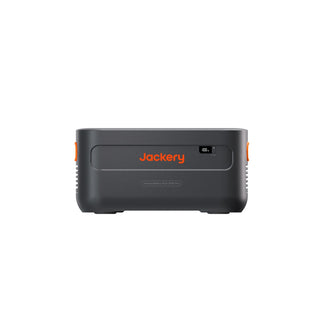
![[Add-on] Jackery Battery Pack 5000 Plus - Jackery](http://www.jackery.com/cdn/shop/files/add-on-jackery-battery-pack-5000-plus-6713401.webp?v=1786503068&width=324)








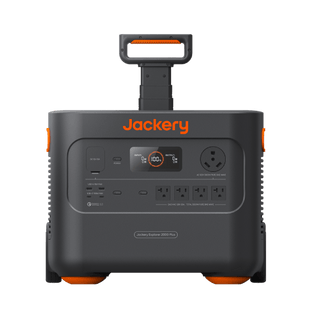
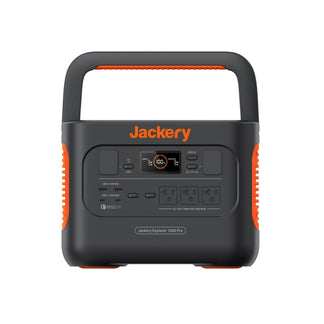
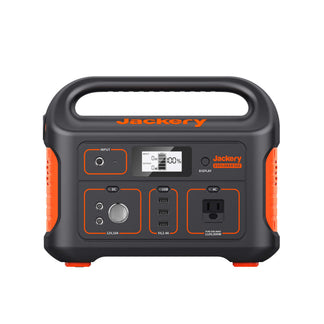
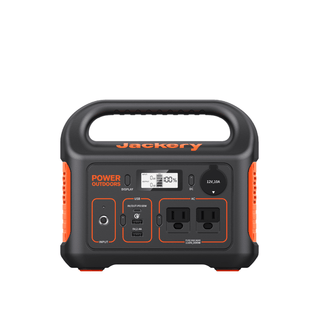


Quick Answer: BMS stands for Battery Management System, an electronic circuit that monitors and protects rechargeable lithium‑ion battery packs. It tracks voltage, temperature, and current for each cell, prevents overcharging and overheating, and balances cells to extend lifespan. Without a BMS, lithium batteries risk thermal runaway, permanent damage, and reduced capacity.
Key Takeaways
- A BMS acts as the safety watchdog inside every lithium‑ion battery pack, preventing overcharge, over‑discharge, and short circuits that could cause fires.
- Modern BMS units estimate State of Charge (SoC) and State of Health (SoH) using algorithms, giving you accurate remaining run time and battery degradation data.
- Cell balancing is the most misunderstood BMS function — without it, weaker cells become overcharged during charging and over‑discharged during discharging, permanently reducing usable capacity.
- The BMS is a last‑line safety net, not a charger — relying on it to stop charging daily can damage the pack and reduce lifespan.
- Choosing a portable power station with a robust BMS improves battery cycle life and safety, especially for essential home backup applications.
What Does a BMS Actually Do? Core Functions Explained
A BMS is not a single chip — it’s a circuit board that constantly watches every cell in a lithium pack and makes split‑second decisions. Its five core functions keep the battery safe and predictable.
- Voltage monitoring tracks each cell individually. If any cell exceeds 4.25 V for standard Li‑ion or 3.65 V for LiFePO₄, the BMS disconnects the pack.
- Current sensing detects overcurrent events like a short circuit. The BMS opens MOSFETs within milliseconds, preventing copper melting or fire.
- Temperature monitoring uses thermistors. If the internal temperature passes 60–65 °C, the BMS shuts down the battery.
- State of Charge (SoC) estimation combines Coulomb counting and voltage lookup to display remaining energy as a percentage. Quality BMS designs achieve ±5 % accuracy.
- State of Health (SoH) tracking measures capacity fade across cycles. It tells you when the battery drops below 80 % of its original capacity — a critical metric for LiFePO₄ chemistry, which typically delivers 3,000–5,000 cycles over 10–15 years. [1]
How Does a BMS Prevent Overcharging and Thermal Runaway?
Overcharging is the #1 path to thermal runaway. The BMS layers multiple defenses.
- Overvoltage protection cuts off charging current instantly when any cell reaches its full charge voltage — 4.2 V for standard Li‑ion, 3.65 V for LiFePO₄. [1]
- Balancing circuits activate during the top of charge. Passive balancing bleeds excess energy from high cells as heat. Active balancing redistributes charge to weaker cells. Both prevent individual cells from overshooting.
- Thermal runaway prevention relies on real‑time temperature monitoring. If a cell heats uncontrollably, the BMS opens the contactor and isolates the pack.
- Redundant safety layers include a secondary protection IC and a physical fuse. If the primary BMS fails, the fuse blows. Certified portable power stations use this architecture.
Why Is Cell Balancing Critical for Battery Longevity?
Without balancing, a battery pack is only as strong as its weakest cell.
Balancing Method |
How It Works |
Efficiency |
Best For |
|---|---|---|---|
Passive balancing |
Dissipates excess voltage from high cells as heat through resistors. |
Low (energy wasted as heat) |
Small packs, slow charging applications |
Active balancing |
Transfers energy from high cells to low cells using capacitors or inductors. |
High (minimal loss) |
Large packs, essential home backup systems that need to be ready quickly |
Without balancing, weaker cells become overcharged during charging and over‑discharged during discharging. This permanently reduces usable capacity. Balancing improves usable capacity by ensuring all cells reach full voltage together, maximizing the pack’s total energy output. LiFePO₄ batteries benefit especially because their flat voltage curve makes imbalance harder to detect without a precise BMS.
BMS Architectures: Centralized, Distributed, and Modular
The physical layout of the BMS matters for scalability, cost, and troubleshooting.
Architecture |
How It Works |
Ideal Use Case |
|---|---|---|
Centralized |
A single PCB handles all sense wires and protection circuits. |
Battery packs ≤16 cells; low cost, compact size. |
Distributed |
A slave module on each cell communicates with a master controller over a CAN bus. |
Large EV packs; high accuracy, minimal wiring. |
Modular |
Pack divided into identical modules, each with its own BMS board. |
Home energy storage; scalable and easy to service. |
Communication protocols like I²C, SMBus, and CAN bus let the BMS share data with chargers, inverters, and user displays. Off‑the‑shelf BMS software often lacks predictive accuracy. Advanced model‑based algorithms can detect anomalies and forecast SoH degradation proactively.
Common BMS Failure Symptoms and How to Prevent Them
A failing BMS doesn’t always announce itself with smoke. Symptoms are often subtle.
Symptom |
Likely Cause |
Prevention |
|---|---|---|
Erratic SoC readings (e.g., jumps from 40 % to 0 %) |
Loose sense wires, failing voltage sensor, or faulty Coulomb counter. |
Secure connections; use a BMS with self‑diagnostic reporting. |
Refusal to charge or random shutdowns |
Blown MOSFET or degraded contactor. |
Avoid sustained high‑current loads that exceed the BMS rating; inspect for corrosion. |
Overheating or swelling of the battery case |
BMS failure to maintain temperature limits. |
Stop using the device immediately; store batteries at 50–60 % charge in a cool environment (60–80 °F). |
Preventive measures:
- Use the correct charger.
- Avoid full discharge below 20% SoC.
- Check for bulging or burnt smells regularly.
For best emergency battery backup power systems, the BMS should be the first thing you verify before relying on the unit during an outage.
Limitations / What to Know Before
- BMS is not a charger. It only disconnects the battery as a safety backup. Relying on the BMS to stop charging every time can damage the pack and reduce lifespan.
- A failed BMS can cause sudden power loss. In portable power stations, this means your essential devices shut off without warning. Critical loads need a system with redundant BMS layers.
- Passive balancing is slow. Large packs may take 8–12 hours to fully balance. A quality BMS with active balancing is preferred for essential home backup systems that need to be ready quickly.
- FET failure risk exists. If the BMS’s internal MOSFETs fail shorted, the battery can overcharge, leading to thermal runaway, toxic smoke, and fire. Look for certifications that require secondary over‑voltage protection.
- Testing BMS limits is smart. In smart BMSs, deliberately move voltage settings closer to limits to confirm cutoffs work, rather than assuming they function out of the box.
Product Recommendation: Essential Home Backup Power Stations
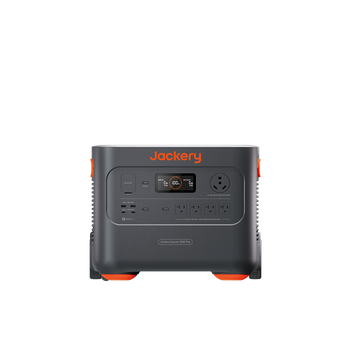
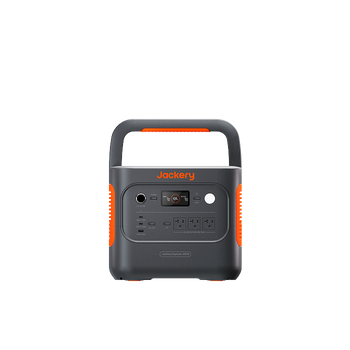
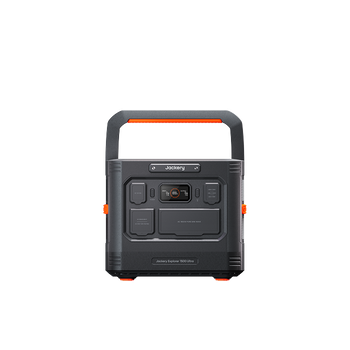
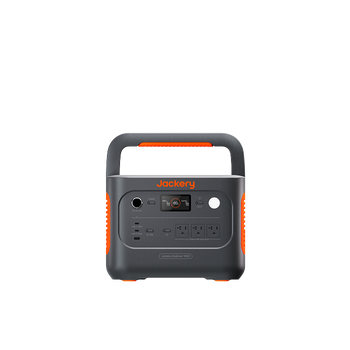
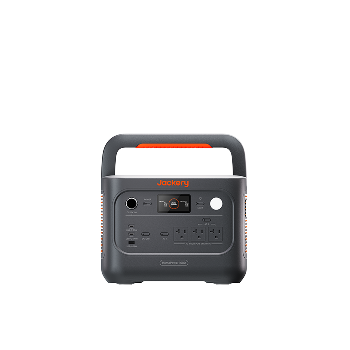
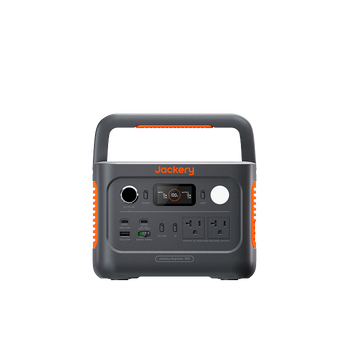
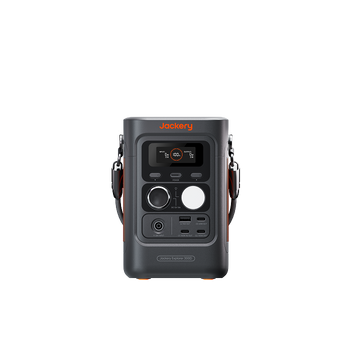
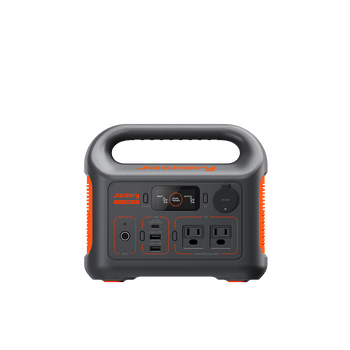
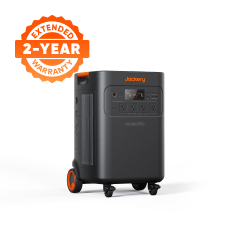
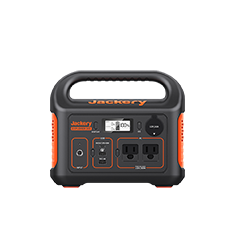
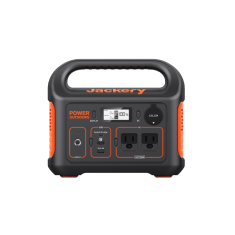
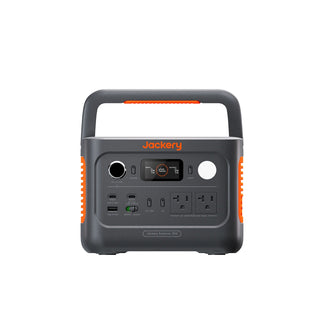
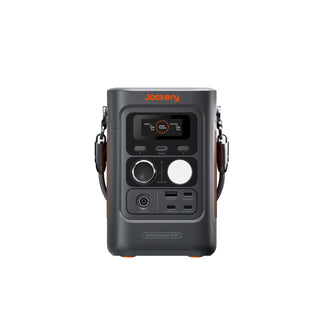
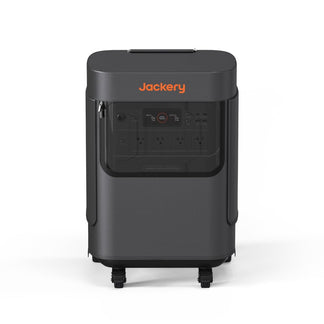
For essential home backup, Jackery power stations integrate robust BMS protection that actively balances cells, monitors temperature, and prevents over‑discharge. Here are three setups that match different appliance loads.
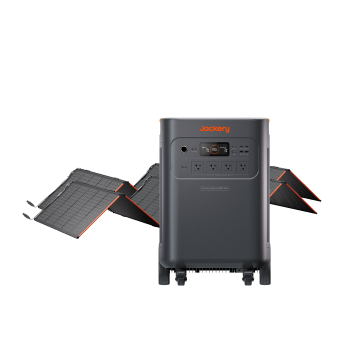
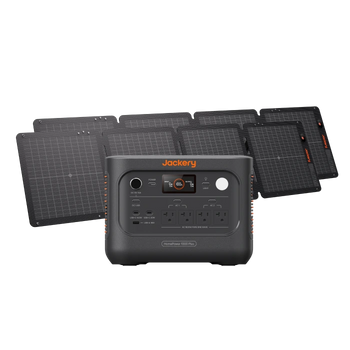
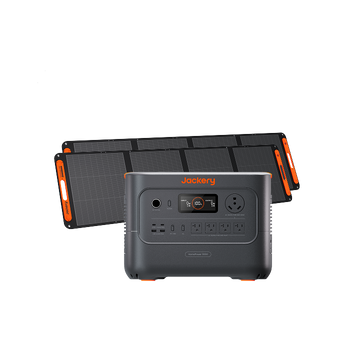
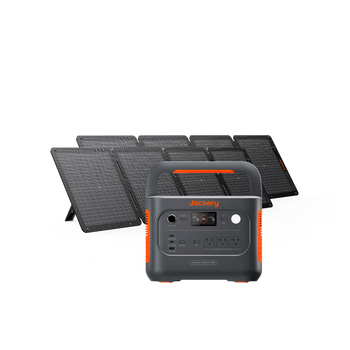
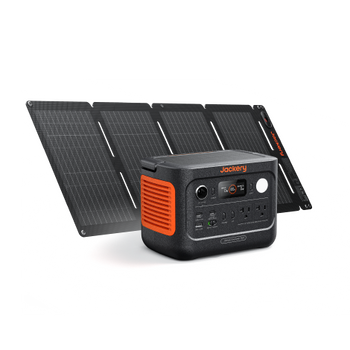
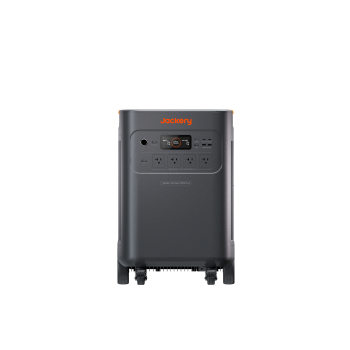
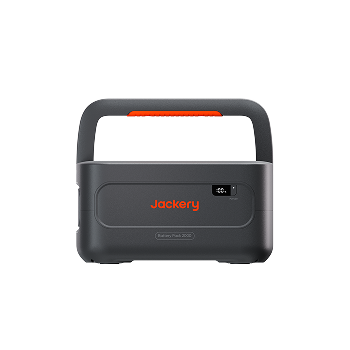
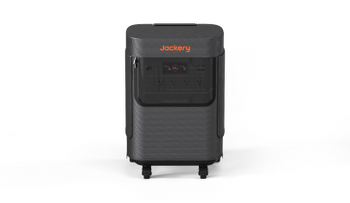
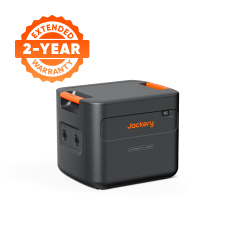
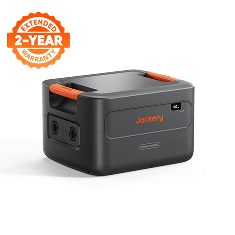
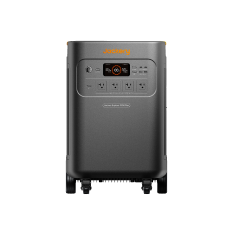
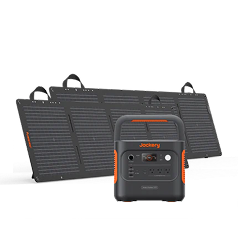
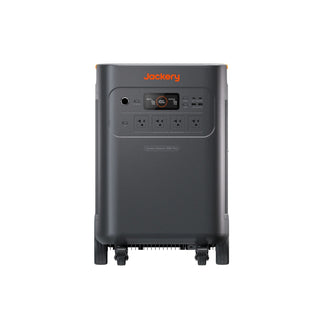
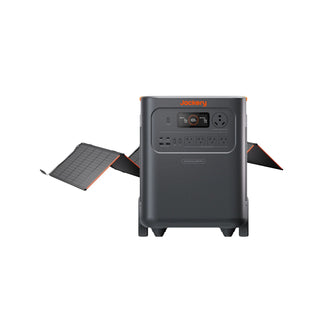
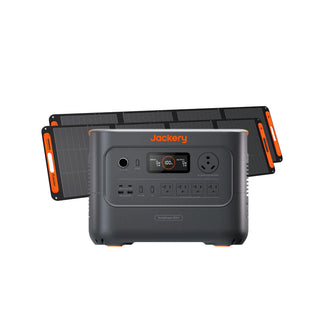
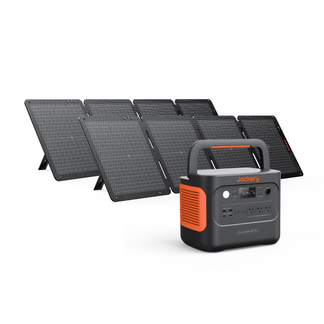
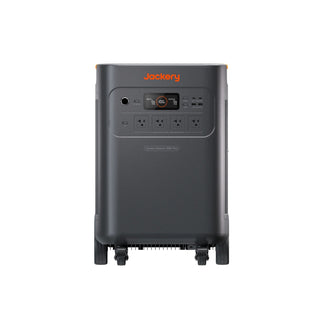
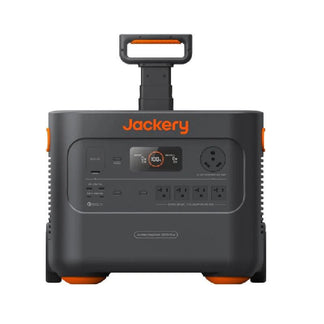
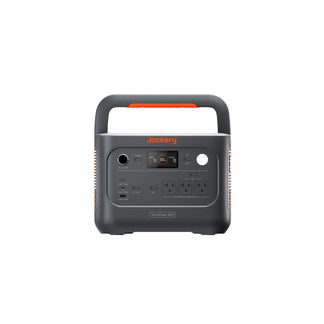
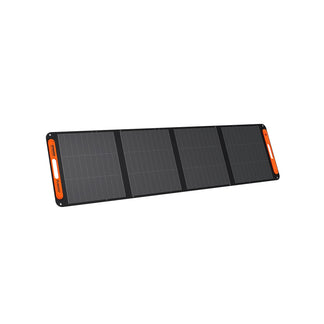
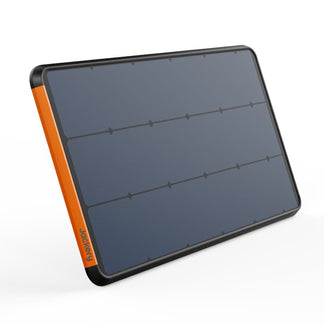
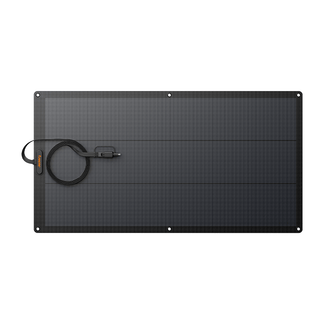
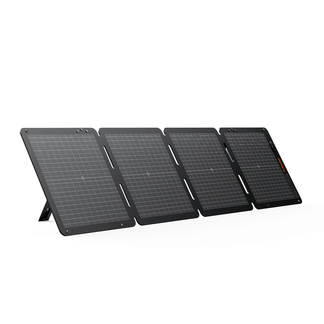
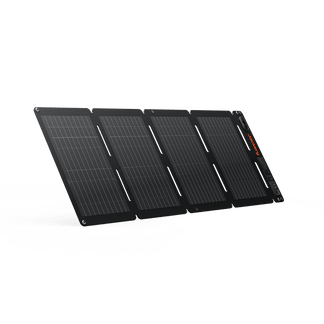
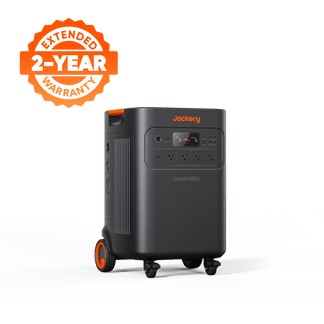
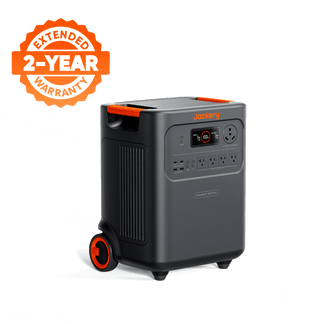
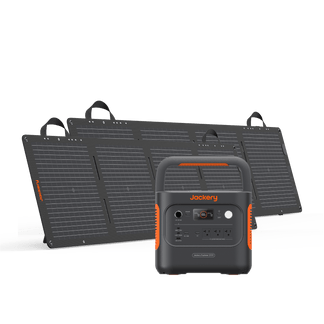
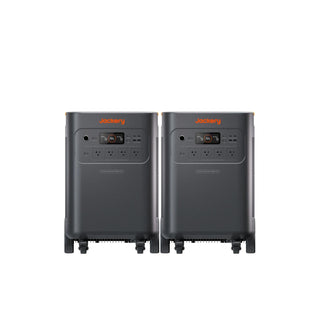
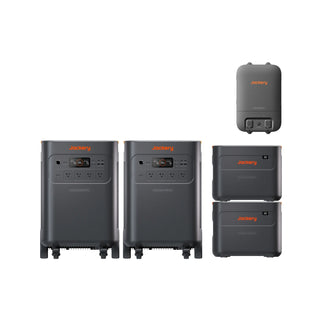
Jackery Solar Generator 5000 Plus + 2× SolarSaga 500X
Feature |
Specification |
Key Benefit |
|---|---|---|
Output & Capacity |
7200 W continuous (14400 W surge), 5040 Wh |
Powers refrigerator, lights, Wi‑Fi, and portable AC for hours. |
BMS |
Per‑cell voltage balancing, overcurrent protection, temperature cutoffs |
Safe operation during sustained high‑load use. |
Scalability |
Up to 60 kWh with expansion packs |
BMS automatically integrates new battery modules. |
How to use the Jackery 5000 Plus for home backup, outdoor, and work covers the real‑world runtime and setup.
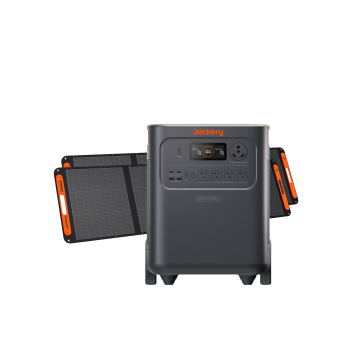
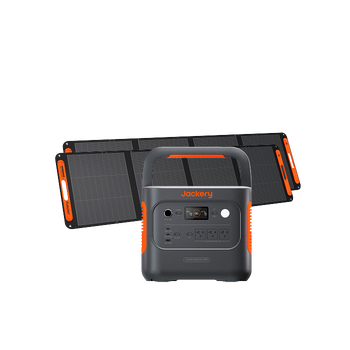
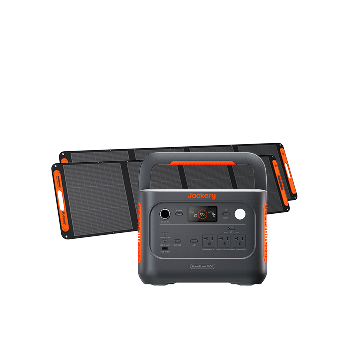
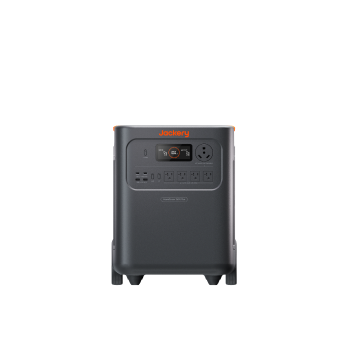
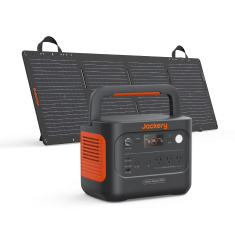
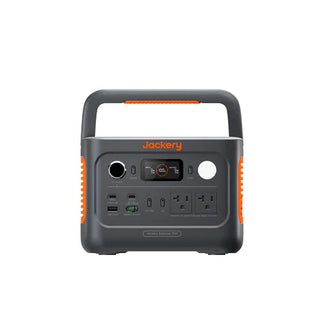
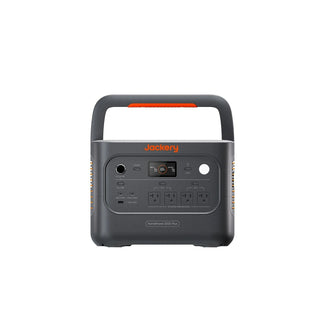
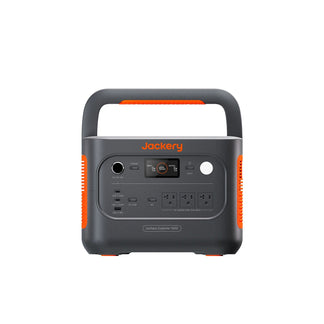
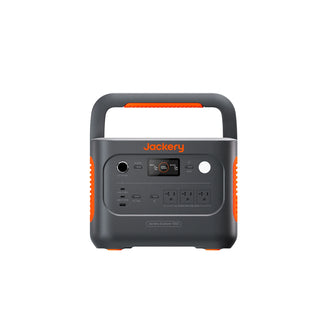
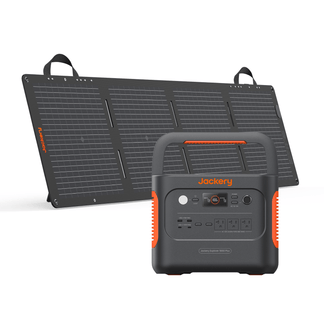
Jackery Solar Generator HomePower 3600 Plus + SolarSaga 500X
Feature |
Specification |
Key Benefit |
|---|---|---|
Output & Capacity |
3600 W continuous (7200 W surge), 3584 Wh |
Runs refrigerator, freezer, sump pump, and home office simultaneously. |
BMS |
6,000+ cycle LiFePO₄ cells with per‑cell balancing and overcharge/over‑discharge protection |
Long‑term reliability for frequent outages. |
Solar Integration |
MPPT controller integrated with BMS |
Prevents overcharge while maximizing charge speed from the 500 W panel. |
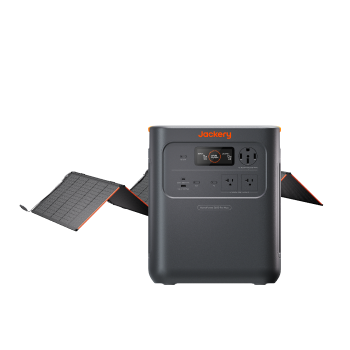
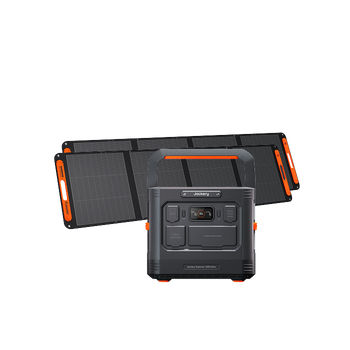
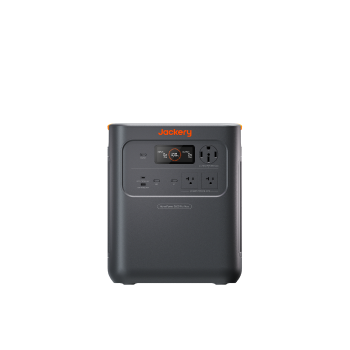
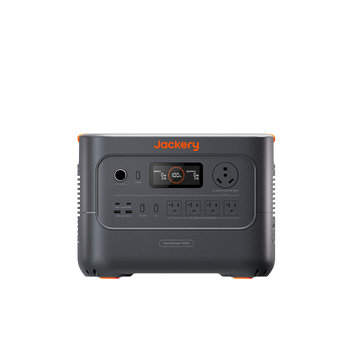
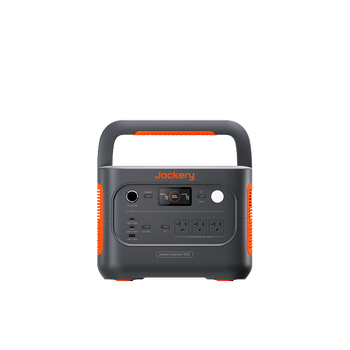
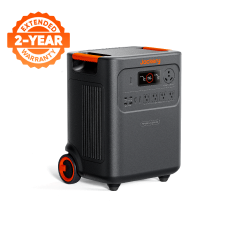
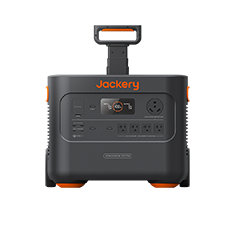
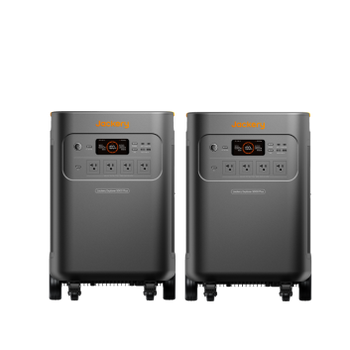
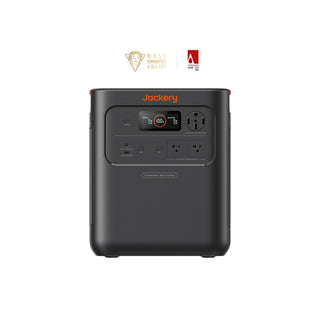
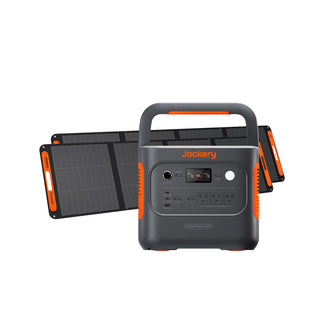
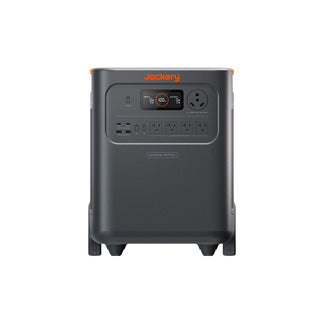
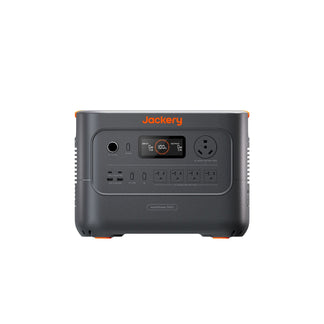
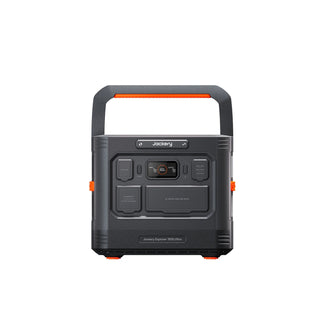
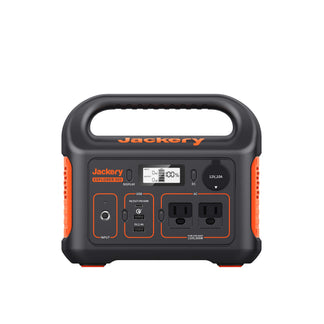
Jackery Explorer 2000 v2
Feature |
Specification |
Key Benefit |
|---|---|---|
Output & Capacity |
2200 W, 2042 Wh |
Powers essential devices like refrigerator, lights, and communication gear for hours during short outages. |
Portability |
39.5 lb, integrated BMS, inverter, battery |
Easy to move between rooms. |
Fast Charging |
BMS‑protected AC charging, 0–100 % in 1.75 h |
Intelligent current limiting prevents cell stress. |
For a broader comparison of battery vs. generator backup, see home backup power system: generator vs. battery.
Frequently Asked Questions
Can a BMS be repaired or replaced?
Yes, but it requires desoldering and matching specifications; most users replace the entire battery pack instead.
Does a BMS affect charging speed?
A BMS can limit current if cells are imbalanced or temperatures exceed safe limits, slowing charging.
How long does a BMS typically last?
A quality BMS lasts 5–10 years, but MOSFETs and capacitors may degrade sooner.
What is the difference between a BMS and a PCM?
A PCM only provides basic protection, while a BMS adds cell balancing, state‑of‑charge estimation, and communication.
How does a BMS communicate with a solar charge controller?
Many BMS units use CAN bus or RS485 to share data, enabling optimized charging.
Sources & References
[1] EnergySage, “Solar Energy Storage,” https://www.energysage.com/solar/solar-energy-storage/, accessed July 2026. (2026 marketplace averages for LiFePO₄ cycle life.)


