










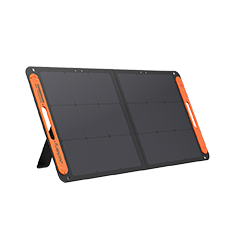


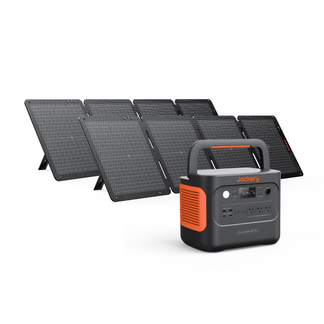

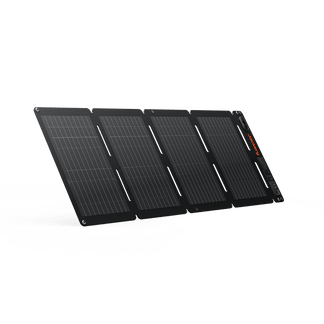
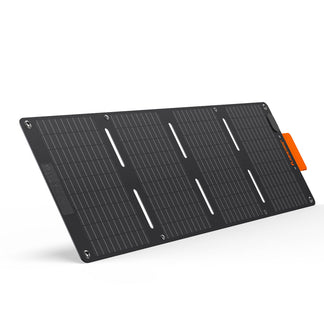
![[Add-on] Jackery SolarSaga 500 X - Jackery](http://www.jackery.com/cdn/shop/files/add-on-jackery-solarsaga-500-x-1493607.webp?v=1786503068&width=324)
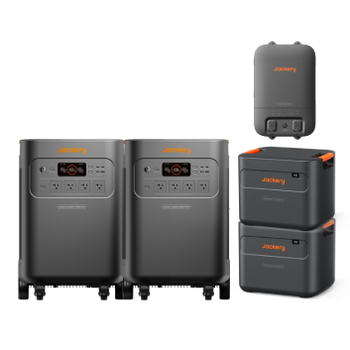
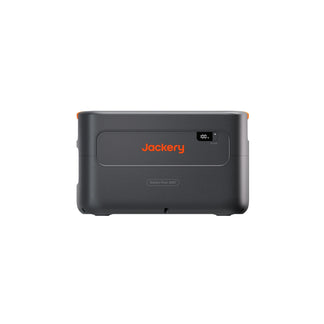
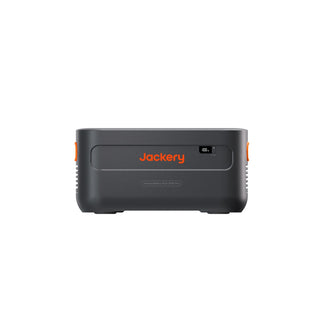
![[Add-on] Jackery Battery Pack 5000 Plus - Jackery](http://www.jackery.com/cdn/shop/files/add-on-jackery-battery-pack-5000-plus-6713401.webp?v=1786503068&width=324)










Quick Answer: mAh (milliampere‑hour) measures electric charge — how many milliamps a battery can deliver for one hour before depletion. But mAh ignores voltage, so a 5,000 mAh phone battery (3.7V) stores only 18.5 Wh, while a 5,000 mAh power‑tool battery (18V) stores 90 Wh. Always convert to watt‑hours (Wh = mAh × V ÷ 1,000) for meaningful energy comparisons across different devices and chemistries.
Key Takeaways:
- mAh is charge capacity, not energy — two batteries with the same mAh rating can contain wildly different total stored energy if their voltages differ.
- Watt‑hours (Wh) are the universal metric — convert using Wh = (mAh × V) / 1,000 to fairly compare phones, laptops, power stations, and even e‑bikes.
- A 10,000 mAh USB power bank often delivers only 6,000‑7,000 mAh to your phone because of voltage‑conversion losses, so real‑world capacity is 30‑40% lower than the label.
- LiFePO₄ cells in portable power stations trade slightly lower energy density for 3,000‑5,000 charge cycles versus the 300‑500 cycles of a typical smartphone battery.
What Does mAh Actually Measure and Why Is It Confusing?
mAh is a unit of electric charge, exactly 3.6 coulombs per milliampere‑hour. The formula is dead simple: mAh = current (mA) × time (hours). A 3,000 mAh battery can supply 3,000 mA for one hour, or 1,500 mA for two hours. But that’s only half the picture — the missing piece is voltage, and that’s where the confusion starts.
Different battery chemistries operate at different nominal voltages:
- Alkaline AA: 1.5V
- NiMH rechargeable: ~1.2V
- Lithium-ion: 3.6–3.7V
Compare them by mAh alone and you get nonsense. For example, two 2,500 mAh batteries of different chemistries:
Battery Type |
mAh |
Voltage |
Energy (Wh) |
|---|---|---|---|
Alkaline AA |
2,500 |
1.5V |
3.75 Wh |
18650 Li-ion |
2,500 |
3.7V |
9.25 Wh |
The lithium‑ion cell stores nearly 2.5 times more real energy. Yet packaging often highlights only mAh, which leads consumers to overestimate capacity, especially in multi‑cell packs where the total voltage is higher.
Manufacturers use mAh as a shorthand “size” metric because it feels intuitive, but it’s an incomplete yardstick. Tech reviewers sometimes reinforce the mistake by comparing smartphone batteries by mAh without noting voltage, even though nearly all phones use a single 3.7V cell. The moment you step outside that narrow window — to laptops, power tools, or portable power stations — mAh comparisons become meaningless.
Why Do Phones Use mAh but Laptops Use Wh?
Smartphones almost universally rely on a single‑cell lithium‑ion battery with a nominal 3.6–3.7V, so mAh comparisons are consistent within that closed ecosystem. A 4,500 mAh phone battery really does hold about 50% more energy than a 3,000 mAh one — because the voltage is identical. That’s the only reason the mAh shorthand survives there.
Laptops are different. They use multi‑cell packs wired in series to reach higher voltages (11.1V for 3S, 14.8V for 4S). Compare the same 5,000 mAh at different voltages:
Voltage |
mAh |
Energy (Wh) |
|---|---|---|
11.1V (3S laptop) |
5,000 |
55.5 Wh |
3.7V (single cell) |
5,000 |
18.5 Wh |
The mAh figure alone is useless for comparing laptops, so manufacturers switched to watt‑hours. The FAA’s 100 Wh carry‑on limit is another forcing function — that cap equals about 27,000 mAh at 3.7V, which is why many power banks max out near that mAh number.
Portable power stations and solar generators take this a step further. They output AC, 12V DC, and 5V USB simultaneously, so quoting capacity in mAh would be absurd. Instead, you’ll see ratings like 1,070 Wh or 2,048 Wh — watt‑hours are voltage‑agnostic and the only honest way to compare across chemistries and pack configurations.
Is Higher mAh Always Better? (No — Here’s Why)
Not necessarily. Voltage is the silent multiplier that determines true energy. Compare these two batteries:
mAh |
Voltage |
Energy (Wh) |
|---|---|---|
3,500 |
3.0V |
10.5 Wh |
3,000 |
3.7V |
11.1 Wh |
The higher mAh battery actually stores less energy. Without knowing voltage, you can’t compare.
Device power draw is the other half of the runtime equation. A gaming phone with a 4,000 mAh battery drains faster than a budget phone with 3,000 mAh because its processor pulls more current. Runtime depends on watt‑hours consumed, not just stored mAh.
Chemistry matters too. LiFePO₄ (lithium iron phosphate) cells used in many portable power stations have a lower nominal voltage and slightly lower energy density than standard Li‑ion, but dramatically longer cycle life:
Chemistry |
Nominal Voltage |
Typical Cycle Life |
Example |
|---|---|---|---|
LiFePO₄ |
3.2V |
3,000–5,000 cycles |
A 1,500 mAh cell may outlast |
Standard Li-ion |
3.6–3.7V |
300–500 cycles |
A 3,000 mAh cell, shorter lifespan |
So a device with “only” 1,500 mAh LiFePO₄ cells might outlive a 3,000 mAh Li‑ion pack by a decade.
In multi‑cell packs, total energy in Wh stays constant even as mAh ratings shift. Reconfigure the same cells differently:
Configuration |
Voltage |
mAh |
Energy (Wh) |
|---|---|---|---|
3S2P |
11.1V |
4,000 mAh |
44.4 Wh |
2S3P |
7.4V |
6,000 mAh |
44.4 Wh |
The mAh number moved, but the energy didn’t — exactly why you should always convert to Wh.
Higher mAh also means more weight. A 50,000 mAh power bank can tip the scales over one kilogram, making it impractical for daily carry. For most people, a 10,000‑20,000 mAh unit at 3.7V strikes the right balance between capacity and portability.
How Does Voltage Affect Real‑World Battery Performance?
Voltage directly determines a battery’s real energy (Wh), and voltage sag under heavy load can strand up to 15% of rated mAh. Whenever you compare batteries, find the voltage and run the Wh conversion — that’s the only true energy metric.
Voltage sag under heavy load steals usable capacity. Cheaper cells dip below a device’s cut‑off voltage earlier, leaving some of the rated mAh stranded. A power tool drawing 20A might trigger low‑voltage shutdown when a premium cell still has 15% capacity left, even though both show the same mAh on paper.
USB power banks add a hidden loss: they boost the internal 3.7V cell voltage to 5V, burning 20–30% of the energy as heat. A 10,000 mAh bank typically delivers 6,000–7,000 mAh to a phone at 5V — that’s the real number to plan around. If the bank supports fast charging at 9V or 12V, the conversion efficiency changes again, so measured capacity varies.
- High discharge rates: Increase internal resistance and shrink usable capacity; drawing current beyond the battery’s C‑rate — common in drones and power tools — can knock 10–15% off the effective mAh.
- Cold temperatures: Below 0°C temporarily reduce effective capacity by 20–50%.
- Sustained heat: Above 40°C accelerates permanent capacity loss by degrading the electrolyte.
How to Choose the Right Battery Capacity for Your Devices
Don’t shop by mAh alone. Match capacity to your device’s watt‑hours, then convert to a familiar mAh number only if it’s useful.
Smartphones: 4,000–5,500 mAh at 3.7V is standard. A 5,000 mAh battery (18.5 Wh) usually lasts a full day for moderate users; heavy users might look for 6,000 mAh. At this fixed voltage, mAh works.
Tablets: 7,000–11,000 mAh at 3.7V (26–41 Wh). Laptops are better compared in Wh — mAh alone is misleading:
mAh |
Voltage |
Energy (Wh) |
|---|---|---|
5,000 |
11.1V |
55.5 Wh |
10,000 |
7.4V |
74 Wh |
Without the voltage, you can’t tell which is larger.
Power banks: A portable battery backup of 10,000 mAh (at 3.7V) delivers about 1.5–2 full phone charges after conversion losses. 20,000 mAh covers travel with 3–4 charges. Stay under 27,000 mAh (≈100 Wh) for airline compliance. Check the power bank’s Wh rating on the label — that’s the legal limit, not mAh.
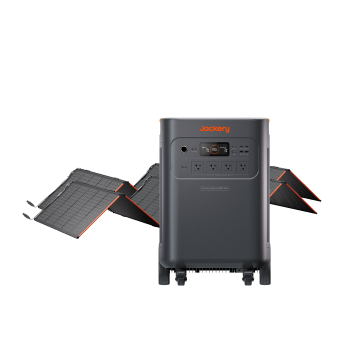
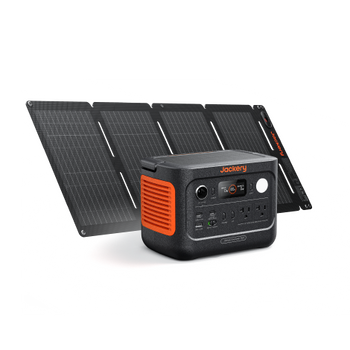
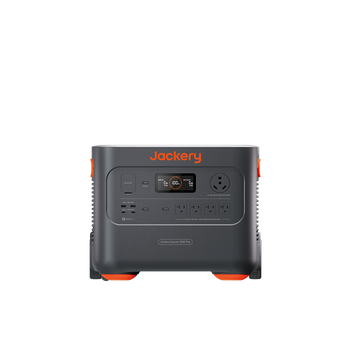
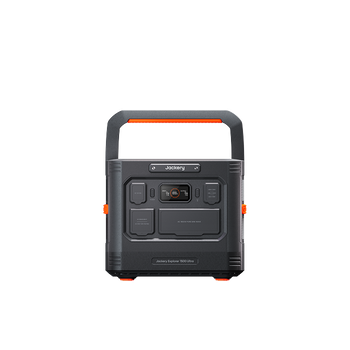
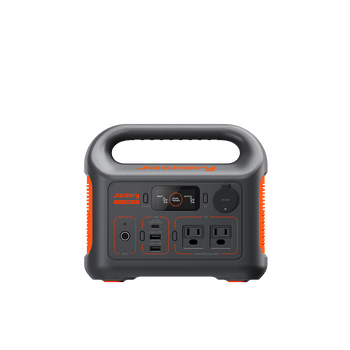
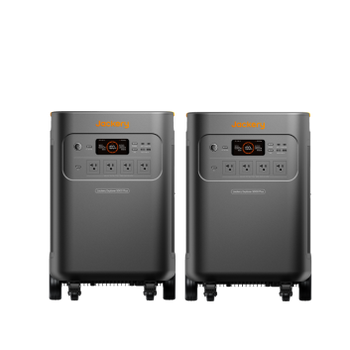
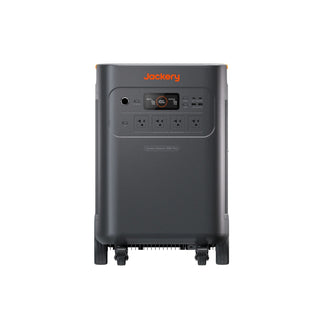
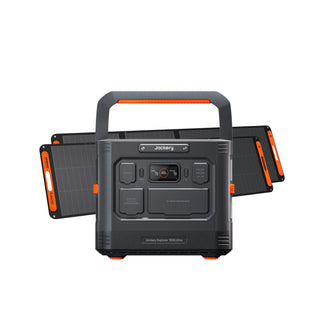
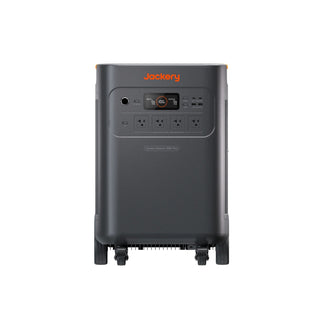
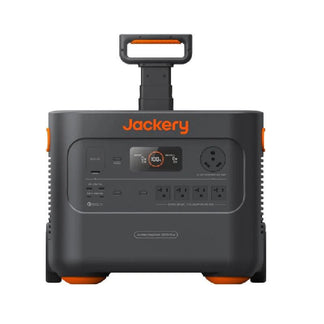
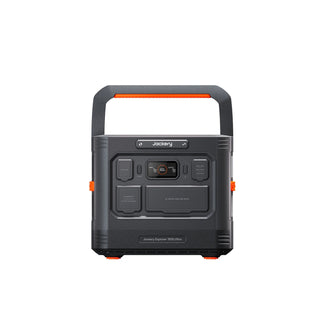
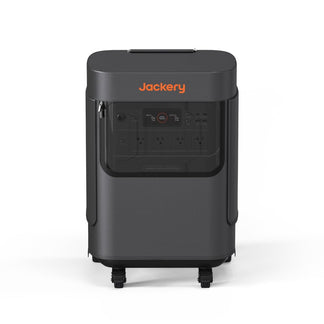
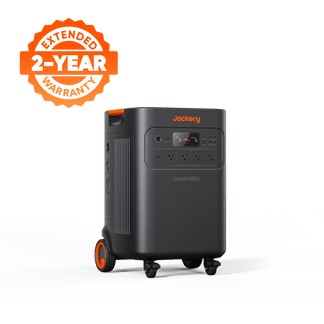
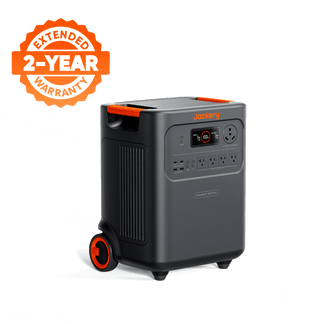
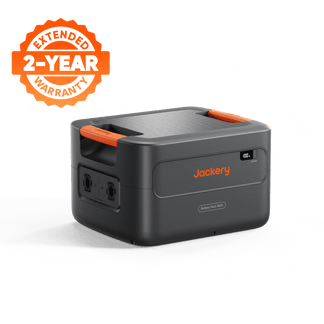
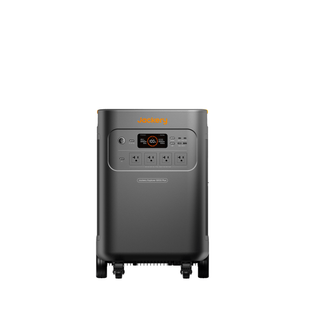
Portable power stations: These units use Wh exclusively. A 300‑1,000 Wh station can back up a outlet-based battery backup for a fridge, lights, and Wi‑Fi during short outages. Larger systems like the Jackery Explorer 5000 Plus scale to home power, outdoor, and work applications, but for most households a 1,000‑2,000 Wh unit covers essential circuits.
The golden rule: Always convert to Wh — Wh = (mAh × V) / 1,000 — before comparing anything.
Limitations / What to Know Before
Assuming mAh alone tells you total energy is the most common battery mistake. Without voltage, mAh is a charge count, not an energy rating.
Higher mAh doesn’t guarantee longer runtime. An inefficient device or high idle drain can make a large battery add weight with marginal gain. A tablet with 10,000 mAh may last 12 hours while a laptop with the same mAh (but double the voltage) lasts 6 hours under load — because watt‑hours tell the real story.
Power bank mAh ratings quote internal cell capacity, not delivered charge. After voltage conversion, the real usable mAh to your device is typically 60–75% of the label. A 10,000 mAh bank at 3.7V yields about 6,000–7,000 mAh at 5V.
Lithium‑ion batteries lose 10–20% of original capacity after 2–3 years of regular cycling, reducing real‑world runtime. This fade accelerates at high temperatures and when the battery is stored fully charged.
Charging speed is independent of mAh. A 10,000 mAh power bank might charge at 20W or 100W; the mAh rating only determines how many device refills you get, not how fast the bank itself recharges.
Product Recommendation: Jackery Portable Power Stations
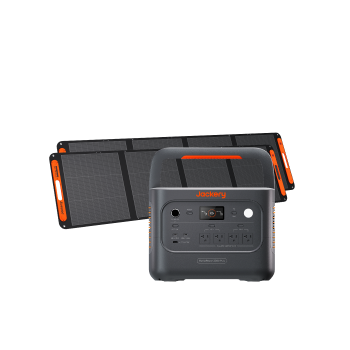
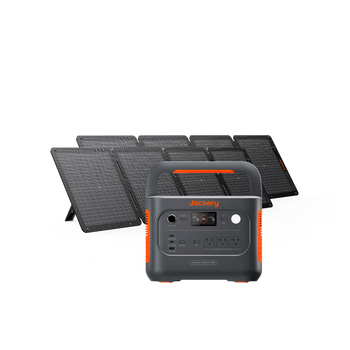
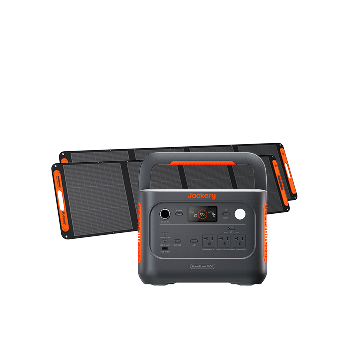
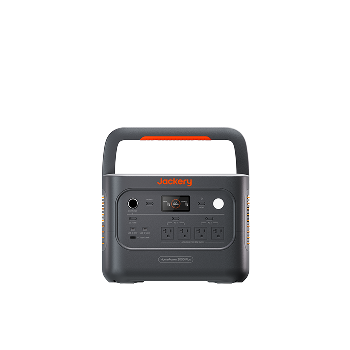
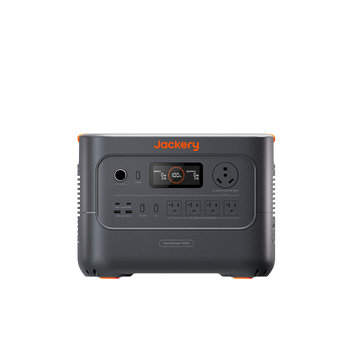
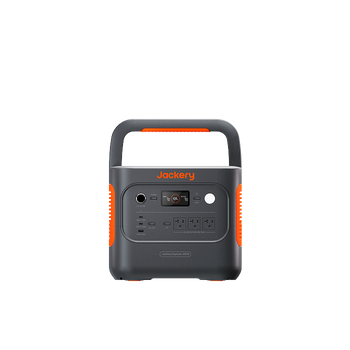
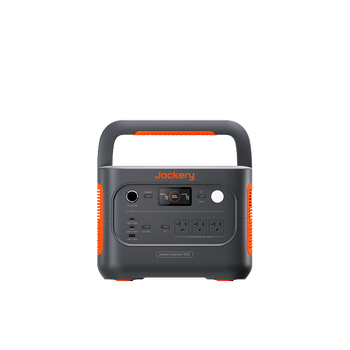
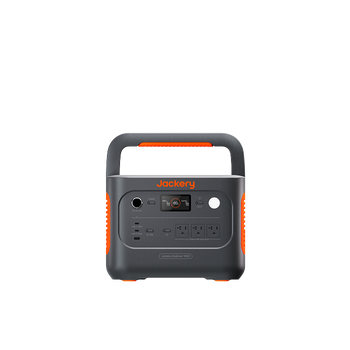
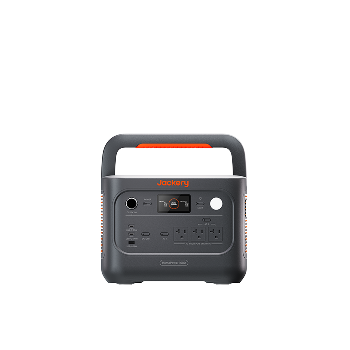
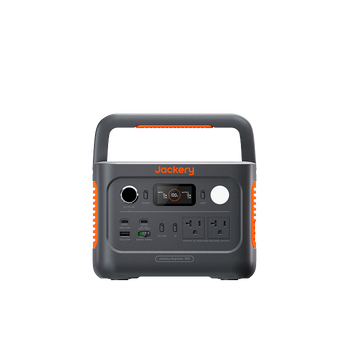
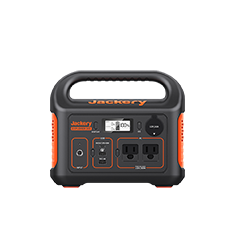
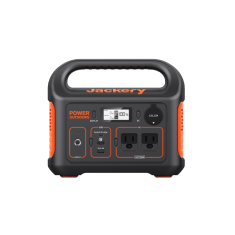
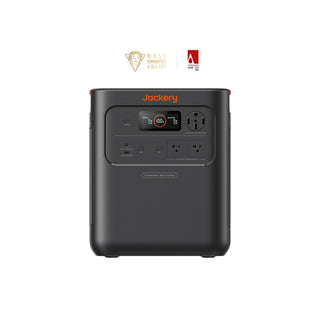
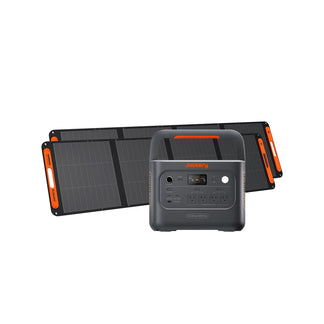
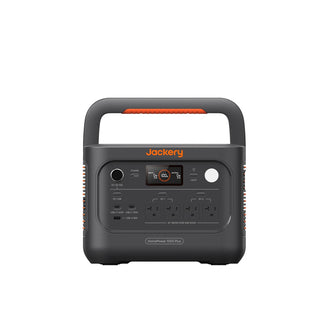
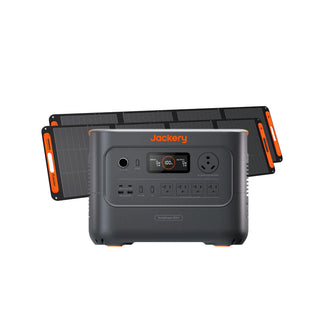
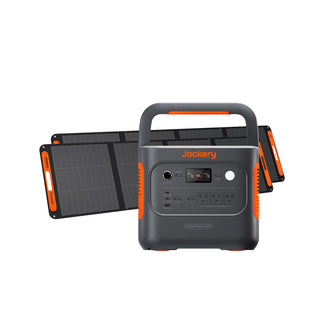
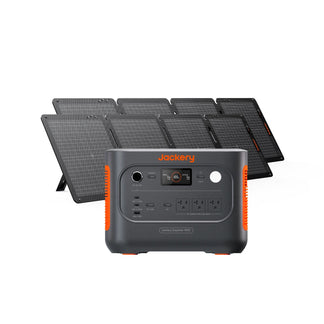
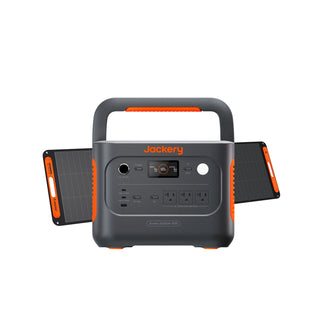
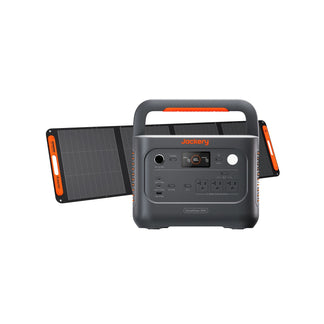
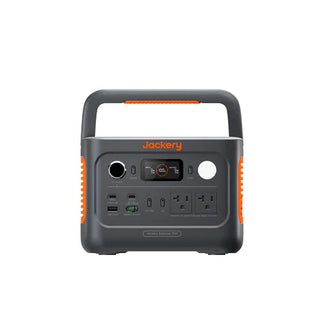
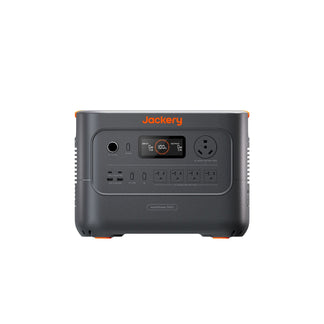
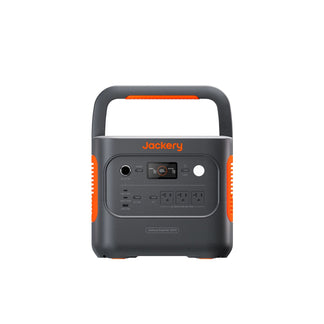
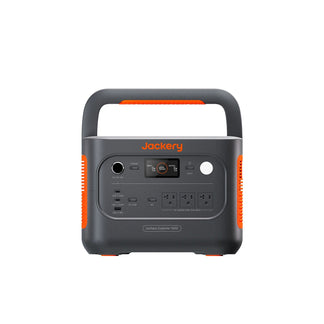
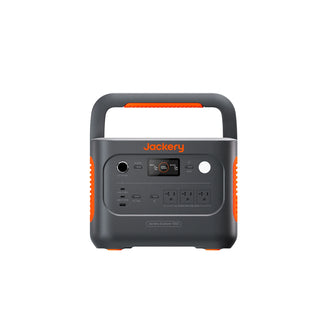
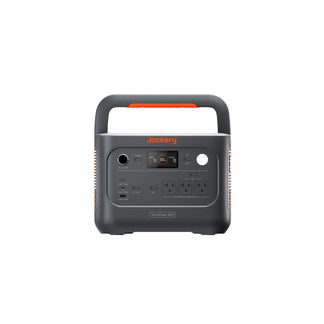
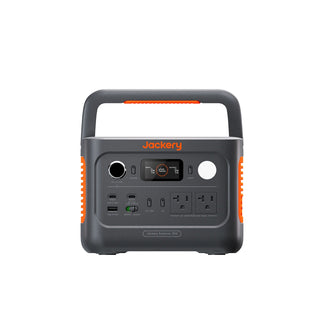
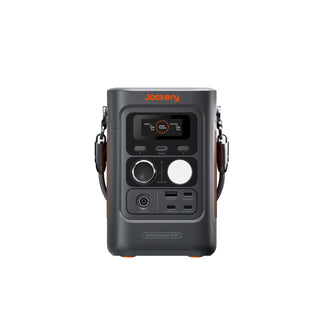
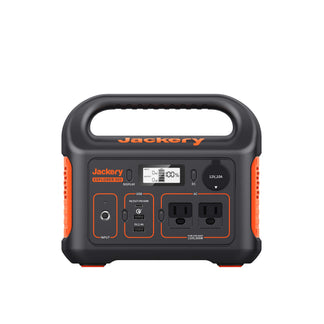
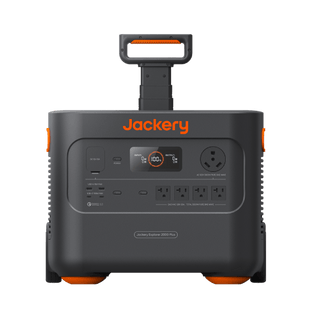
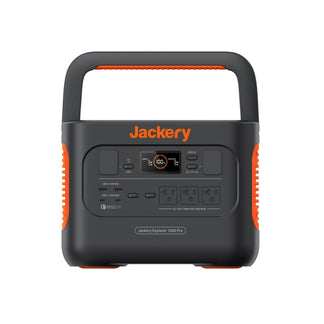
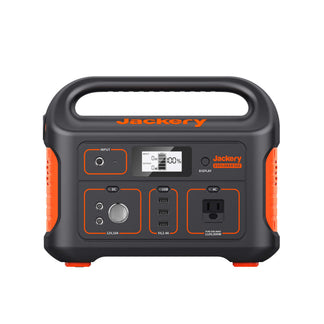
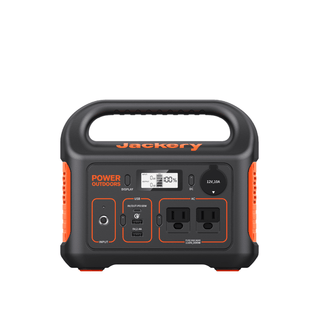
When mAh comparisons fall apart across devices, watt‑hours bring clarity. Jackery’s portable power stations use watt‑hour ratings to give you honest, voltage‑agnostic capacity for essential home backup, camping, and off‑grid work. What a Jackery is used for spans from keeping a router alive to powering a portable fridge — and every model states its capacity in Wh so you know exactly what you’re getting.
Model |
Capacity (Wh) |
Equivalent mAh at 3.7V |
Key Feature |
Best Use |
|---|---|---|---|---|
Jackery Explorer 600 v2 |
640 Wh |
≈173,000 mAh |
LiFePO₄ 6,000+ cycles, low standby drain |
Weekend RV, emergency prep, portable fridge |
Jackery Explorer 1000 v2 |
1,070 Wh |
≈290,000 mAh |
1,500W continuous, 400W solar input |
Extended home backup, rolling blackouts, work‑from‑anywhere |
Both models deliver clean AC power and multiple USB ports, but the real story is the watt‑hour number — it tells you exactly how many hours you can run a 60W load (299 Wh ÷ 60 W = 5 hours, for instance). No voltage guesswork, no mAh confusion.
Frequently Asked Questions (FAQ)
How do I calculate actual usable mAh from a power bank?
Divide the rated mAh by 1.3 to 1.4 to account for the 20–30% energy lost during voltage conversion from 3.7V to 5V.
Does higher mAh mean slower charging?
No, charging speed depends on the charger’s wattage and the device’s charge controller, not the battery’s mAh rating.
How can I check my battery’s real remaining capacity?
Use a USB power meter in‑line with the charger to measure actual mAh delivered, or run a battery health app on phones and laptops.
What is the maximum mAh power bank allowed on a plane?
A 100 Wh rating equals roughly 27,000 mAh at 3.7V, which is the FAA’s carry‑on limit without airline approval. [1]
What does 2S3P mean in battery pack specifications?
It means two cells in series (doubling voltage) and three sets in parallel (tripling mAh), keeping total watt‑hours the same as a 3S2P configuration with equivalent total cells.
Sources & References
[1] Federal Aviation Administration, "Dangerous Goods — Lithium Batteries in Passenger Airplanes," https://www.faa.gov/hazmat/packsafe/batteries, accessed June 2026.


