






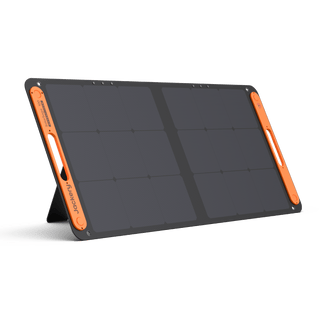
![[Add-on] Jackery SolarSaga 500 X - Jackery](http://www.jackery.com/cdn/shop/files/add-on-jackery-solarsaga-500-x-1493607.webp?v=1786503068&width=324)
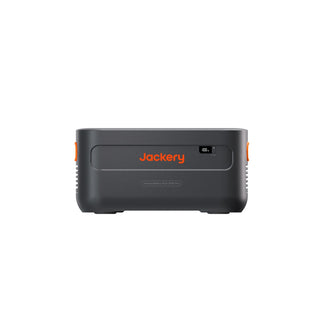
![[Add-on] Jackery Battery Pack 5000 Plus - Jackery](http://www.jackery.com/cdn/shop/files/add-on-jackery-battery-pack-5000-plus-6713401.webp?v=1786503068&width=324)






Choosing the wrong wire for a 50A circuit is a serious safety risk and a significant financial gamble. An undersized wire can lead to dangerous overheating and become a legitimate fire hazard.
This guide provides clear, practical guidance on sizing your 50A wiring correctly for permanent installations. Understanding the fundamentals of wire gauge, ampacity, and electrical code is the first step toward a safe and reliable power system for your RV, workshop, or electric vehicle.
50A Circuit Fundamentals: Wire Gauge, Ampacity, and the NEC
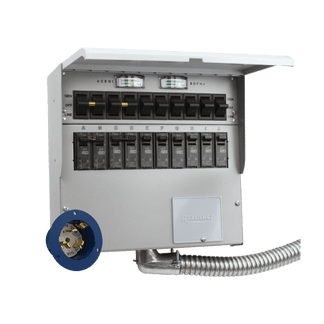
A 50A circuit is a dedicated electrical circuit protected by a 50-amp breaker in your electrical panel. These circuits are designed to power high-draw appliances and equipment, such as electric ranges, large RVs, EV chargers, and workshop subpanels. The entire system, from the breaker to the outlet, must be rated to handle this substantial electrical load.
What Are AWG and Ampacity?
The thickness of an electrical wire is measured by the American Wire Gauge (AWG) system. A lower AWG number signifies a thicker wire, which has less internal resistance and can carry more electrical current safely. This carrying capacity is known as ampacity.
Ampacity is the maximum current a conductor can handle continuously without exceeding its temperature rating. This crucial value is determined by the wire's gauge (size), its material (copper or aluminum), and the ambient temperature it will operate in.
What Is the NEC "80% Rule"?
The National Electrical Code (NEC) includes a critical safety standard often called the "80% Rule." It mandates that for continuous loads—those running for three hours or more—a circuit should only be loaded to 80% of its maximum rating. This buffer prevents overheating and ensures long-term safety.
For a 50A circuit, this means the maximum continuous load should not exceed 40 amps (50A x 80% = 40A). To safely handle this, the wire itself must have an ampacity rating of at least 125% of the continuous load, which brings you right back to 50 amps (40A x 125% = 50A). This is why a wire rated for a full 50 amps is the absolute minimum requirement.
Key Factors That Determine Your Wire Size
Selecting the correct wire gauge goes beyond just matching the breaker size. You must account for the total distance of the wire run, the conductor material, and the environment where the wire will be installed.
How Do Distance and Voltage Drop Affect Wire Size?
As electricity travels along a wire, it encounters resistance, causing a slight decrease in voltage. This is known as voltage drop. Over long distances, this drop can become significant enough to starve appliances of the power they need, leading to poor performance, overheating, and a shortened lifespan.
For branch circuits, the goal is to maintain a voltage drop of 3% or less. For wiring runs that extend over 100 feet, you will almost certainly need to upsize your wire to a thicker gauge to compensate. For example, a short run might use 6 AWG wire, but a longer run may require 4 AWG to keep voltage drop within the acceptable 3% limit.
To ensure precision, use a dedicated calculator to determine the exact impact of distance on your setup. You can find detailed instructions in our guide on how to calculate voltage drop.
How Do Conductor Materials Compare?
The material of the wire is a primary factor in determining its size and performance.
|
Feature |
Copper |
Aluminum |
|---|---|---|
|
Conductivity |
Higher |
Lower |
|
Required Size |
Smaller gauge needed |
Larger gauge needed |
|
Cost |
More expensive |
Less expensive |
|
Common 50A Size |
6 AWG (for short runs) |
4 AWG (for short runs) |
|
Installation |
Standard, more forgiving |
Requires special antioxidant compound and connectors |
Copper is the preferred choice for most electricians due to its superior conductivity and durability. For a standard, short-run 50A circuit, 6 AWG copper wire is the industry standard.
Aluminum is a less expensive alternative but is also less conductive. To achieve the same ampacity as copper, you must use a larger aluminum wire—typically 4 AWG aluminum is used where 6 AWG copper would suffice. Aluminum wiring also requires special installation techniques to prevent oxidation and ensure secure connections.
How Do Insulation and Environment Impact Wire Choice?
Heat is the enemy of ampacity. A wire's ability to carry current safely is reduced when it's installed in a hot environment, such as an attic, or bundled with other current-carrying wires inside a conduit. In these cases, the wire's ampacity must be "derated" according to NEC tables to prevent overheating.
The wire's insulation type also dictates its proper use. Common types include:
- THHN/THWN: Thermoplastic High Heat-resistant Nylon-coated wire is the standard for use inside conduit in dry or damp locations.
- UF-B: Underground Feeder cable is rated for direct burial in the ground without conduit, making it suitable for outdoor runs to a detached garage or RV pad.
Sizing Your Wire: Common Scenarios
So, what gauge wire for 50 amp service is right for you? The answer depends on your specific application.
Scenario 1: Short Run (Under 50 ft) for an RV Outlet or EV Charger
For installing a NEMA 14-50 outlet close to the main electrical panel, 6 AWG copper wire is the typical professional choice. This gauge provides the necessary ampacity for a 50A breaker and keeps voltage drop negligible over short distances.
A critical warning: never use 8 AWG wire for a circuit protected by a 50A breaker. While some 8 AWG wire types have a 50A ampacity rating under specific conditions, they are not code-compliant for protecting a general-purpose 50A circuit and create a significant fire risk.
Scenario 2: Medium Run (50-150 ft) for a Workshop Subpanel
When powering a subpanel in a detached workshop or garage over a medium distance, you must account for voltage drop. To combat increased resistance, upsizing the wire is necessary. In this scenario, 4 AWG copper or 2 AWG aluminum is a common and robust choice.
Installing a subpanel in a detached structure is a complex task. It involves specific requirements for grounding and bonding to ensure safety, making professional oversight essential.
Scenario 3: Long Run (150+ ft)
For very long runs, such as powering a well pump or an outbuilding far from the house, precise voltage drop calculations are mandatory. These installations often use larger aluminum conductors like 2 AWG or 1/0 AWG to balance performance and cost.
Given the complexities and safety implications, any 50A wiring project of this scale should always be designed and performed by a licensed electrician.
The Alternative: High-Capacity Portable Power Stations
For many applications, like home backup, off-grid workshops, or reliable RV power, installing a permanent 50A circuit can be complex and expensive. A high-capacity solar generator can bypass the need for trenching, conduit, and complex wiring entirely.
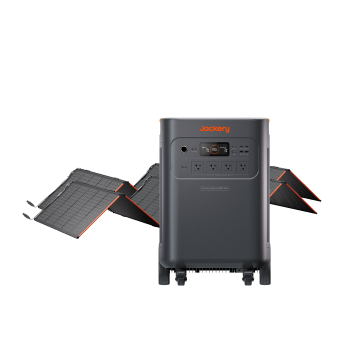
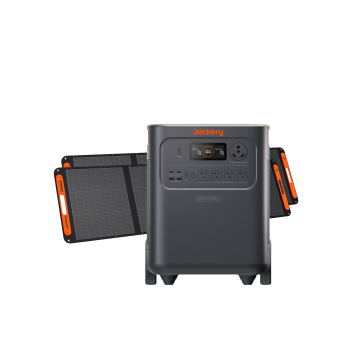
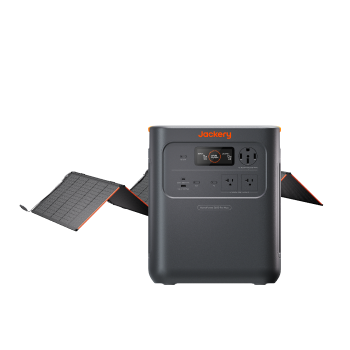
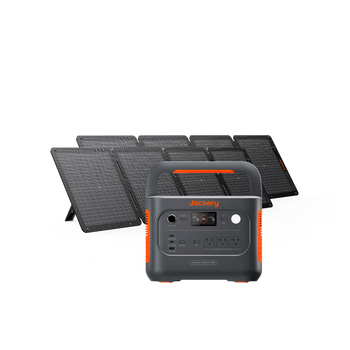
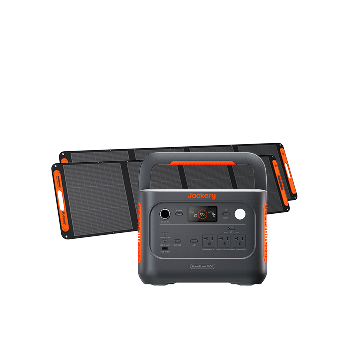
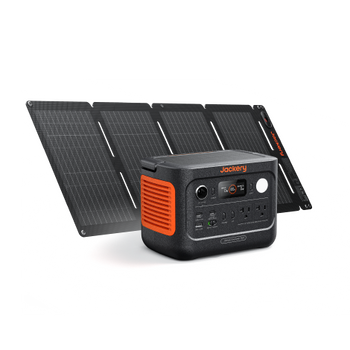
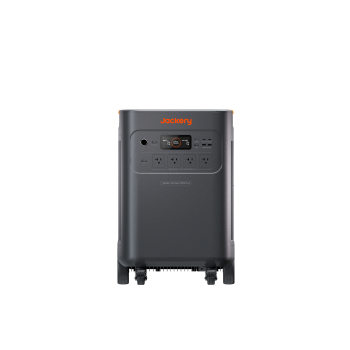
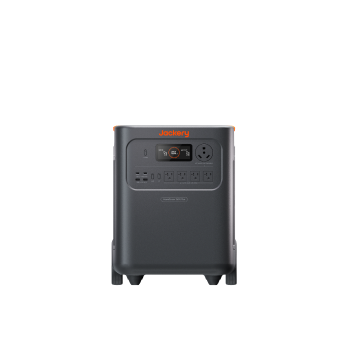
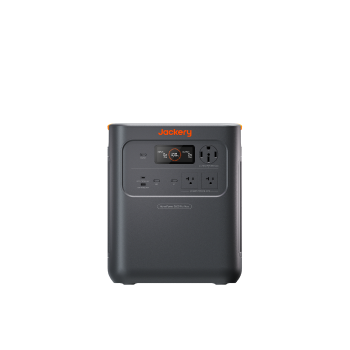
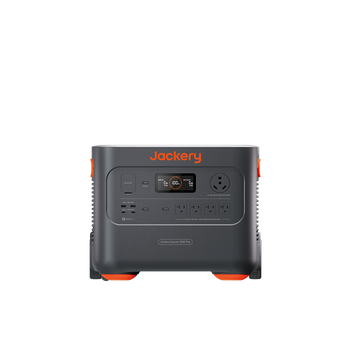
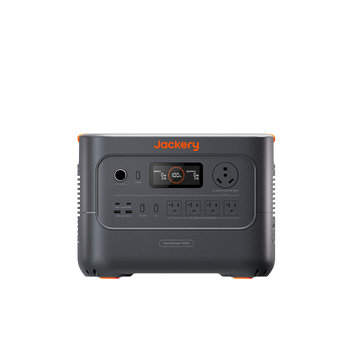
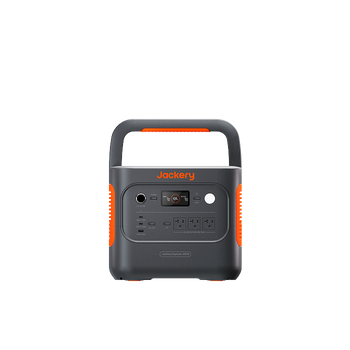
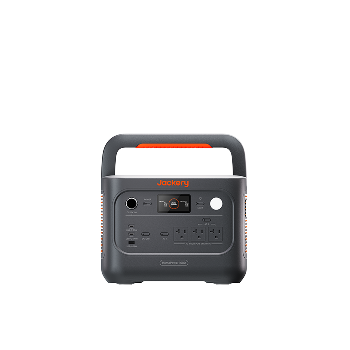
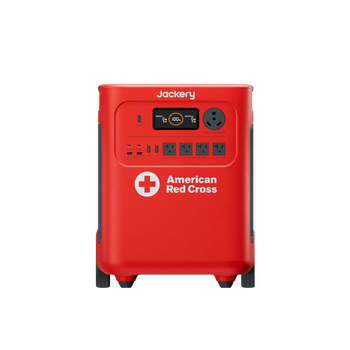
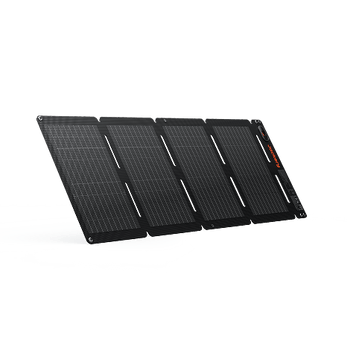
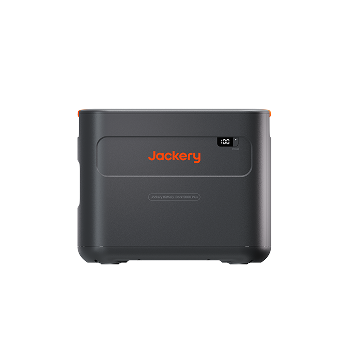
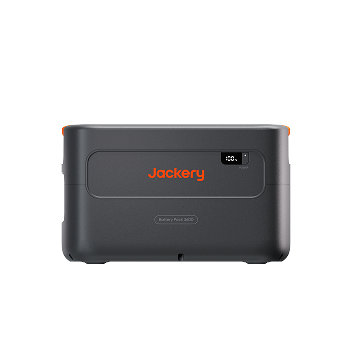
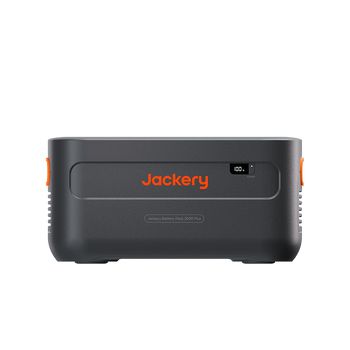
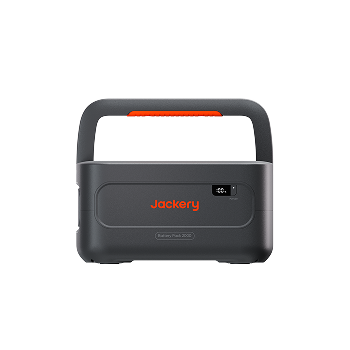
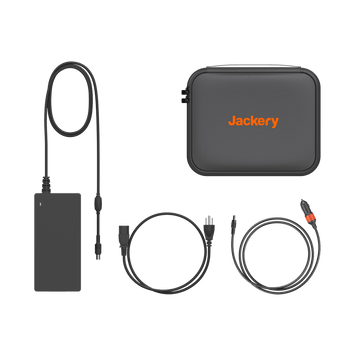
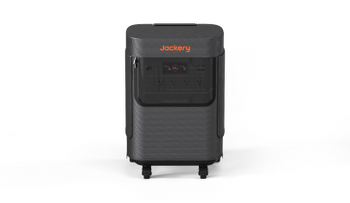
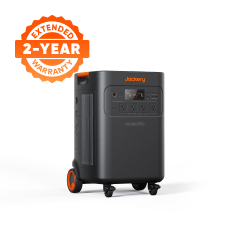
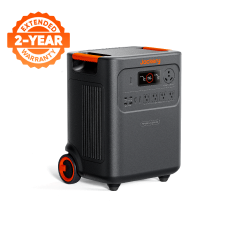
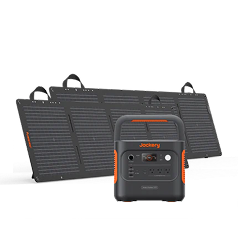
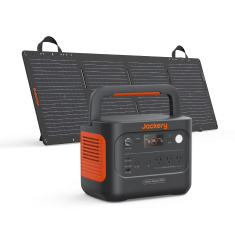
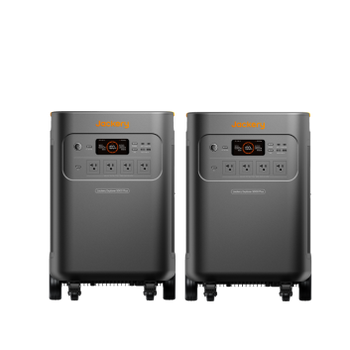
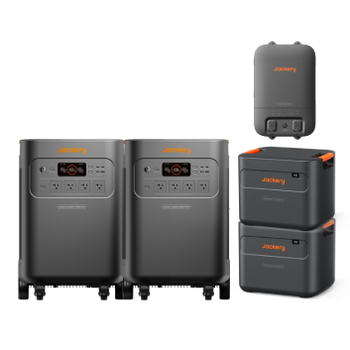
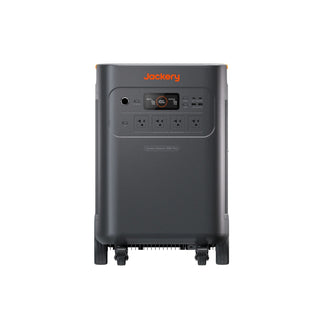
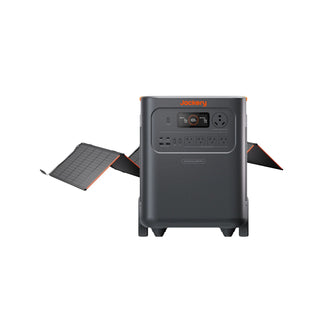
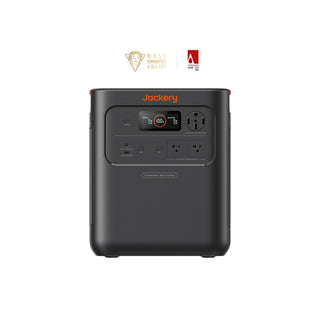
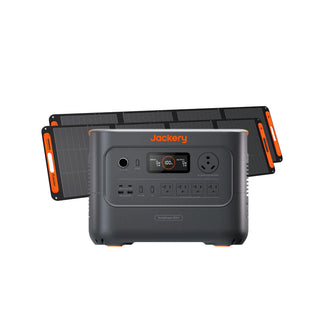
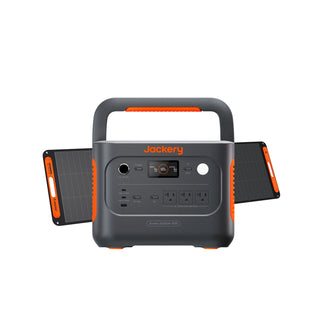
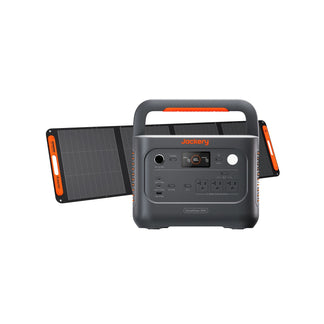
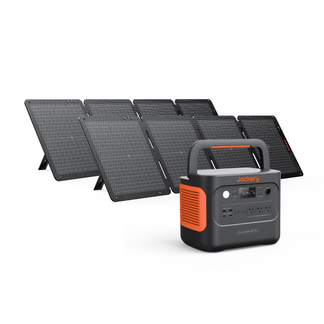
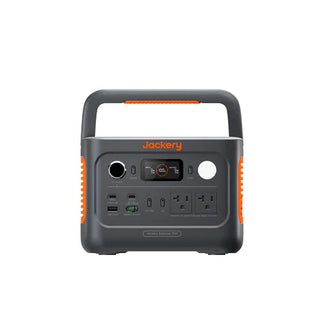
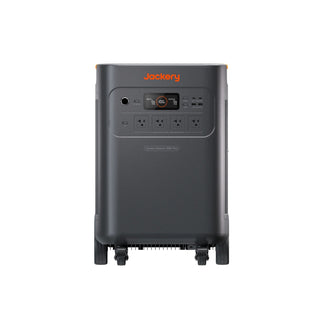
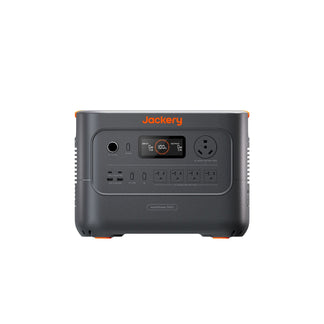
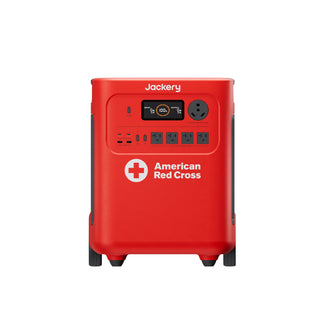
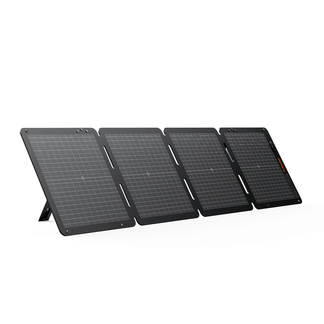
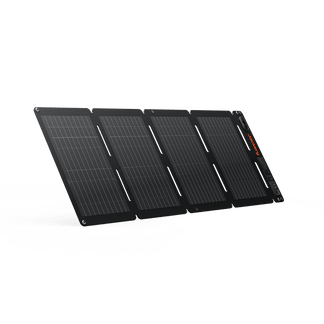
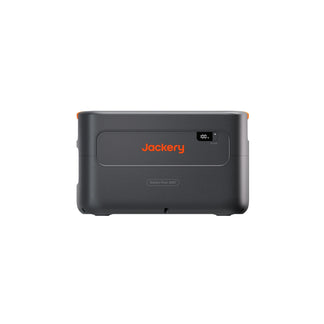
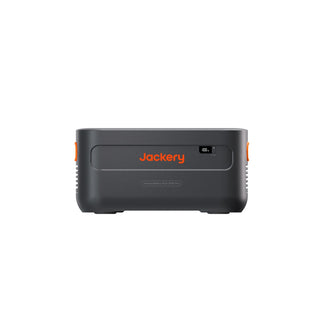
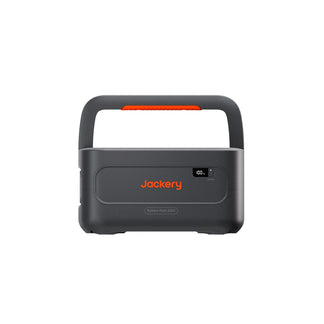
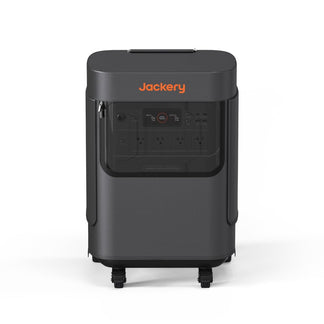
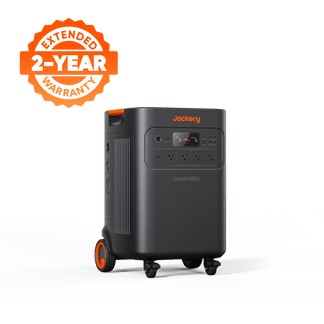
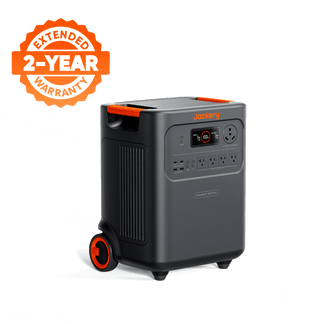
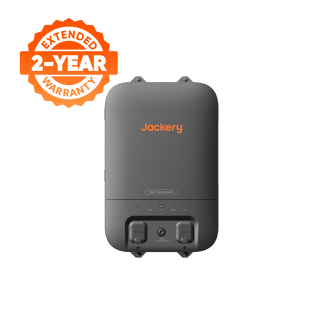
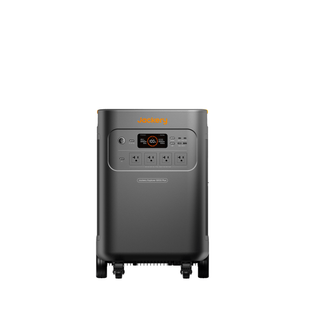
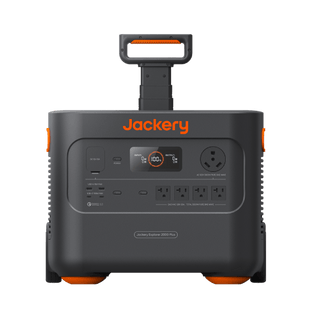
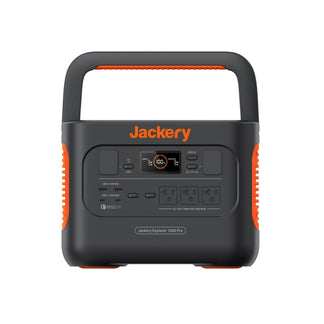
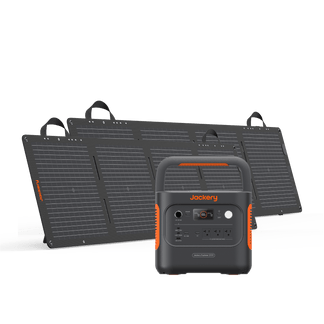
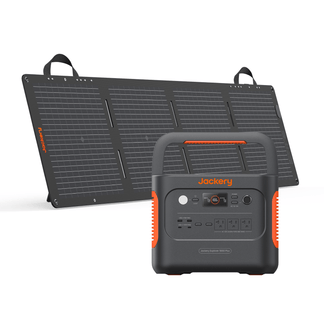
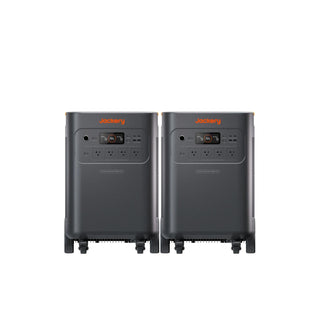
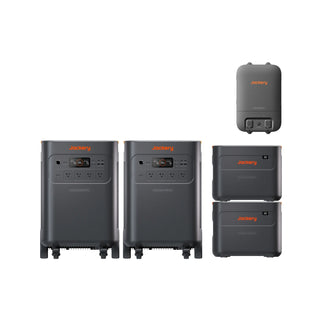
The Jackery Solar Generator 5000 Plus is an alternative to a permanent subpanel, offering robust power without the installation hassle. This system provides the power of a 50A service with the flexibility and simplicity of a portable solution, making it ideal for emergency preparedness or powering a workspace without permanent electrical modifications.

Safety, Code Compliance, and Professional Guidance
Electrical work is not the place for guesswork. Adhering to safety standards and local codes is non-negotiable.
Do I Need a Permit for a 50A Circuit?
Most jurisdictions require an electrical permit for the installation of a new 50A circuit. This process ensures the work is planned correctly and will be followed by an inspection from the local building department to verify it meets safety codes. Skipping this step can lead to fines and may void your homeowner's insurance.
What Is the National Electrical Code (NEC)?
All electrical work in the United States must conform to the National Electrical Code (NEC), which sets the minimum standard for safe electrical design and installation. It's also crucial to check for local amendments, as your city or county may have stricter requirements. The NEC is published by the National Fire Protection Association.
What Are Common Reasons for a Failed Inspection?
Inspectors frequently fail projects for common, avoidable mistakes. These include:
- Undersized Wire: Using a wire gauge too small for the 50A breaker.
- Improper Torque: Not tightening terminal lugs to the manufacturer's specification, leading to loose, arcing connections.
- Incorrect Grounding or Bonding: A critical safety failure, especially for subpanels in detached buildings.
- Wrong Wire Type: Using indoor-rated wire (like NM-B) in an outdoor, wet, or buried location.
When Should I Call an Electrician?
If you are not a qualified professional, certain jobs should always be left to a licensed electrician. This includes any new circuit installation, connecting a subpanel, or upgrading your main electrical service. The cost of a professional is a small price to pay for the safety of your home and family.
Quick Decision Checklist
Use this checklist to guide your planning process.
- Is the load continuous (runs 3+ hours)? If yes, ensure the wire's ampacity is at least 125% of the continuous load.
- What is the one-way run length? If it is over 100 feet, calculate voltage drop and plan to upsize the wire gauge.
- What is the environment? Choose wire insulation rated for heat, moisture, or direct burial as needed for the installation path.
- Is permanent wiring necessary? For home backup or workshop power, evaluate if a flexible solution like the Jackery Solar Generator 5000 Plus is a better fit.
- Are you 100% confident? If there is any doubt, call a licensed electrician.
Frequently Asked Questions
How do local electrical codes or amendments typically differ from the NEC regarding 50A circuits?
Local codes often add stricter requirements, such as mandating specific conduit types in certain areas or requiring larger wire gauges than the NEC minimum. You can find this information on your local building department's website or by consulting a local electrician.
What are the specific safety risks associated with using undersized wire for a 50A circuit beyond just overheating?
Undersized wire can damage sensitive electronics from low voltage, cause arcing at connection points that can ignite building materials, and lead to the failure of the circuit breaker to trip properly during a fault.
When considering a portable power station like the Jackery 5000 Plus, what are the key factors to evaluate to ensure it truly meets my specific 50A power needs?
Check the unit's continuous power output (watts) and surge capacity to ensure it can start and run your equipment. Also, evaluate the battery capacity (watt-hours) to confirm it provides sufficient runtime for your expected load.
What are common troubleshooting steps if a newly installed 50A circuit is tripping the breaker, assuming the wire gauge is correct?
First, check for a faulty appliance by unplugging everything from the circuit. If it still trips, have an electrician inspect for loose connections at the breaker and outlet, or for a potential ground fault short circuit.


