

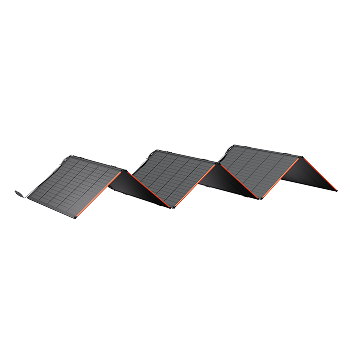
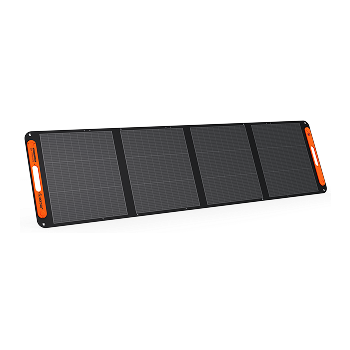
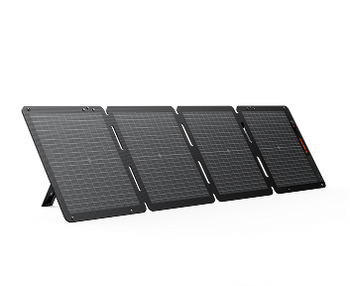
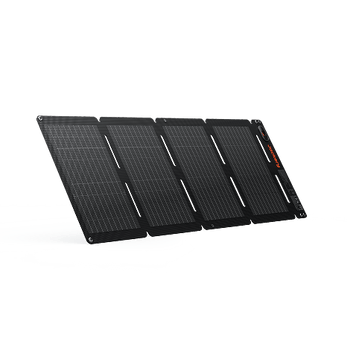











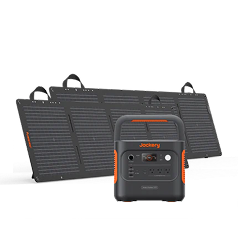
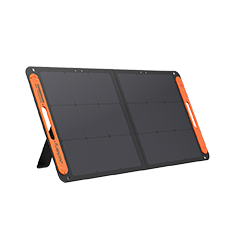




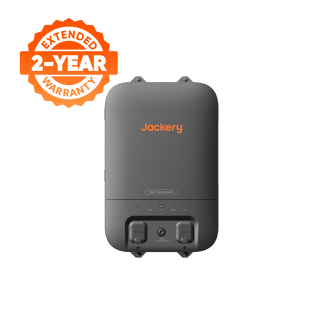
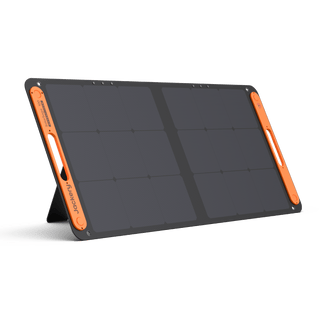
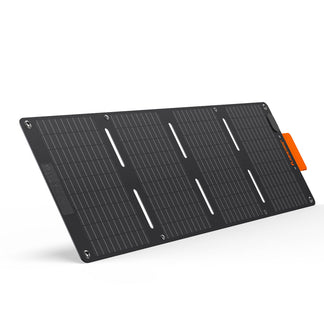
![[Add-on] Jackery SolarSaga 500 X - Jackery](http://www.jackery.com/cdn/shop/files/add-on-jackery-solarsaga-500-x-1493607.webp?v=1786503068&width=324)
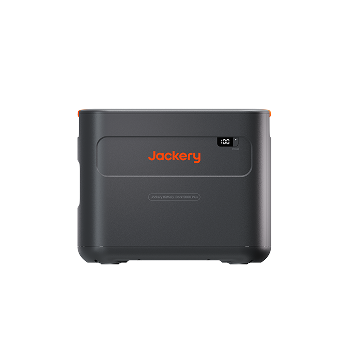
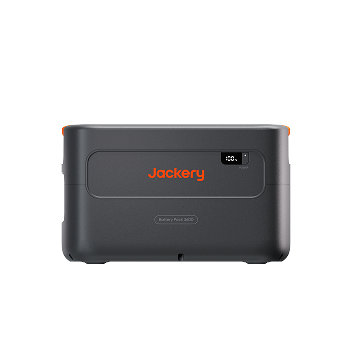
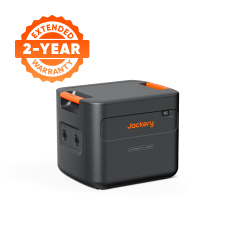
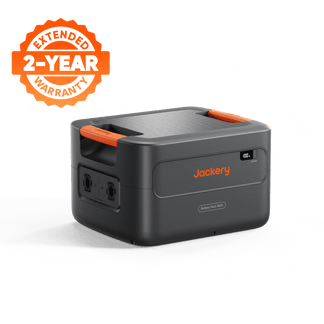
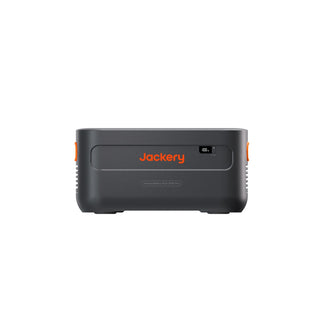
![[Add-on] Jackery Battery Pack 5000 Plus - Jackery](http://www.jackery.com/cdn/shop/files/add-on-jackery-battery-pack-5000-plus-6713401.webp?v=1786503068&width=324)

















Quick Answer: A LiFePO4 battery is a lithium-ion chemistry with an iron phosphate cathode, offering exceptional safety (thermal runaway ~270 °C), 3,000–5,000+ cycle life, and resistance to overheating. Its lower energy density (95–205 Wh/kg) makes it heavier but ideal for stationary storage. Standard cells cannot be charged below 0 °C without damage.
Key Takeaways
- LiFePO4 batteries last 3,000 to 5,000+ full cycles, often surviving 10+ years in daily use, far outlasting lead‑acid and NMC batteries.
- Their iron phosphate cathode provides excellent thermal stability, resisting combustion even under overcharge or nail‑penetration tests — thermal runaway is virtually impossible.
- They cannot be charged below 32 °F (0 °C) without internal heaters; charging below freezing causes irreversible lithium plating on the anode.
- Lower energy density means heavier, larger packs for the same kWh — a 100 Ah LFP battery weighs roughly 25–30 lb, similar to lead‑acid but with double usable capacity.
- The flat discharge curve requires a Battery Management System (BMS) for accurate state of charge (SOC) — voltage alone cannot reliably estimate remaining capacity.
What Is the Chemistry Behind LiFePO4 Batteries?
The olivine crystal structure is the key to LiFePO4 safety. Strong phosphorus‑oxygen bonds lock oxygen atoms in place, preventing the oxygen release that fuels thermal runaway in cobalt‑based chemistries. The cathode stays intact up to about 270 °C (518 °F) — far above the point where NMC batteries begin to decompose. [1]
During charging and discharging, lithium ions shuttle between the iron phosphate (FePO₄) cathode and the graphite anode.
- The cell maintains a remarkably flat voltage plateau at 3.2–3.3 V — voltage alone is a poor indicator of remaining capacity.
- You need a Battery Management System (BMS) to track state of charge, balance individual cells, and enforce the critical rule: no charging below 0 °C (32 °F).
- Without a BMS, lithium can plate onto the anode during cold‑weather charging, permanently reducing capacity and creating short‑circuit risks.
The cathode contains no cobalt or nickel.
- This eliminates ethical and supply‑chain headaches tied to cobalt mining, reduces toxicity, and trims raw‑material cost.
- LiFePO₄ has low intrinsic electrical conductivity, so the cathode material is composited with carbon (LiFePO₄/C) — a standard practice baked into every commercial cell.
- For DIY builders: no cathode modification is needed; you just need a BMS that handles the flat voltage curve and cold‑temperature lockout.
How Do LiFePO4 Batteries Perform in Real Use?
LiFePO4 batteries deliver 3,000–5,000+ full cycles, making them the longest-lasting lithium chemistry for daily use.
- Standard cells reach that cycle count before capacity drops to 80%.
- Conservative daily cycling between 65–80% depth of discharge can stretch that to over 9,000 cycles.
- That’s 10–15 years of daily use, giving a per‑cycle cost lower than any lead‑acid or NMC alternative.
Energy density lands between 95–205 Wh/kg, with most production cells clustering around 120–160 Wh/kg.
- A 100 Ah (12.8 V nominal) LiFePO4 battery weighs roughly 25–30 lb — right in lead‑acid territory but with twice the usable capacity, since you can safely discharge to 90% or more without damage.
- For stationary storage, this weight is a non‑issue. For weight‑critical applications like drones or compact EVs, it’s a real constraint.
The nominal cell voltage of 3.2 V means you need four cells in series to build a 12.8 V pack — slightly higher than a lead‑acid bank’s 12.0 V nominal but fully compatible with most 12 V equipment.
- Daily charging to 100% is safe and doesn’t accelerate degradation the way it does with NMC.
- Let the BMS perform a full balance charge at least once or twice a month to prevent SOC drift.
- Self‑discharge is just 2–3% per month, so a LiFePO4 battery can sit in seasonal storage for months without recharging.
What Are the Main Advantages and Limitations?
Advantages:
- Safety: Nail penetration and overcharge tests show no fire or explosion. The chemistry is inherently stable, making it suitable for indoor and vehicle‑mounted installations.
- Long‑term value: Upfront cost in 2024 is $350–$700 per kWh, higher than lead‑acid ($120–$200) but far lower per cycle. Over 10 years, the cost per usable kilowatt‑hour is often 70–80% less than lead‑acid.
- Maintenance‑free: No watering, no equalization charges, no sulfation. Install and forget.
- High efficiency: Round‑trip efficiency (AC to battery to AC) is typically 92–95%, versus 80–85% for lead‑acid.
Limitations:
- Cold‑weather restriction: Standard cells cannot accept charge below 0 °C (32 °F). A safer operational limit is 5 °C to account for sensor inaccuracies. If the battery doesn’t have a self‑heating system, you cannot charge it in freezing temperatures.
- Weight and bulk: For the same energy capacity, LiFePO4 packs are 30–50% heavier than NMC. That’s fine for a garage wall or RV bay, but it limits use in lightweight portables.
- Slower discharge: LiFePO4 can deliver high continuous current, but peak burst rates are lower than NMC — not ideal for power tools or high‑performance EVs that need extreme short‑term current.
Where Are LiFePO4 Batteries Commonly Used?
Stationary energy storage is the dominant use case. LiFePO4 held roughly 85% of the stationary‑storage market in 2025, powering home solar backup, grid‑tied load shifting, and off‑grid cabins. For essential home backup, a portable power station with LiFePO4 chemistry can keep a refrigerator, lights, and Wi‑Fi running for extended outages.
Electric vehicles are switching to LFP for cost‑sensitive models.
- EVs: Tesla’s Model 3 and Model Y rear‑wheel‑drive trims use LFP packs, while Long‑Range variants retain NMC for higher energy density.
- RV / marine: Deep‑cycle capability and safe operation inside confined spaces make LFP the top choice for off‑grid living.
- Industrial: Golf carts, floor scrubbers, robotics adopt LiFePO4 for its zero‑maintenance longevity.
If you’re looking for a complete portable power supply that uses LiFePO4, compact consumer units can run home‑office gear, security cameras, and even a portable AC unit during a blackout — not whole‑home solutions, but they cover the critical loads that matter most.
Limitations / What to Know Before
Three critical limitations can trip up first-time LiFePO4 buyers: freeze-charging damage, weight and size, and discharge rate constraints.
- Freeze‑charging damage: Charging below 32 °F (0 °C) can irreversibly destroy a standard LiFePO4 cell. Check whether the battery includes a low‑temperature cutoff or a self‑heating pad. If you live in a cold climate, this is non‑negotiable. A power bank with LiFePO4 cells may have this protection built in, but always verify.
- Weight and size: LiFePO4 packs are heavier than NMC for the same capacity. If you plan to install one in an RV slide‑out or a narrow closet, measure the space first. A 5 kWh LFP battery is roughly the size of a small suitcase and can weigh 100 lb or more.
- Not for high‑burst traction: LiFePO4’s discharge rate is ample for home backup, but it’s not the right choice for a drag‑racing EV or a high‑torque power tool that needs massive instantaneous current.
- Break‑in cycling: Many experienced users recommend a deep‑cycling “bootcamp” — several full charge/discharge cycles — when the battery is new to let the BMS calibrate and balance the cells. This isn’t mandatory, but it can prevent early capacity‑reporting inaccuracies.
- Voltage thresholds matter: For a 16‑cell (48 V) pack, the correct bulk charge voltage is typically 55.2 V (3.45 V/cell) to 56.8 V (3.55 V/cell). Exceeding 56.8 V risks over‑voltage damage. Always match your charger to the LiFePO4 profile.
Product Recommendation: Jackery Portable Power Stations with LiFePO4
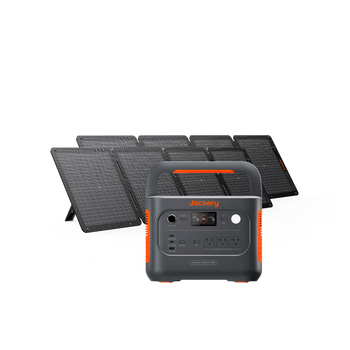
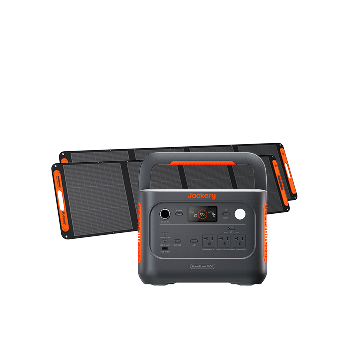
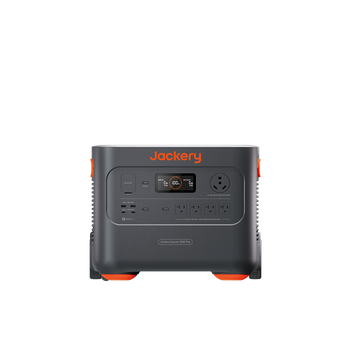
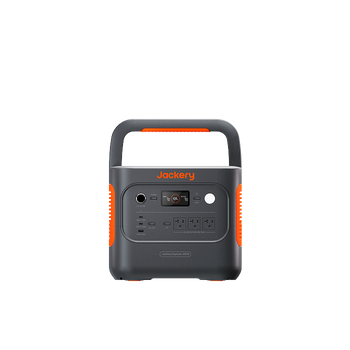
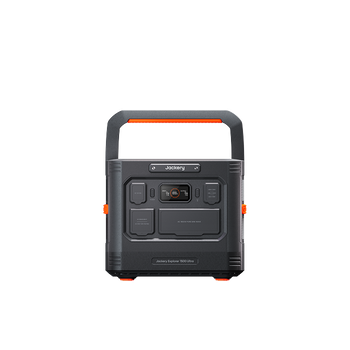
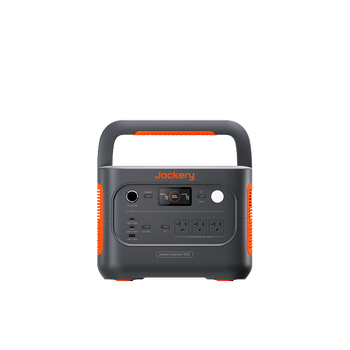
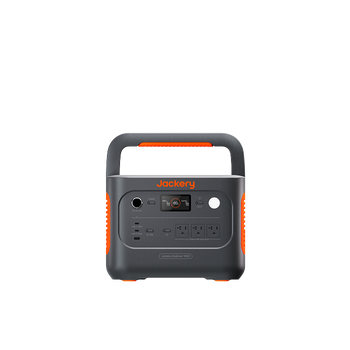
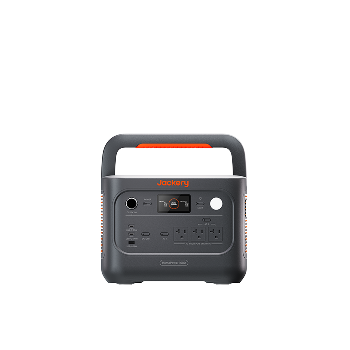
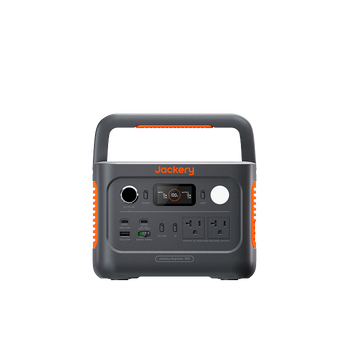
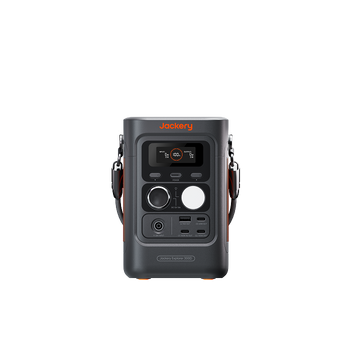
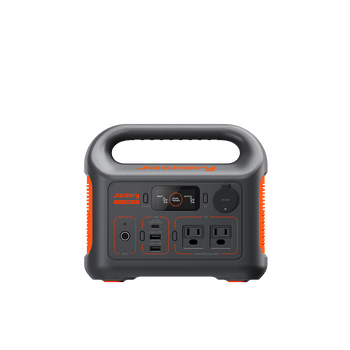
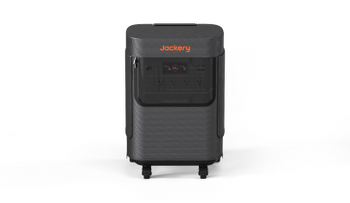
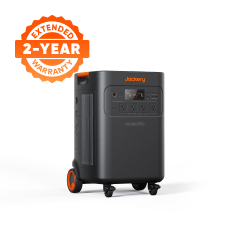
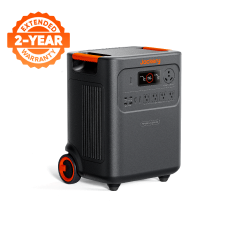
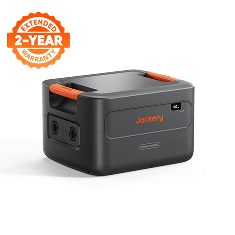
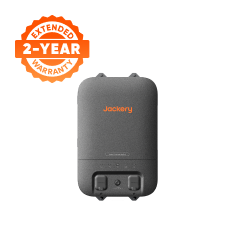
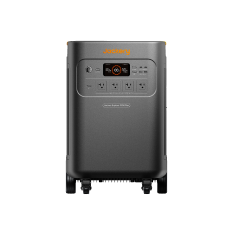
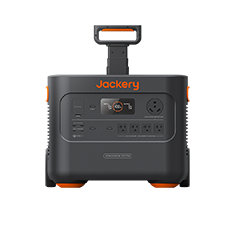
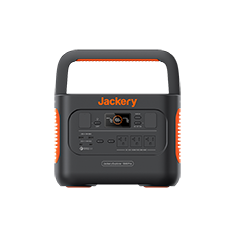
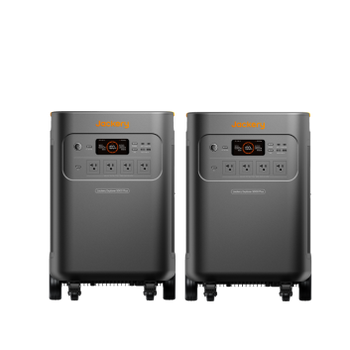
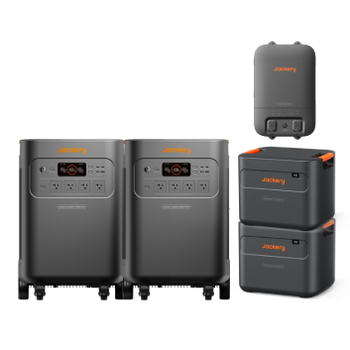
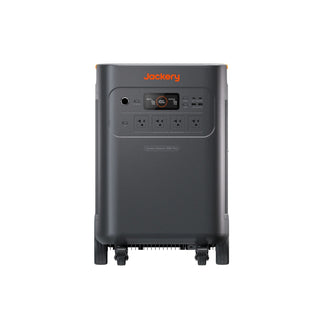
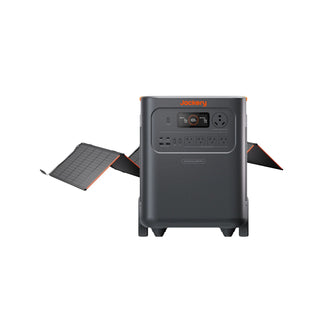
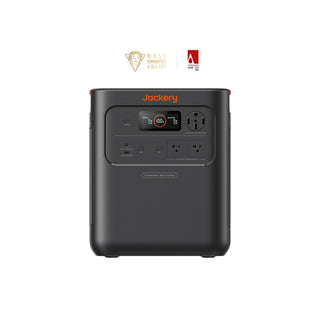
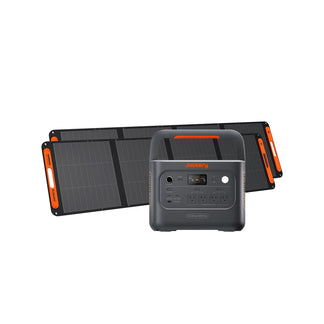
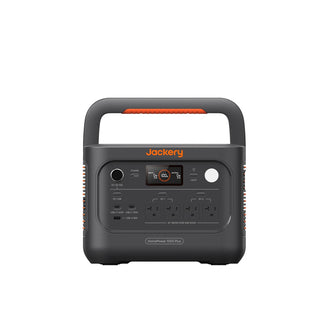
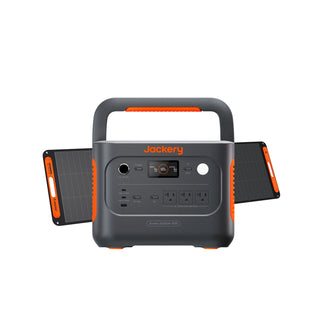
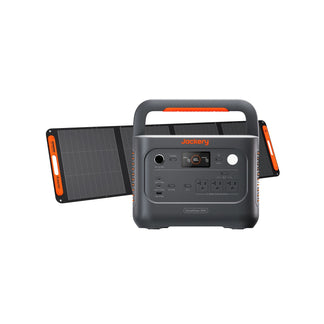
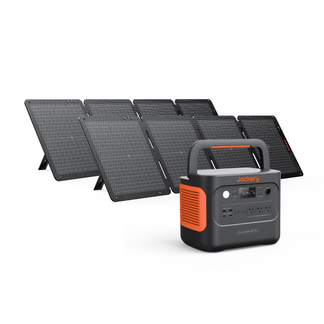
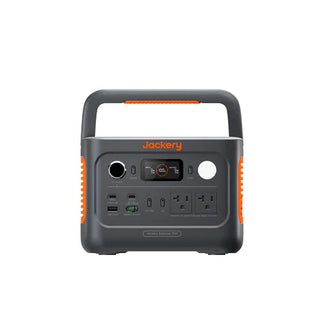
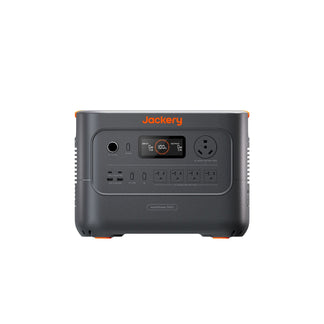
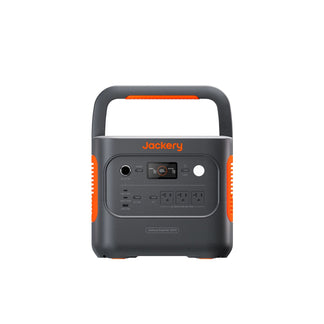
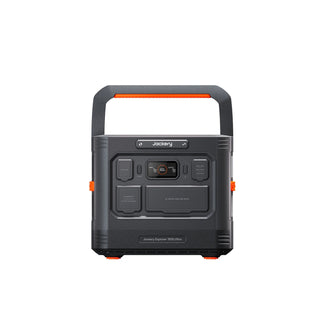
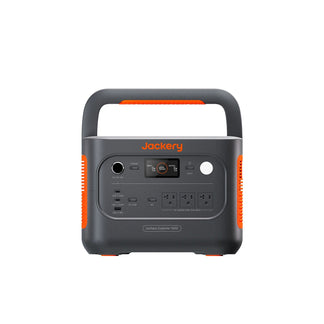
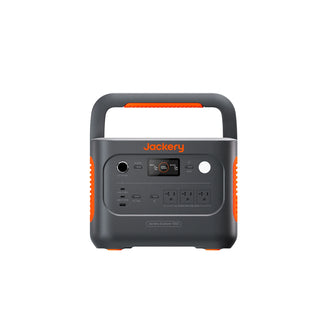
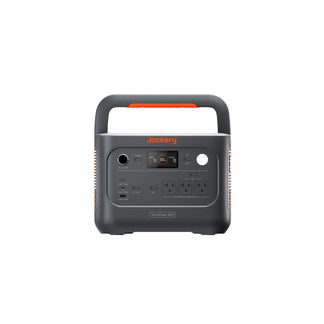
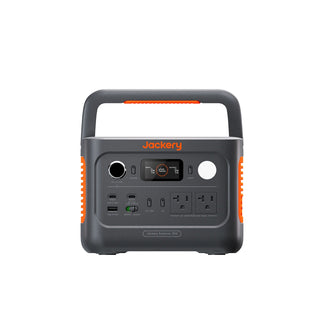
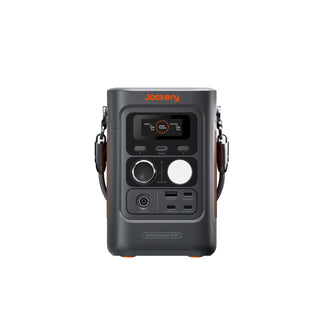
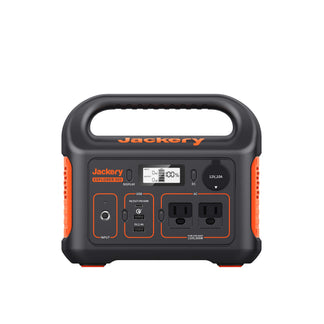
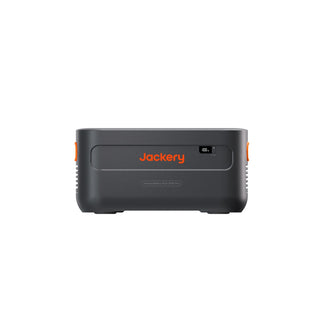
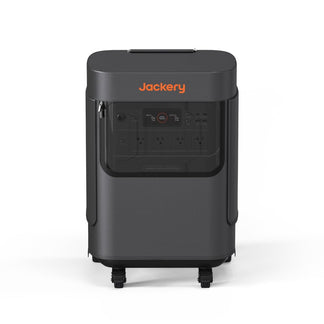
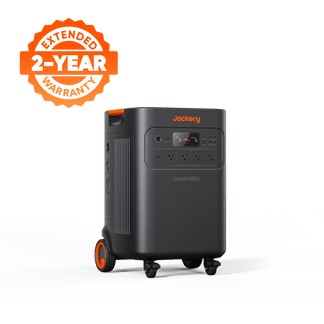
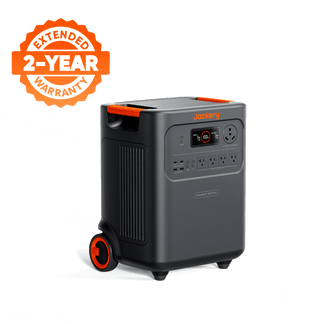
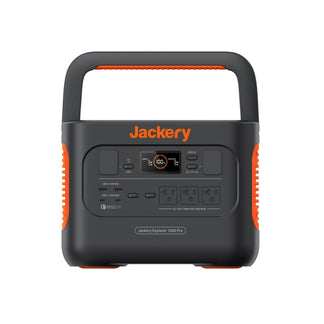
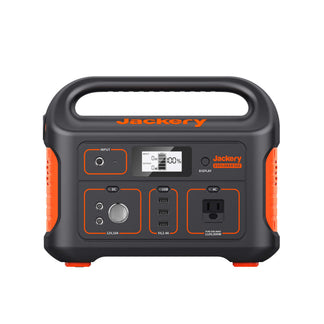
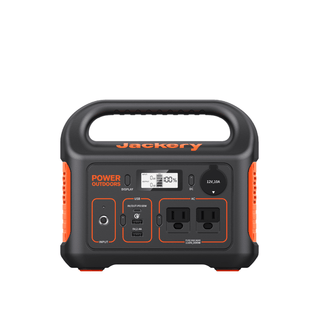
If you’re looking for a plug‑and‑play LiFePO4 solution for essential home backup, outdoor work, or camping, Jackery’s portable power stations are purpose‑built for the job. Unlike DIY battery banks, these units integrate the BMS, inverter, and charging electronics in a form factor you can set up in minutes. For more on using the flagship model, see how to use the Jackery Explorer 5000 Plus for home, outdoor, and work.
Model |
Capacity |
Key Use Case |
Noteworthy Feature |
|---|---|---|---|
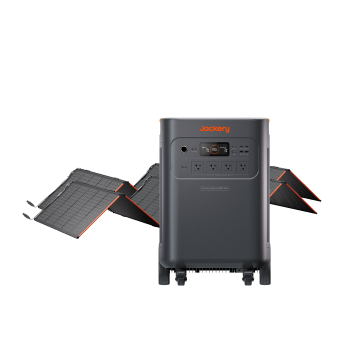
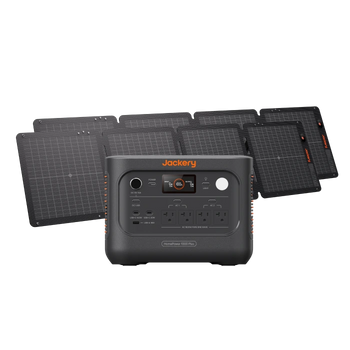
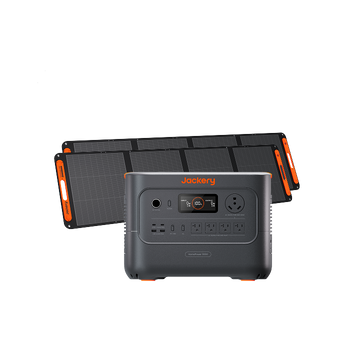
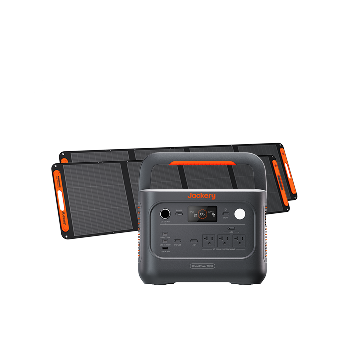
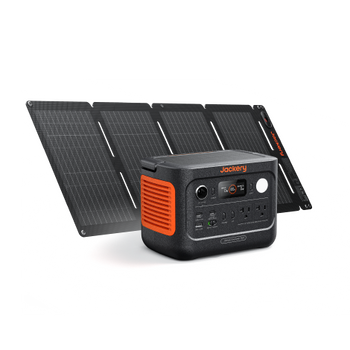
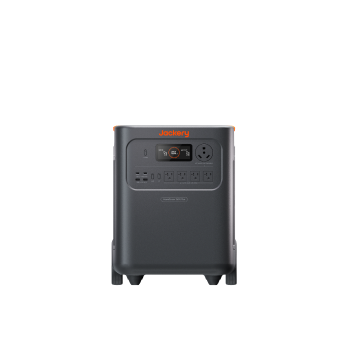
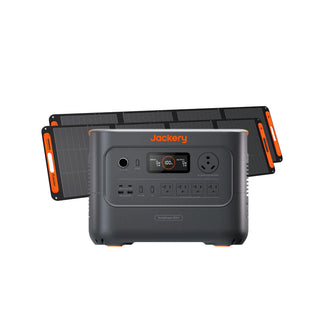
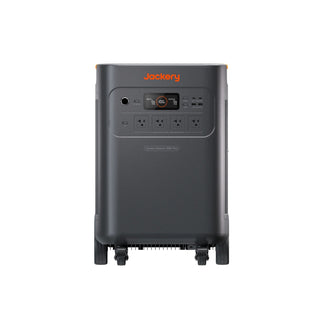
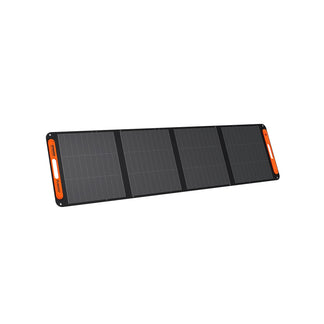
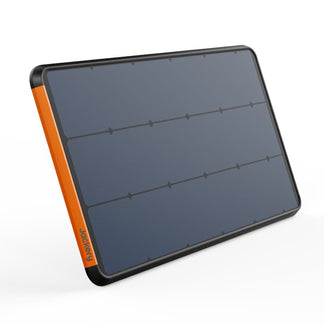
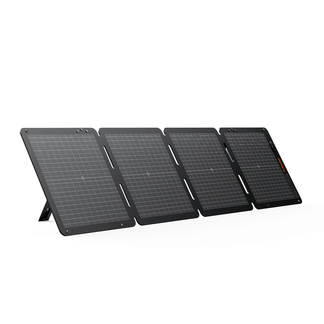
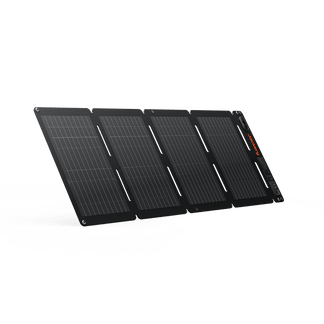
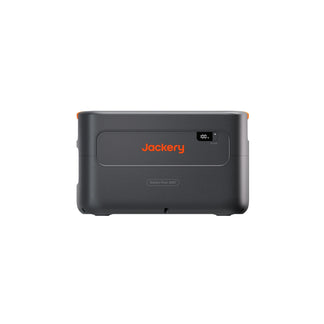
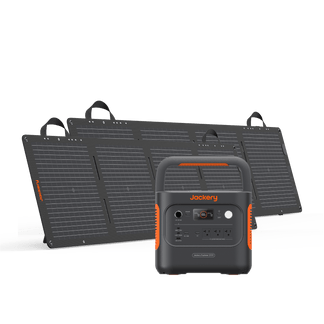
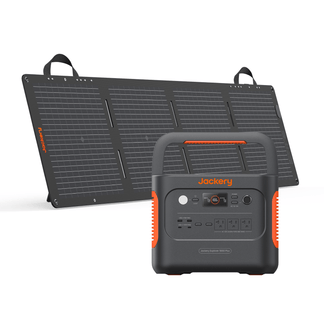
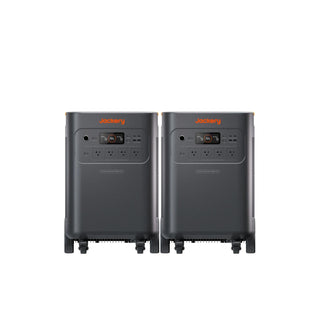
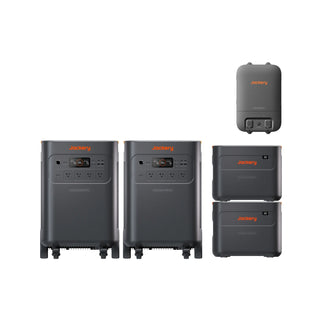
Jackery Solar Generator 5000 Plus + 2x SolarSaga 500X |
5,040 Wh |
Multi‑day grid outages, off‑grid living |
14,400 W surge handles motor loads; LiFePO4 cells deliver 4,000+ cycles to 70% |
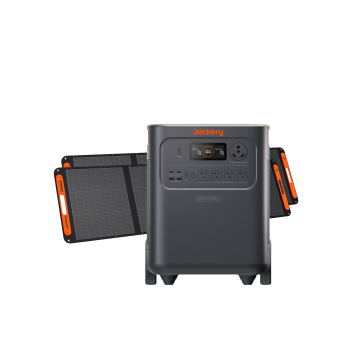
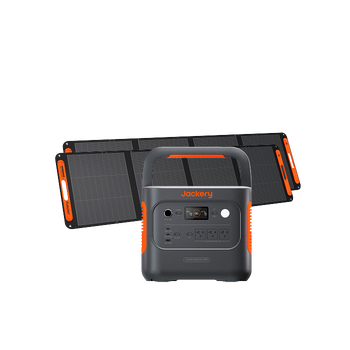
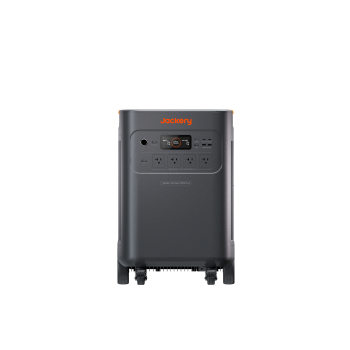
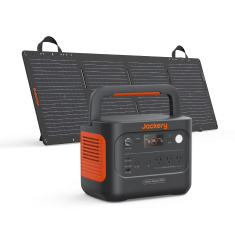
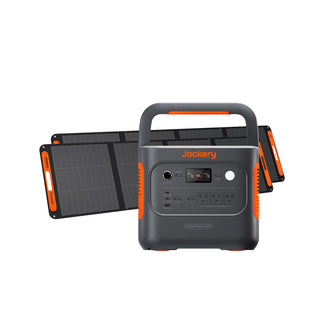
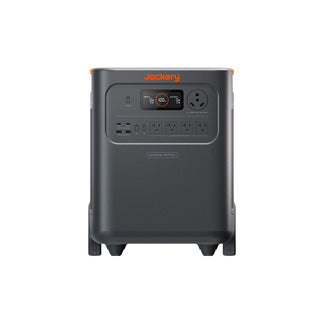
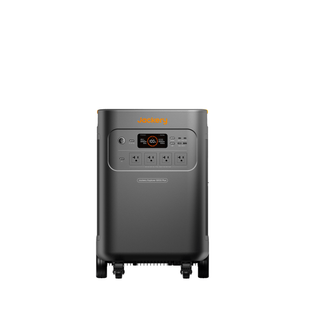
Jackery Solar Generator HomePower 3600 Plus + SolarSaga 500X |
3,584 Wh |
Overnight fridge, office gear, lights |
0–100% AC recharge in 2.5 h; 77 lb with wheels for move‑around portability |
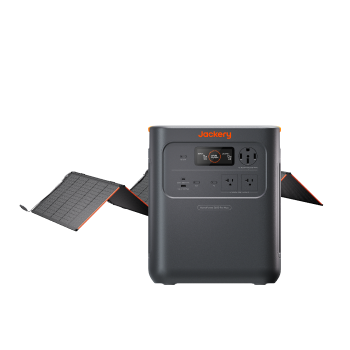
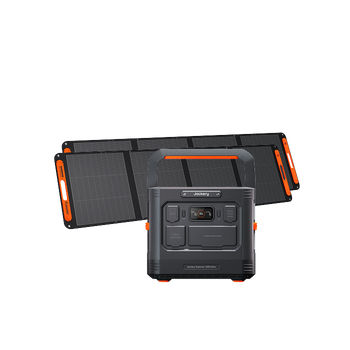
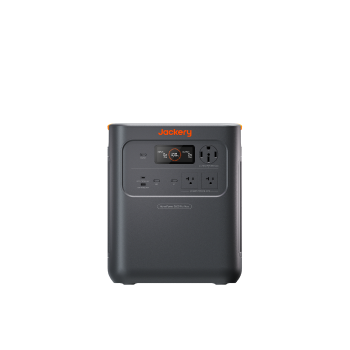
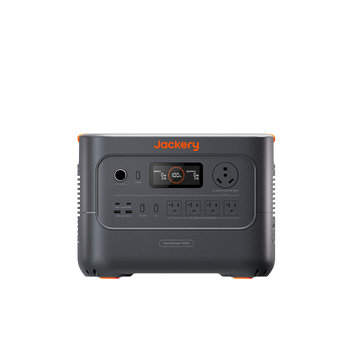
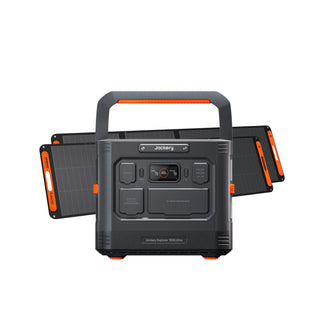
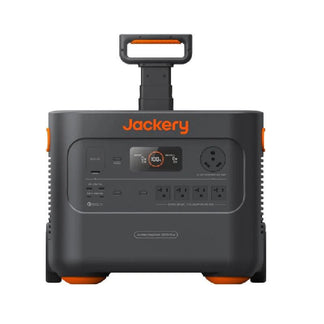
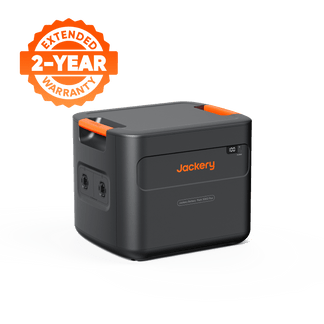
Jackery Explorer 2000 v2 |
2,042 Wh |
Quick‑deploy closet backup, RV, trunk |
39.5 lb; 2,200 W continuous output; 1.7 h emergency AC recharge |
All three use LiFePO4 chemistry, which means they’ll outlast lead‑acid‑based generators by a decade and won’t catch fire if overcharged. The 5000 Plus is the closest thing to a stationary home‑backup battery in a portable form, while the Explorer 2000 v2 is light enough to carry for camping or tailgating.
Frequently Asked Questions
How do I safely store a LiFePO4 battery long‑term?
Store at 50–80% state of charge in a cool, dry place between 0–25 °C (32–77 °F) to minimize capacity loss.
Can I replace my lead‑acid battery with LiFePO4 directly?
Yes, but you must verify your charger supports LiFePO4 voltage profiles and your device can handle the slightly higher nominal voltage.
What happens if a LiFePO4 battery gets wet?
Immediately disconnect and dry thoroughly; while the sealed case offers some protection, water intrusion can short‑circuit the BMS and cause permanent damage.
How do I dispose of a dead LiFePO4 battery?
Take it to a certified lithium‑ion battery recycling facility — never throw it in household trash due to fire risk and recyclable material content.
Do LiFePO4 batteries need ventilation during use?
No, they emit no gases during normal operation, making them safe for enclosed spaces like RVs, boats, and closets.
Sources & References
[1] Improving the ‘Holy Grail’ Lithium‑Metal Batteries, Michigan State University, https://research.msu.edu/feature/improving-holy-grail-lithium-metal-batteries (accessed July 2026).


