










![[Add - on] Jackery Manual Transfer Switch for Explorer 5000 Plus - Jackery](http://www.jackery.com/cdn/shop/files/add-on-jackery-manual-transfer-switch-for-explorer-5000-plus-9017324.png?v=1754016782&width=350)









![[Add - on] Jackery Manual Transfer Switch for Explorer 5000 Plus - Jackery](http://www.jackery.com/cdn/shop/files/add-on-jackery-manual-transfer-switch-for-explorer-5000-plus-9017324.png?v=1754016782&width=324)


![What Is An Average Electric Bill for A 3-Bedroom House [2026 Updated]](http://www.jackery.com/cdn/shop/articles/what-is-an-average-electric-bill-for-a-3-bedroom-house-2026-updated-6092650.jpg?v=1773470964)
Brief Answer: The average electric bill for a 3-bedroom house in the US is approximately $154.98 per month. Electricity costs differ greatly across the US. For instance, Utah often has lower rates (around $98.59 per month), while Hawaii tends to have higher rates (around $209.34 per month)
The average electricity bill for a 3-bedroom house is $154.98 per month nationwide and ranges from $98.59 in Utah to $209.34 in Hawaii. However, the exact electric bill in the USA can vary significantly based on location and usage. The number of people living in the house and the type of appliances used also affect the electric bill of a 3-bedroom house.
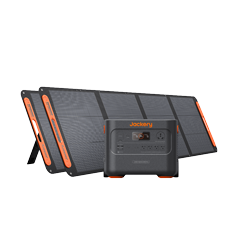
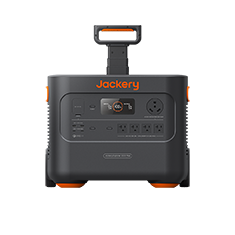
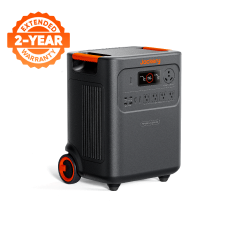
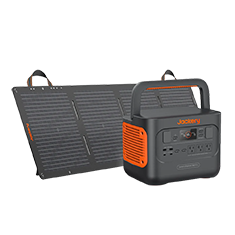
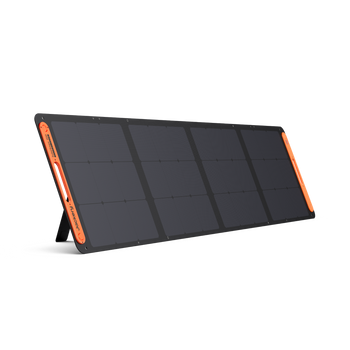
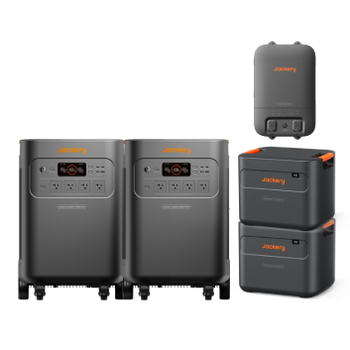
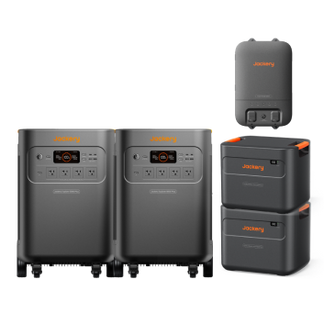
Depending on several factors, the Jackery Solar Generators can help significantly in the reduction of the average electric bill for a 3-bedroom house. The home battery backups like Jackery Solar Generator HomePower 3000 and Jackery Solar Generator 5000 Plus are ideal for powering household appliances while reducing expensive electric bills.
Takeaways
- The average US household with three bedrooms pays around $159.48 per month for electricity in December 2025.
- A 3‑bedroom home uses approximately 899kWh per month on average.
- The average residential electricity rate in the US is around 17.24 ¢/kWh (December 2025 data), marking a significant increase from 16.27 ¢/kWh in December 2024.
- What factors affect the average electric bill for a 3-bedroom house.
- How to lower your electric bill for a 3-bedroom house.
What is an Average Electric Bill For a 3-Bedroom House?
The average electric bill for a 3-bedroom house in the United States is around $154.98, which is based on the monthly energy usage of 899 kilowatt-hours (kWh) and 17.24 cents/kilowatt-hours (kWh). However, it can largely depend upon the location, the power consumption, and appliances used in the house.
Knowing the electric bills by square foot is important for several reasons. Comparative analysis, energy-efficiency evaluation, and cost management give a clear picture of how your house stacks up against others in terms of energy consumption. Knowing your energy use per square foot is a win-win situation, saving money and helping the environment.
|
3-Bedroom House Square Foots |
Average Electric Bills |
|
<1,000 Sq ft |
$30.01 |
|
1,000-1,499 Sq Ft |
$28.08 |
|
1,500-1,999 Sq ft |
$22.22 |
|
2,000-2,499 Sq Ft |
$15.62 |
|
2,500-2,999 Sq Ft |
$10.31 |
|
>3,000 Sq ft |
$17.29 |
Source: EIA
The climate significantly impacts electricity use. For instance, during the long, scorching summers, air conditioning systems in Southern states consume a lot of electricity. On the other hand, more temperate coastal states in the West and Northeast typically use less electricity, particularly if people heat their homes with gas furnaces in the winter.
The average electricity usage for a 3-bedroom house is 32 kWh of electricity per day or around 966 kWh per month. However, to determine a more accurate energy consumption, factors such as the total number of residents, number & types of appliances, frequency of appliances being used, location, etc., must be considered.
What is the Average Electric Bill for a 3-Bedroom House in Different States
The monthly electricity usage and the electricity rate per kWh are the two main factors that determine the monthly bill. California has a high monthly electric bill, with an average electric bill for a 3-bedroom house of approximately $172. At $165.83 per month, Florida has one of the highest average electric bills in the US for three-bedroom homes. Based on a monthly consumption of 566 kWh, the cost of electricity in New York State is approximately $150.95.
Here’s a list of 10 highest electricity bills state-wise
- Hawaii
- Connecticut
- California
- Texas
- Alabama
- West Virginia
- Maryland
- Massachusetts
- Rhode Island
- Arizona
10 lowest electricity bills state-wise
- Utah
- New Mexico
- Colorado
- Wyoming
- Idaho
- Maine
- Illinois
- Montana
- Minnesota
The average electric bill for a 3-bedroom house, as of December 2025, is $154.98 nationwide and varies from $98.59 in Utah to $209.34 in Hawaii per month.
|
State |
Electric Rate (cents per kWh) |
Power Consumption in kWh |
Electric Bill |
State |
Electric Rate (cents per kWh) |
Power Consumption in kWh |
Electric Bill |
|
Connecticut |
25.30 |
678 |
$171.53 |
North Carolina |
13.47 |
989 |
$133.21 |
|
Maine |
30.39 |
560 |
$170.18 |
South Carolina |
14.82 |
1022 |
$151.46 |
|
Massachusetts |
30.88 |
559 |
$172.61 |
Virginia |
15.27 |
993 |
$151.63 |
|
New Hampshire |
26.28 |
600 |
$157.68 |
West Virginia |
14.61 |
986 |
$144.05 |
|
Rhode Island |
31.15 |
554 |
$172.57 |
Alabama |
16.01 |
1112 |
$178.03 |
|
Vermont |
23.22 |
563 |
$130.72 |
Kentucky |
13.22 |
994 |
$131.40 |
|
New Jersey |
22.98 |
639 |
$146.84 |
Mississippi |
14.16 |
1157 |
$163.83 |
|
New York |
27.39 |
566 |
$155.02 |
Tennessee |
12.87 |
1109 |
$142.72 |
|
Pennsylvania |
20.08 |
791 |
$158.83 |
Arkansas |
12.33 |
1049 |
$129.34 |
|
Illinois |
17.07 |
669 |
$114.19 |
Louisiana |
12.56 |
1238 |
$155.49 |
|
Indiana |
15.91 |
876 |
$139.37 |
Oklahoma |
12.25 |
1069 |
$130.95 |
|
Michigan |
19.53 |
603 |
$117.76 |
Texas |
15.87 |
1146 |
181.8702 |
|
Ohio |
17.31 |
811 |
$140.38 |
Arizona |
15.46 |
1059 |
163.7214 |
|
Wisconsin |
17.84 |
658 |
$117.38 |
Colorado |
16.12 |
662 |
106.7144 |
|
Iowa |
12.60 |
846 |
$106.59 |
Idaho |
11.87 |
965 |
114.5455 |
|
Kansas |
14.43 |
881 |
$127.12 |
Montana |
12.77 |
873 |
111.4821 |
|
Minnesota |
14.96 |
752 |
$112.49 |
Nevada |
12.83 |
874 |
112.1342 |
|
Missouri |
11.91 |
1003 |
$119.45 |
New Mexico |
14.66 |
659 |
96.6094 |
|
Nebraska |
11.57 |
996 |
$115.23 |
Utah |
12.99 |
759 |
98.5941 |
|
North Dakota |
11.02 |
1069 |
$117.80 |
Wyoming |
12.83 |
866 |
111.1078 |
|
South Dakota |
12.51 |
1025 |
$128.22 |
California |
34.71 |
491 |
170.4261 |
|
Delaware |
17.12 |
878 |
$150.31 |
Oregon |
14.94 |
924 |
138.0456 |
|
District of Columbia |
23.90 |
631 |
$150.80 |
Washington |
13.33 |
977 |
130.2341 |
|
Florida |
15.02 |
1107 |
$166.27 |
Alaska |
25.54 |
577 |
147.3658 |
|
Georgia |
13.67 |
1035 |
$141.48 |
Hawaii |
41.62 |
503 |
209.3486 |
|
Maryland |
19.57 |
894 |
$174.95 |
U.S. Total |
17.24 |
899 |
154.9876 |
Source: Electric Rate and Power Consumption from EIA.
How to Calculate The Average Electric Bill for A 3-Bedroom House?
The simplest method to determine how much electricity you use is to look over your previous electricity bill, which will list the amount of electricity you used. You can also calculate the usage by multiplying the nominal power of each appliance, which can be found on the manufacturer's label, and by the length of time it operates. Your overall electricity consumption can then be calculated by adding the values for each electrical device in your house.
Formula: kWh Used x Cents per kWh ÷ 100 = Bill
For example, if a household uses 3 appliances for a total of 850 kWh in a month and 12 cents per kWh electricity rate, the electric bill would be:
850 Kilowatt Hours x 12 cents per kWh ÷ 100 = $102
Let’s consider another household that consumes 1200 kilowatt-hours (kWh) monthly with an electricity rate of 15 cents per kWh. The electric bill in this scenario would be:
1200 kWh x 15 cents per kWh ÷ 100 = $180
However, beyond considering just the number of bedrooms, the average electric bill for a 3-bedroom house varies by factors such as square foot, household size & lifestyle, how often the appliances are being used, and location.
What Factors Affect The Average Electric Bill for a 3-Bedroom House?
The number of residents would have a significant impact on the average electric bill. Also, the power price per kilowatt-hour varies greatly depending on the location. The electricity bill per kWh can vary by more than four times between different regions.
If you frequently use power-hungry appliances such as kettles, electric showers, microwaves, tumble dryers, and gaming PCs, you should anticipate large bills.
Location
Your location significantly affects electricity costs. The amount of electricity used differs by area. Also, local governments determine utility rates, which vary from approximately 12.99 cents per kilowatt-hour (kWh) in Utah to approximately 41.62 cents per kWh in Hawaii. This is a big deal because so many people these days work from home. In the past, you might have saved money on energy bills by turning your AC up or down when you left the house. When you work from home, those savings are gone.
Heating and Cooling Affects
Out of all the systems in your house, your HVAC system consumes the most electricity. According to Energy.gov, the costs associated with cooling a typical home account for 43% of the electricity bill. Because of this, your energy costs may be higher than they would be in more temperate regions if you live somewhere with extremely cold winters, scorching summers, or both.
Appliance Usage
The usage of appliances also directly affects electricity bills. As per the Natural Resources Defense Council, a typical clothes dryer can use as much electricity a year as a new refrigerator, washing machine, and dishwasher combined. Compared to refrigerators, ACs have a higher wattage and use slightly more electricity each month.
Utilities
Some of the data on average electric bills is based on households that use multiple sources of energy. The most common applications for alternative fuels are gas stoves and gas water heaters. However, many homes use propane fireplaces as a source of heat, which creates another point where energy consumption may vary.
A three-bedroom household typically relies on gas in more ways than one, such as for heating, transportation, and backup power. When fuel prices rise, the impact is not isolated to a single expense. Instead, it spreads across the monthly budget in ways that add up quickly.
Number of Residents
Your electric bills are affected by the number of residents living in the house. Based on national averages, the monthly cost difference in a 3-bedroom house with three residents is $6. The fact that more people are using the area explains the difference. However, the amount of time spent in the house and how long a person stays there also affect the overall electricity cost.
How to Lower Your Electric Bill for a 3-Bedroom House?
To lower the electric bill for a 3-bedroom house, you should focus on reducing power consumption, switching off the unused appliances, and using solar generators to run appliances. Here are the top five tips for lowering household electricity bills.
Switch-off the Plugs
Power is continuously used in "standby mode" whenever we leave a plug point "ON" after turning an electrical appliance "OFF" with the remote. These insignificant wastes contribute 5% of the electricity usage. You'll agree that's a complete waste. Thus, unplugging mobile chargers, TVs, washing machines, microwaves, air conditioners, and geysers after use can save a lot!
Keep ACs at uninterrupted Power
Perhaps the main perpetrator behind any summer power outage is air conditioners. A significant load is added to the system each time an additional air conditioner is turned on, and each time, the temperature drops by one degree. If you prefer "cool enough," you can still contribute towards uninterrupted power.
Invest in Solar Generators for Clean Energy
Investing in clean, renewable solar power sources is one of the most effective ways to lower electricity bills. The Jackery Solar Generator HomePower 3000 is an easy home backup to power essential household appliances. In the event of a power outage or when living off the grid, it can power most indoor or outdoor appliances.
Limit Big Appliances Consumption
Big appliances, such as your dishwasher, air conditioner, geyser, and washing machine, can use a lot of energy. The way you are using these appliances could also be the cause of your higher bill. Furthermore, you should choose the appliances with five stars if you intend to purchase any of these. This is because appliances with a 5-star rating are made to be more energy-efficient and use less energy overall than appliances with a lower or no rating.
Switch to more Efficient use of Energy
Changing your lightbulbs, CFLs, or LEDs can significantly lower your electricity costs if you haven't converted those already. It's also one of the best ways to save electricity at home.
Jackery Solar Generators To Save Electricity Bills
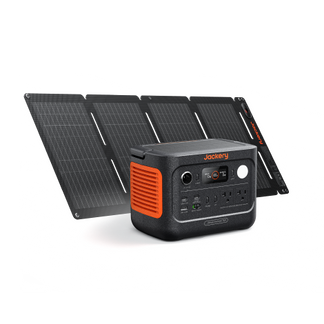
Jackery is a global leading brand that manufactures indoor and outdoor portable power stations, solar generators, and portable solar panels. Jackery Solar Generators are essential home backup solutions for powering appliances and providing emergency backup.
This can reduce your reliance on traditional electricity sources, which can lower your electricity bill. During daylight hours, when solar generators are used to power appliances, they offset the need to consume electricity from the grid. This eventually leads to lower electricity bills over time.
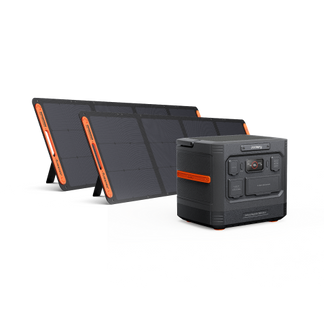
Jackery Solar Generator HomePower 3000
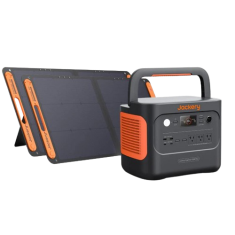
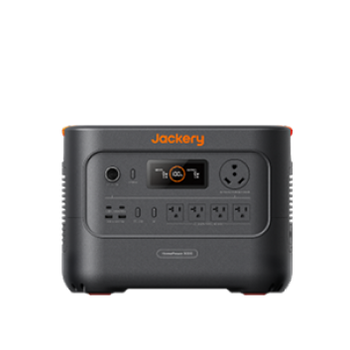
The Jackery Solar Generator HomePower 3000 is ideal for powering everyday essentials in a 3-bedroom house. You can power almost all household appliances, ranging from refrigerators and lighting to WiFi and laptops, especially during peak-rate hours. It charges via solar panels during the day and stores enough energy in the power station to cut back your evening consumption from the grid.
Appliances Running Time
- Refrigerator (300W) = 8.1H
- Cooler (200W) = 11.8H
- TV (150W) = 15.0H
- Induction Cooktop (1000W) = 2.6H
- Fan (100W) = 21.4H

Who Should Buy This
If you own a 3-bedroom house and want a reliable home battery backup solution that offers support for daily essentials and occasional outages, you can consider going ahead with the Jackery Solar Generator HomePower 3000.
Customer Review
“Recently purchased the Homepower 3000 unit. We arranged for a test running our fridge/freezer, the router, the TV, and a fan. Ran the test for about 9 hours, and still had about 30% remaining on the battery, so we considered that a success.” — Dave Caplis.
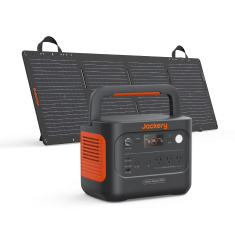
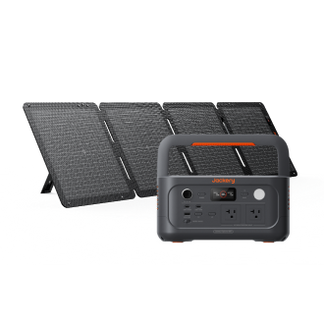
Jackery Solar Generator HomePower 3600 Plus
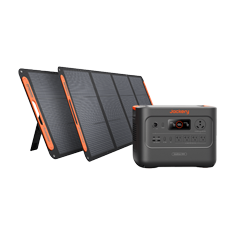
The Jackery Solar Generator HomePower 3600 Plus is sized for the real energy demands of a family home. A three-bedroom household has a refrigerator, lights, fans, a router, and often a medical device or two that can't afford to go dark during an outage. This essential home backup solution handles critical appliances during outages, charges from solar panels during the day, and keeps running through the night without fuel costs that fluctuate with the market. For a household already watching a significant monthly energy bill, having backup power that adds zero operating costs is a meaningful difference.
Appliances Running Time
- Refrigerator (300W) = 9.5H
- Cooler (200W) = 13.7H
- TV (150W) = 17.7H
- Induction Cooktop (1000W) = 3.0H
- Fan (100W) = 25.0H

Who Should Buy This
If you own or rent a three-bedroom home and want a backup power solution that can handle your household needs during an outage without the ongoing fuel expense of a gas generator, the Jackery Solar Generator HomePower 3600 Plus is worth every dollar.
Customer Review
I decided to get this generator as we are going into our bad weather season. My husband used to do all of that, but his memory is failing and I needed something that I could work if need be, I have never been good at working with a gas powered generator. I have been able to charge it with the solar panels and have used it on a few things around the house to make sure I didn't have any problem with it. I am a 65 year old and needed something easy to move around and use. — Anonymous.
Jackery Solar Generator 5000 Plus
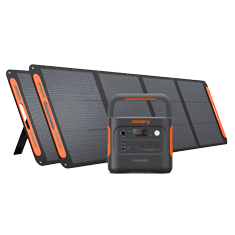
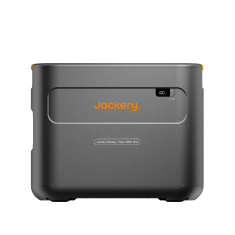
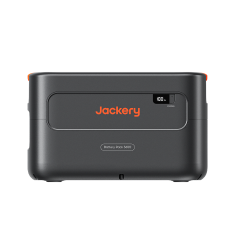
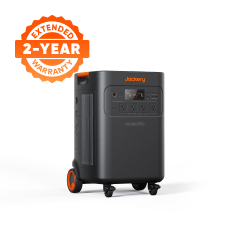
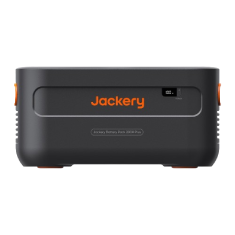
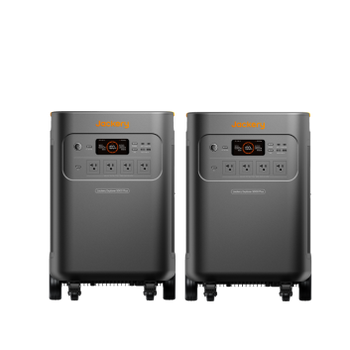
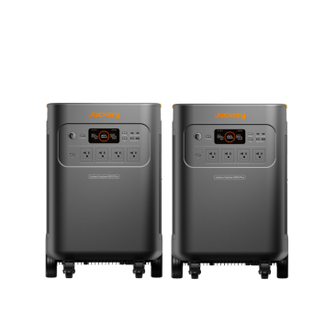
The Jackery Solar Generator 5000 Plus is an essential home backup solution and is ideal for large 3-bedroom homes with higher power needs. It can run heavy-duty appliances like air conditioners, washing machines, and induction cooktops with ease, making it a powerful ally for reducing long-term energy costs and preparing for blackouts. With expandable battery capacity, it's designed for families who want both energy independence and more savings over time.
Appliances Running Time
- Refrigerator (300W) = 12.2H
- Cooler (200W) = 17.1H
- TV (150W) = 21.4H
- Induction Cooktop (1000W) = 4.1H
- Fan (100W) = 28.6H

Who Should Buy This
The Jackery Solar Generator 5000 Plus is ideal for families in 3-bedroom homes with high power usage, looking to reduce monthly bills and stay prepared for extended outages.
Customer Review
“The power went out two days after receiving it, but I had already charged both 5000W units and battery packs. Jackery saved the day, running our CPAP machines, two refrigerators, and a freezer with no problems.” — Danny Wroolie.
3-Bedroom House Average Electric Bill FAQs
What size of solar generator do I need for my 3-bedroom house?
To determine the appropriate size of a solar generator for your 3-bedroom house, you need to estimate your daily energy consumption and the number of solar panels needed to meet that demand. Let's say you are powering a water heater (1000W) and a window AC (900W) simultaneously with the help of Jackery Solar Generator HomePower 3000. To calculate the working hours, visit the product page and scroll down to find the Running Time Calculator. Then, add the total appliance wattage and hit Enter to get an estimated runtime, which is 1.4 hours in this case.
How much power does a 3-bedroom home use?
A typical 3-bedroom house in the US uses an average of 899 kWh per month. In the United States, the average monthly electric bill for a 3-bedroom house, as of December 2025, is $154.98.
How much electricity does a family of 4 use?
A family of four in the US typically uses around 10,791 kilowatt-hours (kWh) of electricity per year, which averages to about 899 kWh per month. This can vary based on factors like location, home size, and energy usage habits.
What uses the most electricity in a home?
In a typical household, the appliances that use the most energy are those for heating and cooling and your HVAC system. Energy-intensive central air conditioning and heating systems use a lot of energy as well to maintain the ideal temperature in your home.
Is 40 kWh per day a lot?
For homes less than 3000 sq feet, the average household consumption is 29 kWh per day. Comparatively, 40 kWh is much higher than the average consumption.
Final Thoughts
For every household owner who is looking forward to mitigating the rising utility costs and contributing to environmental sustainability, investing in solar generators is a forward-thinking approach. These provide reliable power sources while significantly reducing the average electric bill for a 3-bedroom house. The Jackery Solar Generators would support your economic lifestyle with their ease of use and ability to power large appliances.